Mastering the Essential Elements of Speech Clarity
Delving Into the Core Principles of Speech Clarity
Speech clarity is vital for effective communication, highlighting the distinctiveness and comprehensibility of spoken language. It transcends the mere recognition of sounds; it involves grasping the message being conveyed. Key factors such as articulation, suitable intonation, and a calm environment play significant roles in improving speech clarity. For those with hearing impairments, the ability to interpret these sounds can greatly affect their day-to-day interactions and overall quality of life. Striving for optimal speech clarity leads to more fluid conversations, enhances personal relationships and professional engagements, and fosters a more interconnected existence.
What Makes Speech Clarity Vital for Daily Life?
The significance of clear speech is immense, impacting various aspects of life, from personal relationships to workplace interactions. In social settings, effective communication strengthens connections, diminishes misunderstandings, and builds trust among individuals. For professionals, clear speech is crucial for delivering impactful presentations, engaging in successful negotiations, and promoting effective teamwork, ultimately boosting career opportunities. Improved articulation also enhances an individual’s confidence, making them feel more capable in different social scenarios. The ability to communicate clearly not only facilitates better emotional expression but also contributes to enhanced mental well-being, demonstrating the widespread benefits of speech clarity.
What Obstacles Impede Speech Clarity and How Can They Be Addressed?
Several challenges can hinder speech clarity, including background noise, hearing loss, and various speech disorders. In lively environments, such as restaurants or busy streets, overwhelming sounds can obscure vital components of conversation, making it challenging to comprehend spoken language. With millions experiencing hearing loss worldwide, individuals often grapple with muffled sounds and distorted speech, complicating their communication efforts. Speech disorders like stuttering or dysarthria can further diminish clarity, causing frustration for both speakers and listeners. Recognising these obstacles is the first step toward implementing effective solutions, such as using hearing aids, to improve communication.
Proven Techniques for Enhancing Speech Clarity

Improving speech clarity can be achieved through various strategies, including articulation exercises, breathing techniques, and structured speech therapy. Articulation exercises focus specifically on the accurate formation of sounds, greatly enhancing intelligibility. Breathing techniques are essential for controlling the rhythm of speech, enabling individuals to express their thoughts with greater clarity and assurance. Professional speech therapy offers personalised guidance and exercises tailored to each person’s specific challenges, empowering them to overcome obstacles. When these methods are combined with modern technology like hearing aids, they can significantly boost communication effectiveness and clarity.
In What Ways Has Technology Revolutionised Speech Clarity?
Technological advancements have significantly transformed how we approach and improve speech clarity. Cutting-edge hearing aids now incorporate advanced functionalities that enhance sound quality, ensuring that conversations remain clear even in noisy settings. Innovations such as speech-to-text software and noise-cancellation technologies enable users to engage fully in discussions, effectively bridging the communication divide created by hearing impairments or environmental noise challenges. With these developments, individuals can enjoy a richer auditory experience, enhancing their ability to connect with others and participate meaningfully in both social and professional contexts.
Grasping the Functionality of Hearing Aids
What Are the Primary Functions of Hearing Aids?
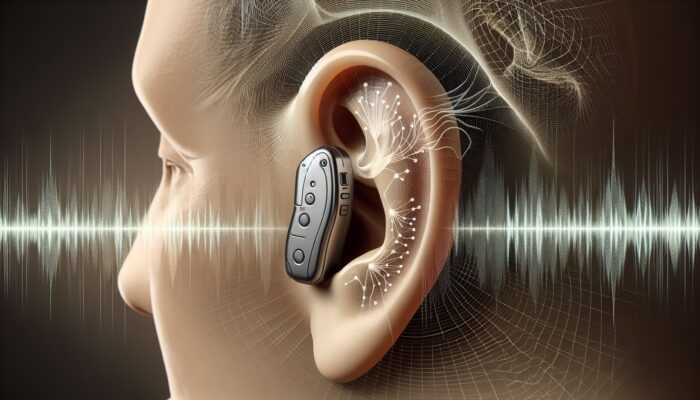
Hearing aids are essential devices for those experiencing hearing loss, as they amplify sound to improve comprehension of auditory information. Their core function involves capturing sound through integrated microphones, converting it into digital signals, and amplifying these signals for transmission to the ear. This amplification process allows users to perceive sounds that may have previously been inaudible, fostering a clearer understanding of speech and enriching their overall auditory experience. The effectiveness of hearing aids can vary based on individual needs and the degree of hearing loss, yet they remain crucial tools for enhancing quality of life.
What Varieties of Hearing Aids Are Available?
A wide range of hearing aid models exists, each designed with unique features to cater to different user preferences and requirements. Behind-the-ear (BTE) models are popular due to their user-friendly design and versatility. In-the-ear (ITE) aids are custom-fitted, offering a more discreet option, while completely-in-canal (CIC) hearing aids, though less visible, provide a more natural auditory experience. Each type presents its own advantages and disadvantages, enabling users to choose based on comfort, visibility, and amplification needs. Understanding these options is essential for individuals seeking to enhance their speech clarity effectively and comfortably.
How Does Technology Enhance Modern Hearing Aids?
Contemporary hearing aids employ digital signal processing technology to significantly improve sound quality and speech clarity. This advanced technology allows for precise adjustment based on each user’s unique hearing profile, optimising the amplification of speech frequencies while reducing background noise. Many modern devices feature sophisticated options such as feedback suppression, which eliminates distracting whistling sounds, and automatic adjustments that adapt to varying environmental conditions. As hearing aid technology continues to advance, users benefit from ongoing enhancements that elevate their auditory experiences, making communication more effective and enjoyable.
Enhancing Speech Clarity with Hearing Aids
In What Ways Do Noise Reduction Features Assist Users?
Noise reduction is a crucial feature in modern hearing aids, specifically designed to filter out unwanted background noise while amplifying speech clarity. Utilising advanced algorithms, these devices can distinguish between speech and surrounding sounds, enabling users to concentrate on conversations without distractions. This capability is especially advantageous in noisy environments, such as bustling cafes or crowded workplaces, where background chatter can obscure important verbal nuances. The ability to prioritise essential sounds fosters more meaningful and engaging interactions, empowering users to participate confidently in social situations.
What Role Do Directional Microphones Play in Improving Conversations?
Directional microphones represent another innovative feature that significantly enhances speech clarity in hearing aids. Designed to focus on sounds coming from specific directions, typically from the front, these microphones allow users to engage in conversations even in vibrant environments. By minimising sounds from other directions, users can effectively isolate dialogue, making it easier to understand what is being said without excessive effort. This technology greatly enriches the overall user experience, particularly in social gatherings or meetings where multiple discussions may occur simultaneously. For individuals striving to enhance their communication skills, the introduction of directional microphones is truly transformative.
How Does Frequency Compression Aid in Understanding Speech?
Frequency compression technology is vital for enhancing speech comprehension, especially for individuals experiencing high-frequency hearing loss. It functions by compressing high-frequency sounds into lower frequencies that the user can hear more effectively. This process preserves essential speech cues, such as consonants, which are critical for understanding language. By converting sound into a more accessible range, frequency compression empowers individuals to engage more fully in conversations and interactions, thereby improving their overall communication abilities. This technology exemplifies how hearing aids can be specifically tailored to address unique auditory needs.
What Are the Diverse Benefits of Enhanced Speech Clarity?
How Does Clear Communication Enrich Social Interactions?
Enhanced speech clarity can profoundly impact social interactions, enabling individuals to communicate more effectively and with greater confidence. Clear speech diminishes the risk of misunderstandings and fosters genuine conversations, nurturing deeper connections among friends, family, and colleagues. In various social settings, from casual gatherings to formal occasions, the ability to articulate thoughts and respond clearly contributes to more enjoyable and fulfilling interactions. As relationships thrive through improved communication, individuals experience a heightened sense of belonging and emotional well-being, highlighting the significant influence of hearing aids on speech clarity.
What Effect Does Improved Speech Clarity Have on Professional Success?
In professional settings, enhanced speech clarity can lead to increased productivity and self-assurance. Clear communication is crucial for effective collaboration, impactful presentations, and successful negotiations, where misunderstandings can result in costly errors. The ability to articulate ideas and engage in discussions with clarity not only enhances job performance but also opens avenues for career advancement. Employers also benefit; teams composed of members who communicate effectively tend to demonstrate greater cohesion and innovation. Investing in technologies that improve speech clarity, such as hearing aids, is a wise choice for individuals and organisations aiming for success.
How Does Effective Communication Promote Emotional Well-being?
The connection between communication and emotional well-being is clear. When individuals can express themselves clearly and understand others without barriers, it fosters a sense of empowerment and alleviates feelings of isolation. Enhanced speech clarity through hearing aids diminishes frustration in social contexts, allowing users to engage more comfortably and freely. This improved communication capability supports positive mental health, nurturing connections that are essential for emotional support and resilience. The benefits of improved speech clarity extend well beyond practical communication, significantly enriching the emotional lives of individuals.
How to Manage the Adjustment Process with Hearing Aids?
What Should You Anticipate During the Initial Adjustment Phase?
Adapting to hearing aids involves a significant transition that necessitates patience and time. Many users undergo an initial adjustment phase during which they must acclimatise to the new sounds and sensations provided by their hearing aids. It is common to feel overwhelmed by the influx of auditory information, ranging from subtle environmental sounds to the full spectrum of conversations. This adjustment period can last from a few days to several weeks, depending on personal experiences and the severity of hearing loss. Embracing this phase with an open mind is essential for maximising the benefits of enhanced speech clarity.
How Can Professionals Personalise Hearing Aids for Optimal Performance?
Professional adjustments and fine-tuning are critical in optimising hearing aids to meet individual needs. Audiologists play a key role in this process, customising settings based on the user’s specific hearing profile and lifestyle. Fine-tuning may involve adjusting sound levels, frequency responses, and noise reduction features to ensure optimal clarity in various environments. This level of customisation is vital for maximising the effectiveness of hearing aids, as it enables users to experience tailored solutions that address their unique auditory challenges. Regular follow-up appointments with audiologists can further enhance hearing aid performance over time, ensuring long-term satisfaction.
Why Is Continuous Support and Maintenance Crucial for Hearing Aids?
Regular check-ups and maintenance are essential to ensure that hearing aids continue to function optimally. Users should schedule periodic appointments with audiologists to evaluate the performance of their devices and make necessary adjustments. Maintenance may include cleaning, battery replacements, and software updates to enhance performance and longevity. By prioritising these ongoing support measures, users can enjoy consistent speech clarity and an improved auditory experience, minimising the likelihood of frustration or communication barriers over time.
What Strategies Can Assist Users in Adapting to Varied Environments?
Learning to utilise hearing aids effectively in different settings is crucial for maximising their benefits. Users should develop strategies for environmental adaptation, such as choosing optimal seating arrangements in noisy restaurants or using assistive listening devices in larger venues. Familiarising oneself with various listening environments can bolster confidence in the ability to engage in conversations. Techniques like focusing on the speaker’s lips while listening can further enhance sound clarity in challenging situations. Mastering these strategies can significantly improve overall satisfaction with hearing aids and the communication experiences they enable.
How Can Users Tackle Psychological Adjustments and Seek Counselling Support?
The psychological impacts of hearing loss can present challenges for many users, making emotional support and counselling crucial to the adjustment process. Coping with hearing loss may evoke feelings of frustration, isolation, and anxiety, negatively affecting an individual’s mental well-being. Seeking guidance from professionals specialised in auditory-related psychological issues can provide valuable coping strategies and support frameworks. Counselling can empower users to view their hearing aids as tools for connection rather than limitations. This holistic approach to adjustment not only enhances speech clarity but also fosters resilience and emotional health.
What Innovations Are Shaping the Future of Hearing Aids?
How Is Artificial Intelligence Transforming Hearing Aid Technology?
The incorporation of artificial intelligence (AI) into hearing aids represents a significant breakthrough in enhancing speech clarity. AI technology enables hearing aids to analyse sound environments in real-time, automatically adjusting settings to optimise clarity based on surrounding noise levels and types of sounds present. This capability greatly enhances the user experience, simplifying navigation through diverse auditory environments, from quiet meetings to lively social events. As AI technology advances, the potential for further innovations in hearing aids promises even greater improvements in communication effectiveness and user satisfaction.
What Benefits Does Wireless Connectivity Provide for Hearing Aid Users?
Wireless connectivity in hearing aids facilitates seamless integration with smartphones and other devices, enhancing speech clarity through direct streaming capabilities. This feature allows for clear communication during phone calls, video conferences, and audio streaming, providing users with a more immersive auditory experience. By connecting to various devices, hearing aids can automatically adjust settings based on context, further improving clarity in conversations. This level of connectivity empowers users to engage with modern communication methods without the barriers that traditional hearing aids may impose, significantly enriching their social interactions and daily experiences.
What Future Innovations Can We Anticipate in Hearing Aid Technology?
Ongoing research in hearing aid technology holds promise for further innovations aimed at enhancing speech clarity. Emerging trends include the development of smaller, more discreet devices equipped with advanced functionalities, such as improved noise cancellation and enhanced sound processing algorithms. Innovations in battery technology may also lead to longer-lasting devices with quicker charging capabilities. As these advancements continue to surface, they will further empower individuals with hearing loss, enabling them to enjoy clearer communication and richer auditory experiences, thereby transforming their interactions with the world.
How to Select the Ideal Hearing Aid for Your Needs?
What Steps Should You Follow to Evaluate Your Hearing Aid Requirements?
Choosing the appropriate hearing aid begins with a comprehensive assessment of individual needs. Audiologists evaluate the severity of hearing loss, lifestyle preferences, and personal goals to recommend the most suitable hearing aid model. This personalised approach ensures that users receive devices designed to meet their unique auditory requirements, maximising the potential for improved speech clarity. Factors such as budget, desired features, and aesthetic preferences also play a significant role in the decision-making process. By thoroughly understanding their specific needs, users can make informed choices that lead to more effective communication solutions and overall satisfaction.
Why Are Trial Periods and Demonstrations Critical in Hearing Aid Selection?
Trial periods and demonstrations are vital components in the process of finding the right hearing aid. Many audiologists offer users the opportunity to trial different models, allowing them to experience firsthand how each device improves speech clarity in real-world scenarios. This hands-on approach helps users assess their comfort levels, evaluate sound quality, and determine which features align best with their lifestyles. Engaging in trial periods empowers individuals to make confident decisions, ensuring they select hearing aids that truly meet their needs and preferences for optimal communication.
What Financial Aspects Should You Consider When Selecting a Hearing Aid?
Understanding the costs associated with hearing aids is essential for prospective users. Prices can vary widely based on features, technology, and brand. Insurance coverage for hearing aids can differ significantly, with some plans offering partial reimbursement while others may not cover expenses at all. Individuals should explore their insurance options and consider financial assistance programmes when budgeting for hearing aids. By being well-informed about costs and insurance factors, users can navigate the financial landscape more effectively, ensuring access to the best solutions for their hearing needs.
What Are the Most Frequently Asked Questions About Hearing Aids?
What Key Advantages Do Hearing Aids Offer?
Hearing aids primarily enhance speech clarity, improve social interactions, boost confidence in professional settings, and contribute to overall emotional well-being. They make communication more accessible, significantly enriching the user’s quality of life and social engagement.
How Do Hearing Aids Enhance Speech Clarity?
Hearing aids improve speech clarity by amplifying sound, reducing background noise, and utilising features such as directional microphones and frequency compression, allowing users to focus on conversations even in challenging auditory environments.
Do All Hearing Aids Provide the Same Features?
No, hearing aids vary significantly in features depending on models and brands. Some may include advanced options like noise reduction, wireless connectivity, and artificial intelligence integration, while others may focus primarily on basic amplification functionalities.
What Is the Typical Adjustment Period for Using Hearing Aids?
The adjustment period varies for each individual but generally ranges from a few days to several weeks. Users may initially feel overwhelmed as they acclimatise to new sounds and auditory information.
Can Hearing Aids Assist in Filtering Background Noise?
Yes, many modern hearing aids incorporate noise reduction capabilities that help filter out background noise, enabling users to concentrate more effectively on speech and significant sounds around them.
What Factors Should You Take Into Account When Choosing a Hearing Aid?
Consider aspects such as the severity of hearing loss, lifestyle preferences, comfort, desired features, and budget. Consulting with an audiologist can provide valuable insights tailored to individual needs, ensuring the best choice for hearing aids.
Are Hearing Aids Typically Covered by Insurance?
Coverage for hearing aids varies widely among insurance plans. Some may offer partial reimbursement, while others may not cover them at all. It is essential to check with your provider for specific coverage details.
What Recent Advancements Are Being Made in Hearing Aid Technology?
Recent advancements include the integration of artificial intelligence, improved noise cancellation, and enhanced wireless connectivity, all aimed at improving user experience and speech clarity in diverse environments.
How Often Should You Have Your Hearing Aids Checked?
Regular check-ups are recommended every six months to maintain optimal functionality. This includes cleaning, maintenance checks, and potential adjustments to accommodate any changes in hearing needs.
Can I Use My Hearing Aids While Exercising?
Yes, many hearing aids are designed to withstand sweat and moisture. It is advisable to consult with your audiologist regarding specific models that are best suited for active lifestyles and physical activities.
Discover our journey on X!
The post Hearing Aids Enhance Communication and Speech Clarity first appeared on The Microsuction Ear Wax Removal Network.
Originally posted 2025-05-08 03:12:21.
The post Hearing Aids Improve Communication and Speech Clarity appeared first on Healthcare Marketing Service.