Last Updated on 22/05/2025 by Admin
How to Create the Ideal Storage Conditions for Your Hearing Aids
To maximise the lifespan and functionality of your hearing aids, establishing an ideal storage environment is vital. Understanding effective storage techniques for hearing aids begins with managing key factors such as temperature, humidity, and exposure to damaging elements that can impair their performance over time. By creating a suitable storage environment, you can greatly enhance the durability of your hearing aids, ensuring they deliver optimal performance for years to come.
What Temperature is Best for Storing Hearing Aids?
Maintaining a consistent, moderate temperature for storing hearing aids is crucial to safeguard their sensitive components. Extreme temperature fluctuations, whether excessively high or low, can inflict irreversible damage on these devices. Avoid storing your hearing aids in areas subject to temperature changes, such as near radiators, windows, or other heat sources, as these can adversely affect the devices’ electronic components and battery life. The recommended temperature range for hearing aid storage is between 40°F and 85°F (4°C to 29°C), which helps ensure their continued functionality and reliability.
It is important to consider seasonal variations, especially for those living in regions with extreme climates. During colder seasons, seek out a stable indoor location that replicates a more temperate environment. This is particularly significant for residents of areas with dramatic temperature shifts, such as polar or desert regions, as these variations can drastically influence device performance.
Understanding the science behind temperature regulation highlights its importance. For instance, excessive heat may warp the plastic casing of hearing aids, while extreme cold can adversely affect battery efficiency. Hence, maintaining a stable environment is essential for preserving both the physical integrity and operational functionality of these crucial devices.
How to Control Humidity Levels for Hearing Aid Protection
Humidity poses a subtle yet serious threat to hearing aids, as moisture is a leading cause of device malfunction. To prevent moisture-related issues such as corrosion or mould growth, it is essential to store hearing aids in a dry environment. High humidity levels, often found in tropical regions or during rainy seasons, can lead to moisture build-up within the devices, jeopardising their functionality.
Utilising silica gel packets or electronic dehumidifiers in storage areas can effectively combat humidity, as these tools absorb excess moisture and create a protective barrier against the negative effects of humid air. When travelling or when confronted with unpredictable weather, consider employing portable dehumidifying cases to provide an additional layer of defence for your hearing aids, ensuring they continue to perform well.
Educating users about the impact of humidity on hearing aids can significantly improve maintenance habits. For instance, individuals living in coastal areas with high humidity should prioritise the use of desiccants and routinely check their hearing aids for any signs of moisture damage to keep their devices functioning optimally.
How Does Light Exposure Affect Hearing Aids and What Can You Do?
Exposure to direct sunlight and ultraviolet (UV) light can degrade hearing aid components, particularly the casing and electronic circuits. Minimising exposure to these harmful elements can significantly extend the lifespan of your devices. Always store hearing aids in a protective case that shields them from sunlight, ensuring they are kept away from direct light sources to prevent damage.
The choice of storage location is equally critical. Avoid placing hearing aids on a bedside table facing a window; instead, opt for a closet or drawer where light cannot penetrate. Users residing in sun-drenched regions, such as parts of Australia or the Mediterranean, should be particularly cautious about light exposure, as prolonged exposure can lead to premature degradation of the devices.
Recognising how light can damage hearing aids emphasises the need for protective measures. UV light can break down the materials used in hearing aids, resulting in potential failures over time. ensuring a dark and dry storage environment is a key strategy for effectively maintaining these essential devices.
Why Clean Air Quality is Important for Hearing Aids
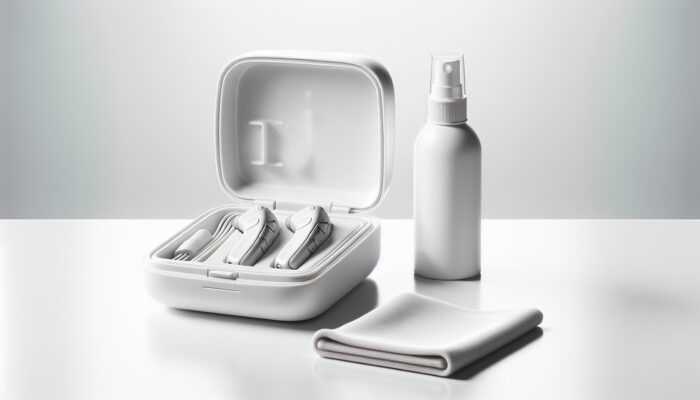
Maintaining a clean storage environment is essential for the performance and longevity of hearing aids. Dust, lint, and other debris can accumulate over time, interfering with the delicate components of these devices. storing hearing aids in a clean, contamination-free area is necessary to prevent such build-up from affecting their efficiency.
Regularly cleaning the storage area can help prevent the accumulation of particles that may compromise the performance of hearing aids. Users should develop the habit of wiping down shelves or compartments where the devices are stored, ensuring that no contaminants can infiltrate and damage the equipment.
Utilising specialised storage containers can mitigate exposure to air pollutants. In densely populated urban areas where air quality may be compromised, the impact on hearing aids can be substantial. Users should contemplate investing in air-purifying systems or using sealed containers to further protect their devices from environmental pollutants.
Why You Should Invest in Dedicated Storage Containers for Hearing Aids
Utilising designated cases or containers is one of the most effective strategies for safeguarding hearing aids from physical damage and environmental factors. Investing in high-quality storage solutions that offer both protection and convenience is crucial for implementing best practices for hearing aid storage.
Specialised cases tailored for hearing aids not only offer a secure environment but often incorporate features like moisture-absorbing materials and cushioning to prevent impact damage. Portable options can be particularly advantageous for individuals on the go, ensuring that hearing aids are always protected, whether at home or during travel.
Understanding the variety of storage options available can enhance user experience. For example, users may consider hard-shell cases for travel and softer, flexible cases for everyday use. The choice of materials and design can significantly impact how well hearing aids are stored, underscoring the importance of selecting the right container for specific situations.
Establish Consistent Daily Storage Habits for Your Hearing Aids
Implementing consistent daily storage practices is essential for preserving the functionality of hearing aids and enhancing their overall lifespan. From effective battery management to regular cleaning routines, these habits are vital for ensuring optimal performance and longevity of the devices.
How to Prevent Corrosion by Removing Batteries
Removing batteries from hearing aids during storage is a crucial step in preventing corrosion. Over time, batteries can leak, leading to significant damage to the internal components of the devices. Users should establish a routine of removing batteries each night or whenever they anticipate not using their hearing aids for an extended period to protect the devices from potential harm.
It is important to consider the type of batteries being used. While rechargeable batteries offer convenience, they can still contribute to corrosion if left in the device for too long when not in use. Regularly inspecting the battery compartment for any signs of leakage or corrosion is equally important, as early intervention can prevent further damage and ensure the devices remain functional.
Educating users on proper battery care can greatly enhance maintenance practices. For example, users should be informed about the life expectancy of various battery types, as this knowledge aids in making informed decisions regarding when to remove or replace batteries. Understanding the relationship between battery management and device maintenance can significantly improve the longevity of hearing aids.
What Cleaning Routine Should I Follow Before Storing Hearing Aids?
Daily cleaning of hearing aids is vital for removing earwax and debris before storing them. Over time, build-up can adversely affect sound quality and the overall performance of the devices. A simple cleaning routine may involve using a soft, dry cloth or specialised cleaning tools designed for hearing aids to ensure they remain in optimal condition.
Educating users about the correct cleaning techniques is essential for maintaining device integrity. For instance, users should be made aware of the importance of avoiding water or harsh chemicals that could damage the devices. Instead, gentle wipes or brushes specifically designed for hearing aids are recommended to clean effectively without causing harm.
Reminding users of the cleaning routine can help prevent issues down the line. Establishing a consistent schedule—such as cleaning the devices at the same time each day—can reinforce the practice, ensuring that hearing aids remain in exceptional condition and function properly.
Why Using Protective Cases is Essential for Hearing Aids
Storing hearing aids in protective cases shields them from dust and physical damage. These cases are specifically designed for hearing aids, often featuring compartments that keep the devices secure and prevent them from colliding with one another, which could cause damage.
Choosing the right case is crucial for effective storage. Look for cases made from moisture-resistant materials to enhance protection against environmental factors. For example, cases that include silica gel packets or other desiccants can provide added assurance against humidity, keeping your devices safe and functional.
Educating users about the benefits of protective cases can promote better adherence to these storage practices. Highlighting the long-term savings on repairs or replacements can motivate users to invest in quality storage solutions that effectively protect their hearing aids.
How to Manage Humidity for Optimal Hearing Aid Storage
Utilising desiccants or dehumidifiers in storage areas is an effective strategy for managing humidity levels around hearing aids. By absorbing excess moisture, these tools help protect hearing aids from humidity-related damage, which is particularly important in climates prone to high humidity levels.
Users should consider placing desiccant packs within their storage containers or cases for added protection. Regularly checking and replacing these materials is essential to ensure that the storage environment remains dry, contributing to the overall care and maintenance of hearing aids.
In humid regions, such as tropical climates, proactive measures against humidity become even more crucial. Users may also choose to use electronic dehumidifiers that actively maintain low humidity levels in storage spaces, offering enhanced protection for their devices.
Explore Effective Long-Term Storage Solutions for Hearing Aids
When planning for the long-term storage of hearing aids, thoughtful choices can greatly influence their condition over time. Implementing desiccants and utilising airtight containers ensures that devices are preserved correctly, protecting them from various environmental stressors that could lead to damage.
How to Use Desiccants for Effective Moisture Control
Integrating desiccants within storage containers is fundamental for maintaining dryness and preventing mould growth. These materials effectively extract moisture from the air, creating a secure environment for hearing aids, which is vital for their longevity.
Users should familiarise themselves with the diverse types of desiccants available, such as silica gel or clay-based options, each offering unique benefits in moisture absorption. Regularly replenishing these desiccants is necessary to maintain their effectiveness, especially in areas with persistently high humidity levels.
Educating users on the importance of moisture control not only protects their hearing aids but also fosters a sense of responsibility for device maintenance. By understanding the function of desiccants and their role in keeping devices dry, users are more likely to be diligent in maintaining a dry storage environment.
Why Airtight Containers Are Essential for Maximum Protection
Storing hearing aids in airtight containers offers robust protection against environmental factors. These containers create a barrier against dust, moisture, and pests, ensuring that hearing aids remain safe and functional during extended periods of inactivity.
Selecting high-quality airtight containers is vital for effective storage. Look for options featuring secure seals and constructed from durable materials to enhance longevity. For instance, consider containers made from impact-resistant plastics, which can withstand accidental drops or impacts while stored.
Users should be informed about best practices for using airtight storage solutions. Regularly checking seals for wear and replacing containers when necessary will help ensure continued effectiveness in protecting hearing aids from potential damage.
Why Periodic Checks are Important for Stored Hearing Aids
Conducting periodic checks on stored hearing aids is essential to ensure they remain in good condition. Users should establish a schedule for these inspections, allowing them to identify potential issues early and take corrective action as needed.
During these inspections, users should examine the physical condition of the devices, evaluate the state of the storage environment, and assess the effectiveness of desiccants. If any signs of damage or deterioration are noted, immediate action should be taken to address them, whether through cleaning, repairs, or replacement of the devices.
Creating awareness about the significance of these periodic checks fosters a proactive attitude toward hearing aid maintenance. Users who prioritise regular inspections are likely to experience fewer complications and enjoy a longer lifespan for their devices.
Key Considerations for Travelling with Hearing Aids
Travelling with hearing aids requires careful planning to ensure their safety and functionality throughout the journey. Taking the right precautions can make the experience seamless and stress-free, allowing users to enjoy their travels without the worry of potential device damage.
What are the Best Portable Storage Options for Travel?
Utilising compact, portable cases for hearing aids during travel is essential to ensure their security and protection. These cases should be lightweight yet durable, providing adequate protection without adding unnecessary bulk to your luggage.
Choosing a travel case with compartments can help organise hearing aids, spare batteries, and cleaning tools effectively. This organisation ensures that everything remains in one place, making it easy to access your devices when needed during your travels.
Educating users about the importance of travel-specific storage solutions can significantly enhance their travel experience. Encouraging them to invest in high-quality portable cases can prevent potential mishaps and ensure that devices remain protected throughout their journeys.
How to Keep Hearing Aids Secure During Travel
Maintaining the security and accessibility of hearing aids during travel is crucial for protecting against loss or damage. Users should consider wearing their hearing aids during transitory stages, such as on flights or during long road trips, to minimise the risk of misplacement or damage.
Travel bags should feature designated sections for hearing aids, ensuring they remain secure while also providing easy access. Users may also want to carry essential accessories, such as cleaning tools and spare batteries, to address any potential issues that may arise while away from home.
Raising awareness about these security measures helps users remain vigilant. By prioritising the safe storage of hearing aids, users can travel with confidence, minimising the risks associated with their devices.
How to Adapt Hearing Aid Storage to Different Climates While Travelling
Travelling to diverse climates necessitates adjustments to storage practices for hearing aids. Users should be prepared to modify their methods based on local weather conditions, as factors such as humidity and temperature can significantly influence the performance and safety of their devices.
For example, those travelling to humid locations may need to employ additional desiccants or dehumidifiers in their cases to prevent moisture build-up. Conversely, in colder climates, keeping the devices warm can help prevent battery issues and ensure they function optimally.
Encouraging users to research their destination’s climate can help them plan ahead effectively. Understanding how local conditions can impact hearing aids fosters greater responsibility in care practices, ensuring devices remain protected in various environments.
What Essential Items Should You Pack for Hearing Aids When Travelling?
Including spare batteries, cleaning tools, and a small repair kit in your travel bag is crucial for maintaining hearing aids while on the go. These essentials ensure users are prepared for any situation, offering peace of mind during their travels.
Users should create a checklist of necessary items before embarking on their travels to ensure nothing is overlooked. For instance, consider carrying a small toolkit for minor repairs, which can be invaluable during extended trips away from home.
Educating users on the significance of packing these essentials can enhance their travel experience. Knowing they have the necessary tools to address potential issues allows users to focus on enjoying their adventures rather than worrying about their devices.
How to Navigate Air Travel with Hearing Aids
Informing airport security about the presence of hearing aids and requesting pat-downs can help avoid potential damage from x-ray machines. Users should proactively communicate their needs to ensure a smooth screening process, alleviating any concerns regarding their devices.
Understanding the airport screening process can help users feel more prepared. Educating them on what to expect, such as potential inspections of hearing aids, can instil confidence during travel.
Providing practical tips for navigating air travel can enhance overall user experiences. Encouraging users to arrive early and ensure their hearing aids are easily accessible can prevent stress and create a more enjoyable travel experience.
Tailored Storage Solutions for Different Types of Hearing Aids
Not all hearing aids are the same, and their storage requirements can vary significantly based on their design and function. Understanding the unique needs of different types of hearing aids is essential for ensuring their longevity and optimal performance.
How to Properly Store Behind-the-Ear (BTE) Models
Behind-the-ear (BTE) models require careful storage to protect their sensitive components. These devices often contain precise electronics housed within a protective casing, making them vulnerable to impacts if mishandled or stored improperly.
When storing BTE hearing aids, ensure they are kept in a case that offers adequate cushioning and protection. Avoid placing them in areas where they might fall or be subjected to pressure from other items, as this could lead to damage or malfunction.
Educating users about the specific needs of BTE models fosters responsible storage practices. Emphasising the importance of careful handling can prevent accidents that could result in costly repairs or replacements, ensuring the devices remain functional for a longer time.
How to Protect In-the-Ear (ITE) Models from Moisture
In-the-ear (ITE) hearing aids are more susceptible to moisture build-up and debris accumulation due to their design. Storing these devices in a clean, dry environment is vital for maintaining their functionality and performance over time.
Consider using a specialised case that incorporates moisture-absorbing features to provide extra protection for ITE models. Establishing regular cleaning routines can also help mitigate the accumulation of earwax and other debris, ensuring that hearing aids remain in optimal condition and continue to deliver quality sound.
Educating users about the unique challenges faced by ITE models can enhance their understanding of maintenance and care. By instilling knowledge about proper storage methods and cleaning techniques, users can maximise the lifespan and effectiveness of their devices.
Why Specialized Care Guidelines for Cochlear Implants are Important
Cochlear implants have specific storage guidelines that differ from traditional hearing aids. These devices often include external components that require careful handling to ensure their functionality remains intact.
When storing cochlear implants, users should prioritise keeping them in their original packaging or in a protective case specifically designed for the device. As with other models, maintaining a dry and clean environment is crucial to avoid potential damage.
Understanding the importance of specialised care for cochlear implants fosters a sense of responsibility among users. By adhering to proper storage practices, users can ensure the longevity and effectiveness of their devices, making them an integral part of their daily lives.
Integrating Maintenance with Effective Storage Practices
Regular maintenance and effective storage practices are interconnected, forming the foundation of hearing aid care. Users who engage in consistent upkeep are likely to experience fewer issues and a longer lifespan for their devices.
Why Regular Maintenance is Essential for Optimal Functionality
Conducting regular maintenance on hearing aids is crucial for ensuring they remain in good condition for storage. This involves routine cleaning, checking for any signs of wear and tear, and addressing issues before they escalate into more significant problems.
Encouraging users to set maintenance schedules can improve adherence to these practices. For instance, suggesting weekly cleaning and inspection of devices fosters a proactive approach to device care, ensuring that hearing aids remain functional and reliable.
Understanding the benefits of regular maintenance not only enhances device longevity but also improves user satisfaction. Educated users are more likely to appreciate the value of their hearing aids, motivating them to ensure optimal performance through consistent upkeep.
Why Professional Servicing is Important for Comprehensive Maintenance
Scheduling professional servicing is essential for keeping hearing aids in optimal working order before storage. Regular consultations with audiologists or hearing aid specialists can address underlying issues that may not be visible to users, ensuring the devices function as intended.
Users should consider building a relationship with a trusted hearing care provider to receive tailored advice on maintenance and servicing. This collaboration can enhance their understanding of individual hearing needs and equipment management, ultimately leading to improved device performance.
Emphasising the importance of professional servicing creates awareness of the complexities involved in maintaining hearing aids. Users who prioritise this aspect are likely to experience enhanced device functionality and longevity, ensuring they can rely on their hearing aids for years to come.
What to Do After Maintenance: The Importance of Prompt Storage
Storing hearing aids immediately after maintenance is vital to ensure they remain in optimal condition. Users should develop the habit of placing their devices back in protective cases right after servicing, avoiding exposure to elements that could cause damage.
Creating awareness around the timing of storage can greatly improve user practices. For example, encourage users to establish a routine where devices are stored immediately after cleaning or servicing, reinforcing the importance of prompt storage to maintain performance and longevity.
By emphasising the need for timely storage, users can better protect their hearing aids, avoiding unnecessary wear and tear that can result from improper handling and storage practices.
Empowering Users with Valuable Educational Resources
Education serves as a powerful tool in promoting responsible hearing aid management. Users who understand proper storage practices are more likely to engage with routines that protect their devices and ensure optimal performance over time.
Why is Proper Storage Crucial for Hearing Aids?
Educating users on the importance of proper storage for the longevity of hearing aids can significantly impact their device care routines. Understanding the relationship between storage practices and device performance empowers users to take responsibility for their hearing aids and engage in proactive maintenance.
Users should be informed about various environmental factors that can affect hearing aids, such as humidity, temperature fluctuations, and exposure to light. Providing concrete examples of how these factors can lead to damage reinforces the necessity for vigilant storage practices and proper care.
Sharing success stories or testimonials from users who have implemented effective storage practices can enhance motivation. Real-life examples demonstrate the tangible benefits of responsible care, encouraging others to adopt similar habits and practices that promote device longevity.
How to Demonstrate Proper Storage Techniques Effectively
Showing users the correct techniques for storing hearing aids can ensure they follow best practices for device care. Hands-on demonstrations can be particularly effective in reinforcing the significance of proper storage and maintenance routines.
Consider organising workshops or informational sessions where users can learn directly from experienced professionals about various topics, including cleaning techniques and appropriate storage solutions. These sessions enable users to practice what they learn in a supportive environment, boosting their confidence in managing their devices.
Ultimately, empowering users with practical knowledge fosters confidence in handling their hearing aids. By mastering storage techniques and maintenance practices, users can better protect their investments, enhancing both the longevity and performance of their hearing aids.
Why Regularly Reviewing Storage Practices is Beneficial
Encouraging users to periodically review and update their storage practices contributes to optimal results in hearing aid care. Establishing a routine for these assessments allows users to identify any necessary changes in their storage environment or methods to enhance device protection.
Creating checklists or reminders can facilitate these reviews, ensuring users remain engaged with their hearing aid care. For instance, suggesting quarterly evaluations to assess the effectiveness of current storage methods can help users stay proactive in their maintenance routines.
By fostering a culture of continuous improvement, users are likely to remain proactive in their device management. Regular reviews help ensure that storage practices evolve alongside any changes in users’ lifestyles or needs, ultimately enhancing the overall care of their hearing aids.
How to Address Common Mistakes for Enhanced Device Care
Educating users about common storage errors and how to avoid them is essential for preventing damage to hearing aids. By understanding the most frequent mistakes, users can take proactive measures to protect their devices from potential harm.
Highlighting issues such as improper cleaning techniques, neglecting humidity control, or failing to remove batteries can raise awareness of potential pitfalls. Users can benefit from practical tips on avoiding these mistakes, reinforcing the need for vigilance in their care practices to ensure optimal device performance.
Sharing stories of common storage errors can resonate with users, making the message relatable and encouraging them to take action. Addressing these mistakes head-on cultivates a greater sense of responsibility towards device management and encourages users to adopt best practices for care and maintenance.
Utilising Specialized Storage Accessories for Enhanced Protection
Informing users about the benefits of using specialised storage accessories can significantly enhance the protection of their hearing aids. Accessories such as cleaning kits, humidity control packs, and durable cases can provide additional layers of support in device care and maintenance.
Encouraging users to invest in quality accessories can prevent premature wear and tear on their devices. For instance, specialised cleaning tools designed to remove build-up without damaging sensitive components, along with robust storage cases, can prevent physical damage when devices are not in use.
By showcasing the advantages of utilising these accessories, users are more likely to adopt comprehensive storage practices that effectively protect their hearing aids. Educating users on the importance of proper tools ensures that they are equipped to manage their hearing aids effectively and responsibly.
Frequently Asked Questions About Hearing Aid Care
How often should I clean my hearing aids?
It is highly recommended to clean your hearing aids daily to remove earwax and debris, ensuring optimal performance and longevity of the devices.
Can I store my hearing aids in the bathroom?
It is advisable to avoid storing hearing aids in the bathroom due to high humidity levels, which can cause damage to the devices over time.
What is the best temperature for storing hearing aids?
The ideal storage temperature for hearing aids is between 40°F to 85°F (4°C to 29°C) to prevent potential damage and ensure device functionality.
Should I remove the batteries when storing hearing aids?
Yes, removing batteries during storage is crucial to prevent corrosion and potential damage to the hearing aids, ensuring they remain functional for longer.
How can I prevent moisture damage to my hearing aids?
Using silica gel packets or electronic dehumidifiers in storage areas can help prevent moisture build-up and protect your hearing aids from humidity-related damage.
What type of storage container is best for hearing aids?
A specialised protective case that is moisture-resistant and cushioned is ideal for securely storing hearing aids and preventing damage.
Can I travel with my hearing aids?
Yes, you can travel with your hearing aids by using portable storage cases and ensuring they are secure and easily accessible throughout your journey.
How can I keep my hearing aids safe during air travel?
Inform airport security about your hearing aids and request a pat-down to avoid potential damage from x-ray machines during the screening process.
What should I do if my hearing aids stop working?
If your hearing aids stop working, begin by checking for battery issues, clean them thoroughly, or consult with a professional for servicing and repairs.
Is professional servicing necessary for hearing aids?
Yes, regular professional servicing is important to maintain the optimal working order of hearing aids and to address any underlying issues that may arise.
Explore more with us on X!
The post Store Hearing Aids Effectively: Essential Tips for Longevity appeared first on The Microsuction Ear Wax Removal Network.
The post Store Hearing Aids Effectively: Essential Tips for Longevity appeared first on Healthcare Marketing Service.