Revolutionising NHS Services to Enhance Support for the Elderly
Improving Access to General Practitioner Services for Seniors
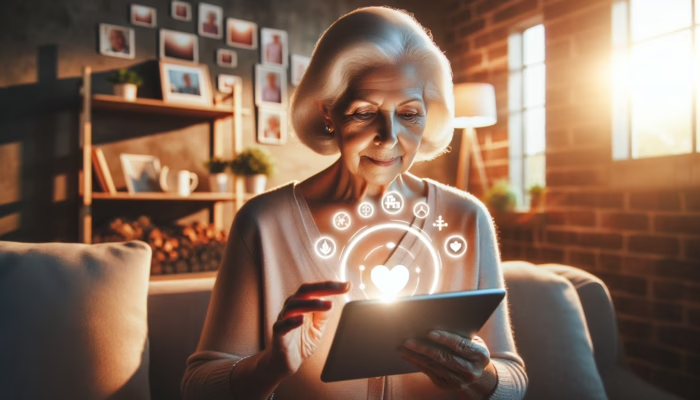
Accessing General Practitioner (GP) services is vital for the elderly; however, various obstacles often hinder their ability to obtain the healthcare they require. Streamlining appointment systems can significantly improve the experience for elderly patients. The implementation of online booking systems enables older adults, particularly those with limited mobility, to arrange appointments easily without the stress of phone calls that could be daunting. augmenting the provision of home visits is essential, as many older individuals face challenges travelling to clinics. By broadening these services, we ensure that our most vulnerable community members receive the critical attention and care they need, ultimately leading to better health outcomes.
Establishing dedicated helplines for seniors can streamline the process of addressing health concerns. These helplines should be manned by trained professionals familiar with the unique needs of older patients, providing personalised advice and triage. Such initiatives may also relieve pressure on GP practices by filtering out non-urgent inquiries and guiding patients to the appropriate resources. Investing in these systems not only boosts patient satisfaction but also optimises the time of healthcare professionals, benefiting the entire NHS framework and ensuring a more effective healthcare delivery system.
Expanding Access to Specialist Geriatric Care
The shortage of geriatric specialists in the UK poses a significant challenge, especially as the population ages. Increasing the number of specialists and establishing dedicated elderly care units within hospitals is crucial to ensure that seniors receive timely and appropriate care. Geriatricians are specially trained to handle the complex health issues that often arise in older adults, such as polypharmacy and co-morbidities. By expanding this workforce, we can provide tailored healthcare that meets the intricate needs of the elderly, thereby enhancing their overall health and well-being.
Dedicated units within hospitals can greatly improve the care experience for seniors. These units, specifically designed for older patients, can focus on rehabilitation, recovery, and the ongoing management of chronic conditions. Such facilities provide an environment where seniors receive care from professionals who understand their specific needs, leading to shorter hospital stays and better recovery outcomes. This specialised care should be complemented by ongoing training for all hospital staff in geriatric medicine, ensuring a consistent standard of care across the board and enhancing health services.
Partnerships with universities and medical schools can play a vital role in developing a new generation of geriatric specialists. By creating incentives that encourage students to pursue careers in geriatric medicine, we can build a robust workforce capable of meeting the challenges posed by an ageing population. This strategic initiative not only alleviates the burden on existing healthcare systems but also guarantees that seniors receive the exceptional care they deserve, fostering a healthier society.
Integrating Mental Health Support into Elderly Healthcare
Mental health often goes unnoticed in discussions regarding healthcare for seniors, despite its critical significance. Integrating comprehensive mental health services specifically designed for the elderly within the NHS framework can transform our approach to elderly care. Many seniors experience feelings of loneliness, depression, or anxiety, which can exacerbate existing physical health problems. Establishing multidisciplinary teams that include mental health professionals as part of the primary care model ensures that mental health is prioritised alongside physical health, fostering a holistic care environment.
One effective measure to enhance mental health support is to implement regular mental health screenings during routine health checks for seniors. This proactive approach can facilitate the early identification of issues and prompt interventions. providing community support groups can encourage social interaction and create a platform for seniors to share experiences, helping to mitigate feelings of isolation. These support networks, facilitated by trained professionals, can guide discussions and provide resources for further assistance, significantly improving the overall mental well-being of seniors.
The integration of telehealth services can greatly enhance access to mental health care. For seniors who may be hesitant to seek help in person, virtual consultations offer a comfortable alternative. By directly addressing the mental health needs of seniors, we improve their overall well-being and promote a more comprehensive approach to healthcare, ensuring that seniors can lead fulfilling lives and enjoy enhanced quality of life outcomes.
Maximising the Effectiveness of Community Health Services for Seniors
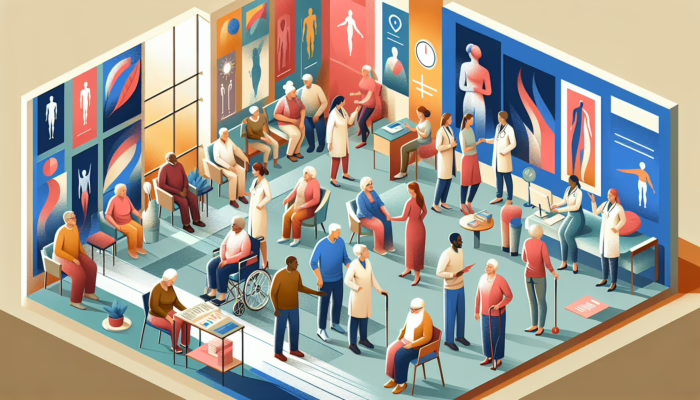
Establishing Local Health Hubs to Effectively Serve Seniors
Imagine entering a lively community centre specifically designed for the elderly, where essential health services are easily accessible. Developing local health hubs is a transformative initiative that prioritises preventative care and wellness programmes for seniors. These centres can act as comprehensive resources, offering everything from regular health screenings to specialised nutrition workshops. By situating these resources within the community, we empower seniors to take control of their health in a supportive environment, reducing the overall pressure on the NHS and bolstering community health.
Community health hubs can also facilitate educational seminars on prevalent health issues among seniors, such as diabetes management or heart health. By engaging seniors with valuable information, we foster a culture of proactive health management instead of reactive care. these hubs can serve as social spaces where seniors can connect, thereby reducing the risk of loneliness and promoting mental well-being, an essential aspect of overall health.
Collaborating with local organisations can significantly enhance the reach and effectiveness of these hubs. For example, partnerships with fitness instructors can encourage seniors to participate in exercise classes tailored to their abilities. Likewise, local pharmacists can provide medication management workshops, ensuring that seniors better understand their prescriptions. By creating a network of services that work collaboratively, we can elevate the quality of care available to the elderly and ensure comprehensive health support.
Improving Home Care Services to Uphold Senior Independence
Home care services are often a crucial lifeline for seniors wishing to maintain their independence at home. Strengthening these provisions is vital for supporting elderly individuals while ensuring they receive the necessary care. Regular health checks conducted by trained professionals can help monitor vital signs and detect early warning signs of health issues, thereby preventing crises that could result in hospitalisation. By establishing a robust home care system, we can greatly enhance the quality of life for seniors.
Incorporating technology into home care can also streamline communication between caregivers and healthcare providers. For instance, using apps that allow caregivers to log health metrics can keep doctors informed, facilitating timely interventions when needed. This connectivity not only enhances the quality of care but also provides reassurance to family members who may worry about their loved ones’ well-being, fostering a supportive environment.
Community outreach is another essential aspect of reinforcing home care services. Initiatives that encourage the local community to assist with home care can be invaluable. Volunteers can provide companionship, help with meal preparation, or assist with simple tasks such as grocery shopping, offering crucial support for seniors. Such initiatives not only improve the quality of life for seniors but also foster a sense of community, bridging the generational gap and creating lasting bonds that enrich the neighbourhood.
Promoting Volunteer Health Initiatives to Support Seniors
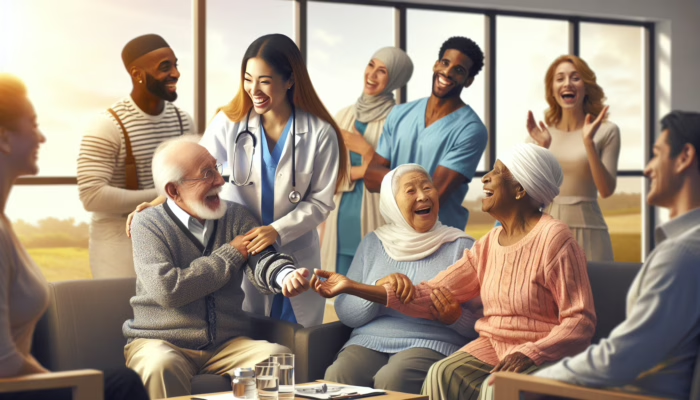
The strength of community should not be underestimated, particularly in enhancing healthcare services for seniors through volunteer initiatives. Encouraging community volunteers to assist with basic health needs and provide companionship for seniors can create a support system that enriches the lives of both the elderly and volunteers. This model not only alleviates the strain on formal healthcare services but also fosters a sense of belonging and purpose among volunteers, creating a mutually beneficial environment.
Training volunteers to understand the specific health needs of seniors is crucial for effective support. These individuals should be equipped with the knowledge necessary to provide assistance safely and effectively while recognising the signs of potential health issues. By hosting workshops and training sessions, communities can prepare volunteers to make a meaningful impact in the lives of seniors, ensuring they feel supported and cared for.
Organising social events and activities can attract volunteers while simultaneously providing seniors with opportunities for socialisation. From bingo nights to health fairs, these gatherings can serve as platforms for engagement and connection that promote mental well-being. Promoting volunteer health initiatives not only addresses basic needs but also enriches the overall fabric of the community, creating vibrant neighbourhoods where seniors can thrive and feel valued.
Utilising Technology to Transform Healthcare Access
Implementing Innovative Telehealth Solutions for Seniors
Imagine a world where healthcare is just a button away, especially for seniors who find it challenging to travel for appointments. Implementing telehealth solutions can significantly enhance access to healthcare services for the elderly while alleviating logistical burdens. Remote consultations enable seniors to receive professional medical advice without the stress of commuting, which can be exhausting and at times unsafe, thereby improving their overall health management.
Telehealth is particularly beneficial for managing chronic conditions. For instance, seniors with diabetes can have regular check-ins with their healthcare providers to adjust treatment plans as necessary. This continuous monitoring can lead to better management of their health and fewer emergency room visits. telehealth can provide mental health support, allowing seniors to access therapists and psychologists who can assist them with emotional challenges from the comfort of their homes, thus promoting a holistic approach to health.
Implementing user-friendly platforms is essential to ensure that seniors can engage with telehealth services confidently. Training sessions on how to use these platforms—whether through local community centres or hospitals—can demystify the process and empower seniors to take advantage of these technologies. By seamlessly integrating telehealth into the existing healthcare framework, we empower seniors to take control of their health, making healthcare more accessible and efficient for all involved.
Encouraging the Use of Wearable Health Devices for Senior Monitoring
The field of wearable health technology is rapidly advancing, and its potential benefits for seniors are significant. Encouraging the use of wearable devices to monitor vital signs can provide real-time data that alerts healthcare providers to potential issues before they escalate. Devices that track heart rates, blood pressure, and even falls can be instrumental in promoting proactive healthcare among the elderly population, significantly enhancing their safety and well-being.
These devices not only improve personal health management but also foster a sense of independence among seniors. They gain empowerment from monitoring their health metrics, leading to informed discussions with healthcare professionals. family members can feel reassured knowing that their loved ones are equipped with technology that can provide alerts in case of emergencies, thereby improving overall family dynamics and peace of mind.
Maximising the benefits of wearable technology hinges on enhancing digital literacy among seniors. Offering training that simplifies the functionality of these devices and demonstrates how to interpret data can bridge the gap between technology and the elderly. By demystifying these tools and encouraging their widespread adoption, we can lead to improved health outcomes and a better quality of life for seniors.
Enhancing Digital Literacy to Empower Seniors in Healthcare
In a technology-driven world, enhancing digital literacy among seniors is essential for effective engagement with health tools. Providing training programmes focused on using digital health tools can empower seniors to navigate their healthcare journey with confidence. Workshops that demystify technology play a pivotal role in fostering independence, allowing seniors to connect with healthcare providers virtually and access valuable online resources that can assist in their health management.
These digital literacy initiatives should accommodate varying levels of comfort with technology. For many seniors, the challenge lies not in understanding healthcare but in using basic devices. Simple, straightforward training that progresses from basic to advanced can ensure every senior feels included and capable of using digital tools effectively, thereby reducing feelings of frustration and promoting engagement.
By fostering a culture of digital literacy, we enhance seniors’ ability to manage their health and improve their overall quality of life. The independence gained from navigating healthcare technology can lead to increased confidence and social engagement. empowering seniors with the knowledge to utilise available tools ensures they remain active participants in their healthcare journeys, enabling a more vibrant and fulfilling life.
Enhancing the Integration of Social Care with Health Services
Coordinating Health and Social Care for Comprehensive Support
The integration of health and social care is vital in delivering holistic support for seniors. Ensuring seamless communication between healthcare providers and social care professionals can significantly improve the quality of care received by the elderly population. This coordination allows for a comprehensive understanding of an individual’s needs, ensuring both health and social service aspects are addressed simultaneously, which is essential for effective care delivery.
One effective strategy involves establishing multidisciplinary teams comprising healthcare providers, social workers, and community support staff who collaborate closely. These teams can create personalised care plans that encompass medical treatment, social engagement, and emotional support, addressing the whole person rather than isolated health issues. By breaking down silos between different services, we can create a more cohesive approach to elderly care that enhances overall health outcomes.
Technology can significantly facilitate this integration. Platforms that allow for shared access to patient information can ensure that all parties involved in a senior’s care are informed and aligned in their approach. This proactive strategy can lead to improved health outcomes, reduced hospital admissions, and ultimately, a more satisfied and healthier elderly population, thereby promoting a system of care that prioritises the needs of seniors.
Training Caregivers for Effective Health Management
Caregivers are the backbone of support for many seniors, yet their training is often overlooked. Providing specialised training for caregivers on managing the health needs of seniors effectively is paramount. This training should cover a range of topics, from understanding chronic illnesses to recognising the signs of mental health issues. Well-trained caregivers can assist with daily activities while monitoring health changes and alerting healthcare providers when necessary, ensuring comprehensive care.
Incorporating practical training sessions that simulate real-life scenarios can enhance learning and equip caregivers with the skills they need. providing ongoing professional development opportunities helps keep caregivers updated on best practices and emerging trends in elderly care. By investing in caregiver training, we empower them to deliver exceptional support that directly benefits seniors and enhances their quality of life.
Creating support networks among caregivers can foster a sense of community and resource sharing. Regular meet-ups or online forums where caregivers can share challenges and successes can enhance their experience and effectiveness. By investing in caregiver training and support, we create a ripple effect that profoundly impacts the quality of care seniors receive, ensuring they are well looked after in their own homes.
Securing Funding for Integrated Care Models to Enhance Elderly Support
Securing funding for integrated care models is essential to address the complex needs of seniors. By investing in models that combine health and social care, we can establish holistic systems that tackle the multifaceted challenges faced by the elderly population. These models facilitate better communication between services, ensuring that seniors receive comprehensive care tailored to their individual requirements, which is crucial for improving outcomes.
Government and private sector partnerships can play a vital role in funding these initiatives. By showcasing the long-term cost savings associated with integrated care—such as reduced hospitalisation rates and improved health outcomes—we can present a compelling case for investment. Engaging community stakeholders in the funding process can further ensure that the needs of seniors are central to the development of these models, fostering a collaborative approach to elderly care.
Implementing pilot programmes to demonstrate the effectiveness of integrated care can attract further investment. Collecting and analysing data on health outcomes and patient satisfaction can provide tangible evidence of the benefits of these models. By championing integrated care, we can create a sustainable framework that enhances the lives of seniors while optimising the use of healthcare resources, ultimately leading to a healthier society.
Fostering Effective Communication Between Care Providers
Effective communication between care providers is essential for delivering high-quality healthcare to seniors. Establishing clear communication channels and protocols can ensure that all providers involved in a senior’s care are informed and aligned in their approach. This coordination reduces the risk of conflicting treatments and ensures a comprehensive understanding of each patient’s unique needs, which is critical for effective care delivery.
Regular interdisciplinary meetings can facilitate information sharing among diverse care providers, fostering collaboration and teamwork. By encouraging open dialogue, providers can discuss challenges, share insights, and develop coordinated care plans that reflect the holistic needs of seniors. These meetings can also serve as opportunities for continuing education, allowing providers to stay informed about best practices and evolving patient care models, which is vital for maintaining high standards of care.
Implementing digital communication tools can streamline information sharing. Secure platforms that allow for real-time updates and access to patient records can enhance collaboration among providers. By prioritising effective communication, we ensure that seniors receive the attentive, cohesive care they deserve, ultimately leading to improved health outcomes and enhanced quality of life for the elderly population.
Evaluating and Monitoring Integrated Care Outcomes for Continuous Improvement
Implementing robust evaluation and monitoring systems is essential in assessing the effectiveness of integrated care models for seniors. Regular assessments can provide insights into the strengths and weaknesses of these systems, allowing for necessary adjustments that enhance care quality. By utilising data analytics, we can track health outcomes, patient satisfaction, and resource allocation, ensuring that care models effectively meet seniors’ evolving needs.
Engaging stakeholders in the evaluation process, including seniors and their families, can provide invaluable feedback. Their perspectives can inform improvements and help shape future care strategies. establishing key performance indicators (KPIs) can provide measurable benchmarks for success, facilitating ongoing evaluation and refinement of integrated care models to ensure they remain effective.
Continued investment in research dedicated to integrated care can uncover best practices and innovative approaches. By disseminating findings and fostering collaboration across healthcare sectors, we can ensure that care models remain effective and responsive. Evaluating and monitoring integrated care outcomes not only enhances patient care but builds a more resilient healthcare system capable of adapting to the challenges posed by an ageing population.
Addressing Challenges in Rural Healthcare Delivery
Increasing the Reach of Mobile Health Clinics for Isolated Seniors
Mobile health clinics represent a beacon of hope for seniors living in remote areas. Expanding these services can significantly improve healthcare access for elderly individuals who struggle to reach traditional medical facilities. These clinics can be equipped with essential medical equipment and staffed by healthcare professionals who provide screenings, vaccinations, and routine check-ups right in the heart of rural communities, effectively addressing healthcare disparities.
One of the primary advantages of mobile health clinics is their ability to reach seniors who may be isolated or lack transportation. By bringing healthcare directly to their doorsteps, we ensure that no senior is left behind due to geographical barriers. these clinics can offer health education and resources, empowering communities to take charge of their well-being and encouraging proactive health management.
Collaborating with local organisations can enhance the effectiveness of mobile clinics. Partnering with community centres, schools, or religious organisations can facilitate outreach efforts and increase awareness about available services. By integrating mobile health clinics into the local ecosystem, we can cultivate a culture of health that supports seniors and encourages them to seek care, ultimately leading to healthier communities.
Improving Transport Services to Enhance Healthcare Access for Seniors
Transport challenges can significantly hinder seniors attempting to attend medical appointments, particularly in rural areas. Enhancing transport services tailored to the needs of elderly individuals is essential to ensure they can access the healthcare they require. Innovative solutions, such as community-driven transport services or partnerships with local taxi companies, can greatly facilitate access to healthcare.
Community-based transport services specifically designed for seniors can improve accessibility while providing a friendly, supportive atmosphere. Trained volunteers can assist seniors during transit, offering companionship and reassurance, which is especially valuable for those who may feel anxious about travelling. These services should be reliable and affordable, ensuring that seniors can attend appointments without financial strain or anxiety, thereby promoting independence.
Integrating transport services with healthcare systems can streamline the process. For example, hospitals and clinics could coordinate with local transport services to ensure timely pickups for appointments. By enhancing transport options for seniors, we not only improve their access to healthcare but also foster independence, allowing them to maintain active lives and fully participate in their communities.
Enhancing Local Pharmacy Services to Support Senior Health
Local pharmacies often play a critical role in medication management and health advice for seniors, yet their potential is frequently overlooked. Strengthening these services can empower local pharmacies to offer comprehensive care tailored to the unique needs of the elderly. This includes medication reviews, health screenings, and wellness checks, making pharmacies a vital component of the healthcare ecosystem that supports senior health.
Pharmacists can act as accessible healthcare providers, offering guidance on medication interactions and effectively managing chronic conditions. By training pharmacists in geriatric care principles, we can ensure that seniors receive expert advice on their medications and overall health. local pharmacies can serve as community hubs for health education, providing resources on topics such as nutrition and exercise specifically tailored for seniors, thereby enhancing their health literacy.
Promoting collaboration between pharmacies and healthcare providers can enhance continuity of care. By sharing patient information and health records, pharmacists can play an integral role in monitoring medication adherence and identifying potential health issues early. Strengthening local pharmacy services creates a more robust support system for seniors, ultimately leading to improved health outcomes and a healthier elderly population.
Emphasising Preventative Healthcare for Seniors
Promoting Comprehensive Vaccination Programs
Vaccination stands out as one of the most effective strategies for preventing illness among seniors. Advocating for vaccination programmes can ensure high vaccination rates, safeguarding elderly individuals from common illnesses that may lead to serious complications or hospitalisation. It is crucial to focus on initiatives that raise awareness about the importance of vaccinations, particularly as misinformation can deter seniors from receiving them and compromise their health.
Community outreach efforts, including informational sessions and partnerships with local healthcare providers, can enhance awareness of vaccination benefits. Offering clinics in familiar community settings can also make vaccinations more accessible for seniors who may be hesitant to visit larger healthcare facilities. By providing vaccines in a welcoming environment, we can alleviate fears and encourage participation, thereby protecting seniors’ health.
Mobile vaccination units can extend the reach of these programmes, particularly in rural areas where healthcare access may be limited. These units can travel to communities, offering convenient vaccination services that ensure no senior misses out on this essential health protection. By prioritising vaccination programmes, we can significantly reduce the incidence of preventable diseases among the elderly population, ultimately contributing to a healthier society.
Encouraging Healthy Lifestyles as Preventative Measures
Promoting healthy lifestyles among seniors is essential in preventing chronic diseases and enhancing overall well-being. Supporting programmes that encourage physical activity, balanced nutrition, and mental well-being can create a multifaceted approach to health. Engaging seniors in exercise classes specifically designed for their abilities nurtures a sense of community while promoting physical fitness, which is crucial for maintaining independence and vitality.
Nutrition education is equally vital. Workshops that teach seniors about healthy eating habits, meal planning, and cooking can empower them to make informed dietary choices. By providing access to resources and support, we can help seniors adopt healthier lifestyles that contribute to better health outcomes and enhance their quality of life, enabling them to live healthier and happier lives.
Mental well-being should not be overlooked in promoting healthy lifestyles. Initiatives that foster social engagement, such as group activities or outings, can combat loneliness and bolster emotional health. By creating inclusive environments where seniors feel valued and connected, we promote a holistic approach to health that encompasses the physical, mental, and emotional aspects of well-being, ensuring that seniors lead fulfilling lives.
Implementing Regular Health Screenings for Early Detection
Establishing routine health checks is a proactive strategy to identify and address health issues early within the senior population. Regular health screenings can detect conditions such as hypertension, diabetes, and depression before they progress into more serious complications. By making these screenings easily accessible and routine, we can boost early detection and intervention rates, ultimately enhancing health outcomes for seniors and fostering a culture of preventative care.
Community health fairs can serve as excellent platforms for offering health screenings to seniors. These events can include a variety of essential services, such as blood pressure checks, diabetes screenings, and mental health assessments. By creating a festive atmosphere, we can encourage seniors to participate in these health checks without the usual apprehension associated with medical appointments, thereby promoting regular health monitoring.
Collaborating with local healthcare providers can ensure that follow-up care is seamless for those who require it. Providing educational resources at these events can inform seniors about the importance of regular health checks, fostering a culture of preventative care that prioritises health and wellness. By prioritising regular health screenings, we can significantly enhance the quality of healthcare available to seniors and contribute to better health outcomes overall.
Improving Access to Essential Preventative Services
Enhancing access to preventative healthcare services is vital for maintaining the overall health and quality of life for seniors. By improving availability to services such as dental care and eye examinations, we can address critical areas that often get overlooked. Preventative services play a crucial role in identifying issues before they escalate, ensuring that seniors maintain their health and independence, which is vital for their well-being.
Community partnerships can facilitate access to these essential services. For instance, mobile dental and eye care units can travel to underserved areas, providing critical screenings and treatments for seniors who may otherwise be unable to access care. offering these services at community health hubs can create a more integrated approach, allowing seniors to receive multiple forms of care in one location, thus enhancing their healthcare experience.
Education is also vital in enhancing access to preventative services. Informing seniors about the importance of regular check-ups and what to expect can demystify the process and encourage participation. By prioritising education and access to preventative care, we empower seniors to take charge of their health, promoting a more proactive approach to well-being and ensuring they enjoy healthier, more fulfilling lives.
Enhancing End-of-Life Care for Seniors
Improving Access to Comprehensive Palliative Care Services
Palliative care services are essential in ensuring comfort and dignity for seniors at the end of life. Expanding access to these services can provide crucial support not only for patients but also for their families during challenging times. Palliative care focuses on managing pain and addressing the emotional and spiritual needs of patients, ensuring they receive comprehensive care tailored to their unique circumstances and preferences.
Integrating palliative care into the healthcare system necessitates a shift in how we approach end-of-life care. By embedding palliative care teams within hospitals and nursing homes, we can ensure that seniors receive compassionate support from the moment they are diagnosed with a terminal illness. These teams can collaborate with other healthcare providers to create personalised care plans that address both physical and emotional needs, leading to improved quality of life for seniors in their final days.
Community awareness campaigns can help destigmatise palliative care and educate families about its benefits. Many individuals mistakenly believe that palliative care is synonymous with end-of-life care; however, it can be provided alongside curative treatment. By promoting a clearer understanding of palliative care, we can encourage families to seek the support they need during difficult times, ultimately improving the quality of life for seniors as they navigate their end-of-life journey.
Training Healthcare Providers in Compassionate End-of-Life Care
Educating healthcare professionals about end-of-life care practices specific to seniors is essential for delivering compassionate, effective care. Training programmes should focus on both the clinical aspects of care and the importance of communication, empathy, and understanding the emotional needs of patients and their families. By equipping professionals with these skills, we can enhance the overall quality of care provided to seniors, ensuring they feel respected and valued.
Incorporating case studies and real-life scenarios into training can provide healthcare providers with practical knowledge on navigating complex situations. Understanding the nuances of delivering difficult news or addressing family concerns can significantly improve the patient experience and provide comfort during challenging times. Ongoing professional development opportunities should also be available to keep healthcare providers updated on best practices and innovations in end-of-life care.
Fostering a culture of compassion within healthcare organisations can enhance the overall approach to senior care. Encouraging open discussions about end-of-life care among staff can lead to a more empathetic environment where the needs of seniors are prioritised. By investing in healthcare provider training, we create a more supportive and understanding healthcare system that truly caters to the needs of the elderly, ensuring they receive the dignified care they deserve.
Common Questions Regarding Elderly Healthcare
What are the main obstacles preventing seniors from accessing healthcare in the UK?
Seniors frequently encounter obstacles such as mobility challenges, lack of transport, and difficulties navigating the healthcare system. limited availability of services tailored to elderly needs can further hinder access to essential care, impacting their overall health.
How can technology enhance healthcare services for seniors?
Technology can improve healthcare access through telehealth services, wearable health devices, and online health resources. These innovations enable seniors to receive timely care from home and manage their health more effectively, promoting better health outcomes.
What role do community health hubs play in enhancing elderly care?
Community health hubs serve as a one-stop location for preventative care, wellness programmes, and social interaction, thereby improving accessibility and promoting overall health among seniors. They are essential resources for managing health and fostering community connections.
Why is integrated care crucial for seniors?
Integrated care ensures that health and social services collaborate to meet the complex needs of seniors, providing coordinated support that addresses both medical and emotional aspects of care. This holistic approach is vital for improving health outcomes and quality of life.
How can volunteer initiatives effectively support seniors in the community?
Volunteer initiatives provide companionship, assistance with basic health needs, and social engagement opportunities for seniors. These programmes enrich the lives of seniors while fostering community connections, creating a supportive environment that promotes well-being.
What preventative services are essential for seniors’ health?
Essential preventative services for seniors include regular health screenings, vaccinations, dental care, and mental health support. These services help identify and address potential health issues before they escalate, ensuring seniors maintain their health and independence.
How can palliative care services be improved for seniors?
Enhancing palliative care involves increasing access to services, integrating dedicated teams within healthcare systems, and promoting community awareness about the benefits of palliative support. This ensures seniors receive compassionate care tailored to their needs at the end of life.
What is the significance of comprehensive caregiver training?
Training caregivers in health management equips them with the skills needed to monitor and support the health needs of seniors effectively. This ensures that seniors receive quality care at home, enhancing their overall well-being and independence.
What impact do mobile health clinics have on rural seniors’ healthcare access?
Mobile health clinics significantly improve access to healthcare for seniors in rural areas by bringing essential services directly to their communities. This addresses health disparities and ensures that isolated seniors receive necessary care and support.
How can communities promote healthy lifestyles among seniors?
Communities can promote healthy lifestyles by offering fitness programmes, nutrition workshops, and social activities that encourage seniors to engage in physical, mental, and social well-being. This multifaceted approach fosters healthier lifestyles and improves overall health outcomes for seniors.
The post Expanding Healthcare Services for Seniors: A Complete Guide appeared first on Healthcare Marketing Service.