Understanding the Risks of Hearing Loss from Fireworks Displays
Fireworks provide a thrilling experience during cultural celebrations worldwide, yet the potential risks to our hearing are often overlooked. The explosive sounds produced during these events can reach dangerously high decibel levels, posing serious threats to our hearing health. It is crucial to understand how these vibrant festivities can adversely affect our auditory systems, especially for those who frequently enjoy fireworks displays. By increasing awareness of these risks, we can take necessary precautions to protect our hearing while still relishing the excitement that fireworks contribute to our celebrations.
How Do Fireworks Cause Hearing Damage?
The explosive sounds generated by fireworks create a cacophony that can reach perilously high decibel levels. The distinctive explosive reaction in fireworks produces powerful noise due to the rapid expansion of gases, resulting in sound waves. The delicate structures of the inner ear, which convert sound vibrations into signals for the brain, are particularly susceptible to injury from these intense auditory experiences. Even a single exposure to the loud bangs of fireworks can lead to a temporary threshold shift, causing a temporary decrease in hearing ability. With frequent or prolonged exposure, the risk escalates to permanent hearing loss, as the fragile hair cells in the inner ear may suffer irreversible damage. This risk is especially pronounced for those situated close to the explosions, where decibel levels can soar to unsafe limits.
Decibels Explained: The Science Behind Sound and Its Risks
Understanding sound principles is essential for grasping the dangers associated with fireworks. Sound intensity is measured in decibels (dB), and it is widely recognised that sounds exceeding 85 dB can threaten hearing health. Fireworks frequently exceed 140 dB, a level that can cause immediate harm to hearing receptors. The nature of sound intensity is logarithmic; thus, a rise of 10 dB signifies a tenfold increase in intensity. This stark contrast highlights the difference between everyday sounds, such as a normal conversation at around 60 dB, and the overwhelming explosions of fireworks. By raising awareness of these sound levels, individuals can make informed decisions regarding their exposure to fireworks, particularly during public celebrations and holidays when large crowds gather.
The Long-Term Impact of Fireworks on Hearing Health
Repeated exposure to the loud sounds produced by fireworks can lead to immediate discomfort and long-term consequences. Over time, individuals may experience progressive hearing loss, often without realising it until significant auditory damage has occurred. Audiologists have observed that chronic exposure to high-decibel environments, including those created by fireworks, can result in gradual declines in hearing ability. This risk can be compounded by factors such as ageing, pre-existing health conditions, and genetic predispositions. The dangers are particularly severe for those living in bustling urban areas where fireworks displays are frequent.
Proven Methods to Prevent Hearing Loss from Fireworks
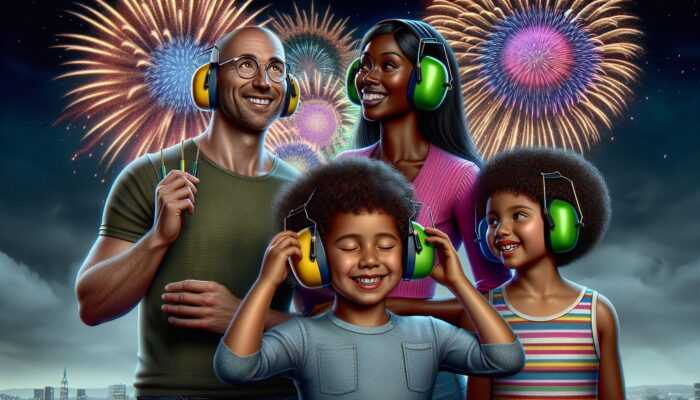
Taking proactive measures to prevent hearing damage from fireworks starts with awareness. Using ear protection, such as specialised earplugs or earmuffs designed for high-decibel environments, can significantly mitigate the risks associated with loud sounds. Maintaining a safe distance from the fireworks launch site is equally vital; the farther you are from the source of the explosions, the less intense the sound will be. limiting exposure duration to fireworks is critical for safeguarding hearing health. For families with children, instilling the practice of using ear protection from a young age can foster lifelong habits that protect their auditory well-being.
Essential Preparations for Safe Fireworks Viewing
Thorough preparation is key to ensuring a responsible and enjoyable fireworks experience. By implementing preventive measures beforehand, individuals can greatly reduce the likelihood of incurring hearing damage.
Choosing the Right Ear Protection for Fireworks Events
Selecting appropriate ear protection is vital in preventing hearing damage from fireworks. Opting for earplugs specifically crafted for high-decibel environments can significantly lower sound intensity while allowing you to enjoy the visual spectacle. Earmuffs, particularly those rated for use at concerts or loud events, offer an additional layer of protection. Ensuring a proper fit is crucial; poorly fitting ear protection may diminish its effectiveness. Various options are available, ranging from disposable foam earplugs to reusable silicone alternatives, accommodating different preferences and needs. The selection should be guided by anticipated noise levels and personal comfort to ensure optimal protection.
Key Considerations for Fireworks Event Preparation
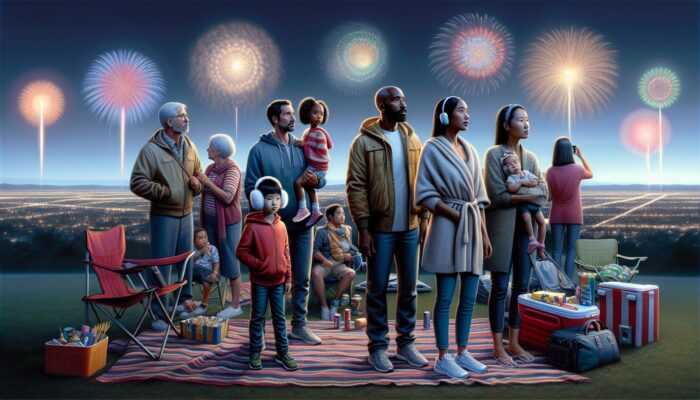
When planning to attend fireworks displays, careful preparation is essential for ensuring safety. Assessing your proximity to the fireworks is critical; the closer you are, the louder the noise will be. Arriving early allows you to secure a prime viewing spot that is also at a safe distance from the launch site. having ear protection readily available is vital; packing extra earplugs or earmuffs ensures that you or others can easily access protection if necessary. Anticipating the event’s noise level based on the fireworks types being used can further assist in making informed decisions regarding protective measures.
Raising Awareness About Fireworks Safety Among Family and Friends
Fostering awareness about the importance of ear protection during fireworks events is crucial. Many individuals underestimate the potential harm that loud noises can inflict on hearing health. Encourage family members and friends to prioritise ear protection and engage them in discussions about the risks associated with fireworks displays. Children, in particular, should be educated about the necessity of protective gear in an enjoyable and engaging manner. By cultivating a culture of safety and awareness around fireworks, we can ensure a more enjoyable experience for everyone involved while safeguarding their hearing.
Maintaining Safety During Fireworks Displays
As the fireworks illuminate the night sky, prioritising safety and awareness is paramount. Following specific guidelines can significantly reduce the risk of hearing damage during these exciting displays.
The Significance of Keeping a Safe Distance from Fireworks
One of the most effective strategies for protecting your hearing while enjoying fireworks is to maintain a safe distance from the display. The intensity of sound diminishes as distance increases, making it crucial to position yourself away from the launch site to significantly lower noise levels. While many individuals may prefer to sit closer for an enhanced view, prioritising safety over spectacle is essential. Large public fireworks displays often have designated viewing areas that are both enjoyable and safe. Familiarising yourself with the venue layout can enhance your experience while mitigating the detrimental effects of loud sounds.
Proper Use of Ear Protection During Fireworks
Even the best ear protection can be ineffective if not used correctly. If you opt for earplugs, ensure they are inserted deeply enough to adequately block sound without causing discomfort. Earmuffs should fit snugly over the ears to create a proper seal. For families, educating children on how to wear ear protection correctly is vital to ensure they benefit fully from these safety measures. Always check the noise reduction rating (NRR) of your protective gear to ensure it meets the necessary standards for high-decibel environments like fireworks displays.
Monitoring Children’s Exposure to Fireworks Noise
Children are particularly vulnerable to hearing damage from fireworks. It is essential to ensure that young ones are equipped with ear protection and that their usage is actively supervised. Children may not fully comprehend the importance of keeping their ear protection in place, so engaging them in conversations about the significance of noise safety can cultivate understanding. Parents should model good behaviour by wearing their protective gear and emphasising its importance. Designating an area where children can safely enjoy the show while being distanced from the noise can also be beneficial.
Educating Attendees on Fireworks Safety Protocols
To individual preparations, educating all attendees about safety protocols enhances the collective experience. Discussing where to stand, appropriate behaviour during emergencies, and the importance of adhering to instructions from event organisers can foster a safer environment. Cultivating an understanding of the risks associated with fireworks among all participants empowers individuals to make informed choices about their health and enjoyment, ultimately leading to a more responsible approach to fireworks displays.
Post-Event Care: Assessing Your Hearing Health
After the fireworks have concluded, it is crucial to evaluate any potential impacts on your hearing health. Being proactive about post-event care can significantly influence your auditory well-being.
Recognising Symptoms of Hearing Damage Following Fireworks
After attending a fireworks display, it is vital to stay alert for any signs of hearing damage. Symptoms like ringing in the ears, known as tinnitus, or experiencing muffled hearing can indicate that your auditory system has been affected. In some cases, individuals may experience temporary discomfort that may subside within a few hours. being mindful of these symptoms and taking them seriously is essential for protecting long-term hearing health. If any symptoms persist, seeking medical attention is crucial to address potential concerns.
The Importance of Seeking Medical Attention for Hearing Issues
If you experience ongoing hearing problems following a fireworks event, consulting a healthcare professional is imperative. Audiologists can conduct thorough hearing assessments to evaluate the extent of any damage and recommend suitable treatment options. Early intervention is essential in preventing long-term consequences, as some hearing issues may be reversible if addressed promptly. Prioritising your hearing health is vital, and seeking help can reduce the risk of further complications.
Allowing Your Ears to Recover After Loud Noises
After exposure to loud noises, it is essential to allow your ears adequate time to recuperate. This involves avoiding further exposure to loud sounds during your recovery period. Whether by steering clear of loud music, avoiding crowded events, or simply enjoying quiet time at home, giving your ears a break can significantly aid in the recovery process. Simple practices, like spending time in quieter environments, can help restore your hearing health over time and prevent additional complications.
Commitment to Using Protective Measures for Future Events
To ensure the safety of your hearing during future fireworks displays and other loud events, it is essential to commit to consistently using ear protection. Whether you prefer earplugs or earmuffs, being diligent about wearing them fosters sustainable habits that protect your auditory health. advocating for safe practices within your community can raise awareness and encourage others to prioritise hearing safety, ultimately cultivating a culture that values auditory health during celebratory events.
Exploring Safer Alternatives to Traditional Fireworks Displays
As awareness of the risks linked to fireworks increases, exploring alternatives to conventional fireworks becomes increasingly important. Innovative entertainment options can provide thrilling experiences while prioritising hearing safety.
Discovering Low-Noise Fireworks for Safer Celebrations
Not all fireworks need to be loud to be enjoyable. Quieter fireworks options are gaining traction, providing a harmonious balance between visual appeal and auditory safety. These displays generate significantly less noise while still delivering a stunning visual experience. For those who appreciate the beauty of fireworks but are concerned about potential hearing damage, quieter alternatives like low-noise fireworks represent an excellent option. Communities can consider incorporating these safer choices into their firework shows, enhancing enjoyment for everyone.
Captivating Audiences with Laser Light Shows
Laser light shows present an exciting and visually stunning alternative to traditional fireworks. These captivating displays create remarkable visual effects without the accompanying loud noises typical of pyrotechnics. Increasingly popular at festivals and events worldwide, laser light shows showcase vibrant colours and mesmerizing designs that enchant audiences of all ages. As communities seek to provide engaging visual experiences, laser light shows can serve as a sustainable option that minimises the risk of hearing damage from fireworks.
Innovative Drone Displays: The Future of Entertainment
Cutting-edge drone displays are emerging as a unique and quiet alternative to fireworks. By utilising coordinated drones equipped with LED technology, these shows can create intricate patterns and stunning visuals in the night sky without the loud explosions characteristic of traditional fireworks. Drone displays offer an environmentally friendly and safe alternative that is gaining popularity worldwide. As technology progresses, embracing such innovative options can provide spectacular experiences while prioritising the protection of hearing health.
Fostering Community Awareness About Fireworks and Hearing Safety
Raising awareness about the risks associated with fireworks is essential for nurturing a culture of safety. Communities play a pivotal role in advocating for responsible fireworks practices.
Encouraging Safe Fireworks Practices in Communities
Local organisations and community leaders can spearhead initiatives to promote safe fireworks practices. These efforts can include public campaigns highlighting the importance of using ear protection and maintaining safe distances from fireworks displays. Community events can serve as platforms for educating residents about the risks of hearing damage from fireworks, ensuring that everyone is informed and prepared. By fostering awareness at the community level, we can cultivate a safer environment for all.
Empowering the Public Through Hearing Health Education
Educational programmes focused on hearing health can empower individuals to take proactive measures to safeguard their hearing. Workshops, informational brochures, and community seminars can provide valuable insights into the importance of hearing protection during fireworks events and other loud environments. Collaborating with health professionals and audiologists can enhance the credibility of these programmes and help dispel misconceptions about noise exposure. Raising awareness about hearing health on a broader scale can lead to significant improvements in public understanding and behaviour.
Advocating for Responsible Fireworks Use in the Community
Community leaders can advocate for responsible fireworks use by promoting local regulations that limit fireworks usage or mandate safety measures during public displays. By initiating conversations about the implications of fireworks on hearing health, communities can champion safer alternatives and best practices. Encouraging participation in community-led initiatives can foster a sense of responsibility among residents, emphasising the importance of protecting not only their own hearing but also that of their neighbours and loved ones.
Cultivating a Culture of Safety Surrounding Fireworks Displays
Establishing a culture of safety around fireworks requires collaboration among various stakeholders, including event organisers, community leaders, and the public. Encouraging open discussions about the risks associated with loud noises can lead to more informed and cautious approaches to fireworks displays. As communities unite to prioritise hearing safety and awareness, their collective efforts can ultimately create a safer environment for everyone involved.
Common Questions About Fireworks and Hearing Safety
What are the typical decibel levels associated with fireworks?
Fireworks typically exceed 140 decibels, which can result in immediate hearing damage with exposure.
What steps can I take to prevent hearing damage when attending fireworks?
Utilising earplugs or earmuffs, maintaining a safe distance from the display, and limiting your exposure time can significantly reduce the chances of hearing damage.
Are there quieter fireworks options available?
Yes, there are quieter fireworks alternatives designed to minimise noise while still providing an impressive visual display.
What actions should I take if I experience ringing in my ears after a fireworks event?
If you notice persistent ringing or discomfort in your ears following fireworks, it is advisable to consult a healthcare professional for a thorough evaluation.
Are laser light shows considered safe alternatives to traditional fireworks?
Absolutely! Laser light shows offer an impressive visual experience without the loud noise commonly associated with traditional fireworks.
How can I select the appropriate ear protection for fireworks events?
Look for earplugs or earmuffs specifically designed for high-decibel environments, ensuring they fit snugly for optimal protection.
Is it safe for children to use ear protection during fireworks displays?
Yes, children should wear ear protection during fireworks displays, and parents should supervise to ensure they are wearing it correctly.
What are the long-term effects of repeated exposure to fireworks noise?
Repeated exposure to fireworks can lead to gradual, long-term hearing loss, increasing the likelihood of permanent auditory damage.
How can communities effectively promote safe fireworks practices?
Communities can organise educational campaigns, promote the use of ear protection, and advocate for quieter fireworks options to enhance safety.
What proactive measures can I take to protect my hearing at loud events?
Implementing ear protection, closely monitoring exposure time, and maintaining a safe distance from sources of noise are essential strategies for protecting your hearing.
Explore our world on X!
The post Hearing Damage Prevention: Essential Tips for Fireworks Safety appeared first on The Microsuction Ear Wax Removal Network.
The post Hearing Damage Prevention: Essential Tips for Fireworks Safety appeared first on Healthcare Marketing Service.