Categories
heathcare

Hearing Aids as a Human Right: Guaranteeing Global Access

Exploring the Essential Importance of Hearing Health in Our Lives

How Does Hearing Loss Affect Everyday Life?

An elderly person sitting alone in a dimly lit room, symbolising isolation due to hearing loss.

Hearing loss can profoundly disrupt an individual’s daily activities, hindering communication, socialisation, and mental well-being. When communication becomes a challenge, many individuals withdraw from social settings, leading to feelings of isolation and loneliness. This disengagement can erode their sense of community and belonging, further intensifying mental health issues like depression and anxiety. The difficulty in participating in conversations or group events creates a harmful cycle of withdrawal, ultimately diminishing one’s quality of life.

The emotional ramifications of hearing loss can also lead to diminished self-esteem and confidence. Individuals may experience embarrassment or frustration when they struggle to follow conversations or respond appropriately. This strain can adversely affect personal relationships and limit professional opportunities, hindering career growth. Addressing hearing loss is not just a medical concern; it is fundamentally about enhancing life quality and ensuring individuals can engage fully in society.

The effects of hearing loss ripple beyond the individual, impacting families and communities. Communication barriers can lead to misunderstandings and frustrations among family members. Social interactions become increasingly challenging, placing an undue burden on loved ones. The widespread consequences of untreated hearing loss highlight the urgent need to address this public health dilemma.

Why Is Early Detection and Timely Intervention Critical?

Identifying hearing loss early is vital for effective management. Studies indicate that early detection allows individuals to benefit from timely interventions such as hearing aids or therapeutic support. Detecting hearing loss promptly is crucial to preventing further deterioration and enhancing overall health outcomes. For children, early identification is particularly critical, as hearing loss can impede language development, educational success, and social skills. Regular hearing screenings during routine check-ups enable timely interventions that support growth and development.

Adults also experience significant benefits from early detection. Research shows that those who receive hearing aids shortly after diagnosis tend to adapt better and experience less cognitive decline compared to those who delay treatment. Routine hearing screenings can identify at-risk individuals and provide solutions before serious impairments arise. A proactive stance towards hearing health leads to a more engaged and fulfilling life, highlighting the importance of education and awareness in promoting hearing health.

In regions with limited healthcare access, raising awareness about early detection can lead to substantial public health improvements. Educational initiatives can empower individuals with knowledge about the signs of hearing loss and encourage them to seek help promptly. Cultivating a culture of awareness prioritises hearing health, enabling affected individuals to receive essential support.

Enhancing Daily Life Experiences with Hearing Aids

Hearing aids are crucial in improving sound perception, significantly enhancing communication and social engagement. They allow individuals to hear ambient sounds, join conversations, and connect with loved ones, ultimately enriching their quality of life. For many, hearing aids serve as a gateway to a once-muted world filled with misunderstandings. These devices empower users to reclaim their social lives and foster meaningful relationships, greatly enhancing overall well-being.

Recent advancements in hearing aid technology have made these devices more efficient and user-friendly. Features like Bluetooth connectivity, noise cancellation, and customisable settings enable users to tailor their hearing experience to their specific environments and preferences. This adaptability ensures that hearing aids are not merely assistive devices but integral components of an individual’s lifestyle, promoting independence and active participation in various facets of life.

Beyond personal benefits, hearing aids positively influence community and workplace dynamics. Their integration in professional environments can boost productivity and collaboration, as clear communication is essential for teamwork and engagement. In educational contexts, students using hearing aids can fully participate, enabling them to achieve academic success alongside their peers. the role of hearing aids extends beyond personal health, impacting social integration and economic participation.

Professional Insights on Recognising Hearing Aids as a Human Right

A diverse group of experts discussing hearing aids as a human right in a conference room.

What Do Experts Say About the Importance of Hearing Aids?

Experts strongly advocate for recognising hearing aids as a fundamental human right, underscoring their significance in enabling individuals to lead fulfilling lives. Audiologists and hearing health professionals emphasise the need for universal access to these devices. Key insights from professionals include:

  • Hearing aids are essential for effective communication, impacting social integration and overall quality of life.
  • Timely access to hearing aids can prevent cognitive decline and improve mental health outcomes.
  • Hearing loss is linked to increased healthcare costs due to associated mental and physical health issues.
  • Accessibility to hearing aids can significantly enhance both educational and professional outcomes.

The collective voices of these professionals highlight the urgency of considering hearing health a fundamental human right. By incorporating this perspective into public health policy, society can work towards dismantling barriers that impede access to essential technologies and services.

What Actions Can We Take to Promote Hearing Aid Access?

Advocating for universal access to hearing aids requires a concerted effort from individuals, organisations, and communities. Key strategies to advance this cause include:

  • Raising public awareness about the importance of hearing health and the need for access to hearing aids.
  • Lobbying for policy changes to ensure insurance coverage for hearing aids.
  • Engaging in community outreach initiatives that provide resources and education about hearing loss.
  • Collaborating with advocacy groups and nonprofits to amplify voices calling for change.

Individuals can also contribute by sharing their personal experiences with hearing loss, creating narratives that humanise the issue and foster empathy. By mobilising community support and collaborating with various stakeholders, advocates can generate momentum for policies that ensure equitable access to hearing aids.

What Ethical Considerations Are Involved in Hearing Aid Accessibility?

An elderly person looks longingly at a clinic offering hearing aids, symbolising access barriers.

The denial of access to hearing aids raises significant ethical implications regarding human rights and social justice. The fundamental right to communicate is essential for an individual’s ability to participate fully in society. When individuals lack access to hearing aids, they are effectively deprived of their capacity to communicate effectively, leading to social exclusion and lost opportunities.

Ethical considerations extend beyond personal rights. Systemic barriers to accessing hearing aids—such as high costs and inadequate insurance coverage—reflect broader societal inequities. These obstacles disproportionately affect marginalised populations, exacerbating existing disparities in health and socioeconomic status. Society has an ethical responsibility to ensure that all individuals, regardless of their financial means, have access to the tools necessary for full participation in life.

Addressing these ethical challenges requires a commitment to advocacy, policy reform, and a societal shift that views hearing health as a collective responsibility. It is vital to cultivate an environment where access to hearing aids is recognised as an essential element of public health and human rights.

What Responsibilities Do Governments Have in Ensuring Hearing Aid Access?

Governments play a pivotal role in recognising hearing aids as a human right and ensuring universal access. Their responsibilities include implementing a range of policies and initiatives designed to promote health equity. Governments must establish funding initiatives that subsidise the cost of hearing aids, making them affordable for all individuals, regardless of financial circumstances.

In many countries, existing laws mandate insurance coverage for hearing aids; however, enforcement and compliance can vary widely. governments must actively work to strengthen these regulations to ensure their effectiveness. Collaborating with healthcare providers is essential for streamlining access to hearing aids and raising public awareness about available resources.

Governments can invest in public health campaigns that highlight the importance of hearing health, promoting early detection and treatment. By prioritising hearing loss in national health agendas, governments can foster a culture of awareness and support that leads to improved health outcomes for communities. the commitment of governments to address hearing health issues can yield significant advancements in public health, fostering a society where every individual has the right to communicate effectively.

How Does Access to Hearing Aids Influence Socioeconomic Outcomes?

Access to hearing aids significantly affects societal and economic outcomes. Individuals with untreated hearing loss face a higher risk of unemployment and underemployment, resulting in decreased economic productivity. Conversely, providing access to hearing aids can markedly improve educational and career opportunities, enabling individuals to excel both academically and professionally.

Research indicates that individuals with hearing aids are more likely to engage in the workforce, contributing to economic growth and decreasing reliance on social services. This results in a healthier workforce that encourages innovation and productivity, benefiting the economy as a whole. individuals equipped with hearing aids often enjoy enhanced social interactions, improving their quality of life and community involvement.

Ultimately, improving access to hearing aids is not merely a matter of individual rights; it represents a crucial investment in the socioeconomic fabric of society. By addressing the barriers to access, communities can create a more inclusive environment where everyone has the opportunity to succeed.

The Economic and Social Benefits of Hearing Aids

In What Ways Do Hearing Aids Drive Economic Growth?

Hearing aids play a significant role in boosting the economy by enabling individuals to remain engaged in the workforce. When people can hear and communicate effectively, they are more likely to secure and retain employment. This engagement leads to increased economic productivity, as employees can perform their roles without communication barriers. addressing hearing loss through the provision of hearing aids can reduce healthcare costs associated with untreated conditions. Numerous studies have shown a link between hearing loss, health complications, and rising healthcare expenditures. Investing in hearing aids benefits both individuals and society economically.

The impact of hearing aids extends beyond the individual level. Employers benefit from a more inclusive workforce that fosters collaboration and innovation. A diverse team, including individuals with hearing loss, can provide unique perspectives and solutions, enhancing overall productivity. When organisations prioritise hearing health, they contribute to the well-being of their employees and improve their financial performance.

Overall, the economic implications of providing access to hearing aids present a compelling case for investment. The dual benefit of enhancing individual capabilities while reducing societal costs positions hearing aids as a strategic public health intervention that can yield long-term economic advantages.

How Do Hearing Aids Promote Social Inclusion?

Hearing aids are fundamental in enhancing social inclusion. By facilitating improved communication, they enable individuals to engage more meaningfully in conversations and community activities. The ability to hear properly enriches personal relationships and strengthens community ties. Families with members who have hearing loss often experience improved dynamics when effective communication is restored.

Social inclusion also extends into public spaces, including educational and workplace environments. In schools, children with hearing aids can participate fully in classroom discussions and group projects, leading to better academic outcomes. In professional settings, employees equipped with hearing aids can collaborate effectively, fostering a culture of teamwork and innovation. This enhanced inclusion is crucial for building a cohesive society where every individual’s voice is valued.

Social inclusion through hearing aids helps diminish the stigma associated with hearing loss. When individuals have the necessary tools to communicate effectively, it fosters understanding and empathy among peers. hearing aids serve not only as devices for improved communication but also as essential tools for creating an inclusive and supportive community.

How Do Hearing Aids Help Reduce Healthcare Costs?

Addressing hearing loss early through the use of hearing aids can prevent more severe health issues in the future, thereby lowering long-term healthcare costs. Untreated hearing loss is often linked to various health complications, including cognitive decline, mental health disorders, and social isolation. Viewing hearing aids as a preventative measure mitigates these risks and ultimately leads to healthier outcomes.

Healthcare systems that prioritise early intervention and provide access to hearing aids can alleviate the burden of treatment for associated conditions. For example, studies indicate that individuals who use hearing aids experience lower rates of depression and anxiety, which reduces the demand for mental health services. by maintaining cognitive function through effective auditory input, individuals are less likely to face severe cognitive health challenges, resulting in fewer hospitalisations and medical interventions.

In this context, hearing aids represent a cost-effective investment in public health that benefits both individuals and healthcare systems. By decreasing the financial burden of untreated hearing loss, society can allocate resources more efficiently, ensuring individuals receive the necessary support while maintaining a sustainable healthcare model.

Identifying Barriers to Accessing Hearing Aids

What Are the Key Barriers to Accessing Hearing Aids?

Significant barriers to accessing hearing aids include cost, lack of awareness, and limited service availability. Financial constraints are among the most pressing obstacles, as many individuals find hearing aids prohibitively expensive, particularly in areas with inadequate insurance coverage. This financial strain forces many to forgo necessary treatments, perpetuating the cycle of untreated hearing loss.

There is a notable gap in public awareness regarding hearing health. Many individuals are unaware of the signs of hearing loss or the importance of early intervention. This lack of knowledge can delay treatment, as individuals may not recognise the need for hearing aids until their condition becomes more severe.

Geographical disparities also impede access. In many regions, particularly rural or underserved communities, there is a shortage of audiological services and professionals. This limited availability presents additional challenges for individuals seeking assistance. addressing these barriers requires a comprehensive approach that tackles both the financial and educational aspects of hearing health.

How Can We Overcome These Barriers to Access?

Overcoming barriers to accessing hearing aids necessitates a multi-faceted strategy. Primarily, policy changes are essential to reduce costs and expand insurance coverage for hearing aids. Governments can implement subsidies or incentives for manufacturers and service providers, making hearing aids more affordable for consumers.

Educational initiatives are equally vital. Public awareness campaigns can inform individuals about the importance of hearing health, encouraging them to seek screenings and treatments sooner. Tailoring these campaigns to diverse demographics ensures relevance and effectiveness, utilising social media, community workshops, and educational materials to disseminate information.

Enhancing the availability of audiological services in underserved areas is also critical. Telehealth solutions can bridge gaps by offering remote consultations and follow-ups, enabling individuals to access hearing care without geographical barriers. By emphasising a collaborative approach involving various stakeholders—governments, healthcare providers, and communities—we can create a more accessible framework for hearing aids.

How Is Technology Improving Access to Hearing Aids?

Advancements in technology have the potential to significantly improve access to hearing aids. Innovations in design and functionality have made hearing aids more efficient, and the rise of online platforms has increased accessibility. For instance, many companies now offer direct-to-consumer sales, reducing costs associated with traditional audiology services.

Telehealth has emerged as a transformative solution in hearing care. By enabling remote consultations and fittings, telehealth expands access to hearing aids for individuals in remote or underserved areas. This model saves time and resources while encouraging more individuals to seek assistance who might otherwise be deterred by geographical or logistical challenges.

Integrating smart technology into hearing aids has enhanced user-friendliness. Features such as smartphone connectivity and adjustable settings allow users to personalise their experiences, making hearing aids appealing to a broader audience. These technological advancements not only improve access but also enhance user satisfaction, promoting consistent use and ultimately leading to better health outcomes.

Research-Backed Evidence Supporting the View that Hearing Aids Are a Human Right

What Does Current Research Reveal About Hearing Aids?

Research consistently indicates that hearing aids can lead to significant improvements across various life aspects. Key findings include:

  • Substantial enhancements in cognitive function and a reduction in cognitive decline.
  • Lower rates of depression and anxiety among individuals who use hearing aids.
  • Improved academic performance and educational outcomes for children with hearing loss who utilise hearing aids.
  • Higher employment rates and increased productivity among adults with access to hearing aids.

These findings highlight the crucial role of hearing aids in promoting not only individual health but also societal well-being. The evidence reinforces the necessity of prioritising access to hearing aids as a public health concern, supporting the argument that they are indeed a human right.

What Are the Long-Term Health Benefits of Hearing Aids?

Long-term studies reveal that consistent use of hearing aids correlates with improved overall health outcomes. Individuals who wear hearing aids demonstrate better mental and physical well-being, showing lower risks of developing conditions like dementia. This protective effect likely arises from the cognitive engagement fostered by the ability to hear and communicate effectively.

Individuals using hearing aids frequently report higher satisfaction in their personal lives, including enhanced relationships and social interactions. The capacity to fully engage in conversations and community activities cultivates a sense of belonging, which is essential for mental health. These long-term benefits underscore the importance of viewing hearing aids as vital tools for maintaining overall health.

Investing in hearing health through the provision of hearing aids is, therefore, an investment in the future. As individuals sustain their cognitive function and social connections, society as a whole benefits from a healthier, more engaged population.

What Is the Connection Between Hearing Aids and Mental Health?

The positive effects of hearing aids on mental health are well-documented. By alleviating the challenges associated with hearing loss, these devices help decrease the risk of depression and anxiety, conditions that can stem from social isolation and communication barriers. Individuals who struggle to hear often feel marginalised, leading to frustration and withdrawal from social situations. Hearing aids can reverse this trend, enabling users to engage more freely with their surroundings.

Research suggests that wearing hearing aids can significantly lessen the likelihood of experiencing mental health issues, as individuals are better equipped to connect with others. restoring sound and communication can boost self-esteem and confidence, fostering a more positive outlook on life. The psychological benefits of hearing aids extend beyond mere auditory assistance, highlighting the interconnectedness of hearing health and mental well-being.

In this context, addressing hearing loss through the provision of hearing aids becomes a crucial aspect of mental health care. By prioritising accessibility to these devices, healthcare systems can support a comprehensive approach to well-being that encompasses both physical and mental health.

What Are the Economic Advantages of Access to Hearing Aids?

The economic benefits of providing access to hearing aids are substantial. Individuals who use hearing aids are more likely to secure stable employment and earn higher wages than those without access to these devices. This connection underscores the broader socioeconomic implications of hearing loss and the necessity of addressing it as a public health priority.

The societal implications are significant. Increased workforce participation drives economic growth, as more individuals can contribute productively. This effect is particularly pronounced in sectors requiring strong communication skills, where hearing aids can enhance collaboration and output.

From a macroeconomic perspective, investing in hearing aids can alleviate the financial burden associated with untreated hearing loss, including healthcare costs and productivity losses. As the global population ages, the demand for effective hearing solutions will only increase, making it essential for societies to prioritise access to hearing aids as a means of promoting economic resilience.

How Do Hearing Aids Foster Social Inclusion and Effective Communication?

Hearing aids are essential in fostering social inclusion and facilitating effective communication. By enabling individuals to hear and engage in conversations, these devices foster meaningful connections with family, friends, and community members. The ability to participate fully in social activities enhances one’s sense of belonging, which is vital for overall well-being.

Hearing aids help reduce the stigma associated with hearing loss. When individuals have access to the necessary tools for effective communication, it encourages understanding and empathy among peers, fostering an inclusive environment. This inclusivity is critical for dismantling barriers and empowering individuals to share their experiences and viewpoints without hesitation.

In educational contexts, hearing aids are indispensable for students with hearing loss, enabling them to engage fully in classroom discussions and group projects. This participation not only boosts their academic performance but also nurtures social skills and relationships with classmates. hearing aids are vital tools for promoting equity in education and cultivating inclusive learning environments.

Recognising the Right to Communication

Why Is Communication Considered a Fundamental Right?

Communication is undeniably a fundamental human right, essential for personal development, social interaction, and societal participation. The ability to communicate effectively influences every aspect of an individual’s life, from maintaining relationships to accessing education and employment opportunities. When communication is hindered, individuals may find themselves excluded from vital life aspects, impacting their dignity and sense of self.

The right to communicate encompasses a broad spectrum of needs, including the necessity for effective auditory input. Recognising this necessity highlights the importance of ensuring that all individuals, regardless of hearing ability, have access to the means necessary for full societal engagement. Denying this right can lead to social isolation, discrimination, and a diminished quality of life, reinforcing the need to prioritise hearing health.

Acknowledging communication as a fundamental right compels society to address barriers that obstruct access to hearing aids and other assistive technologies. By championing this right, we can cultivate a more inclusive society that values the voices of all individuals and promotes diversity in communication.

How Do Hearing Aids Enhance Communication?

Hearing aids significantly improve auditory input, allowing individuals to engage more effectively in conversations and comprehend spoken language. By amplifying sounds, hearing aids enable users to distinguish speech from background noise, making social interactions more accessible and enjoyable. This clarity not only enhances communication but also builds self-confidence in social contexts.

Advancements in hearing aid technology have introduced features that assist users in various environments. Modern hearing aids can filter out distracting sounds, focus on specific speakers, and even connect to smartphones for seamless communication. These innovations empower individuals to navigate diverse auditory landscapes, facilitating richer and more meaningful interactions.

Hearing aids play a crucial role in bridging communication gaps that may arise from hearing loss. The ability to hear clearly allows individuals to express themselves, participate in discussions, and engage fully in both personal and professional settings, emphasising the importance of access to these devices in fostering effective communication.

Why Are Hearing Aids Essential in Educational Settings?

Hearing aids are critical tools in educational environments, enabling children with hearing loss to participate fully and achieve academic success. By providing auditory support, hearing aids allow students to engage with teachers and peers, fostering a more inclusive learning atmosphere. This access is vital for ensuring that all students can benefit from educational opportunities, regardless of their hearing capabilities.

In classrooms, hearing aids enhance the ability to follow lessons, engage in discussions, and collaborate on group projects. This engagement contributes to academic success and promotes social skills and relationships with classmates. As students with hearing loss achieve greater academic milestones, they are more likely to develop self-esteem and confidence, essential for their overall growth and development.

Educators can play a pivotal role in supporting students with hearing loss by adopting strategies that foster inclusivity. Training teachers to understand the challenges faced by students with hearing impairments can lead to more effective teaching practices and supportive classroom environments. By prioritising the use of hearing aids in education, we can ensure that all students have the opportunity to thrive.

Advocacy and Policy Initiatives for Hearing Aid Accessibility

What Policies Support Hearing Aid Accessibility?

Policies that enhance access to hearing aids include regulations mandating insurance coverage, subsidies for low-income individuals, and initiatives aimed at raising public awareness about hearing health. Comprehensive policies are crucial for ensuring that hearing aids are accessible and affordable for all members of society.

Insurance coverage is a significant factor in making hearing aids accessible, as many individuals cannot afford the costs without it. Policymakers must work to establish regulations that require insurance companies to cover hearing aids, recognising their importance as medical devices rather than luxury items.

Subsidies and financial assistance programmes can help low-income individuals obtain necessary hearing aids. These initiatives can alleviate financial burdens and promote early intervention, resulting in improved health outcomes. Public health campaigns focused on hearing health awareness can significantly educate communities about available resources and the importance of early detection and treatment.

Ultimately, comprehensive policy frameworks that prioritise hearing health are essential for dismantling barriers and enhancing equitable access to hearing aids.

What Role Do Nonprofits and Advocacy Organisations Play?

Nonprofits and advocacy organisations are crucial in raising awareness about hearing health, providing resources, and advocating for policy changes that improve access to hearing aids. These groups work tirelessly to educate the public, push for legislative reforms, and assist individuals in navigating the complexities of hearing loss.

Through community outreach programmes, these organisations connect with individuals who may not be aware of their hearing health needs. They often provide resources such as screening events, educational materials, and financial assistance for hearing aids. By facilitating access to these resources, nonprofits can help bridge the gap for individuals who might otherwise remain untreated.

Advocacy groups are instrumental in lobbying for policy changes that prioritise hearing health. By mobilising public support and connecting individuals with lawmakers, they can influence legislation that benefits those with hearing loss. Their ongoing efforts are vital in ensuring that hearing health remains a priority in public health discussions.

How Can Individuals Contribute to Advocacy Efforts?

Individuals can significantly impact advocating for hearing aid access by educating others, engaging in campaigns, and supporting organisations dedicated to this cause. Personal stories and experiences with hearing loss can be powerful tools for fostering empathy and understanding. Sharing these narratives can help raise awareness and encourage others to seek assistance for their hearing health needs.

Participating in advocacy campaigns—whether through social media, community events, or direct outreach—represents another effective way to contribute. Mobilising friends, family, and colleagues to join advocacy efforts can amplify the message and increase awareness.

Supporting organisations focused on hearing health can help sustain their initiatives. Whether through volunteering time, donating resources, or attending events, individual contributions play a crucial role in advancing advocacy initiatives. By working collectively, individuals can create a united voice that drives action and leads to lasting change in hearing health access.

Future Innovations and Directions in Hearing Aid Technology

What Innovations Are Emerging in Hearing Aid Technology?

Future innovations in hearing aid technology are anticipated to significantly enhance user experience. Developments in sound processing technology will lead to devices capable of better differentiating between various sounds, allowing for clearer communication in noisy environments. This advancement will empower individuals to navigate social situations with greater ease and confidence.

Integration with smart devices is another exciting direction for hearing aid technology. Innovations enabling users to connect their hearing aids to smartphones or other devices will enhance functionality, allowing seamless control of settings and audio sources. This connectivity will empower users to customise their hearing experiences based on their preferences and surroundings.

Improvements in battery life and charging mechanisms are on the horizon, making hearing aids more user-friendly. Rechargeable options and longer-lasting batteries will reduce the inconvenience of frequent replacements, encouraging consistent use and promoting better hearing health. As technology continues to evolve, the future of hearing aids appears promising, with innovations that prioritise user needs and experiences.

How Can Telehealth Transform Hearing Care?

Telehealth services have the potential to revolutionise access to hearing care, expanding options for those who may lack access to traditional audiological services. Remote consultations allow for initial assessments, fittings, and follow-up appointments to be conducted from the comfort of one’s home. This model is especially beneficial for individuals living in rural or underserved areas where audiologists may be scarce.

Telehealth can also streamline the process of obtaining hearing aids. Users can receive guidance on selecting suitable devices, learning how to use them effectively, and troubleshooting any issues without needing to travel long distances. This convenience empowers individuals to take charge of their hearing health and encourages early intervention.

As telehealth continues to evolve, it is crucial to ensure that it remains accessible to all individuals. Efforts to address digital divide issues, such as providing necessary technology and internet access, must be prioritised to guarantee equitable access to telehealth services in hearing care.

How Do We Ensure Equitable Access to Innovations in Hearing Aids?

Ensuring equitable access to new innovations in hearing aids requires ongoing efforts in policy development, funding, and education. Policymakers must prioritise regulations that promote affordability and accessibility, ensuring that advancements in technology do not come at the expense of those who need them most.

Funding initiatives that support research and development in hearing aid technology can drive down costs and improve accessibility. By investing in innovations that cater to diverse populations, including children, seniors, and individuals in low-income communities, we can create a system that recognises hearing aids as essential healthcare devices.

Education plays a critical role in promoting awareness of new technologies and their benefits. Public health campaigns can help individuals understand the available innovations and encourage them to seek the latest hearing solutions. By fostering a culture of awareness and support, we can work towards eliminating disparities in access to hearing aids and ensuring that every individual has the opportunity to benefit from advancements in hearing technology.

Frequently Asked Questions About Hearing Aids

What benefits do individuals gain from using hearing aids?

Utilising hearing aids can greatly enhance communication, improve social interactions, and reduce feelings of isolation. They also contribute to better cognitive health and an overall improved quality of life.

How do hearing aids enhance cognitive function?

Hearing aids facilitate engagement in conversations, thereby reducing cognitive load. By promoting social interactions, they stimulate cognitive processes that can help prevent decline.

Are hearing aids considered a human right?

Yes, many experts advocate for the recognition of access to hearing aids as a human right, emphasising the importance of communication and social inclusion for personal development.

What barriers hinder access to hearing aids?

Primary barriers include high costs, lack of awareness, limited availability of audiological services, and insufficient insurance coverage.

How can I advocate for improved access to hearing aids?

You can advocate by raising awareness, lobbying for policy changes, supporting advocacy groups, and sharing your personal experiences regarding hearing loss.

What role do governments play in facilitating access to hearing aids?

Governments are responsible for implementing policies, providing funding, and ensuring insurance coverage for hearing aids, making them accessible to everyone.

How do hearing aids influence employment opportunities?

Hearing aids enhance communication skills, leading to improved job performance and higher chances of employment retention, ultimately boosting economic productivity.

What technological advancements can we expect in hearing aids?

Future innovations may include enhanced sound processing, smartphone integration, and longer battery life, all aimed at improving user experience and accessibility.

How does telehealth improve access to hearing care?

Telehealth enables remote consultations and fittings, simplifying access to hearing care for individuals in remote areas without requiring long travel distances.

What actions can individuals take to support hearing health initiatives?

Individuals can support initiatives by educating others about hearing health, participating in advocacy campaigns, and contributing to organisations focused on improving access to hearing aids.

Explore our world on X!

The post Hearing Aids as a Human Right: Ensuring Universal Access appeared first on The Microsuction Ear Wax Removal Network.

Categories
heathcare

Hearing Aids as a Human Right for All: Ensuring Access

The Essential Importance of Hearing Health in Our Lives

How Does Hearing Loss Affect Everyday Life?

An elderly person sitting alone in a dimly lit room, symbolising isolation due to hearing loss.

Hearing loss can profoundly disrupt an individual’s daily life, hindering their ability to communicate effectively, engage socially, and preserve mental health. Those facing challenges with their hearing often withdraw from social situations, which can lead to deep-seated feelings of isolation and loneliness. This disconnection can erode their sense of community and belonging, intensifying mental health issues like depression and anxiety. The difficulty of participating in conversations or group activities can create a harmful cycle of withdrawal, ultimately diminishing one’s overall quality of life.

The emotional repercussions of hearing loss can also manifest as reduced self-esteem and confidence. Individuals may experience feelings of embarrassment or frustration when they struggle to follow conversations or respond adequately. This stress affects personal relationships and can obstruct career progression, hindering professional development. addressing hearing loss is not solely a medical necessity; it is fundamentally about enhancing quality of life and ensuring that individuals can engage fully in society.

The ramifications of untreated hearing loss are not confined to the individual; they extend to families and communities. Communication barriers may lead to misunderstandings among family members, resulting in frustration. Social gatherings can become increasingly daunting, placing an unfair burden on family members. The widespread impact of untreated hearing loss underscores the urgency of tackling this public health challenge.

Why Is Early Detection and Intervention Crucial?

Recognising early detection of hearing loss is vital for effective management. Research demonstrates that early identification allows individuals to benefit from timely interventions such as hearing aids or therapeutic support. Detecting hearing loss early is essential to prevent further deterioration of auditory abilities and to enhance overall outcomes. For children, prompt identification is particularly crucial as hearing loss can significantly impede language acquisition, educational achievement, and social skills. Regular hearing screenings during routine check-ups can facilitate timely interventions that support their growth and development.

Adults also experience considerable advantages from early detection. Studies indicate that adults who receive hearing aids shortly after diagnosis adapt more effectively and experience less cognitive decline compared to those who postpone treatment. Routine hearing screenings can identify individuals at risk and provide solutions before significant impairments arise. Adopting a proactive stance on hearing health fosters a more engaged and fulfilling life, highlighting the critical role of education and awareness in promoting hearing health.

In regions with limited healthcare access, raising awareness about the importance of early detection can lead to significant public health improvements. Educational initiatives can empower individuals with knowledge about the signs of hearing loss, motivating them to seek help promptly. Cultivating a culture of awareness can promote a community that prioritises hearing health, enabling affected individuals to receive the necessary support.

How Can Hearing Aids Enhance Daily Experiences?

Hearing aids are instrumental in improving sound perception, which significantly enhances communication and participation in social activities. They enable users to hear ambient sounds, engage in conversations, and connect with loved ones, ultimately uplifting their quality of life. For many, hearing aids act as a gateway to a world that was previously muted or filled with misunderstandings. These devices empower users to reclaim their social lives and nurture meaningful connections, greatly enhancing their overall well-being.

Recent advancements in hearing aid technology have rendered these devices more efficient and user-friendly. Features such as Bluetooth connectivity, noise cancellation, and customisable settings allow users to tailor their hearing experience to specific environments and preferences. This adaptability ensures that hearing aids are not merely assistive devices but integral components of an individual’s lifestyle, encouraging independence and active participation in various aspects of life.

Beyond personal benefits, hearing aids positively affect community and workplace dynamics. Their use in professional settings can enhance productivity and collaboration, as clear communication is vital for teamwork and engagement. In educational environments, students equipped with hearing aids can participate fully, enabling them to achieve academic success alongside their peers. the influence of hearing aids extends beyond individual health, impacting social integration and economic participation.

Expert Opinions on the Imperative of Hearing Aids as a Human Right

A diverse group of experts discussing hearing aids as a human right in a conference room.

What Do Experts Say About the Importance of Hearing Aids?

Professionals in the field strongly advocate for recognising hearing aids as a fundamental human right, emphasising their role in enabling individuals to lead fulfilling lives. Audiologists and hearing health specialists stress the necessity for universal access to these devices. Key insights from these experts include:

  • Hearing aids are essential for effective communication, impacting social integration and overall quality of life.
  • Timely access to hearing aids can prevent cognitive decline and improve mental health outcomes.
  • Hearing loss is linked to increased healthcare costs due to associated mental and physical health issues.
  • Ensuring access to hearing aids can greatly enhance both educational and professional outcomes.

The collective insights from these professionals highlight the urgency of recognising hearing health as a fundamental human right. Integrating this perspective into public health policy can help dismantle barriers that prevent access to essential technologies and services.

What Actions Can We Take to Promote Hearing Aid Accessibility?

Advocating for universal access to hearing aids requires a collaborative effort from individuals, organisations, and communities. Key strategies to advance this cause include:

  • Raising public awareness about the significance of hearing health and the need for access to hearing aids.
  • Campaigning for policy changes that ensure insurance coverage for hearing aids.
  • Engaging in community outreach initiatives that provide resources and education about hearing loss.
  • Collaborating with advocacy groups and nonprofits to amplify calls for change.

Individuals can also make an impact by sharing their personal experiences with hearing loss, crafting narratives that humanise the issue and foster empathy. By rallying community support and collaborating with various stakeholders, advocates can generate momentum for policies that ensure equitable access to hearing aids.

What Ethical Considerations Are Associated with Access to Hearing Aids?

An elderly person looks longingly at a clinic offering hearing aids, symbolising access barriers.

The lack of access to hearing aids raises significant ethical implications concerning human rights and social justice. The fundamental right to communicate underpins an individual’s ability to participate freely in society. When individuals do not have access to hearing aids, they are effectively deprived of their capacity to communicate effectively, resulting in social exclusion and lost opportunities.

Ethical considerations extend beyond personal rights. Systemic barriers that hinder access to hearing aids—such as high costs and insufficient insurance coverage—reflect broader societal inequities. These barriers disproportionately impact marginalised populations, worsening existing disparities in health and socioeconomic status. Society has an ethical obligation to ensure that all individuals, regardless of financial resources, have access to the tools necessary for full engagement in life.

Addressing these ethical challenges requires a commitment to advocacy, policy reform, and a societal shift that views hearing health as a collective responsibility. It is crucial to cultivate an environment where access to hearing aids is seen as an essential aspect of public health and human rights.

What Responsibilities Do Governments Have in Ensuring Access to Hearing Aids?

Governments play a vital role in recognising hearing aids as a human right and ensuring universal access. Their responsibilities encompass various policies and initiatives designed to promote health equity. Governments should implement funding initiatives that subsidise the cost of hearing aids, ensuring affordability for all individuals, regardless of their financial situation.

In many countries, legislation mandates insurance coverage for hearing aids; however, enforcement and compliance can vary greatly. governments must strive to reinforce these regulations to ensure their effectiveness. Collaboration with healthcare providers is essential for streamlining access to hearing aids and raising public awareness about available resources.

Governments can invest in public health campaigns that highlight the importance of hearing health, promoting early detection and treatment. By prioritising hearing loss in national health agendas, governments can cultivate a culture of awareness and support that leads to improved health outcomes for communities. the commitment of governments to address hearing health issues can result in significant advancements in public health, fostering a society where every individual has the right to communicate effectively.

How Does Access to Hearing Aids Influence Socioeconomic Outcomes?

Access to hearing aids has a profound impact on societal and economic outcomes. Individuals with untreated hearing loss are at a greater risk of unemployment and underemployment, leading to diminished economic productivity. Conversely, providing access to hearing aids can significantly enhance educational and career opportunities, enabling individuals to excel both academically and professionally.

Research shows that individuals with hearing aids are more likely to enter the workforce, contributing to economic growth and reducing reliance on social services. This results in a healthier workforce that promotes innovation and productivity, benefiting the economy as a whole. individuals equipped with hearing aids often enjoy improved social interactions, enhancing their quality of life and community engagement.

In essence, improving access to hearing aids is not merely a matter of individual rights; it is a crucial investment in the socioeconomic fabric of society. By addressing barriers to access, communities can create a more inclusive environment where everyone has the opportunity to succeed.

The Economic and Social Benefits of Hearing Aids

How Do Hearing Aids Contribute to Economic Development?

Hearing aids significantly contribute to economic development by enabling individuals to remain active in the workforce. When people can hear and communicate effectively, they are more likely to secure and retain employment. This engagement leads to increased economic productivity, as employees can fulfil their roles without communication barriers. addressing hearing loss through the provision of hearing aids can reduce healthcare costs associated with untreated conditions. Studies have demonstrated a correlation between hearing loss, health complications, and rising healthcare expenditures. Investing in hearing aids benefits both individuals and society economically.

The positive impact of hearing aids extends beyond individuals. Employers benefit from a more inclusive workforce that encourages collaboration and innovation. A diverse team, including individuals with hearing loss, can offer unique perspectives and solutions, enhancing overall productivity. When organisations prioritise hearing health, they not only contribute to the well-being of their employees but also bolster their financial performance.

Overall, the economic implications of providing access to hearing aids present a compelling case for investment. The dual advantage of enhancing individual capabilities while reducing societal costs positions hearing aids as a strategic public health intervention that can yield long-term economic benefits.

How Do Hearing Aids Foster Social Inclusion?

Hearing aids play a crucial role in promoting social inclusion. By facilitating improved communication, they allow individuals to engage more meaningfully in conversations and community activities. The ability to hear properly not only enriches personal relationships but also strengthens community ties. Families with members who have hearing loss often experience improved dynamics when effective communication is restored.

Social inclusion extends into public domains, including educational and workplace settings. In schools, children with hearing aids can fully participate in classroom discussions and group projects, leading to improved academic outcomes. Similarly, in professional environments, employees equipped with hearing aids can collaborate effectively, fostering a culture of teamwork and innovation. This enhanced inclusion is vital for building a cohesive society where every individual’s voice is valued.

Promoting social inclusion through hearing aids helps reduce the stigma associated with hearing loss. When individuals have the necessary tools to communicate effectively, it fosters understanding and empathy among peers. hearing aids serve not only as devices for improved communication but as essential tools for creating an inclusive and supportive community.

How Do Hearing Aids Help Reduce Healthcare Costs?

Addressing hearing loss early with the use of hearing aids can prevent more severe health issues down the line, thereby reducing long-term healthcare expenses. Untreated hearing loss is often associated with various health complications, including cognitive decline, mental health disorders, and social isolation. Viewing hearing aids as a preventative measure can mitigate these risks and ultimately lead to healthier outcomes.

Healthcare systems that prioritise early intervention and provide access to hearing aids can alleviate the burden of treatment for associated conditions. For example, studies have shown that individuals who use hearing aids experience lower rates of depression and anxiety, leading to reduced demand for mental health services. by maintaining cognitive function through effective auditory input, individuals are less likely to encounter severe cognitive health challenges, resulting in fewer hospitalisations and medical interventions.

In this context, hearing aids represent a cost-effective investment in public health that benefits both individuals and healthcare systems. By decreasing the financial burden of untreated hearing loss, society can allocate resources more efficiently, ensuring individuals receive the support they need while maintaining a sustainable healthcare model.

Identifying Obstacles to Accessing Hearing Aids

What Primary Barriers Exist to Accessing Hearing Aids?

Significant barriers to accessing hearing aids include cost, lack of awareness, and limited availability of services. Financial constraints are among the most considerable obstacles, as many individuals find hearing aids prohibitively expensive, particularly in areas lacking adequate insurance coverage. This financial strain forces many to forgo essential treatments, perpetuating the cycle of untreated hearing loss.

There is a notable lack of public awareness regarding hearing health. Many individuals are unaware of the signs of hearing loss or the importance of early intervention. This deficit in understanding can lead to delays in treatment, as individuals may not recognise the need for hearing aids until their condition deteriorates.

Geographic disparities also impede access. In numerous regions, particularly rural or underserved communities, there is a shortage of audiological services and professionals. This limited availability presents additional challenges for individuals seeking assistance. addressing these barriers necessitates a comprehensive approach that tackles both the financial and educational aspects of hearing health.

How Can We Overcome These Barriers to Access?

Addressing barriers to accessing hearing aids requires a multi-faceted strategy. First and foremost, policy changes are essential to lower costs and expand insurance coverage for hearing aids. Governments can implement subsidies or incentives for manufacturers and service providers, making hearing aids more affordable for consumers.

Educational initiatives are equally vital. Public awareness campaigns can inform individuals about the significance of hearing health, encouraging them to seek screenings and treatments earlier. Tailoring these campaigns to diverse demographics ensures relevance and effectiveness, utilising social media, community workshops, and educational materials to disseminate information.

Enhancing the availability of audiological services in underserved areas is also crucial. Telehealth solutions can bridge gaps by providing remote consultations and follow-ups, enabling individuals to access hearing care without geographical barriers. By emphasising a collaborative approach involving various stakeholders—governments, healthcare providers, and communities—we can create a more accessible framework for hearing aids.

What Role Does Technology Play in Improving Access to Hearing Aids?

Advancements in technology have the potential to significantly improve access to hearing aids. Innovations in design and functionality have made hearing aids more efficient, and the rise of online platforms has increased accessibility. For instance, many companies now offer direct-to-consumer sales, reducing costs associated with traditional audiology services.

Telehealth has emerged as a transformative solution in hearing care. By facilitating remote consultations and fittings, telehealth expands access to hearing aids for individuals in remote or underserved areas. This model saves time and resources while encouraging more individuals to seek help who might otherwise be deterred by geographical or logistical challenges.

Integrating smart technology into hearing aids has enhanced user-friendliness. Features like smartphone connectivity and adjustable settings allow users to customise their experiences, making hearing aids appealing to a broader audience. These technological advancements not only improve access but also enhance user satisfaction, promoting consistent use and ultimately leading to better health outcomes.

Research-Backed Evidence Supporting the Notion that Hearing Aids Are a Human Right

What Does Current Research Reveal About Hearing Aids?

Research consistently indicates that hearing aids can lead to marked improvements in various facets of life. Key findings include:

  • Significant enhancements in cognitive function and a reduction in cognitive decline.
  • Lower rates of depression and anxiety among individuals who use hearing aids.
  • Improved academic performance and educational outcomes for children with hearing loss who use hearing aids.
  • Higher employment rates and increased productivity among adults with access to hearing aids.

These findings underscore the vital role of hearing aids in promoting not only individual health but also societal well-being. The evidence reinforces the necessity of prioritising access to hearing aids as a public health concern, supporting the argument that they are indeed a human right.

What Are the Long-Term Health Benefits of Hearing Aids?

Long-term studies reveal that consistent use of hearing aids correlates with improved overall health outcomes. Individuals who wear hearing aids demonstrate better mental and physical well-being, exhibiting lower risks of developing conditions such as dementia. This protective influence likely arises from the cognitive engagement fostered by the ability to hear and communicate effectively.

Individuals using hearing aids frequently report higher levels of satisfaction in their personal lives, encompassing enhanced relationships and social interactions. The capacity to participate fully in conversations and community activities fosters a sense of belonging, which is crucial for mental health. These long-term benefits emphasise the importance of viewing hearing aids as essential tools for maintaining overall health.

Investing in hearing health through the provision of hearing aids is, therefore, an investment in the future. As individuals sustain their cognitive function and social connections, society as a whole reaps the rewards of a healthier, more engaged population.

How Are Hearing Aids Connected to Mental Health?

The positive effects of hearing aids on mental health are well-documented. By alleviating the challenges associated with hearing loss, these devices help reduce the risk of depression and anxiety, conditions that can arise from social isolation and communication barriers. Individuals who struggle to hear often feel marginalised, experiencing frustration and withdrawal from social situations. Hearing aids can reverse this trend, enabling users to engage more fully with their environment.

Research suggests that wearing hearing aids can significantly lower the likelihood of experiencing mental health issues, as individuals are better equipped to connect with others. restoring sound and communication can enhance self-esteem and confidence, fostering a more positive outlook on life. The psychological advantages of hearing aids extend beyond mere auditory assistance, emphasising the interconnectedness of hearing health and mental well-being.

In this light, addressing hearing loss through the provision of hearing aids becomes a vital aspect of mental health care. By prioritising accessibility to these devices, healthcare systems can support a comprehensive approach to well-being that encompasses both physical and mental health.

What Are the Economic Benefits of Access to Hearing Aids?

The economic advantages of providing access to hearing aids are substantial. Individuals who use hearing aids are more likely to secure stable employment and earn higher wages than those without access to these devices. This connection underscores the broader socioeconomic implications of hearing loss and the necessity of addressing it as a public health priority.

The societal implications are significant. Increased workforce participation drives economic growth, as more individuals become productive contributors. This effect is particularly pronounced in industries that require strong communication skills, where hearing aids can enhance collaboration and output.

From a macroeconomic perspective, investing in hearing aids can alleviate the financial burden associated with untreated hearing loss, including healthcare costs and productivity losses. As the global population ages, the demand for effective hearing solutions will only increase, making it essential for societies to prioritise access to hearing aids as a means of promoting economic resilience.

How Do Hearing Aids Promote Social Inclusion and Effective Communication?

Hearing aids are crucial in fostering social inclusion and facilitating effective communication. By allowing individuals to hear and engage in conversations, these devices enable meaningful connections with family, friends, and community members. The ability to participate fully in social activities enhances one’s sense of belonging, which is essential for overall well-being.

Hearing aids help reduce the stigma associated with hearing loss. When individuals have access to the necessary tools for effective communication, it encourages understanding and empathy among peers, fostering an inclusive environment. This inclusivity is critical in dismantling barriers and empowering individuals to share their experiences and viewpoints without hesitation.

In educational contexts, hearing aids are indispensable for students with hearing loss, enabling them to engage fully in classroom discussions and collaborative projects. This engagement not only boosts their academic performance but also nurtures social skills and relationships with classmates. hearing aids are vital tools for promoting equity in education and cultivating inclusive learning environments.

Recognising the Right to Communication

Why Is Communication Viewed as a Fundamental Right?

Communication is undeniably a fundamental human right, essential for personal development, social interaction, and societal participation. The ability to communicate effectively influences every aspect of an individual’s life, from maintaining relationships to accessing education and employment opportunities. When communication is obstructed, individuals may find themselves excluded from vital aspects of life, affecting their dignity and sense of self.

The right to communicate encompasses a wide range of needs, including the necessity for effective auditory input. Recognising this necessity highlights the importance of ensuring that all individuals, regardless of their hearing abilities, have access to the means necessary for full societal engagement. Denying this right can lead to social isolation, discrimination, and a diminished quality of life, reinforcing the need to prioritise hearing health.

Acknowledging communication as a fundamental right compels society to address barriers that obstruct access to hearing aids and other assistive technologies. By championing this right, we can cultivate a more inclusive society that values the voices of all individuals and promotes diversity in communication.

In What Ways Do Hearing Aids Enhance Communication?

Hearing aids significantly improve auditory input, allowing individuals to engage more effectively in conversations and comprehend spoken language. By amplifying sounds, hearing aids enable users to distinguish speech from background noise, making social interactions more accessible and enjoyable. This clarity not only enhances communication but also builds self-confidence in social settings.

Advancements in hearing aid technology have introduced features that assist users in various environments. For instance, modern hearing aids can filter out distracting sounds, focus on specific speakers, and even connect to smartphones for seamless communication. These innovations empower individuals to navigate diverse auditory landscapes, facilitating richer and more meaningful interactions.

As a result, hearing aids play a crucial role in bridging communication gaps that may arise from hearing loss. The ability to hear clearly allows individuals to express themselves, participate in discussions, and engage fully in both personal and professional contexts, underscoring the importance of access to these devices in fostering effective communication.

The Essential Role of Hearing Aids in Educational Environments

Hearing aids are critical tools in educational settings, allowing children with hearing loss to participate fully and achieve academic success. By providing auditory support, hearing aids enable students to engage with teachers and peers, fostering a more inclusive learning environment. This access is vital for ensuring that all students can benefit from educational opportunities, regardless of their hearing capabilities.

In classrooms, hearing aids enhance the ability to follow lessons, participate in discussions, and collaborate on group projects. This engagement not only contributes to academic success but also promotes social skills and relationships with classmates. As students with hearing loss reach greater academic milestones, they are more likely to develop self-esteem and confidence, which are essential for their overall growth and development.

Educators can play a pivotal role in supporting students with hearing loss by adopting strategies that foster inclusivity. Training teachers to understand the challenges faced by students with hearing impairments can lead to more effective teaching practices and supportive classroom environments. By prioritising the use of hearing aids in education, we can ensure that all students have the opportunity to flourish.

Advocacy and Policy Efforts for Hearing Aid Accessibility

What Policies Support Access to Hearing Aids?

Policies that promote access to hearing aids include regulations mandating insurance coverage, subsidies for low-income individuals, and initiatives aimed at raising public awareness about hearing health. Comprehensive policies are crucial for ensuring that hearing aids are accessible and affordable for all individuals in society.

Insurance coverage is a key factor in making hearing aids accessible, as many individuals cannot afford the costs without it. Policymakers must work to establish regulations requiring insurance companies to cover hearing aids, recognising their importance as medical devices rather than luxury items.

Subsidies and financial assistance programmes can support low-income individuals in obtaining necessary hearing aids. These programmes can alleviate financial burdens and promote early intervention, resulting in improved health outcomes. Public health campaigns focusing on hearing health awareness can play a significant role in educating communities about available resources and the importance of early detection and treatment.

Ultimately, comprehensive policy frameworks prioritising hearing health are essential for dismantling barriers and enhancing equitable access to hearing aids.

What Role Do Nonprofits and Advocacy Organisations Play?

Nonprofits and advocacy organisations are crucial in raising awareness about hearing health, providing resources, and advocating for policy changes that improve access to hearing aids. These groups work tirelessly to educate the public, push for legislative reforms, and assist individuals in navigating the complexities of hearing loss.

Through community outreach programmes, these organisations connect with individuals who may not be aware of their hearing health needs. They often provide resources such as screening events, educational materials, and financial assistance for hearing aids. By facilitating access to these resources, nonprofits can help bridge the gap for individuals who might otherwise remain untreated.

Advocacy groups are instrumental in lobbying for policy changes that prioritise hearing health. By mobilising public support and connecting individuals with lawmakers, they can influence legislation that benefits those with hearing loss. Their ongoing efforts are essential in ensuring that hearing health remains a priority in public health discussions.

How Can Individuals Contribute to Advocacy Efforts?

Individuals can have a significant impact on advocating for hearing aid access by educating others, engaging in campaigns, and supporting organisations dedicated to this cause. Personal stories and experiences with hearing loss can be powerful tools for fostering empathy and understanding. Sharing these narratives can help raise awareness and encourage others to seek assistance for their hearing health needs.

Participating in advocacy campaigns—whether through social media, community events, or direct outreach—represents another effective way to contribute. Mobilising friends, family, and colleagues to join advocacy efforts can amplify the message and increase awareness.

Supporting organisations focused on hearing health can help sustain their initiatives. Whether through volunteering time, donating resources, or attending events, individual contributions play a crucial role in advancing advocacy initiatives. By working collectively, individuals can create a united voice that drives action and leads to lasting change in hearing health access.

Future Innovations and Directions in Hearing Aid Technology

What Innovations Are Emerging in Hearing Aid Technology?

Future innovations in hearing aid technology are expected to greatly enhance user experience. Developments in sound processing technology will lead to devices capable of better distinguishing between various sounds, allowing for clearer communication in noisy environments. This advancement will empower individuals to navigate social situations with greater ease and confidence.

Integration with smart devices is another exciting direction for hearing aid technology. Innovations enabling users to connect their hearing aids to smartphones or other devices will enhance functionality, allowing seamless control of settings and audio sources. This connectivity will empower users to customise their hearing experiences based on their preferences and environments.

Improvements in battery life and charging mechanisms are on the horizon, making hearing aids more user-friendly. Rechargeable options and longer-lasting batteries will reduce the inconvenience of frequent replacements, encouraging consistent use and promoting better hearing health. As technology continues to advance, the future of hearing aids appears promising, with innovations that prioritise user needs and experiences.

The Promise of Telehealth in Hearing Care

Telehealth services have the potential to revolutionise access to hearing care, expanding options for those who may lack access to traditional audiological services. Remote consultations allow for initial assessments, fittings, and follow-up appointments to be conducted from the comfort of one’s home. This model is particularly beneficial for individuals living in rural or underserved areas where audiologists may be scarce.

Telehealth can also streamline the process of obtaining hearing aids. Users can receive guidance on selecting suitable devices, learning how to use them effectively, and troubleshooting any issues without needing to travel long distances. This convenience empowers individuals to take charge of their hearing health and encourages early intervention.

As telehealth continues to evolve, it is essential to ensure that it remains accessible to all individuals. Efforts to address digital divide issues, such as providing necessary technology and internet access, must be prioritised to guarantee equitable access to telehealth services in hearing care.

How Can We Ensure Equitable Access to Innovations in Hearing Aids?

Ensuring equitable access to new innovations in hearing aids requires ongoing efforts in policy development, funding, and education. Policymakers must prioritise regulations that promote affordability and accessibility, ensuring that advancements in technology do not come at the expense of those who need them most.

Funding initiatives that support research and development in hearing aid technology can drive down costs and improve accessibility. By investing in innovations that cater to diverse populations, including children, seniors, and individuals in low-income communities, we can create a system that recognises hearing aids as essential healthcare devices.

Education plays a critical role in promoting awareness of new technologies and their benefits. Public health campaigns can help individuals understand the available innovations and encourage them to seek the latest hearing solutions. By fostering a culture of awareness and support, we can work towards eliminating disparities in access to hearing aids and ensuring that every individual has the opportunity to benefit from advancements in hearing technology.

Frequently Asked Questions About Hearing Aids

What benefits can individuals gain from using hearing aids?

Utilising hearing aids can greatly enhance communication, improve social interactions, and reduce feelings of isolation. They also contribute to better cognitive health and an overall improved quality of life.

How do hearing aids enhance cognitive function?

Hearing aids facilitate engagement in conversations, thereby reducing cognitive load. By promoting social interactions, they stimulate cognitive processes that can help prevent decline.

Are hearing aids considered a human right?

Yes, many experts advocate for the recognition of access to hearing aids as a human right, emphasising the importance of communication and social inclusion for personal development.

What barriers hinder access to hearing aids?

Primary barriers include high costs, lack of awareness, limited availability of audiological services, and insufficient insurance coverage.

How can I advocate for improved access to hearing aids?

You can advocate by raising awareness, lobbying for policy changes, supporting advocacy groups, and sharing your personal experiences regarding hearing loss.

What role do governments play in facilitating access to hearing aids?

Governments are responsible for implementing policies, providing funding, and ensuring insurance coverage for hearing aids, making them accessible to everyone.

How do hearing aids influence employment opportunities?

Hearing aids enhance communication skills, leading to improved job performance and higher chances of employment retention, ultimately boosting economic productivity.

What technological advancements can we expect in hearing aids?

Future innovations may include enhanced sound processing, smartphone integration, and longer battery life, all aimed at improving user experience and accessibility.

How does telehealth improve access to hearing care?

Telehealth enables remote consultations and fittings, simplifying access to hearing care for individuals in remote areas without requiring long travel distances.

What actions can individuals take to support hearing health initiatives?

Individuals can support initiatives by educating others about hearing health, participating in advocacy campaigns, and contributing to organisations focused on improving access to hearing aids.

Explore our world on X!

The post Hearing Aids as a Human Right: Ensuring Universal Access appeared first on The Microsuction Ear Wax Removal Network.

The post Hearing Aids as a Human Right: Ensuring Universal Access appeared first on Healthcare Marketing Service.

Categories
heathcare

Hearing Aids: Universal Influence on Cultural Perspectives

Revolutionising Hearing Aid Technology for Modern Users

Significant Developments in Hearing Aid Technology

Timeline showcasing the evolution of hearing aids from large analog devices to sleek digital models, highlighting technological advancements and improved accessibility.

The evolution of hearing aids has been extraordinary, progressing from cumbersome devices to the sleek, advanced models we see today. Initially, these instruments were predominantly analog, relying heavily on external power sources, which posed challenges regarding usability for many individuals. This evolution highlights crucial technological advancements that have significantly improved user experience and accessibility, reflecting an ongoing commitment to enhancing hearing aid technology.

Notable technological milestones that have influenced the development of hearing aids include:

  • 1900s: Introduction of the first electric hearing aids, utilising batteries and microphones for amplifying sound.
  • 1920s: Launch of vacuum tube hearing aids, which enhanced sound amplification capabilities.
  • 1950s: Shift to transistor technology, resulting in smaller and more efficient devices.
  • 1970s: Development of programmable hearing aids, allowing users to personalise their sound profiles.
  • 1990s: Introduction of digital signal processing (DSP), which enhanced sound clarity and personalisation features.
  • 2000s: Incorporation of Bluetooth connectivity, enabling direct streaming from devices like smartphones.
  • 2010s: Introduction of smart hearing aids with app integration and advanced features, including noise cancellation.

These milestones reflect the industry’s commitment to enhancing the functionality and accessibility of hearing aids. The latest devices incorporate groundbreaking technologies that not only amplify sound but also address the unique needs of individual users, greatly enhancing their auditory experiences.

Cutting-Edge Features in Modern Hearing Aid Design

Current trends in hearing aid technology highlight a strong emphasis on user-friendly design and advanced functionalities tailored to contemporary lifestyles. Modern hearing aids frequently incorporate features such as artificial intelligence, which intelligently adjusts sound processing based on the user’s environment. Significant improvements in noise cancellation technology enable users to focus on conversations even in noisy settings, greatly enriching the listening experience.

Many contemporary hearing aids are designed to be nearly invisible, addressing the stigma often associated with their use. This discreetness, combined with stylish designs, enhances users’ confidence. many devices now include health-monitoring features, such as tracking environmental noise levels and offering insights into hearing health, promoting a holistic approach to auditory wellness.

How Technology is Transforming Hearing Aid Accessibility

Recent advancements in hearing aid technology have dramatically improved accessibility for individuals experiencing hearing loss. With enhanced features and compact designs, more individuals can adopt these devices without feeling self-conscious. The integration of wireless technology and compatibility with smartphones has transformed how users interact with their hearing aids, allowing effortless adjustments through mobile applications.

Advancements have led to reduced costs, making hearing aids more affordable and accessible to a wider audience. The ability to digitally customise settings empowers users to achieve personalised sound quality without the need for frequent professional adjustments. This shift towards more accessible technology enables more individuals to benefit from enhanced hearing capabilities, regardless of their socio-economic status.

Expert Insights on the Cultural Impact of Hearing Aids

A diverse group of experts discussing the cultural impact of hearing aids, surrounded by symbols of culture and technology in a contemporary conference environment.

Changing Perceptions of Hearing Loss in Society

Historically, hearing loss has been associated with stigma, leading to widespread misconceptions about those affected. the growing acceptance of hearing aid usage is beginning to shift these views. By integrating hearing aids into their daily lives, users actively participate in dismantling the stigma associated with hearing loss. Numerous examples illustrate how public figures, influencers, and everyday individuals openly wear hearing aids, advocating for wider acceptance and understanding.

For instance, well-known personalities who share their experiences with hearing loss can have a profound effect on public perceptions. Their visibility encourages open discussions about hearing loss, transforming it into a less taboo topic. As more individuals proudly wear hearing aids, society increasingly views these devices as symbols of empowerment rather than disability. This cultural shift nurtures empathy and understanding, creating a more inclusive environment for those with hearing impairments.

The Role of Hearing Aids in Promoting Inclusivity

Hearing aids play a vital role in fostering inclusivity by enhancing communication and social interactions. They allow individuals with hearing loss to engage more fully in conversations and social activities, significantly alleviating feelings of isolation. By improving communication, hearing aids empower individuals to connect with their communities, educational institutions, and workplaces.

For example, social events that emphasise inclusivity often make accommodations for those with hearing impairments, such as optimising acoustics or providing assistive listening devices. As hearing aids become more prevalent, the expectation for inclusivity in social environments increases, leading to a culture that prioritises accessibility. This shift benefits not only those who utilise hearing aids but also enriches the social fabric by fostering deeper connections among diverse community members.

Cultural Shifts Driven by the Adoption of Hearing Aids

A diverse group wearing modern hearing aids, smiling in an inclusive community, symbolising cultural transformation and empathy.

The growing visibility and acceptance of hearing aids are driving broader cultural transformations that promote understanding and empathy. As hearing aids become more common, they challenge conventional narratives surrounding disability and hearing loss. This visibility encourages a culture that values inclusion and respect for individuals with diverse needs.

In many cultures, the acceptance of hearing aids has prompted a re-evaluation of the language used to describe individuals with hearing impairments. Terms once considered acceptable are being replaced with more respectful and empowering alternatives. This cultural evolution is essential for creating an environment where individuals feel valued for their contributions rather than defined by their disabilities.

Educational institutions and workplaces are responding to this cultural shift by implementing policies that support inclusivity and accessibility. Recognising the significance of hearing aids in facilitating participation fosters a climate of acceptance, motivating individuals to embrace their unique experiences and perspectives.

Representation of Hearing Aids in Media and Popular Culture

The portrayal of hearing aids in media and popular culture plays a significant role in shaping public perception and acceptance. Films, television shows, and music can either reinforce stereotypes or encourage a more nuanced understanding of hearing loss. Positive representations of hearing aids in popular culture demystify their use and promote open conversations about hearing loss.

For instance, characters in popular television series who wear hearing aids normalise the experience, making it relatable to audiences. By showcasing diverse narratives that include individuals with hearing impairments, media can significantly influence societal attitudes. campaigns featuring real individuals who use hearing aids generate relatable content that fosters understanding and empathy within communities.

As media representation evolves, it helps dismantle the stigma associated with hearing loss, promoting a culture that celebrates diversity and inclusion. This shift encourages individuals to view hearing aids not as indicators of weakness but as essential tools for enhancing quality of life.

Enhancing Communication Through Hearing Aids

Fostering Stronger Personal Relationships with Improved Communication

Hearing aids substantially enhance the quality of personal interactions, fostering deeper connections between individuals. By improving auditory clarity, these devices enable users to actively engage in conversations, which is crucial for cultivating and maintaining meaningful relationships. The ability to hear and participate reduces frustration stemming from miscommunication or misunderstandings, ultimately enriching the relational experience.

For many users, regaining the ability to engage in personal conversations boosts confidence and fosters a stronger sense of belonging. As individuals feel more connected to their friends and family, the emotional benefits multiply, creating a support network that values open communication. Improvements in personal interactions extend beyond verbal exchanges; users can also better interpret non-verbal cues and emotions, further enhancing their relational experiences.

In some cases, hearing aids have transformed family dynamics, leading family members to adapt their communication styles. This adjustment often results in clearer and more intentional conversations, strengthening bonds and enhancing mutual understanding. hearing aids not only improve auditory experiences but also enrich the emotional and social aspects of personal relationships.

Enhancing Productivity in Professional Environments

In professional settings, hearing aids can significantly boost productivity and collaboration among colleagues. Clear communication is essential for effective teamwork, and hearing aids facilitate better interactions during meetings, presentations, and informal discussions. The ability to hear conversations clearly enables employees to contribute more effectively and cultivates a culture of inclusivity within the workplace.

Workplaces that actively support employees who use hearing aids foster an environment that values diversity and accessibility. Such settings often employ strategies that accommodate individuals with hearing impairments, including providing assistive listening devices and training staff on effective communication practices. These initiatives enhance workplace dynamics and contribute to improved job satisfaction and retention rates.

The economic advantages of inclusivity in professional settings are significant. Companies that cultivate a culture embracing hearing aids often experience increased productivity, creativity, and innovation as diverse perspectives are shared and valued. As hearing aids become integral to workplace communication, businesses can harness the strengths of all employees, resulting in a more cohesive and high-performing team.

Encouraging Social Engagement through Hearing Aids

Hearing aids play a crucial role in enabling users to engage more fully in social settings, significantly alleviating feelings of isolation. Social events can be overwhelming for individuals with hearing impairments; however, hearing aids enhance participation by improving sound quality and clarity. Users can enjoy conversations without straining to hear, leading to more rewarding social interactions.

In environments such as community centres, social clubs, or family gatherings, hearing aids empower individuals to participate in discussions and activities. This engagement not only enhances the individual’s experience but also enriches the social experience for others. As awareness of hearing loss increases, social environments are adapting to ensure that everyone feels included, regardless of their hearing capabilities.

The psychological benefits of social engagement are considerable. Users who actively participate in social activities report improvements in mental well-being and reduced feelings of loneliness. The positive impact of social engagement fosters a sense of belonging and community, creating a supportive network for individuals who may otherwise feel marginalised due to their hearing impairments.

How Do Hearing Aids Shape Cultural Norms?

Transforming Attitudes Towards Disability

Hearing aids challenge traditional perceptions of disability, fostering a more optimistic view of living with hearing loss. Historically, disabilities have been seen through a lens of limitation. the growing visibility and acceptance of hearing aids are reshaping cultural attitudes towards disability, promoting a narrative centred around empowerment and capability.

As individuals increasingly embrace their hearing aids, society begins to recognise these devices as instruments of success rather than symbols of failure. This shift is vital for dismantling negative stereotypes and fostering a culture that celebrates diversity in abilities. Those using hearing aids are increasingly seen as active contributors to society, highlighting their strengths and unique perspectives.

Educational programs and advocacy initiatives are diligently working to change the narrative surrounding disability. By focusing on the contributions of individuals with hearing impairments, these efforts cultivate a culture of understanding and respect. This cultural shift encourages acceptance, paving the way for a society that values inclusivity and promotes active participation among all individuals.

The Impact of Hearing Aids on Educational Settings

Hearing aids can significantly enhance educational experiences by improving auditory learning. In classrooms with students who have hearing impairments, hearing aids ensure these individuals can fully engage in discussions and activities. This access not only supports learning but also fosters a sense of belonging among all students.

Teachers trained to communicate effectively with students who use hearing aids can create a more inclusive classroom environment. Strategies such as strategic seating, clear speech, and the use of visual aids can further enhance learning experiences. Inclusive education practices empower students with hearing loss, allowing them to thrive academically alongside their peers.

Hearing aids have prompted schools to invest in improved auditory environments. Many educational institutions have implemented sound-field systems and assistive technologies that complement hearing aids, ensuring that all students can access quality education. By prioritising auditory accessibility, schools are paving the way for future generations to embrace inclusivity and diversity within the classroom.

The Influence of Hearing Aids on Media and Entertainment

The increasing representation of hearing aids in media significantly influences cultural perceptions and acceptance of hearing loss. As filmmakers and storytellers include characters who use hearing aids, they normalise these devices and promote conversations around hearing loss. Positive portrayals in movies and television shows help challenge stereotypes and foster greater empathy and understanding among audiences.

Music and performances that incorporate themes of hearing loss can further amplify awareness. Artists who share their personal experiences with hearing aids not only inspire others but also contribute to a cultural narrative that values inclusivity. As media representation evolves, society gains a deeper understanding of the challenges faced by individuals with hearing impairments, leading to broader acceptance.

The impact of media portrayal extends beyond entertainment; it has the potential to drive social change. Increased visibility can stimulate discussions about accessibility and inclusivity, encouraging individuals and organisations to take action. By promoting accurate and respectful representations of hearing loss, media plays a crucial role in shaping cultural norms.

Transforming Workplace Dynamics with Hearing Aids

Hearing aids foster inclusivity in professional settings, altering traditional workplace norms and enhancing communication. As businesses recognise the importance of accommodating employees with hearing impairments, they are implementing policies that promote accessibility. This shift has profound implications for workplace culture, leading to a more diverse and empowered workforce.

Employers who actively support the use of hearing aids create an environment where all employees can thrive. This support may manifest in various ways, from providing assistive listening devices to training staff on effective communication practices. Such initiatives promote a culture of understanding, where all employees are encouraged to share their thoughts and ideas freely.

The economic benefits of fostering an inclusive workplace are significant. Companies that prioritise accessibility often experience increased productivity and employee satisfaction, leading to better retention rates. As hearing aids become integrated into workplace practices, organisations can leverage the diverse perspectives of all employees, driving innovation and success.

Research-Based Benefits of Hearing Aids on Cultural Perspectives

Trends in Hearing Aid Adoption

Research indicates a consistent increase in hearing aid adoption, reflecting evolving cultural attitudes towards hearing loss. This trend is promising, as it signifies a growing willingness to address hearing impairments openly. As societal perceptions shift towards acceptance, individuals are increasingly likely to seek assistance and adopt hearing aids.

To further enhance hearing aid adoption rates, actionable steps include:

  • Launching public awareness campaigns to educate about hearing loss and the benefits of hearing aids.
  • Implementing community outreach programs that provide access to affordable hearing aids.
  • Encouraging healthcare providers to proactively discuss hearing health during routine check-ups.
  • Fostering partnerships between advocacy organisations and local entities to promote hearing aid accessibility.

These strategies can create a supportive environment for individuals considering hearing aids, ultimately leading to increased adoption rates.

Psychological Benefits of Hearing Aid Usage

Utilising hearing aids can lead to significant psychological benefits, particularly in alleviating the stress associated with hearing loss. Many individuals experience anxiety when they struggle to engage in conversations or participate in social activities, resulting in feelings of isolation. Hearing aids empower users to reconnect with their environments, greatly enhancing their mental well-being.

Research shows that individuals who use hearing aids report lower levels of depression and anxiety compared to those who do not. The restored ability to communicate effectively boosts self-esteem and fosters a sense of belonging. By minimising the challenges associated with hearing loss, hearing aids contribute to improved overall mental health, enhancing users’ quality of life.

The psychological benefits extend to interpersonal relationships. As users regain confidence in their ability to engage socially, they often experience strengthened connections with family and friends. This emotional support network plays a crucial role in promoting resilience and well-being, illustrating the profound impact of hearing aids beyond purely auditory benefits.

Economic Benefits of Hearing Aid Accessibility

Improved access to hearing aids can lead to significant economic advantages through increased workforce participation. When individuals with hearing impairments are equipped with the tools necessary for success, they can contribute more effectively to the economy. The following economic benefits highlight the value of widespread hearing aid use:

  • Increased productivity as employees can communicate effectively and participate in team activities.
  • Higher job retention rates as workers feel valued and included in the workplace.
  • Reduced healthcare costs associated with untreated hearing loss, which can lead to additional health complications.
  • Elevated consumer spending as individuals with hearing aids are more likely to engage socially and economically.

By prioritising accessibility to hearing aids, society can unlock the potential of individuals with hearing impairments, ultimately benefiting the economy as a whole.

The Role of Advocacy in Promoting Hearing Aids

Advocacy Efforts and Cultural Transformation

Advocacy organisations play a crucial role in promoting hearing aid use and shifting cultural perceptions. These groups work diligently to raise awareness about hearing loss, providing resources and support for individuals and families affected by hearing impairments. By creating a robust support network, advocacy groups empower individuals to seek assistance and embrace hearing aids.

Effective advocacy strategies include public awareness campaigns that educate communities about hearing loss and highlight the importance of seeking treatment. These campaigns can target schools, workplaces, and social organisations to ensure that hearing health is recognised as an essential aspect of overall well-being. By fostering a culture of understanding, advocacy efforts can dismantle stigma and encourage open discussions about hearing impairments.

Collaboration with other organisations, including healthcare providers, can further amplify advocacy initiatives. By working together, these groups can create comprehensive programmes that address both awareness and accessibility, ensuring that individuals have access to the resources they need to thrive.

The Impact of Public Campaigns

Public campaigns are instrumental in raising awareness and reducing stigma associated with hearing aids. These initiatives often feature personal stories from individuals who have benefited from hearing aids, illustrating the transformative impact these devices can have on quality of life. By sharing relatable experiences, campaigns foster empathy and understanding among the general public.

Effective public campaigns can also target misconceptions surrounding hearing loss, challenging stereotypes and promoting a more accurate understanding. By utilising various media channels, including social media, television, and community events, campaigns can reach diverse audiences, ensuring that the message resonates with individuals from all walks of life.

The influence of public campaigns extends beyond awareness; they can drive social change by encouraging individuals to seek help and adopt hearing aids. As societal perceptions shift, the normalisation of hearing aids becomes a reality, fostering a culture that values inclusivity and accessibility.

Collaborative Efforts with Healthcare Professionals

Partnering with healthcare providers can enhance the reach and effectiveness of hearing aid advocacy. Medical professionals play a critical role in identifying individuals with hearing loss and facilitating access to appropriate resources. By collaborating with audiologists, primary care physicians, and specialists, advocacy groups can create comprehensive initiatives that address the needs of individuals with hearing impairments.

Training healthcare providers to proactively discuss hearing health is essential. Equipping them with information about available resources and the benefits of hearing aids empowers providers to guide patients in making informed decisions. healthcare providers can help destigmatise hearing aids by normalising their use during consultations, reinforcing the message that seeking assistance is a sign of strength.

Partnerships between advocacy groups and healthcare providers can also lead to community outreach programmes that offer free hearing screenings, educational workshops, and access to affordable hearing aids. By addressing both awareness and accessibility, these collaborations can create a more inclusive environment for individuals with hearing impairments.

How Have Hearing Aids Influenced Cultural Practices?

Changes in Social Etiquette

The introduction of hearing aids has led to new social norms, particularly regarding communication styles. Individuals are increasingly adapting their conversational habits to accommodate those who use hearing aids, fostering a culture of clarity and respect. Speaking clearly, facing the listener, and minimising background noise have become essential practices during interactions, enhancing communication for everyone involved.

These changes in social etiquette create an environment where individuals with hearing impairments feel more comfortable participating in conversations. As society embraces these adjustments, it cultivates a culture where clear communication is prioritised, benefiting individuals with diverse hearing abilities.

To changes in personal interactions, public spaces are adapting to promote accessibility. Restaurants and event venues are increasingly implementing sound systems that cater to individuals with hearing aids, ensuring that everyone can engage fully in social settings. This cultural shift towards inclusion reflects a growing recognition of the importance of accommodating diverse communication needs.

Adaptations in Cultural Events

Cultural events are increasingly accommodating individuals with hearing aids, ensuring inclusivity for all participants. Organisers of festivals, concerts, and community gatherings are now more aware of the importance of accessibility, providing assistive listening devices and implementing measures to enhance sound quality. This adaptation fosters a welcoming environment where individuals with hearing impairments can fully enjoy cultural experiences.

Many cultural events are incorporating sign language interpreters and providing materials in accessible formats, further promoting inclusivity. These adaptations not only enhance the experience for those using hearing aids but also educate the wider community about the importance of accessibility in cultural settings.

As cultural events evolve to prioritise inclusivity, they foster a sense of belonging for all attendees. This shift encourages individuals with hearing impairments to engage in cultural experiences more actively, enriching the community through diverse perspectives and contributions.

Effects on Family Dynamics

Families with hearing aid users often adapt their communication styles to strengthen familial bonds. As individuals regain their ability to hear more clearly, family members may become more intentional about how they communicate, fostering an environment of support and understanding. This adaptation can lead to improved relationships, as family members learn to appreciate the importance of clear communication.

Shared experiences related to hearing aids can foster a sense of unity among family members. Families may participate in activities that promote understanding of hearing loss, such as attending workshops or engaging in discussions about communication strategies. This collective effort encourages empathy and strengthens familial ties.

The impact of hearing aids on family dynamics extends beyond communication. As families embrace inclusivity, they can create spaces that accommodate all members’ needs, fostering a supportive and nurturing environment. This shift reinforces the importance of mutual respect and understanding, ultimately enriching family relationships.

Influence on Educational Environments

Hearing aids have prompted schools to implement better auditory environments and support systems for students with hearing impairments. As educational institutions recognise the importance of accessibility, they are increasingly investing in technologies that complement hearing aids, such as sound-field systems and FM systems. These enhancements ensure that students can engage fully in classroom discussions and activities, promoting a more inclusive learning experience.

Teacher training programmes are evolving to include strategies for effectively communicating with students who use hearing aids. By equipping educators with the tools and knowledge necessary to support diverse learning needs, schools foster a culture of inclusion that benefits all students.

The impact of hearing aids extends beyond the classroom. As students with hearing impairments thrive academically and socially, they contribute to a rich and diverse school environment. This inclusivity not only enhances the educational experience for all students but also promotes understanding and empathy among peers.

Transformations in Workplace Communication

Workplaces are adapting to hearing aid users by promoting clear speech and utilising technology to enhance communication inclusivity. As businesses become more aware of the significance of accessibility, they are implementing strategies to ensure that all employees can participate fully in discussions and activities.

Training programmes that emphasise effective communication techniques, such as facing the listener and minimising distractions, contribute to a more inclusive workplace culture. the integration of technology, such as video conferencing tools with captioning capabilities, ensures that individuals with hearing impairments can engage in virtual meetings effectively.

These shifts in workplace communication foster collaboration and creativity, allowing diverse perspectives to flourish. As organisations prioritise inclusivity, they create environments where all employees feel valued and empowered to contribute their unique insights.

Effective Strategies for Influencing Cultural Views on Hearing Aids

Educational Initiatives to Raise Awareness About Hearing Loss

Educational programmes can enlighten the public about hearing loss and the advantages of hearing aids. By providing accurate information and resources, these initiatives foster awareness and understanding within communities. Expert analysis suggests that educational initiatives are most effective when they engage the audience through interactive experiences, such as workshops or demonstrations.

Incorporating personal stories from individuals who use hearing aids can also enhance the impact of educational initiatives. By sharing real-life experiences, these programmes can challenge stereotypes and promote empathy. Community partnerships, such as collaborations with schools and local organisations, can amplify the reach of educational initiatives, ensuring that diverse audiences are informed about hearing loss and its solutions.

Continuous education is essential for both healthcare providers and the public. Regular updates on advances in hearing aid technology and best practices for communication can keep the conversation about hearing loss alive, fostering a culture of understanding and support.

Community Outreach Programs to Foster Acceptance

Community outreach can promote hearing aid use and reshape cultural attitudes towards hearing loss. By engaging with local communities, outreach programmes can provide resources, education, and support for individuals considering hearing aids. These programmes can target underserved populations, ensuring that access to hearing health is equitable.

Optimising community outreach programmes for greater impact involves tailoring initiatives to meet the specific needs of diverse populations. For instance, offering free hearing screenings and workshops on effective communication can empower individuals to seek assistance and embrace hearing aids. Collaborating with local leaders and organisations can enhance outreach efforts, ensuring that messages resonate with the community.

Incorporating feedback from community members can help shape outreach initiatives, ensuring that they are relevant and impactful. By fostering a sense of ownership within the community, outreach programmes can create lasting change in attitudes towards hearing loss and accessibility.

Legislative Support for Hearing Aid Accessibility

Supportive policies and legislation can enhance hearing aid accessibility and acceptance. Advocating for policies that promote equitable access to hearing health services is vital for ensuring that individuals with hearing impairments can obtain the tools they need to thrive.

Key policy recommendations to promote hearing aid use include:

  • Implementing insurance coverage for hearing aids and related services.
  • Promoting funding for community-based hearing health programmes.
  • Encouraging educational institutions to adopt inclusive practices for students with hearing impairments.
  • Supporting research on hearing loss and hearing aid technology to drive innovation.

By advocating for these policies, stakeholders can create a more inclusive society that values the contributions of individuals with hearing impairments. Legislative support can significantly impact access to hearing aids, fostering a culture where hearing health is prioritised.

The Future of Hearing Aids and Their Impact on Culture

Technological Innovations Influencing Cultural Perceptions

Future technological advancements in hearing aids may further influence cultural perceptions surrounding hearing loss. Emerging innovations, such as enhanced AI capabilities and integration with virtual reality, could transform how individuals with hearing impairments interact with their environments. As technology continues to evolve, the potential for hearing aids to provide personalised auditory experiences will expand significantly.

Advancements in telehealth and remote audiology services may increase access to hearing care, ensuring that individuals can receive support regardless of their geographical location. This accessibility has the potential to break down barriers and foster a culture where seeking help for hearing loss is normalised and encouraged.

As technology reshapes the landscape of hearing aids, it will also drive cultural change, promoting greater acceptance and understanding of hearing impairments. By embracing innovation, society can create a future where hearing loss is acknowledged and accommodated, fostering inclusivity for all.

Anticipating Cultural Shifts in Attitudes

Anticipating future cultural shifts can guide efforts to promote hearing aid acceptance. As societal attitudes evolve towards greater inclusivity, individuals may become more proactive in addressing hearing loss. Awareness campaigns that highlight the benefits of early intervention and hearing aid adoption can play a crucial role in shaping these attitudes.

As younger generations become more vocal about their experiences with hearing loss, their influence can drive cultural change. By sharing their stories and advocating for inclusivity, younger individuals can help normalise the use of hearing aids and promote understanding among their peers.

Monitoring trends in technology, media representation, and societal attitudes will provide valuable insights into predicting future cultural shifts. By staying attuned to these changes, stakeholders can adapt their strategies to foster a culture that values diversity and supports individuals with hearing impairments.

The Influence of Younger Generations on Cultural Norms

Younger generations may play a pivotal role in shaping future cultural views on hearing aids. As digital natives, they are comfortable utilising technology and social media to share their experiences and advocate for inclusivity. Their willingness to challenge stereotypes and promote open discussions about hearing loss can greatly influence societal attitudes.

By embracing their hearing aids and sharing their journeys on platforms like Instagram, TikTok, and YouTube, young individuals can normalise the use of these devices and inspire others to seek help. This grassroots advocacy fosters a culture where hearing loss is acknowledged and supported.

As younger generations enter the workforce, their emphasis on inclusivity and accessibility will continue to influence workplace dynamics. Businesses prioritising accommodations for individuals with hearing impairments will be better positioned to attract and retain diverse talent, reflecting a societal shift towards valuing inclusivity.

Frequently Asked Questions

What are the latest innovations in hearing aids?

Recent advancements in hearing aids include state-of-the-art features such as Bluetooth connectivity, noise cancellation, AI-driven sound processing, and app integration for personalised adjustments tailored to user preferences.

How can hearing aids transform societal views on disability?

Hearing aids can help normalise hearing loss, fostering understanding and empathy, thus shifting societal views towards acceptance and inclusivity for individuals with hearing impairments.

What psychological benefits can users experience from hearing aids?

Utilising hearing aids can lead to improved mental health by alleviating anxiety and depression linked to hearing loss, enhancing social engagement and boosting self-esteem.

In what ways do hearing aids improve workplace productivity?

Hearing aids enhance communication, facilitating better collaboration and productivity, as employees can more effectively engage in discussions and team activities, leading to improved workplace dynamics.

What role do advocacy organisations play in promoting hearing aids?

Advocacy organisations raise awareness, provide valuable resources, and cultivate a culture of acceptance surrounding hearing aids, helping dismantle the stigma associated with hearing loss.

How can educational initiatives contribute to promoting hearing aids?

Educational initiatives inform the public about hearing loss, enhance understanding, and encourage individuals to seek assistance, thereby fostering a culture of acceptance and support.

What cultural changes have been instigated by hearing aid usage?

Hearing aids have encouraged inclusivity, challenged stereotypes about disability, and improved communication practices, leading to more empathetic societal attitudes towards individuals with hearing impairments.

How do community outreach programmes advocate for hearing aid use?

Community outreach programmes provide essential resources and support for individuals considering hearing aids, helping to transform cultural attitudes and improve accessibility.

What future advancements could impact hearing aids?

Future advancements such as AI enhancements, virtual reality integration, and telehealth services could enhance user experiences and broaden access to hearing care for individuals with hearing loss.

How can employers effectively support employees who use hearing aids?

Employers can support employees by offering assistive devices, fostering clear communication practices, and cultivating an inclusive workplace culture that values diversity and accessibility for all.

Join us on our journey at X!

The post Hearing Aids and Their Universal Impact on Cultural Perspectives appeared first on The Microsuction Ear Wax Removal Network.

The post Hearing Aids and Their Universal Impact on Cultural Perspectives appeared first on Healthcare Marketing Service.

Categories
heathcare

Hearing Aids: Boosting Speech Clarity in Noisy Settings

Thorough Guide to Hearing Aids: Transforming Your Auditory Experience

What Are Hearing Aids and How Do They Function?

Diverse group wearing modern hearing aids, smiling and conversing, showcasing discreet design and technology.

Hearing aids are sophisticated electronic instruments crafted to amplify sound for individuals facing hearing loss. These exceptional devices significantly improve users’ ability to hear and communicate effectively, thereby enhancing their overall quality of life. By bridging the gap between the ambient sounds of the world and the listener’s auditory capacities, hearing aids play a crucial role in social exchanges. The technology underlying hearing aids has advanced notably, resulting in various types that cater to a wide range of hearing requirements and personal preferences. Below is a detailed list of common types of hearing aids:

  • Behind-the-ear (BTE) hearing aids
  • In-the-ear (ITE) hearing aids
  • In-the-canal (ITC) hearing aids
  • Completely-in-canal (CIC) hearing aids
  • Receiver-in-canal (RIC) hearing aids
  • Bone-anchored hearing systems (BAHA)
  • Rechargeable hearing aids
  • Bluetooth-enabled hearing aids

These varied options empower users worldwide with the flexibility and choice necessary for a personalised auditory experience tailored to individual lifestyles and needs.

How Do Hearing Aids Enhance Sound Perception?

The operational principles of hearing aids are intricate yet captivating. These devices function by capturing sound through an integrated microphone that collects auditory signals from the surrounding environment. This sound is subsequently transformed into digital signals, which the device processes. Once processed, the amplified signals are transmitted to the user’s ear via a speaker, facilitating clearer hearing and enhanced communication. The transformation of sound into digital data allows for sophisticated manipulation of sound frequencies, enabling users to easily discern speech, particularly in noisy settings.

Technological advancements have significantly enhanced these devices, incorporating features that not only amplify sound but also improve speech clarity. The processing typically employs complex algorithms designed to differentiate various sounds, which is particularly advantageous in bustling environments, whether in a vibrant café in Paris or during a lively family gathering in Tokyo.

Key Components of Hearing Aids That Enhance Your Auditory Experience

A hearing aid comprises several essential components that collaborate seamlessly to deliver an optimal auditory experience. The fundamental components include:

  • Microphone: Captures sound from the surroundings.
  • Amplifier: Increases the strength of sound signals.
  • Speaker: Delivers the amplified sound to the ear.
  • Battery: Powers the device, available in both disposable and rechargeable options.
  • Receiver: Converts electrical signals back into sound waves.

Each of these components plays a vital role in the overall functionality of hearing aids, ensuring users can enjoy superior sound quality. For instance, the sensitivity of the microphone can significantly impact how well the hearing aid performs in different auditory environments, making it essential for users to select a model that aligns with their unique lifestyles.

Uncover the Advantages of Using Hearing Aids

Elderly couple smiling at an outdoor concert, wearing modern hearing aids, enjoying music with a lively crowd.

The benefits of using hearing aids extend far beyond simple sound amplification; they significantly enrich users’ quality of life. Enhanced communication is perhaps the most obvious advantage, as hearing aids empower individuals to engage in conversations with greater ease. This improvement not only fosters social interaction but also alleviates feelings of loneliness and isolation that may stem from hearing difficulties.

Hearing aids are crucial in supporting mental health by promoting auditory engagement, which is essential for cognitive functioning. Improved hearing can lead to positive outcomes across various aspects of life, from actively participating in social events to enjoying cultural activities such as concerts and theatre performances. Essentially, hearing aids not only enhance auditory experiences but also contribute to a more fulfilled and connected life.

Understanding Noise Reduction Technology in Hearing Aids

What Is Noise Reduction Technology and Why Is It Important?

Noise reduction technology in hearing aids is specifically engineered to filter out background noise, allowing users to focus on speech and other significant sounds in their surroundings. This technology is particularly vital for individuals who frequently find themselves in varied sound environments, ranging from busy city streets to peaceful cafés. Several types of noise reduction technologies exist, each tailored to address specific auditory challenges:

  • Adaptive noise reduction
  • Multi-channel noise reduction
  • Feedback cancellation systems
  • Wind noise reduction algorithms
  • Dynamic range compression
  • Sound localisation features
  • Frequency-specific noise filtering
  • Automatic adjustments based on environment

This advanced technology significantly enhances the effectiveness of hearing aids, particularly in noisy settings, ensuring conversations remain clear and enjoyable for users.

How Does Directional Microphone Technology Improve Hearing?

A modern hearing aid with a directional microphone, enhancing speech clarity in a noisy café.

Directional microphones are a fundamental feature in modern hearing aids, designed to focus on sounds originating from the front while reducing noise from other directions. This directional capability allows users to concentrate on conversations, especially in challenging environments where background noise can be overwhelming. The effectiveness of these microphones resides in their ability to distinguish between different sounds, prioritising speech frequencies over ambient noise.

In practical scenarios, users greatly benefit from directional microphones in a range of settings, such as during meetings or social events. For instance, someone attending a wedding reception can engage in meaningful conversations with friends while minimising distractions from background music or chatter. This feature empowers users to fully participate in their social lives, fostering a more connected and fulfilling experience.

The Essential Role of Digital Signal Processing in Hearing Aids

Digital signal processing (DSP) forms the backbone of many advanced hearing aids available today. This technology comprises various techniques aimed at analysing and modifying sound signals in real-time. DSP enhances speech intelligibility while simultaneously reducing unwanted background noise, thereby creating a clearer auditory environment for users.

By employing sophisticated algorithms, DSP can identify specific sound patterns and adjust frequencies to ensure that essential auditory cues are given priority. For example, if a user is in a crowded location, DSP can amplify speech sounds while suppressing noise from other conversations or environmental sounds. This capability not only facilitates better communication but also significantly enriches the user experience, making it easier to engage in conversations regardless of surrounding conditions.

Professional Recommendations for Enhancing Speech Clarity in Noisy Environments with Hearing Aids

What Guidance Do Audiologists Offer for Optimal Hearing Aid Usage?

Audiologists recommend several strategies to ensure that hearing aids function optimally, especially in noisy environments. Regular maintenance is crucial, as it helps sustain the device’s performance and extend its lifespan. Audiologists often suggest scheduling consistent follow-ups to adjust settings based on user experiences and varying environments. For instance, an audiologist may recommend fine-tuning hearing aid settings after a user reports difficulties in understanding speech in a bustling restaurant.

Beyond technical adjustments, audiologists emphasise the importance of user education. Many users are unaware of the various features available in their devices, such as noise reduction settings or directional microphones. By gaining a better insight into how to effectively utilise these features, users can significantly improve their experience in noisy settings, ultimately leading to a more satisfying auditory experience.

How Can Users Enhance the Performance of Their Hearing Aids?

Maximising the performance of hearing aids involves several practical steps that users can easily adopt. First and foremost, ensuring a proper fit is essential; poorly fitted hearing aids can lead to sound leakage or discomfort, detracting from the overall listening experience. Users should also prioritise regular cleaning to prevent earwax buildup and debris that can hinder performance.

Understanding how to adjust settings based on different environments can greatly enhance the functionality of hearing aids. For example, in quieter settings, users may prefer an open setting for a more natural sound, while in noisy environments, activating noise reduction features can be beneficial. Users should also maintain regular communication with their audiologists to receive personalised advice tailored to their specific needs. This proactive approach fosters improved hearing experiences across various settings, from tranquil parks to vibrant marketplaces.

How Does the Environment Influence Hearing Aid Functionality?

The environment significantly impacts the effectiveness of hearing aids, directly influencing users’ experiences. Factors such as background noise levels, acoustics, and even the physical layout of spaces can affect sound quality and clarity. In a lively urban environment, for example, high levels of ambient noise can challenge even the most advanced hearing aids, making it essential for users to understand their device’s capabilities.

For users who frequently navigate various settings, adapting their hearing aids accordingly is crucial. Many modern devices come equipped with adaptive features that automatically adjust settings based on the user’s surroundings. users should also be proactive in recognising when they need to make manual adjustments, such as switching to a directional microphone in crowded spaces or increasing amplification in quieter environments. By remaining attuned to their surroundings and responsive to their hearing aids, users can significantly enhance their auditory experiences in diverse locations.

How Do Hearing Aids Enhance Speech Clarity in Noisy Environments?

What Features Are Essential for Improving Speech Clarity?

Numerous features integrated into contemporary hearing aids play a crucial role in enhancing speech clarity, making communication smoother and more effective for users. Among these features, frequency compression and speech enhancement algorithms stand out as key components. Frequency compression shifts higher frequency sounds to lower frequencies where users may have better hearing capabilities, ensuring that essential speech cues are not missed.

Speech enhancement algorithms prioritise speech frequencies over background noise, making conversations clearer and more intelligible even in challenging acoustic environments. For example, in a noisy café or a bustling party, these features work in tandem to amplify the subtle nuances of human speech while reducing distractions from surrounding noise. Users who utilise these features often report a more satisfying and connected conversational experience, enabling them to engage more fully with their surroundings.

Understanding the Significance of Frequency Compression

Frequency compression acts as a vital tool in enhancing speech clarity for hearing aid users. This technology is particularly beneficial for individuals with high-frequency hearing loss, where the ability to perceive specific sounds, such as consonants, is diminished. By shifting high-frequency sounds to lower frequencies, frequency compression allows users to hear these critical sounds more distinctly, greatly aiding in speech comprehension.

In practical terms, this means that users can better differentiate between similar-sounding words and phrases, making conversations more intelligible. For example, someone using a hearing aid with frequency compression may find it easier to understand a friend discussing plans over the background noise of a busy street, as the essential sounds of speech are brought into the frequency range where their hearing is more acute. This feature enhances users’ ability to engage in conversations across various settings, leading to increased social interaction and confidence.

How Do Speech Enhancement Algorithms Function?

Speech enhancement algorithms are designed to intelligently process sound waves, ensuring that important speech frequencies take precedence over other sounds. These algorithms analyse incoming sound signals, effectively distinguishing between speech and noise. By doing so, they enhance conversation quality, especially in environments where multiple sounds compete for attention.

In practical terms, this means that when users find themselves in settings like bustling restaurants or crowded public spaces, these algorithms assist in filtering out distracting noises while amplifying the sounds of nearby voices. This technology profoundly impacts users’ ability to communicate effectively, enabling them to engage with family, friends, and colleagues without straining to hear over background noise. users often find increased satisfaction in social settings, leading to more enjoyable interactions and a greater sense of community engagement.

Technological Advancements Reshaping Hearing Aids

What Are the Latest Innovations in Hearing Aid Technology?

The field of hearing aid technology is continuously advancing, with recent innovations significantly enhancing user experiences. Among the latest developments are AI-driven sound processing capabilities, which enable hearing aids to adapt in real-time to users’ auditory environments. This innovative technology allows devices to analyse soundscapes and make instant adjustments, providing a personalised listening experience that was previously unimaginable.

Wireless connectivity allows hearing aids to connect effortlessly with smartphones, televisions, and other devices, greatly enhancing functionality and convenience. Users can stream music, take phone calls, or even adjust their hearing aids through intuitive smartphone applications. breakthroughs in battery technology, such as rechargeable options, have simplified device maintenance by eliminating the need for frequent battery changes. These innovations not only enhance the functionality of hearing aids but also ensure that users enjoy a more integrated and enjoyable auditory experience.

The Impact of Artificial Intelligence on Hearing Aids

Artificial Intelligence (AI) is playing an increasingly pivotal role in the evolution of modern hearing aids. By leveraging machine learning algorithms, AI can analyse users’ listening habits and preferences, allowing for a tailored auditory experience. This technology enables hearing aids to learn from their environments, automatically adjusting settings based on the sounds present, such as distinguishing between a quiet home and a noisy outdoor café.

AI-driven features can enhance speech recognition and clarity, significantly improving users’ ability to engage in conversations across varied settings. As AI continues to evolve, we can expect hearing aids to become even more adept at personalising sound experiences, making them more user-friendly and efficient. The integration of AI not only enhances the auditory experience but also fosters greater independence and confidence for users in their daily lives.

Exploring Wireless Connectivity and Its Benefits

The introduction of wireless connectivity in hearing aids has transformed user experiences, offering numerous advantages that cater to modern lifestyles. Wireless technology allows hearing aids to connect with various devices, including smartphones, tablets, and televisions, enabling users to stream audio directly to their hearing aids. This seamless integration enhances usability, allowing users to enjoy music, take phone calls, and watch television without needing additional accessories.

Wireless connectivity often includes smartphone applications that allow users to control their hearing aids directly from their devices. This feature enables easy adjustments to settings based on different environments, enhancing the overall listening experience. For instance, users can swiftly switch between modes for a quiet library setting and a lively social gathering with just a few taps on their smartphones. Overall, wireless connectivity fosters a more integrated and convenient auditory experience, empowering users to engage with the world around them more effectively.

Research-Backed Advantages of Hearing Aids in Noisy Environments

How Do Studies Support the Effectiveness of Hearing Aids in Noisy Settings?

Research consistently shows that hearing aids significantly improve speech understanding in noisy environments. Users of hearing aids frequently report enhanced communication experiences, especially in challenging auditory settings. For instance, studies indicate that individuals wearing hearing aids can better engage in conversations amidst background noise, leading to increased social interaction and engagement.

Expert analysis of these findings highlights the importance of hearing aids in facilitating clearer communication across diverse environments. Users experience not only improved sound quality but also a heightened sense of confidence when participating in social situations. This is particularly crucial in varied global settings, such as navigating busy marketplaces or joining community events, where effective communication is essential for building connections and relationships.

What Long-Term Benefits Have Been Identified Through Hearing Aid Use?

Long-term usage of hearing aids has been associated with numerous advantages beyond improved hearing. Research suggests that consistent hearing aid use can lead to enhanced cognitive function and increased social engagement. Individuals who use hearing aids are often more inclined to actively participate in conversations and social activities, contributing to better mental health outcomes and a reduced risk of cognitive decline.

As users become more involved in their communities and maintain social relationships, they experience an overall improvement in their quality of life. This active engagement is vital in diverse cultural contexts, where social interaction plays a crucial role in individual well-being. By facilitating communication, hearing aids empower users to lead more fulfilling and connected lives.

Exploring the Psychological Impact of Enhanced Hearing

The psychological effects of improved hearing through the use of hearing aids are profound. Enhanced auditory experiences can significantly reduce feelings of isolation and frustration commonly associated with hearing loss. Users frequently report increased confidence in social settings, allowing them to engage more freely with family and friends without the anxiety of missing out on conversations.

Improved hearing can foster a greater sense of independence and empowerment. Users who can hear clearly are more likely to participate in activities they previously avoided, such as attending social events or joining community groups. This enhanced participation nurtures a sense of belonging and connection, which is vital for overall psychological well-being. The ripple effect of these improvements can significantly elevate users’ quality of life, illustrating the powerful impact that hearing aids can have.

How Do Hearing Aids Enhance Speech Clarity in Noisy Environments?

Hearing aids incorporate advanced technologies such as directional microphones and noise reduction algorithms to enhance speech clarity in noisy surroundings. By concentrating on speech sounds while minimising background noise, these devices enable users to engage in conversations more effectively. The integration of these technologies is crucial for users who frequently navigate bustling environments, allowing them to communicate comfortably amidst distractions.

For example, in a crowded restaurant, hearing aids can amplify the sounds of nearby conversations while reducing the clatter of dishes or background music. This capability not only improves speech clarity but also enhances social engagement, enabling users to enjoy their experiences without feeling overwhelmed by noise. As a result, hearing aids play an essential role in enriching the overall auditory experience, making daily interactions smoother and more enjoyable.

What Are the Immediate Benefits of Hearing Aids on Speech Perception?

Users often notice immediate and significant improvements in speech perception when using hearing aids in noisy settings. This enhancement allows for better understanding and engagement in conversations, greatly enriching social interactions. The ability to differentiate between speech and background noise provides users with the confidence to actively participate in discussions, whether in intimate gatherings or larger social events.

For instance, someone attending a family reunion may find it easier to join in on conversations, enjoying the company of loved ones without straining to hear. This immediate improvement not only boosts confidence but also encourages ongoing social participation, reinforcing the importance of hearing aids in enhancing quality of life. Enhanced speech perception fosters a sense of connection and belonging, showcasing the transformative impact these devices can have on everyday experiences.

How Can Users Effectively Adapt to Noisy Environments?

What Strategies Can Users Implement in Noisy Settings?

Navigating noisy environments can be challenging for individuals using hearing aids, but employing effective strategies can significantly enhance their listening experience. One key approach involves positioning oneself to face the speaker, as this allows for improved sound directionality and clarity. utilising visual cues, such as maintaining eye contact and observing facial expressions, can support auditory information processing.

Here’s a bullet list of practical tips for users:

  • Position yourself to face the speaker directly.
  • Minimise background noise when possible by opting for quieter settings.
  • Utilise visual cues, such as lip reading, to aid comprehension.
  • Request clarification if speech is unclear.
  • Take breaks in noisy environments to prevent auditory fatigue.
  • Employ directional microphones to focus on specific sounds.
  • Practice active listening techniques to enhance engagement.
  • Experiment with different hearing aid settings for various situations.

By implementing these strategies, users can significantly improve their auditory experiences, fostering superior communication and social interactions even in bustling settings.

The Importance of Lip Reading and Visual Cues in Communication

Lip reading and visual cues are critical in enhancing understanding, especially in noisy environments where auditory signals may be compromised. For individuals with hearing loss, supplementary visual information can enrich their ability to comprehend spoken language, facilitating more effective communication.

By focusing on the speaker’s lip movements, facial expressions, and gestures, users can gain additional context and meaning, thereby improving their understanding of conversations. This is particularly beneficial during social gatherings, where background noise may impede auditory clarity. Encouraging users to engage in eye contact and be aware of visual cues can cultivate a more interactive and fulfilling communication experience. Integrating these practices into daily interactions can help users navigate challenging auditory environments more smoothly.

Utilising Assistive Listening Devices for Enhanced Communication

Assistive listening devices (ALDs), such as FM systems, can be invaluable tools for hearing aid users, particularly in noisy environments. These devices enhance sound clarity by transmitting audio directly to the user’s hearing aids, minimising background noise interference. For example, in a classroom setting or during presentations, ALDs can allow speakers’ voices to be heard clearly, significantly improving comprehension.

Users can benefit from utilising ALDs in various contexts, including lectures, social gatherings, or even one-on-one conversations in busy places. By combining hearing aids with ALDs, individuals can create a more tailored auditory experience, ensuring they can engage fully with their environment. This integration enhances communication and social participation, empowering users to navigate diverse auditory landscapes more effectively.

Practising Active Listening Techniques for Better Engagement

Active listening is essential for effective communication in any environment, involving full concentration on the speaker and accurately processing information. Users can enhance their comprehension by asking for clarification when needed and summarising what has been said to ensure understanding. This technique is particularly beneficial in noisy settings, where distractions may hinder auditory processing.

To practice active listening, users should focus on the speaker, maintain eye contact, and provide verbal affirmations to show engagement. they can take notes or ask questions to clarify points of confusion. These techniques foster a deeper connection between the speaker and listener, enhancing the overall quality of interactions. By adopting active listening strategies, users can significantly improve their communication experiences, even in challenging auditory environments.

Essential Maintenance and Care for Hearing Aids

How Often Should Hearing Aids Be Cleaned?

Regular cleaning of hearing aids is crucial for maintaining optimal performance and extending their lifespan. Ideally, users should clean their devices daily to prevent the accumulation of earwax and debris that can impair sound quality. Simple cleaning routines can effectively keep hearing aids in peak condition, ensuring reliable functionality.

Users can adopt various cleaning methods based on their device type. For instance, wiping the outer casing with a soft, dry cloth can remove dust and oils, while using a soft brush can help eliminate debris from microphones and speakers. utilising specialised cleaning kits designed for hearing aids can further enhance cleanliness and performance. By committing to a consistent cleaning routine, users can ensure their hearing aids remain effective tools for communication.

Best Practices for Storing and Handling Hearing Aids

Proper storage and handling of hearing aids are vital for their longevity and effectiveness. Users should store their devices in a dry, cool place, preferably in a protective case to prevent damage. handling hearing aids with clean hands can minimise the transfer of dirt and oils, contributing to their maintenance.

When not in use, users should consider removing batteries or placing the device in a dehumidifier to prevent moisture buildup. These precautions are particularly important in humid climates where moisture can adversely affect electronic components. By following proper storage and handling techniques, users can prolong the life of their hearing aids, ensuring they remain reliable companions for years to come.

When Should Professional Maintenance Be Sought?

While regular care and maintenance can prevent many issues, users should be aware of when to seek professional assistance with their hearing aids. If individuals notice any changes in sound quality, such as distortion or muffled sounds, it may indicate a need for professional maintenance. if the device is not functioning as expected, seeking help from an audiologist or hearing care professional is advisable.

Professional maintenance may involve cleaning, repairs, or adjustments to settings to optimise performance. Users should also consider scheduling routine check-ups to assess the overall condition of their hearing aids, ensuring they receive timely interventions when necessary. By maintaining an open line of communication with hearing care professionals, users can avoid potential problems and ensure their devices function effectively.

Future Innovations and Trends in Hearing Aid Technology

What Exciting Developments Can We Expect in Future Hearing Aids?

The future of hearing aid technology promises thrilling advancements that will further enhance user experiences. Innovations are anticipated to focus on making devices more discreet while improving functionality and connectivity. As technology evolves, we can expect hearing aids to seamlessly integrate into daily life, offering users unprecedented convenience and auditory clarity.

Future designs may also introduce features such as enhanced AI-driven sound processing capabilities that adapt to users’ environments in real-time. These improvements will likely prioritise user comfort and satisfaction, allowing for a more natural listening experience. As research and development progress, hearing aids will become even more user-friendly, catering to the diverse needs of individuals worldwide.

The Promise of Fully Implantable Hearing Aids

The concept of fully implantable hearing aids represents a groundbreaking advancement in auditory technology. By eliminating the need for external devices and batteries, these implants provide a seamless solution for users, offering a discreet and effective means of enhancing hearing. As this technology advances, it could revolutionise how individuals experiencing hearing loss engage with sound.

Fully implantable systems have the potential to deliver consistent sound quality and eliminate concerns related to maintenance and external device management. As research continues to progress in this area, we can expect significant developments that will make these implants a viable option for a broader range of users, ultimately enhancing accessibility to effective hearing solutions.

How Will AI Continue to Shape Hearing Aid Development?

The role of artificial intelligence (AI) in hearing aid development is poised to expand, driving innovation and personalisation. AI’s capacity for real-time sound analysis and adaptive features will likely enhance the performance of hearing aids, making them more effective and user-friendly. As AI technology evolves, hearing aids will be able to learn from user preferences and listening habits, allowing for tailored auditory experiences in diverse environments.

AI could facilitate advancements in remote monitoring and adjustments, enabling hearing care professionals to provide support without requiring users to visit clinics frequently. This capability will enhance accessibility and convenience, allowing users to maintain optimal hearing experiences effortlessly. As AI continues to shape the future of hearing aids, users can look forward to increasingly sophisticated devices that enhance communication and improve overall quality of life.

Frequently Asked Questions About Hearing Aids

What are hearing aids and what is their primary function?

Hearing aids are electronic devices that amplify sound for individuals with hearing loss, improving their ability to communicate effectively and engage in social interactions.

How do hearing aids work and enhance sound perception?

Hearing aids capture sound through a microphone, convert it into digital signals, and amplify it for the user’s ear via a speaker, enhancing overall hearing capabilities.

What types of hearing aids are currently available?

Common types of hearing aids include behind-the-ear (BTE), in-the-ear (ITE), and completely-in-canal (CIC) models, among others, catering to various preferences and needs.

What is the significance of noise reduction technology in hearing aids?

Noise reduction technology filters out background noise to help users focus on speech, thereby enhancing communication in noisy environments.

How does directional microphone technology contribute to improved hearing?

Directional microphones focus on sounds from the front, reducing noise from other directions and enhancing speech clarity in noisy settings, facilitating better communication.

What maintenance practices are necessary for hearing aids?

Hearing aids should be cleaned regularly, stored properly, and checked by a professional for maintenance and adjustments when necessary to ensure optimal performance.

How can users maximise the performance of their hearing aids?

Users can maximise performance by ensuring a proper fit, regularly cleaning their devices, and using appropriate settings for different environments to enhance their auditory experience.

What are the psychological benefits associated with using hearing aids?

Using hearing aids can reduce feelings of isolation, improve social engagement, and enhance overall mental well-being by facilitating better communication and interactions.

What future innovations can we expect in hearing aids?

Future innovations in hearing aids may include fully implantable devices, advanced AI capabilities, and increased wireless connectivity for enhanced user experiences and convenience.

How can users adapt effectively to noisy environments?

Users can adapt by facing speakers, utilising visual cues, and employing assistive listening devices to improve communication clarity in noisy settings.

Explore our world on X!

The post Hearing Aids: Enhancing Speech Clarity in Noisy Environments appeared first on The Microsuction Ear Wax Removal Network.

Categories
heathcare

Hydration’s Impact on Ear Function: Key Insights Revealed

The Importance of Hydration for Optimal Ear Health

In What Ways Does Proper Hydration Affect Ear Function?

Cross-section of human ear showing inner ear fluid balance and effects of dehydration like tinnitus and vertigo.

Maintaining adequate hydration is essential for ensuring the optimal functionality of the ears. The inner ear relies heavily on a delicate balance of fluids, which is vital for effective hearing and balance. When the body is dehydrated, this fluid equilibrium is disrupted, leading to various auditory issues. Insufficient water intake can reduce fluid levels in the inner ear, potentially causing conditions such as tinnitus, characterised by a persistent ringing sound, and vertigo, which creates a false sensation of spinning. These symptoms can significantly disrupt daily life, underscoring the importance of prioritising hydration to maintain ear health.

The key structures of the inner ear, including the cochlea and vestibular system, depend on consistent hydration for proper function. Changes in hydration levels can negatively impact the sensory cells within these components, leading to reduced hearing abilities and balance problems. maintaining proper hydration is crucial in preventing these issues and ensuring overall ear health. Acknowledging the strong relationship between hydration and ear function highlights the need for individuals to focus on their fluid intake to support both auditory and vestibular health.

How Does Water Play a Vital Role in Preventing Ear Infections?

Water is invaluable for preserving ear health and proactively preventing infections. Adequate hydration is essential for sustaining the mucous membranes lining the ear, acting as a crucial barrier against harmful pathogens. When well-hydrated, these membranes remain moist and effective, enhancing the body’s natural defences against bacteria and viruses. This is particularly important during colder months when respiratory infections can lead to an increased incidence of otitis media, commonly known as ear infections.

Proper hydration aids in flushing out harmful bacteria that may accumulate in the ear canal. When the body is well-hydrated, it is better equipped to eliminate these unwanted pathogens, reducing the risk of infections. Regular water intake also helps thin mucus secretions, facilitating the body’s ability to clear any excessive buildup that could potentially cause blockages or infections. By prioritising hydration in daily routines, individuals can significantly enhance their ear health and reduce the likelihood of developing infections.

What Role Does Hydration Play in Maintaining Ear Moisture?

The importance of keeping the ears adequately moist cannot be overstated, with proper hydration being central to this. When the body is sufficiently hydrated, it produces an optimal amount of earwax, which serves as a natural lubricant, keeping the ear canal moist and preventing dryness. This moisture is essential for overall ear health, as dry ears can lead to discomfort, itching, and even infections due to weakened protective barriers.

Hydration is vital for the health of the eardrum. A well-hydrated eardrum is more resilient and less prone to injury. Inadequate moisture can make the eardrum brittle, increasing its susceptibility to damage from external factors or pressure fluctuations. Staying hydrated can also enhance overall comfort in the ear area, reducing the chances of irritation or pain. To maintain optimal ear moisture and functionality, individuals should prioritise regular hydration as an essential part of their daily health regimen, benefiting not only their ears but also their overall well-being.

Expert Insights on the Importance of Hydration for Ear Function

A close-up of an ear with water droplets, surrounded by diagrams on hydration's impact on ear health.

What Are the Key Signs of Dehydration Affecting Ear Health?

Dehydration can present various symptoms, particularly impacting ear health, making it crucial to identify early warning signs to prevent more serious complications. Common indicators of dehydration affecting the ears include:

  • Tinnitus (ringing in the ears)
  • Dizziness or lightheadedness
  • A sensation of fullness or pressure in the ears
  • Dryness within the ear canal
  • Challenges with balance
  • Increased sensitivity to sounds
  • Frequent ear infections
  • Dysfunction of the Eustachian tube

Each of these symptoms serves as a warning that the ears may not be receiving the necessary hydration for optimal performance. For instance, tinnitus can worsen with dehydration, causing distress for many individuals. Likewise, the sensation of fullness in the ears may indicate an imbalance of fluids resulting from insufficient hydration. Recognising these signs early encourages proactive measures, such as increasing fluid intake, to help restore ear health and functionality.

In What Ways Can Hydration Enhance Ear Health?

Hydration is fundamental for maintaining robust ear health, as it regulates fluid balance within the inner ear. When hydration levels are adequate, the structures of the inner ear can operate efficiently, enabling proper hearing and balance. For instance, individuals who consistently consume sufficient water often report fewer issues with balance and auditory clarity. This is particularly noticeable in environments with high noise levels, such as concerts or construction sites, where staying hydrated can alleviate some auditory stressors.

Numerous real-world examples illustrate the connection between improved hydration and enhanced ear health outcomes. Athletes frequently note a relationship between their hydration levels and auditory performance during intense training sessions and competitions. These individuals tend to experience increased focus and awareness, directly influencing their ability to navigate dynamic environments. parents have reported that encouraging their children to drink enough water has resulted in fewer occurrences of ear infections, highlighting the preventative benefits of hydration. Such firsthand experiences reinforce the importance of hydration as a vital practice for promoting ear health.

What Hydration Practices Should Be Followed for Optimal Ear Care?

A person drinking water, with ear anatomy and eight glasses, urine color scale from light to dark yellow.

Experts advocate a proactive approach to hydration, especially concerning ear health. A general guideline is to aim for a daily water intake of at least eight glasses, or approximately two litres, though individual needs may vary based on factors such as climate, physical activity, and overall health. Monitoring hydration levels can be as simple as observing urine colour; light yellow typically indicates adequate hydration, while darker shades may signify dehydration.

Beyond just water consumption, health professionals recommend reducing the intake of diuretics, such as caffeine and alcohol, which can lead to increased fluid loss and negatively impact ear function. Including foods with high water content, such as fruits and vegetables, can also enhance hydration levels. Hydration should be viewed as an integral part of a comprehensive ear care routine, which includes regular hearing assessments and awareness of environmental factors that may affect ear health. these expert recommendations provide a framework for maintaining optimal hydration and, in turn, promoting ear function and overall health.

The Science Behind Hydration’s Influence on Ear Function

In What Ways Does Hydration Affect Inner Ear Functionality?

The inner ear consists of a complex arrangement of fluid-filled chambers crucial for hearing and balance. Both the cochlea and vestibular system rely on consistent hydration for optimal operation. The fluids within these structures—endolymph and perilymph—must be maintained at ideal levels to ensure sound vibrations are accurately transmitted and balance is effectively managed. Changes in hydration levels can lead to imbalances in these fluids, resulting in impaired functionality.

Research indicates that dehydration can reduce the sensitivity of hair cells in the cochlea, which are essential for converting sound vibrations into nerve signals. the vestibular system’s ability to detect changes in head position depends on fluid dynamics; any disruption can lead to dizziness or disorientation. hydration is not merely about comfort; it is fundamentally connected to the physiological processes that support both hearing and balance. Ensuring adequate hydration is vital for maintaining the delicate balance of these fluids, which, in turn, protects overall ear health.

What Are the Effects of Dehydration on Ear Fluid Equilibrium?

Dehydration can significantly disrupt the fluid balance within the inner ear, leading to various conditions that compromise hearing and balance. A notable example is Meniere’s disease, a disorder marked by episodes of vertigo, hearing loss, and tinnitus. Dehydration can aggravate the symptoms of this condition by disrupting the delicate equilibrium of fluids within the inner ear, resulting in increased pressure and discomfort.

Maintaining consistent hydration is essential for preserving the homeostasis of endolymph and perilymph. When these fluids are depleted, the inner ear may fail to function correctly, leading to a range of auditory and vestibular symptoms. The fragile structures within the inner ear require a stable environment to thrive; thus, ensuring adequate hydration can act as a preventive measure against the onset of these debilitating conditions. Individuals experiencing symptoms related to ear health should prioritise hydration as a fundamental aspect of their care strategy.

What Research Explores the Link Between Hydration and Hearing Loss Prevention?

Research increasingly underscores the connection between hydration and the prevention of hearing loss. Studies indicate that adequate hydration is crucial for maintaining the health of the inner ear’s fluid-filled structures, which are vital for auditory function. For instance, in older populations, sustaining hydration may help mitigate the decline in hearing acuity associated with age-related changes in inner ear fluid dynamics.

Proper hydration is believed to positively influence the health of hair cells in the cochlea, which are responsible for sound detection. Dehydration can lead to a decline in the efficiency of these cells, thereby increasing the risk of hearing loss over time. cultivating a habit of regular hydration can be a straightforward yet effective strategy for enhancing long-term ear health and preserving auditory capabilities. As research continues to delve into hydration’s role in ear health, it becomes increasingly clear that adequate water intake is a fundamental aspect of preventive care.

What Is the Role of Electrolytes in Supporting Ear Hydration?

Electrolytes, such as sodium and potassium, are essential for maintaining fluid balance within the inner ear. These minerals play a critical role in regulating fluid distribution, ensuring that the intricate structures of the ear remain adequately hydrated. When hydration levels drop, the balance of these electrolytes can be disrupted, potentially leading to issues with hearing and balance.

For example, sodium is vital for fluid retention, aiding in maintaining the proper osmotic balance necessary for the inner ear’s functioning. Potassium is also crucial for the electrochemical gradients that enable hair cells in the cochlea to respond to sound stimuli. maintaining a balanced intake of fluids and electrolytes is essential for promoting optimal ear function. Individuals should consider not only their water intake but also the inclusion of electrolyte-rich foods in their diets, especially after engaging in physical activities that may lead to excessive sweating. This comprehensive approach to hydration ensures that the ear’s intricate systems function harmoniously, supporting both auditory and vestibular health.

The Role of Hydration in Preventing Ear Infections

How Does Hydration Assist in Preventing Ear Infections?

Hydration is instrumental in bolstering the immune system, a key factor in preventing ear infections. When the body is adequately hydrated, it can effectively produce mucus that keeps mucous membranes moist, acting as a protective barrier against bacteria and viruses. A well-hydrated body is significantly more capable of combating infections and maintaining overall ear health.

Maintaining hydration ensures that the body’s natural cleansing processes operate efficiently. This includes the expulsion of bacteria and other pathogens that could lead to ear infections. In populations with high rates of ear infections, such as children, ensuring adequate hydration can be particularly beneficial. Parents should encourage fluid intake, especially during colder months when respiratory infections are more prevalent, to reduce the risk of subsequent ear infections. As a result, promoting hydration emerges as a vital preventive strategy for maintaining ear health.

How Does Hydration Impact Earwax Production?

Hydration significantly affects earwax production, which is crucial for maintaining ear health. Sufficient hydration helps regulate the consistency of earwax, preventing it from becoming overly dry or compacted. This regulation is essential, as dry earwax can lead to blockages that may cause discomfort or infections. In contrast, individuals who are well-hydrated tend to produce a balanced amount of earwax, which protects the ear canal from dirt, bacteria, and other harmful substances.

When hydration levels are optimal, the ear’s natural self-cleaning mechanisms function more effectively. Earwax can be expelled naturally, reducing the risk of buildup that could lead to infections or other complications. It is important for individuals to be mindful of their hydration status, as proper fluid intake contributes to maintaining healthy earwax production. By prioritising hydration, individuals can support not only their general health but also the specific needs of their ears.

In What Ways Does Hydration Influence the Immune System Related to Ear Health?

The immune system is critical for protecting against infections, and hydration is fundamental to its optimal functioning. Proper hydration supports the immune response by ensuring that the body can efficiently transport white blood cells and other immune components to areas where they are most needed. This aspect is particularly vital for ear health, as infections can arise from the body’s inability to mount an adequate defence.

Hydration helps maintain the integrity of mucous membranes, which act as a barrier against pathogens. When these membranes remain moist through sufficient fluid intake, the risk of infections is significantly lowered. staying hydrated can help alleviate inflammation, a common precursor to infections. By ensuring that the body remains well-hydrated, individuals not only support their immune responses but also promote ear health and the prevention of infections.

What Is the Importance of Hydration for Eustachian Tube Functionality?

The Eustachian tube is essential for equalising pressure in the ear, and adequate hydration is crucial for its proper operation. When the body is dehydrated, the mucous membranes lining the Eustachian tube may become dry and irritated, leading to dysfunction. This dysfunction can result in fluid accumulation, creating an environment conducive to bacterial growth and increasing the likelihood of infections.

Sufficient hydration helps maintain the moisture and flexibility of the Eustachian tube, ensuring it can open and close effectively to equalise pressure during changes in altitude or activities such as flying or diving. Individuals who prioritise hydration are less likely to experience issues such as ear popping or discomfort during these situations. For this reason, maintaining proper hydration is essential for ensuring the Eustachian tube’s functionality, ultimately supporting overall ear health and comfort.

In What Ways Does Hydration Play a Role in Reducing Ear Inflammation?

Ear inflammation often precedes infections and other complications, making hydration a critical factor in reducing these risks. Proper hydration supports the body’s overall hydration and circulation, which are vital for minimising inflammation. When adequately hydrated, the body can efficiently transport nutrients and oxygen to tissues while flushing out toxins—processes that are essential for managing inflammation.

Hydration helps maintain fluid balance in the ears, which can mitigate swelling and discomfort associated with inflammation. For individuals prone to ear infections or inflammatory conditions, ensuring proper hydration can serve as a preventive measure. By prioritising hydration, individuals can effectively support their body’s natural anti-inflammatory processes, thereby reducing the risk of ear-related issues.

Research-Backed Insights on Why Hydration Is Essential for Ear Function

What Evidence Supports the Connection Between Hydration and Ear Health?

Numerous studies highlight the significant relationship between hydration and ear health. Research indicates that proper hydration is critical for maintaining fluid balance in the inner ear, a vital element for both hearing and balance. Insufficient fluid intake can lead to various ear health issues, including infections and auditory impairments. Recent findings suggest that populations with higher rates of dehydration are also more susceptible to ear-related conditions, reinforcing the importance of hydration in preventive care.

Emerging research is beginning to explore how proper hydration can influence long-term auditory outcomes. Studies have linked consistent hydration with reduced risks of hearing loss over time, suggesting that maintaining adequate fluid intake is a straightforward yet effective strategy for promoting ear health. As research continues to advance in this area, it becomes increasingly evident that hydration is not merely a supplementary aspect of health but a fundamental component of maintaining auditory function.

How Does Hydration Relate to Symptoms of Tinnitus and Vertigo?

Hydration significantly influences the alleviation of symptoms associated with tinnitus and vertigo, both of which can arise from fluid imbalances in the inner ear. When adequately hydrated, the inner ear can maintain its fluid balance, which is crucial for the proper functionality of both the auditory and vestibular systems. Conversely, dehydration can worsen these conditions, leading to heightened symptoms and discomfort.

Many individuals suffering from tinnitus report that increasing their fluid intake helps lessen the severity of their symptoms. Similarly, maintaining hydration can ease vertigo symptoms by ensuring that the structures responsible for balance function optimally. By prioritising hydration, individuals can proactively manage these conditions, ultimately enhancing their quality of life.

In What Ways Does Hydration Support Long-Term Ear Health?

Long-term hydration is crucial for preserving ear health and preventing a variety of auditory issues. Adequate fluid intake is vital for the overall health of the inner ear, ensuring that its structures remain functional and responsive over time. Individuals who consistently maintain hydration often experience improved hearing acuity as they age, as proper fluid intake helps prevent the deterioration of critical ear components.

Hydration plays a significant role in preventing chronic conditions such as recurrent ear infections. By keeping mucous membranes moist and functional, proper hydration reduces the risk of infections and inflammation, which can lead to more severe complications. As such, cultivating a habit of regular hydration is an effective strategy for promoting long-term ear health and maintaining optimal auditory function.

Effective Strategies for Staying Hydrated to Support Ear Health

What Are the Best Hydration Practices for Ear Health?

Implementing effective hydration strategies is essential for enhancing ear health. Here are several key practices to ensure adequate hydration levels:

  • Consume at least eight glasses of water daily.
  • Monitor urine colour to assess hydration status.
  • Incorporate hydrating foods, such as fruits and vegetables, into your diet.
  • Limit excessive intake of caffeinated and alcoholic beverages.
  • Set reminders to drink water throughout the day.
  • Carry a reusable water bottle for convenient hydration on the go.
  • Adjust fluid intake based on physical activity levels and environmental conditions.
  • Consider including electrolyte-rich beverages after intense workouts.

By adopting these practices, individuals can establish a sustainable hydration habit that benefits not only their overall health but also specifically their ear health. Consistently implementing these strategies fosters an environment conducive to optimal ear function and health.

How Does Hydration Vary Across Different Life Stages?

Hydration requirements vary significantly across different life stages, highlighting the need to adjust fluid intake accordingly. For example, infants require a higher water intake relative to their body weight due to their rapid growth and development. Young children also necessitate sufficient hydration for proper physiological function as they engage in physical activities and explore their surroundings.

As individuals transition into adulthood, hydration needs may shift based on lifestyle factors such as physical activity, climate, and overall health. Older adults, in particular, may encounter challenges with hydration due to altered thirst perception and a decreased ability to conserve fluids. Emphasising hydration throughout all life stages is essential for maintaining optimal ear health and preventing age-related auditory issues.

What Is the Relationship Between Diet, Hydration, and Ear Health?

Incorporating a diet rich in hydrating foods can significantly benefit ear health. Many fruits and vegetables contain high water content and provide essential nutrients that support overall health. For instance, cucumbers, watermelon, oranges, and strawberries not only contribute to hydration but also deliver vitamins and antioxidants that are beneficial for the ears.

Foods rich in omega-3 fatty acids, such as salmon and walnuts, can promote ear health by reducing inflammation. Including these nutrient-dense foods in daily meals can enhance hydration while supplying the necessary nutrients to optimise ear function. By combining a focus on hydration with a balanced diet, individuals can establish a comprehensive strategy for maintaining ear health.

The Connection Between Hydration and Ear-Related Disorders

How Does Hydration Affect Symptoms of Meniere’s Disease?

Hydration plays a pivotal role in managing the symptoms of Meniere’s disease, a condition characterised by episodes of vertigo, hearing loss, and tinnitus. Maintaining proper hydration helps regulate fluid balance within the inner ear, which is essential for preventing symptom exacerbation. When the body is adequately hydrated, the inner ear can function more efficiently, thereby minimising the occurrence of severe vertiginous episodes.

Individuals affected by Meniere’s disease often find that dehydration can trigger or worsen their symptoms. By prioritising hydration, they can reduce the frequency of these episodes, resulting in a better quality of life. Simple practices such as drinking sufficient water and carefully monitoring fluid intake can significantly influence the management of Meniere’s disease, underscoring the critical importance of hydration for overall ear health.

How Does Hydration Contribute to Preventing Otitis Media?

Hydration is a crucial factor in preventing otitis media, or middle ear infections, especially in children. When adequately hydrated, the mucous membranes in the ear remain moist and functional, decreasing the likelihood of bacterial growth and subsequent infection. Sufficient fluid intake also bolsters the immune system, enhancing the body’s ability to fend off infections that could lead to otitis media.

Parents should encourage their children to maintain proper hydration, particularly during cold and flu seasons when the risk of ear infections rises. By prioritising hydration, families can effectively lower the risk of ear infections and promote overall ear health, illustrating the preventive potential of appropriate hydration practices.

What Is the Connection Between Hydration and Eustachian Tube Functionality?

Eustachian tube dysfunction can cause discomfort and pressure imbalances in the ear, often exacerbated by dehydration. When adequately hydrated, the Eustachian tube remains flexible and functional, allowing for proper pressure equalisation in the ear. In contrast, dehydration can dry out the mucous membranes, hindering the Eustachian tube’s ability to operate effectively.

By ensuring proper hydration, individuals can help prevent Eustachian tube dysfunction and maintain overall ear health. Those prone to pressure-related issues should prioritise fluid intake, particularly during travel or changes in altitude. Cultivating a habit of hydration can support the Eustachian tube’s function and enhance overall comfort in the ear.

The Comprehensive Impact of Hydration on Ear Function

How Does Hydration Contribute to Overall Ear Health?

Hydration serves as a cornerstone of overall ear health, supporting fluid balance within the inner ear and aiding in infection prevention. Adequate hydration ensures that the delicate structures of the ear continue to function optimally, enabling both hearing and balance. When the body is well-hydrated, the risk of developing ear-related complications significantly decreases.

Hydration supports the production of earwax, a crucial protective element that helps keep the ear canal clean and free from debris. By maintaining appropriate moisture levels, individuals foster an environment that promotes both auditory function and overall ear health. In summary, hydration is a simple yet effective practice that should be prioritised due to its numerous benefits for ear health.

What Are the Long-Term Benefits of Hydration for Ear Function?

The long-term advantages of consistent hydration for ear function are substantial, particularly as individuals age. Adequate fluid intake helps preserve the health of the inner ear’s structures, which are vital for maintaining hearing and balance. Research indicates that individuals who maintain proper hydration levels are less likely to encounter age-related hearing loss and other chronic ear conditions.

Staying hydrated can mitigate the risk of recurrent infections and inflammation, which could lead to lasting damage if left unaddressed. By adopting a habit of regular hydration, individuals can support their ear health over time, promoting a higher quality of life and reducing the likelihood of severe auditory issues. This long-term perspective highlights hydration’s critical role as a foundational element of ear care.

Why Is It Important to Educate Others About Hydration and Ear Health?

Educating others about the significance of hydration for ear health is a vital step towards promoting better health outcomes. As awareness increases regarding the impact of hydration on ear function, individuals can make informed decisions that benefit not only their own ear health but also that of their families and communities. Sharing knowledge about the relationship between hydration and ear health empowers individuals to prioritise fluid intake, ultimately contributing to healthier populations.

Public health initiatives and community programmes focused on hydration education can play a crucial role in enhancing awareness of ear health. By emphasising the straightforward yet effective practice of staying hydrated, communities can collaborate to reduce the prevalence of ear-related conditions and improve overall health. The ripple effect of education in this domain can lead to a better quality of life for individuals of all ages.

In What Ways Does Hydration Help Prevent Ear-Related Dizziness?

Dizziness is a common symptom associated with various ear health issues, and hydration plays a significant role in its prevention. Proper hydration maintains fluid dynamics within the inner ear, which are essential for balance. When individuals become dehydrated, these dynamics can become disrupted, leading to feelings of dizziness or vertigo, complicating daily activities.

By prioritising hydration, individuals can support their vestibular system and reduce the likelihood of experiencing dizziness. This is particularly crucial for those engaged in activities requiring focus and stability, such as driving or participating in sports. Maintaining an adequate fluid intake is a key factor in ensuring balance and stability, highlighting the direct connection between hydration and ear-related dizziness.

How Does Hydration Affect Earwax Production and Ear Canal Health?

Proper hydration is essential for maintaining the health of the ear canal and regulating earwax production. When the body is sufficiently hydrated, earwax is produced in balanced amounts, providing an effective barrier against dirt and bacteria. Conversely, dehydration can lead to dry earwax, which may become compacted and increase the risk of blockages and infections.

Maintaining adequate hydration helps keep the ear canal moist, preventing dryness and irritation. This promotes a healthier environment for the ears, reducing the likelihood of discomfort and infection. By prioritising hydration, individuals can enhance their ear canal health, ensuring that earwax effectively serves its protective role.

FAQs

What is the recommended daily water intake for adults?

Experts recommend that adults aim for at least eight glasses, or about two litres, of water daily; however, individual needs may vary based on activity levels and climate.

Can dehydration lead to ear infections?

Yes, dehydration can increase the risk of ear infections by drying out mucous membranes, which act as protective barriers against pathogens.

How does hydration affect tinnitus symptoms?

Proper hydration can help alleviate tinnitus symptoms by maintaining fluid balance in the inner ear, thereby reducing the severity of ringing sensations.

Are there specific foods that can aid hydration?

Yes, fruits and vegetables with high water content, such as cucumbers, watermelon, and oranges, significantly contribute to hydration.

How does hydration influence balance?

Hydration supports fluid dynamics within the inner ear, which are crucial for maintaining balance. Dehydration can disrupt these fluids, potentially leading to dizziness.

What role do electrolytes play in hydration?

Electrolytes such as sodium and potassium help regulate fluid balance in the body, which is essential for optimal ear function and overall hydration.

How can I tell if I’m dehydrated?

Common signs of dehydration include dark yellow urine, dry mouth, fatigue, dizziness, and decreased urine output.

Is there a connection between hydration and hearing loss?

Yes, research suggests that adequate hydration can help prevent age-related hearing loss by supporting the health of inner ear structures.

Can hydration reduce ear infections in children?

Maintaining proper hydration can help lower the risk of ear infections in children by keeping mucous membranes moist and functional.

What are some hydration tips for older adults?

Older adults should closely monitor their fluid intake, prioritise hydrating foods, and consider using reminders to ensure they drink enough water throughout the day.

Explore our journey on X!

The post Hydration’s Impact on Ear Function: Essential Insights appeared first on The Microsuction Ear Wax Removal Network.

Categories
heathcare

Hydration’s Impact on Ear Function: Key Insights Revealed

The Vital Importance of Hydration for Optimal Ear Health

What Impact Does Proper Hydration Have on Ear Functionality?

Cross-section of human ear showing inner ear fluid balance and effects of dehydration like tinnitus and vertigo.

Maintaining adequate hydration is essential for ensuring optimal ear functionality. The inner ear relies heavily on a delicate balance of fluids, which is crucial for effective hearing and balance. When the body becomes dehydrated, this balance can be disrupted, leading to various auditory issues. A lack of sufficient water intake can lower fluid levels in the inner ear, potentially resulting in conditions such as tinnitus, often described as a persistent ringing in the ears, and vertigo, which creates a false sensation of spinning or dizziness. These disruptive symptoms can significantly affect daily life, underscoring the importance of prioritising hydration for maintaining overall ear health.

The vital structures of the inner ear, including the cochlea and vestibular system, require consistent hydration to function effectively. Changes in hydration levels can negatively impact the sensory cells within these components, resulting in reduced hearing capabilities and balance difficulties. ensuring proper hydration is essential in preventing the onset of these issues and safeguarding ear health. Understanding the strong connection between hydration and ear functionality highlights the critical need for individuals to focus on their fluid intake to support both auditory and vestibular health.

How Does Water Help Prevent Ear Infections?

Water is crucial for maintaining ear health and proactively preventing infections. Adequate hydration is key to sustaining the mucous membranes lining the ear, which act as a barrier against harmful pathogens. When well-hydrated, these membranes remain moist and functional, bolstering the body’s natural defence mechanisms against bacteria and viruses. This is particularly important during colder months when respiratory infections can increase the incidence of otitis media, commonly known as ear infections.

Proper hydration aids in flushing out harmful bacteria that may accumulate in the ear canal. A well-hydrated body is more efficient at expelling these unwanted pathogens, thereby lowering the risk of infections. Regular water intake also helps to thin mucus secretions, facilitating the body’s ability to clear any excess buildup that could lead to blockages or infections. By prioritising hydration in daily routines, individuals can significantly enhance their ear health and reduce the risk of developing infections.

Why Is Hydration Crucial for Maintaining Ear Moisture?

The significance of maintaining adequate moisture in the ears cannot be overstated, and proper hydration is vital to achieving this. Sufficient hydration allows for the production of a healthy amount of earwax, which serves as a natural lubricant, keeping the ear canal moist and preventing dryness. This moisture is essential for overall ear health, as dry ears can lead to discomfort, itching, and even infections due to compromised protective barriers.

Hydration is essential for the well-being of the eardrum. A well-hydrated eardrum is more resilient and less prone to injury. When moisture levels are inadequate, the eardrum may become brittle, increasing its susceptibility to damage from external environmental factors or pressure changes. Staying hydrated also enhances overall comfort in the ear area, reducing the incidence of irritation or pain. To maintain optimal ear moisture and functionality, individuals should prioritise regular hydration as a fundamental aspect of their daily health regimen, benefiting both their ears and overall well-being.

Expert Insights on the Importance of Hydration for Ear Function

A close-up of an ear with water droplets, surrounded by diagrams on hydration's impact on ear health.

What Are the Main Signs of Dehydration Affecting Ear Health?

Dehydration can manifest through various symptoms, particularly impacting ear health, making it crucial to recognise early warning signs to prevent serious complications. Common indicators of dehydration affecting the ears include:

Each of these symptoms serves as a warning that the ears may not be receiving the necessary hydration for optimal performance. For instance, tinnitus can worsen with dehydration, causing distress for many individuals. Likewise, the feeling of fullness in the ears may indicate an imbalance of fluids due to inadequate hydration. Recognising these signs early encourages proactive measures, such as increasing fluid intake, to help restore ear health and functionality.

In What Ways Can Hydration Enhance Ear Health?

Hydration is a foundational element essential for maintaining robust ear health, as it helps regulate fluid balance within the inner ear. When hydration levels are sufficient, the structures of the inner ear can function at peak efficiency, enabling proper hearing and balance. For example, individuals who consistently consume adequate amounts of water often report fewer issues with balance and auditory clarity. This observation becomes particularly pronounced in environments with elevated noise levels, such as concerts or construction sites; staying hydrated can mitigate some auditory stressors.

Numerous real-world examples illustrate the link between improved hydration and better ear health outcomes. Athletes, for instance, frequently observe a connection between their hydration levels and auditory performance during intense training sessions and competitions. These individuals tend to experience heightened focus and awareness, directly influencing their ability to navigate dynamic environments. parents have noted that encouraging their children to drink sufficient water has led to fewer occurrences of ear infections, highlighting the preventative benefits of hydration. Such firsthand insights reinforce the importance of hydration as a vital practice for promoting ear health.

What Hydration Practices Are Recommended for Optimal Ear Care?

A person drinking water, with ear anatomy and eight glasses, urine color scale from light to dark yellow.

Experts advocate for a proactive approach to hydration, particularly concerning ear health. The general guideline is to aim for a daily water intake of at least eight glasses, or approximately two litres, although individual requirements may vary based on factors such as climate, physical activity, and overall health conditions. Monitoring hydration levels can be as straightforward as observing urine colour; light yellow typically indicates adequate hydration, while darker shades may signal dehydration.

Beyond just water consumption, healthcare professionals advise limiting the intake of diuretics, including caffeine and alcohol, which can lead to increased fluid loss and negatively impact ear function. Incorporating foods high in water content, such as fruits and vegetables, can also enhance hydration levels. Hydration should be regarded as an integral part of a comprehensive ear care regimen, which includes regular hearing assessments and awareness of environmental factors that may influence ear health. these expert recommendations create a framework for maintaining optimal hydration and, in turn, promoting ear function and overall health.

The Science Behind Hydration and Ear Function

How Does Hydration Affect Inner Ear Functionality?

The inner ear consists of a complex arrangement of fluid-filled chambers that are essential for hearing and balance. Both the cochlea and vestibular system depend on consistent hydration to function optimally. The fluids within these structures—endolymph and perilymph—must be maintained at ideal levels to ensure that sound vibrations are accurately transmitted and balance is effectively preserved. Fluctuations in hydration levels can disrupt these fluid balances, resulting in impaired functionality.

Research indicates that dehydration can reduce the sensitivity of hair cells located in the cochlea, which are crucial for converting sound vibrations into nerve signals. the vestibular system’s ability to detect changes in head position relies on fluid dynamics; any disruption may lead to dizziness or disorientation. hydration is not merely a matter of comfort; it is fundamentally intertwined with the physiological mechanisms that support both hearing and equilibrium. Ensuring adequate hydration is vital for maintaining the intricate balance of these fluids, which, in turn, safeguards overall ear health.

What Are the Consequences of Dehydration on Ear Fluid Equilibrium?

Dehydration can have a profound effect on the fluid balance within the inner ear, leading to various conditions that compromise hearing and balance. A notable example is Meniere’s disease, characterised by episodes of vertigo, hearing loss, and tinnitus. Dehydration can exacerbate the symptoms of this condition by disrupting the delicate equilibrium of fluids within the inner ear, leading to increased pressure and discomfort.

Maintaining consistent hydration is crucial for preserving the homeostasis of endolymph and perilymph. When these fluids are depleted, the inner ear may fail to function properly, resulting in a range of auditory and vestibular symptoms. The fragile structures of the inner ear require a stable environment to thrive; thus, ensuring adequate hydration can serve as a preventive measure against the onset of these debilitating conditions. Individuals experiencing symptoms related to ear health should prioritise hydration as a fundamental aspect of their care strategy.

What Is the Relationship Between Hydration and Hearing Loss Prevention?

Research increasingly underscores the link between hydration and the prevention of hearing loss. Studies indicate that adequate hydration is crucial for maintaining the health of the inner ear’s fluid-filled structures, which are essential for auditory function. For instance, in aging populations, sustaining hydration may help mitigate deterioration in hearing acuity associated with age-related changes in inner ear fluid dynamics.

Proper hydration is believed to positively affect the health of hair cells in the cochlea, which are responsible for detecting sound. Dehydration can lead to a decline in the efficiency of these cells, thereby increasing the risk of hearing loss over time. cultivating a habit of regular hydration can be a straightforward yet effective strategy for enhancing long-term ear health and preserving auditory capabilities. As research continues to explore the complexities of hydration’s role in ear health, it becomes increasingly evident that adequate water intake is a fundamental aspect of preventive care.

Why Are Electrolytes Important for Supporting Ear Hydration?

Electrolytes, such as sodium and potassium, are essential for maintaining fluid balance within the inner ear. These minerals play a critical role in regulating fluid distribution, ensuring that the intricate structures of the ear remain adequately hydrated. When hydration levels drop, the balance of these electrolytes can be disrupted, potentially leading to issues with hearing and balance.

For example, sodium is vital for fluid retention, aiding in maintaining the proper osmotic balance necessary for the inner ear’s functioning. Potassium is also essential for the electrochemical gradients that enable hair cells in the cochlea to respond to sound stimuli. maintaining a balanced intake of fluids and electrolytes is crucial for promoting optimal ear function. Individuals should consider not only their water intake but also the inclusion of electrolyte-rich foods in their diets, particularly after engaging in physical activities that may lead to excessive sweating. This comprehensive approach to hydration ensures that the ear’s intricate systems function in harmony, supporting both auditory and vestibular health.

The Role of Hydration in Preventing Ear Infections

How Does Hydration Contribute to Preventing Ear Infections?

Hydration plays a significant role in strengthening the immune system, which is key to preventing ear infections. When the body is adequately hydrated, it can effectively produce mucus that keeps mucous membranes moist, acting as a protective barrier against bacteria and viruses. A well-hydrated body is much more capable of combating infections and sustaining overall ear health.

Maintaining hydration ensures that the body’s natural cleansing processes operate efficiently. This includes the expulsion of bacteria and other pathogens that could lead to ear infections. In populations with high rates of ear infections, such as children, ensuring adequate hydration can be particularly beneficial. Parents should encourage fluid intake, especially during colder months when respiratory infections are more prevalent, in order to reduce the risk of subsequent ear infections. promoting hydration emerges as a vital preventive strategy for maintaining ear health.

How Does Hydration Affect Earwax Production?

Hydration significantly influences earwax production, which is crucial for maintaining ear health. Adequate hydration helps regulate the consistency of earwax, preventing it from becoming too dry or compacted. This regulation is essential, as dry earwax can lead to blockages that may result in discomfort or infections. In contrast, individuals who are well-hydrated tend to produce a balanced amount of earwax, which protects the ear canal from dirt, bacteria, and other harmful substances.

When hydration levels are optimal, the ear’s natural self-cleaning mechanisms work more effectively. Earwax can be expelled naturally, reducing the risk of buildup that could lead to infections or other complications. It is important for individuals to be mindful of their hydration status, as proper fluid intake can contribute to maintaining healthy earwax production. By prioritising hydration, individuals can support not only their general health but also the specific needs of their ears.

How Does Hydration Influence the Immune System in Relation to Ear Health?

The immune system is crucial for protecting against infections, and hydration is fundamental to its optimal functioning. Proper hydration supports the immune response by ensuring that the body can efficiently transport white blood cells and other immune components to areas where they are needed most. This aspect is particularly vital for ear health, as infections can arise from the body’s inability to mount an adequate defence.

Hydration helps maintain the integrity of mucous membranes, which serve as a barrier against pathogens. When these membranes remain moist through sufficient fluid intake, the risk of infections is significantly decreased. staying hydrated can help alleviate inflammation, a common precursor to infections. By ensuring that the body remains well-hydrated, individuals not only support their immune responses but also promote ear health and the prevention of infections.

What Is the Importance of Hydration for Eustachian Tube Functionality?

The Eustachian tube is crucial for equalising pressure in the ear, and adequate hydration is essential for its proper functioning. When the body is dehydrated, the mucous membranes lining the Eustachian tube may become dry and irritated, leading to dysfunction. This dysfunction can result in fluid buildup, creating an environment conducive to bacterial growth and increasing the likelihood of infections.

Sufficient hydration aids in maintaining the moisture and flexibility of the Eustachian tube, ensuring it can open and close effectively to equalise pressure during changes in altitude or activities such as flying or diving. Individuals who prioritise hydration are less likely to experience issues such as ear popping or discomfort during these situations. maintaining proper hydration becomes essential for ensuring the Eustachian tube’s functionality, ultimately supporting overall ear health and comfort.

How Does Hydration Help Reduce Ear Inflammation?

Ear inflammation often precedes infections and other complications, making hydration a critical factor in reducing these risks. Proper hydration supports the body’s overall hydration and circulation, both of which are vital for minimising inflammation. When adequately hydrated, the body can effectively transport nutrients and oxygen to tissues while flushing out toxins—processes that are essential for managing inflammation.

Hydration helps maintain fluid balance in the ears, which can alleviate swelling and discomfort associated with inflammation. For individuals prone to ear infections or inflammatory conditions, ensuring proper hydration can serve as a preventative measure. By prioritising hydration, individuals can effectively support their body’s natural anti-inflammatory processes, thereby reducing the risk of ear-related issues.

Research-Backed Insights on the Importance of Hydration for Ear Function

What Evidence Supports the Connection Between Hydration and Ear Health?

Numerous studies highlight the significant connection between hydration and ear health. Research indicates that proper hydration is essential for maintaining fluid balance in the inner ear, a critical element for both hearing and balance. Insufficient fluid intake can lead to various ear health issues, including infections and auditory impairments. Recent findings suggest that populations with higher rates of dehydration are also more susceptible to ear-related conditions, reinforcing the importance of hydration in preventive care.

Emerging research is beginning to explore how proper hydration can influence long-term auditory outcomes. Studies have linked consistent hydration with reduced risks of hearing loss over time, suggesting that maintaining adequate fluid intake is a straightforward yet effective strategy for promoting ear health. As research continues to evolve in this area, it becomes increasingly evident that hydration is not merely a supplementary aspect of health but a fundamental component of maintaining auditory function.

How Does Hydration Relate to Symptoms of Tinnitus and Vertigo?

Hydration has shown a significant role in alleviating symptoms associated with tinnitus and vertigo, both of which can arise from fluid imbalances in the inner ear. When adequately hydrated, the inner ear can maintain its fluid balance, which is crucial for the proper functionality of both the auditory and vestibular systems. Conversely, dehydration can exacerbate these conditions, leading to heightened symptoms and discomfort.

Many individuals suffering from tinnitus report that increasing their fluid intake helps lessen the severity of their symptoms. Similarly, maintaining hydration can alleviate vertigo symptoms by ensuring that the structures responsible for balance are functioning optimally. By prioritising hydration, individuals can take proactive steps to manage these conditions, ultimately enhancing their quality of life.

How Does Hydration Support Long-Term Ear Health?

Long-term hydration is crucial for preserving ear health and preventing a variety of auditory issues. Adequate fluid intake is vital for the overall health of the inner ear, ensuring that its structures remain functional and responsive over time. Individuals who consistently maintain hydration often experience better hearing acuity as they age, as proper fluid intake helps prevent the deterioration of critical ear components.

Hydration plays a significant role in preventing chronic conditions such as recurrent ear infections. By keeping mucous membranes moist and functional, proper hydration reduces the risk of infections and inflammation, which can lead to more severe complications. fostering a habit of regular hydration is an effective strategy for promoting long-term ear health and maintaining optimal auditory function.

Effective Strategies for Staying Hydrated to Support Ear Health

What Are the Best Practices for Hydration to Benefit Ear Health?

Implementing effective hydration strategies is essential for enhancing ear health. Here are several key practices to ensure adequate hydration levels:

  • Consume at least eight glasses of water daily.
  • Monitor urine colour to assess hydration status.
  • Incorporate hydrating foods, such as fruits and vegetables, into your diet.
  • Limit excessive intake of caffeinated and alcoholic beverages.
  • Set reminders to drink water throughout the day.
  • Carry a reusable water bottle for convenient hydration on the go.
  • Adjust fluid intake based on physical activity levels and environmental conditions.
  • Consider including electrolyte-rich beverages after intense workouts.

By adopting these practices, individuals can establish a sustainable hydration habit that benefits not only their overall health but also specifically their ear health. Consistently implementing these strategies fosters an environment conducive to optimal ear function and health.

How Do Hydration Needs Change Throughout Different Life Stages?

Hydration requirements vary significantly across different life stages, highlighting the need to adjust fluid intake accordingly. For example, infants require a higher water intake relative to their body weight due to their rapid growth and development. Young children also necessitate sufficient hydration for proper physiological function as they engage in physical activities and explore their surroundings.

As individuals transition into adulthood, hydration needs may shift based on lifestyle factors such as physical activity, climate, and overall health. Older adults, in particular, may encounter challenges with hydration due to altered thirst perception and a decreased ability to conserve fluids. Emphasising hydration throughout all life stages is essential for maintaining optimal ear health and preventing age-related auditory issues.

What Role Does Diet Play in Hydration and Ear Health?

Incorporating a diet rich in hydrating foods can significantly benefit ear health. Many fruits and vegetables contain high water content and provide essential nutrients that support overall health. For instance, cucumbers, watermelon, oranges, and strawberries not only contribute to hydration but also deliver vitamins and antioxidants that are beneficial for the ears.

Foods rich in omega-3 fatty acids, such as salmon and walnuts, can promote ear health by reducing inflammation. Including these nutrient-dense foods in daily meals can enhance hydration while providing the necessary nutrients to optimise ear function. By combining a focus on hydration with a balanced diet, individuals can establish a comprehensive strategy for maintaining ear health.

The Connection Between Hydration and Ear-Related Disorders

How Does Hydration Influence Meniere’s Disease Symptoms?

Hydration plays a pivotal role in managing the symptoms of Meniere’s disease, a condition characterised by episodes of vertigo, hearing loss, and tinnitus. Maintaining proper hydration helps regulate fluid balance within the inner ear, which is essential for preventing symptom exacerbation. When the body is adequately hydrated, the inner ear can function more efficiently, thereby minimising the occurrence of severe vertiginous episodes.

Individuals affected by Meniere’s disease often find that dehydration can trigger or worsen their symptoms. By prioritising hydration, they can reduce the frequency of these episodes, resulting in an improved quality of life. Simple practices such as drinking enough water and carefully monitoring fluid intake can significantly influence the management of Meniere’s disease, underscoring the critical importance of hydration for overall ear health.

How Does Hydration Help Prevent Otitis Media?

Hydration is a crucial factor in preventing otitis media, or middle ear infections, particularly in children. When adequately hydrated, the mucous membranes in the ear remain moist and functional, decreasing the likelihood of bacterial growth and subsequent infection. Sufficient fluid intake also bolsters the immune system, enhancing the body’s ability to fend off infections that could lead to otitis media.

Parents should encourage their children to maintain proper hydration, especially during cold and flu seasons when the risk of ear infections rises. By prioritising hydration, families can effectively lower the risk of ear infections and promote overall ear health, illustrating the preventive potential of appropriate hydration practices.

How Does Hydration Affect Eustachian Tube Functionality?

Eustachian tube dysfunction can lead to discomfort and pressure imbalances in the ear, often exacerbated by dehydration. When adequately hydrated, the Eustachian tube remains flexible and functional, allowing for proper pressure equalisation in the ear. In contrast, dehydration can dry out the mucous membranes, hindering the Eustachian tube’s ability to operate effectively.

By ensuring proper hydration, individuals can help prevent Eustachian tube dysfunction and maintain overall ear health. Those prone to pressure-related issues should prioritise fluid intake, particularly during travel or changes in altitude. Cultivating a habit of hydration can support the Eustachian tube’s function and enhance overall comfort in the ear.

The Comprehensive Impact of Hydration on Ear Function

How Does Hydration Contribute to Overall Ear Health?

Hydration serves as a cornerstone of overall ear health, supporting fluid balance within the inner ear and aiding in the prevention of infections. Adequate hydration ensures that the delicate structures of the ear continue to function optimally, enabling both hearing and balance. When the body is well-hydrated, the risk of developing ear-related complications significantly decreases.

Hydration supports the production of earwax, a crucial protective element that keeps the ear canal clean and free from debris. By maintaining appropriate moisture levels, individuals foster an environment that promotes both auditory function and overall ear health. In summary, hydration is a simple yet effective practice that should be prioritised due to its numerous benefits for ear health.

What Are the Long-Term Benefits of Hydration for Ear Function?

The long-term advantages of consistent hydration for ear function are substantial, particularly as individuals age. Adequate fluid intake helps preserve the health of the inner ear’s structures, which are vital for maintaining hearing and balance. Research indicates that individuals who maintain proper hydration levels are less likely to experience age-related hearing loss and other chronic ear conditions.

Staying hydrated can mitigate the risk of recurrent infections and inflammation, which could lead to lasting damage if left unaddressed. By adopting a habit of regular hydration, individuals can support their ear health over time, promoting a higher quality of life and reducing the likelihood of severe auditory issues. This long-term perspective highlights hydration’s critical role as a foundational element of ear care.

Why Is It Important to Educate Others About Hydration and Ear Health?

Educating others about the significance of hydration for ear health is a vital step towards promoting better health outcomes. As awareness increases regarding the impact of hydration on ear function, individuals can make informed decisions that benefit not only their own ear health but also that of their families and communities. Sharing knowledge about the relationship between hydration and ear health empowers individuals to prioritise fluid intake, ultimately contributing to healthier populations.

Public health initiatives and community programmes centred around hydration education can play a crucial role in enhancing awareness of ear health. By emphasising the straightforward yet effective practice of staying hydrated, communities can work together to reduce the prevalence of ear-related conditions and improve overall health. The ripple effect of education in this domain can lead to better quality of life for individuals of all ages.

How Does Hydration Help Prevent Ear-Related Dizziness?

Dizziness is a common symptom linked to various ear health issues, and hydration plays a significant role in its prevention. Proper hydration maintains fluid dynamics within the inner ear, which are essential for balance. When individuals become dehydrated, these dynamics can become disrupted, leading to sensations of dizziness or vertigo, complicating everyday activities.

By prioritising hydration, individuals can support their vestibular system and reduce the likelihood of experiencing dizziness. This is particularly critical for those engaged in activities that require focus and stability, such as driving or participating in sports. Maintaining an adequate fluid intake becomes a key factor in ensuring balance and stability, highlighting the direct connection between hydration and ear-related dizziness.

What Is the Effect of Hydration on Earwax Production and Ear Canal Health?

Proper hydration is essential for maintaining the health of the ear canal and regulating earwax production. When the body is sufficiently hydrated, earwax is produced in balanced amounts, providing an effective barrier against dirt and bacteria. Conversely, dehydration can lead to dry earwax, which may become compacted and increase the risk of blockages and infections.

Maintaining adequate hydration helps keep the ear canal moist, preventing dryness and irritation. This promotes a healthier environment for the ears, reducing the likelihood of discomfort and infection. By prioritising hydration, individuals can enhance their ear canal health, ensuring that earwax effectively fulfills its protective role.

FAQs

What is the recommended daily water intake for adults?

Experts recommend that adults aim for at least eight glasses, or about two litres, of water daily; however, individual needs may vary based on activity levels and climate.

Can dehydration lead to ear infections?

Yes, dehydration can increase the risk of ear infections by drying out mucous membranes, which act as protective barriers against pathogens.

How does hydration affect tinnitus symptoms?

Proper hydration can help alleviate tinnitus symptoms by maintaining fluid balance in the inner ear, thereby reducing the severity of ringing sensations.

Are there specific foods that can aid hydration?

Yes, fruits and vegetables with high water content, such as cucumbers, watermelon, and oranges, significantly contribute to hydration.

How does hydration influence balance?

Hydration supports fluid dynamics within the inner ear, which are crucial for maintaining balance. Dehydration can disrupt these fluids, potentially leading to dizziness.

What role do electrolytes play in hydration?

Electrolytes such as sodium and potassium help regulate fluid balance in the body, which is essential for optimal ear function and overall hydration.

How can I tell if I’m dehydrated?

Common signs of dehydration include dark yellow urine, dry mouth, fatigue, dizziness, and decreased urine output.

Is there a connection between hydration and hearing loss?

Yes, research suggests that adequate hydration can help prevent age-related hearing loss by supporting the health of inner ear structures.

Can children’s ear infections be prevented through hydration?

Maintaining proper hydration can help reduce the risk of ear infections in children by keeping mucous membranes moist and functional.

What are some hydration tips for older adults?

Older adults should closely monitor their fluid intake, prioritise hydrating foods, and consider using reminders to ensure they drink enough water throughout the day.

Explore our journey on X!

The post Hydration’s Impact on Ear Function: Essential Insights appeared first on The Microsuction Ear Wax Removal Network.

The post Hydration’s Impact on Ear Function: Essential Insights appeared first on Healthcare Marketing Service.

Categories
heathcare

Hearing Loss: Empower Your Voice through Self-Advocacy

Last Updated on 03/09/2025 by Admin

Empower Yourself: Mastering Self-Advocacy for Hearing Loss

What Is Self-Advocacy and Why Is It Essential for Your Well-Being?

Self-advocacy is a crucial skill that enables individuals to express their needs and make informed choices that align with their rights and well-being. This skill is particularly vital for those dealing with hearing loss, who often encounter communication barriers and challenges in accessing important information. By honing their self-advocacy skills, individuals with hearing impairments can assert their needs more effectively, ensuring their voices are heard and valued. It involves taking charge of one’s narrative, especially in situations where misunderstandings or marginalisation may occur due to hearing challenges.

To effectively advocate for oneself, individuals must understand their rights and the resources at their disposal. Clearly communicating their needs is essential, whether that involves requesting workplace modifications, seeking appropriate medical assistance, or managing social engagements. Through self-advocacy, those with hearing loss can not only enrich their personal experiences but also enhance societal awareness of the difficulties faced by individuals with hearing impairments.

Self-advocacy transforms passive acceptance into active involvement in one’s life. This transition is critical for developing a sense of control and agency, which helps to alleviate the feelings of isolation often associated with hearing loss. It empowers individuals to seek tools and strategies that enhance communication, ultimately improving their quality of life.

How Does Self-Advocacy Transform Day-to-Day Life?

Self-advocacy is fundamental for individuals with hearing loss, impacting numerous facets of their daily existence. It encompasses a range of interactions, from professional environments to personal relationships, significantly affecting how these individuals communicate their needs. By asserting their rights and requesting necessary adjustments, they can navigate spaces that may not always be readily accessible.

In the workplace, self-advocacy empowers individuals to request essential adjustments such as assistive technologies, clear audio devices, or sign language interpreters during meetings. This proactive approach not only enhances productivity but also fosters an inclusive workplace culture. When individuals feel empowered to express their needs, they are more likely to engage actively in their roles, resulting in greater job satisfaction and overall effectiveness.

Socially, self-advocacy is vital for nurturing healthy relationships and community interactions. By articulating their communication preferences clearly, individuals enable others to understand the best ways to engage with them. This openness reduces misunderstandings and promotes deeper connections. it encourages friends, family, and colleagues to become advocates themselves, raising awareness about the realities of hearing loss and creating a supportive community.

Ultimately, self-advocacy fosters independence, allowing individuals to take control of their stories and experiences. This empowerment cultivates increased confidence, enabling them to navigate societal structures that may not always accommodate their unique needs.

What Are the Advantages of Self-Advocacy for Individuals with Hearing Loss?

The advantages of self-advocacy extend far beyond improved communication; they encompass a comprehensive enhancement in the quality of life for those experiencing hearing loss. Engaging in self-advocacy allows individuals to achieve better communication skills, improved mental health, and a heightened sense of fulfilment in both personal and professional realms.

One of the primary benefits of self-advocacy is the enhancement of communication effectiveness. Individuals learn to express their needs in ways that others can easily understand, which reduces misunderstandings and frustration. This improvement fosters more productive interactions, whether in personal relationships or workplace settings. Enhanced communication strengthens bonds, as friends, family, and colleagues become more attuned to the individual’s preferences and needs.

Self-advocacy is closely linked to improved mental well-being. When individuals take control of their situations, they often experience a boost in self-esteem and a reduction in feelings of isolation. Knowing that they can vocalise their needs and have those needs acknowledged instills a sense of empowerment. This psychological transformation can lead to lower levels of anxiety and depression, common among those dealing with hearing loss.

Self-advocacy opens doors to new opportunities for social and professional engagement. By actively seeking environments that accommodate their needs, individuals can fully participate in community activities, educational pursuits, and career advancements. This proactive approach not only enriches their personal lives but also contributes to a more inclusive society that recognises and celebrates diverse abilities and experiences.

Expert Perspectives on the Significance of Self-Advocacy in Hearing Loss

Real-Life Success Stories of Self-Advocacy

Real-life examples of effective self-advocacy demonstrate how individuals with hearing loss can transform their lives through assertive communication. Consider Sarah, a professional who, after experiencing hearing loss in her late twenties, realised that her workplace lacked adequate accommodations. By advocating for herself, she initiated discussions with her employer about implementing hearing loops and providing captioning services during meetings. As a result, Sarah not only improved her working conditions but also set a precedent for future employees with similar needs. The outcomes of Sarah’s advocacy included:

  • The introduction of new technology benefiting all employees.
  • Increased workplace morale and inclusivity.
  • Recognition of the importance of accessibility in professional environments.
  • Heightened confidence in her ability to communicate her needs.

Another inspiring story is John, a student with hearing loss who successfully utilised self-advocacy to enhance his educational experience. By engaging in meetings with educators and administration, he negotiated an Individualised Education Plan (IEP) that included assistive listening devices and extended time for assignments. The key outcomes from John’s advocacy were:

  • Improved academic performance and deeper engagement in class discussions.
  • Stronger relationships with teachers, resulting in enhanced support.
  • Increased awareness among peers about the challenges of hearing loss.
  • Empowerment to continue advocating for his educational needs.

These stories illustrate the transformative power of self-advocacy, showcasing how individuals can effectively communicate their needs, influence institutional policies, and foster inclusive environments.

Practical Steps to Enhance Your Self-Advocacy Skills

To develop effective self-advocacy skills, individuals with hearing loss can adopt practical strategies that empower them to confidently advocate for their needs. These techniques focus on communication methods, resource utilisation, and personal reflection.

Firstly, individuals should identify their specific communication needs and preferences. This involves reflecting on situations where challenges arise and determining what adjustments could facilitate better interactions. For instance, one might prefer to communicate via text or utilise specific assistive listening devices in certain environments.

Next, practising clear and assertive communication is essential. Preparing concise statements regarding one’s needs can help individuals express themselves with confidence. This may involve role-playing scenarios with trusted friends or family members to build comfort in articulating their needs in real-life situations.

Effectively utilising available resources can significantly bolster self-advocacy efforts. Individuals can research local support groups, advocacy organisations, or online platforms that provide tools for self-advocacy training. Engaging with these resources can equip individuals with strategies, knowledge, and a supportive community to strengthen their advocacy endeavours.

Maintaining a self-advocacy journal can aid in tracking progress and reflecting on successful interactions. This practice not only boosts confidence but also allows individuals to refine their strategies over time. By documenting experiences, they can identify patterns, celebrate successes, and adjust their approaches for future advocacy efforts.

  • Identify specific communication needs and preferences.
  • Practice clear and assertive communication through role-playing.
  • Utilise resources like support groups and advocacy organisations.
  • Keep a self-advocacy journal to monitor progress and reflect.

These actionable steps provide a solid foundation for individuals to effectively advocate for themselves, fostering greater independence and an enhanced quality of life.

Insights from Experts on the Psychological Benefits of Self-Advocacy

Self-advocacy plays a significant role in enhancing mental health and self-esteem for individuals with hearing loss. Engaging in self-advocacy nurtures a sense of empowerment, which is essential for combating feelings of isolation and frustration often associated with hearing impairments. The act of voicing one’s needs and successfully overcoming challenges reinforces personal agency, allowing individuals to redefine their narratives.

Research indicates that self-advocacy contributes to improved mental health by fostering resilience. When individuals learn to assert their needs, they often develop coping mechanisms that enhance their ability to manage stress and anxiety related to their condition. This resilience is vital in countering the negative mental health effects that can arise from chronic conditions, enabling individuals to face daily challenges with a more positive outlook.

Self-advocacy bolsters self-esteem. As individuals navigate their environments with confidence, they experience a sense of accomplishment and validation. Successful self-advocacy experiences can lead to increased belief in one’s abilities, which is crucial for personal growth and development. The reinforcement of self-worth through effective advocacy promotes a healthier self-image and encourages further engagement in various aspects of life.

As individuals become more adept at self-advocacy, they often inspire others within their communities. By sharing their experiences and strategies, they can serve as role models for those who may feel uncertain about asserting their needs. This ripple effect can create a more supportive and understanding environment for all individuals with hearing loss, enhancing community mental health and resilience.

How Does Self-Advocacy Improve Your Quality of Life?

What Key Areas of Life Are Affected by Self-Advocacy?

Self-advocacy profoundly influences several critical areas of life for individuals with hearing loss, including education, employment, and social relationships. By asserting their rights and advocating for their needs, individuals can navigate these domains more effectively and with greater confidence.

In educational settings, self-advocacy is vital for students with hearing loss to secure necessary accommodations, such as note-taking services or assistive listening devices. By actively communicating their needs to educators, students can enhance their learning experiences and academic outcomes. self-advocacy promotes social integration, allowing students to connect with peers while fostering awareness and understanding of hearing loss.

Employment is another critical realm where self-advocacy plays a significant role. Individuals who advocate for their needs in the workplace are more likely to receive appropriate accommodations, leading to increased job satisfaction and productivity. This proactive approach not only enhances career opportunities but also cultivates a culture of inclusivity within organisations, where diverse abilities are recognised and valued.

Social relationships are also greatly influenced by self-advocacy. When individuals openly express their communication preferences, they create an environment conducive to understanding and support. This clarity fosters deeper connections with friends, family, and colleagues, ultimately enhancing the quality of social interactions. Positive social experiences can significantly contribute to overall mental well-being and a sense of belonging.

Overall, the impact of self-advocacy extends far beyond individual experiences. It fosters environments that value inclusivity and respect, benefiting not only those with hearing loss but society as a whole. By empowering individuals to assert their needs, we create a more equitable world where diverse experiences are acknowledged and celebrated.

How Can Self-Advocacy Improve Communication for Individuals with Hearing Loss?

Self-advocacy is essential in refining communication strategies for individuals with hearing loss. By actively engaging in self-advocacy, individuals can develop and implement effective communication techniques that facilitate better interactions with others. This proactive approach significantly reduces misunderstandings and fosters clearer exchanges.

One effective strategy is to openly communicate personal communication preferences to others. This might involve explaining preferred modes of communication, such as lip-reading, using sign language, or employing written communication. When individuals articulate their needs, it encourages others to adapt their communication styles, leading to more productive conversations. For instance, requesting that speakers face them while talking can greatly enhance understanding during discussions.

Utilising assistive technologies is crucial for improving communication. Tools such as hearing aids, captioning services, and communication apps can bridge the gap between individuals with hearing loss and those around them. Advocating for these resources empowers individuals to engage more fully in conversations, whether in social settings, educational environments, or workplaces.

Fostering an environment of patience and understanding is essential. When individuals with hearing loss advocate for themselves, they not only promote their needs but also encourage others to be more considerate. This cultural shift can lead to more inclusive environments where everyone is aware of communication dynamics, resulting in improved interactions for all involved.

Self-advocacy also includes educating others about hearing loss. By sharing knowledge and experiences, individuals can promote awareness and understanding, significantly improving communication outcomes. This educational aspect of self-advocacy can dismantle misconceptions and foster empathy, ultimately enriching conversational exchanges.

In summary, self-advocacy enhances communication through the clear articulation of needs, the utilisation of assistive technologies, fostering patience, and educating peers. These strategies collectively create an environment that supports effective communication and strengthens relationships.

What Are the Long-Term Benefits of Engaging in Self-Advocacy?

Engaging in self-advocacy yields significant long-term benefits that contribute to sustained enhancements in the quality of life for individuals with hearing loss. These advantages manifest in various dimensions, including improved employment opportunities, social inclusion, and personal growth.

One of the most notable long-term benefits is the enhancement of job opportunities. Individuals who effectively advocate for their needs are more likely to secure roles that provide necessary accommodations and support. This proactive approach not only leads to greater job satisfaction but also fosters career advancement. Employers who recognise the value of inclusivity often benefit from the diverse perspectives individuals with hearing loss bring to their teams.

Social inclusion is another crucial area positively impacted by self-advocacy. Individuals who assert their needs in social situations create an environment where they can engage meaningfully with others. By fostering open communication, they invite friends and family to participate in understanding their experiences, which can lead to deeper relationships and a stronger support network. This sense of belonging is vital for overall well-being and mental health.

Personal growth is enhanced through the skills developed during the self-advocacy process. As individuals learn to articulate their needs and navigate challenges, they cultivate resilience, confidence, and adaptability. These qualities are not only beneficial in the context of hearing loss but also represent transferable skills that can improve various aspects of life, including personal relationships and community engagement.

Self-advocacy fosters a sense of control and agency. Individuals who actively participate in shaping their experiences often report higher levels of satisfaction and fulfilment in life. This empowerment is critical in combatting feelings of helplessness that can accompany hearing loss, enabling individuals to embrace their identities fully and advocate for their rightful place in society.

In summary, self-advocacy offers long-term benefits that extend beyond immediate needs. By enhancing employment prospects, promoting social inclusion, and encouraging personal growth, self-advocacy equips individuals with the tools necessary to navigate life’s complexities with confidence and resilience.

How Does Self-Advocacy Foster Independence and Confidence?

Self-advocacy serves as a powerful vehicle for building confidence and independence among individuals with hearing loss. By engaging in self-advocacy, individuals can develop a stronger sense of self and the skills necessary to navigate various life challenges effectively. This independence is crucial for fostering a fulfilling and enriching life.

A significant aspect of building confidence through self-advocacy lies in the experience of successfully voicing one’s needs and having those needs met. Each successful interaction reinforces an individual’s belief in their ability to advocate for themselves, creating a cycle of empowerment. This newfound confidence often extends into other areas of life as individuals begin to tackle challenges beyond communication needs, such as pursuing new opportunities or participating in community events.

Self-advocacy encourages individuals to take charge of their narratives. By actively participating in decisions that affect their lives, they foster a sense of ownership over their experiences. This control is essential for developing independence, as individuals learn to navigate various systems—such as healthcare, education, and employment—with an assertive voice.

The independence gained through self-advocacy also translates into improved problem-solving skills. As individuals confront obstacles and advocate for their needs, they become adept at identifying solutions, negotiating for accommodations, and strategising for future interactions. This skill set not only enhances their ability to manage hearing loss but also equips them to tackle broader life challenges with confidence.

The social aspect of self-advocacy is instrumental in building confidence. As individuals connect with peers and support groups, they find validation and encouragement from others who share similar experiences. This community support bolsters their self-esteem and reinforces the notion that they are not alone in their journeys.

In essence, self-advocacy serves as a catalyst for building confidence and independence. By empowering individuals to take charge of their lives, self-advocacy fosters personal growth, enhances problem-solving abilities, and nurtures social connections that validate their experiences.

How Can Self-Advocacy Skills Help Overcome Obstacles?

Self-advocacy skills are essential for overcoming the numerous barriers faced by individuals with hearing loss. These obstacles can be societal, systemic, or interpersonal, often hindering individuals’ access to services and opportunities. By honing self-advocacy skills, individuals can navigate these challenges more effectively.

One prevalent barrier faced by individuals with hearing loss is societal stigma. Misconceptions and a lack of awareness about hearing loss can lead to discrimination and exclusion. Self-advocacy equips individuals with the tools to educate others, challenge stereotypes, and promote understanding. By sharing their experiences and knowledge, they play a vital role in dismantling stigma and fostering a more inclusive society.

Systemic barriers can also present significant challenges. Many organisations and institutions may lack established protocols for accommodating individuals with hearing loss. Self-advocacy empowers individuals to actively seek necessary accommodations, whether advocating for captioning services in educational settings or requesting assistive technologies in the workplace. By asserting their rights, individuals not only enhance their own experiences but also pave the way for systemic change that benefits others.

Interpersonal barriers often arise in communication situations, leading to misunderstandings and frustration. By developing self-advocacy skills, individuals learn to articulate their preferences and needs clearly. This clarity fosters better interactions, reduces conflict, and enhances relationships with family, friends, and colleagues.

Self-advocacy helps individuals build resilience in the face of adversity. By actively confronting challenges and seeking solutions, they develop a proactive mindset that is essential for overcoming obstacles. This resilience is crucial in navigating the complexities associated with hearing loss, enabling individuals to adapt and thrive despite the barriers they may encounter.

In conclusion, self-advocacy skills are instrumental in overcoming barriers faced by individuals with hearing loss. By equipping individuals with the tools to challenge stigma, seek necessary accommodations, and improve communication, self-advocacy fosters a more equitable and inclusive environment for everyone.

Research-Backed Insights on the Importance of Self-Advocacy in Hearing Loss

What Do Studies Reveal About Self-Advocacy and Hearing Loss?

Research consistently shows that self-advocacy significantly enhances outcomes for individuals with hearing loss. Numerous studies indicate that developing self-advocacy skills leads to improved communication, increased independence, and greater overall life satisfaction. These findings highlight the vital role self-advocacy plays in the lives of those experiencing hearing loss.

For instance, one study revealed that participants who engaged in self-advocacy training reported higher levels of satisfaction with communication in both personal and professional settings. Effectively expressing needs and preferences resulted in fewer misunderstandings and improved relationships. participants noted a dramatic increase in their confidence when navigating social and professional environments.

Another significant area of impact is independence. Research indicates that individuals who actively engage in self-advocacy are more likely to seek necessary accommodations and participate fully in various aspects of life, including education and employment. By advocating for their needs, individuals cultivate a sense of ownership over their experiences, leading to enhanced personal empowerment and agency.

Studies have demonstrated that self-advocacy can contribute to improved mental health outcomes for individuals with hearing loss. Participants in self-advocacy programs often report lower levels of anxiety and depression, alongside increased self-esteem. This psychological benefit highlights the importance of self-advocacy not just as a communication tool, but as a crucial element of overall well-being.

Overall, research underscores the profound benefits of self-advocacy for individuals with hearing loss. By fostering skills that improve communication, promote independence, and enhance mental health outcomes, self-advocacy serves as a fundamental pillar in supporting individuals to lead fulfilling lives.

What Insights Does Research Provide About Self-Advocacy Training?

Self-advocacy training is a critical component in enabling individuals with hearing loss to advocate effectively for themselves. Research indicates that structured training programmes significantly enhance individuals’ abilities to express their needs, navigate challenges, and access essential resources.

One key finding is that self-advocacy training programmes help individuals develop practical skills for effective communication. Participants learn to articulate their needs clearly and confidently, fostering improved interactions in various settings. This skill is especially important in educational and workplace environments, where clear communication often leads to better outcomes.

Research suggests that self-advocacy training contributes to a greater sense of empowerment. Individuals who participate in these programmes report increased confidence in their ability to advocate for their needs, leading to a more proactive approach in all areas of life. This empowerment extends beyond mere communication, influencing individuals’ overall sense of agency and control over their experiences.

Another notable aspect of self-advocacy training is its impact on social relationships. Participants often experience stronger connections with peers and family members as they become more adept at expressing their preferences and educating others about their needs. This enhanced communication fosters understanding and support, creating richer interpersonal dynamics.

Some studies highlight the long-term benefits of self-advocacy training. Individuals who complete these programmes often demonstrate sustained improvements in their ability to navigate social and professional challenges. This continuity of skills reinforces the notion that self-advocacy is not merely a one-time effort but a lifelong practice that can lead to ongoing growth and development.

In conclusion, research underscores the significance of self-advocacy training for individuals with hearing loss. By equipping individuals with essential communication skills, promoting empowerment, and enhancing social relationships, these programmes play a vital role in fostering personal agency and improving overall quality of life.

How Does Self-Advocacy Influence Mental Health?

Self-advocacy has a significant impact on mental health for individuals with hearing loss, as demonstrated by various studies highlighting the psychological benefits of advocating for one’s needs. Engaging in self-advocacy fosters a sense of control, reduces feelings of isolation, and enhances overall self-esteem.

Research indicates that individuals who actively advocate for themselves experience lower levels of anxiety and depression. This is largely due to the empowerment derived from taking charge of one’s circumstances. When individuals learn to articulate their needs and successfully navigate challenges, they often develop a greater sense of agency, which is critical for mental well-being.

Self-advocacy promotes social connection, which is essential for mental health. Individuals with hearing loss may face feelings of loneliness and isolation, particularly in social situations where communication barriers exist. By asserting their needs and preferences, they encourage clearer communication and understanding with peers and family members. This improved interaction cultivates a supportive social network, thereby reducing feelings of isolation.

Self-advocacy enhances self-esteem. Successfully advocating for one’s needs reinforces belief in one’s abilities and worth. Individuals who feel confident expressing their needs are more likely to engage socially and pursue opportunities that contribute to their overall happiness and fulfilment.

Self-advocacy can lead to increased resilience. As individuals confront and overcome challenges, they develop coping strategies that bolster their ability to manage stress and adversity. This resilience is essential for navigating the complexities associated with hearing loss and its impact on daily life.

Ultimately, the impact of self-advocacy on mental health is significant. By fostering control, reducing isolation, and enhancing self-esteem, self-advocacy serves as a crucial tool for individuals with hearing loss to navigate their experiences and promote overall mental well-being.

How Does Self-Advocacy Affect Employment Outcomes for Individuals with Hearing Loss?

Self-advocacy plays a vital role in improving employment outcomes for individuals with hearing loss. Research consistently indicates that effective self-advocacy skills can lead to better job opportunities, enhanced workplace accommodations, and overall career satisfaction.

Individuals who actively engage in self-advocacy are more likely to seek out and negotiate accommodations that facilitate their success in the workplace. For instance, those who communicate their needs for assistive technologies, flexible work arrangements, or improved communication access often find that employers are willing to support these requests. This proactive approach benefits not only the individual but also fosters a culture of inclusivity within organisations.

Self-advocacy contributes to increased job satisfaction. When individuals feel empowered to express their needs and see those needs met, they are more likely to report higher levels of contentment in their roles. This satisfaction can lead to improved retention rates and a positive workplace environment, where diversity and different abilities are respected and valued.

Research also highlights the correlation between self-advocacy and career advancement. Individuals who effectively advocate for their needs are more likely to pursue promotions and take on new responsibilities. This assertiveness in the workplace can lead to greater recognition and opportunities for professional growth, ultimately enhancing career trajectories.

Self-advocacy helps individuals build stronger relationships with colleagues and supervisors. By clearly communicating their needs and preferences, individuals foster understanding and collaboration, which are essential for effective teamwork. This positive dynamic enhances workplace culture and contributes to better overall performance.

In summary, self-advocacy significantly impacts employment outcomes for individuals with hearing loss. By fostering communication, promoting inclusivity, and enhancing job satisfaction, individuals can navigate their careers more effectively and achieve greater professional success.

How Does Self-Advocacy Function in Educational Settings for Students with Hearing Loss?

Self-advocacy is pivotal in educational settings for students with hearing loss, significantly influencing academic performance and social integration. Research indicates that students who engage in self-advocacy are better equipped to navigate their educational experiences, leading to improved outcomes and enhanced peer relationships.

Self-advocacy enables students to communicate their needs clearly to educators and school staff. By articulating their requirements for accommodations, such as assistive listening devices or specialised instructional methods, students can create a more conducive learning environment. This proactive approach not only enhances their academic engagement but also encourages educators to be more mindful of the diverse needs within their classrooms.

Self-advocacy fosters greater independence among students. As they learn to advocate for themselves, students develop essential life skills that extend beyond the classroom. These skills, such as problem-solving, negotiation, and effective communication, empower students to take charge of their educational journeys and prepare them for future success in higher education and the workforce.

Research also highlights the importance of self-advocacy for social integration. Students who advocate for their needs are more likely to form meaningful connections with peers. By expressing their preferences and educating others about their experiences, they reduce misunderstandings and foster an inclusive environment. This social support is vital for building confidence and a sense of belonging within school communities.

Self-advocacy can lead to improved academic performance. Students who actively seek accommodations are more likely to engage in their studies and participate in classroom discussions. This engagement contributes to better learning outcomes and prepares students for future educational pursuits.

In conclusion, self-advocacy plays a critical role in the educational experiences of students with hearing loss. By promoting clear communication, fostering independence, enhancing social integration, and improving academic performance, self-advocacy equips students with the tools necessary to thrive in school and beyond.

Effective Strategies for Advocating in the Context of Hearing Loss

Expert Analysis on Successful Advocacy Techniques

Effective self-advocacy techniques are essential for individuals with hearing loss to communicate their needs successfully and navigate various life situations. Experts recommend several strategies that empower individuals to advocate confidently and effectively for themselves.

One key technique is the use of assertive communication. This involves expressing one’s needs and preferences clearly and respectfully. Individuals can practice framing their requests positively, focusing on solutions rather than problems. For instance, instead of stating, “I can’t hear you,” one might say, “Could you please speak a bit louder or face me while talking?” This technique fosters constructive dialogue and encourages others to engage more thoughtfully.

Another valuable advocacy technique is preparation. Individuals should take time to outline their needs and potential accommodations before entering discussions, whether in healthcare, educational, or workplace settings. This preparation may involve writing down key points or rehearsing what to say. By being organised and proactive, individuals can instil confidence in their advocacy efforts.

Utilising technology as an advocacy tool is also crucial. Assistive devices, such as hearing aids and communication apps, can enhance communication effectiveness and empower individuals to express their preferences. By demonstrating the use of these tools to others, individuals can educate their peers about their needs and facilitate better understanding.

Building a support network is vital for effective self-advocacy. Engaging with advocacy organisations, support groups, or peers who share similar experiences can provide individuals with valuable resources, encouragement, and shared strategies. This communal support reinforces the idea that individuals are not alone in their advocacy journeys and can inspire confidence in their efforts.

In summary, effective self-advocacy techniques involve assertive communication, preparation, utilising technology, and building a support network. By employing these strategies, individuals with hearing loss can navigate various life circumstances with confidence and successfully advocate for their needs.

What Are the Best Practices for Self-Advocacy in Healthcare Settings?

Navigating healthcare settings can present unique challenges for individuals with hearing loss. Self-advocacy is essential in these environments to ensure effective communication and access to appropriate services. Best practices for self-advocacy in healthcare include clear communication, proactive engagement, and utilising available resources.

One vital practice is to communicate openly with healthcare providers about hearing loss and preferred communication methods. This may involve informing the provider about the need for accommodations, such as written instructions, visual aids, or the use of sign language interpreters. Providing this information upfront helps establish a clear understanding of needs and fosters effective communication during appointments.

Individuals should prepare for healthcare visits by writing down questions or concerns beforehand. This preparation ensures that critical topics are addressed during appointments, reducing the likelihood of misunderstandings. Bringing a friend or family member for support can also be beneficial, as they can help facilitate communication and ensure that important information is not overlooked.

Utilising technology can enhance self-advocacy in healthcare settings. For instance, many healthcare facilities now offer telehealth services, allowing individuals to communicate in more comfortable environments. Assistive listening devices or apps can also facilitate clearer communication during in-person visits.

Individuals should not hesitate to ask for clarification. If something is not understood during a healthcare interaction, seeking clarification is essential to ensure accurate comprehension of medical advice or instructions. Advocating for oneself in this manner helps reinforce the importance of clear communication in healthcare.

In summary, best practices for self-advocacy in healthcare settings involve clear communication of needs, proactive preparation for appointments, utilisation of technology, and the willingness to seek clarification. By implementing these strategies, individuals with hearing loss can navigate healthcare environments more effectively and advocate for their well-being.

How Can Technology Enhance Effective Self-Advocacy?

Technology plays a transformative role in enhancing self-advocacy for individuals with hearing loss. Advancements in assistive technologies and communication apps empower individuals to advocate for themselves and significantly improve their quality of life.

One of the most notable technological advancements is the development of hearing aids and cochlear implants. These devices not only enhance hearing capabilities but also enable individuals to participate more fully in conversations. By using these technologies, individuals can better communicate their needs and preferences, making it easier to engage with others in social, educational, and professional settings.

Communication apps provide valuable tools for self-advocacy. Apps that offer real-time captioning, speech-to-text services, or video relay services enable individuals to communicate effectively in various environments. These technologies allow for clearer interactions, reducing misunderstandings and supporting better communication outcomes.

Social media platforms can serve as powerful advocacy tools. Individuals can share their experiences, educate others about hearing loss, and connect with supportive communities. By leveraging these platforms, individuals can amplify their voices and raise awareness about the challenges faced by those with hearing impairments.

Online resources and educational materials are also accessible through technology, providing individuals with information and strategies to enhance their self-advocacy skills. This access to knowledge empowers individuals to understand their rights, explore available accommodations, and navigate various systems more effectively.

In summary, technology is a crucial ally in self-advocacy for individuals with hearing loss. By utilising assistive devices, communication apps, social media, and online resources, individuals can advocate for their needs more effectively, fostering improved communication and enhancing overall quality of life.

How Can Self-Advocacy Workshops Build Confidence?

Participating in self-advocacy workshops can significantly enhance confidence and advocacy skills for individuals with hearing loss. These workshops provide a supportive environment in which participants can learn essential self-advocacy techniques, practice communication strategies, and connect with others who share similar experiences.

One of the primary benefits of self-advocacy workshops is the opportunity for skill development. Participants engage in role-playing exercises, simulations, and interactive discussions that replicate real-life scenarios. These activities help individuals practice articulating their needs and preferences in a safe space, boosting their confidence to advocate in real-world situations.

Workshops provide participants with valuable information about their rights and available resources. Facilitators often share insights into navigating healthcare, education, and employment systems, equipping individuals with the knowledge necessary to advocate effectively. This information empowers participants to take charge of their experiences and seek out necessary accommodations.

The communal aspect of workshops fosters a sense of belonging and support. Participants can share their stories, challenges, and successes, creating a network of encouragement and understanding. This sense of community reinforces the idea that individuals are not alone in their advocacy journeys and can inspire confidence in their efforts.

Workshops often feature guest speakers, including individuals who have successfully navigated challenges related to hearing loss. These role models provide inspiration and demonstrate the power of self-advocacy. Hearing firsthand accounts of success can motivate participants to take action and advocate for their needs.

In summary, self-advocacy workshops are instrumental in building confidence and enhancing advocacy skills for individuals with hearing loss. By providing skill development, valuable information, a sense of community, and inspiration from role models, these workshops empower individuals to advocate for themselves effectively.

Addressing Barriers to Self-Advocacy

What Common Challenges Do Individuals with Hearing Loss Encounter?

Individuals with hearing loss face numerous challenges that can hinder their ability to advocate for themselves effectively. These challenges often arise from societal attitudes, communication barriers, and systemic issues that create obstacles to self-advocacy.

One of the most significant challenges is societal stigma surrounding hearing loss. Misconceptions and stereotypes may lead to discrimination or exclusion, causing individuals to feel reluctant to express their needs. This stigma can foster feelings of shame or inadequacy, complicating the advocacy process. Overcoming this barrier requires cultivating self-acceptance and confidence in one’s abilities.

Communication barriers also pose significant challenges for individuals with hearing loss. In environments lacking appropriate accommodations, misunderstandings can occur, leading to frustration and disengagement. Individuals may hesitate to advocate for their needs in such situations, fearing negative reactions or further misunderstandings. This reluctance can perpetuate feelings of isolation and disengagement from social and professional interactions.

Systemic issues, such as a lack of accessible services and resources, further complicate self-advocacy efforts. Many organisations may not have established protocols for accommodating individuals with hearing loss, leaving individuals to navigate complex systems without adequate support. This can be discouraging and may lead to a lack of confidence in advocating for necessary accommodations.

Individuals may face internal barriers, such as low self-esteem or anxiety. The fear of judgment or rejection can hinder one’s ability to assert needs confidently. Developing resilience and self-advocacy skills is crucial for overcoming these internal barriers and fostering a sense of empowerment.

In conclusion, individuals with hearing loss encounter numerous challenges in their self-advocacy journeys. Societal stigma, communication barriers, systemic issues, and internal struggles can impede effective advocacy efforts. Addressing these challenges is essential to empowering individuals to advocate for themselves and improve their quality of life.

What Strategies Can Help Overcome Barriers to Self-Advocacy?

Overcoming barriers to self-advocacy necessitates a proactive approach and the implementation of effective strategies. By addressing both external and internal challenges, individuals with hearing loss can enhance their ability to advocate for themselves confidently.

One key strategy is to build self-awareness. Understanding one’s communication preferences, strengths, and challenges is essential for effective self-advocacy. Individuals can reflect on their experiences, identify specific needs, and articulate those needs clearly to others. This self-awareness fosters confidence and empowers individuals to express their requirements in various situations.

Seeking support from advocacy organisations or peer groups can provide valuable resources and encouragement. Engaging with others who share similar experiences can help individuals feel less isolated and more confident in their advocacy efforts. These communities often offer practical advice, share successful strategies, and provide emotional support, reinforcing the idea that self-advocacy is a shared journey.

Practising assertiveness is another crucial strategy. Individuals can engage in role-playing exercises or practice conversations with trusted friends or family members. This preparation can enhance communication skills and reduce anxiety when advocating for needs in real-world situations. Learning to express needs calmly and confidently is essential for overcoming external barriers and fostering better communication.

Utilising educational resources can also bolster self-advocacy efforts. Individuals can access materials that provide information on rights, available accommodations, and effective communication strategies. By arming themselves with knowledge, individuals can navigate systems more effectively and advocate confidently for their needs.

In summary, overcoming barriers to self-advocacy involves building self-awareness, seeking support, practising assertiveness, and utilising educational resources. By implementing these strategies, individuals with hearing loss can enhance their advocacy skills and improve their quality of life.

What Resources Exist to Support Self-Advocacy?

Numerous resources are available to support individuals with hearing loss in their self-advocacy journeys. These resources encompass educational materials, support organisations, and community programmes that empower individuals to advocate effectively for their needs.

Advocacy organisations, such as the Hearing Loss Association of America (HLAA) and the National Association of the Deaf (NAD), provide valuable resources and support for individuals with hearing loss. These organisations offer educational materials, training programmes, and advocacy tools that empower individuals to articulate their needs and navigate various systems confidently.

Community support groups serve as another vital resource for individuals with hearing loss. These groups provide a safe space for individuals to connect, share experiences, and learn from one another. Participants can exchange practical tips on self-advocacy, enhancing their skills and building a sense of community and support.

Online resources, including webinars, podcasts, and forums, offer accessible information on self-advocacy strategies and best practices. Many organisations host virtual workshops that focus on self-advocacy skills, providing individuals with the opportunity to learn from experts and engage with peers in a supportive environment.

Educational materials, such as guides and toolkits, are available to help individuals understand their rights and the accommodations to which they are entitled. These resources can empower individuals to navigate healthcare, educational, and employment settings more effectively.

In conclusion, various resources support self-advocacy for individuals with hearing loss. Advocacy organisations, community support groups, online resources, and educational materials provide essential information and encouragement, empowering individuals to advocate confidently for their needs.

What Role Does Technology Play in Enhancing Self-Advocacy?

Technology plays a vital role in enhancing self-advocacy for individuals with hearing loss, providing them with tools and resources that facilitate effective communication and empower them to assert their needs confidently. The integration of technology into self-advocacy efforts has transformed the way individuals engage with their environments and navigate challenges.

One significant aspect of technology is the development of assistive listening devices, such as hearing aids and cochlear implants. These devices enhance individuals’ ability to hear and engage in conversations, making it easier for them to advocate for their needs in social, educational, and professional settings. By using these tools, individuals can communicate more effectively and confidently express their preferences.

To hearing aids, various communication apps are available that facilitate real-time captioning, speech-to-text services, and video relay services. These technologies empower individuals to participate fully in conversations and advocate for their communication preferences. By utilising these tools, individuals can enhance their interactions and reduce misunderstandings, leading to more successful self-advocacy efforts.

Telehealth services have also emerged as valuable resources for individuals with hearing loss. These services allow individuals to access healthcare from the comfort of their homes, enabling more direct communication with healthcare providers. This option can alleviate some of the anxiety associated with in-person visits and provide individuals with the opportunity to advocate for their needs in a more comfortable environment.

Social media platforms serve as powerful avenues for self-advocacy. Individuals can share their experiences, connect with supportive communities, and raise awareness about hearing loss challenges. By leveraging social media, individuals can amplify their voices and engage with a wider audience, promoting understanding and support.

In summary, technology is essential in enhancing self-advocacy for individuals with hearing loss. By providing assistive devices, communication apps, telehealth services, and social media platforms, technology empowers individuals to advocate for themselves effectively and improve their quality of life.

Frequently Asked Questions

What Is Self-Advocacy?

Self-advocacy involves speaking up for oneself and making decisions that support personal needs and rights, particularly in contexts such as hearing loss.

Why Is Self-Advocacy Crucial for Individuals with Hearing Loss?

Self-advocacy is essential as it empowers individuals to express their communication needs, seek necessary accommodations, and navigate social and professional environments effectively.

How Can Self-Advocacy Enhance Communication?

Self-advocacy improves communication by enabling individuals to clearly articulate their needs and preferences, fostering better interactions and reducing misunderstandings.

What Are Some Effective Self-Advocacy Techniques?

Effective techniques include assertive communication, preparation for discussions, utilising assistive technology, and building a supportive network.

How Does Self-Advocacy Impact Mental Health?

Engaging in self-advocacy can lead to improved self-esteem, reduced anxiety, and a greater sense of control, positively influencing overall mental health.

What Resources Support Self-Advocacy for Individuals with Hearing Loss?

Resources include advocacy organisations, community support groups, online educational materials, and technology designed to enhance communication.

What Role Does Technology Play in Self-Advocacy?

Technology enhances self-advocacy by providing assistive devices, communication apps, and telehealth services that facilitate effective communication and empower individuals.

How Can Individuals with Hearing Loss Practice Self-Advocacy?

Individuals can practice self-advocacy by identifying their needs, preparing for discussions, seeking support from peers, and utilising available resources.

Why Is Building Confidence Important for Self-Advocacy?

Building confidence is crucial as it empowers individuals to express their needs assertively, leading to more successful advocacy efforts and improved quality of life.

What Challenges Do Individuals with Hearing Loss Face in Self-Advocacy?

Challenges include societal stigma, communication barriers, systemic issues, and internal struggles such as low self-esteem and anxiety, which may hinder effective advocacy.

Explore our journey on X!

The post Self-Advocacy with Hearing Loss: Empowering Your Voice appeared first on The Microsuction Ear Wax Removal Network.

Categories
heathcare

Hearing Aids Enhance Communication Skills and Speech Clarity

Enhancing Your Communication Skills Through Speech Clarity

Key Elements That Contribute to Effective Speech Clarity

Speech clarity is essential for effective communication, highlighting the distinctiveness and comprehensibility of spoken language. It involves not only the perception of sounds but also the understanding of the message being conveyed. Important factors that improve the clarity of speech include articulation, suitable intonation, and an environment free from distractions. For individuals with hearing impairments, the capacity to interpret these sounds can significantly affect their daily interactions and overall quality of life. Striving for optimal speech clarity leads to smoother conversations, enriching personal and professional relationships, and fostering a more interconnected life.

Why Is Speech Clarity Crucial in Daily Life?

The significance of clear speech permeates various aspects of life, influencing everything from personal relationships to workplace dynamics. In social settings, effective communication nurtures connections, diminishes misunderstandings, and builds trust among individuals. For professionals, clarity of speech is vital for delivering impactful presentations, engaging in effective negotiations, and fostering teamwork, all of which enhance career potential. Clear articulation also boosts an individual’s confidence, making them feel more capable in diverse social scenarios. The ability to communicate clearly not only improves emotional expression but also contributes to enhanced mental well-being, emphasising the extensive benefits of speech clarity.

Identifying and Overcoming Challenges to Speech Clarity

Numerous obstacles can impede speech clarity, including background noise, hearing loss, and specific speech disorders. In noisy environments, such as restaurants or busy streets, overwhelming sounds can obscure essential conversational elements, complicating the following of spoken dialogue. With millions affected by hearing loss worldwide, individuals may find it challenging to interpret muffled sounds and distorted speech, hindering communication efforts. Speech disorders like stuttering or dysarthria further exacerbate clarity issues, leading to frustration for both speakers and listeners. Recognising these challenges is the first step toward implementing effective solutions, such as the use of hearing aids, to enhance communication.

Proven Techniques to Enhance Speech Clarity

A speech therapist guiding a client in a serene room with articulation diagrams and a hearing aid on a table.

Improving speech clarity can be achieved through various techniques, including articulation exercises, breathing techniques, and structured speech therapy. Articulation exercises specifically target the correct formation of sounds, significantly enhancing intelligibility. Breathing methods are crucial for regulating the flow of speech, enabling individuals to express their thoughts with greater clarity and confidence. Professional speech therapy offers tailored guidance and exercises designed to address each individual’s unique challenges, empowering them to surmount barriers. When combined with modern technology like hearing aids, these strategies can greatly improve communication effectiveness and clarity.

How Is Technology Transforming Speech Clarity?

Technological advancements have dramatically changed the landscape of enhancing speech clarity. Cutting-edge hearing aids now come equipped with sophisticated features that improve sound quality, ensuring that conversations remain clear even in distracting environments. Tools such as speech-to-text software and noise-cancelling technologies enable users to engage fully in discussions, effectively bridging the communication gap caused by hearing impairments or environmental noise. With these innovations, individuals can enjoy a richer auditory experience, enhancing their ability to connect with others and engage meaningfully in both social and professional contexts.

Exploring the Mechanisms Behind Hearing Aids

How Do Hearing Aids Function?

A close-up of a hearing aid capturing and amplifying sound waves for a person's ear.

Hearing aids are vital instruments for individuals experiencing hearing loss, amplifying sound to enhance comprehension of auditory information. Their primary role is to capture sound through built-in microphones, converting it into digital signals, and amplifying these signals for delivery to the ear. This amplification process allows users to detect sounds that may have previously gone unheard, facilitating a clearer understanding of speech and enriching their overall auditory experience. The effectiveness of hearing aids can differ based on individual needs and the degree of hearing loss, yet they remain crucial tools for enhancing quality of life.

Examining Different Types of Hearing Aids for Varied Needs

A wide array of hearing aid models is available, each designed with distinctive features to cater to different user requirements and preferences. Behind-the-ear (BTE) models are popular due to their user-friendly design and versatility. In-the-ear (ITE) aids are custom-fitted for a more discreet option, while completely-in-canal (CIC) hearing aids, although less visible, provide a more natural auditory experience. Each type has its advantages and disadvantages, allowing users to choose based on comfort, visibility, and amplification needs. Understanding these choices is essential for individuals seeking to enhance their speech clarity effectively and comfortably.

The Impact of Technology on Modern Hearing Aids

Modern hearing aids employ digital signal processing technology to significantly enhance sound quality and speech clarity. This innovative technology allows for precise adjustments tailored to each user’s unique hearing profile, optimising the amplification of speech frequencies while minimising background noise. Many contemporary devices feature advanced capabilities such as feedback suppression, which eliminates irritating whistling sounds, and automatic adjustments that adapt to changing environmental conditions. As hearing aid technology continues to advance, users benefit from ongoing improvements that enrich their auditory experiences, making communication more efficient and enjoyable.

Maximising Speech Clarity Through Hearing Aids

The Benefits of Noise Reduction Features

Noise reduction is a crucial feature in modern hearing aids, specifically engineered to filter out unwanted background noise while enhancing speech clarity. These devices utilise advanced algorithms to differentiate between speech and ambient sounds, enabling users to focus on conversations without distractions. This feature is particularly advantageous in noisy settings, such as bustling cafés or crowded workplaces, where background chatter may obscure essential verbal cues. The capability to prioritise important sounds fosters more meaningful and engaging interactions, empowering users to participate confidently in social situations.

Enhancing Conversations with Directional Microphones

Directional microphones represent another innovative feature that significantly improves speech clarity in hearing aids. These microphones are designed to focus on sounds originating from specific directions, typically from the front, allowing users to concentrate on conversations even in vibrant environments. By diminishing sounds from other angles, users can effectively isolate dialogue, making it easier to comprehend what is being communicated without undue effort. This technology greatly enhances the overall user experience, particularly in social gatherings or meetings where multiple discussions may occur simultaneously. For individuals seeking to refine their communication skills, the introduction of directional microphones is transformative.

Utilising Frequency Compression for Better Comprehension

Frequency compression technology plays a vital role in enhancing speech understanding, especially for individuals facing high-frequency hearing loss. It operates by compressing high-frequency sounds into lower frequencies that users can perceive more effectively. This adjustment preserves crucial speech cues, such as consonants, which are vital for language comprehension. By modifying sound to a more accessible range, frequency compression enables individuals to engage more fully in conversations and interactions, thereby improving their overall communication abilities. This technology exemplifies how hearing aids can be meticulously customised to meet specific auditory needs.

The Multifaceted Benefits of Enhanced Speech Clarity

Strengthening Social Bonds Through Clear Communication

Improved speech clarity can profoundly transform social interactions, allowing individuals to communicate more effectively and confidently. Clearer speech diminishes the likelihood of misunderstandings and encourages authentic conversations, fostering deeper connections among friends, family, and colleagues. In various social contexts, from casual outings to formal gatherings, the ability to articulate thoughts and respond clearly contributes to more enjoyable and fulfilling interactions. As relationships thrive through enhanced communication, individuals experience an increased sense of belonging and emotional well-being, underscoring the significant impact of how hearing aids can improve speech clarity.

Boosting Professional Success with Clear Speech

In a professional setting, improved speech clarity can lead to heightened productivity and increased self-assurance. Clear communication is essential for effective collaboration, impactful presentations, and successful negotiations, where misunderstandings can result in costly errors. The capacity to articulate ideas and engage in discussions with clarity not only enhances job performance but also paves the way for career advancement opportunities. Employers also benefit; teams comprising members who communicate effectively tend to exhibit greater cohesion and creativity. Investing in technologies that enhance speech clarity, such as hearing aids, is a wise decision for individuals and organisations aiming for success.

Fostering Emotional Well-being Through Effective Communication

The connection between communication and emotional well-being is undeniable. When individuals can express their thoughts clearly and understand others without barriers, it fosters a sense of empowerment and alleviates feelings of isolation. Enhanced speech clarity through hearing aids reduces frustration in social situations, allowing users to engage more comfortably and freely. This improvement in communication capability supports positive mental health, nurturing relationships that are crucial for emotional support and resilience. The advantages of improved speech clarity extend far beyond practical communication, significantly enriching individuals’ emotional lives.

Adapting to Life with Hearing Aids

Navigating the Initial Adjustment Phase

Adjusting to hearing aids signifies a substantial transition that necessitates patience and time. Many users experience an initial adaptation phase where they must acclimatise to the new sounds and sensations that their hearing aids provide. It is common to feel overwhelmed by an influx of auditory information, ranging from subtle environmental sounds to the full spectrum of conversations. This adjustment period can last from a few days to several weeks, depending on personal experiences and the degree of hearing loss. Approaching this phase with an open mind is vital for maximising the benefits of improved speech clarity.

Professional Customisation and Fine-tuning

Professional adjustments and fine-tuning are crucial steps in optimising hearing aids to meet individual needs. Audiologists play a vital role in this process, personalising settings based on the user’s specific hearing profile and lifestyle. Fine-tuning may involve adjusting sound levels, frequency responses, and noise reduction features to ensure optimal clarity across various environments. This customisation is essential for maximising the effectiveness of hearing aids, as it allows users to experience tailored solutions that address their unique auditory challenges. Regular follow-ups with audiologists can further enhance hearing aid performance over time, ensuring enduring satisfaction.

Ensuring Ongoing Support and Maintenance for Hearing Aids

Regular check-ups and maintenance are vital for ensuring that hearing aids continue to function effectively. Users should schedule periodic appointments with audiologists to evaluate the performance of their devices and make any necessary adjustments. Maintenance tasks may include cleaning, battery replacements, and software updates to enhance performance and longevity. By prioritising these continuous support measures, users can enjoy consistent speech clarity and an improved auditory experience, minimising the chances of frustration or communication barriers over time.

Strategies for Adapting to Different Environments

Learning to effectively utilise hearing aids in various settings is crucial for maximising their benefits. Users should devise adaptation strategies, such as selecting optimal seating arrangements in noisy restaurants or using assistive listening devices in larger venues. Becoming familiar with different listening environments can build confidence when engaging in conversations. Techniques like focusing on the speaker’s lips during discussions can further enhance sound clarity in challenging contexts. Mastering these strategies can significantly improve overall satisfaction with hearing aids and the communication experiences they facilitate.

Addressing Psychological Adjustments and Counselling Requirements

The psychological aspects of hearing loss can pose challenges for many users, making emotional support and counselling essential to the adjustment process. Coping with hearing loss may evoke feelings of frustration, isolation, and anxiety, negatively impacting an individual’s mental health. Seeking help from professionals who specialise in auditory-related psychological issues can provide valuable coping strategies and support systems. Counselling can empower users to perceive their hearing aids as tools for connection rather than limitations. This holistic approach to adjustment not only enhances speech clarity but also nurtures resilience and emotional health.

Innovations in Hearing Aid Technology

The Revolutionary Integration of Artificial Intelligence

The integration of artificial intelligence (AI) into hearing aids represents a significant breakthrough in improving speech clarity. AI technology enables hearing aids to analyse sound environments in real-time, automatically adjusting settings to optimise clarity based on surrounding noise levels and sound types. This capability significantly enhances the user experience, simplifying the navigation through varying auditory environments, from quiet meetings to lively social interactions. As AI technology evolves, the potential for further innovations in hearing aids promises even greater improvements in communication effectiveness and user satisfaction.

Wireless Connectivity for Seamless Communication

Wireless connectivity in hearing aids facilitates effortless integration with smartphones and other devices, enhancing speech clarity through direct streaming capabilities. This feature allows for clear communication during phone calls, video conferences, and audio streaming, providing users with a more immersive auditory experience. By connecting to various devices, hearing aids can automatically adjust settings according to context, further enhancing clarity during conversations. This level of connectivity empowers users to engage with modern communication methods without the barriers that traditional hearing aids may impose, significantly improving their social interactions and daily experiences.

Future Directions in Hearing Aid Technology

Ongoing research in hearing aid technology indicates promising innovations aimed at further enhancing speech clarity. Emerging trends include the development of smaller, more discreet devices equipped with advanced functionalities, such as improved noise cancellation and enhanced sound processing algorithms. Advancements in battery technology may also result in longer-lasting devices with faster charging capabilities. As these developments unfold, they will empower individuals with hearing loss, enabling them to enjoy clearer communication and richer auditory experiences, thus transforming their interactions with the world.

Guidelines for Selecting the Right Hearing Aid

Assessing Personal Requirements for Optimal Hearing Aid Selection

Choosing the right hearing aid begins with a comprehensive assessment of individual requirements. Audiologists evaluate the severity of hearing loss, lifestyle preferences, and personal objectives to recommend the most appropriate hearing aid model. This personalised approach ensures that users receive devices tailored to their specific auditory needs, maximising the potential for enhanced speech clarity. Factors such as budget, desired features, and aesthetic preferences are also crucial in the decision-making process. By understanding their specific needs, users can make informed choices that lead to more effective communication solutions and overall satisfaction.

The Value of Trial Periods and Demonstrations

Trial periods and demonstrations are essential components of the hearing aid selection process. Many audiologists offer users the opportunity to try out different models, allowing them to experience firsthand how each device improves speech clarity in real-world situations. This hands-on approach helps users assess their comfort levels, evaluate sound quality, and determine which features best align with their lifestyles. Engaging in trial periods empowers individuals to make confident decisions, ensuring they select hearing aids that genuinely meet their needs and preferences for optimal communication.

Understanding Financial Aspects and Insurance Considerations in Hearing Aid Selection

Acquiring a clear understanding of the costs associated with hearing aids is vital for potential users. Prices can vary significantly based on the features, technology, and brand of the device. Insurance coverage for hearing aids can also differ widely, with some plans offering partial reimbursement while others may not cover expenses at all. Individuals should investigate their insurance options and consider financial assistance programmes when budgeting for hearing aids. By being well-informed about costs and insurance considerations, users can navigate the financial landscape more effectively, ensuring access to the best solutions for their hearing needs.

Frequently Asked Questions About Hearing Aids

What are the primary benefits of using hearing aids?

Hearing aids primarily enhance speech clarity, improve social interactions, boost confidence in professional settings, and contribute to overall emotional well-being. They make communication more accessible, significantly enriching the user’s quality of life and social engagement.

How do hearing aids improve speech clarity?

Hearing aids enhance speech clarity by amplifying sound, minimising background noise, and incorporating features such as directional microphones and frequency compression, allowing users to focus on conversations even in challenging auditory environments.

Do all hearing aids have the same features?

No, hearing aids differ considerably in features based on models and brands. Some may include advanced options like noise reduction, wireless connectivity, and artificial intelligence integration, while others may focus primarily on basic amplification functionalities.

How long does it usually take to adjust to wearing hearing aids?

The adjustment period varies among individuals but typically spans from a few days to several weeks. Users may initially feel overwhelmed by new sounds and auditory information.

Can hearing aids help with background noise?

Yes, many modern hearing aids feature noise reduction capabilities that assist in filtering out background noise, enabling users to concentrate more effectively on speech and important sounds in their surroundings.

What factors should I consider when choosing a hearing aid?

Consider aspects such as the severity of hearing loss, lifestyle preferences, comfort, desired features, and budget. Consulting with an audiologist can provide valuable insights tailored to individual needs, ensuring the best selection of hearing aids.

Are hearing aids covered by insurance?

Coverage for hearing aids varies greatly among insurance plans. Some may offer partial reimbursement, while others may not provide any coverage. It is essential to verify specific coverage details with your provider.

What advancements are being made in hearing aid technology?

Recent advancements include the integration of artificial intelligence, improved noise cancellation, and enhanced wireless connectivity, all aimed at enhancing user experience and speech clarity in diverse environments.

How often should I have my hearing aids checked?

Regular check-ups are recommended every six months to maintain optimal functionality. This includes cleaning, maintenance checks, and potential adjustments to accommodate any changes in hearing needs.

Can I wear my hearing aids while exercising?

Yes, many hearing aids are designed to withstand sweat and moisture. It is advisable to consult with your audiologist regarding specific models that are best suited for active lifestyles and physical activities.

Follow our journey on X!

The post Hearing Aids Enhance Communication and Speech Clarity appeared first on The Microsuction Ear Wax Removal Network.

Originally posted 2025-05-08 03:12:21.

The post Hearing Aids Improve Speech Clarity and Communication Skills appeared first on Healthcare Marketing Service.

Categories
heathcare

Hearing Aid Problems: A Guide to Universal Solutions

Last Updated on 28/08/2025 by Admin

In-Depth Guide to Diagnosing and Resolving Hearing Aid Issues

How to Identify Common Hearing Aid Problems Quickly

Recognising the early signs of malfunction in your hearing aids is essential for avoiding unnecessary frustration. Symptoms such as feedback, static noises, or a complete absence of sound may signal a malfunction. Feedback typically manifests as a high-pitched whistling noise, often caused by improper fitting or damage to the microphone or speaker. Static sounds may indicate interference or a buildup of dirt within the device, while total silence could simply imply a dead battery or a wiring issue. Understanding these indicators is crucial for accurate diagnosis and prompt resolution.

Upon noticing these symptoms, the first step is to carry out a comprehensive self-assessment. Start by verifying that the battery is installed correctly and is fully charged. Next, inspect the device for any visible dirt or debris that could be causing interference. Adjusting the fit of your hearing aids is also important; improper placement often leads to bothersome feedback. This systematic approach can often help pinpoint the issue before consulting a professional.

  • Check if the device is powered on and operational.
  • Inspect the battery for signs of corrosion or incorrect placement.
  • Carefully clean the microphone and receiver ports to ensure clear sound.
  • Examine the tubing for any cracks or blockages that could hinder performance.

What Are the Primary Causes of Hearing Aid Malfunctions?

Understanding the root causes of hearing aid malfunctions is critical for implementing effective prevention and repair strategies. Common issues often stem from moisture, dirt, and battery-related complications. Moisture can penetrate the intricate circuitry of hearing aids, particularly in humid conditions or due to sweat exposure, leading to corrosion and internal component failure. Buildup of dirt and wax presents another frequent problem, obstructing sound delivery and severely impacting overall device performance.

Battery-related issues also contribute significantly to malfunctions. Weak or depleted batteries can completely halt hearing aid functionality, while corrosion on connectors may result in intermittent sound or erratic performance. By recognising these causes, you can proactively prevent issues before they develop and apply targeted solutions when problems arise.

How to Accurately Diagnose Hearing Aid Problems at Home?

Diagnosing hearing aid issues at home can save both time and money. You do not always need to rush to a professional; simple tests can clarify the situation. Begin by checking the battery to ensure it’s fresh and correctly installed. Listen for any irregular sounds while wearing the device. Remove and clean the hearing aid, focusing on the microphone and receiver ports, to eliminate potential blockages.

To further assist in your diagnosis, consider the following practical steps:

  • Use a tester or spare battery to conduct a battery check.
  • Inspect all tubing for blockages or damage that may affect performance.
  • Assess for moisture accumulation inside the device with a specialised drying kit.
  • Ensure the hearing aids fit properly, checking for any gaps that could lead to feedback.

Professional Insights for Addressing Common Hearing Aid Challenges

How Can Experts Facilitate Hearing Aid Repairs?

Consulting professionals for hearing aid repairs ensures that your device receives expert attention and care. Specialists possess the precision and experience necessary to make adjustments that can markedly enhance performance. For example, an audiologist can calibrate the settings based on your specific hearing loss, personalising the device for maximum efficacy. They can also identify and rectify issues that may not be apparent to the average user, such as internal wiring faults or software glitches.

For instance, a patient experiencing persistent feedback may struggle with effective communication. A hearing aid specialist can analyse the device using sophisticated equipment, determining the source of the feedback—whether it’s a fitting problem or a damaged component. Their intervention can rectify immediate concerns and extend the lifespan of your hearing aid.

What Are the Recommended Practices for Hearing Aid Maintenance?

Regular maintenance of your hearing aids is crucial for ensuring they operate optimally throughout their lifespan. Incorporating routine cleaning into your daily schedule is imperative, as dirt and moisture accumulation can lead to various issues. Use a soft cloth to wipe the exterior, and consider investing in a specialised cleaning kit for internal components. Proper storage is equally important; always place your hearing aids in a dry case when not in use to protect them from humidity and dust.

Best practices include:

  • Daily cleaning to prevent the buildup of dirt and wax.
  • Storing the devices in a cool, dry environment, away from direct sunlight.
  • Regularly replacing batteries and seals as necessary.
  • Scheduling routine check-ups with a professional for comprehensive inspections and maintenance.

When Is It Necessary to Seek Professional Services for Hearing Aid Issues?

Recognising when to seek professional assistance can prevent minor issues from escalating into major problems. While many minor concerns can be addressed at home, more complex problems often require expert intervention. If you experience persistent distortion in sound quality or if your hearing aids fail to connect to other devices, it’s prudent to consult a specialist.

For reliable services, start by asking your hearing aid provider or audiologist for recommendations. Research online reviews to evaluate the reputation of service centres in your area. inquire about warranties or service plans offered by manufacturers, as these options can provide peace of mind and facilitate necessary repairs.

Practical DIY Solutions for Common Hearing Aid Problems

What Simple Fixes Can You Perform Independently?

Addressing minor hearing aid problems at home can be both straightforward and economical. Many frequent issues can be resolved without professional help, saving you both time and money. For example, dead batteries are a common concern; always keep spare batteries on hand. Replacing batteries is a simple task that usually takes just a few minutes. Likewise, if you notice a blocked sound pathway, gentle cleaning with a soft brush can often restore functionality.

Another easy fix involves adjusting the device’s fit. If your hearing aid feels loose or uncomfortable, consult the fitting guidelines provided by your manufacturer. Tightening the fit can eliminate feedback and enhance overall sound quality. By taking these small, proactive steps, you can ensure your devices function optimally while minimising the need for frequent professional visits.

What Tools Are Essential for DIY Repairs?

Equipping yourself with the right tools is vital for effective home maintenance and repairs. Basic tools can greatly assist in the upkeep and repair of your hearing aids. A small brush can effectively remove earwax and debris from the microphone and receiver areas, while a wax pick is useful for extracting stubborn blockages without damaging the device. a drying kit is essential for moisture control, especially in humid climates.

Consider keeping the following essentials readily available:

  • A soft brush for daily cleaning and maintenance.
  • A wax pick for safely removing earwax and debris.
  • A drying kit to prevent moisture damage and maintain device integrity.
  • Replacement batteries for immediate accessibility.

What Safety Precautions Should You Follow During Home Repairs?

Implementing safety measures while repairing your hearing aids is crucial to avoid damage or injury. Always ensure that your workspace is tidy and free from distractions to prevent losing small components. Handle the devices gently during cleaning or repairs to avoid damaging delicate parts. Always refer to your user manual for specific instructions related to your model, as each may have unique requirements.

When performing repairs, avoid using any liquids that could seep into the device and potentially cause corrosion. Instead, prioritise dry cleaning methods. If you are uncertain about any repair, do not hesitate to consult a professional; it is always better to err on the side of caution when it comes to your hearing aids.

Effective Strategies for Fixing Common Hearing Aid Problems

How Can You Prevent Future Issues with Your Hearing Aids?

Prevention is often the most effective strategy for maintaining your hearing aids in excellent working condition. Regular maintenance can significantly reduce the likelihood of common issues arising. Establish a routine that includes daily cleaning, appropriate storage, and timely battery replacements to extend the lifespan of your hearing aids. Educate yourself about environmental factors that may impact your devices, such as humidity and temperature, and take necessary precautions.

Consider investing in a moisture-absorbing case for storage, particularly in damp climates. ensure that you consult with an audiologist during regular check-ups to adjust settings as your hearing needs change. These proactive measures lay a solid foundation for long-term hearing aid success.

What Are the Most Effective Techniques for Repairing Hearing Aids?

Mastering effective repair techniques empowers you to manage many common hearing aid issues independently. For instance, using desiccants can be an excellent strategy for moisture control. Many hearing aid users face problems with moisture accumulation, particularly in humid environments. Placing your hearing aids in a drying kit with desiccants overnight can substantially reduce this risk and maintain the functionality of your devices.

Battery management is another essential technique; routinely checking batteries ensures they are functioning optimally. A battery tester can help confirm battery life, preventing unexpected failures. These minor adjustments can make a significant difference in the performance and longevity of your hearing aids.

How to Ensure the Long-Term Health of Your Hearing Aids?

Maintaining the long-term health of your hearing aids is a vital investment in your auditory wellbeing. Regular care and timely repairs are crucial components of this maintenance process. Consistent cleaning and thorough inspections can help avert minor issues from escalating into major problems. Establish a service schedule; many audiologists recommend having a check-up every six months, allowing for proactive adjustments and repairs.

Stay informed about new technologies and upgrades available for your hearing aids. Components such as domes or filters may require periodic replacement, and keeping abreast of advancements in hearing aid technology can significantly enhance your overall auditory experience.

How to Troubleshoot Common Hearing Aid Issues Effectively?

Effective troubleshooting can swiftly resolve many typical issues you may encounter with your hearing aids. Begin by systematically checking your devices for problems. If you experience feedback or whistling, assess the fit and make necessary adjustments. If these issues persist, changing the tubing may help resolve them. If sound quality is compromised, inspect for blockages or debris obstructing sound pathways.

For connectivity issues with Bluetooth-enabled hearing aids, ensure they are correctly paired with your devices. Check for software updates, as many hearing aids now feature applications that assist with troubleshooting. Following these systematic steps can lead to quick resolutions and restore your hearing aid’s functionality efficiently.

When Is It Appropriate to Consult a Professional for Hearing Aid Issues?

Knowing when to seek professional help is essential for maintaining your hearing aids effectively. If you encounter ongoing issues even after performing basic troubleshooting, it is time to consult a hearing specialist. Indicators such as persistent feedback, significant sound distortion, or visible physical damage to the device warrant professional evaluation.

If your device fails to connect with other technology or exhibits unusual behaviour, reach out to an expert. They can provide in-depth diagnostics and repairs that may exceed the capabilities of the average user, ensuring that your hearing aids function optimally for years to come.

Thorough Troubleshooting for Common Hearing Aid Problems

How to Resolve Feedback and Whistling Problems?

Feedback and whistling can be irritating challenges, but they are often solvable with a few simple adjustments. These sounds usually arise from improper fitting or obstructions within the hearing aid. Start by ensuring that your device fits snugly and securely in your ear; a poorly fitted hearing aid frequently causes feedback. If you have adjusted the fit and feedback persists, inspect the tubing for wear or damage.

Replacing the tubing can often resolve these issues, as it may have developed kinks or blockages over time. Should problems continue, consult your audiologist; they can provide tailored solutions and may need to recalibrate your hearing aid to effectively mitigate feedback, greatly enhancing your listening experience.

What Measures Can Be Taken Against Moisture and Corrosion?

Moisture and corrosion can severely damage your hearing aids, but implementing preventive measures can effectively protect them. A drying kit is an essential tool for hearing aid maintenance, particularly in humid environments or after physical activities that induce sweating. Use the drying kit overnight to eliminate moisture accumulation, ensuring your hearing aids are dry and ready for use the following day.

Avoid exposing your hearing aids to water, steam, or high humidity whenever possible. If you suspect moisture has entered the device, act quickly by thoroughly drying it out. Regularly check for signs of corrosion, especially around battery compartments, and clean any affected areas carefully to prevent further damage.

How to Resolve Connectivity Challenges with Hearing Aids?

Connectivity issues can significantly disrupt your experience with hearing aids, yet many can be addressed through straightforward troubleshooting steps. First, ensure that your hearing aids are properly paired with your devices. This may involve unpairing and reconnecting them to reset the connection. Always check for software updates; many contemporary hearing aids offer firmware updates that address existing bugs or compatibility concerns.

If problems persist, consider resetting the device to factory settings. This can resolve ongoing pairing issues and restore functionality. If you continue to experience difficulties, consult a professional; they can diagnose more complex connectivity problems and provide tailored solutions to suit your needs.

How to Tackle Battery Life Issues with Hearing Aids?

Managing battery life is crucial for maintaining optimal hearing aid functionality. Regular battery replacement is vital; using a battery tester can help you verify whether your batteries are functioning correctly. Always keep spare batteries on hand, especially if you travel or are frequently away from home.

If your hearing aids drain batteries rapidly, it may indicate an internal issue, such as moisture damage or faulty wiring. In such cases, consult a professional for a thorough evaluation and necessary repairs. This proactive approach can significantly extend the life of your hearing aids and enhance your listening experience.

Strategies for Maintaining Your Hearing Aids for Optimal Performance

Creating a Routine for Regular Cleaning and Inspection

Establishing a routine for cleaning and inspections is fundamental to maintaining the functionality of hearing aids. Create a daily cleaning regimen that includes wiping down the exterior of your devices with a soft, dry cloth to remove moisture and grime. Schedule weekly inspections to check for potential blockages, damage, or signs of wear and tear.

During these inspections, pay particular attention to the microphones and receivers; these areas are particularly susceptible to debris accumulation. If you notice any blockages, use a soft brush or a wax pick to clean them carefully. By implementing these practices consistently, you can identify potential problems early on, ensuring your hearing aids perform reliably.

What Steps Should You Take If Performance Declines?

If you notice a decline in your hearing aids’ performance, taking immediate action can help restore functionality. Start by checking for any blockages in the sound output or microphone areas; often, earwax or debris can interfere with performance. If cleaning does not yield improvements in sound quality, test the batteries; weak batteries can lead to reduced sound output.

If performance issues persist despite basic troubleshooting efforts, it may be time to consult a professional for a comprehensive evaluation. They can conduct thorough cleaning and provide necessary adjustments to restore your hearing aids to optimal performance levels.

When to Upgrade or Replace Hearing Aid Components?

Recognising when and how to upgrade or replace components can significantly extend the lifespan of your hearing aids. Regularly assess crucial components like batteries, domes, or filters for signs of wear and tear. Many of these parts can be replaced easily, and doing so can enhance the efficiency and performance of your devices.

Stay informed about the latest technologies that may benefit your hearing aids. Upgrading to newer models with improved features can offer enhanced performance and comfort. Consult with your audiologist to determine the best course of action regarding maintenance and upgrades, as they can provide valuable insights tailored to your specific needs.

Frequently Asked Questions About Hearing Aids

What Are the Most Common Issues Experienced with Hearing Aids?

Common hearing aid problems include feedback noises, static sounds, connectivity challenges, and concerns regarding battery life.

How Often Should I Clean My Hearing Aids?

You should clean your hearing aids daily to prevent moisture and wax buildup and conduct a thorough inspection weekly to ensure optimal performance.

What Should I Do If My Hearing Aid Stops Functioning?

First, check the battery. If it appears to be functioning, inspect for blockages or damage, and consider seeking professional help if the issues persist.

Can I Use Regular Batteries for My Hearing Aids?

No, hearing aids require specific batteries known as zinc-air batteries, as regular batteries may not provide the necessary power or fit.

How Can Moisture Affect My Hearing Aids?

Moisture can lead to corrosion and damage to internal components. It’s vital to store your hearing aids in a dry, cool location and use a drying kit to maintain their integrity.

What Type of Maintenance Do Hearing Aids Require?

Regular cleaning, battery replacement, and periodic professional check-ups are necessary to maintain hearing aids effectively and ensure their longevity.

How Can I Improve the Battery Life of My Hearing Aids?

To enhance battery life, turn off your hearing aids when not in use, avoid exposure to moisture, and keep spare batteries readily available at all times.

When Should I Seek Professional Assistance for My Hearing Aids?

Consult a professional if you notice persistent feedback, connectivity issues, or if cleaning does not improve the performance of your hearing aids.

Is Upgrading My Hearing Aids Necessary?

Upgrading may be necessary if your hearing needs change, or if newer models offer improved technology and features that can enhance your overall experience.

Can I Repair My Hearing Aids at Home?

You can perform basic maintenance and minor repairs, but complex issues should be addressed by professionals to avoid potential damage to your devices.

Follow our journey on X!

The post Fixing Common Hearing Aid Problems: Universal Solutions Guide appeared first on The Microsuction Ear Wax Removal Network.
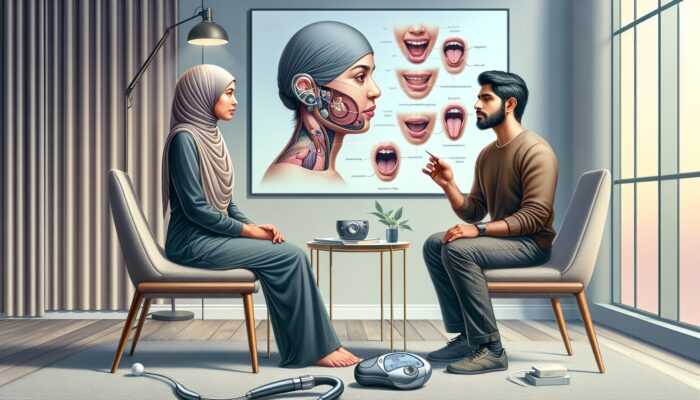
Categories
heathcare

Hearing Aids for Improved Speech Clarity in Noise

Ultimate Guide to Hearing Aids: Transforming Your Listening Experience

What Are Hearing Aids and How Do They Operate?

Diverse group wearing modern hearing aids, smiling and conversing, showcasing discreet design and technology.

Hearing aids are sophisticated electronic devices crafted to amplify sound for people experiencing hearing loss. These remarkable instruments significantly enhance users’ capacity to hear and communicate, leading to an overall improvement in their quality of life. By bridging the gap between environmental sounds and the listener’s auditory abilities, hearing aids are essential for fostering social interactions. The technology underlying hearing aids has progressed tremendously, resulting in a variety of types tailored to meet diverse hearing preferences and needs. Here is a detailed list of the common types of hearing aids:

  • Behind-the-ear (BTE) hearing aids
  • In-the-ear (ITE) hearing aids
  • In-the-canal (ITC) hearing aids
  • Completely-in-canal (CIC) hearing aids
  • Receiver-in-canal (RIC) hearing aids
  • Bone-anchored hearing systems (BAHA)
  • Rechargeable hearing aids
  • Bluetooth-enabled hearing aids

These varied options empower users worldwide with the flexibility and choice necessary to create a personalised auditory experience tailored to their unique lifestyles and requirements.

How Do Hearing Aids Function to Enhance Sound Perception?

The mechanism by which hearing aids operate is intricate yet captivating. They capture sound through an integrated microphone, which collects auditory signals from the surrounding environment. This sound is converted into digital signals and processed within the device. Once processed, the amplified signals are transmitted to the user’s ear via a speaker, enabling clearer hearing and improved communication. The transformation of sound into digital data facilitates advanced manipulation of sound frequencies, allowing users to distinguish speech easily, particularly in noisy environments.

The technology behind these devices has advanced remarkably, incorporating features that not only amplify sound but also enhance speech clarity. The processing typically utilises sophisticated algorithms designed to differentiate between various sounds, which proves especially beneficial in bustling atmospheres, whether in a crowded Parisian café or at a lively family gathering in Tokyo.

Key Components of Hearing Aids That Improve Auditory Experience

A hearing aid comprises several essential components that work harmoniously to deliver an optimal auditory experience. The fundamental components include:

  • Microphone: Captures sound from the environment.
  • Amplifier: Boosts the strength of the sound signals.
  • Speaker: Delivers the amplified sound to the ear.
  • Battery: Powers the device, available in either disposable or rechargeable formats.
  • Receiver: Converts electrical signals back into sound waves.

Each of these components plays a vital role in the overall functionality of hearing aids, ensuring users enjoy enhanced sound quality. For instance, the microphone’s sensitivity can greatly affect how well the hearing aid performs in various sound environments, making it crucial for users to select a model that aligns with their individual lifestyles.

Uncover the Benefits of Using Hearing Aids

Elderly couple smiling at an outdoor concert, wearing modern hearing aids, enjoying music with a lively crowd.

The benefits of using hearing aids extend well beyond mere sound amplification; they profoundly enhance users’ quality of life. Improved communication is perhaps the most evident advantage, as hearing aids enable individuals to engage in conversations with greater ease. This enhancement not only fosters social interaction but also alleviates feelings of loneliness and isolation that often accompany hearing difficulties.

Hearing aids are crucial in supporting mental health by facilitating auditory engagement, which is essential for cognitive function. Enhanced hearing can lead to positive outcomes in various life aspects, from actively participating in social events to enjoying cultural experiences like concerts and theatre performances. Essentially, hearing aids do not merely enhance auditory experiences; they contribute to a more fulfilled and connected existence.

Understanding the Science of Noise Reduction in Hearing Aids

What Is Noise Reduction Technology and Why Is It Important?

Noise reduction technology in hearing aids is specifically engineered to filter out background noise, enabling users to focus on speech and other critical sounds in their surroundings. This technology is particularly vital for individuals who frequently find themselves in varied soundscapes, from bustling city streets to serene cafés. Various types of noise reduction technologies exist, each designed to address different auditory challenges:

  • Adaptive noise reduction
  • Multi-channel noise reduction
  • Feedback cancellation systems
  • Wind noise reduction algorithms
  • Dynamic range compression
  • Sound localisation features
  • Frequency-specific noise filtering
  • Automatic adjustments based on the environment

This cutting-edge technology significantly enhances the efficacy of hearing aids, especially in noisy contexts, making conversations clearer and more enjoyable for users.

In What Ways Does Directional Microphone Technology Enhance Hearing?

A modern hearing aid with a directional microphone, enhancing speech clarity in a noisy café.

Directional microphones are integral to modern hearing aids, designed to focus on sounds originating from the front while reducing noise from other directions. This directional capability allows users to concentrate on conversations, particularly in challenging environments where background noise can be overpowering. The efficacy of these microphones lies in their ability to distinguish between different sounds, prioritising speech frequencies over ambient noise.

In practical scenarios, users reap significant benefits from directional microphones in various settings, such as during meetings or social events. For example, someone at a wedding reception can engage in meaningful conversations with friends while minimising distractions from background music or chatter. This feature empowers users to fully partake in their social lives, leading to a more connected and enriching experience.

Why Is Digital Signal Processing Crucial in Hearing Aids?

Digital signal processing (DSP) forms the backbone of many advanced hearing aids available today. This technology encompasses a variety of techniques designed to analyse and modify sound signals in real time. DSP enhances speech intelligibility while simultaneously reducing unwanted background noise, thereby creating a clearer auditory environment for users.

By employing complex algorithms, DSP can identify specific sound patterns and adjust frequencies to ensure that vital auditory cues are prioritised. For instance, if a user finds themselves in a crowded area, DSP can amplify speech sounds while suppressing noise from other conversations or environmental distractions. This ability not only facilitates improved communication but also greatly enriches the user experience, making it easier to engage in conversations regardless of the surrounding conditions.

Professional Guidance for Enhancing Speech Clarity in Noisy Environments with Hearing Aids

What Recommendations Do Audiologists Have for Optimal Hearing Aid Usage?

Audiologists provide several strategies to ensure that hearing aids function effectively, especially in noisy situations. Regular maintenance is essential, as it helps sustain the device’s performance and extends its lifespan. Audiologists often recommend scheduling consistent follow-up appointments to adjust settings based on user experiences and varying environments. For instance, an audiologist might suggest fine-tuning the settings after a user reports difficulty understanding speech in a bustling restaurant.

To technical modifications, audiologists emphasise the importance of user education. Many users may not be aware of the various features available in their devices, such as noise reduction settings or directional microphones. By understanding how to effectively utilise these features, users can significantly enhance their experiences in noisy environments, leading to a more rewarding auditory experience.

What Steps Can Users Take to Maximise the Performance of Their Hearing Aids?

To maximise the performance of hearing aids, users can implement several practical measures. First and foremost, ensuring a proper fit is crucial; poorly fitted hearing aids can lead to sound leakage or discomfort, detracting from the overall listening experience. Users should also prioritise regular cleaning to prevent earwax buildup and debris that may impair performance.

Understanding how to adjust the settings based on varying environments can greatly enhance the utility of hearing aids. For instance, in quieter settings, users might prefer an open setting for a more natural sound, while in noisy environments, activating noise reduction features can be beneficial. users should maintain regular communication with their audiologists to receive tailored advice that meets their specific needs. This proactive approach fosters better hearing experiences across different settings, from peaceful parks to bustling marketplaces.

How Does the Surrounding Environment Influence Hearing Aid Functionality?

The surrounding environment significantly affects how effectively hearing aids function, directly impacting users’ experiences. Factors such as background noise levels, acoustics, and even the physical layout of spaces can influence sound quality and clarity. In a busy urban setting, for example, high levels of ambient noise can challenge even the most advanced hearing aids, making it essential for users to understand their device’s capabilities.

For users frequently navigating various settings, it is crucial to adjust their hearing aids accordingly. Many modern devices come equipped with adaptive features that automatically modify settings based on the user’s surroundings. users should also be proactive in recognising when manual adjustments are needed, such as switching to a directional microphone in crowded areas or increasing amplification in quieter environments. By remaining attuned to their surroundings and responsive to their hearing aids, users can significantly enhance their auditory experiences in diverse locations.

In What Ways Do Hearing Aids Enhance Speech Clarity in Noisy Environments?

Which Features Are Essential for Boosting Speech Clarity?

Numerous features incorporated into modern hearing aids significantly contribute to enhancing speech clarity, making communication smoother and more effective for users. Among these features, frequency compression and speech enhancement algorithms stand out as vital components. Frequency compression shifts higher frequency sounds to lower frequencies where users may have better auditory capabilities, ensuring that essential speech cues are not missed.

Speech enhancement algorithms prioritise speech frequencies over background sounds, making conversations clearer and more comprehensible even in challenging acoustic environments. For instance, in a noisy café or at a lively party, these features work in tandem to amplify the subtle nuances of human speech while diminishing distractions from the surrounding noise. Users who take advantage of these features often report a more satisfying and connected conversational experience, enabling them to engage more fully with their surroundings.

Why Is Frequency Compression Important?

Frequency compression serves as a crucial tool for enhancing speech clarity for hearing aid users. This technology is particularly beneficial for individuals with high-frequency hearing loss, where the ability to perceive certain sounds, such as consonants, is diminished. By shifting high-frequency sounds to lower frequencies, frequency compression allows users to hear these critical sounds more distinctly, significantly aiding in speech comprehension.

In practical terms, this means that users can better differentiate between similar-sounding words and phrases, making conversations more intelligible. For example, a person using a hearing aid with frequency compression may find it easier to understand a friend discussing plans over the background noise of a busy street, as essential speech sounds are moved into the frequency range where their hearing is more acute. This feature enhances users’ ability to engage in conversations across various settings, resulting in increased social interaction and confidence.

How Do Speech Enhancement Algorithms Function?

Speech enhancement algorithms are designed to intelligently process sound waves, ensuring that critical speech frequencies are prioritised over other sounds. These algorithms analyse incoming sound signals, effectively distinguishing between speech and noise. This leads to improved conversation quality, especially in environments where multiple sounds vie for attention.

In practical scenarios, this means that when users find themselves in bustling restaurants or crowded public spaces, these algorithms assist in filtering out distracting noises while amplifying the sounds of nearby voices. This technology profoundly impacts users’ ability to communicate effectively, allowing them to engage with family, friends, and colleagues without straining to hear over background noise. As a result, users frequently find greater satisfaction in social situations, leading to more enjoyable interactions and an increased sense of community engagement.

Technological Innovations Shaping the Future of Hearing Aids

What Are the Latest Innovations in Hearing Aid Technology?

The field of hearing aid technology is continually evolving, with recent innovations significantly enhancing user experiences. Among the latest advancements are AI-driven sound processing capabilities, which enable hearing aids to adapt in real time to users’ auditory environments. This cutting-edge technology allows devices to analyse soundscapes and make instant adjustments, providing a personalised listening experience that was once unimaginable.

Wireless connectivity allows hearing aids to seamlessly connect with smartphones, televisions, and other devices, greatly enhancing functionality and convenience. Users can stream music, take phone calls, or even adjust their hearing aids through intuitive smartphone applications. innovations in battery technology, such as rechargeable options, have simplified device maintenance by eliminating the need for frequent battery replacements. These advancements not only improve the functionality of hearing aids but also ensure that users enjoy a more pleasant and integrated auditory experience.

What Role Does Artificial Intelligence Play in Revolutionising Hearing Aids?

Artificial Intelligence (AI) is increasingly influential in the development of modern hearing aids. By harnessing machine learning algorithms, AI can analyse users’ listening habits and preferences, leading to a customised auditory experience. This technology enables hearing aids to learn from their environments, adjusting settings automatically based on the sounds present, such as distinguishing between a quiet home environment and a noisy outdoor café.

AI-driven features can enhance speech recognition and clarity, significantly improving users’ abilities to engage in conversations in varied settings. As AI continues to advance, we can anticipate hearing aids becoming even more adept at personalising sound experiences, making them more user-friendly and efficient. The integration of AI not only enhances the auditory experience but also promotes greater independence and confidence for users in their daily lives.

What Are the Benefits of Wireless Connectivity in Hearing Aids?

The introduction of wireless connectivity in hearing aids has transformed user experiences, offering numerous advantages that cater to modern lifestyles. Wireless technology allows hearing aids to connect with various devices, including smartphones, tablets, and televisions, enabling users to stream audio directly to their hearing aids. This seamless integration enhances usability, making it easier for users to enjoy music, take phone calls, and watch television without requiring additional accessories.

Wireless connectivity often includes smartphone applications that allow users to control their hearing aids directly from their devices. This feature enables quick adjustments to settings based on different environments, enriching the overall listening experience. For example, users can swiftly switch between modes for a quiet library setting and a vibrant social gathering with just a few taps on their smartphones. Overall, wireless connectivity fosters a more integrated and convenient auditory experience, empowering users to interact more effectively with the world around them.

Research-Supported Advantages of Hearing Aids in Noisy Environments

How Do Studies Affirm the Effectiveness of Hearing Aids in Noisy Settings?

Research consistently shows that hearing aids significantly enhance speech understanding in noisy environments. Hearing aid users often report improved communication experiences, particularly in challenging auditory settings. For example, studies indicate that individuals wearing hearing aids are better equipped to engage in conversations amidst background noise, resulting in increased social interaction and involvement.

Expert analysis of these findings highlights the importance of hearing aids in facilitating clearer communication across diverse environments. Users experience not only improved sound quality but also heightened confidence when participating in social situations. This is especially crucial in varied global contexts, such as navigating busy marketplaces or attending community events, where effective communication is vital for building connections and relationships.

What Long-Term Benefits Are Associated with Hearing Aid Use?

Long-term use of hearing aids has been linked to numerous advantages extending beyond improved hearing. Research suggests that consistent hearing aid usage can enhance cognitive function and boost social engagement. Individuals who utilise hearing aids are often more inclined to actively participate in conversations and social activities, leading to better mental health outcomes and a reduced risk of cognitive decline.

As users become more engaged in their communities and maintain social ties, they experience an overall enhancement in their quality of life. This active involvement is crucial in diverse cultural contexts, where social interaction plays a vital role in individual well-being. By facilitating communication, hearing aids empower users to lead more fulfilling and connected lives.

What Psychological Effects Are Associated with Improved Hearing?

The psychological impact of enhanced hearing through the use of hearing aids is profound. Improved auditory experiences can significantly diminish feelings of isolation and frustration commonly linked to hearing loss. Users frequently report heightened confidence in social situations, allowing them to engage more freely with family and friends without the anxiety of missing out on conversations.

Enhanced hearing fosters a greater sense of independence and empowerment. Users capable of hearing clearly are more likely to participate in activities they previously avoided, such as attending social events or joining community groups. This increased participation nurtures a sense of belonging and connection, which is essential for overall psychological well-being. The ripple effect of these improvements can substantially elevate users’ quality of life, illustrating the powerful impact hearing aids can have.

How Do Hearing Aids Enhance Speech Clarity in Noisy Environments?

Hearing aids employ advanced technologies such as directional microphones and noise reduction algorithms to improve speech clarity in noisy settings. By concentrating on speech sounds while minimising background noise, these devices enable users to engage in conversations more effectively. The integration of these technologies is essential for users who frequently navigate bustling environments, allowing them to communicate comfortably amidst distractions.

For instance, in a crowded restaurant, hearing aids can amplify the sounds of nearby conversations while attenuating the clatter of dishes or background music. This capability not only enhances speech clarity but also fosters social engagement, allowing users to relish their experiences without feeling overwhelmed by noise. hearing aids play a crucial role in enriching the overall auditory experience, making daily interactions smoother and more enjoyable.

What Are the Immediate Benefits of Hearing Aids on Speech Perception?

Users often experience immediate and noticeable improvements in speech perception when using hearing aids in noisy environments. This enhancement allows for better understanding and engagement in conversations, significantly enriching social interactions. The ability to distinguish between speech and background noise provides users with the confidence to actively participate in discussions, whether in intimate gatherings or larger social events.

For example, a person at a family reunion may find it easier to join in conversations, enjoying the company of loved ones without straining to hear. This immediate improvement not only boosts confidence but also encourages ongoing social participation, reinforcing the importance of hearing aids in enhancing quality of life. Enhanced speech perception nurtures a sense of connection and belonging, showcasing the transformative impact these devices can have on everyday experiences.

Effective Strategies for Adapting to Noisy Environments

What Techniques Can Users Employ in Noisy Settings?

Navigating noisy environments can pose challenges for individuals using hearing aids, but implementing effective strategies can greatly enhance their listening experience. One vital strategy involves positioning oneself to face the speaker, as this facilitates better sound directionality and clarity. utilising visual cues, such as maintaining eye contact and observing facial expressions, can support auditory information processing.

Here are practical tips for users:

  • Position yourself to face the speaker directly.
  • Minimise background noise when feasible by choosing quieter settings.
  • Utilise visual cues, such as lip reading, to assist comprehension.
  • Request clarification if speech is unclear.
  • Take breaks in noisy environments to avoid auditory fatigue.
  • Employ directional microphones to concentrate on specific sounds.
  • Practice active listening techniques to enhance engagement.
  • Experiment with different hearing aid settings for various situations.

By adopting these strategies, users can significantly enhance their auditory experiences, fostering improved communication and social interactions even in bustling environments.

What Is the Importance of Lip Reading and Visual Cues in Communication?

Lip reading and visual cues are crucial in enhancing understanding, especially in noisy environments where auditory signals may be compromised. For individuals with hearing loss, supplementary visual information can enrich their comprehension of spoken language, facilitating more effective communication.

By focusing on the speaker’s lip movements, facial expressions, and gestures, users can glean additional context and meaning, thereby enriching their understanding of conversations. This is particularly advantageous during social gatherings, where background noise may hinder auditory clarity. Encouraging users to engage in eye contact and be aware of visual cues can foster a more interactive and fulfilling communication experience. Integrating these practices into daily interactions can help users navigate challenging auditory environments more smoothly.

How Can Assistive Listening Devices Enhance Communication?

Assistive listening devices (ALDs), such as FM systems, can be invaluable tools for hearing aid users, particularly in noisy settings. These devices enhance sound clarity by transmitting audio directly to the user’s hearing aids, minimising background noise interference. For instance, in a classroom setting or during presentations, ALDs facilitate clear reception of the speaker’s voice, significantly improving comprehension.

Users can benefit from using ALDs in various contexts, including lectures, social gatherings, or even one-on-one conversations in busy places. By combining hearing aids with ALDs, individuals can create a more tailored auditory experience, ensuring they remain fully engaged with their environment. This integration enhances communication and social participation, empowering users to navigate diverse auditory landscapes more effectively.

How Can Active Listening Techniques Foster Better Engagement?

Active listening is essential for effective communication in any environment, involving full concentration on the speaker and accurate processing of information. Users can enhance their comprehension by seeking clarification when necessary and summarising what has been said to ensure understanding. This technique is particularly beneficial in noisy settings, where distractions may impede auditory processing.

To practice active listening, users should focus on the speaker, maintain eye contact, and provide verbal affirmations to indicate engagement. They can take notes or ask questions to clarify points of confusion. These techniques foster a deeper connection between the speaker and listener, enhancing the overall quality of interactions. By adopting active listening strategies, users can significantly improve their communication experiences, even in challenging auditory environments.

Essential Care and Maintenance for Hearing Aids

How Often Should Hearing Aids Be Cleaned?

Regular cleaning of hearing aids is crucial for maintaining optimal performance and extending their lifespan. Ideally, users should clean their devices daily to prevent the accumulation of earwax and debris that can impair sound quality. Simple cleaning routines can effectively keep hearing aids in peak condition, ensuring reliable functionality.

Users can employ various cleaning methods based on their device type. For instance, wiping the outer casing with a soft, dry cloth can remove dust and oils, while using a soft brush can help clear debris from microphones and speakers. utilising specialised cleaning kits designed for hearing aids can further enhance cleanliness and performance. By committing to a consistent cleaning routine, users can ensure their hearing aids remain effective tools for communication.

What Are the Best Practices for Storing and Handling Hearing Aids?

Proper storage and handling of hearing aids are vital for their longevity and effectiveness. Users should store their devices in a dry, cool place, preferably in a protective case to prevent damage. handling hearing aids with clean hands can minimise the transfer of dirt and oils, contributing to their maintenance.

When not in use, users should consider removing batteries or placing the device in a dehumidifier to prevent moisture buildup. These precautions are particularly important in humid climates where moisture can adversely affect electronic components. By following proper storage and handling techniques, users can prolong the life of their hearing aids, ensuring they remain reliable companions for years to come.

When Should Professional Maintenance Be Sought?

While regular care and maintenance can prevent many issues, users should be vigilant about when to seek professional assistance with their hearing aids. If individuals notice any changes in sound quality, such as distortion or muffled sounds, it may signal a need for professional maintenance. if the device is not functioning as expected, consulting an audiologist or hearing care professional is recommended.

Professional maintenance may involve cleaning, repairs, or adjustments to settings to optimise performance. Users should also consider scheduling routine check-ups to assess the overall condition of their hearing aids, ensuring they receive timely interventions if necessary. By maintaining an open line of communication with hearing care professionals, users can avoid potential issues and ensure their devices function effectively.

Future Innovations and Trends in Hearing Aid Technology

What Exciting Developments Can We Expect in Future Hearing Aids?

The future of hearing aid technology holds exciting advancements that will further enhance user experiences. Innovations are anticipated to focus on making devices more discreet while improving functionality and connectivity. As technology continues to evolve, we can expect hearing aids to seamlessly integrate into daily life, offering users unprecedented convenience and auditory clarity.

Future designs may also introduce features such as enhanced AI-driven sound processing capabilities that adjust to users’ environments in real time. These improvements will likely prioritise user comfort and satisfaction, allowing for a more natural listening experience. As research and development progress, hearing aids will become increasingly user-friendly, catering to the diverse needs of individuals worldwide.

What Is the Potential of Fully Implantable Hearing Aids?

The concept of fully implantable hearing aids signifies a groundbreaking advancement in auditory technology. By eliminating the need for external devices and batteries, these implants offer a discreet and effective solution for users, providing an unobtrusive means of enhancing hearing. As this technology advances, it could revolutionise the way individuals experiencing hearing loss engage with sound.

Fully implantable systems have the potential to deliver consistent sound quality and eliminate concerns related to maintenance and external device management. As research continues to progress in this area, we can expect significant developments that will make these implants a viable option for a broader range of users, ultimately enhancing access to effective hearing solutions.

How Will AI Continue to Influence Hearing Aid Development?

The role of artificial intelligence (AI) in hearing aid development is set to expand, driving innovation and personalisation. AI’s capacity for real-time sound analysis and adaptive features will likely enhance the performance of hearing aids, making them more effective and user-friendly. As AI technology evolves, hearing aids will be able to learn from user preferences and listening habits, allowing for tailored auditory experiences in diverse environments.

AI could facilitate advancements in remote monitoring and adjustments, enabling hearing care professionals to provide support without requiring users to visit clinics frequently. This capability will enhance accessibility and convenience, allowing users to maintain optimal hearing experiences effortlessly. As AI continues to shape the future of hearing aids, users can look forward to increasingly sophisticated devices that improve communication and enhance overall quality of life.

Frequently Asked Questions About Hearing Aids

What are the primary functions of hearing aids?

Hearing aids are electronic devices that amplify sound for individuals with hearing loss, enhancing their ability to communicate effectively and engage in social interactions.

How do hearing aids enhance sound perception?

Hearing aids capture sound through a microphone, convert it into digital signals, and amplify it for the user’s ear via a speaker, thereby improving overall hearing capabilities.

What types of hearing aids are available today?

Common types of hearing aids include behind-the-ear (BTE), in-the-ear (ITE), and completely-in-canal (CIC) models, among others, catering to various personal preferences and needs.

What is the significance of noise reduction technology in hearing aids?

Noise reduction technology filters out background noise to help users concentrate on speech, consequently enhancing communication in noisy environments.

In what ways does directional microphone technology improve hearing?

Directional microphones focus on sounds from the front, diminishing noise from other directions and enhancing speech clarity in noisy settings, facilitating better communication.

What maintenance practices are essential for hearing aids?

Hearing aids should be cleaned regularly, stored appropriately, and checked by a professional for maintenance and adjustments when necessary to ensure optimal performance.

How can users maximise the performance of their hearing aids?

Users can maximise performance by ensuring a proper fit, regularly cleaning their devices, and utilising appropriate settings for different environments to enhance their auditory experience.

What psychological benefits are associated with using hearing aids?

Using hearing aids can reduce feelings of isolation, improve social engagement, and enhance overall mental well-being by facilitating better communication and interactions.

What future innovations can we look forward to in hearing aids?

Future innovations in hearing aids may include fully implantable devices, advanced AI capabilities, and increased wireless connectivity for enhanced user experiences and convenience.

What strategies can users adopt to adapt effectively to noisy environments?

Users can adapt by positioning themselves to face speakers, utilising visual cues, and employing assistive listening devices to enhance communication clarity in noisy settings.

Explore our world on X!

The post Hearing Aids: Enhancing Speech Clarity in Noisy Environments appeared first on The Microsuction Ear Wax Removal Network.
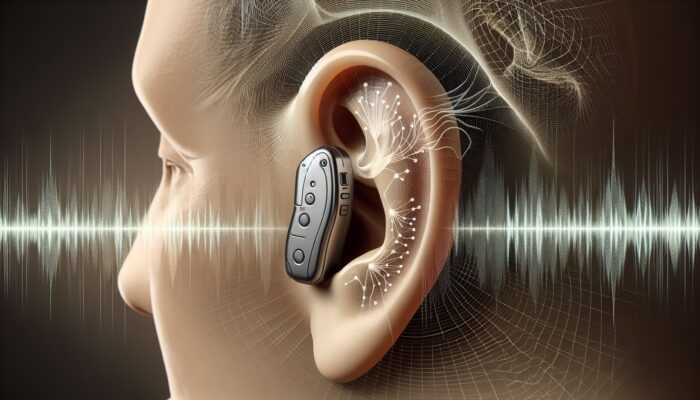
The post Hearing Aids: Enhancing Speech Clarity in Noisy Environments appeared first on Healthcare Marketing Service.