Categories
heathcare

Ear Injuries in Sports: Key Tips for Effective Prevention

Last Updated on 28/07/2025 by Admin

In-Depth Examination of Ear Injuries in Sports: Understanding Causes, Prevention Techniques, and Treatment Options

Ear injuries in sports represent serious concerns that can lead to significant health complications if not adequately addressed. It is essential for athletes, coaches, and sports enthusiasts globally to recognise the various types and associated risks of these injuries. Prioritising prevention of ear injuries in sports is critical, as informed awareness and education can significantly contribute to safeguarding overall health and safety within athletic settings.

Recognising Different Types of Ear Injuries in Sports

The most common ear injuries sustained in sports include cauliflower ear, ruptured eardrum, and swimmer’s ear. Cauliflower ear, often seen in wrestling and rugby, results from repeated trauma to the outer ear, which leads to fluid accumulation that may cause permanent deformity. This condition is not just a cosmetic issue; it can cause significant pain and may require surgical intervention to restore the ear’s appearance and function.

A ruptured eardrum can arise from sudden pressure changes or direct blows, causing intense pain, hearing loss, and possible bleeding. This type of injury is particularly concerning in contact sports where head impacts are frequent. Conversely, swimmer’s ear, an infection of the ear canal, is more prevalent among those participating in water-related activities. Prolonged exposure to water can irritate the ear canal, leading to discomfort and potential auditory issues.

Understanding the specifics of these various injuries is crucial for athletes engaged in different sports. Each injury presents unique challenges and requires tailored prevention and treatment strategies to ensure athletes remain healthy and safe.

Understanding the Causes of Ear Injuries in Sports

Ear injuries in sports can stem from numerous interconnected sources. Direct impacts to the ear, particularly in contact sports such as boxing and martial arts, are major contributors. The force generated during these activities can lead to immediate trauma, resulting in injuries like cauliflower ear and ruptured eardrum. pressure changes during activities like Diving or competing at high altitudes can place immense stress on the eardrum, potentially leading to ruptures.

Water sports introduce their own set of risks. Extended exposure to water can result in infections or conditions like swimmer’s ear. Athletes involved in surfing or swimming should be particularly vigilant about their ear health. Recognising these causes not only aids in prevention but also highlights the importance of protective measures, especially in high-risk sports situations.

The Dangers of Ignoring Ear Injuries in Sports

Neglecting ear injuries can lead to severe long-term consequences. Chronic pain, hearing loss, and irreversible structural damage are potential outcomes of overlooked injuries. Many athletes tend to downplay minor ear injuries, yet the ramifications can drastically hinder their ability to participate in both sports and daily life.

Untreated ear injuries can lead to complications such as recurrent infections, which may necessitate more invasive treatment options later on. For athletes, maintaining auditory function is vital; any hearing impairment can disrupt communication on the field, impacting both performance and safety. The stakes are high, and the importance of preventing ear injuries in sports must not be underestimated. Taking proactive measures and seeking prompt treatment for ear injuries is essential for ensuring long-term health and athletic endurance.

Utilising Protective Equipment for Ear Safety in Sports

Investing in high-quality protective equipment is one of the most effective strategies for preventing ear injuries in sports. The right gear not only enhances safety but also boosts athletes’ confidence, allowing them to perform at their best without the constant fear of injury.

Key Protective Gear Essential for Athletes

Crucial protective gear includes ear guards, swim caps, and custom earplugs. Ear guards are particularly important in sports like wrestling and martial arts; they are designed to absorb impacts and protect the ears from direct blows. This protective measure is vital for preventing conditions like cauliflower ear, enabling athletes to train and compete without the constant threat of injury.

Swim caps also play a critical role in water sports, serving not only a stylistic function but also providing essential protection. While their main purpose is to keep hair dry, they also act as a barrier against water exposure that could lead to infections such as swimmer’s ear. For athletes who spend considerable time in the water, custom earplugs can provide additional protection. These plugs are specifically moulded to fit the user’s ear, forming a snug seal that minimises water entry.

Choosing the correct protective gear is a foundational aspect of a comprehensive strategy aimed at preventing ear injuries in sports.

Ensuring the Effectiveness of Protective Equipment

The effectiveness of protective gear relies on its correct usage. Proper fitting and consistent application are essential to ensure maximum protection against ear injuries. Athletes should seek professional advice when selecting gear to ensure it meets their individual needs and fits comfortably.

For instance, ear guards should fit securely without causing discomfort, while swim caps must adequately cover the ears without slipping. Regular checks for signs of wear and damage are equally vital, as compromised equipment may fail to offer the necessary protection. Timely replacement or repair of gear can significantly lower the risk of injuries, highlighting the importance of diligent maintenance.

Educating athletes about the appropriate use of protective gear empowers them. Training sessions should incorporate guidance on how to wear and maintain equipment properly, fostering a culture of safety and responsibility among athletes.

Maintaining Protective Gear for Longevity

Regular cleaning and inspection of protective gear are essential for sustaining its effectiveness and preventing infections. For example, ear guards can accumulate sweat and bacteria, making routine cleaning crucial to avoid skin irritations or infections.

Swim caps should also be rinsed and dried after each use to prevent mildew and unpleasant odours. Athletes must cultivate the habit of frequently checking their gear for any signs of damage or deterioration. This practice not only extends the lifespan of the equipment but also ensures it continues to provide optimal protection.

Raising awareness about the importance of gear maintenance can significantly bolster safety in sports. Coaches and teams should prioritise regular gear inspections and cleaning protocols, ensuring every athlete is well-equipped to effectively prevent ear injuries.

Choosing Protective Gear that Meets Quality Standards

Selecting protective gear that complies with recognised safety standards is vital for ensuring enhanced protection and durability. Various international standards exist for sports equipment, and athletes should focus on gear that meets these regulations.

High-quality protective equipment generally undergoes rigorous testing to verify its ability to withstand impacts commonly encountered in sports. Athletes should seek certifications from reputable organisations when choosing their gear. Investing in equipment from trusted brands not only enhances safety but also provides peace of mind, assuring athletes that their gear is designed to minimise the risks associated with ear injuries.

Staying updated about product recalls and safety alerts can keep athletes informed about the gear they are using. By being proactive, they can make informed choices about their equipment and take necessary steps toward preventing ear injuries in sports.

Regular Replacement of Worn Protective Gear

Consistently replacing worn or damaged protective gear is crucial for maintaining optimal protection. As equipment ages, its ability to safeguard against injuries diminishes, making it essential for athletes to monitor the condition of their gear closely.

Establishing an effective replacement schedule should be part of an athlete’s training regimen. This schedule is particularly beneficial at the beginning of each season, ensuring that all gear is in prime condition before training intensifies. Athletes should be trained to recognise when gear has lost its effectiveness and understand the importance of timely replacements.

Taking a proactive approach not only enhances safety but also fosters a culture of responsibility and care among athletes, underscoring the importance of preventing ear injuries in sports.

Implementing Safe Practices in Sports to Avert Ear Injuries

Engaging in safe sports practices is vital for athletes aiming to reduce the risk of ear injuries. Developing sound habits and adhering to established best practices can significantly improve safety during participation in various sports.

Learning Techniques to Prevent Ear Injuries

Mastering and practising correct techniques in sports is fundamental to minimising the risk of ear injuries. In contact sports, athletes should be trained to avoid direct blows to the ear while concentrating on proper body positioning to lessen the chances of injury.

For instance, in rugby or football, players can learn how to tackle effectively without risking exposure to the ear. This includes using shoulder tackles and maintaining a safe distance from opponents. Coaches play a crucial role in instilling these techniques and emphasising their importance during training sessions.

In water sports, mastering techniques such as proper diving form can help to avert injuries. Athletes should be educated on how to enter the water safely, ensuring they do not create unnecessary pressure on their ears. Overall, focusing on technical skill development is essential for preventing ear injuries in sports.

The Importance of Warm-Up and Cool-Down Routines

Implementing proper warm-up and cool-down routines significantly enhances blood circulation and flexibility, reducing the likelihood of injuries during sports activities. Warm-up exercises that include head and neck stretches can prepare the ears for physical exertion, promoting improved blood flow and alleviating stress on the eardrum.

Similarly, a structured cool-down routine is vital for recovery. It helps gradually lower the heart rate and reduces muscle tension, which can indirectly benefit ear health. Encouraging athletes to adopt these practices is a critical step in fostering a culture of safety within the team.

Teams should incorporate warm-up and cool-down periods into their training schedules, making them essential components of every practice and match.

Observing Rules and Regulations for Enhanced Safety

Adhering to sports rules and regulations creates a safer environment and reduces the risk of ear injuries that may arise from foul play. Each sport has governing bodies that establish rules aimed at protecting athletes, and understanding these regulations is crucial.

For instance, in rugby, rules prohibiting high tackles are specifically designed to safeguard players from head and ear injuries. Coaches and athletes must be well-informed about these regulations and the rationale behind them, promoting respect for the game and its safety protocols.

Fostering an environment of accountability where players and coaches feel empowered to report unsafe practices can significantly improve safety. By advocating for adherence to rules and regulations, teams can work collectively towards preventing ear injuries in sports.

Boosting Education and Awareness on Ear Health in Sports

Educating athletes, coaches, and the community about ear injuries is a critical aspect of any sports programme. By equipping them with essential knowledge, we can cultivate a culture of safety and responsibility.

Empowering Athletes Through Ear Health Education

Informing athletes about the risks and preventive measures associated with ear injuries can greatly contribute to a culture of safety and accountability in sports. Educational programmes should encompass comprehensive information about prevalent ear injuries, their causes, and the significance of using protective gear.

Workshops and seminars can be organised to facilitate discussions centred around ear health and safety practices. Incorporating testimonials from athletes who have experienced ear injuries can effectively highlight the importance of prevention. By openly addressing these subjects, a shared sense of responsibility emerges, encouraging athletes to prioritise their well-being.

Establishing peer mentorship programmes can enhance the educational experience. More experienced athletes can share their insights on ear protection and injury prevention with younger teammates, creating a ripple effect of awareness and knowledge throughout the team.

Training Coaches and Trainers on Ear Injury Prevention Techniques

Coaches and trainers play a crucial role in guiding athletes and ensuring their safety. They must be knowledgeable about ear injury prevention strategies to effectively protect their teams. This can be achieved through specialised training programmes focusing on ear health, injury detection, and preventative measures.

Incorporating ear injury prevention tactics into coaching methodologies can further enhance safety. Coaches should be trained to recognise the early signs of ear injuries and respond appropriately, ensuring athletes receive timely medical attention when necessary.

Integrating safety protocols into coaching practices fosters a culture of safety, making it an inherent part of the team’s ethos. Coaches prioritising education on ear health set a positive example and instill a sense of responsibility among their athletes.

Launching Public Campaigns to Raise Awareness for Ear Health

Raising awareness about ear injury prevention through public campaigns can extend outreach and promote safer sports practices. These campaigns can utilise various platforms, including social media, community events, and educational workshops, to effectively disseminate crucial information.

Engaging local sports organisations and schools can amplify the impact of these campaigns, ensuring they resonate with a wider audience. Providing resources such as pamphlets and online materials can empower individuals to take proactive steps toward preventing ear injuries in sports.

Collaborating with healthcare professionals can lend credibility to these campaigns. By sharing expert insights and statistics, the seriousness of ear injuries can be effectively communicated, motivating athletes and the community to prioritise ear health and safety.

Medical Responses and First Aid for Ear Injuries

Understanding the appropriate medical responses to ear injuries can significantly improve recovery outcomes. Prompt and proper care can make a considerable difference in an athlete’s recovery journey.

Administering Immediate First Aid for Ear Injuries

Quick first aid measures for ear injuries are crucial in minimising their severity. Simple actions, such as applying ice to the affected area, can help reduce swelling and discomfort. In cases of ruptured eardrums, it is essential to avoid inserting any objects into the ear canal and to keep the area dry.

Athletes should be trained to recognise symptoms that require immediate medical attention, such as severe pain, bleeding, or fluid discharge. Having a clear protocol for responding to ear injuries ensures athletes receive optimal care promptly.

Coaches and trainers should maintain first aid kits stocked with the necessary supplies for treating ear injuries. Ensuring that all coaching staff are trained in first aid procedures fosters a safer environment and facilitates prompt recovery for athletes.

Recognising When to Seek Professional Medical Assistance

Knowing when to consult a healthcare professional is essential for the appropriate treatment and recovery from sports-related ear injuries. Symptoms such as persistent pain, hearing loss, or drainage should never be overlooked. Athletes must be educated about the potential complications associated with untreated ear injuries, reinforcing the importance of seeking medical help.

Regular check-ups with an ENT specialist can also benefit athletes who frequently engage in high-risk sports. These professionals can offer tailored advice and treatment plans specific to the athlete’s needs, further enhancing ear health and safety.

Creating an open dialogue about the importance of seeking professional help can empower athletes to prioritise their health and well-being, fostering a proactive approach to ear health management.

The Essential Role of Sports Medicine in Ear Health Management

Sports medicine professionals are crucial in diagnosing, treating, and preventing ear injuries in athletes. Their expertise ensures that athletes receive comprehensive care and guidance throughout their athletic journeys.

Collaboration between sports medicine physicians and coaches can lead to improved injury management strategies. This partnership can facilitate the development of injury prevention programmes, ensuring that all team members have the knowledge and resources necessary to protect their ears effectively.

Sports medicine professionals can educate athletes on maintaining ear health beyond injury management, promoting long-term wellness and performance. By incorporating these specialists into training regimens, teams can significantly enhance their approach to preventing ear injuries in sports.

Customised Prevention Strategies for Various Sports

Different sports present unique challenges concerning ear health. Tailoring prevention strategies to specific sports is essential for enhancing safety and minimising the risk of ear injuries.

Preventing Ear Injuries in Contact Sports

In contact sports, using protective headgear and mastering proper tackling techniques are critical in preventing ear injuries such as cauliflower ear. Athletes should be educated about the importance of using gear designed to absorb impacts effectively.

Training programmes should emphasise techniques that reduce the risk of head and ear injuries. For instance, players should be instructed to tackle using their shoulders rather than their heads, thereby minimising the chance of direct contact with the ear.

Conducting regular equipment checks to assess the condition of headgear can ensure it provides optimal protection. Coaches should encourage athletes to express any discomfort or fit issues, creating an environment where safety is prioritised above all else.

Protecting Ears in Water Sports

In water sports, using earplugs and thoroughly drying ears after swimming are essential steps in reducing the risk of swimmer’s ear. Athletes should be encouraged to wear earplugs specifically designed for aquatic activities, as they effectively prevent water entry.

Developing an ear care routine following swimming can be beneficial for athletes. Simple practices such as tilting the head to allow water to drain and using a towel to dry the outer ear can significantly reduce infection risks.

Educating athletes about recognising the signs of ear infections and the importance of seeking prompt treatment can further enhance safety in water sports. By instilling these habits, athletes can protect themselves while enjoying their favourite activities.

Protecting Ears in Endurance Sports

In endurance sports, using ear protection during prolonged training sessions and races can help prevent ear infections and hearing loss caused by extended exposure to wind and noise. Athletes involved in cycling or running events should consider wearing protective gear to shield their ears from harsh environmental conditions.

Training sessions should include discussions about the importance of ear protection and strategies for maintaining ear health during lengthy exposures. Encouraging athletes to take breaks in windy environments or to wear headbands that cover the ears can help mitigate risks.

Raising awareness about potential hearing damage from excessive noise levels in endurance sports can empower athletes to take proactive measures. By understanding the risks, athletes can make informed decisions about their ear health, leading to a safer overall experience.

Common Questions Regarding Ear Injuries in Sports

What are the most prevalent ear injuries in sports?

The most prevalent ear injuries include cauliflower ear, ruptured eardrum, and swimmer’s ear, each resulting from distinct causes and requiring specific preventive measures to avoid complications.

How can ear injuries be prevented in contact sports?

Utilising protective headgear, mastering proper tackling techniques, and regularly maintaining equipment can significantly mitigate the risk of ear injuries in contact sports.

What is the significance of ear protection in water sports?

Ear protection, such as earplugs, helps prevent water from entering the ear canal, thereby reducing the risk of swimmer’s ear and other infections associated with prolonged exposure to water.

When should an athlete seek medical assistance for ear injuries?

An athlete should seek medical help if they experience severe pain, bleeding, or persistent hearing loss following an ear injury to ensure proper treatment and prevent further complications.

Can ear injuries lead to long-term effects?

Yes, neglecting ear injuries can result in chronic pain, hearing loss, and permanent structural damage, highlighting the urgency of prompt treatment and effective prevention strategies.

What is the importance of warm-up and cool-down routines?

Implementing proper warm-up and cool-down routines enhances blood circulation, flexibility, and recovery, significantly minimising the likelihood of ear injuries during sports activities.

How frequently should protective gear be replaced?

Protective gear should be regularly inspected for wear and tear and replaced as necessary, especially at the beginning of each sports season, to ensure optimal protection and safety.

What are the first aid steps for ear injuries?

Immediate first aid for ear injuries involves applying ice to reduce swelling, avoiding the insertion of objects into the ear, and seeking medical attention if symptoms persist or worsen.

How can coaches contribute to the prevention of ear injuries?

Coaches can educate athletes about the risks of ear injuries, promote proper techniques, and ensure the consistent use of protective gear to nurture a culture of safety within their teams.

What resources are available for athletes to learn about ear safety?

Athletes can access educational workshops, online materials, and consultations with sports medicine professionals to enhance their understanding of ear health and effective safety practices.

Explore our world on X!

The post Ear Injuries in Sports: Essential Prevention Tips appeared first on The Microsuction Ear Wax Removal Network.

Categories
heathcare

Ear Injuries in Sports: Key Tips for Effective Prevention

Last Updated on 28/07/2025 by Admin

Thorough Analysis of Ear Injuries in Sports: Understanding Causes, Prevention, and Treatment Options

Ear injuries in sports are not simply minor setbacks; they can result in serious health complications if left untreated. It is crucial for athletes, coaches, and sports enthusiasts around the globe to be well-informed about the different types of ear injuries and the associated risks. Emphasising the importance of preventing ear injuries in sports is crucial, as proactive education and awareness can significantly contribute to safeguarding one’s overall health and safety within athletic settings.

Recognising the Various Types of Ear Injuries in Sports

The most common ear injuries experienced in sports include cauliflower ear, ruptured eardrum, and swimmer’s ear. Cauliflower ear, often seen in wrestling and rugby, results from repeated trauma to the outer ear, leading to fluid accumulation that can cause permanent deformity. This condition goes beyond aesthetics; it can cause significant pain and may require surgical intervention to restore both appearance and function.

A ruptured eardrum can result from rapid pressure changes or direct impacts, causing sharp pain, hearing loss, and potential bleeding. This type of injury is particularly concerning in contact sports where head collisions are frequent. In contrast, swimmer’s ear, an infection of the ear canal, is more prevalent in aquatic activities. Prolonged exposure to water can irritate the ear canal, leading to discomfort and possible auditory issues.

Understanding the specifics of these injuries is essential for athletes across various sports disciplines. Each type presents unique challenges and necessitates tailored prevention and treatment approaches to ensure the well-being of athletes.

Understanding the Causes of Ear Injuries in Sports

The causes of ear injuries in sports are diverse and often interconnected. Direct impacts to the ear, particularly in contact sports like boxing and martial arts, are significant contributors. The force generated during these activities can result in immediate trauma, leading to injuries such as cauliflower ear or ruptured eardrum. pressure changes during activities like diving or competing at high altitudes can exert considerable stress on the eardrum, potentially causing ruptures.

Water sports introduce additional risks. Extended exposure to water can lead to infections or conditions like swimmer’s ear. Participants in sports like surfing or swimming need to be particularly vigilant regarding their ear health. Recognising these causes not only aids in prevention but also highlights the importance of protective measures, particularly in high-risk sporting situations.

The Implications of Ignoring Ear Injuries in Sports

Neglecting ear injuries can lead to serious long-term consequences. Chronic pain, hearing loss, and irreversible structural damage are just a few of the potential outcomes. Many athletes dismiss minor ear injuries, but the ramifications of such neglect can severely impact their ability to participate in sports and everyday activities.

Untreated ear injuries can result in complications such as recurrent infections, which may necessitate more invasive treatments later. For athletes, auditory functionality is vital; any hearing impairment can hinder communication on the field, thereby affecting performance and safety. The stakes are high, and the importance of preventing ear injuries in sports cannot be overstated. Taking proactive steps and seeking immediate treatment for ear injuries is essential for ensuring long-term health and athletic endurance.

Employing Protective Gear and Equipment to Ensure Ear Safety

Investing in high-quality protective gear is one of the most effective strategies for preventing ear injuries in sports. The right equipment not only enhances safety but also boosts athletes’ confidence, enabling them to perform at their best without the constant fear of injury.

Critical Types of Protective Gear Every Athlete Should Consider

Essential protective gear options include ear guards, swim caps, and custom earplugs. Ear guards are particularly important in sports like wrestling and martial arts; they are designed to absorb impacts and protect the ears from direct blows. This protective measure is essential for preventing conditions like cauliflower ear, allowing athletes to train and compete without the constant threat of injury.

Swim caps are crucial in water sports, serving not only a fashionable purpose but also providing protection. While their primary function is to keep hair dry, they also act as a barrier against water that could lead to infections such as swimmer’s ear. For athletes spending extended periods in the water, custom earplugs offer additional protection. These plugs are specifically moulded to fit the user’s ear, creating a secure seal that minimises water entry.

Choosing suitable protective gear is a foundational step in a comprehensive strategy aimed at preventing ear injuries in sports.

Enhancing the Effectiveness of Protective Equipment

The effectiveness of protective gear is contingent on its proper use. Ensuring an appropriate fit and consistent application is vital for maximising protection against ear injuries. Athletes should seek professional advice when selecting gear to ensure it meets their specific needs and fits comfortably.

For instance, ear guards should fit snugly without causing discomfort, while swim caps must adequately cover the ears without slipping. Regular checks for signs of wear and tear are equally crucial, as compromised equipment may fail to provide the necessary protection. Timely replacement or repair of gear can significantly reduce the risk of injury, highlighting the importance of diligent maintenance.

Educating athletes about the correct use of protective gear empowers them. Training sessions should include guidance on how to wear and care for equipment properly, fostering a culture of safety and responsibility among athletes.

Ensuring Long-Term Maintenance of Protective Gear

Regular cleaning and inspection of protective gear are essential for maintaining its effectiveness and preventing infections. For instance, ear guards can accumulate sweat and bacteria, making routine cleaning vital to avoid skin irritations or infections.

Swim caps should also be rinsed and dried after each use to prevent mildew and unpleasant odours. Athletes need to habitually check their gear for any signs of damage or deterioration. This practice not only extends the lifespan of the equipment but also ensures it continues to provide optimal protection.

Raising awareness about the significance of gear maintenance can greatly enhance safety in sports. Coaches and teams should prioritise regular gear inspections and cleaning protocols, ensuring that every athlete is well-prepared to effectively prevent ear injuries.

Choosing Protective Gear that Meets Quality Standards

Selecting protective gear that complies with recognised safety standards is essential for ensuring enhanced protection and durability. Various international standards exist for sports equipment, and athletes should prioritise gear that adheres to these regulations.

High-quality protective equipment typically undergoes rigorous testing to verify its ability to withstand the impacts commonly experienced in sports. Athletes should seek certifications from reputable organisations when selecting their gear. Investing in equipment from trusted brands not only enhances safety but also provides peace of mind, assuring athletes that their gear is designed to minimise the risks associated with ear injuries.

Staying informed about product recalls and safety alerts can keep athletes updated on the gear they are using. By being proactive, they can make informed choices about their equipment and take necessary steps towards preventing ear injuries in sports.

Timely Replacement of Worn Protective Gear

Regularly replacing worn or damaged protective gear is crucial for maintaining optimal protection. As equipment ages, its capacity to safeguard against injuries diminishes, making it essential for athletes to remain attentive to the condition of their gear.

Establishing a replacement schedule should be part of an athlete’s training routine. This schedule can be particularly beneficial at the start of each season, ensuring that all gear is in top condition before training intensifies. Athletes should be trained to recognise when gear has lost its effectiveness and understand the importance of timely replacements.

A proactive approach not only enhances safety but also fosters a culture of responsibility and care among athletes, underscoring the importance of preventing ear injuries in sports.

Implementing Safe Practices in Sports to Mitigate Ear Injuries

Engaging in safe sports practices is vital for athletes seeking to reduce the risk of ear injuries. Cultivating sound habits and adhering to established best practices can significantly improve safety during participation in various sports.

Embracing Techniques to Avoid Ear Injuries

Learning and practising correct techniques in sports is fundamental to minimising the risk of ear injuries. In contact sports, athletes should be trained to avoid direct hits to the ear while focusing on proper body positioning to reduce the chances of injury.

For example, in rugby or football, players can be instructed on how to tackle effectively without risking exposure to the ear. This includes using shoulder tackles and maintaining a safe distance from opponents. Coaches play a vital role in instilling these techniques and emphasising their importance during training sessions.

In water sports, mastering techniques such as proper diving form can also help prevent injuries. Athletes should be educated on how to enter the water safely, ensuring they do not create unnecessary pressure on their ears. Overall, emphasising technical skill development is crucial for preventing ear injuries in sports.

The Importance of Warm-Up and Cool-Down Routines

Implementing proper warm-up and cool-down routines significantly enhances blood flow and flexibility, reducing the likelihood of injuries during sports activities. Warm-up exercises that include head and neck stretches can prepare the ears for physical exertion, promoting improved blood circulation and relieving stress on the eardrum.

A structured cool-down routine is equally essential for recovery. It helps gradually lower the heart rate and alleviate muscle tension, which can indirectly support ear health. Encouraging athletes to adopt these practices is a critical step in fostering a culture of safety within the team.

Teams should incorporate warm-up and cool-down periods into their training regimens, making them non-negotiable elements of every practice and game.

Adhering to Safety Rules and Regulations

Complying with sports rules and regulations fosters a safer environment and reduces the risk of ear injuries that may arise from foul play. Each sport has governing bodies that establish rules aimed at protecting athletes, and understanding these regulations is crucial.

For instance, in rugby, rules prohibiting high tackles are specifically designed to protect players from head and ear injuries. Coaches and athletes must be well-acquainted with these regulations and their rationale, promoting respect for the game and its safety protocols.

Fostering an atmosphere of accountability where players and coaches feel empowered to report unsafe practices can significantly enhance safety. By advocating for adherence to rules and regulations, teams can work collectively towards preventing ear injuries in sports.

Enhancing Education and Awareness Regarding Ear Health in Sports

Education and awareness surrounding ear injuries are critical components of any sports programme. By equipping athletes, coaches, and the wider community with essential knowledge, we can cultivate a culture of safety and responsibility.

Empowering Athletes with Knowledge on Ear Health

Informing athletes about the risks and preventive measures related to ear injuries can greatly contribute to a culture of safety and accountability in sports. Educational programmes should cover detailed information about common ear injuries, their causes, and the importance of using protective gear.

Workshops and seminars can be organised to engage athletes in discussions focused on ear health and safety practices. Including testimonials from athletes who have experienced ear injuries can powerfully emphasise the importance of prevention. By addressing these topics openly, a sense of collective responsibility arises, encouraging athletes to prioritise their well-being.

Establishing peer mentorship programmes can further enhance the educational experience. More experienced athletes can share their insights on ear protection and injury prevention with younger teammates, creating a ripple effect of awareness and knowledge within the team.

Training Coaches and Trainers to Prevent Ear Injuries

Coaches and trainers play a vital role in guiding athletes and ensuring their safety. They must be knowledgeable about ear injury prevention strategies to effectively protect their teams. This can be accomplished through specialised training programmes focusing on ear health, injury detection, and preventive measures.

Incorporating ear injury prevention tactics into coaching methodologies can further enhance safety. Coaches should be trained to recognise early signs of ear injuries and respond appropriately, ensuring athletes receive timely medical attention when necessary.

Integrating safety protocols into coaching practices fosters a culture of safety, making it an inherent aspect of the team’s ethos. Coaches who prioritise education about ear health set a positive example and instil a sense of responsibility among their athletes.

Launching Awareness Campaigns for Ear Health

Raising awareness about ear injury prevention through public campaigns can extend outreach and promote safer sports practices. These campaigns can utilise various platforms, including social media, community events, and educational workshops, to effectively disseminate crucial information.

Engaging local sports organisations and schools can amplify the impact of these campaigns, ensuring they resonate with a diverse audience. Providing resources such as pamphlets and online materials can empower individuals to take proactive steps towards preventing ear injuries in sports.

Collaborating with healthcare professionals can also lend credibility to these campaigns. By sharing expert insights and statistics, the seriousness of ear injuries can be effectively communicated, motivating athletes and the community to prioritise ear health and safety.

Medical Responses and First Aid for Ear Injuries

Understanding the appropriate medical responses to ear injuries can significantly enhance recovery outcomes. Prompt and proper care can make a notable difference in an athlete’s recovery journey.

Implementing Immediate First Aid for Ear Injuries

Quick first aid for ear injuries is crucial in minimising their severity. Simple measures, such as applying ice to the affected area, can help reduce swelling and pain. In the event of ruptured eardrums, it is imperative to avoid inserting anything into the ear canal and to keep the area dry.

Athletes should be trained to recognise symptoms that require immediate medical attention, such as severe pain, bleeding, or fluid discharge. Having a clear protocol for responding to ear injuries ensures athletes receive optimal care promptly.

Coaches and trainers should maintain first aid kits stocked with the necessary supplies for treating ear injuries. Ensuring that all coaching staff are trained in first aid procedures can create a safer environment and facilitate prompt recovery for athletes.

Recognising When to Seek Professional Medical Help

Knowing when to consult a healthcare professional is essential for effective treatment and recovery from sports-related ear injuries. Symptoms such as persistent pain, hearing loss, or drainage should never be overlooked. Athletes must be educated about the potential complications linked to untreated ear injuries, reinforcing the importance of seeking medical assistance.

Regular check-ups with an ENT specialist can also benefit athletes who frequently engage in high-risk sports. These professionals can provide tailored advice and treatment plans specific to the athlete’s needs, further enhancing ear health and safety.

Fostering an open dialogue about the importance of seeking professional help can empower athletes to prioritise their health and well-being, encouraging a proactive approach to ear health management.

The Vital Role of Sports Medicine in Ear Health

Sports medicine professionals are essential in diagnosing, treating, and preventing ear injuries in athletes. Their expertise ensures that athletes receive comprehensive care and guidance throughout their sporting journey.

Collaboration between sports medicine physicians and coaches can lead to improved injury management strategies. This partnership can facilitate the development of injury prevention programmes, ensuring that all team members possess the knowledge and resources necessary to effectively protect their ears.

Sports medicine professionals can educate athletes on maintaining ear health beyond injury management, promoting long-term wellness and performance. By incorporating these specialists into training regimens, teams can significantly enhance their approach to preventing ear injuries in sports.

Customised Prevention Strategies for Various Sports

Different sports present unique challenges regarding ear health. Customising prevention strategies to specific sports is crucial for enhancing safety and reducing the risk of ear injuries.

Preventing Ear Injuries in Contact Sports

In contact sports, using protective headgear and mastering proper tackling techniques are essential for preventing ear injuries such as cauliflower ear. Athletes should be educated about the importance of using gear designed to absorb impacts effectively.

Training programmes should emphasise techniques that minimise the risk of head and ear injuries. For instance, players should be instructed to tackle using their shoulders rather than their heads, thereby reducing the likelihood of direct contact with the ear.

Conducting regular equipment checks to evaluate the condition of headgear can ensure it offers optimal protection. Coaches should encourage athletes to voice any discomfort or fitting issues, creating an environment where safety is prioritised above all else.

Protecting Ears in Water Sports

In water sports, utilising earplugs and thoroughly drying ears after swimming are critical steps in reducing the risk of swimmer’s ear. Athletes should be encouraged to use earplugs specifically designed for aquatic activities, as they create an effective barrier against water entry.

Developing a post-swimming ear care routine can help athletes maintain ear health. Simple practices like tilting the head to drain water and using a towel to dry the outer ear can significantly decrease infection risks.

Education on recognising the signs of ear infections and the importance of seeking prompt treatment can further enhance safety in water sports. By instilling these habits, athletes can protect themselves while enjoying their favourite activities.

Safeguarding Ears in Endurance Sports

In endurance sports, using ear protection during prolonged training sessions and races can help prevent ear infections and hearing loss caused by extended exposure to wind and noise. Athletes participating in cycling or running events should consider wearing protective gear to shield their ears from harsh weather conditions.

Training sessions should include discussions about the importance of ear protection and strategies for maintaining ear health during prolonged exposure. Encouraging athletes to take breaks in windy conditions or wear headbands that cover the ears can help mitigate risks.

Promoting awareness about potential hearing damage caused by excessive noise levels in endurance sports can empower athletes to take proactive measures. By understanding the risks, athletes can make informed decisions about their ear health, leading to a safer overall experience.

Frequently Asked Questions Regarding Ear Injuries in Sports

What are the most prevalent ear injuries in sports?

The most prevalent ear injuries include cauliflower ear, ruptured eardrum, and swimmer’s ear, each resulting from distinct causes and requiring specific preventive measures to avert complications.

How can ear injuries be prevented in contact sports?

Utilising protective headgear, mastering proper tackling techniques, and consistently maintaining equipment can significantly reduce the risk of ear injuries in contact sports.

What role does ear protection play in water sports?

Ear protection, such as earplugs, helps prevent water from entering the ear canal, thereby reducing the risk of swimmer’s ear and other infections associated with prolonged exposure to water.

When should an athlete seek medical assistance for ear injuries?

An athlete should seek medical help if they experience severe pain, bleeding, or persistent hearing loss following an ear injury to ensure proper treatment and prevent further complications.

Can ear injuries have lasting effects?

Yes, neglecting ear injuries can lead to chronic pain, hearing loss, and permanent structural damage, highlighting the urgency of prompt treatment and effective prevention strategies.

What is the significance of warm-up and cool-down routines?

Implementing proper warm-up and cool-down routines enhances blood flow, flexibility, and recovery, significantly reducing the chances of ear injuries during sports activities.

How often should protective gear be replaced?

Protective gear should be regularly inspected for signs of wear and tear and replaced as necessary, particularly at the beginning of each sports season, to ensure optimal protection and safety.

What are the first aid steps for ear injuries?

Immediate first aid for ear injuries involves applying ice to reduce swelling, avoiding the insertion of objects into the ear, and seeking medical attention if symptoms persist or worsen.

How can coaches assist in preventing ear injuries?

Coaches can educate athletes about the risks of ear injuries, promote proper techniques, and ensure the consistent use of protective gear to foster a culture of safety within their teams.

What resources are available for athletes to learn about ear safety?

Athletes can access educational workshops, online resources, and consultations with sports medicine professionals to enhance their understanding of ear health and effective safety practices.

Explore our world on X!

The post Ear Injuries in Sports: Essential Prevention Tips appeared first on The Microsuction Ear Wax Removal Network.

The post Ear Injuries in Sports: Essential Prevention Tips appeared first on Healthcare Marketing Service.
Categories
heathcare

Wearable Sensors: An Overview of Tracking Ear Health

Discover the Advantages of Wearable Sensors for Monitoring Ear Health

Wearable sensors are revolutionising health monitoring, particularly in the essential area of ear health. These cutting-edge devices, designed for on-body use, continuously collect data on various health indicators. Their numerous benefits enable users to gain unparalleled insights into their ear health, heralding a transformative approach to preventive healthcare. By utilising wearable technology, individuals can take proactive steps in managing their health, resulting in better outcomes and an improved quality of life. This evolution marks a significant advancement in our approach to health and wellness, offering a tailored experience that was previously unimaginable.

Wearable sensors come in various forms, each equipped with state-of-the-art technologies such as accelerometers, microphones, and specialised biometric sensors. These devices monitor an extensive array of ear health metrics, from hearing abilities to the detection of potential infections. Their versatility and all-encompassing functionality make them essential tools for those committed to personal health monitoring. As technology continues to progress, these sensors are poised to play an even more vital role in cultivating a culture of health awareness and proactive management.

One of the most compelling advantages of using wearable sensors for ear health is their ability to detect potential issues early on. By continuously observing changes in ear conditions, these devices can notify users of emerging problems, enabling timely medical intervention. This proactive approach significantly decreases the likelihood of severe complications and greatly enhances the quality of life for individuals dealing with ear-related issues. By embracing this technology, users can take charge of their health, making informed choices that positively affect their well-being.

The applications for wearable sensors regarding ear health are diverse and expanding. They are prominently featured in hearing aids, which have advanced from simple amplification devices to sophisticated health-monitoring systems. these sensors play a critical role in managing tinnitus and monitoring ear infections, contributing to improved patient outcomes across the globe. By leveraging these technologies, individuals can more effectively navigate their ear health challenges, enhancing their overall quality of life and well-being.

How Do Wearable Sensors Effectively Monitor Ear Health?

A futuristic earpiece sensor monitoring ear health with advanced technology.

The impressive capabilities of wearable sensors enable them to monitor ear health efficiently. The advanced technologies embedded in these devices allow for the detection of various conditions that might otherwise go unnoticed until they develop into more serious health issues. This proactive monitoring is vital for maintaining optimal ear health and preventing complications.

Detecting ear infections is one of the primary functions of these sensors. They can evaluate changes in ear temperature and pressure, providing early warning signs of potential infections. This capability is particularly crucial in areas with limited access to healthcare, where timely intervention can significantly reduce complications and improve health outcomes. For instance, sensors that track temperature fluctuations can alert users to potential infections before physical symptoms arise, ensuring prompt medical attention can be sought when necessary.

Another key function of wearable sensors is tracking hearing levels. By utilising microphones and sound sensors, these devices assess an individual’s hearing abilities in real-time. This functionality is especially important in environments where noise pollution poses a considerable risk to hearing health. Continuous monitoring enables users to identify early signs of hearing loss, allowing them to take proactive measures to protect their auditory health and prevent further damage.

To monitoring hearing capabilities, evaluating the health of the ear canal is essential for preventing infections and other complications. Wearable sensors can assess moisture levels and skin conditions within the ear canal, providing valuable insights that help users maintain optimal ear health. For example, individuals living in humid climates can benefit from sensors that alert them when moisture levels exceed safe limits, potentially preventing infections and other related issues.

Real-Time Data Collection and Analysis to Enhance Ear Health Management

The real-time data collection and analysis capabilities of wearable sensors are defining features of their functionality. These devices offer continuous monitoring of ear health, allowing users to receive immediate feedback and insights regarding their condition. This constant flow of information is crucial for proactive health management.

Continuous monitoring is essential for preserving ear health, as it enables the identification of patterns or trends that may indicate underlying issues. For example, a sudden rise in ear temperature could signal an impending infection, while a gradual decline in hearing ability may suggest the need for intervention. By leveraging real-time data collection, users are empowered to take control of their ear health, improving the effectiveness of their health management strategies and contributing to better health outcomes.

In the realm of wearable sensors, data storage and privacy are of utmost importance. The health data gathered by these devices is typically stored securely, following strict privacy protocols designed to protect user information. Companies developing these sensors are increasingly prioritising transparency and user control over their data, ensuring individuals can share their health information with healthcare providers without compromising their privacy. This commitment to data security builds trust and encourages users to adopt wearable technology in their health journey.

Analysing long-term trends is an invaluable feature of wearable sensors. This capability offers a comprehensive view of an individual’s ear health, helping to identify patterns that may go unnoticed during standard check-ups. Such insights are particularly beneficial for populations managing chronic ear conditions, as they enable more personalised and effective treatment plans. By highlighting changes in ear health over time, wearable sensors can significantly enhance the management and treatment of ear-related issues.

Seamless Integration of Wearable Sensors with Healthcare Systems

The integration of wearable sensors with healthcare systems marks a remarkable advancement in the sphere of ear health monitoring. This seamless connectivity allows healthcare providers to access vital ear health data, fostering improved diagnosis and treatment strategies. This collaboration between technology and healthcare enhances the overall patient experience and outcomes.

The ability to share data with healthcare providers is critical for enhancing patient outcomes. When users can transmit their ear health data directly to their healthcare professionals, it enables a more informed approach to treatment. For instance, if a sensor identifies a potential issue, healthcare providers can review the data before the patient arrives for a consultation, allowing for more targeted and effective care. This level of preparedness fosters better communication and collaboration between patients and healthcare teams.

The rise of telemedicine and remote monitoring is transforming the healthcare landscape, with wearable sensors playing a pivotal role in this shift. These devices facilitate remote monitoring of ear health and virtual consultations with healthcare professionals, which is especially beneficial for individuals in rural or underserved areas where access to healthcare services may be limited. By utilising wearable sensors, patients can receive expert advice and treatment recommendations without the need for travel, thereby improving their access to quality care.

Another significant advantage of integrating wearable sensors into healthcare systems is the development of personalised treatment plans. The data collected from these devices can provide insights that inform tailored treatment strategies for individual ear health needs. For example, if a sensor consistently detects elevated moisture levels in a user’s ear canal, healthcare providers can suggest specific preventative measures or treatments to address this concern. Such data-driven insights enhance the overall effectiveness of ear health management, ultimately leading to improved patient outcomes.

Enhancing User Experience and Comfort in Wearable Sensors

Sleek, ergonomic ear health sensor, comfortable, fits diverse anatomies, user-friendly.

The design and user experience of wearable sensors are critical elements affecting their efficacy in monitoring ear health. Manufacturers are increasingly focused on creating devices that are not only highly functional but also comfortable and user-friendly, ensuring a positive experience for users.

The significance of design and ergonomics cannot be overstated when it comes to wearable sensors. Devices intended for prolonged wear must be comfortable and fit securely in the ear, accommodating the diverse anatomy of various populations. This universal fit is essential to encourage regular usage, ultimately enhancing the reliability of the data collected over time. By prioritising comfort, manufacturers can boost user satisfaction and promote consistent health monitoring.

User-friendly interfaces are another vital aspect of wearable sensor design. Intuitive applications and interfaces enable users to easily track and interpret their ear health data. By presenting complex information in a clear and accessible manner, users can gain valuable insights into their ear health without needing a medical background. This focus on ease of use is particularly advantageous for older adults and individuals who may not be technologically adept but still wish to monitor their ear health effectively.

Addressing common user concerns is essential for fostering trust in wearable sensors. For instance, battery life is a frequent issue, and manufacturers are continually seeking innovative solutions to extend the time between charges. ensuring the accuracy of the data is crucial for user confidence. Rigorous testing and validation processes are undertaken to guarantee the reliability of the information users receive, enhancing their willingness to rely on these devices for monitoring their ear health.

Innovations Driving Technological Advancements in Wearable Sensors

Recent technological innovations have propelled wearable sensors into a new era of capability, particularly concerning ear health monitoring. Advances in sensor technology have resulted in devices that are more accurate, discreet, and effective than ever before.

The miniaturisation of sensors has enabled the creation of smaller, more discreet wearable devices. These compact sensors can be seamlessly integrated into everyday items such as earbuds or hearing aids, making them virtually unnoticeable. This is particularly advantageous for users who may feel self-conscious about wearing health-monitoring devices, as it encourages consistent use without drawing attention to their health status.

Enhanced sensor accuracy represents another significant advancement in the field of wearable technology. Improved technology has resulted in sensors that provide more precise and reliable data regarding ear health, facilitating better monitoring and timely intervention. For instance, advancements in temperature-sensing technology enable the accurate detection of subtle changes in ear temperature, which could signal an infection, greatly enhancing early detection capabilities.

Integration with other health metrics is also an emerging trend in wearable technology. By combining ear health data with other health indicators such as heart rate or activity level, users can achieve a more comprehensive understanding of their overall wellness. This holistic approach to health monitoring is particularly valuable for individuals managing multiple health conditions, providing them with insights that inform their lifestyle choices and health decisions.

Wireless connectivity is a remarkable feature of modern ear health devices. Innovations in wireless technology facilitate seamless data transmission between sensors and smartphones or other devices, enhancing functionality and convenience. Users can receive real-time updates and alerts, ensuring they remain informed about their ear health and can take appropriate action when necessary. This connectivity fosters a more integrated and responsive approach to health management.

Tackling Challenges and Implementing Solutions in Wearable Sensor Development

Despite the numerous benefits of wearable sensors for monitoring ear health, several challenges continue to exist. Effectively addressing these challenges is essential for ensuring the ongoing growth and acceptance of this innovative technology.

Overcoming technical challenges is fundamental for developing reliable wearable sensors. Issues such as sensor calibration, data noise, and power consumption must be thoroughly addressed to ensure optimal performance. Manufacturers need to invest in research and development to enhance sensor technology, ensuring that devices can consistently and accurately monitor ear health without interruptions or inaccuracies.

Maintaining data accuracy is also a significant challenge in the realm of wearable sensors. To uphold user trust, manufacturers must implement rigorous testing and validation processes for their devices. This includes evaluating sensor performance across diverse conditions to ensure they provide accurate readings, regardless of environmental factors. Such diligence is essential to foster confidence in the technology.

Regulatory compliance presents another substantial hurdle in the adoption of wearable sensors for ear health. Navigating the complex landscape of regulations and standards can be daunting for developers. adhering to these regulations is crucial to ensure user safety and product effectiveness. Collaborating with regulatory bodies and following best practices can assist manufacturers in streamlining this process, thereby facilitating a smoother path to market for their products.

Common Questions Regarding Wearable Sensors for Ear Health

A modern ear with a transparent, high-tech wearable sensor displaying health data on a small screen.

What types of wearable sensors are commonly used for ear health monitoring?

Wearable sensors designed for ear health include devices such as hearing aids, ear thermometers, and noise-cancelling earbuds equipped with microphones to effectively monitor hearing levels and detect potential infections.

How do wearable sensors aid in the early detection of ear infections?

Wearable sensors measure changes in ear temperature and pressure, helping to identify early warning signs of infections. This capability allows for timely medical intervention, significantly reducing the risk of complications and improving patient outcomes.

Are wearable sensors capable of monitoring hearing loss?

Yes, wearable sensors utilise microphones and sound sensors to assess an individual’s hearing capabilities, providing valuable data that can help identify early indicators of hearing loss. This information is crucial for timely intervention and treatment.

How is the data collected by wearable sensors stored and protected?

Data collected by wearable sensors is securely stored in compliance with stringent privacy protocols, ensuring that user information is protected and only accessible to authorised individuals. This commitment to data security builds trust and encourages users to utilise wearable technology for health monitoring.

Are wearable sensors designed for comfort during extended use?

Manufacturers prioritise user comfort in the design of wearable sensors, employing ergonomic designs and materials that facilitate extended wear without discomfort. This emphasis on comfort is essential for promoting consistent usage and reliable data collection.

Can users share their ear health data with their healthcare providers?

Absolutely, many wearable sensors offer seamless integration with healthcare systems, allowing users to share their ear health data with healthcare providers to enhance diagnosis and treatment strategies. This data sharing improves communication and elevates overall patient care.

What advancements are currently being made in wearable sensor technology?

Recent advancements include the miniaturisation of sensors, enhanced accuracy, integration with other health metrics, and improved wireless connectivity, all aimed at boosting the functionality and effectiveness of wearable sensors for monitoring ear health.

What challenges do manufacturers encounter when developing wearable sensors?

Manufacturers face several challenges, including sensor calibration, ensuring data accuracy, managing power consumption, and navigating regulatory compliance to guarantee the safety and efficacy of their devices in the marketplace.

How can users ensure the accuracy of the data provided by their wearable sensors?

To ensure accuracy, users should select reputable brands that implement thorough testing and validation processes for their devices, providing reliable monitoring of ear health and fostering confidence in the technology.

Are wearable sensors suitable for individuals of all ages?

Yes, wearable sensors can be designed to accommodate various age groups, featuring user-friendly interfaces and customizable settings to cater to the needs of both younger users and older adults.

Explore our world on X!

The post Wearable Sensors for Tracking Ear Health: An Overview appeared first on The Microsuction Ear Wax Removal Network.

Categories
heathcare

Ear Balance: Exploring the Science Behind How It Works

Exploring the Crucial Role of the Inner Ear in Balance Maintenance

The inner ear is a remarkable anatomical structure that plays a vital role in preserving balance through the intricate mechanisms of ear balance science. At the heart of this function lies the vestibular system, meticulously designed to detect motion and maintain equilibrium. This system is essential for our daily activities, enabling us to perceive and react to our environment without losing our footing. Its exceptional sensitivity to changes in surroundings empowers us to traverse various terrains, thereby enhancing our mobility and safety.

In-Depth Analysis of the Vestibular System’s Functionality

Inner ear's vestibular system with semicircular canals and otolith organs, aiding balance and spatial awareness.

The vestibular system is fundamentally responsible for our sense of balance. Nestled within the inner ear, it comprises three semicircular canals filled with fluid and two otolith organs. As we navigate through space, the fluid within these canals shifts, activating sensory hair cells that send signals to the brain. This crucial process informs the brain about our spatial positioning and motion, ensuring we maintain stability while walking, running, or standing still. The complex design of this system illustrates how our body adeptly adapts to various forms of movement.

The vestibular system operates in close collaboration with our visual system and proprioceptive system. This integration is essential for comprehending our body’s orientation in three-dimensional space. For instance, when we turn our heads, the vestibular system detects this positional change while our eyes provide visual feedback, and proprioceptors in our muscles and joints convey information about body posture. This harmonious interaction is crucial for activities requiring coordination and spatial awareness, such as sports, dance, or even navigating uneven surfaces.

Several factors can affect the functionality of the vestibular system. Changes associated with aging, inner ear infections, or physical injuries can impair its effectiveness, leading to balance disruptions. Gaining insights into the vestibular system‘s role is vital for devising strategies to enhance balance and prevent falls, particularly in vulnerable populations like the elderly. By addressing these concerns, we can promote greater awareness of balance health and its significance for overall well-being.

Examining the Essential Functions of Semicircular Canals

The semicircular canals are critical components of the vestibular system. Each canal is uniquely oriented at different angles, allowing them to detect rotational movements across all axes—up, down, left, right, and diagonal. As we rotate our heads, the fluid within these canals moves and bends the hair cells, which transmit precise signals to the brain about our rotational movements. This mechanism is vital for maintaining balance and ensuring smooth coordination during various physical activities.

This functionality is not only crucial for balance but also significantly enhances our coordination during movements. For example, athletes heavily rely on their semicircular canals to swiftly adjust their movements in response to rapid changes in direction or speed. Similarly, dancers depend on this system to execute precise turns without losing stability, while pilots utilise it to maintain their orientation during complex flight manoeuvres. The ability to accurately perceive rotational changes is essential for effective performance in any physical discipline.

Understanding the workings of the semicircular canals can illuminate potential balance-related issues. Conditions such as vestibular neuritis or benign paroxysmal positional vertigo (BPPV) can disrupt the normal functioning of these canals, resulting in symptoms like vertigo or dizziness. Recognising these conditions is the first step towards addressing balance disorders and implementing effective treatment strategies to restore normal function and improve quality of life.

Otolith Organs: Key to Understanding Gravity and Linear Movement

The otolith organs, which include the utricle and saccule, work alongside the semicircular canals to detect linear acceleration and the effects of gravity. These organs contain tiny crystals known as otoliths, which shift in response to changes in head position or movement. This shifting action activates hair cells that send signals to the brain regarding the body’s orientation relative to gravity, providing critical information necessary for maintaining balance.

The significance of the otolith organs extends well beyond simple balance maintenance. They play a pivotal role in our spatial awareness, enabling us to perceive our position in relation to the ground. For instance, when we lean forward, the otoliths shift, sending essential information to the brain to adjust our posture and maintain stability. This dynamic feedback loop is vital for everyday tasks, ensuring we can confidently interact with our environment.

The function of these organs becomes especially important during activities requiring acute spatial awareness, such as mountain climbing or navigating crowded spaces. The ability to perceive gravity and linear movement helps individuals maintain their footing and avoid obstacles, which is crucial for safety in various contexts. Understanding the role of the otolith organs can also shed light on common balance disorders, as disruptions in their function can lead to conditions like BPPV, resulting in sudden and debilitating dizziness.

Investigating the Neurological Pathways that Support Balance

A colourful neural network diagram showing the vestibular nerve connecting the inner ear to brain regions for balance.

Balance is a complex phenomenon intricately linked to a network of neurological pathways that transmit and process sensory information. The vestibular nerve serves as a crucial pathway, relaying balance information from the inner ear to the brain. The intricate interplay between the vestibular system and various brain regions is essential for maintaining coordination and stability during movement.

How Balance Information is Transmitted Through the Vestibular Nerve

The vestibular nerve acts as the primary conduit for transmitting balance information from the inner ear to the brain, primarily targeting the vestibular nuclei located in the brainstem. This transmission process is critical for coordinating the motor responses necessary to keep us upright and stable. As the vestibular nerve communicates with the brain, it conveys information not only about head movements but also about our body’s position in three-dimensional space.

When we engage in movement, the vestibular nerve generates electrical impulses that relay information to various brain regions, including the cerebellum and the spinal cord. This communication is crucial for real-time adjustments to muscle activity and posture. For instance, if we begin to lose our balance while walking, the vestibular nerve sends corrective signals that prompt our muscles to engage and stabilise our stance. This ongoing feedback mechanism is essential for seamless movement and overall stability.

Research shows that the efficiency of vestibular nerve transmission can significantly influence our balance capabilities. Factors such as aging, neurological disorders, or vestibular dysfunction can impair this transmission, leading to balance issues. Understanding the functioning of the vestibular nerve is crucial for developing effective interventions for individuals experiencing balance disorders, ensuring they receive the necessary support to regain their stability and independence.

The Vital Roles of the Brainstem and Cerebellum in Balance

The brainstem and cerebellum are essential in processing vestibular inputs and coordinating balance responses. The brainstem integrates sensory information from the vestibular system, visual system, and proprioceptive system to create a comprehensive understanding of our body’s position and movement in space. This integration is crucial for maintaining equilibrium during dynamic activities.

The cerebellum, often referred to as the brain’s coordination centre, is instrumental in fine-tuning motor responses based on the information received from the vestibular nerve. By processing data rapidly, the cerebellum can initiate appropriate muscle adjustments, aiding in balance maintenance during dynamic movements. For athletes, dancers, and individuals engaged in physical activities, the seamless collaboration of these brain regions ensures optimal performance and safety.

Disruptions in the functioning of the brainstem or cerebellum can lead to balance disorders. Conditions such as cerebellar ataxia or multiple sclerosis can hinder the brain’s ability to process vestibular information, resulting in significant challenges in maintaining equilibrium. Recognising the roles of these brain regions in balance can inform treatment strategies and rehabilitation efforts for those affected by balance disorders, enhancing their quality of life and functional capabilities.

The Interaction Between Visual and Proprioceptive Systems in Balance

A person on a shifting platform with abstract visual and proprioceptive cues illustrating balance integration.

Balance is a multifaceted process that relies on the integration of information from the vestibular, visual, and proprioceptive systems. This complex interplay allows the brain to construct an accurate representation of our body in space, ensuring we can move confidently and safely through our surroundings. The visual system provides contextual awareness about our environment, enabling us to identify obstacles and changes in terrain.

When we navigate through dynamic environments, such as a bustling market or a hiking trail, our eyes gather vital information that complements the data from the vestibular system. This integration is crucial for preventing falls and maintaining stability, particularly in settings where the ground may be uneven or unpredictable. The ability to process this multifaceted information enables us to move with grace and confidence.

Proprioception, which refers to the body’s ability to sense its position and movement, adds another layer to the balance equation. Proprioceptors located in our muscles and joints relay critical information about body posture and movement, allowing the brain to make real-time adjustments. For example, if we step onto an uneven surface, proprioceptors send signals to the brain, prompting immediate muscle adjustments to maintain balance. This feedback loop is vital for daily activities and overall safety.

Understanding the intricate connections among these systems is essential for addressing balance disorders. Rehabilitation strategies that focus on enhancing visual and proprioceptive input alongside vestibular training can significantly improve balance and stability. By fostering collaboration among these systems, individuals can reclaim their confidence and independence in daily activities, ultimately leading to a better quality of life.

Recognising Common Balance Disorders and Their Consequences

Despite the sophisticated mechanisms governing balance, various disorders can disrupt these processes, resulting in symptoms like dizziness, vertigo, and instability. Gaining a comprehensive understanding of these common balance disorders is crucial for effective diagnosis and treatment, allowing for timely interventions and improved outcomes.

Examining Vestibular Neuritis and Its Effects

Vestibular neuritis is a disorder characterised by inflammation of the vestibular nerve, often associated with viral infections. The sudden onset of vertigo—a profoundly disorienting spinning sensation—can be debilitating. Individuals affected by this condition may struggle to walk or concentrate on daily tasks, significantly diminishing their quality of life. The intensity of the symptoms often leads to increased anxiety and frustration.

Symptoms of vestibular neuritis typically manifest abruptly, frequently following a respiratory infection. Individuals experience prolonged episodes of vertigo, which may last for several days. Accompanying symptoms can include nausea, imbalance, and visual disturbances. Understanding the triggers and symptoms associated with vestibular neuritis is vital for prompt recognition and management, ensuring individuals receive appropriate care to alleviate their symptoms.

Treatment for vestibular neuritis generally involves a combination of medications aimed at alleviating symptoms and vestibular rehabilitation therapy (VRT) to facilitate recovery. VRT includes exercises designed to help individuals adapt to changes within their vestibular system, ultimately improving balance and reducing the risk of future episodes. With appropriate intervention, individuals can regain their balance and confidence in their daily activities, leading to enhanced overall well-being.

Understanding Benign Paroxysmal Positional Vertigo (BPPV) and Its Treatments

Benign paroxysmal positional vertigo (BPPV) is a prevalent balance disorder caused by dislodged crystals in the inner ear. These crystals, referred to as otoconia, can shift into the semicircular canals, resulting in brief episodes of dizziness triggered by specific head movements. Actions such as rolling over in bed or looking up can provoke intense sensations of spinning, which can be both alarming and disruptive to daily life.

Symptoms of BPPV tend to be brief, usually lasting less than a minute, but their frequent occurrence can lead to significant anxiety regarding the unpredictable nature of the symptoms, adversely affecting daily routines. Understanding the mechanics of BPPV is crucial for individuals experiencing these symptoms, as this knowledge empowers them to seek appropriate treatment and manage their conditions effectively.

Treatment options for BPPV often include a series of repositioning manoeuvres designed to guide the dislodged crystals back to their proper location within the inner ear. These manoeuvres, such as the Epley manoeuvre, can provide rapid relief and restore balance. educating individuals on symptom management can enhance their ability to navigate daily activities with greater confidence and reduced fear of triggering episodes.

Insights into Ménière’s Disease: A Chronic Inner Ear Disorder

Ménière’s disease is a chronic inner ear condition characterised by fluid accumulation, leading to episodes of vertigo, hearing loss, and tinnitus (ringing in the ears). The unpredictable nature of these episodes can significantly impact an individual’s quality of life, resulting in feelings of anxiety and frustration. Individuals may experience sudden and severe vertigo attacks that can last from minutes to hours, often accompanied by a sensation of fullness in the ear.

The exact cause of Ménière’s disease remains unclear; however, it is believed to involve an imbalance in fluid regulation within the inner ear. This disorder can complicate daily activities, necessitating a thorough understanding of its symptoms and management options. Recognising the signs of Ménière’s disease is essential for individuals seeking timely intervention and support.

Treatment for Ménière’s disease generally involves a combination of dietary modifications, medications, and lifestyle adjustments. Reducing salt intake can help regulate fluid levels in the inner ear, while medications can alleviate symptoms during acute episodes. In severe cases, surgical options may be considered to address chronic symptoms. By understanding the intricacies of Ménière’s disease, individuals can collaborate with healthcare professionals to develop effective management strategies that enhance their quality of life.

Diagnostic Techniques for Identifying Balance Disorders

Diagnosing balance disorders is crucial for formulating effective treatment strategies. A variety of diagnostic techniques can assist healthcare professionals in assessing the underlying causes of balance issues, ensuring accurate identification and management of various conditions. Employing these techniques can facilitate timely intervention and ultimately improve patient outcomes.

Electronystagmography: A Tool for Evaluating Vestibular Function

Electronystagmography (ENG) is a diagnostic test designed to measure eye movements to assess vestibular function. By tracking the eye’s response to various stimuli, clinicians can gain valuable insights into the health of the vestibular system. During the test, electrodes are placed around the eyes to record movements while the patient is subjected to specific head and body positions.

ENG is particularly effective for identifying conditions such as vestibular neuritis or BPPV, as it can reveal abnormalities in the vestibular pathways. The information gathered during the test assists healthcare professionals in understanding the nature and extent of balance disorders, guiding subsequent treatment decisions to improve patient care.

For individuals experiencing dizziness or balance-related difficulties, ENG can be an invaluable tool for uncovering underlying causes, leading to targeted interventions. By thoroughly assessing the functionality of the vestibular system, clinicians can devise tailored rehabilitation plans aimed at enhancing balance and alleviating symptoms.

Vestibular Evoked Myogenic Potentials: A Method for Assessing Otolith Function

Vestibular evoked myogenic potentials (VEMP) testing serves as another diagnostic tool that evaluates the function of the otolith organs. By measuring muscle responses in the neck or eyes to sound stimuli, clinicians can assess the integrity of the vestibular pathways. This test is particularly useful for identifying dysfunctions related to the otolith organs, which can contribute to balance disorders.

During VEMP testing, sound stimuli are delivered through headphones while electrodes monitor muscle responses. By analysing the data collected, healthcare professionals can determine how effectively the otolith organs are functioning and their role in maintaining balance. This diagnostic tool can reveal critical insights into the underlying causes of balance issues, paving the way for appropriate treatment strategies.

Understanding the function of the otolith organs is essential for diagnosing conditions such as BPPV or Ménière’s disease. Utilizing VEMP testing allows clinicians to gain a deeper understanding of a patient’s vestibular health, enabling them to design effective treatment strategies that specifically address balance challenges.

Rotational Chair Testing: A Comprehensive Evaluation of Vestibular Function

Rotational chair testing is a thorough assessment that evaluates the vestibular system‘s response to rotational movements. During this test, the patient is seated in a specialised chair that rotates at controlled speeds while eye movements are closely monitored. This assessment provides valuable insights into the functionality of the vestibular system and its ability to process dynamic information.

This testing method can help identify vestibular disorders by assessing how well the system adapts to changes in motion. By analysing eye movements throughout the test, clinicians can detect abnormalities in the vestibular pathways, thereby guiding treatment plans for individuals experiencing balance challenges. The results can inform rehabilitation strategies tailored to individual needs.

For individuals dealing with persistent dizziness or instability, rotational chair testing can be an essential diagnostic tool. By understanding the intricacies of vestibular function, healthcare professionals can develop targeted rehabilitation strategies aimed at improving balance and enhancing overall well-being.

Effective Treatment Approaches for Balance Disorders

When tackling balance disorders, various treatment approaches are available to help individuals regain their stability and confidence. From rehabilitation exercises to medication management, understanding the array of options is essential for effective intervention and successful symptom management.

Vestibular Rehabilitation Therapy: Improving Balance Through Targeted Exercises

Vestibular rehabilitation therapy (VRT) is a specialised form of physical therapy designed to enhance balance and reduce dizziness. This therapeutic approach involves a series of targeted exercises aimed at retraining the vestibular system, helping individuals adapt to changes in their balance mechanisms. VRT is particularly beneficial for those with vestibular disorders, as it focuses on improving the brain’s ability to effectively process vestibular information.

During VRT, individuals participate in exercises that promote balance and stability, often incorporating movements that challenge their vestibular responses. These workouts may include head movements, gaze stabilisation techniques, and balance training exercises that gradually increase in complexity. The primary goal is to enhance the brain’s capacity to accurately interpret sensory information, ultimately reducing dizziness and improving overall balance.

Research supports the efficacy of VRT in improving balance outcomes, especially for individuals with conditions like vestibular neuritis or BPPV. By fostering a proactive approach to balance recovery, VRT empowers individuals to take control of their symptoms, regain confidence in their daily activities, and improve their quality of life.

Medications for Managing Symptoms in Balance Disorders

Medications can significantly aid in managing the symptoms associated with balance disorders. A wide range of pharmaceutical options is available to alleviate symptoms such as dizziness, nausea, and vertigo, providing individuals with relief during acute episodes. Common medications include antihistamines, antiemetics, and vestibular suppressants.

Antihistamines, such as meclizine, are effective in reducing dizziness and nausea linked to vestibular disorders. Anti-nausea medications may also be prescribed to help manage symptoms that arise during vertigo episodes. vestibular suppressants can stabilise the vestibular system and provide immediate relief from debilitating symptoms.

While medications can be beneficial, they are often intended as temporary solutions and should be used alongside other therapeutic approaches, such as VRT. Understanding the role of medications in managing balance disorder symptoms enables individuals to collaborate with healthcare professionals to develop comprehensive treatment plans tailored to their specific needs.

Considering Surgical Interventions for Severe Balance Disorders

In severe cases where balance disorders significantly impact quality of life, surgical interventions may be contemplated. Procedures such as labyrinthectomy or vestibular nerve section can provide relief for individuals with chronic balance issues that do not respond to conservative treatments. These surgical options are typically reserved for cases where other therapies have proven ineffective.

Labyrinthectomy involves the removal of a portion of the inner ear responsible for balance, effectively eliminating vertigo symptoms. In contrast, vestibular nerve section entails severing the vestibular nerve to prevent signals from being transmitted to the brain, alleviating debilitating dizziness.

While surgical options can effectively address balance disorders, they carry inherent risks and potential side effects. Individuals contemplating surgical interventions should engage in thorough discussions with healthcare professionals to weigh the benefits against the risks, ensuring informed decision-making that prioritises their health and well-being.

Implementing Dietary and Lifestyle Changes for Balance Management

Dietary and lifestyle adjustments can significantly influence the management of balance disorders. Simple changes, such as reducing salt intake, can help regulate fluid levels in the inner ear, especially for individuals with Ménière’s disease. Maintaining a balanced diet rich in nutrients that support vestibular health can also positively contribute to overall well-being.

To dietary changes, individuals are encouraged to adopt a healthy lifestyle that incorporates regular physical activity. Engaging in exercises that promote strength and balance can enhance stability, thereby reducing the risk of falls. Activities such as yoga, tai chi, and strength training are particularly effective for improving core strength and maintaining balance.

Avoiding triggers like caffeine and alcohol can help manage symptoms for those with vestibular disorders. By recognising the impact of dietary and lifestyle choices on balance, individuals can take proactive steps to enhance their vestibular health and overall quality of life, ensuring a safer and more stable daily experience.

Addressing Psychological and Cognitive Aspects of Balance Disorders

Psychological and cognitive therapies can be immensely valuable in addressing the emotional and psychological dimensions of balance disorders. Many individuals experience heightened anxiety and fear related to their symptoms, which can exacerbate feelings of instability and hinder recovery. Cognitive-behavioural therapy (CBT) is an effective approach that helps individuals develop coping strategies and resilience in the face of balance challenges.

CBT focuses on identifying negative thought patterns and replacing them with positive, empowering beliefs. By addressing the psychological impact of balance disorders, individuals can improve their overall well-being and reduce the anxiety that often accompanies dizziness and instability. mindfulness and relaxation techniques can complement therapy, promoting stress management and enhancing overall quality of life.

Recognising the significance of psychological support in managing balance disorders paves the way for a holistic treatment approach. By integrating cognitive therapies into their care plans, individuals can foster resilience and regain confidence in their ability to navigate daily life with improved stability.

Proactive Strategies for Maintaining Balance and Preventing Disorders

Taking proactive measures to maintain balance is essential for significantly reducing the risk of falls and related injuries. Engaging in preventive strategies is crucial for individuals of all ages, particularly those with a history of balance issues. By focusing on health promotion and awareness, individuals can enhance their quality of life and well-being.

The Significance of Regular Physical Activity for Balance Maintenance

Engaging in regular physical activity is one of the most effective methods for maintaining balance and preventing issues related to instability. Exercises that focus on balance, strength, and flexibility are particularly beneficial. Activities such as yoga, tai chi, and dancing not only enhance physical fitness but also promote improved coordination and body awareness.

Incorporating balance training into daily routines can yield significant benefits for overall stability. Simple exercises, such as standing on one foot, practising heel-to-toe walking, or using balance boards, can strengthen stabilising muscles and improve proprioception. For older adults, participating in group classes or community programmes that emphasise balance can provide both social support and enhanced physical capabilities.

Consistency is key. Engaging in regular exercise routines helps the body adapt and strengthen over time, leading to improved balance and reduced fall risk. Understanding the importance of physical activity in maintaining balance empowers individuals to take charge of their health and well-being, fostering a proactive approach to balance management.

Ensuring Proper Hydration and Nutrition for Vestibular Health

Maintaining adequate hydration and proper nutrition is fundamental for overall health, including the preservation of vestibular health. Dehydration can intensify symptoms of dizziness and instability, making it vital to consume sufficient fluids throughout the day. A well-balanced diet rich in vitamins and minerals supports optimal bodily function, including the health of the vestibular system.

Focusing on nutrient-dense foods, such as fruits, vegetables, whole grains, and lean proteins, provides the essential nutrients necessary for overall well-being. Omega-3 fatty acids, found in fish and nuts, are particularly beneficial for brain health and may support vestibular function. Ensuring adequate nutrient intake can foster a robust system that supports balance.

Certain dietary modifications, such as reducing caffeine and salt intake, can help manage symptoms for individuals with vestibular disorders. By prioritising nutrition and hydration, individuals can create an environment conducive to maintaining balance and overall wellness, leading to an enhanced quality of life.

Scheduling Regular Health Check-ups for Early Detection

Regular health check-ups are vital for monitoring overall health and addressing potential balance issues at an early stage. Routine examinations allow healthcare professionals to assess vestibular health, identify any emerging issues, and provide timely interventions that can prevent further complications.

For individuals with a history of balance disorders, regular assessments can help track progress and modify treatment plans as necessary. engaging in preventative screenings can help identify underlying conditions that may contribute to balance issues, such as cardiovascular health or changes in vision. This proactive approach ensures that any potential problems are addressed promptly, minimising their impact on daily life.

Early detection and intervention can significantly enhance outcomes, empowering individuals to manage their balance effectively. By prioritising regular health check-ups, individuals can take proactive steps to safeguard their stability and quality of life, leading to a more confident and secure existence.

Frequently Asked Questions About Balance Disorders

What is the vestibular system and why is it important?

The vestibular system, located in the inner ear, is essential for maintaining balance by detecting motion and spatial orientation. It consists of semicircular canals and otolith organs that work together to provide information about head position and movement, ensuring stability during various activities.

How does the inner ear influence balance?

The inner ear plays a crucial role in balance through the vestibular system. It detects motion and gravitational forces, relaying signals to the brain that aid in coordinating movements and maintaining stability during different activities.

What are the common symptoms associated with balance disorders?

Common symptoms include dizziness, vertigo, unsteadiness, and difficulty concentrating. These symptoms can vary in severity and significantly impact daily activities and overall quality of life, necessitating timely intervention and management.

How is vestibular neuritis diagnosed and managed?

Vestibular neuritis is diagnosed through a combination of clinical history and diagnostic tests, such as electronystagmography (ENG) or vestibular evoked myogenic potentials (VEMP), which assess vestibular function. Management typically involves medications for symptom relief and vestibular rehabilitation therapy (VRT) to facilitate recovery.

What treatments are available for managing balance disorders?

Treatment options encompass vestibular rehabilitation therapy (VRT), medications for symptom management, lifestyle modifications, and, in some cases, surgical interventions. A personalised approach is essential for effective management and improved patient outcomes.

Can balance disorders be prevented through lifestyle changes?

While not all balance disorders are preventable, engaging in regular physical activity, maintaining proper hydration and nutrition, and scheduling routine health check-ups can significantly reduce the risk of balance-related issues and enhance overall stability.

What role does the cerebellum play in balance regulation?

The cerebellum processes sensory information from the vestibular system and coordinates motor responses, aiding the body in maintaining balance and stability during movement. Its role is crucial for seamless coordination.

How can psychological therapies aid in managing balance disorders?

Psychological therapies, such as cognitive-behavioural therapy (CBT), can assist individuals in coping with anxiety related to balance disorders, empowering them to manage their symptoms effectively and improve overall well-being through enhanced coping strategies.

What is BPPV and what are its treatment options?

Benign paroxysmal positional vertigo (BPPV) is a condition caused by dislodged crystals in the inner ear, leading to brief episodes of dizziness. Treatment often involves repositioning manoeuvres designed to restore balance by guiding the dislodged crystals back to their correct location.

Are there any dietary changes that support balance disorder management?

Yes, dietary changes such as reducing salt intake, avoiding caffeine, and maintaining a balanced diet rich in essential nutrients can support overall vestibular health and help manage symptoms associated with balance disorders.

Discover more on our platform on X!

The post Ear Balance: Understanding the Science Behind It All appeared first on The Microsuction Ear Wax Removal Network.

Categories
heathcare

Wearable Sensors for Tracking Ear Health Insights

Discover the Advantages of Wearable Sensors for Monitoring Ear Health

Wearable sensors are revolutionising health monitoring, particularly in the crucial area of ear health. These advanced devices, designed for on-body usage, continuously collect data on a variety of health metrics. Their multifaceted benefits empower users to gain unparalleled insights into their ear health, heralding a transformative approach to preventive healthcare. By utilising wearable technology, individuals can take charge of their health proactively, which results in improved outcomes and a better quality of life. This shift marks a significant advancement in our approach to health and wellness, offering a tailored experience that was previously unimaginable.

Wearable sensors come in various forms, each equipped with state-of-the-art technologies such as accelerometers, microphones, and specialised biometric sensors. These devices monitor a wide range of ear health metrics, from auditory functions to the identification of potential infections. Their versatility and extensive functionality make them essential tools for those committed to monitoring their personal health. As technology progresses, these sensors are poised to play an increasingly vital role in cultivating a culture of health awareness and proactive management.

A particularly compelling advantage of using wearable sensors for ear health is their ability to facilitate early detection of potential issues. By continuously observing changes in ear conditions, these devices can alert users to emerging problems, enabling timely medical intervention. This forward-thinking approach significantly decreases the likelihood of serious complications and greatly enhances the quality of life for individuals dealing with ear-related challenges. Embracing such technology allows users to take control of their health, making well-informed decisions that positively influence their well-being.

The applications of wearable sensors in the realm of ear health are diverse and expanding. They are increasingly integrated into hearing aids, which have transformed from basic amplification devices into sophisticated health-monitoring systems. these sensors are essential in managing tinnitus and monitoring ear infections, leading to improved patient outcomes across the globe. By leveraging these technologies, individuals can better navigate their ear health issues, thereby enhancing their overall quality of life and well-being.

How Do Wearable Sensors Effectively Monitor Ear Health?

A futuristic earpiece sensor monitoring ear health with advanced technology.

The exceptional capabilities of wearable sensors enable efficient monitoring of ear health. The advanced technologies integrated into these devices allow for the detection of various conditions that might otherwise go unnoticed until they escalate into more severe health issues. This proactive surveillance is crucial for maintaining optimal ear health and preventing complications.

Detecting ear infections is a primary function of these sensors. They evaluate changes in ear temperature and pressure, offering early warning signs of potential infections. This capability is particularly critical in areas with limited healthcare access, where timely intervention can significantly mitigate complications and enhance health outcomes. For instance, sensors that monitor temperature variations can alert users to potential infections before physical symptoms appear, ensuring that prompt medical assistance can be sought when required.

Another vital function of wearable sensors is tracking hearing levels. By employing microphones and sound sensors, these devices assess an individual’s hearing abilities in real time. This functionality is particularly important in environments where noise pollution poses a considerable risk to hearing health. Continuous monitoring empowers users to spot early indicators of hearing loss, allowing them to take proactive measures to safeguard their auditory health and minimise further damage.

To monitoring hearing capabilities, assessing the health of the ear canal is crucial for preventing infections and other complications. Wearable sensors can evaluate moisture levels and skin conditions within the ear canal, offering valuable insights that assist users in maintaining optimal ear health. For example, individuals living in humid climates can benefit from sensors that alert them when moisture levels exceed safe thresholds, potentially averting infections and other related issues.

Real-Time Data Collection and Analysis for Superior Ear Health Management

The real-time data collection and analytical capabilities of wearable sensors represent a defining characteristic of their functionality. These devices enable continuous monitoring of ear health, allowing users to receive immediate feedback and insights regarding their condition. This constant flow of information is essential for proactive health management.

Ongoing monitoring is crucial for preserving ear health, as it helps detect patterns or trends that may indicate underlying issues. For instance, a sudden rise in ear temperature could be a sign of an impending infection, while a gradual decline in hearing ability may indicate the need for intervention. By leveraging real-time data collection, users can take charge of their ear health, enhancing the effectiveness of their health management approaches and contributing to improved health outcomes.

In the realm of wearable sensors, data storage and privacy are of utmost importance. The health data gathered by these devices is typically stored securely, adhering to stringent privacy protocols designed to protect user information. Companies developing these sensors increasingly prioritise transparency and user control over their data, ensuring individuals can share their health information with healthcare providers without compromising their privacy. This commitment to data security fosters trust and encourages users to embrace wearable technology in their health journey.

Long-term trend analysis is an invaluable feature of wearable sensors. This capability provides a comprehensive view of an individual’s ear health, helping to identify patterns that might go unnoticed during routine check-ups. Such insights are especially beneficial for populations managing chronic ear conditions, as they enable more tailored and effective treatment strategies. By focusing on changes in ear health over time, wearable sensors can significantly enhance the management and treatment of ear-related issues.

Seamless Integration of Wearable Sensors with Healthcare Systems

The integration of wearable sensors with healthcare systems represents a remarkable advancement in ear health monitoring. This seamless connectivity enables healthcare providers to access crucial ear health data, promoting improved diagnostic and treatment strategies. This collaboration between technology and healthcare enhances the overall patient experience and outcomes.

The capacity to share data with healthcare providers is fundamental for improving patient outcomes. When users can transmit their ear health data directly to healthcare professionals, it allows for a more informed approach to treatment. For example, if a sensor identifies a potential issue, healthcare providers can review the data prior to the patient’s visit, enabling more focused and effective care. This level of preparedness fosters enhanced communication and collaboration between patients and healthcare teams.

The emergence of telemedicine and remote monitoring is reshaping the healthcare landscape, with wearable sensors playing a pivotal role in this evolution. These devices facilitate remote monitoring of ear health and virtual consultations with healthcare professionals, which is particularly advantageous for individuals in rural or underserved areas where access to healthcare services may be limited. By utilising wearable sensors, patients can receive expert advice and treatment recommendations without the need for travel, thereby improving their access to quality care.

Another significant benefit of integrating wearable sensors into healthcare systems is the creation of personalised treatment plans. The data collected from these devices can provide insights that inform tailored treatment strategies for individual ear health requirements. For instance, if a sensor consistently detects elevated moisture levels in a user’s ear canal, healthcare providers can suggest specific preventive measures or treatments to address this concern. Such data-driven insights enhance the overall efficacy of ear health management, ultimately leading to improved patient outcomes.

Improving User Experience and Comfort in Wearable Sensors

Sleek, ergonomic ear health sensor, comfortable, fits diverse anatomies, user-friendly.

The design and user experience of wearable sensors are critical factors influencing their effectiveness in monitoring ear health. Manufacturers are increasingly committed to creating devices that are not only highly functional but also comfortable and user-friendly, ensuring a positive experience for users.

The significance of design and ergonomics cannot be overstated when it comes to wearable sensors. Devices intended for extended wear must be comfortable and fit securely in the ear, accommodating the diverse anatomy of various individuals. This universal fit is vital for encouraging regular usage, ultimately improving the reliability of the data collected over time. By prioritising comfort, manufacturers can enhance user satisfaction and promote consistent health monitoring.

User-friendly interfaces represent another crucial aspect of wearable sensor design. Intuitive applications and interfaces enable users to easily track and comprehend their ear health data. By presenting complex information clearly and accessibly, users can gain valuable insights into their ear health without needing a medical background. This emphasis on ease of use is particularly beneficial for older adults and individuals who may not be technologically adept but still wish to monitor their ear health effectively.

Addressing common user concerns is essential for building trust in wearable sensors. Battery life, for instance, is a frequent concern, and manufacturers are continuously exploring innovative solutions to extend the time between charges. ensuring the accuracy of the data is vital for user confidence. Rigorous testing and validation procedures are employed to guarantee the reliability of the information users receive, thereby enhancing their willingness to rely on these devices for monitoring their ear health.

Innovations Driving Progress in Wearable Sensor Technology

Recent technological advancements have propelled wearable sensors into a new realm of capability, particularly regarding ear health monitoring. Innovations in sensor technology have led to the creation of devices that are more accurate, discreet, and effective than ever before.

The miniaturisation of sensors has enabled the development of smaller, more discreet wearable devices. These compact sensors can be seamlessly integrated into everyday items such as earbuds or hearing aids, rendering them virtually invisible. This is particularly advantageous for users who may feel self-conscious about wearing health-monitoring devices, as it encourages consistent use without drawing attention to their health status.

Enhanced sensor accuracy represents another significant leap in wearable technology. Improved technology has resulted in sensors that provide more precise and reliable data regarding ear health, facilitating better monitoring and timely intervention. For example, advancements in temperature-sensing technology enable the accurate detection of minor changes in ear temperature, which could indicate an infection, significantly improving early detection capabilities.

Integration with other health metrics is also an emerging trend in wearable technology. By combining ear health data with other health metrics such as heart rate or activity level, users can achieve a more comprehensive understanding of their overall wellness. This holistic approach to health monitoring is particularly valuable for individuals managing multiple health conditions, providing insights that inform their lifestyle choices and health decisions.

Wireless connectivity is a remarkable feature of modern ear health devices. Innovations in wireless technology enable seamless data transmission between sensors and smartphones or other devices, enhancing functionality and convenience. Users can receive real-time updates and alerts, ensuring they remain informed about their ear health and can take appropriate action when necessary. This connectivity fosters a more integrated and responsive approach to health management.

Addressing Challenges and Developing Solutions in Wearable Sensor Technology

Despite the numerous benefits of wearable sensors for tracking ear health, several challenges persist. Effectively addressing these challenges is essential for ensuring the sustained growth and acceptance of this innovative technology.

Overcoming technical hurdles is fundamental when developing reliable wearable sensors. Issues such as sensor calibration, data noise, and power consumption must be thoroughly addressed to ensure optimal performance. Manufacturers need to invest in research and development to enhance sensor technology, ensuring that devices can consistently and accurately monitor ear health without interruptions or inaccuracies.

Maintaining data accuracy is another significant challenge in the realm of wearable sensors. To uphold user trust, manufacturers must implement rigorous testing and validation processes for their devices. This includes assessing sensor performance across various conditions to ensure they provide accurate readings, regardless of environmental factors. Such diligence is vital to fostering confidence in the technology.

Regulatory compliance poses another substantial obstacle in the adoption of wearable sensors for ear health. Navigating the complex landscape of regulations and standards can be daunting for developers. adhering to these regulations is crucial for ensuring user safety and product efficacy. Collaborating with regulatory bodies and following best practices can assist manufacturers in streamlining this process, thereby facilitating a smoother path to market for their products.

Common Questions about Wearable Sensors for Ear Health

A modern ear with a transparent, high-tech wearable sensor displaying health data on a small screen.

What types of wearable sensors are commonly used to monitor ear health?

Wearable sensors designed for ear health include devices such as hearing aids, ear thermometers, and noise-cancelling earbuds equipped with microphones to monitor hearing levels and effectively detect potential infections.

In what ways do wearable sensors aid in the early detection of ear infections?

Wearable sensors track variations in ear temperature and pressure, assisting in identifying early warning signs of infections. This capability allows for immediate medical intervention, significantly reducing the risk of complications and enhancing patient outcomes.

Are wearable sensors capable of monitoring hearing loss?

Yes, wearable sensors utilise microphones and sound sensors to evaluate an individual’s hearing capabilities, providing valuable data that can help identify early indicators of hearing loss. This information is essential for timely intervention and treatment.

How is the data collected by wearable sensors stored and protected?

Data gathered by wearable sensors is securely stored in accordance with strict privacy protocols, ensuring that user information is protected and only accessible to authorised individuals. This commitment to data security fosters trust and encourages users to leverage wearable technology for health monitoring.

Are wearable sensors designed with comfort for prolonged use?

Manufacturers prioritise user comfort in the design of wearable sensors, employing ergonomic designs and materials that facilitate extended wear without discomfort. This focus on comfort is vital for encouraging consistent usage and reliable data collection.

Can users share their ear health data with healthcare providers?

Absolutely, many wearable sensors offer seamless integration with healthcare systems, enabling users to share their ear health data with healthcare providers to facilitate better diagnosis and treatment strategies. This data sharing enhances communication and improves overall patient care.

What advancements are currently being made in wearable sensor technology?

Recent advancements include the miniaturisation of sensors, improved accuracy, integration with other health metrics, and enhanced wireless connectivity, all aimed at boosting the functionality and effectiveness of wearable sensors for monitoring ear health.

What challenges do manufacturers encounter in developing wearable sensors?

Manufacturers face various challenges, including sensor calibration, ensuring data accuracy, managing power consumption, and navigating regulatory compliance to ensure the safety and efficacy of their devices in the market.

How can users ensure the accuracy of the data provided by their wearable sensors?

To ensure accuracy, users should choose reputable brands that employ thorough testing and validation processes for their devices, providing reliable monitoring of ear health and fostering confidence in the technology.

Are wearable sensors suitable for individuals of all ages?

Yes, wearable sensors can be designed to cater to various age groups, featuring user-friendly interfaces and customizable settings to meet the needs of both younger users and older adults.

Explore our world on X!

The post Wearable Sensors for Tracking Ear Health: An Overview appeared first on The Microsuction Ear Wax Removal Network.

The post Wearable Sensors for Tracking Ear Health: An Overview appeared first on Healthcare Marketing Service.

Categories
heathcare

Hearing Aid Tubes: Key Tips for Care and Replacement

Enhancing Hearing Aid Functionality with Regular Tube Maintenance

To achieve the highest performance from hearing aids, regular maintenance, especially the timely replacement of tubes, is crucial. Many users overlook the significance of this upkeep, yet it can dramatically improve their hearing experience. By recognising the importance of tube replacement, users can fully engage with the vibrant soundscapes that life presents, enhancing their enjoyment of conversations, music, and ambient sounds. These proactive measures not only foster better sound quality but also deepen the appreciation for the auditory nuances of everyday life.

How Regular Tube Replacements Help Prevent Ear Infections

A hearing aid tube being replaced, with healthy ear anatomy in the background, symbolising infection prevention.

One of the most compelling reasons for regularly replacing hearing aid tubes is to effectively guard against ear infections. Over time, moisture can accumulate within the tubes, providing a breeding ground for bacteria. This is especially pertinent for individuals who wear their hearing aids all day, as they face a higher risk. Studies show that neglecting ear infections can lead to severe complications, highlighting the need for timely tube replacements. By proactively replacing these tubes, users can greatly reduce moisture build-up, thereby minimising the risk of infections and safeguarding their overall ear health.

The importance of hygiene in maintaining ear health cannot be overstated. Users should incorporate tube replacements into their regular care routines, ensuring they clean their devices frequently to prevent moisture and bacteria accumulation. This practice is vital for those living in humid climates, where excess moisture can increase the likelihood of infections. By committing to routine maintenance, users not only shield themselves from potential infections but also enhance their comfort while using hearing aids.

How Regular Tube Changes Maintain High Sound Quality

Hearing aids are engineered to improve the listening experience, yet worn or damaged tubes can significantly hinder sound quality. Even minor wear over time can cause substantial changes in sound transmission, leading to muffled or distorted audio. It is essential for users to recognize these signs, as they often indicate the need for a replacement to restore sound clarity.

Regular tube replacements guarantee that sound is transmitted clearly and effectively, allowing users to fully participate in conversations, enjoy music, and appreciate environmental sounds without distortion. In environments where background noise is prevalent, such as bustling cities or vibrant marketplaces, maintaining optimal sound quality becomes even more critical. The clarity provided by new tubes can significantly enhance a user’s ability to interact with their surroundings, whether navigating through crowded streets or savouring a peaceful evening at home.

How Proper Maintenance Extends the Lifespan of Hearing Aids

Adequate maintenance, which includes timely tube replacements, plays a key role in extending the lifespan of hearing aids. Given the considerable expense associated with these devices, investing in regular upkeep can result in long-term savings. Failing to replace tubes when necessary may lead to more severe issues, resulting in costly repairs or the need for entirely new devices.

Many manufacturers provide guidelines for a recommended replacement schedule to optimise the lifespan of hearing aids. Following these guidelines not only protects the user’s initial investment but also ensures consistent hearing quality. By adopting these preventative measures, users can maximise their enjoyment of hearing aids while avoiding the financial strain associated with frequent replacements.

Improving Comfort and Fit for a Superior Hearing Experience

Person adjusting a snug-fitting hearing aid with a new, flexible tube, active lifestyle backdrop.

Comfort and a proper fit are crucial for any hearing aid user. Over time, tubes may warp or lose their elasticity, leading to discomfort while wearing the device. This issue is particularly significant for individuals with active lifestyles or those who wear their hearing aids for extended periods. Regular tube replacements ensure a snug fit, allowing users to remain comfortable throughout their daily activities.

To improving comfort, well-fitted hearing aids enhance overall user satisfaction and adherence. Users experiencing discomfort may become less inclined to wear their devices regularly, negatively impacting their hearing health. By ensuring a proper fit through regular maintenance, users are encouraged to consistently use their hearing aids, promoting better hearing outcomes over time.

How to Recognise When Hearing Aid Tubes Require Replacement

Identifying the signs that hearing aid tubes need replacement is essential for maintaining optimal performance. Users should be vigilant about any changes in their devices and take proactive measures to ensure their hearing aids operate at their best.

How to Spot Visible Cracks or Damage on Hearing Aid Tubes

Visible damage serves as a clear indicator that hearing aid tubes require replacement. Any cracks or breaks can compromise the structural integrity of the tubes, leading to reduced performance and noticeable changes in sound quality. Users should routinely check their tubes for any visible signs of wear and tear.

Even minor cracks can result in sound leakage, leading to frustration and a compromised listening experience. Users who detect any signs of damage should prioritise replacing their tubes to prevent further complications. individuals living in extreme climates, such as those with harsh heat or cold, may experience increased wear and tear, making regular inspections even more critical.

How Changes in Sound Quality Signal the Need for Replacement

Person listening to malfunctioning hearing aid, concerned, in clinical setting with audiologist's chart.

If users notice a sudden change in sound quality, such as muffled sounds or distortion, it may indicate that a replacement is necessary. Regularly monitoring sound quality empowers users to identify when it is time to take action.

Muffled sounds may suggest blockages caused by earwax or moisture accumulation, while distortion could indicate structural damage within the tubes. In either scenario, timely replacements are essential. Users should be proactive and consult their audiologists when observing any changes in sound quality, ensuring they maintain the best possible hearing experience.

What Difficulty Inserting Tubes Indicates About Wear

Inserting hearing aid tubes should be a straightforward process. If users find it challenging to insert tubes into the ear canal, it may indicate that wear has compromised their fit. Over time, tubes can warp or lose their shape, leading to discomfort and difficulty.

Regular tube replacements ensure ease of use, maintaining comfort and fit for users. This is particularly important for those with active lifestyles who rely on their hearing aids for daily communication. A smooth experience when inserting and removing tubes contributes to overall satisfaction and encourages consistent device use.

Why Increased Noise Levels Signal a Need for Replacement

An increase in background noise or static may also indicate that it’s time to replace hearing aid tubes. If users notice their hearing aids picking up more ambient noise than usual, this could suggest that the tubes are not functioning correctly.

Regular replacements help maintain optimal sound quality and reduce unwanted noise, allowing users to concentrate on what matters most—meaningful conversations and the sounds surrounding them. Staying attuned to sound quality can assist users in determining when to schedule replacements, ensuring they consistently benefit from crystal-clear audio.

How Environmental Factors Affect Hearing Aid Tubes

Environmental conditions can significantly influence the durability and efficacy of hearing aid tubes. Users should be aware of how factors such as moisture, dust, and temperature fluctuations can impact their devices and necessitate more frequent replacements.

Understanding the Harmful Effects of Moisture on Hearing Aid Tubes

Moisture is a primary culprit in the degradation of hearing aid tubes. Factors such as humidity, perspiration, and condensation can infiltrate the tubes, resulting in corrosion and bacterial growth. For users residing in coastal regions or areas with high humidity, this exposure can be particularly detrimental.

Regular tube replacements can mitigate the adverse effects of moisture. Implementing protective measures, such as using drying kits or storing hearing aids in dry locations, can further extend the lifespan of tubes. Users should remain alert to the status of their devices in humid conditions and act promptly to replace tubes as necessary.

How Dust and Debris Impact Hearing Aid Functionality

Dust and debris can easily clog hearing aid tubes, significantly reducing their efficacy. Users who frequently inhabit dusty environments, such as construction sites or agricultural areas, may find their tubes require more frequent cleaning and replacement.

To counteract these effects, users should establish regular cleaning routines and replace tubes as needed. The accumulation of dust can lead to diminished sound quality, creating a frustrating experience for users. By maintaining clean tubes, individuals can prolong the lifespan of their hearing aids and ensure optimal performance.

The Effects of Temperature Fluctuations on Hearing Aid Tubes

Extreme temperature variations can also affect the integrity of hearing aid tubes. Exposure to high heat or cold can cause materials to expand and contract, leading to wear and tear over time. This is especially relevant for users in regions with significant seasonal temperature changes.

To alleviate these impacts, users should store their hearing aids in climate-controlled environments whenever possible. Regular replacements can address any damage caused by temperature fluctuations, ensuring that tubes remain functional and effective. Being mindful of environmental conditions can empower users to make informed decisions regarding their maintenance routines.

Recognising Material Degradation in Hearing Aid Tubes

Like any device, hearing aid tubes experience material degradation over time. Understanding the factors contributing to this degradation can help users take proactive steps in their maintenance schedules.

What to Know About Natural Wear and Tear in Hearing Aid Tubes

All materials eventually degrade due to regular use, and hearing aid tubes are no exception. Over time, even the highest-quality materials will undergo natural wear and tear, necessitating periodic replacements to maintain optimal performance.

Users should establish a replacement schedule that considers their usage patterns and the specific conditions they encounter daily. For individuals who wear their hearing aids consistently, this might mean more frequent replacements to ensure their devices remain in prime condition.

Recognising the signs of wear, such as changes in comfort or sound quality, empowers users to take action before problems escalate, preserving the functionality of their hearing aids.

How to Address Chemical Breakdown in Hearing Aid Tubes

Hearing aid tubes are often exposed to skin oils and earwax, which can lead to chemical breakdown over time. This degradation can compromise both comfort and sound quality, necessitating regular replacements.

Users should be mindful of the materials used in their hearing aids and how they interact with environmental factors. For example, individuals with oily skin may find that their tubes degrade faster due to increased exposure to skin oils. Regular cleaning and timely replacements can mitigate these effects and enhance the longevity of the devices.

Understanding the Aging of Materials in Hearing Aid Tubes

As hearing aid tubes age, they may lose elasticity, becoming brittle and prone to breakage. This deterioration can lead to significant issues if not addressed promptly. Users should be vigilant for signs of aging materials, such as increased difficulty in fitting tubes or visible cracking.

Taking proactive steps to replace aging tubes can help ensure a continuous and comfortable hearing experience. Users should consult with their audiologists about the best replacement intervals based on their individual usage patterns and environmental factors.

Prioritising Hygiene and Health for Hearing Aid Users

Maintaining hygiene and health is vital for individuals using hearing aids. Regular tube replacements form an essential part of this maintenance, promoting better ear health and overall user satisfaction.

How Regular Tube Replacement Prevents Earwax Buildup

Earwax accumulation is a common issue that can obstruct hearing aid tubes, leading to reduced sound quality and potential discomfort. By consistently replacing tubes, users can help prevent earwax from building up and maintain clear sound pathways.

Establishing a routine that includes regular cleaning and tube replacement can greatly enhance the auditory experience. Users should consult with professionals regarding the best practices for ear hygiene, ensuring they do not inadvertently compromise their hearing devices.

How Regular Tube Replacements Minimise Bacterial Growth

The build-up of bacteria in hearing aid tubes can pose serious health risks. Regular replacements significantly reduce the likelihood of bacterial growth, promoting better ear hygiene and overall health.

In environments where bacteria are more prevalent—such as communal spaces or during flu season—being diligent about tube replacements can help protect users from infections. Prioritising hygiene and ensuring hearing aids remain in good condition can substantially reduce the risk of health complications.

How Well-Maintained Tubes Enhance Personal Comfort

Regularly replaced tubes greatly contribute to user comfort. Well-maintained tubes not only improve sound quality but also reduce irritation and discomfort associated with poorly fitting or degraded materials.

For individuals who wear their hearing aids for extended periods, the comfort provided by fresh tubes can lead to increased compliance and satisfaction. Users should advocate for their comfort by prioritising regular maintenance and replacing tubes as needed.

Leveraging Technological Advancements in Hearing Aid Tubes

As technology advances, so do hearing aids and their components. Staying informed about improvements in tube materials and designs can significantly enhance the overall hearing experience for users.

Using Advanced Materials for Greater Durability and Comfort

Innovations in tube materials offer users enhanced durability and comfort. Manufacturers are continually striving to create tubes that withstand environmental challenges while delivering optimal sound transmission.

These modern materials frequently come with added benefits, such as resistance to moisture and increased flexibility. Users should consider upgrading to these innovative designs to maximise performance. Embracing new technology is essential for users seeking to enhance their hearing aids’ potential.

How Enhanced Design Features Improve the Listening Experience

Innovative design features in new hearing aid tubes can transform the listening experience. Enhanced sound transmission technologies and ergonomic designs improve usability and comfort, prompting users to replace older tubes with upgraded models.

For instance, some newer tubes are engineered to reduce wind noise or enhance clarity in challenging listening environments. Users who frequently find themselves in noisy settings will significantly benefit from these advancements, leading to a more enjoyable auditory experience overall.

Ensuring Compatibility with New Hearing Aid Models

As hearing aid technology progresses, the compatibility between tubes and devices can change. New models may require updated tubes for correct functionality, highlighting the importance of staying informed about the latest advancements.

Users should consult with their audiologists to identify the best options for their specific hearing devices. This awareness ensures that users can fully leverage the latest technology, enhancing their overall hearing experience and satisfaction.

Adapting to Changes in Ear Shape for Optimal Hearing Aid Fit

Over time, changes in ear shape may affect how well hearing aids fit. Regular tube replacement helps ensure a comfortable fit, accommodating these natural changes effectively.

How to Adjust for Changes in Ear Shape Over Time

As individuals age, their ear shapes may change due to factors such as weight fluctuations or natural aging processes. These alterations can impact the fit of hearing aids, influencing both comfort and sound transmission.

Regular tube replacements allow users to maintain a secure fit, ensuring their devices continue to perform optimally. Consultations with audiologists can help users identify best practices for accommodating ear shape changes, ultimately enhancing their overall hearing experience.

How to Ensure Optimal Performance and Comfort

A well-fitted hearing aid is essential for maintaining optimal performance. Users experiencing discomfort or ill-fitting devices may find themselves less inclined to wear them consistently, leading to missed opportunities for improved hearing.

By prioritising regular maintenance and timely tube replacements, users can enjoy maximum comfort and performance from their hearing aids. This proactive approach encourages consistent use, promoting better hearing health and outcomes over time.

Commonly Asked Questions About Hearing Aid Tube Maintenance

How frequently should I replace my hearing aid tubes for the best performance?

It is generally recommended to replace hearing aid tubes every three to six months, depending on factors such as usage patterns and environmental conditions. Regular inspections can help determine the ideal replacement schedule.

What signs indicate that my hearing aid tubes require replacement?

Common indicators include visible cracks or damage, noticeable changes in sound quality, difficulty inserting tubes, and an increase in background noise. Regular monitoring of these factors can help maintain optimal performance.

Can I clean my hearing aid tubes instead of replacing them?

While cleaning can help maintain tubes temporarily, it is crucial to replace them regularly to ensure optimal performance and hygiene for your hearing aids.

How does moisture affect my hearing aid tubes?

Moisture can lead to bacterial growth and material degradation in tubes, necessitating more frequent replacements. Users should exercise caution in humid environments to protect their devices.

What should I do if I experience discomfort while using my hearing aids?

If discomfort arises, inspect for any signs of wear and consider replacing the tubes. Consulting with an audiologist is also advisable for personalised adjustments to enhance comfort.

Are there specific brands of tubes that are regarded as superior?

The best tube brand can vary based on individual needs and the specific models of hearing aids. Consulting with your audiologist can help identify the most suitable options for you.

Do I need a prescription to obtain replacement tubes?

Most replacement tubes do not require a prescription, but it is advisable to consult with an audiologist to ensure compatibility with your hearing aids.

Can I replace my hearing aid tubes independently?

Yes, many users can replace their own tubes. it is essential to follow the manufacturer’s instructions and consult an audiologist if unsure about the process.

How does regular maintenance affect the cost of hearing aids?

Regular maintenance, including tube replacement, can greatly extend the lifespan of hearing aids, potentially saving users money on replacements and repairs in the long run.

What additional maintenance should I perform on my hearing aids?

To tube replacement, users should regularly clean their devices, check battery life, and schedule routine check-ups with their audiologists to ensure optimal performance.

Discover our content on X!

The post Hearing Aid Tubes: Essential Tips for Replacement and Care first appeared on The Microsuction Ear Wax Removal Network.

Categories
heathcare

Hearing Aid Tubes: Key Replacement and Care Tips

Enhancing Hearing Aid Efficiency with Consistent Maintenance

Routine maintenance of hearing aids, especially through the timely replacement of tubes, is crucial for achieving peak performance and safeguarding ear health. Many users often overlook the significance of this upkeep, yet it can profoundly improve their auditory experience. By recognising the importance of tube replacement, users can fully immerse themselves in the vibrant soundscapes life presents, enabling them to relish conversations, music, and ambient sounds to the fullest. Implementing these proactive measures not only enhances sound quality but also fosters a greater appreciation for the auditory aspects of everyday life.

How Regular Tube Replacements Safeguard Against Ear Infections

A hearing aid tube being replaced, with healthy ear anatomy in the background, symbolising infection prevention.

One of the most compelling reasons to routinely replace hearing aid tubes is to effectively prevent <a href=”https://www.earwaxremoval.net/ear-infections-in-adults-causes-and-effective-treatments/”>ear infections</a>. Over time, moisture can accumulate within the tubes, creating a conducive environment for bacteria to thrive. This is particularly crucial for individuals who wear their hearing aids throughout the day, as they face a heightened risk. Studies reveal that untreated ear infections can lead to severe complications, underscoring the importance of timely tube replacements. By proactively replacing tubes, users can significantly reduce moisture build-up, thereby minimising the risk of infections and preserving their overall ear health.

The importance of hygiene in maintaining ear health cannot be overstated. Users should make tube replacements a regular element of their care routine, ensuring they clean their devices frequently to prevent moisture and bacteria build-up. This practice is particularly vital for those living in humid climates, where excess moisture can elevate the risk of infections. By committing to regular maintenance, users not only protect themselves from potential infections but also enhance their overall comfort while using hearing aids.

How Regular Tube Changes Sustain Exceptional Sound Quality

Hearing aids are meticulously designed to amplify the listening experience, yet damaged or worn tubes can severely undermine sound quality. Even minor wear over time can lead to considerable alterations in sound transmission, prompting users to notice muffled or distorted audio. Recognising these indicators is essential, as they often signal that it’s time for a replacement to restore sound clarity.

Regular tube replacements guarantee that sound is transmitted clearly and effectively, enabling users to fully engage in conversations, appreciate music, and enjoy environmental sounds without distortion. In noisy environments, such as bustling cities or vibrant marketplaces, maintaining optimal sound quality becomes even more critical. The clarity provided by new tubes can greatly enhance a user’s ability to interact with their surroundings, whether navigating crowded streets or enjoying a peaceful evening at home.

How Proper Maintenance Extends the Lifespan of Hearing Aids

Proper maintenance, including the timely replacement of hearing aid tubes, significantly prolongs the lifespan of these essential devices. Given that the average cost of hearing aids can be considerable, investing in regular maintenance translates into long-term savings. Failing to replace tubes when needed may lead to more serious issues, resulting in costly repairs or even the necessity for entirely new devices.

Many manufacturers offer guidelines for a regular replacement schedule to optimise the lifespan of hearing aids. Adhering to these recommendations not only protects the initial investment but also ensures users maintain a consistent level of hearing quality. By taking these preventive measures, users can maximise their enjoyment of their hearing aids without incurring the financial burden associated with frequent replacements.

Improving Comfort and Fit for a Superior Hearing Experience

Person adjusting a snug-fitting hearing aid with a new, flexible tube, active lifestyle backdrop.

Comfort and proper fit are essential for any hearing aid user. Over time, tubes may become warped or lose their elasticity, resulting in discomfort while wearing the device. This issue is particularly pronounced for individuals with active lifestyles or those who wear their hearing aids for extended periods. Regularly replacing tubes ensures a snug fit, allowing users to feel at ease throughout their daily activities.

To enhancing comfort, well-fitted hearing aids improve overall user satisfaction and compliance. Users who experience discomfort may be less inclined to wear their devices regularly, which can negatively impact their hearing health. By ensuring a seamless fit through regular maintenance, users are encouraged to continue utilising their hearing aids, promoting better hearing outcomes over time.

How to Identify When Hearing Aid Tubes Require Replacement

Recognising the signs that hearing aid tubes need replacement is essential for maintaining optimal performance. Users should stay vigilant for any changes in their devices and take proactive steps to ensure their hearing aids function at their best.

How to Spot Visible Cracks or Damage on Hearing Aid Tubes

Visible damage is a clear sign that hearing aid tubes need replacement. Any cracks or breaks can compromise the structural integrity of the tubes, leading to reduced performance and noticeable changes in sound quality. Users should routinely inspect their tubes for any visible signs of wear and tear.

Even minor cracks can result in sound leakage, causing frustration and a compromised listening experience. Users who observe any signs of damage should prioritise replacing their tubes to prevent further complications. individuals residing in areas with extreme climates, such as intense heat or cold, may experience heightened wear and tear, making regular inspections even more critical.

How Changes in Sound Quality Signal the Need for Replacement

Person listening to malfunctioning hearing aid, concerned, in clinical setting with audiologist's chart.

If users notice a sudden alteration in sound quality, such as muffled audio or distortion, this may indicate that a replacement is necessary. Regularly monitoring sound quality can aid users in identifying when it’s time to take action.

Muffled sounds might suggest blockages caused by earwax or moisture build-up, while distortion may indicate structural damage within the tubes. In either case, timely replacements are crucial. Users should be proactive and consult their audiologists if they notice any changes in sound quality, ensuring they maintain the best possible hearing experience.

Difficulty Inserting Tubes: A Signal of Wear

Inserting hearing aid tubes should be a straightforward task. If users find it challenging to insert tubes into the ear canal, it may suggest that wear has compromised the fit. Over time, tubes can become warped or lose their shape, causing discomfort and difficulty.

Regularly replacing tubes ensures ease of use, maintaining comfort and fit for users. This is particularly vital for those with active lifestyles who depend on their hearing aids for daily communication. A smooth experience when inserting and removing tubes contributes to overall satisfaction and encourages consistent use of the devices.

How Increased Noise Levels Indicate the Need for Replacement

An increase in background noise or static can also signal that it’s time to replace hearing aid tubes. If users notice their hearing aids are picking up more ambient noise than usual, this could indicate that the tubes are not functioning correctly.

Regular replacements help maintain optimal sound quality and reduce unwanted noise, allowing users to concentrate on what matters most—meaningful conversations and the sounds surrounding them. Keeping a close eye on sound quality can assist users in determining when to schedule replacements, ensuring they always benefit from crystal-clear audio.

Understanding How Environmental Factors Affect Hearing Aid Tubes

Environmental conditions can significantly influence the longevity and efficacy of hearing aid tubes. Users should be aware of how factors such as moisture, dust, and temperature fluctuations can impact their devices and necessitate more frequent replacements.

The Harmful Effects of Moisture on Hearing Aid Tubes

Moisture is a primary factor in the degradation of hearing aid tubes. Conditions such as humidity, perspiration, and condensation can infiltrate the tubes, leading to corrosion and bacterial growth. For users in coastal regions or areas with high humidity, this exposure can be particularly detrimental.

Regular tube replacements can mitigate the harmful effects of moisture. Implementing protective measures, such as using drying kits or storing hearing aids in dry locations, can further extend the lifespan of tubes. Users should remain vigilant in monitoring their devices in humid conditions and act swiftly to replace tubes as needed.

How Dust and Debris Affect Hearing Aid Functionality

Dust and debris can easily obstruct hearing aid tubes, significantly diminishing their effectiveness. Users who often find themselves in dusty environments, such as construction sites or agricultural areas, may discover that their tubes require more frequent cleaning and replacement.

To counteract these effects, users should establish regular cleaning routines and replace tubes as necessary. The accumulation of dust can lead to reduced sound quality, creating a frustrating experience for users. By maintaining clean tubes, individuals can prolong the lifespan of their hearing aids and ensure optimal performance.

The Impact of Temperature Fluctuations on Hearing Aid Tubes

Extreme temperature changes can also influence the integrity of hearing aid tubes. Exposure to high heat or cold can cause materials to expand and contract, leading to wear and tear over time. This concern is particularly relevant for users in regions with notable seasonal temperature variations.

To mitigate these impacts, users should store their hearing aids in climate-controlled environments whenever possible. Regular replacements can address any damage caused by temperature fluctuations, ensuring that tubes remain functional and effective. Being attuned to environmental conditions can empower users to make informed decisions regarding their maintenance routines.

Recognising Material Degradation in Hearing Aid Tubes

Like any device, hearing aid tubes experience material degradation over time. Understanding the factors contributing to this degradation can help users take proactive steps in their maintenance schedules.

Understanding Natural Wear and Tear in Hearing Aid Tubes

All materials inevitably degrade due to regular use, and hearing aid tubes are no exception. Over time, even the highest-quality materials will experience natural wear and tear, necessitating periodic replacements to sustain optimal performance.

Users should establish a replacement schedule that reflects their usage patterns and the specific conditions they encounter daily. For individuals who consistently wear their hearing aids, this might mean more frequent replacements to ensure their devices remain in peak condition.

Recognising the signs of wear, such as changes in comfort or sound quality, can empower users to take action before issues escalate, preserving the functionality of their hearing aids.

Addressing Chemical Breakdown in Hearing Aid Tubes

Hearing aid tubes are often exposed to oils from the skin and earwax, which can lead to chemical breakdown over time. This degradation can compromise both comfort and sound quality, necessitating regular replacements.

Users should be mindful of the materials used in their hearing aids and how they interact with environmental factors. For instance, individuals with oily skin may find that their tubes deteriorate more rapidly due to increased exposure to skin oils. Regular cleaning and timely replacements can mitigate these effects and enhance the longevity of the devices.

How to Recognise the Aging of Materials in Hearing Aid Tubes

As hearing aid tubes age, they may lose elasticity, making them brittle and prone to breakage. This deterioration can lead to significant issues if not addressed promptly. Users should be watchful for signs of aging materials, such as increased difficulty in fitting tubes or visible cracks.

Taking proactive steps to replace aging tubes can help ensure a continuous and comfortable hearing experience. Users should consult with their audiologists about the best replacement intervals based on their individual usage patterns and environmental factors.

Prioritising Hygiene and Health for Hearing Aid Users

Maintaining hygiene and health is vital for individuals using hearing aids. Regular tube replacements are a key aspect of this maintenance, promoting better ear health and overall user satisfaction.

Preventing Earwax Buildup with Consistent Tube Replacement

Earwax accumulation is a common challenge that can obstruct hearing aid tubes, leading to reduced sound quality and potential discomfort. By consistently replacing tubes, users can help prevent earwax build-up and maintain clear sound pathways.

Establishing a routine that includes regular cleaning and tube replacement can significantly enhance the auditory experience. Users should consult with professionals regarding best practices for ear hygiene, ensuring they do not inadvertently compromise their hearing devices.

Minimising Bacterial Growth Through Regular Tube Replacements

The build-up of bacteria in hearing aid tubes can pose serious health risks. Regular replacements significantly decrease the likelihood of bacterial growth, promoting better ear hygiene and overall health.

In settings where bacteria prevalence is higher—such as communal spaces or during flu season—being diligent about tube replacements can help protect users from infections. Prioritising hygiene and ensuring hearing aids remain in good condition can substantially reduce the risk of health complications.

Enhancing Personal Comfort with Well-Maintained Tubes

Regularly replaced tubes greatly contribute to user comfort. Well-maintained tubes not only improve sound quality but also minimise irritation and discomfort associated with poorly fitting or degraded materials.

For individuals who wear their hearing aids for prolonged periods, the comfort provided by fresh tubes can lead to increased compliance and satisfaction. Users should advocate for their comfort by prioritising regular maintenance and replacing tubes as needed.

Embracing Technological Advancements in Hearing Aid Tubes

As technology continues to advance, so too do hearing aids and their components. Staying informed about developments in tube materials and designs can significantly enhance the overall hearing experience for users.

Utilising Enhanced Materials for Greater Durability and Comfort

Innovations in tube materials offer users improved durability and comfort. Manufacturers are consistently striving to create tubes that withstand environmental challenges while delivering optimal sound transmission.

Modern materials often come with added advantages, such as moisture resistance and increased flexibility. Users should consider upgrading to these innovative designs to take advantage of enhanced performance. Embracing new technology is vital for users looking to maximise their hearing aids’ potential.

Exploring Enhanced Design Features for an Improved Listening Experience

Innovative design features in new hearing aid tubes can transform the listening experience. Enhanced sound transmission technologies and ergonomic designs improve usability and comfort, encouraging users to replace older tubes with upgraded models.

For example, some newer tubes have been engineered to minimise wind noise or enhance clarity in challenging listening conditions. Users who frequently find themselves in noisy environments will greatly benefit from these advancements, leading to a more enjoyable auditory experience overall.

Ensuring Compatibility with New Hearing Aid Models

As hearing aid technology progresses, the compatibility between tubes and devices can change. New models may require updated tubes to operate effectively, highlighting the importance of staying informed about the latest advancements.

Users should consult with their audiologists to understand the best options for their specific hearing devices. This awareness ensures that users can fully capitalise on the latest technology, enhancing their overall hearing experience and satisfaction.

Adjusting to Changes in Ear Shape for Improved Hearing Aid Fit

Over time, alterations in ear shape may affect how well hearing aids fit. Regular replacement of tubes helps ensure a comfortable fit, accommodating these natural changes effectively.

How to Adjust for Changes in Ear Shape Over Time

As individuals age, their ear shapes may change due to factors such as weight fluctuations or the natural aging process. These changes can influence how well hearing aids fit, affecting both comfort and sound transmission.

Regular tube replacements allow users to maintain a snug fit, ensuring their devices continue to perform optimally. Consultations with audiologists can assist users in identifying the best practices for accommodating ear shape changes, ultimately enhancing their overall hearing experience.

Ensuring Optimal Performance and Comfort

A well-fitted hearing aid is essential for maintaining optimal performance. Users experiencing discomfort or ill-fitting devices may find themselves less likely to wear them consistently, leading to missed opportunities for improved hearing.

By prioritising regular maintenance and timely tube replacements, users can enjoy maximum comfort and performance from their hearing aids. This proactive approach encourages consistent use, promoting better hearing health and outcomes over time.

Common Questions About Hearing Aid Tube Maintenance

How often should I replace my hearing aid tubes for optimal performance?

It is generally recommended to replace hearing aid tubes every three to six months, depending on factors such as usage patterns and environmental conditions. Regular inspections can help determine the best schedule for replacements.

What signs indicate that my hearing aid tubes need to be replaced?

Common indicators include visible cracks or damage, noticeable changes in sound quality, difficulty inserting tubes, and an increase in background noise. Regular monitoring of these elements can help maintain optimal performance.

Is it possible to clean my hearing aid tubes instead of replacing them?

While cleaning can help maintain tubes temporarily, it’s essential to replace them regularly to ensure optimal performance and hygiene for your hearing aids.

How does moisture affect my hearing aid tubes?

Moisture can lead to bacterial growth and material degradation in tubes, necessitating more frequent replacements. Users should exercise caution in humid environments to protect their devices.

What should I do if I experience discomfort while using my hearing aids?

If discomfort arises, inspect for any signs of wear and consider replacing the tubes. Consulting with an audiologist is also advisable for personalised adjustments to enhance comfort.

Are there specific brands of tubes that are considered superior?

The best tube brand can vary based on individual needs and the specific models of hearing aids. Consulting with your audiologist can help identify the most suitable options for you.

Do I need a prescription to obtain replacement tubes?

Most replacement tubes do not require a prescription, but it’s wise to consult with an audiologist to ensure compatibility with your hearing aids.

Can I replace my hearing aid tubes on my own?

Yes, many users can replace their own tubes. it is crucial to follow the manufacturer’s instructions and consult an audiologist if you are uncertain about the process.

How does regular maintenance influence the cost of hearing aids?

Regular maintenance, including tube replacement, can significantly extend the lifespan of hearing aids, potentially saving users money on replacements and repairs in the long run.

What additional maintenance should I perform on my hearing aids?

To tube replacement, users should regularly clean their devices, check battery life, and schedule routine check-ups with their audiologists to ensure optimal performance.

Explore our world on X!

The post Hearing Aid Tubes: Essential Tips for Replacement and Care appeared first on The Microsuction Ear Wax Removal Network.

The post Hearing Aid Tubes: Essential Tips for Replacement and Care appeared first on Healthcare Marketing Service.
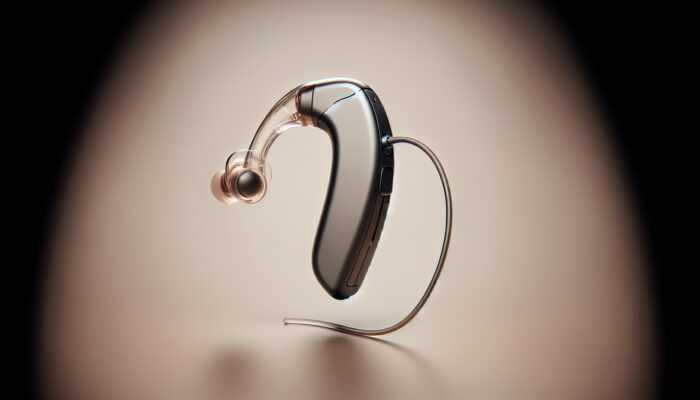
Categories
heathcare

Ear Shape and Hearing: Understanding Their Connection

Investigating the Link Between Ear Shape and Auditory Function

The intricate design of the human ear does more than merely allow sound to travel; it performs as a sophisticated apparatus that significantly affects our auditory perception. By exploring the influence of ear shape on hearing, we reveal a fascinating interplay among anatomy, sound wave interaction, and genetic factors. This understanding is particularly vital for those endeavouring to enhance their hearing capabilities or address hearing challenges, as it underscores the crucial role of ear shape in auditory performance.

An Overview of Ear Anatomy and Its Components

Cross-section of human ear showing outer, middle, inner sections and pinna's role in sound capture.

The human ear consists of three distinct parts: the outer ear, which includes the pinna; the middle ear; and the inner ear. The pinna, also known as the auricle, is the external section of the ear that is visible and extends outward from the head. Its unique configuration is designed to effectively capture sound waves and funnel them into the ear canal. This initial phase of sound collection is crucial, as the specific contours of the pinna can amplify certain frequencies while attenuating others. Research indicates that differences in ear shapes can significantly influence sound transmission efficiency, thus altering the auditory experience across individuals.

Within the middle ear resides the tympanic membrane, commonly referred to as the eardrum, alongside three minute bones collectively known as the ossicles, which are essential for conveying sound vibrations to the inner ear. The inner ear houses the cochlea, a fluid-filled spiral structure that converts sound vibrations into electrical signals that the brain interprets. The distinctive configuration of the outer ear can either facilitate or obstruct this auditory process depending on its shape. For instance, people with protruding ears may experience varying levels of sound wave amplification compared to those with more recessed ears, which can substantially influence their overall auditory experience.

How Ear Shape Modifies Sound Wave Interaction

Every ear possesses a unique method of interacting with sound waves, predominantly determined by its shape and size. The intricate folds and contours of the pinna can significantly alter sound waves as they penetrate the ear canal, modifying the frequency and intensity of sounds. This results in distinct variations in how individuals perceive the same auditory input. For example, certain ear shapes might naturally enhance high-frequency sounds, making them more prominent, while others may diminish these frequencies, leading to a less vibrant auditory experience.

The manner in which sound is directed toward each ear is influenced by ear shape. The brain relies on subtle differences in the arrival time of sound at each ear, as well as variations in sound intensity, to ascertain the location of sound sources—a skill known as sound localization. Disparities in ear shape can introduce minor discrepancies in how sound reaches each ear, complicating the perception of direction. This aspect is particularly significant for individuals engaged in activities that demand acute auditory skills, such as musicians or professionals reliant on precise sound interpretation.

The Genetic Basis of Ear Shape and Its Impact on Hearing

Genetic influences play a crucial role in shaping our ears, which can subsequently affect our hearing capabilities. Research has pinpointed specific genes linked to ear morphology, indicating that our genetic makeup can determine not only the aesthetic features of our ears but also their functional efficacy. Variations in ear shape due to genetic predispositions can lead to differences in hearing sensitivity, making it vital for families with a history of hearing issues to explore genetic counselling or testing to gauge potential risks.

Understanding the genetic foundations of ear shape also paves the way for tailored hearing solutions. For example, advancements in genetic research may facilitate the development of bespoke hearing aids designed to suit individual ear shapes, thereby optimising their functionality. As we continue to unravel the complexities of how ear shape affects hearing, we create opportunities for innovations that can substantially enhance auditory experiences for diverse populations.

Examining Ear Shape Variations and Their Impact on Auditory Perception

Illustration of diverse human ear shapes and their impact on hearing sensitivity with sound waves.

The human ear is not a uniform structure; it displays a multitude of shapes and sizes that can significantly influence auditory perception. To understand the influence of ear shape on hearing, it is essential to explore these variations and their ramifications for sound sensitivity and perception.

Recognising Common Ear Shapes and Their Auditory Implications

Ears can be divided into several distinctive shapes, each possessing unique auditory implications. For example, protruding ears, which extend outward from the head, often amplify sound waves entering the ear canal. This specific shape can enhance particular frequencies, rendering sounds more pronounced. Conversely, individuals with folded or cupped ears may experience reduced sound intensity, leading to alterations in their auditory experience.

The aesthetic appreciation of ear shape differs across various cultures. In certain societies, protruding ears may be celebrated as symbols of individuality, while in others, they might be perceived as less desirable. This cultural perspective adds another layer of complexity to how ear shapes are viewed, particularly concerning their association with hearing capabilities.

Understanding these variations in ear shape is crucial, especially for the effective fitting of hearing aids and other auditory devices. Custom-designed devices that consider the specific contours of an individual’s ear can significantly enhance sound amplification, ultimately improving the overall hearing experience.

The Influence of Ear Shape on Frequency Perception

Distinct ear shapes can substantially affect frequency perception, which in turn influences how individuals respond to various sounds. Research indicates that specific ear shapes may amplify the perception of high-frequency sounds, which are vital for understanding speech and enjoying music. For instance, individuals with more pronounced pinnae may exhibit increased sensitivity to treble sounds, enabling them to follow conversations in noisy environments more easily.

Conversely, individuals with flatter ear shapes may find it challenging to perceive high frequencies, potentially hindering their ability to comprehend speech, especially in crowded settings. This discrepancy highlights the necessity for personalised auditory solutions. Hearing aids, for example, can be tailored to boost specific frequencies based on the user’s ear shape, ensuring a more balanced auditory experience that meets individual needs.

The significance of these variations extends beyond personal experiences; they also underline broader societal considerations. A deeper comprehension of how different ear shapes influence frequency perception can foster more inclusive practices in educational environments, workplaces, and social interactions, ensuring equitable access to sound for all individuals, regardless of their ear shape.

Hearing Sensitivity Variations Linked to Ear Shape

Array of human ears with varying shapes and sizes, illustrating sound localization abilities against a gradient background.

Hearing sensitivity is another critical area where ear shape exerts considerable influence. Variations in the geometry of the outer ear can lead to noticeable differences in sound localization, which is essential for navigating everyday life. Research suggests that individuals with distinctive ear shapes may excel or encounter challenges in distinguishing sounds based on their direction, thereby affecting their overall auditory experience.

For instance, individuals with ears featuring a prominent helix may possess superior sound localization abilities, which can be particularly advantageous for musicians or sound engineers who depend on accurate auditory cues. In contrast, those with ear shapes that hinder sound wave capture may struggle to identify the origins of sounds, affecting their interactions with the surrounding environment.

Understanding these variations in hearing sensitivity can inform the design of auditory devices. By acknowledging how ear shape influences hearing capabilities, manufacturers can devise innovative technologies that bridge the gap, providing tailored solutions that enhance auditory experiences for individuals with diverse ear shapes.

Technological Advancements Customised for Ear Shape

The comprehension of the influence of ear shape on hearing has led to remarkable progress in auditory technology. Innovations in hearing aids and related devices are increasingly crafted to accommodate the diverse shapes of human ears, thereby optimising their effectiveness and user satisfaction.

Bespoke Hearing Aids Tailored to Individual Ear Shapes

Modern hearing aids have undergone significant advancements, now designed to fit a broad range of ear shapes and sizes. Many models feature adjustable components that allow for a personalised fit, ensuring that sound amplification is maximised according to the user’s unique ear anatomy. This adaptability is crucial as it can dramatically enhance the hearing experience for individuals with differing ear shapes.

For instance, hearing aids customised for individuals with prominent pinnae may incorporate specific features that improve sound directionality, enabling users to discern sounds from various angles. This capability is particularly beneficial for those leading active lifestyles or working in settings where precise sound localization is vital.

The rise of digital hearing technology has introduced sophisticated algorithms that can analyse and adjust sound frequencies based on the user’s ear shape. This high level of customisation ensures that individuals receive the most advantageous auditory experience possible, accounting for the particular characteristics of their ears.

The Advantages of Custom Ear Molds in Hearing Technologies

Custom ear molds represent another significant innovation in auditory technology, offering personalised solutions for individuals with unique ear shapes. These molds are crafted using precise measurements of an individual’s ear, resulting in a snug fit that enhances sound transmission while minimising background noise.

The benefits of custom ear molds extend beyond comfort; they significantly improve the effectiveness of hearing aids. By creating a seal within the ear canal, these molds prevent sound leakage and ensure that the amplification provided by the hearing aid reaches the eardrum efficiently. This tailored approach is particularly vital for users whose ear shapes might otherwise impede sound delivery.

Custom ear molds can integrate advanced features such as noise-cancelling technology, which can further enhance the auditory experience. This innovation is especially valuable for individuals frequently exposed to noisy environments, providing the clarity needed to engage in conversations without straining their ears.

Improving Sound Quality with Noise-Cancelling Headphones

The introduction of noise-cancelling technology has transformed the way individuals experience sound, particularly for those with various ear shapes. Noise-cancelling headphones are designed to accommodate different ear shapes, optimising sound isolation and creating an immersive auditory experience.

These headphones utilise cutting-edge technology to analyse ambient sounds and produce sound waves that effectively counteract background noise. The design of the ear cups is crucial; different ear shapes necessitate specific configurations to ensure maximum comfort and effective sound isolation. Manufacturers are increasingly acknowledging the need for diversity in design, producing headphones that cater to various ear shapes, thereby enhancing user satisfaction.

For those with unique ear shapes, custom-fit noise-cancelling headphones provide an unparalleled experience. These personalised devices can significantly enhance sound quality, allowing users to enjoy music, podcasts, or audiobooks without distractions from external noise. The outcome is a richer auditory experience tailored to individual preferences and hearing capabilities.

The Significance of Ear Shape in Sound Localization

Sound localization is a complex auditory process that heavily relies on the anatomy of the ear. Understanding the influence of ear shape on hearing enriches our appreciation of this intricate phenomenon, revealing how our distinctive ear geometries can affect our ability to accurately locate sound sources.

The Role of the Pinna in Sound Localization

The pinna is instrumental in sound localization by shaping the entry of sound waves into the ear. Its unique contours assist in filtering and directing sound waves toward the ear canal, resulting in a more enriched auditory experience. This shaping implies that individuals with different ear shapes may perceive sound localization in varied ways.

Research indicates that the folds of the pinna can affect which frequencies reach the eardrum and how sound waves interact as they enter the ear canal. For example, a more pronounced pinna may enhance the perception of sounds originating from above, while a flatter pinna might complicate the localization of such sounds. Understanding these subtleties can offer insights into improving sound localization for individuals with various ear shapes.

The brain processes auditory information received from both ears to triangulate sound sources. Each person’s pinna contributes uniquely to the brain’s capacity to discern the origin of sounds, making this understanding crucial for daily interactions and navigation within auditory environments.

Interaural Time Differences and Their Relation to Ear Shape

Sound localization is significantly influenced by interaural time differences, referring to the slight delay between the time sound reaches one ear compared to the other. This difference can be critically affected by ear shape. Variations in ear geometry can create discrepancies in how sound waves travel from the source to each ear, further complicating sound localization.

Individuals with pronounced ear shapes may experience enhanced interaural time differences, enabling them to determine sound direction more accurately. In contrast, those with flatter ear shapes may encounter difficulties with this auditory cue, making it challenging to identify sound origins. The intricacies of these differences emphasise the importance of recognising individual ear shapes when considering auditory technologies.

Understanding the significance of interaural time differences in relation to ear shape can lead to innovative advancements in hearing aids and auditory devices. Customising these devices to accommodate such nuances can significantly enhance the auditory experience for users, equipping them with the necessary tools for effective communication and interaction.

Examining the Head-Related Transfer Function

The head-related transfer function (HRTF) plays a vital role in sound localization, describing how sound waves interact with the head and ears before reaching the inner ear. This interaction is profoundly influenced by ear shape, with distinct geometries affecting how sound waves are filtered.

The HRTF aids the brain in interpreting sound localization cues, including the time and intensity differences between the two ears. Individuals with varying ear shapes may experience differences in how sound waves are processed, influencing their ability to discern the location of sounds. Understanding this relationship is essential for developing auditory technologies that cater to diverse ear shapes and enhance the listening experience.

Recent innovations in virtual reality and gaming technology have utilised HRTF principles to create immersive auditory environments. By personalising the sound experience to individual ear shapes, developers can elevate the realism of sound localization in digital spaces, offering users a uniquely engaging auditory experience.

The Impact of Ear Shape on Frequency Cues

The unique characteristics of an individual’s ear shape not only influence sound localization but also affect how varying frequencies are perceived. Changes in the contours and folds of the ear can lead to unique filtering effects on incoming sound waves, thereby altering the overall auditory experience.

For example, individuals with more pronounced ear shapes may have heightened sensitivity to specific frequencies, making it easier for them to identify particular sounds within a complex auditory environment. Conversely, those with flatter ear shapes may struggle to discern specific frequencies, hindering both communication and enjoyment of sound.

This understanding of how ear shape impacts frequency perception carries significant implications for the design of auditory devices. Customising hearing aids and headphones to reflect different ear shapes can ensure that users receive a well-balanced auditory experience, ultimately enhancing their quality of life. As research continues to illuminate these complexities, we can anticipate further advancements in personalised auditory technology.

Cultural Perspectives on Ear Shape

Ear shape transcends mere biological classification; it carries cultural significance that influences perceptions of beauty, status, and identity. Investigating the influence of ear shape on hearing within a cultural context enriches our understanding of this multifaceted topic.

Changing Aesthetic Standards Across Cultures

Aesthetic preferences for ear shapes can differ dramatically across cultures, influencing societal views of beauty. In some regions, larger or protruding ears may be admired as symbols of individuality and character, while in others, smaller, more contoured ears might be deemed ideal. These cultural subtleties shape how individuals perceive themselves and others, often impacting self-esteem and interpersonal relationships.

For instance, in certain African cultures, intricately adorned ears symbolise beauty and status, with elaborate piercings and decorations being commonplace. This contrasts with Western cultures, where more understated ear shapes may be favoured. Appreciating these aesthetic preferences is essential for fostering inclusivity in discussions surrounding auditory health and technology.

The impact of media and popular culture is significant. Celebrity trends, fashion, and cosmetic enhancements frequently shape public perceptions of ear shapes, leading to shifts in beauty standards over time. As society evolves, so too do these perceptions, revealing the fluid nature of aesthetic values related to ear shapes.

The Historical Significance of Ear Shapes

Historically, ear shapes have held meaning in various cultures, influencing societal roles and status. In ancient civilisations, certain ear shapes were often linked with wisdom or nobility, while others may have faced stigma. These historical narratives continue to shape contemporary views on ear shapes and their perceived implications.

In various cultures, individuals with distinctive ear shapes were often regarded as possessing unique abilities or insights. This historical context emphasises the interplay between biology and cultural beliefs, illustrating how perceptions of ear shape can carry deep-rooted meanings that persist today.

Exploring the historical significance of ear shapes provides valuable insight into the broader societal impact of these perceptions. Recognising this context can promote inclusivity and acceptance, encouraging appreciation for the diversity of human anatomy and its relevance in auditory health.

Modern Cultural Trends and Perceptions of Ear Shape

Contemporary cultural trends significantly affect perceptions of ear shape and hearing abilities. The rise of social media and global connectivity has led to diverse representations of beauty, including various ear shapes. This shift in perspective highlights the importance of embracing individuality and acknowledging that beauty comes in many forms.

With the emergence of digital influencers and celebrities, the normalisation of various ear shapes has become increasingly prevalent. As public figures confidently showcase their unique ear characteristics, they challenge traditional beauty standards and promote body positivity, resonating with audiences worldwide. This cultural trend encourages individuals to celebrate their ear shapes and embrace their authentic selves.

Modern technological advancements offer individuals options to enhance their auditory experiences, irrespective of ear shape. The availability of customised hearing aids and headphones ensures that everyone can enjoy sound to its fullest potential, transcending cultural barriers and fostering inclusivity.

The Nexus Between Ear Shape and Hearing Health

Understanding the influence of ear shape on hearing extends beyond auditory perception; it encompasses critical aspects of hearing health. The relationship between ear shape and various auditory health conditions is intricate, impacting earwax accumulation, infection risks, and overall auditory well-being.

The Effect of Ear Shape on Earwax Accumulation

Earwax buildup is a prevalent issue that can affect hearing health, and certain ear shapes may predispose individuals to this condition. For instance, ears with more convoluted or narrow canals may trap earwax more easily, leading to blockages that can impair hearing. This awareness highlights the importance of regular ear care and hygiene for individuals with specific ear shapes.

The role of earwax in safeguarding the ear from debris and bacteria is essential. While some buildup is natural and beneficial, excessive accumulation can lead to discomfort and hearing loss. Acknowledging the connection between ear shape and earwax production can inform preventative measures, ensuring individuals maintain optimal hearing health.

For those prone to earwax buildup, seeking professional cleaning and using softening drops can be advantageous. Understanding one’s individual ear anatomy can empower individuals to take proactive steps toward maintaining their hearing health.

The Association Between Ear Shape and Ear Infection Risks

Ear shape can also influence susceptibility to ear infections, as certain anatomical variations may make individuals more prone to these conditions. For example, those with narrower ear canals may face an increased risk of developing infections due to reduced airflow and drainage. This understanding underscores the importance of awareness in maintaining ear health.

Preventative measures are vital for individuals at risk of ear infections. These measures may include regular consultations with healthcare providers, practising proper ear hygiene, and avoiding exposure to irritants such as water or smoke. Recognising the connection between ear shape and infection risk can empower individuals to take proactive steps in safeguarding their hearing health.

Education regarding the signs and symptoms of ear infections is crucial. Knowing when to seek medical assistance can prevent complications and promote overall auditory well-being.

Implementing Preventative Strategies for Hearing Health

Proactive measures are essential for maintaining hearing health, particularly given how ear shape can influence auditory experiences. Regular consultations with audiologists can help identify potential issues before they escalate. Understanding individual ear shapes can inform tailored strategies for ear care, ensuring optimal hearing health.

Educational initiatives aimed at raising awareness about the importance of ear hygiene and the risks associated with specific ear shapes can empower individuals to take control of their hearing health. Communities can benefit from workshops and programmes focused on ear care, promoting healthy practices that resonate globally.

Utilising technology designed to address individual ear shapes can also enhance hearing experiences. From custom ear molds to tailored hearing aids, investing in personalised solutions ensures that individuals can enjoy sound without compromise.

The Significance of Proper Hearing Aid Fit Relative to Ear Shape

Achieving the right fit for hearing aids is crucial for effective auditory assistance, and ear shape plays a pivotal role in this process. Ears come in various shapes and sizes, necessitating that manufacturers design hearing aids that accommodate these variations to maximise performance.

Custom-fit hearing aids provide a more comfortable experience, enabling users to wear them for extended periods without discomfort. Tailoring the design to individual ear shapes also minimises the risk of sound leakage, resulting in clearer sound amplification and improved user satisfaction.

Understanding the relationship between ear shape and hearing aid fit is essential for both users and audiologists. This knowledge can facilitate better communication between individuals and healthcare providers, ensuring that the chosen hearing solutions align with unique auditory needs.

Investigating Genetic Contributions to Ear Shape

Genetics plays a significant role in determining ear shape, which can subsequently influence hearing health. Research has identified specific genetic markers associated with ear morphology, shedding light on the hereditary aspects of ear shape and its impact on auditory capabilities.

Families with a history of hearing issues should consider genetic counselling to understand potential risks and implications. Recognising the genetic basis of ear shape can inform strategies for managing hearing health, ensuring that individuals are equipped with the knowledge needed to address potential challenges effectively.

As research continues to explore the relationship between genetics and ear shape, advancements in personalised auditory solutions are likely to emerge. By tailoring interventions to align with genetic predispositions, healthcare providers can enhance the overall auditory experience for individuals.

Future Directions in Research and Technological Advancements

The exploration of the influence of ear shape on hearing is a dynamic field that continues to evolve. Ongoing research aims to deepen our understanding of the intricate relationship between ear anatomy and auditory perception, paving the way for groundbreaking advancements in auditory technology.

Recent Progress in Ear Shape Research

Current research initiatives focus on unraveling the complexities of ear shape and its effects on hearing. Studies strive to quantify the impact of various ear shapes on sound perception, localization capabilities, and overall auditory health. By employing advanced imaging techniques and auditory assessments, researchers are uncovering the nuances that define how different ear shapes interact with sound.

These advancements are critical for developing tailored auditory solutions. As our understanding of ear shape variations broadens, manufacturers can create devices that cater to diverse needs, ensuring that individuals receive the most effective auditory assistance possible.

Interdisciplinary collaboration among audiologists, geneticists, and technologists is vital. By integrating expertise from various fields, researchers can foster innovation that transcends traditional boundaries, leading to groundbreaking solutions in the realm of hearing health.

Innovative Hearing Solutions on the Horizon

Innovation in hearing technology is reshaping how individuals experience sound, with a focus on customisation to accommodate varying ear shapes. Upcoming innovations in hearing devices aim to include features that adapt to individual ear anatomy, enhancing sound quality and user satisfaction.

For instance, advancements in artificial intelligence may lead to hearing aids that learn from users’ environments, automatically adjusting to optimise sound perception based on specific ear shapes. This intelligent adaptability promises to deliver users an unparalleled auditory experience tailored to their unique needs.

The integration of augmented reality (AR) and virtual reality (VR) technologies presents exciting opportunities for auditory exploration. By merging these immersive technologies with personalised auditory solutions, individuals can experience sound in entirely new dimensions, enriching their overall auditory enjoyment.

As research progresses and innovations materialise, the future of hearing health holds the promise of being more inclusive and accessible, ensuring that every individual, regardless of ear shape, can savour the rich tapestry of sound.

Commonly Asked Questions

In what ways does ear shape affect hearing abilities?

Ear shape can significantly influence sound wave collection, frequency perception, and sensitivity, thereby affecting how individuals experience and localise sounds in their environment.

Can ear shape impact the effectiveness of hearing aids?

Yes, ear shape is crucial for the proper fitting of hearing aids. Customised designs ensure improved sound amplification and comfort for users with various ear shapes.

Are some ear shapes more prone to hearing loss?

While ear shape alone does not directly cause hearing loss, variations can influence susceptibility to conditions like earwax buildup and infections, potentially affecting overall hearing health.

How does ear shape influence sound localization?

Ear shape affects how sound waves enter the ear, influencing interaural time differences and frequency cues, which are essential for accurately determining the origins of sounds.

What preventative measures can enhance hearing health related to ear shape?

Regular ear hygiene, professional cleanings, and personalised auditory solutions can help individuals maintain their hearing health, especially those with specific ear shapes that may pose risks.

Does genetics play a role in ear shape?

Yes, genetics significantly influences ear shape, with certain hereditary traits impacting both ear morphology and related auditory capabilities.

How can cultural perceptions of ear shape affect individual self-esteem?

Cultural preferences for particular ear shapes can shape societal beauty standards, which may influence individuals’ self-esteem and body image perceptions.

What are custom ear molds, and how do they assist individuals?

Custom ear molds are personalised fittings for hearing devices that enhance sound quality and comfort by accommodating the unique shapes of individuals’ ears.

How do modern trends in technology impact perceptions of ear shape?

Advancements in technology have led to diverse representations of ear shapes, promoting inclusivity and encouraging individuals to embrace their unique auditory anatomy.

What future innovations in hearing technology are anticipated?

Future innovations may include AI-driven hearing aids that adapt to users’ environments and enhanced immersive auditory experiences through AR and VR technologies.

Discover our journey on X!

The post Ear Shape and Hearing: A Comprehensive Guide appeared first on The Microsuction Ear Wax Removal Network.

Categories
heathcare

Ear Shape and Hearing: Your Complete Guide Explained

Investigating the Relationship Between Ear Shape and Auditory Function

The intricate design of the human ear functions not merely as a conduit for sound but as a complex instrument that significantly affects our auditory perception. By exploring the impact of ear shape on hearing, we uncover a fascinating interplay between anatomical structure, sound wave behaviour, and genetic factors. This understanding is especially vital for those aiming to enhance their hearing capabilities or manage hearing-related challenges, highlighting the necessity of recognising how ear shape can influence auditory performance.

Components of the Ear: A Detailed Overview

Cross-section of human ear showing outer, middle, inner sections and pinna's role in sound capture.

The human ear is made up of three primary sections: the outer ear, comprising the pinna; the middle ear; and the inner ear. The pinna, or auricle, is the external part of the ear that is visible and protrudes from the head. Its unique shape is designed to effectively capture sound waves and funnel them into the ear canal. This initial stage of sound wave collection is crucial, as the distinctive contours of the pinna can amplify certain frequencies while diminishing others. Research indicates that variations in ear shapes can considerably influence sound transmission efficiency, thus affecting how sound is perceived by different individuals.

In the middle ear, the tympanic membrane, commonly known as the eardrum, and three tiny bones referred to as ossicles, are essential for transmitting sound vibrations to the inner ear. The inner ear houses the cochlea, a fluid-filled spiral structure that transforms sound vibrations into electrical signals sent to the brain for interpretation. The unique architecture of the outer ear can either enhance or impede this auditory process depending on its shape. For instance, individuals with prominent ears may experience different sound wave amplification levels compared to those with ears that are more recessed, significantly impacting their overall auditory experience.

How Ear Shape Influences Sound Wave Interaction

Each ear interacts uniquely with sound waves, primarily shaped by its dimensions and configuration. The complex folds and ridges of the pinna can significantly alter sound waves as they enter the ear canal, modifying the frequency and intensity of sounds. This variation leads to differences in how distinct individuals perceive the same auditory input. For example, certain ear shapes may naturally enhance high-frequency sounds, making them more pronounced, while others may reduce these frequencies, resulting in a less vibrant auditory experience overall.

The directionality of sound reaching each ear is influenced by ear shape. The brain utilises slight differences in the time it takes for sound to reach each ear, along with variations in sound intensity, to determine the source of sound—this skill is known as sound localisation. Variations in ear shape can create minor discrepancies in how sound reaches each ear, complicating the perception of direction. This factor is particularly crucial for individuals engaged in activities demanding acute hearing skills, such as musicians or professionals reliant on precise sound interpretation.

Genetics: The Key to Ear Shape and Hearing Ability

Genetic factors significantly influence the shape of our ears, which can subsequently affect hearing capabilities. Research has pinpointed specific genes associated with ear morphology, indicating that our genetic makeup can dictate not only the aesthetic aspects of our ears but also their functional efficiency. Variations in ear shape that arise from genetic predispositions can lead to differences in hearing acuity. It is essential for families with a history of hearing issues to consider genetic counselling or testing to understand potential risks.

Gaining insights into the genetic foundations of ear shape also paves the way for personalised hearing solutions. For example, advancements in genetic research may lead to customised hearing aids designed to accommodate individual ear shapes, optimising their functionality. As we continue to unravel the complexities surrounding how ear shape impacts hearing, we open avenues for innovations that can significantly improve auditory experiences across diverse populations.

Examining Variations in Ear Shape and Their Effects on Hearing

Illustration of diverse human ear shapes and their impact on hearing sensitivity with sound waves.

Human ears exhibit a wide range of shapes and sizes, each of which can have a profound effect on auditory perception. To understand how ear shape influences hearing, it is essential to investigate these variations and their implications for sound sensitivity and perception.

Common Ear Shapes and Their Auditory Implications

Ears can be classified into several prevalent shapes, each carrying distinct auditory implications. For instance, protruding ears, which extend outward from the head, often amplify sound waves entering the ear canal. This particular shape can enhance certain frequencies, making sounds appear more pronounced. Conversely, individuals with folded or cupped ears may experience a reduction in sound intensity, leading to alterations in their auditory experience.

Perceptions of ear shape aesthetics vary across cultures. In some societies, protruding ears may be celebrated as a mark of individuality, while in others, they might be considered less appealing. This cultural perspective adds another layer of complexity to how ear shapes are perceived, particularly regarding their association with hearing abilities.

Recognising these variations in ear shape is crucial, especially for effectively fitting hearing aids and other auditory devices. Custom-designed devices that take into account the specific contours of an individual’s ear can greatly improve sound amplification, ultimately enhancing the overall hearing experience.

The Influence of Ear Shape on Frequency Perception

Different ear shapes can significantly affect frequency perception, influencing how individuals respond to various sounds. Research indicates that some ear shapes may enhance the perception of high-frequency sounds, which are vital for understanding speech and enjoying music. For example, individuals with well-defined pinnae may show heightened sensitivity to treble sounds, making them more adept at following conversations in noisy settings.

On the other hand, those with flatter ear shapes may find it challenging to perceive high frequencies, which can impede their ability to comprehend speech, particularly in crowded environments. This discrepancy underscores the necessity for personalised auditory solutions. Hearing aids, for example, can be tailored to amplify specific frequencies according to the user’s ear shape, ensuring a more balanced auditory experience tailored to individual needs.

The importance of these variations extends beyond personal experiences; they also underscore broader societal considerations. A deeper understanding of how different ear shapes affect frequency perception can inform more inclusive practices in educational settings, workplaces, and social interactions, ensuring equitable access to sound for everyone, irrespective of their ear shape.

Hearing Sensitivity Variations Linked to Ear Shape

Array of human ears with varying shapes and sizes, illustrating sound localization abilities against a gradient background.

Hearing sensitivity is another critical area where ear shape plays a significant role. Variations in the geometry of the outer ear can lead to noticeable differences in sound localisation, which is essential for navigating everyday life. Research demonstrates that individuals with distinctive ear shapes may excel or face challenges in distinguishing sounds based on their directionality, thereby influencing their overall auditory experience.

For example, individuals with ears that feature a pronounced helix may possess superior sound localisation capabilities, which can be particularly advantageous for musicians or sound engineers who depend on precise auditory cues. Conversely, those with ear shapes that impede sound wave capture may struggle to identify the origins of sounds, affecting their interaction with the surrounding environment.

Understanding these variations in hearing sensitivity can inform the design of auditory devices. By acknowledging how ear shape influences hearing capabilities, manufacturers can develop innovative technologies that bridge the gap, providing tailored solutions that enhance auditory experiences for individuals with varying ear shapes.

Technological Advancements Customised for Ear Shape

The exploration of how ear shape influences hearing has driven significant advancements in auditory technology. Innovations in hearing aids and related devices increasingly cater to the diverse shapes of human ears, optimising their effectiveness and user satisfaction.

Personalised Hearing Aids Tailored to Individual Ear Shapes

Modern hearing aids have undergone remarkable transformations, now designed to accommodate a variety of ear shapes and sizes. Many models incorporate adjustable components that allow for a personalised fit, ensuring that sound amplification is maximised according to the user’s unique ear anatomy. This adaptability is crucial as it can dramatically enhance the hearing experience for individuals with different ear shapes.

For instance, hearing aids customised for individuals with pronounced pinnae may feature specific enhancements that improve sound directionality, enabling users to discern sounds from various angles. This capability is especially beneficial for those who lead active lifestyles or work in environments where precise sound localisation is essential.

The emergence of digital hearing technology has introduced sophisticated algorithms that can analyse and adjust sound frequencies based on the user’s ear shape. This high level of customisation ensures that individuals receive the most beneficial auditory experience possible, taking into account the particular characteristics of their ears.

Advantages of Custom Ear Moulds in Hearing Technology

Custom ear moulds represent another significant advancement in auditory technology, providing personalised solutions for individuals with unique ear shapes. These moulds are crafted using precise measurements of an individual’s ear, resulting in a snug fit that enhances sound transmission while minimising background noise.

The benefits of custom ear moulds extend beyond mere comfort; they significantly improve the effectiveness of hearing aids. By creating a seal within the ear canal, these moulds prevent sound leakage and ensure that the amplification provided by the hearing aid reaches the eardrum efficiently. This tailored approach is especially important for users whose ear shapes may otherwise hinder sound delivery.

Custom ear moulds can incorporate advanced features such as noise-cancelling technology, which can further enrich the auditory experience. This innovation is particularly valuable for individuals frequently exposed to noisy environments, providing the clarity needed to engage in conversations without straining their ears.

Enhancing Auditory Experience with Noise-Cancelling Headphones

The advent of noise-cancelling technology has transformed how individuals experience sound, particularly for those with various ear shapes. Noise-cancelling headphones are designed to accommodate different ear shapes, optimising sound isolation and creating an immersive auditory experience.

These headphones utilise advanced technology to analyse ambient sounds and produce sound waves that effectively cancel out background noise. The design of the ear cups is crucial; differing ear shapes necessitate specific configurations to ensure maximum comfort and effective sound isolation. Manufacturers are increasingly recognising the need for diversity in design, producing headphones that cater to various ear shapes, thereby enhancing user satisfaction.

For those with unique ear shapes, custom-fit noise-cancelling headphones offer an unparalleled experience. These personalised devices can significantly enhance sound quality, allowing users to enjoy music, podcasts, or audiobooks without distractions from external noise. The result is a richer auditory experience that caters to individual preferences and hearing capabilities.

The Importance of Ear Shape in Sound Localisation

Sound localisation is a complex auditory process that heavily relies on the structure of the ear. Understanding how ear shape influences hearing enriches our appreciation of this intricate phenomenon, revealing how our unique ear geometries can affect our ability to accurately pinpoint sound sources.

The Role of the Pinna in Sound Localisation

The pinna is instrumental in sound localisation, shaping how sound waves enter the ear. Its unique contours assist in filtering and directing sound waves toward the ear canal, leading to a more nuanced auditory experience. This shaping suggests that individuals with different ear shapes may perceive sound localisation differently.

Research indicates that the folds of the pinna can influence which frequencies reach the eardrum and how sound waves interact as they enter the ear canal. For instance, a more pronounced pinna may enhance the perception of sounds originating from above, while a flatter pinna might create challenges in localising such sounds. Recognising these subtleties can provide insights into improving sound localisation for individuals with various ear shapes.

The brain relies on auditory information from both ears to triangulate sound sources. Each person’s pinna contributes uniquely to the brain’s ability to discern the origin of sounds, making this understanding pivotal for daily interactions and navigation within auditory environments.

Deciphering Interaural Time Differences

Sound localisation is significantly influenced by interaural time differences, which refer to the slight delay between the time sound reaches one ear compared to the other. This difference can be critically affected by ear shape. Variations in ear geometry can create discrepancies in the travel time of sound waves from the source to each ear, complicating sound localisation further.

Individuals with pronounced ear shapes may experience enhanced interaural time differences, allowing them to determine sound direction more accurately. In contrast, those with flatter ear shapes might face challenges with this auditory cue, making it difficult to pinpoint sound origins. The intricacies of these differences underscore the importance of recognising individual ear shapes when considering auditory technologies.

Understanding the significance of interaural time differences in relation to ear shape can lead to innovative advancements in hearing aids and auditory devices. Customising these devices to accommodate such nuances can greatly enhance the auditory experience for users, equipping them with the necessary tools for effective communication and interaction.

Exploring the Head-Related Transfer Function

The head-related transfer function (HRTF) is a vital component of sound localisation, describing how sound waves interact with the head and ears before reaching the inner ear. This interaction is profoundly influenced by ear shape, with distinct geometries affecting how sound waves are filtered.

The HRTF aids the brain in interpreting sound localisation cues, including the time and intensity differences between the two ears. Individuals with varying ear shapes may experience differences in how sound waves are processed, influencing their ability to discern the location of sounds. Understanding this relationship is essential for developing auditory technologies that cater to diverse ear shapes and enhance the listening experience.

Recent innovations in virtual reality and gaming technology have leveraged HRTF principles to create immersive auditory environments. By customizing the sound experience to individual ear shapes, developers can elevate the realism of sound localisation in digital spaces, offering users a uniquely engaging auditory experience.

The Impact of Ear Shape on Frequency Cues

The distinctive features of an individual’s ear shape not only affect sound localisation but also influence the perception of varying frequencies. Changes in the contours and folds of the ear can create unique filtering effects on incoming sound waves, thereby modifying the overall auditory experience.

For example, individuals with more pronounced ear shapes may have increased sensitivity to certain frequencies, facilitating easier identification of specific sounds within a complex auditory environment. Conversely, those with flatter ear shapes may struggle to discern particular frequencies, hindering both communication and auditory enjoyment.

This understanding of how ear shape impacts frequency perception has significant implications for the design of auditory devices. Customising hearing aids and headphones to accommodate different ear shapes can ensure users receive a well-balanced auditory experience, ultimately enhancing their quality of life. As research continues to unveil these complexities, we can anticipate greater advancements in personalised auditory technology.

Cultural Perspectives on Ear Shape

Ear shape is not merely a biological trait; it carries cultural significance that influences perceptions of beauty, status, and identity. Investigating how ear shape influences hearing within a cultural context broadens our understanding of this multifaceted topic.

Aesthetic Preferences for Ear Shapes Across Cultures

Aesthetic preferences for ear shapes can differ dramatically across cultures, shaping societal standards of beauty. In certain regions, larger or protruding ears may be celebrated as symbols of individuality and character, while in others, smaller, more contoured ears might be viewed as ideal. These cultural nuances impact how individuals perceive themselves and others, often influencing self-esteem and social interactions.

For example, in some African cultures, elaborately adorned ears symbolise beauty and status, with intricate piercings and decorations being commonplace. This contrasts with Western cultures, where more understated ear shapes may be preferred. Understanding these aesthetic perspectives is essential for fostering inclusivity in conversations surrounding auditory health and technology.

The influence of media and popular culture plays a significant role. Celebrity trends, fashion, and cosmetic enhancements frequently shape public perceptions of ear shapes, leading to shifts in beauty standards over time. As society evolves, so too do these perceptions, revealing the fluid nature of aesthetic values related to ear shapes.

The Historical Significance of Ear Shapes

Historically, ear shapes have held significance across various cultures, influencing societal roles and status. In ancient civilisations, certain ear shapes were often associated with wisdom or nobility, while others may have been subjected to stigma. These historical narratives continue to shape contemporary views on ear shapes and their perceived implications.

In various cultures, individuals with distinct ear shapes were often seen as possessing unique abilities or insights. This historical context highlights the interplay between biology and cultural beliefs, emphasising how perceptions of ear shape can carry deep-rooted meanings that persist today.

Exploring the historical importance of ear shapes provides valuable insights into the broader societal impact of these perceptions. Recognising this context can promote inclusivity and acceptance, encouraging appreciation for the diversity of human anatomy and its implications in auditory health.

Modern Cultural Trends and Perceptions of Ear Shape

Contemporary cultural trends profoundly shape perceptions of ear shape and hearing abilities. The rise of social media and global connectivity has resulted in diverse representations of beauty, including various ear shapes. This shift in perspective emphasises the importance of embracing individuality and recognising that beauty manifests in numerous forms.

With the emergence of digital influencers and celebrities, the normalisation of various ear shapes has become increasingly prevalent. As public figures proudly showcase their unique ear characteristics, they challenge traditional beauty norms and advocate for body positivity, resonating with audiences worldwide. This cultural trend motivates individuals to celebrate their ear shapes and embrace their authentic selves.

Modern technological advancements have provided individuals with options to enhance their auditory experiences, regardless of ear shape. The availability of customised hearing aids and headphones ensures that everyone can enjoy sound to its fullest potential, transcending cultural boundaries and promoting inclusivity.

The Interplay Between Ear Shape and Hearing Health

Understanding how ear shape influences hearing extends beyond mere auditory perception; it encompasses critical aspects of hearing health. The connection between ear shape and various auditory health conditions is complex, impacting earwax accumulation, infection risks, and overall auditory well-being.

The Influence of Ear Shape on Earwax Accumulation

Earwax buildup is a common issue that can affect hearing health, and certain ear shapes may predispose individuals to this condition. For instance, ears with more convoluted or narrow canals may trap earwax more easily, leading to blockages that can impair hearing. This understanding highlights the importance of regular ear care and hygiene for individuals with specific ear shapes.

Earwax serves an essential function in protecting the ear from debris and bacteria. While some buildup is natural and beneficial, excessive accumulation can lead to discomfort and hearing loss. Recognising the connection between ear shape and earwax production can inform preventative measures, ensuring individuals maintain optimal hearing health.

For those prone to earwax buildup, seeking professional cleaning and using softening drops can be beneficial. Awareness of individual ear anatomy can empower individuals to take proactive steps to maintain their hearing health.

The Relationship Between Ear Shape and Ear Infection Risks

Ear shape can also influence susceptibility to ear infections, as certain anatomical variations may make individuals more prone to these conditions. For example, those with narrower ear canals may face an increased risk of developing infections due to reduced airflow and drainage. This understanding underscores the importance of awareness in maintaining ear health.

Preventative measures are crucial for individuals at risk of ear infections. These measures may include regular check-ups with healthcare providers, practising proper ear hygiene, and avoiding exposure to irritants such as water or smoke. Recognising the connection between ear shape and infection risk can empower individuals to take proactive steps in safeguarding their hearing health.

Education regarding the signs and symptoms of ear infections is vital. Understanding when to seek medical attention can prevent complications and promote overall auditory well-being.

Implementing Preventive Strategies for Hearing Health

Proactive measures are essential for maintaining hearing health, particularly as ear shape can influence auditory experiences. Regular check-ups with audiologists can help identify potential issues before they escalate. Understanding individual ear shapes can inform tailored strategies for ear care, ensuring optimal hearing health.

Educational initiatives aimed at raising awareness about the importance of ear hygiene and the risks associated with specific ear shapes can empower individuals to take control of their hearing health. Communities can benefit from workshops and programmes focused on ear care, promoting healthy practices that resonate globally.

Utilising technology designed to address individual ear shapes can also enhance hearing experiences. From custom ear moulds to tailored hearing aids, investing in personalised solutions ensures that individuals can enjoy sound without compromise.

The Significance of Proper Hearing Aid Fitting Based on Ear Shape

Finding the right fit for hearing aids is crucial for effective auditory assistance, and ear shape plays a significant role in this process. Ears come in various shapes and sizes, necessitating that manufacturers design hearing aids that accommodate these variations to ensure optimal performance.

Custom-fit hearing aids provide a more comfortable experience, allowing users to wear them for extended periods without discomfort. Tailoring the design to individual ear shapes also reduces the risk of sound leakage, resulting in clearer sound amplification and improved user satisfaction.

Understanding the relationship between ear shape and hearing aid fitting is crucial for both users and audiologists. This knowledge can facilitate better communication between individuals and healthcare providers, ensuring that the selected hearing solutions align with unique auditory needs.

Exploring Genetic Contributions to Ear Shape

Genetics plays a pivotal role in determining ear shape, which can subsequently influence hearing health. Research has identified specific genetic markers linked to ear morphology, shedding light on the hereditary components of ear shape and its impact on auditory capabilities.

Families with a history of hearing issues should consider genetic counselling to understand potential risks and implications. Recognising the genetic basis of ear shape can inform strategies for managing hearing health, ensuring that individuals are equipped with the knowledge needed to address potential challenges effectively.

As research continues to explore the relationship between genetics and ear shape, advancements in personalised auditory solutions are likely to follow. By tailoring interventions to align with genetic predispositions, healthcare providers can enhance the overall auditory experience for individuals.

Future Prospects in Research and Technological Advancements

The exploration of how ear shape influences hearing is a dynamic field that continues to evolve. Ongoing research aims to deepen our understanding of the intricate relationship between ear anatomy and auditory perception, paving the way for groundbreaking advancements in auditory technology.

Recent Developments in Ear Shape Research

Current research initiatives focus on unraveling the complexities of ear shape and its effects on hearing. Studies aim to quantify the impact of various ear shapes on sound perception, localisation capabilities, and overall auditory health. By employing advanced imaging techniques and auditory assessments, researchers are uncovering the subtleties that define how different ear shapes interact with sound.

These advancements are crucial for developing tailored auditory solutions. As our understanding of ear shape variations expands, manufacturers can create devices that cater to diverse needs, ensuring that individuals receive the most effective auditory assistance possible.

Interdisciplinary collaboration among audiologists, geneticists, and technologists is vital. By merging expertise from various fields, researchers can foster innovation that transcends traditional boundaries, leading to groundbreaking solutions in the realm of hearing health.

Innovative Hearing Solutions on the Horizon

Innovation in hearing technology is reshaping how individuals experience sound, with a focus on customisation to accommodate varying ear shapes. Future innovations in hearing devices aim to incorporate features that adapt to individual ear anatomy, enhancing sound quality and user satisfaction.

For instance, advancements in artificial intelligence may lead to hearing aids that learn from users’ environments, automatically adjusting to optimise sound perception based on specific ear shapes. This intelligent adaptability promises to deliver users an unparalleled auditory experience tailored to their unique needs.

The integration of augmented reality (AR) and virtual reality (VR) technologies presents exciting opportunities for auditory exploration. By combining these immersive technologies with personalised auditory solutions, individuals can experience sound in entirely new dimensions, enriching their overall auditory enjoyment.

As research progresses and innovations emerge, the future of hearing health holds the promise of being more inclusive and accessible, ensuring that every individual, regardless of ear shape, can enjoy the rich tapestry of sound.

Commonly Asked Questions

In what ways does ear shape influence hearing capabilities?

Ear shape can significantly affect sound wave collection, frequency perception, and sensitivity, thus influencing how individuals experience and localise sounds in their surroundings.

Can the shape of the ear impact the effectiveness of hearing aids?

Absolutely, ear shape is critical for the proper fitting of hearing aids. Customised designs ensure improved sound amplification and comfort for users with various ear shapes.

Are certain ear shapes more prone to hearing loss?

While ear shape alone does not directly cause hearing loss, variations can influence susceptibility to conditions like earwax buildup and infections, potentially affecting overall hearing health.

How does ear shape affect sound localisation?

Ear shape influences how sound waves enter the ear, affecting interaural time differences and frequency cues, which are essential for accurately determining the origins of sounds.

What preventive measures can enhance hearing health related to ear shape?

Regular ear hygiene, professional cleanings, and personalised auditory solutions can assist individuals in maintaining their hearing health, especially those with specific ear shapes that may pose risks.

Does genetics contribute to ear shape?

Yes, genetics plays a significant role in determining ear shape, with certain hereditary traits influencing both ear morphology and associated auditory capabilities.

How can cultural perceptions of ear shape impact individual self-esteem?

Cultural preferences for specific ear shapes can shape societal beauty standards, potentially influencing individuals’ self-esteem and body image perceptions.

What are custom ear moulds, and how do they benefit individuals?

Custom ear moulds are personalised fittings for hearing devices that enhance sound quality and comfort by accommodating the unique shapes of individuals’ ears.

How do contemporary trends in technology affect perceptions of ear shape?

Advancements in technology have led to diverse representations of ear shapes, promoting inclusivity and encouraging individuals to embrace their unique auditory anatomy.

What future innovations in hearing technology can we expect?

Future innovations may include AI-driven hearing aids that adapt to users’ environments and enhanced immersive auditory experiences through AR and VR technologies.

Join us on our journey on X!

The post Ear Shape and Hearing: A Comprehensive Guide appeared first on The Microsuction Ear Wax Removal Network.

The post Ear Shape and Hearing: A Comprehensive Guide appeared first on Healthcare Marketing Service.
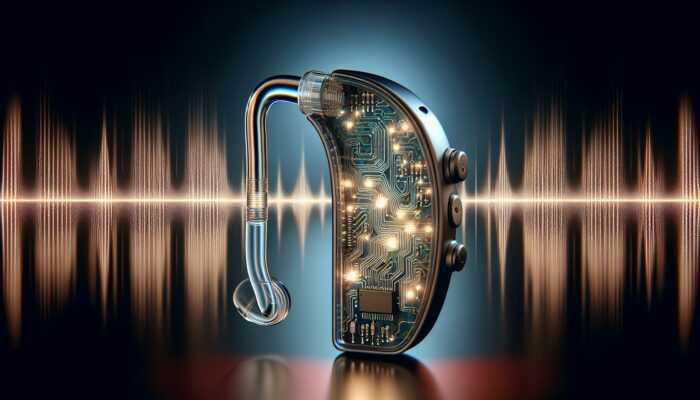
Categories
heathcare

Hearing Aids: Your Essential Guide to Travel

Crucial Preparations for Travelling with Hearing Aids

Setting off on a journey can be an exhilarating adventure, particularly for those who depend on hearing aids. careful preparation is essential to ensure a hassle-free travel experience. Knowing how to manage your hearing aids effectively starts well before you arrive at the airport or begin your road trip. By preparing your devices ahead of time, you can concentrate on enjoying your journey without the worry of potential challenges associated with your hearing aids.

Conduct a Detailed Inspection and Cleaning of Your Hearing Aids

Person cleaning hearing aid with cloth and tools, inspecting for damage, suitcase open for travel.

Before you close your suitcase, allocate time to meticulously inspect and clean your hearing aids. Buildup of dust, moisture, and earwax can severely hinder their performance. Use a soft, dry cloth along with specialised cleaning tools created for hearing aids to gently remove any dirt. Many manufacturers offer detailed cleaning kits to help keep your devices in peak condition. A thorough inspection can also uncover any signs of wear or damage, giving you the opportunity to arrange for necessary repairs before your travels. Travelling with clean and well-maintained hearing aids ensures you can fully enjoy the rich sights and sounds of your destination.

Key Supplies Needed for Your Hearing Aids

Proper packing is vital to ensure your hearing aids work effectively during your travels. Be meticulous in including essential items on your travel checklist, such as spare batteries, cleaning tools, and a compact repair kit. Batteries can drain more quickly than expected, especially when navigating unfamiliar environments or using Bluetooth connections. Carrying extra batteries ensures your hearing aids remain operational when you need them most. If your hearing aid model allows, consider including a portable battery charger for extra reassurance while exploring new destinations. A dependable cleaning tool is crucial; it allows you to maintain your devices while travelling, particularly in diverse and sometimes challenging environments.

Why You Should Invest in Protective Cases for Your Hearing Aids

Protective cases are an essential investment for safeguarding your hearing aids during travel. It is wise to choose robust, waterproof cases specifically designed for hearing aids. These cases protect your devices from rough handling, moisture, and extreme temperatures that often accompany travel. Whether you are exploring bustling markets, serene landscapes, or sandy beaches, the peace of mind that comes from using a protective case is invaluable. Keeping your hearing aids secure not only protects them from physical damage but also ensures they function optimally when you need them.

The Significance of Labeling Your Hearing Aids

Close-up of labeled hearing aids and cases with waterproof tags, in a busy airport.

Clear communication and understanding are vital elements of successful travel. To prevent any mix-ups, make it a priority to label both your hearing aids and their cases clearly. Use a waterproof label maker or simply write tags that feature your name and contact information. In crowded airports or busy tourist spots, it is common for belongings to be misplaced or accidentally taken by others. By labelling your devices, you significantly increase the chances of their safe return if they become lost, reducing stress and enhancing your overall travel experience. This simple yet effective step can greatly contribute to your travel peace of mind.

Assessing the Value of Travel Insurance for Hearing Aids

Travel insurance covers more than just lost luggage or trip cancellations; it can also provide protection for your hearing aids. Before you embark on your journey, review your insurance policy to determine whether it includes coverage for hearing aids against loss, theft, or damage. If your policy does not include this coverage, consider adding it for your peace of mind. Knowing your essential devices are protected allows you to fully engage in your travel experiences without constant worry about their safety or functionality. This assurance enables you to dive into new adventures with confidence.

Effective Strategies for Managing Hearing Aids While Flying

Flying introduces a unique set of challenges for individuals who wear hearing aids. Understanding how to navigate the complexities of air travel can greatly enhance your overall experience, allowing you to focus more on your destination rather than the logistics of your journey.

How to Adapt to Air Pressure Changes During Flights

Person on airplane yawning, chewing gum, using hearing aids, consulting digital audiologist on tablet for flight adjustments.

Changes in air pressure during flights can significantly impact both your hearing and the performance of your hearing aids. As the aircraft ascends and descends, you may experience discomfort or changes in the functionality of your aids. To alleviate any discomfort, try swallowing or yawning frequently to equalise pressure in your ears. Chewing gum can also aid in this process. It is advisable to consult with your audiologist before your trip for tailored advice regarding your specific hearing aid type, including any adjustments that may improve your comfort during the flight.

Preparing for Airport Security Checks

Navigating airport security can be overwhelming, particularly for travellers with hearing aids. It is essential to inform security personnel that you are a hearing aid user, as most airports have established protocols to assist travellers with hearing devices. Avoid placing your hearing aids in the bins during screening; instead, request a manual inspection. Carrying a letter from your audiologist that details your hearing aids may also be beneficial. This proactive measure not only simplifies the security process but also enhances your confidence as you board your flight.

In-Flight Care for Your Hearing Aids

Ensuring the safety and functionality of your hearing aids during a flight requires thoughtful planning. Always store your devices in a secure location, preferably within your carry-on luggage rather than in checked bags, where they could be damaged. If you need to remove your hearing aids while in flight, consider using a hearing aid dehumidifier or a desiccant pouch to absorb moisture from both your ears and the cabin air. Remember that airplane cabins can be quite dry, which may affect the performance of your hearing aids. By taking these precautions, you can fully enjoy your flight and the exciting adventures that await you.

Adapting Your Hearing Aids to Diverse Climates

Travelling through various climates can be an exhilarating experience, yet it also presents unique challenges for your hearing aids. Knowing how to adjust and protect your devices in different weather conditions will enhance your travel experience and ensure that your hearing abilities remain optimal.

How to Protect Hearing Aids from Humidity and Moisture

High humidity and moisture can pose significant risks to your hearing aids’ functionality. Whether you are relaxing on a tropical beach or exploring a city during a heavy rainstorm, protecting your devices is crucial. Consider investing in moisture-resistant hearing aids or protective covers designed to shield against excess humidity. carrying silica gel packets in your case can effectively absorb moisture. Regularly inspect your hearing aids for any signs of moisture damage, such as distortion or feedback, and address these issues proactively to maintain optimal performance.

Keeping Hearing Aids Safe from Extreme Temperatures

Extreme temperatures, whether excessively hot or cold, can greatly affect the functionality of hearing aids. High temperatures can lead to rapid battery depletion, while cold conditions may cause condensation to form inside the devices. When travelling to areas with extreme weather, keep your hearing aids close to your body when not in use. Using insulated bags or pouches can provide a protective buffer against temperature extremes. Understanding how temperature variations impact your specific hearing aid model empowers you to take necessary precautions, ensuring your devices are always ready for action.

Protecting Hearing Aids from Dust and Sand

If your travels take you to dusty or sandy environments, safeguarding your hearing aids is absolutely essential. Dust and sand can easily infiltrate your devices, leading to serious functionality issues. Always store your hearing aids in a tightly sealed case when not in use, and consider using a windscreen on the microphone to prevent particles from causing damage. Regular cleaning of your hearing aids during your travels will help maintain their optimal performance. Carrying a small brush or cloth specifically designed for cleaning your hearing aids will enable you to promptly address any accumulation of dust or sand.

How to Adjust Hearing Aids for Altitude Changes

Altitude changes can affect your hearing aids, particularly during mountain hikes or flights over high elevations. If you plan to explore areas with varying altitudes, consider how to adjust your devices accordingly. Some modern hearing aids come equipped with features that automatically adapt to different environments, while others may require manual adjustments. It is essential to consult with your audiologist before your trip to better understand your device’s capabilities and any adjustments that can enhance your comfort. Being well-informed will enhance your experience, allowing you to fully appreciate the breathtaking views and sounds around you.

Effective Communication While Travelling Abroad

When visiting foreign countries, communication can often be one of the most daunting aspects. with the right strategies and tools, you can successfully navigate these challenges, ensuring that your travel experience remains enjoyable and rewarding.

Utilising Technology to Overcome Language Barriers

Language barriers can present significant challenges, especially when seeking assistance or interacting with locals. When travelling with hearing aids, technology can be your best ally. Consider downloading translation apps that facilitate real-time communication. Some of these apps even feature voice recognition and text translation capabilities, simplifying conversations. carrying a card that explains your hearing needs in the local language can be incredibly useful. This small yet impactful gesture can help bridge communication gaps, allowing for more meaningful interactions with the culture and people around you.

Effectively Communicating Your Needs

In unfamiliar environments, effectively signalling your needs is essential. When engaging with locals, do not hesitate to communicate your hearing aid requirements, whether through hand gestures or by presenting a card outlining your specific needs. Most people are willing to assist if they understand your situation. By taking the initiative, you advocate for yourself and create opportunities for genuine connections and understanding. This proactive approach can lead to memorable interactions and enriching experiences, greatly enhancing your travel journey.

Leveraging Technology to Enhance Your Travel Experience

Embracing technology can significantly elevate your travel experience while using hearing aids. Beyond translation apps, consider utilising hearing aid-compatible devices that seamlessly integrate with your smartphone. Many contemporary hearing aids feature Bluetooth connectivity, allowing you to stream audio directly from your phone, which can be especially beneficial when navigating public transportation or following guided tours. investigate the availability of captioning services in various locations, as these services provide subtitles for live performances and events, further enriching your overall experience during your travels.

Maintaining Your Hearing Aids While Travelling

As you journey through new landscapes and cultures, maintaining your hearing aids is vital for a seamless travel experience. Establishing routines and preparing for potential issues will help you stay connected to the world around you.

Creating a Daily Cleaning Routine for Your Hearing Aids

Establishing a daily cleaning routine for your hearing aids while travelling is essential for optimal performance. This routine helps prevent the buildup of dirt and moisture that could hinder functionality. Start each day by gently cleaning your devices with a soft cloth and a designated cleaning brush. Consider using a hearing aid dehumidifier overnight to eliminate moisture accumulation from sweat or humidity. If you find yourself in situations where traditional cleaning methods are impractical, having disposable wipes on hand can serve as a quick and effective alternative. Consistent adherence to your cleaning routine ensures your hearing aids continue to perform at their best throughout your travels.

Effective Battery Management for Your Hearing Aids

Properly managing your hearing aid batteries is crucial for ensuring their longevity during your trip. Always carry a spare set of batteries, particularly if you’re heading to remote areas with limited access to shops. Familiarise yourself with your hearing aid’s battery life and usage patterns; this knowledge will help you predict when replacements will be necessary during your journey. Some travellers find it helpful to keep a simple log of their battery consumption, aiding them in planning for replacements. if your device has battery-saving settings, use them to maximise battery life while ensuring you remain connected to your surroundings.

Quick Troubleshooting Techniques for Hearing Aids

Even with thorough preparation, hearing aids can occasionally experience issues while travelling. Familiarity with quick troubleshooting techniques can be invaluable in these situations. If your hearing aids suddenly stop working, check the battery first and replace it if needed. Ensure no debris is obstructing the microphone or speaker. If feedback or distortion occurs, double-check that your devices are positioned correctly in your ears. If you encounter persistent problems, keep your audiologist’s contact information readily available for remote troubleshooting advice or solutions. Being prepared for these scenarios alleviates stress and contributes to a more enjoyable travel experience.

Ensuring Accessibility and Support During Your Travels

Throughout your travels, accessibility and support are crucial for maximising your experience. Knowing where to turn for assistance can enhance your journey and provide you with peace of mind.

Finding Local Services for Hearing Aids

Upon arriving at your destination, take the time to identify local hearing aid services and support options available to you. Many cities offer resources specifically tailored to travellers with hearing needs, including repair shops and audiology clinics. Researching these services in advance can save you considerable time and hassle should an issue arise. Websites and apps dedicated to hearing aid users often provide valuable information, including reviews and contact details for local services. Ensuring access to these resources adds an extra layer of security, allowing you to embark on your adventures without worry.

Understanding Your Insurance and Warranties for Hearing Aids

Familiarising yourself with your hearing aid insurance and warranty coverage is crucial before setting off on your travels. Review your policy to understand what it covers, especially regarding loss, theft, or damage. If your travel plans include international destinations, check whether your coverage extends overseas. Some policies may require additional documentation for claims related to hearing aids. Having this knowledge beforehand empowers you to make informed decisions, ensuring that your investment is protected during your travel experiences.

Compiling a List of Emergency Contacts for Support

Creating a list of emergency contacts for hearing aid support is a practical step to ensure you have assistance readily available when needed. Include contact information for local audiologists or hearing aid service centres at your destination, along with your own audiologist’s details. Keeping these resources easily accessible provides reassurance during your travels. Whether you encounter a minor issue or a more significant problem, knowing who to reach out to can help you navigate unexpected situations while maintaining your connection to the world.

Common Questions About Travelling with Hearing Aids

What should I do if my hearing aid malfunctions during my travels?

If your hearing aid malfunctions, start by checking the battery. If that isn’t the issue, ensure there is no debris obstructing the microphone. For ongoing problems, seek help from local hearing aid services.

What precautions can I take to protect my hearing aids from moisture during a tropical vacation?

Use waterproof cases for your hearing aids and consider moisture-resistant models. Carry silica gel packets to absorb excess humidity and regularly dry your devices using a designated dehumidifier.

Are there specific hearing aids designed for travel?

While there are no hearing aids made exclusively for travel, many modern models offer features like moisture resistance and extended battery life, making them suitable for various travel conditions.

Is it necessary to inform airlines about my hearing aids?

While not mandatory, notifying airline staff can streamline security checks and ensure they provide assistance if you require special accommodations during your flight.

Can I use my hearing aids in different countries without issues?

Yes, hearing aids can be used internationally. ensure that their settings and connectivity options are compatible with local technology and carry any necessary adapters for charging.

What resources are available to assist travellers with hearing aids?

Travellers can access various resources, including translation apps, local hearing aid services, and online support groups. Researching travel guides specifically designed for hearing aid users can also be beneficial.

Is it advisable to bring a repair kit for my hearing aids while travelling?

Yes, carrying a small repair kit is recommended. It should include tools for minor adjustments, cleaning supplies, and spare parts that may be needed during your trip.

How can I effectively communicate in a foreign language while using hearing aids?

Use translation apps for real-time assistance in conversations and carry a card that explains your hearing needs in the local language to facilitate communication.

What precautions should I take for my hearing aids in extreme weather conditions?

To protect your hearing aids from extreme temperatures, keep them close to your body. Use insulated cases to buffer against temperature fluctuations and ensure they are well-maintained.

Is travel insurance for hearing aids necessary?

While not obligatory, obtaining travel insurance that covers hearing aids can offer peace of mind, protecting against loss or damage while you enjoy your travels.

Explore our journey on X!

The post Travel with Hearing Aids: Your Essential Guide appeared first on The Microsuction Ear Wax Removal Network.