Categories
heathcare

Hearing Aids: Supporting Each Other Through the Emotional Journey

Embarking on the Emotional Journey with Hearing Aids

How Do You Process Your Initial Emotions After Hearing Loss?

A person in a dimly lit room with abstract shapes symbolising emotions of hearing loss.

Experiencing hearing loss often triggers a significant emotional rollercoaster. Both those affected and their families frequently find themselves navigating a complex array of feelings that can become overwhelming. Common emotions during this initial response include:

  • Denial: Many individuals struggle to accept the reality of their hearing impairment.
  • Fear: Anxiety about potential isolation and an uncertain future can be profound.
  • Frustration: Difficulties in communication often lead to feelings of helplessness and agitation.
  • Sadness: A deep sense of loss regarding previous abilities and social interactions frequently arises.
  • Anger: Some individuals may direct anger towards themselves or their circumstances.
  • Confusion: The sudden change in sensory perception can create feelings of uncertainty and doubt.

Recognising these emotions is vital, as they signify the initial steps in a transformative journey that will alter not just how one hears, but also how one interacts with the world. This emotional response plays a crucial role in the decision-making process surrounding the acquisition of hearing aids, making it essential for both individuals and their families to acknowledge and validate these feelings.

Why Is Support from Family and Friends Essential During This Journey?

The involvement of family and friends is invaluable in aiding individuals on their hearing aid journey. Their presence can provide both emotional support and practical assistance, both of which are essential during this transitional phase. To effectively support their loved ones, family and friends can:

  • Listen actively: Encourage open discussions about feelings and concerns regarding hearing loss.
  • Be patient: Understand that adapting to hearing aids is a gradual process that requires time.
  • Encourage professional help: Assist the individual in obtaining audiological assessments and necessary support from specialists.
  • Participate in learning: Engage alongside the individual in understanding how hearing aids operate and how to use them effectively.

This network of support plays a vital role in reducing feelings of isolation, empowering individuals to embrace their new reality with confidence. By promoting open communication about the emotional aspects of hearing loss, family and friends can enhance mutual understanding and strengthen relationships, enabling everyone involved to navigate this journey together.

What Are the Initial Challenges and How Can You Cope Effectively?

The early stages of using hearing aids are often characterised by considerable challenges. Adjusting to the sound of one’s own voice, perceiving background noise differently, and managing various social situations can be daunting. Implementing effective coping strategies can significantly ease this transition. Individuals can benefit from:

  • Setting realistic expectations: Recognising that the adjustment period requires patience and practice.
  • Gradual exposure: Start by wearing hearing aids in quiet environments before progressing to more demanding social settings.
  • Mindfulness techniques: Engage in mindfulness or relaxation exercises to mitigate anxiety linked to new experiences.
  • Peer support: Join support groups or communities where shared experiences can offer comfort and valuable insights.

These strategies not only aid in adjusting to the devices but also promote a more positive emotional outlook. Acknowledging that challenges are an inherent part of this journey helps individuals build resilience and fosters a proactive approach to overcoming obstacles.

What Emotional Milestones Should You Expect While Adapting to Hearing Aids?

Person celebrating first successful conversation with hearing aids at a lively social event with family and friends.

As individuals adjust to using hearing aids, they will encounter several emotional milestones crucial for personal growth and acceptance. Recognising and celebrating these milestones can significantly enhance motivation and emotional health. Key milestones include:

  • First successful conversation: Engaging in a meaningful interaction without strain is a notable achievement.
  • Increased social participation: Attending gatherings and social events becomes not only feasible but enjoyable.
  • Feeling of independence: Gaining confidence in one’s communication abilities nurtures a sense of autonomy.
  • Positive feedback from loved ones: Receiving encouragement and validation from family and friends reinforces feelings of progress.

Celebrating these achievements, regardless of their scale, strengthens resolve and encourages continued use of hearing aids. Individuals should take moments to reflect on their progress and recognise the emotional growth that accompanies each milestone, fostering a deeper connection with their hearing aids.

What Strategies Can You Adopt for Long-Term Emotional Well-Being with Hearing Aids?

Ensuring long-term emotional well-being is essential for the successful use of hearing aids. Over time, individuals seeking emotional stability can adopt various strategies to maintain and enhance their quality of life. Techniques for sustaining emotional health include:

  • Regular check-ins: Periodically evaluate feelings about hearing aids and their impact on daily life.
  • Continuous education: Stay informed about advancements in hearing aid technology and best practices.
  • Social engagement: Foster relationships that provide emotional support and share experiences with others who understand the journey.
  • Seek professional guidance: Consider counselling or therapy to address any lingering emotional challenges.

By proactively managing emotional health, individuals can strengthen their commitment to hearing aids, ensuring these devices serve as tools for connection rather than obstacles. This ongoing journey is about empowerment, adapting to life with new perspectives, and nurturing meaningful relationships.

Insights from Experts Regarding the Emotional Journey with Hearing Aids

What Is the Psychological Impact of Hearing Aids?

A retired teacher joyfully listens to children's laughter with her new hearing aid, feeling rejuvenated.

The psychological impact of using hearing aids can be profound and varies greatly among individuals. Many report an immediate sense of relief upon regaining access to sounds and conversations that were once muted or absent. For instance, a retired teacher may rediscover joy in hearing children’s laughter, rejuvenating their spirit and sense of purpose. Conversely, others might initially struggle with frustration, dealing with the technical aspects of hearing aids alongside the emotional complexities tied to their hearing loss.

Real-life examples illustrate this complexity. One person may find that their anxiety diminishes as they engage more freely in social situations, while another may feel overwhelmed by the influx of auditory stimuli. Understanding these psychological effects is crucial for audiologists and support networks, as tailored approaches can significantly enhance the emotional journey. Recognising the emotional significance associated with sound can empower users and encourage them to embrace their hearing aids, fostering a healthier relationship with their auditory environment.

How Can You Combat the Stigma Surrounding Hearing Aids?

Overcoming the stigma associated with hearing aids remains a significant challenge for many individuals. This stigma can manifest as embarrassment or shame, greatly affecting one’s willingness to seek help. practical steps can be taken to address and dismantle this stigma. Individuals can:

  • Educate themselves and others: Sharing knowledge about hearing loss and the benefits of hearing aids can dispel common misconceptions.
  • Be open about their experiences: Discussing personal challenges candidly can foster understanding and empathy.
  • Focus on the positives: Highlighting improvements in quality of life and social connections can help shift the narrative.
  • Utilise social media: Engage with online communities that celebrate hearing aid use and share success stories.

These proactive measures promote discussions that create a more accepting atmosphere, empowering users to wear their hearing aids with pride. Through community engagement and dialogue, the stigma surrounding hearing aids can gradually dissipate, allowing individuals to reclaim their voices and experiences.

What Does Long-Term Emotional Adaptation to Hearing Aids Involve?

Long-term adaptation to hearing aids requires not just physical adjustment but emotional transformation as well. This journey encompasses acceptance and emotional growth. Key milestones in this adaptation process include:

  • Acceptance of hearing loss: Coming to terms with the reality of hearing loss is vital for emotional progress.
  • Integration into daily life: Successfully incorporating hearing aids into everyday routines can boost confidence.
  • Developing a new identity: Individuals often redefine their self-image based on their experiences with hearing aids.
  • Emotional resilience: Overcoming challenges can lead to increased emotional strength and adaptability.

Recognising these stages enables individuals to navigate their emotions more effectively. As they progress through these milestones, they cultivate a deeper understanding of themselves and their needs, fostering a more rewarding relationship with their hearing aids.

How Can You Cope With Initial Discomfort After Getting Hearing Aids?

Addressing the discomfort and frustration that often accompany the initial use of hearing aids is essential for successful adaptation. Many users report sensations of fullness in the ears, difficulty adjusting to amplified sounds, or even mild irritation. To facilitate this adjustment phase, individuals can implement several strategies:

  • Follow audiologist recommendations: Adhering to professional advice regarding usage and adjustments can alleviate discomfort.
  • Gradual introduction: Start by wearing hearing aids for short periods before gradually increasing usage as comfort improves.
  • Regular maintenance: Ensure that hearing aids are well-maintained to prevent technical issues that could exacerbate discomfort.
  • Engage in positive affirmations: Encouraging self-talk can foster a more optimistic outlook during the adjustment phase.

By implementing these strategies, individuals can create a smoother transition into the world of hearing aids, ultimately leading to a more enriched auditory experience. Acknowledging discomfort as part of the journey allows for a more compassionate approach to personal growth.

How Can You Establish Emotional Support Systems During Adaptation?

Emotional support is crucial during the journey of adapting to hearing aids. Support from family, friends, and community groups can significantly enhance resilience and emotional well-being. The importance of these emotional support systems cannot be overstated. Individuals can benefit from:

  • Building a support network: Connecting with others facing similar challenges fosters solidarity and understanding.
  • Participating in support groups: Engaging in community meetings or online forums can facilitate the sharing of experiences and coping strategies.
  • Encouraging open communication: Family and friends should promote an environment where discussions about hearing loss and emotions are welcomed.
  • Seeking professional support: Therapists or counsellors specialising in hearing loss can provide tailored emotional guidance.

These systems not only provide reassurance but also facilitate personal growth, allowing individuals to share their experiences and learn from one another. By nurturing these connections, users can cultivate a sense of belonging throughout their journey with hearing aids.

How Does the Emotional Journey with Hearing Aids Change Over Time?

What Are the Stages of Emotional Acceptance?

The emotional journey of accepting hearing aids can be divided into distinct stages. Recognising these stages helps individuals identify their feelings as they navigate this experience. Typical stages include:

  • Shock and denial: Initially, individuals may find it difficult to accept the reality of their hearing loss.
  • Anger and frustration: As the reality sets in, feelings of anger and frustration may arise.
  • Bargaining: Individuals may wish for a return to their previous hearing capabilities, struggling to come to terms with their loss.
  • Acceptance: Ultimately, many reach a point of acceptance where they embrace their hearing aids as valuable tools.

These stages are not necessarily linear; individuals may revisit earlier emotions as they progress. Acknowledging this evolution allows individuals to practice self-compassion and understand that their emotional journey is part of a broader narrative of growth, ultimately leading to a healthier relationship with their hearing aids.

What Factors Influence Emotional Reactions to Hearing Aids?

Numerous factors shape an individual’s emotional response to hearing aids, significantly influencing their experiences and adaptation process. Personal factors such as age, prior experiences with hearing loss, and personality traits play a critical role. Environmental conditions, including the level of support from family and friends, cultural attitudes towards hearing loss, and access to resources, can also profoundly impact emotional responses.

For example, younger individuals surrounded by supportive friends may adapt more swiftly than older adults who experience societal stigma. Similarly, those with a history of positive social interactions may find it easier to engage with their hearing aids. Understanding these variables provides insights into the diverse emotional experiences associated with hearing aids, enabling more tailored support for individuals navigating their journey.

How Can You Celebrate Milestones Throughout the Hearing Aid Journey?

Recognising milestones throughout the hearing aid journey can serve as a powerful motivator for continued use and emotional well-being. Individuals should take moments to acknowledge key milestones, which may include:

  • First steps in using aids: Simply starting to wear hearing aids is a noteworthy accomplishment.
  • Improved communication: Celebrating significant enhancements in conversations can be fulfilling.
  • Increased social activity: Re-engaging in social events marks an important victory.
  • Emotional resilience: Overcoming challenges and developing coping strategies deserves recognition.

Acknowledging these moments reinforces a positive mindset and encourages individuals to embrace their new auditory experiences. Celebrations can be personal or shared with friends and family, creating a supportive atmosphere that nurtures ongoing growth and adaptation.

The Transformative Influence of Hearing Aids on Daily Life

How Do Hearing Aids Enhance Communication and Strengthen Relationships?

Hearing aids significantly affect communication, leading to improved relationships and a profound impact on users’ daily lives. By amplifying sounds and facilitating clearer conversations, individuals often discover newfound confidence in their social interactions. For instance, a previously reserved person may find joy in participating in group discussions or family gatherings, ultimately fostering stronger connections with loved ones.

Users can expect notable improvements in various social interactions, including:

  • Active listening: Hearing aids empower users to engage more fully in conversations, reducing misunderstandings.
  • Enhanced non-verbal communication: Users can better interpret tone and emotional cues, enriching their interactions.
  • Increased participation: With improved hearing, individuals are more likely to join group activities and events.
  • Stronger relationships: Enhanced communication fosters deeper emotional connections with friends and family.

These enhancements not only improve daily interactions but also cultivate a sense of belonging and community. The revival of meaningful communication can transform relationships, underscoring the significance of hearing aids as essential tools for connection.

How Do Hearing Aids Boost Confidence and Self-Esteem?

Utilising hearing aids can lead to a remarkable enhancement in confidence and self-esteem. As individuals begin to hear more clearly, they often feel more inclined to engage with the world around them. The psychological benefits of improved hearing are profound; users frequently report feelings of empowerment and increased comfort in expressing themselves.

Hearing aids contribute to these psychological benefits in various ways:

  • Reduced anxiety: As communication improves, anxiety in social situations often diminishes.
  • Increased independence: Regaining the ability to hear enhances one’s sense of autonomy.
  • Positive self-image: Wearing hearing aids can shift self-perceptions from “disabled” to “empowered.”
  • Social acceptance: As users engage more with others, feelings of isolation can gradually fade.

This newfound confidence enables individuals to tackle new challenges, pursue interests, and engage in activities they may have previously avoided due to hearing loss. By fostering emotional growth and resilience, hearing aids become catalysts for personal transformation.

How Can You Adjust to New Sounds and Varied Environments?

Adapting to new sounds and environments is a fundamental aspect of the hearing aid journey. Individuals often encounter a rich array of sounds they may have previously overlooked, which can be both exhilarating and overwhelming. To ease this adjustment, users might consider the following tips:

  • Start in quiet environments: Initiate the use of hearing aids in low-noise areas to build confidence.
  • Practice active listening: Focus on different sounds, distinguishing between them to enhance auditory processing.
  • Gradually increase complexity: Progress to busier environments as comfort increases, such as cafés or social gatherings.
  • Manage expectations: Understand that acclimating to the influx of auditory information may take time.

These strategies can facilitate a smoother transition to new auditory experiences, making adjustment feel less daunting. By embracing the journey and practising patience, individuals can foster a more positive association with their hearing aids, enriching their overall quality of life.

What Benefits Arise from the Emotional Journey of Hearing Aids?

How Do You Reap the Rewards of Improved Quality of Life?

The integration of hearing aids can lead to a markedly improved quality of life. As individuals adjust to their devices, many report significant enhancements across various dimensions of life. Key areas of improvement often encompass:

  • Social interactions: Enhanced communication results in more fulfilling relationships.
  • Mental health: Reduced feelings of isolation and depression contribute to overall well-being.
  • Professional opportunities: Improved hearing can bolster confidence in the workplace.
  • Personal fulfilment: Greater participation in hobbies and interests enhances life satisfaction.

These improvements collectively contribute to a more enriching life experience, allowing individuals to reconnect with the world around them. By embracing hearing aids, users often find that they can engage fully in their lives, enhancing their overall sense of purpose and belonging.

How Can Hearing Aids Cultivate Emotional Resilience and Growth?

The journey with hearing aids can foster significant emotional resilience and personal growth. As individuals confront the challenges associated with hearing loss and the adaptation process, they often cultivate key psychological strengths that serve them well beyond their auditory journey. Critical aspects of this emotional growth include:

  • Increased empathy: Navigating hearing loss can deepen one’s understanding of others facing similar struggles.
  • Enhanced problem-solving skills: Overcoming barriers fosters creativity in addressing challenges.
  • Boosted self-awareness: Individuals gain insights into their emotional triggers and coping mechanisms.
  • Greater adaptability: Learning to adjust to new experiences builds resilience in various life areas.

This emotional growth transforms the hearing aid journey into an empowering experience, allowing individuals to emerge stronger and more self-aware. The journey becomes not just about improved hearing but also about evolving into more resilient versions of oneself.

How Important Is Engaging with Community and Support Networks?

Participating in community and support networks can be invaluable for individuals navigating the emotional journey of using hearing aids. These connections provide a sense of belonging and shared understanding that can greatly enhance the experience. Resources and networks available for hearing aid users include:

  • Support groups: Local or online groups foster community among individuals with shared experiences.
  • Educational workshops: Community centres often host workshops focusing on hearing loss and hearing aids.
  • Social media communities: Platforms like Facebook and Reddit offer forums for discussion and support.
  • Audiology clinics: Many clinics provide resources and information seminars for users and their families.

These resources bolster emotional resilience, equipping individuals with tools and connections to navigate their journey effectively. By actively participating in these networks, users can share their experiences, gain insights, and foster a sense of community that enriches their lives.

How Do Hearing Aids Improve Communication and Foster Stronger Relationships?

Hearing aids enhance communication, leading to stronger relationships and emotional connections with others. As users become more adept at conversing, they often experience a renewed sense of belonging and connection. Key ways in which hearing aids facilitate better interactions include:

  • Increased clarity: Hearing aids allow for better understanding in conversations, minimising frustration.
  • Strengthened bonds: Enhanced communication fosters deeper emotional connections with loved ones.
  • Encouraged participation: Users are more likely to engage in discussions and activities, enhancing relationships.
  • Improved non-verbal cues: Users can better interpret facial expressions and body language, enriching interactions.

These enhancements empower individuals to build and maintain meaningful relationships, creating a positive feedback loop of connection and emotional fulfilment. By improving communication, hearing aids not only facilitate social interactions but also enhance the overall quality of relationships, highlighting the value of auditory engagement in daily life.

What Effective Strategies Can You Implement to Navigate the Emotional Journey with Hearing Aids?

How Can You Personalise Approaches to Emotional Support?

Tailoring emotional support strategies to individual needs can significantly enhance the journey of adapting to hearing aids. Customising these strategies ensures that the emotional support provided is relevant and effective. Key components of personalised support include:

  • Understanding individual experiences: Recognising that each person’s journey is unique allows for more effective emotional strategies.
  • Incorporating personal interests: Engaging individuals in activities they enjoy can bolster emotional well-being.
  • Encouraging self-advocacy: Empower users to articulate their needs and preferences regarding support and adjustments.
  • Collaborating with professionals: Involving audiologists and therapists can create a more comprehensive support system.

By emphasising personalisation, individuals can feel more understood and supported throughout their hearing aid journey. This thoughtful approach fosters a deeper connection to the process, ultimately enhancing emotional resilience and well-being.

Why Is Seeking Professional Guidance and Counselling Important?

Accessing professional guidance and counselling can be vital for individuals grappling with the emotional complexities of using hearing aids. These services offer invaluable insights and coping strategies tailored to the unique challenges of hearing loss. Key benefits include:

  • Expert insights: Professionals can deliver customised advice based on individual experiences and emotional responses.
  • Emotional processing: Counselling provides a space for individuals to process their feelings about hearing loss and adjustment.
  • Coping strategies: Therapists can equip individuals with techniques to manage anxiety and frustration.
  • Supportive environment: Professional settings offer a safe space to discuss sensitive topics related to hearing loss.

These services can significantly enrich the emotional journey, helping individuals build resilience and confidence in their hearing aids. By seeking professional support, users can cultivate a deeper understanding of their emotional landscape, fostering a healthier relationship with their auditory experiences.

How Can You Embrace Continuous Learning and Adaptation?

Maintaining a mindset of continuous learning and adaptation is essential for a successful journey with hearing aids. Staying informed and flexible allows individuals to navigate their experiences effectively. Key strategies for continuous learning include:

  • Participating in workshops: Engaging in educational seminars can enhance understanding of hearing aids and their functions.
  • Networking with peers: Connecting with other users can facilitate the sharing of tips and experiences.
  • Researching new technologies: Keeping abreast of advancements in hearing aid technology can inform choices and adjustments.
  • Seeking feedback: Regular discussions with audiologists can lead to ongoing improvements in the use of hearing aids.

By embracing continuous improvement, individuals can cultivate adaptability and resilience throughout their journey. This proactive approach not only enhances emotional well-being but also ensures users maximise the benefits of their hearing aids, fostering a richer auditory experience.

What Steps Can You Take to Build a Robust Support Network?

Building a strong support network is crucial for providing emotional relief during the adjustment to hearing aids. A well-established support system can enhance resilience and foster a sense of community. Strategies for creating and maintaining a supportive network include:

  • Engaging family and friends: Involve loved ones in the journey, encouraging their participation in discussions about hearing loss.
  • Joining local groups: Seek out local support groups or organisations that focus on hearing loss.
  • Utilising online communities: Leverage social media platforms to connect with others who share similar experiences.
  • Establishing regular check-ins: Schedule regular meet-ups or discussions to share progress and challenges.

These strategies foster a sense of belonging and connection, providing individuals with the emotional support necessary to navigate their hearing aid journey. By actively cultivating these relationships, users can feel empowered and enriched, enhancing their overall experience.

What Effective Coping Mechanisms Can You Employ for Emotional Challenges?

Developing effective coping mechanisms is essential for managing the emotional challenges associated with using hearing aids. Creating a toolkit of strategies can enhance emotional well-being and resilience. Techniques that help individuals manage their emotional experiences include:

  • Practising mindfulness: Techniques such as meditation can help individuals centre themselves and alleviate anxiety.
  • Engaging in physical activity: Regular exercise can boost mood and overall emotional health.
  • Journaling: Writing about experiences and emotions can facilitate emotional processing and reflection.
  • Identifying triggers: Recognising situations or thoughts that elicit strong emotions can help individuals manage their responses.

By employing these coping mechanisms, individuals can empower themselves to navigate their emotional journeys with greater ease. These strategies nurture emotional resilience, ensuring a more fulfilling experience with hearing aids.

How Can You Embrace the Emotional Journey for Personal Growth?

What Should You Reflect on Regarding Personal Growth Throughout the Journey?

Reflecting on personal growth can be a rewarding experience for individuals navigating their hearing aid journey. Taking time to evaluate progress can yield valuable insights into emotional development and adaptation. To facilitate this reflection, individuals can consider:

  • Keeping a journal: Documenting experiences and feelings can illuminate growth and changes over time.
  • Setting personal goals: Reflecting on achieved goals can reinforce the significance of progress.
  • Engaging in self-assessment: Evaluating emotional responses to different situations can enhance self-awareness.
  • Discussing experiences with peers: Sharing insights with others can provide perspective and validation.

This reflection process not only celebrates achievements but also fosters a deeper understanding of the emotional journey. By acknowledging personal growth, individuals can cultivate a more profound connection with their hearing aids and their overall life experience.

How Can Sharing Your Experiences Inspire Others?

Sharing personal experiences can inspire others on their journey with hearing aids. By discussing their stories openly, individuals can provide encouragement and support to those facing similar challenges. Effective ways to share experiences include:

  • Utilising social media: Share personal stories and insights on platforms to reach a broader audience.
  • Participating in forums: Engage in discussions within online communities focused on hearing loss and support.
  • Speaking at events: Offer to share experiences at local support groups or community gatherings.
  • Writing articles or blogs: Documenting the journey in written format can serve as a powerful means to inspire others.

By taking these steps, individuals can cultivate a sense of community and empowerment, assisting others in navigating their journeys with confidence. Sharing experiences transforms personal challenges into collective strength, reinforcing the importance of connection and understanding.

What Strategies Can You Employ to Foster a Positive Outlook for Future Experiences?

Maintaining a positive outlook is essential for individuals continuing their journey with hearing aids. An optimistic perspective can significantly influence emotional well-being and adaptation. To cultivate a hopeful mindset, individuals can:

  • Set future goals: Establish aspirations related to social engagement, hobbies, or personal growth.
  • Visualise success: Imagine achieving desired outcomes, reinforcing positive expectations.
  • Embrace new experiences: Stay open to trying new activities that can enrich life’s experiences.
  • Celebrate progress: Regularly acknowledge achievements to maintain motivation and positivity.

By focusing on the potential for positive experiences, individuals can nurture resilience and optimism throughout their hearing aid journey. Looking forward fosters a mindset of growth and exploration, emphasising the transformative power of hearing aids in enhancing life’s richness.

What Are the Frequently Asked Questions (FAQs)?

What is the emotional impact of using hearing aids?

The emotional impact of using hearing aids can include improvements in confidence, reduced feelings of isolation, and enhanced social interactions. Over time, many individuals experience emotional growth and resilience as they adapt to their devices.

How can family and friends support someone with hearing loss?

Family and friends can support individuals with hearing loss by actively listening, exhibiting patience, encouraging professional help, and participating in learning about hearing aids. Emotional support is crucial during this journey.

What are common initial reactions to hearing loss?

Common initial reactions to hearing loss include denial, fear, frustration, sadness, anger, and confusion. These emotions are natural and should be acknowledged during the adjustment process.

What are effective coping mechanisms for hearing aid users?

Effective coping mechanisms for users of hearing aids include practising mindfulness, engaging in physical activity, journaling about experiences, and identifying emotional triggers. These strategies promote emotional resilience.

How can individuals celebrate milestones in their hearing aid journey?

Individuals can celebrate milestones by recognising significant achievements, such as improved communication, increased social participation, and personal growth. Celebrating these moments reinforces motivation and progress.

What support networks are available for hearing aid users?

Support networks for hearing aid users include local support groups, educational workshops, online communities, and audiology clinics that provide resources and information for users and their families.

How can individuals overcome the stigma associated with hearing aids?

Individuals can combat stigma by educating themselves and others about hearing loss, being open about their experiences, focusing on the benefits of hearing aids, and utilising social media to connect with supportive communities.

What role do audiologists play in the emotional journey of hearing aid users?

Audiologists offer essential support by providing professional guidance, helping individuals navigate challenges, and ensuring that hearing aids are fitted and adjusted properly for optimal use.

Why is continuous learning important for hearing aid users?

Continuous learning is vital for hearing aid users as it helps them stay informed about advancements in technology, enhances their understanding of hearing aids, and improves overall adaptation to new auditory experiences.

How can individuals reflect on their personal growth during their hearing aid journey?

Individuals can reflect on their personal growth by maintaining a journal, setting goals, engaging in self-assessment, and discussing experiences with peers. This process promotes self-awareness and emotional development.

Explore our world on X!

The post Hearing Aids: Navigating the Emotional Journey Together appeared first on The Microsuction Ear Wax Removal Network.
Categories
heathcare

Ear and Brain Health: Uncovering Their Vital Connection

Last Updated on 10/08/2025 by Admin

In-Depth Analysis of the Auditory Pathway and Its Significance

How Does Sound Travel from the Ear to the Brain?

The pathway of sound initiates as it moves through the ear canal, causing vibrations in the eardrum, which are then converted into electrical signals by the cochlea. This intricate process is vital for both hearing and cognitive function. The auditory pathway comprises several essential stages, including:

  • Sound waves entering the ear canal.
  • The eardrum vibrating in response to sound pressure.
  • Ossicles, the tiny bones, amplifying these vibrations.
  • The cochlea transforming mechanical waves into electrical impulses.
  • Auditory nerves conveying these signals to the brain.
  • The auditory cortex interpreting the incoming signals.

A thorough understanding of this pathway reveals the intricate relationship between auditory health and cognitive abilities. The cochlea’s role in converting sound into neural signals is foundational, enabling subsequent processing within the brain.

What Role Does the Cochlea Play in Processing Sound Signals?

The cochlea serves as a critical gateway to the brain’s auditory processing centres. This spiral-shaped, fluid-filled organ is essential for converting mechanical sound waves into electrical signals that the brain can interpret. This transformation involves a biochemical process where hair cells react to sound vibrations.

When sound waves enter the cochlea, they cause fluid movement that stimulates these hair cells. This stimulation results in the release of neurotransmitters that communicate with auditory nerve fibres, sending a continuous stream of electrical impulses to the brain. This conversion process is crucial for hearing, as well as for various cognitive functions such as memory, language processing, and even emotional responses to sound. The efficiency and health of the cochlea significantly impact our ability to understand speech and engage with our surroundings, illustrating the vital link between ear health and cognitive function.

Which Neural Pathways and Brain Regions Are Critical for Hearing?

Sound signals navigate a complex network of neural pathways to reach various brain regions, particularly the auditory cortex, which is fundamentally responsible for processing auditory information. Other significant areas include the frontal cortex, instrumental in attention and memory, and the temporal lobe, essential for language comprehension.

These interconnected brain regions not only decode sounds but also shape our cognitive processes, including decision-making and emotional responses. For example, engagement with music can activate the brain’s pleasure centres, boosting mood and encouraging social connections while potentially delaying cognitive decline. This complex relationship between auditory processing and cognitive faculties highlights the importance of preserving ear health as a means to enhance overall brain function.

Insights from Experts on the Impact of Ear Health on Brain Function

What Are the Latest Research Discoveries on Ear and Brain Health?

Recent research has unveiled significant correlations between ear health and cognitive function, identifying compelling links between untreated hearing loss and an increased risk of cognitive decline. Studies indicate that older adults with hearing impairments tend to experience accelerated cognitive decline compared to those with normal hearing capabilities. This phenomenon occurs because the brain reallocates cognitive resources to process diminished auditory input, ultimately limiting its capacity for other cognitive tasks.

Research suggests that individuals using hearing aids exhibit improved cognitive function, as the brain receives clearer auditory signals, facilitating better participation in social and cognitive activities. These findings highlight the vital importance of maintaining ear health not only for auditory perception but also for promoting mental health and cognitive longevity, advocating for a proactive approach to hearing care.

How Can We Apply These Insights to Everyday Life?

Understanding the connection between ear and brain health can inspire practical health practices that foster cognitive longevity. For instance, regular hearing assessments should become a standard part of healthcare, particularly as individuals age. Early intervention can significantly lessen the cognitive effects associated with hearing loss.

Incorporating auditory engagement into daily routines can further enhance cognitive health. Activities such as listening to music, engaging in group discussions, or even learning new languages can stimulate the auditory pathways and promote brain plasticity. maintaining a balanced diet rich in nutrients such as omega-3 fatty acids, antioxidants, and brain-supporting vitamins, like B vitamins, can positively influence both ear and cognitive health.

Why Is Early Detection of Hearing Loss Crucial?

Identifying hearing loss early is vital for preventing cognitive decline, as untreated hearing impairment can lead to a harmful cycle of social isolation, depression, and accelerated cognitive deterioration. Expert analyses indicate that individuals who promptly address their hearing loss tend to maintain better cognitive function over time.

Regular hearing screenings, particularly for older adults, can facilitate timely intervention. This might involve using hearing aids or other auditory devices that enhance sound perception, thus enabling more robust cognitive engagement and social interaction. The benefits of early detection extend beyond merely preserving hearing; they encompass maintaining a vibrant cognitive life, underscoring the necessity for awareness and proactive health measures.

How Does Hearing Loss Affect Cognitive Function?

What Is the Relationship Between Hearing Impairment and Dementia?

Hearing loss has a well-established association with an increased risk of dementia, largely due to the cognitive strain that arises when the brain struggles to process reduced auditory input. This overload can lead to neurodegeneration, particularly in areas of the brain responsible for processing auditory information and related cognitive tasks.

The mechanisms underlying this connection are complex. When individuals face hearing difficulties, they may withdraw from social interactions, a known risk factor for cognitive decline. the brain may become less efficient at processing sounds, exacerbating cognitive challenges. preserving hearing health is not merely beneficial for auditory perception; it is a critical factor in maintaining cognitive resilience.

How Does Hearing Loss Impact Memory and Learning?

Hearing loss significantly affects memory and learning capabilities, as auditory input is essential for acquiring and retaining information. Impaired hearing can disrupt the ability to follow conversations or lectures, leading to fragmented understanding and retention of new knowledge.

Children with hearing impairments may face challenges in language development, which is foundational for cognitive growth. In adults, difficulties in processing auditory information can hinder effective communication, complicating social interactions and cognitive tasks. addressing hearing health through proactive measures can enhance both memory retention and learning capabilities, illustrating the intrinsic connection between auditory perception and cognitive function.

What Strategies Are Effective in Mitigating Cognitive Decline?

Several strategies can be implemented to help mitigate cognitive decline associated with hearing loss while fostering both auditory and cognitive health. These may encompass:

  • Regular auditory check-ups and timely use of hearing aids.
  • Engaging in auditory training programmes aimed at enhancing sound discrimination.
  • Participating in social activities to sustain cognitive engagement.
  • Incorporating brain games and cognitive exercises into daily routines.
  • Maintaining a nutritious diet enriched with brain-healthy foods.
  • Practising mindfulness and stress reduction techniques.
  • Staying physically active to promote overall brain health.

Implementing these strategies creates a supportive environment for both ear and brain health, enabling individuals to thrive cognitively despite the challenges posed by hearing loss.

How Does Auditory Stimulation Enhance Brain Health?

What Advantages Does Regular Auditory Engagement Offer?

Engaging in regular auditory stimulation profoundly affects brain health, enhancing cognitive functions and supporting emotional well-being. Interacting with sounds—whether through music, conversation, or exposure to nature—stimulates neural pathways and encourages brain plasticity, essential for learning and memory.

Research indicates that individuals who frequently engage in auditory experiences tend to exhibit higher cognitive function and improved mood. For example, music can activate multiple brain regions, fostering emotional regulation and enhancing social bonding. By incorporating regular auditory activities, such as attending concerts or joining community singing groups, individuals can significantly contribute to their cognitive resilience and overall mental health.

How Does Music Affect Brain Function and Health?

Music has a unique capacity to positively influence brain function and cognitive health. Various elements of music, such as rhythm, melody, and harmony, stimulate different brain regions responsible for memory, emotion, and sensory processing.

Listening to music can elevate mood and motivation, creating an environment conducive to cognitive tasks. music therapy has proven particularly effective in rehabilitating individuals with cognitive impairments, providing a therapeutic avenue for enhancing brain function and emotional well-being. From improving language skills to aiding memory recall, the diverse influences of music highlight its significance in promoting both auditory and cognitive health.

How Does Auditory Training Enhance Cognitive Function?

Auditory training programmes are specifically designed to enhance cognitive function by improving sound processing and discrimination skills. These programmes often involve exercises focusing on recognising different pitches, tones, and speech sounds, which can sharpen auditory perception and subsequently benefit cognitive function.

Effective auditory training methodologies encompass computer-based exercises, group listening activities, and targeted listening strategies that challenge the brain to differentiate and respond to sounds effectively. Engaging in such training enhances hearing abilities and fosters better memory and learning, underscoring the significant role of auditory stimulation in cognitive enhancement.

What Are the Signs of Ear and Brain Health Issues?

What Symptoms Are Commonly Associated with Hearing Loss?

Hearing loss can present in various forms, often subtly at first. Common indicators include difficulty following conversations, especially in noisy settings, frequently asking others to repeat themselves, and experiencing muffled sounds.

Individuals may also find themselves increasing the volume on devices or feeling fatigued after prolonged periods of listening. Recognising these symptoms early is crucial for seeking prompt intervention, which can help prevent further cognitive decline and improve overall quality of life.

How Can You Identify Cognitive Decline?

Cognitive decline can be subtle, often manifesting as memory lapses, difficulty concentrating, or challenges in completing familiar tasks. Early signs frequently include forgetfulness in daily activities, confusion about time or place, and struggles to follow conversations—issues particularly relevant for individuals with hearing impairments.

Being aware of these signs and discussing them with a healthcare professional can lead to early diagnosis and intervention. Understanding the potential link between hearing health and cognitive function is essential for the proactive management of these interrelated concerns.

When Should You Seek Professional Assistance for Ear and Brain Health?

Recognising when to seek professional assistance is vital for effectively managing ear and brain health. Consider consulting a healthcare provider if you experience:

  • Persistent difficulty hearing in various environments.
  • Frequent ringing in the ears (tinnitus).
  • Significant changes in memory or cognitive function.
  • Loss of interest in social activities or hobbies.
  • Challenges in following conversations, particularly in group settings.
  • Notable fatigue or frustration during auditory tasks.
  • Any sudden changes in hearing ability.

Addressing these concerns promptly can lead to effective management strategies and improved overall health outcomes.

What Is the Relationship Between Ear Health and Cognitive Function?

Understanding the relationship between ear health and cognitive function is crucial for early detection and management of related issues. Audiologists and healthcare professionals increasingly recognise that preserving hearing health can significantly impact the prevention of cognitive decline, especially in older adults.

Routine screenings, timely intervention for hearing loss, and promoting a lifestyle that includes auditory engagement can create a supportive framework for maintaining both ear and brain health. This integrative approach highlights the importance of a holistic perspective on health, where auditory well-being is recognised as a key factor in cognitive longevity.

Strategies for Sustaining the Connection Between Ear and Brain Health

What Preventive Steps Can Be Taken for Ear Health?

Preventive care is essential for maintaining ear health, and by extension, cognitive health. Effective measures include:

  • Avoiding prolonged exposure to loud noises.
  • Using ear protection in high-noise environments.
  • Regularly cleaning ears to prevent wax accumulation.
  • Staying current with vaccinations to prevent ear infections.
  • Seeking immediate care for any ear-related symptoms.
  • Maintaining overall health through a balanced diet and regular exercise.

Incorporating these strategies into daily life can significantly diminish the risk of hearing loss and its associated cognitive impacts, fostering a healthier auditory environment.

How Can Hearing Care Improve Brain Health?

Proper hearing care is paramount for enhancing brain health. Integrating consistent hearing assessments into healthcare routines ensures early detection of any hearing issues, allowing for timely intervention.

Utilising assistive devices like hearing aids can improve auditory input, facilitating better social interaction and cognitive engagement. By actively addressing hearing health, individuals can create a more favourable environment for cognitive vitality, reinforcing the intricate connection between ear and brain health.

What Long-Term Strategies Promote Cognitive Well-being?

Long-term strategies for cognitive well-being should prioritise the role of hearing in maintaining cognitive health. Regular engagement in social activities, continued auditory stimulation through music or conversation, and lifelong learning can all contribute to cognitive resilience.

Cultivating a healthy lifestyle that includes physical activity, a balanced diet, and stress management techniques will provide a supportive backdrop for sustaining both ear and brain health. Emphasising these long-term strategies can help foster a thriving cognitive state throughout life.

How Can Technology Support Ear and Brain Health?

What Role Do Hearing Aids Play in Cognitive Function?

Hearing aids are crucial in supporting cognitive function by amplifying sound and facilitating clearer auditory perception. Modern devices come equipped with features that enhance sound quality, filter background noise, and even connect to smartphones for a seamless listening experience.

By improving access to auditory information, hearing aids can alleviate the cognitive strain associated with hearing loss, promoting better communication and social interaction. This empowerment aids hearing and fosters greater cognitive engagement, reinforcing the vital link between auditory health and cognitive function.

What Recent Advances Have Occurred in Auditory Technology?

The field of auditory technology has seen remarkable advancements, offering innovative solutions for both ear and brain health. From smart hearing aids equipped with artificial intelligence that adapt to various environments to cochlear implants that restore hearing, these technological innovations have transformed how individuals experience sound.

Such advancements not only enhance hearing capabilities but also improve cognitive engagement by providing clearer auditory input. telehealth services for audiology facilitate remote consultations and follow-ups, making auditory care more accessible and convenient, thereby promoting overall cognitive well-being.

Which Apps and Tools Are Beneficial for Cognitive Enhancement?

A variety of apps and tools have emerged aiming to enhance cognitive function through auditory stimulation. Applications designed for auditory training assist users in improving their listening skills and cognitive processing speed through interactive exercises.

Music streaming services that curate playlists for cognitive enhancement or relaxation can contribute positively to mental well-being. Digital tools like these offer individuals innovative methods to support both ear and brain health in their daily lives.

What Is the Effect of Noise-Cancelling Technology on Ear Health?

Noise-cancelling technology serves as an effective tool for protecting ear health by reducing exposure to harmful noise levels. This technology operates by employing microphones to detect ambient sounds and generating sound waves that effectively cancel them out, allowing for clearer auditory experiences without the risk of damage from excessive volume.

By minimising exposure to loud environments, noise-cancelling devices can enhance overall cognitive function and well-being. This protective measure underscores the importance of integrating technology into daily life to safeguard both auditory and cognitive health.

Why Are Routine Hearing Tests Important?

What Makes Regular Hearing Tests Crucial for Health?

Regular hearing tests are vital for maintaining both ear and brain health as they provide an opportunity for early detection of hearing impairments. These assessments can identify changes in hearing ability before they lead to significant cognitive decline, allowing for timely intervention and management.

Hearing tests contribute to a better understanding of auditory health trends over time, enabling individuals to make informed decisions regarding their hearing care. Consistent monitoring can greatly enhance quality of life and cognitive longevity, emphasising the necessity of routine audiological evaluations.

What Should You Anticipate During a Hearing Test?

Understanding what to expect during a hearing test can alleviate concerns for those seeking evaluation. Typically, a hearing test involves a series of assessments, including pure tone audiometry, where individuals listen to sounds at various frequencies, and speech recognition tests to gauge the ability to understand spoken language.

Audiologists often utilise specialised equipment to measure hearing sensitivity and identify any potential hearing loss. The process is straightforward and usually takes less than an hour, providing valuable insights into an individual’s auditory health and informing next steps if necessary.

How Frequently Should You Schedule Hearing Tests?

Knowing how often to get tested is crucial for proactive health management. The general recommendation is for adults to have their hearing tested every three to five years; however, this interval may vary based on age, medical history, and risk factors.

Individuals aged 60 and above, or those with a history of hearing loss, should consider more frequent evaluations—ideally on an annual basis. By following these guidelines, individuals can take proactive steps towards safeguarding their auditory health and mitigating the risks associated with hearing loss and cognitive decline.

What Lifestyle Factors Influence Ear and Brain Health?

How Do Diet and Nutrition Impact Health?

Diet and nutrition significantly influence both ear and brain health, with specific nutrients known to enhance auditory and cognitive function. Diets rich in omega-3 fatty acids, antioxidants, and vitamins B, C, D, and E are associated with improved cognitive performance and reduced risk of hearing loss.

Incorporating foods such as fatty fish, leafy greens, nuts, and berries can provide essential nutrients that support brain health. staying hydrated and avoiding excessive sugars and saturated fats can further promote auditory health, underscoring the importance of a balanced diet in maintaining cognitive vitality.

What Is the Impact of Exercise on Hearing and Cognition?

Regular exercise positively influences both hearing and cognitive function by enhancing blood circulation and decreasing the risk of chronic diseases that may contribute to hearing loss. Physical activity supports the health of blood vessels, ensuring that the auditory system receives adequate oxygen and nutrients.

Exercise releases endorphins that can uplift mood and cognitive function, fostering a healthier brain environment. Engaging in activities such as walking, swimming, or group exercises can provide both physical and mental benefits, reinforcing the connection between an active lifestyle and improved auditory and cognitive health.

How Does Stress Management Affect Mental Well-being?

Managing stress is crucial for preserving ear and brain health, as chronic stress can adversely impact cognitive function and auditory processing. Stress management techniques such as mindfulness, meditation, and yoga can help alleviate anxiety and enhance overall mental well-being.

Practising these techniques can improve focus and cognitive resilience, promoting better auditory processing and communication. Integrating stress-reducing activities into daily routines can create a more favourable environment for both ear and brain health, illustrating the interconnected nature of these aspects of well-being.

What Is the Role of Sleep Quality in Ear and Brain Function?

Adequate sleep is essential for maintaining both ear and brain health, as it allows for restorative processes that enhance cognitive performance. Sleep quality significantly affects auditory processing, memory consolidation, and overall brain function.

Poor sleep can exacerbate cognitive decline and impair hearing abilities, creating a detrimental cycle. Establishing good sleep hygiene—such as maintaining a regular sleep schedule, minimising screen time before bed, and creating a restful environment—can bolster both auditory and cognitive capabilities, highlighting the importance of quality sleep in overall health.

How Do Smoking and Alcohol Consumption Affect Auditory and Cognitive Health?

Smoking and excessive alcohol consumption can adversely affect both ear and brain health. Smoking is linked to an increased risk of hearing loss due to its negative effects on blood circulation and nerve health. Meanwhile, alcohol can impair cognitive function and worsen hearing issues, particularly with long-term abuse.

Reducing or eliminating these habits can lead to significant improvements in auditory health and cognitive function. Awareness of the specific effects of smoking and alcohol on hearing can motivate individuals to adopt healthier lifestyles, fostering better auditory and cognitive well-being over time.

Frequently Asked Questions (FAQs)

What Is the Relationship Between Ear Health and Brain Health?

The connection between ear health and brain health is substantial, as hearing loss can lead to cognitive decline, an increased risk of dementia, and impaired memory. Maintaining ear health is essential for supporting cognitive function.

How Can I Enhance My Hearing Health?

Improving hearing health involves regular check-ups, using protective ear gear in loud environments, managing earwax buildup, and maintaining a healthy lifestyle that supports auditory function.

What Are Some Indicators of Hearing Loss?

Signs of hearing loss include difficulty understanding speech, increased volume levels on devices, fatigue from listening, and frequently asking others to repeat themselves.

How Does Aging Affect Hearing and Cognitive Function?

Aging can result in a natural decline in hearing ability and cognitive function due to changes in the auditory system and brain health, making regular evaluations and proactive health measures critical.

Can Hearing Aids Enhance Cognitive Function?

Yes, hearing aids can significantly improve cognitive function by enhancing auditory input, reducing cognitive load, and fostering better communication and social interaction.

What Lifestyle Factors Influence Ear and Brain Health?

Key lifestyle factors include diet, exercise, stress management, sleep quality, and avoiding smoking and excessive alcohol consumption; all contribute to maintaining ear and brain health.

How Often Should I Schedule Hearing Tests?

Adults should generally have their hearing tested every 3-5 years, with more frequent assessments recommended for those over 60 or with risk factors for hearing loss.

What Are the Benefits of Regular Auditory Engagement?

Regular auditory engagement enhances cognitive health by stimulating brain areas associated with memory, learning, and emotional regulation, fostering a more active and resilient mind.

What Role Does Diet Play in Auditory Health?

A balanced diet rich in omega-3 fatty acids, antioxidants, and essential vitamins supports both auditory and cognitive health, helping to prevent hearing loss and cognitive decline.

What Are Effective Strategies for Cognitive Enhancement?

Effective strategies include engaging in auditory training, maintaining an active social life, practising mindfulness, and committing to lifelong learning to support cognitive function.

Explore our journey on X!

The post Ear and Brain Health: Exploring Their Universal Connection appeared first on The Microsuction Ear Wax Removal Network.

Categories
heathcare

Inner Ear Issues: Essential Insights on Vertigo

Understanding the Key Causes of Vertigo Associated with Inner Ear Disorders

Identifying Vestibular Disorders and Their Impact

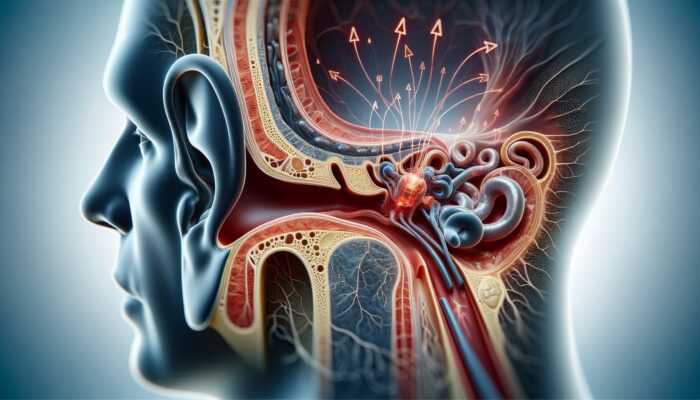
Detailed anatomical illustration of inner ear, showing fluid buildup causing vertigo, tinnitus, and hearing loss in Meniere's disease.

Vestibular disorders encompass a broad spectrum of conditions that can profoundly induce the sensation of vertigo, primarily by disrupting the inner ear’s balance system. A notable example is Meniere’s disease, a multifaceted disorder marked by recurrent bouts of vertigo, tinnitus (persistent ringing in the ears), and varying degrees of hearing loss. Although the exact causes of Meniere’s disease remain somewhat unclear, it is generally associated with an abnormal buildup of fluid in the inner ear, which disrupts both auditory and balance functions.

Environmental factors, such as living in areas with high humidity or experiencing frequent weather changes, can exacerbate the symptoms of these disorders. For instance, cities like Mumbai and Bangkok face tropical climates that may aggravate vestibular disorders due to fluctuations in atmospheric pressure affecting fluid dynamics within the inner ear. A deeper understanding of these various causes underscores the necessity for specialised medical care, particularly in regions where such conditions are notably prevalent.

Other vestibular disorders, including vestibular migraine, complicate diagnosis as they often present with symptoms akin to traditional migraines but include dizziness and balance disturbances. A comprehensive understanding of how these conditions impact individuals globally is essential, especially considering cultural differences in health perceptions and the availability of medical interventions.

Exploring Benign Paroxysmal Positional Vertigo (BPPV)

Benign Paroxysmal Positional Vertigo (BPPV) is one of the most prevalent causes of vertigo, stemming from a specific condition involving the dislocation of tiny calcium carbonate crystals, known as otoconia, within the inner ear. When these crystals become dislodged, they can migrate into the semicircular canals, leading to intense, although brief, episodes of vertigo, particularly when the head is tilted or moved into specific positions.

Individuals affected by BPPV frequently report sudden sensations of spinning or the impression that their environment is moving, which can be disorienting and significantly disrupt daily activities. Although BPPV can affect anyone, it is particularly prevalent among older adults, especially those over 60, and may be triggered by head trauma or prolonged periods of bed rest.

Raising global awareness about BPPV is essential, especially in areas where access to medical diagnostics is limited. For example, in rural regions of countries like India or Brazil, the shortage of specialists trained in diagnosing and treating BPPV can lead to misdiagnosis or inadequate care. Effective management often involves a series of repositioning manoeuvres, such as the Epley maneuver, which can be taught to patients and caregivers, rendering this condition manageable worldwide.

Investigating Labyrinthitis and Vestibular Neuritis

Labyrinthitis and vestibular neuritis are two inflammatory conditions that impact the inner ear, resulting in symptoms of vertigo alongside additional auditory disturbances. Labyrinthitis refers to the inflammation of both the cochlea and the vestibular system, often occurring after a viral infection, such as a common cold or influenza. This inflammation can lead to vertigo, hearing impairment, and even tinnitus, creating a challenging experience for those affected.

Conversely, vestibular neuritis specifically affects the vestibular nerve, causing severe dizziness and balance issues without any accompanying hearing loss. Both conditions typically arise following viral infections, which is particularly relevant in regions experiencing outbreaks of viruses such as influenza or COVID-19.

The implications of these conditions on daily life can be significant, impacting everything from work capabilities to participation in social events. For instance, in densely populated urban centres like Tokyo or New York, high-stress environments may exacerbate symptoms, underscoring the importance of seeking timely medical attention. Early diagnosis and management can greatly enhance quality of life, highlighting the necessity for public health education and awareness regarding these inner ear issues on a global scale.

Recognising Symptoms and Diagnostic Methods for Vertigo

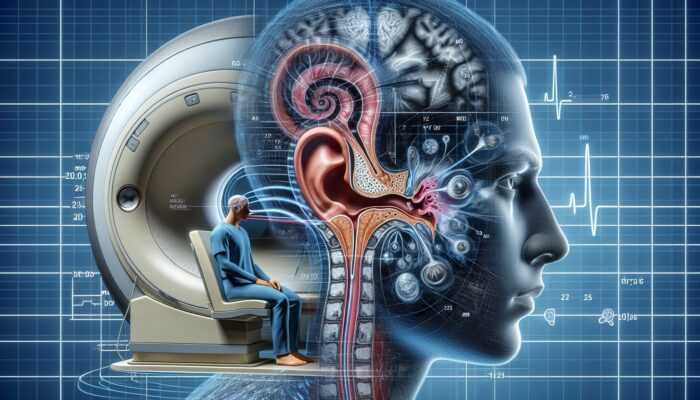
Illustration of vertigo symptoms, inner ear diagrams, and diagnostic tools including MRI and balance tests.

Identifying Common Symptoms of Vertigo

The hallmark symptom of vertigo is a disorienting sensation of spinning or movement, often described as the environment tilting or swirling around the individual. to this primary sensation, those experiencing vertigo may also report accompanying symptoms such as nausea, vomiting, balance disturbances, and an overall sense of disorientation. These symptoms can be triggered by specific movements, such as turning the head or changing positions, complicating everyday activities.

Recognising these symptoms is crucial for individuals experiencing vertigo so they can seek appropriate medical assistance. In countries with well-established healthcare systems, like Canada and Germany, individuals may have immediate access to specialists, while those in developing regions may face difficulties in obtaining timely diagnosis and treatment. This disparity in healthcare access significantly affects how symptoms are perceived and managed worldwide.

Symptoms of vertigo often overlap with those of other medical conditions, complicating the diagnostic process. For instance, migraines can present symptoms similar to vertigo, creating potential confusion for both patients and healthcare providers. Clear communication about symptoms, combined with a thorough understanding of individual health histories, can aid in achieving accurate diagnoses and effective treatment planning.

Essential Diagnostic Tests for Accurate Assessment of Vertigo

Diagnosing the underlying causes of vertigo involves a series of specialised tests and evaluations. One of the primary diagnostic tools is the Dix-Hallpike maneuver, specifically designed to assess BPPV by employing targeted head movements to induce vertigo and observe the resulting eye movements. This test is instrumental in distinguishing BPPV from other vestibular disorders and is commonly conducted in clinics worldwide.

Electronystagmography (ENG) is frequently used to evaluate inner ear function and eye movements, providing critical insights into the integrity of the vestibular system. In certain cases, MRI scans may be necessary to rule out more severe conditions, such as tumours or structural abnormalities affecting the inner ear.

The availability and accessibility of these diagnostic tools can vary significantly across regions. Advanced medical facilities in urban areas may offer a comprehensive suite of vestibular testing, while patients in remote or underserved regions might rely on general practitioners for initial evaluations. This gap in healthcare access highlights the importance of empowering individuals with knowledge about these diagnostic techniques, enabling them to advocate for their health and seek appropriate care.

The Importance of Differential Diagnosis in Managing Vertigo

Effectively differentiating vertigo from other medical conditions is crucial for formulating appropriate treatment strategies. Numerous conditions can mimic vertigo symptoms, including migraines, transient ischemic attacks (TIAs), and anxiety disorders. Each of these conditions presents unique challenges and may necessitate specific treatment approaches, underscoring the critical need for a thorough differential diagnosis.

For instance, a patient experiencing migraine-associated vertigo might require different management strategies compared to someone diagnosed with vestibular neuritis. Achieving diagnostic accuracy relies on healthcare providers implementing a comprehensive evaluation strategy, which includes detailed patient history, symptom assessment, and relevant diagnostic tests.

Global health disparities significantly impact the quality of differential diagnoses. In high-resource countries, access to specialists and advanced imaging techniques typically leads to quicker and more accurate diagnoses. In low-resource settings, clinicians may depend more heavily on clinical judgment, potentially resulting in misdiagnosis and delayed treatments. Enhancing awareness and education surrounding these conditions is vital for improving patient outcomes worldwide.

Comprehensive Treatment Strategies for Effective Vertigo Management

Medications for Managing Vertigo Symptoms

The management of vertigo often commences with the prescription of medications aimed at alleviating symptoms and enhancing the patient’s quality of life. A variety of medication classes are available, including antihistamines, which effectively reduce dizziness and nausea associated with vertigo. Medications like meclizine and dimenhydrinate are commonly prescribed to help manage acute episodes, providing immediate relief to patients.

In situations where vertigo is accompanied by nausea or vomiting, antiemetic medications such as ondansetron may be utilised. These medications not only improve the patient’s overall comfort but also facilitate a quicker return to normal activities.

Beyond these immediate relief options, healthcare providers must consider long-term management strategies, particularly for chronic conditions such as Meniere’s disease. For these patients, medications designed to reduce fluid retention, such as diuretics, may be prescribed to help lessen the frequency and intensity of vertigo attacks.

Access to these medications can vary significantly around the globe, influenced by local healthcare systems and pharmaceutical availability. In developed nations, patients often have immediate access to a range of treatment options, while those in underserved regions may face challenges in obtaining necessary medications. Addressing this gap in accessibility is essential for enhancing the management of vertigo worldwide.

The Benefits of Vestibular Rehabilitation Therapy

Vestibular Rehabilitation Therapy (VRT) represents a specialised form of physical therapy designed to assist individuals grappling with balance disorders, including those experiencing vertigo. Through a series of personalised exercises and manoeuvres, VRT aims to enhance balance, diminish dizziness, and improve overall functional abilities.

Patients engage in targeted movements intended to stimulate the vestibular system, retraining the body to adapt to signals from the inner ear. For example, balance exercises may be introduced to help patients regain confidence in their stability, while habituation exercises can reduce sensitivity to movements that trigger vertigo.

Globally, the implementation of VRT varies, with many countries recognising its efficacy and incorporating it into rehabilitation programmes. In regions with advanced healthcare systems, VRT frequently forms part of a multidisciplinary treatment approach to vertigo, involving collaboration among audiologists, neurologists, and physical therapists to deliver comprehensive care. Conversely, areas with limited resources may restrict access to trained therapists, highlighting the need for enhanced training programmes and resources to improve patient outcomes.

Raising public awareness of VRT can empower individuals to seek intervention sooner, ultimately leading to better management of vertigo symptoms and an improved quality of life.

Evaluating Surgical Options for Severe Cases

In cases of severe vertigo, particularly when conservative treatments have proven ineffective, surgical interventions may be considered. Procedures such as endolymphatic sac decompression aim to relieve pressure resulting from fluid accumulation in the inner ear, especially in patients diagnosed with Meniere’s disease. This surgical option can provide substantial relief from vertigo and enhance hearing capabilities for certain individuals.

While surgical interventions can be effective, they are typically reserved for situations where an individual’s quality of life is significantly compromised. The decision to pursue surgery should be made collaboratively between the patient and their healthcare team, weighing the potential risks and benefits involved.

Variability in the availability of surgical options can greatly influence global practices. In countries with advanced healthcare systems, such as the United States or Germany, patients may have greater access to expert surgeons and innovative techniques. In contrast, individuals in less developed regions may lack the necessary surgical facilities to perform these interventions, underscoring the need for equitable healthcare access worldwide.

Overall, understanding the role of surgical options in managing vertigo provides a comprehensive view of treatment possibilities, enabling patients to make informed decisions regarding their care.

Implementing Lifestyle and Dietary Adjustments for Effective Vertigo Management

To medical interventions, lifestyle and dietary modifications are crucial in managing vertigo symptoms. Many individuals find that adjusting their diet can significantly reduce the frequency and intensity of vertigo episodes. For instance, lowering salt intake may help alleviate fluid retention in the inner ear, particularly beneficial for those diagnosed with Meniere’s disease.

Avoiding caffeine and alcohol is also advisable, as these substances can exacerbate vertigo symptoms for some individuals. Encouraging a balanced diet rich in fruits, vegetables, and whole grains supports overall health and may contribute to improved ear function.

Stress management techniques, such as mindfulness meditation and yoga, can also serve as valuable tools for individuals managing vertigo. Research indicates that stress can trigger or worsen vertigo episodes, making it essential to incorporate relaxation techniques into daily life.

Globally, access to education and resources regarding lifestyle modifications can vary. In developed countries, public health campaigns may emphasise awareness of dietary impacts on health, while in other regions, this information may not be as readily available. Promoting education on the importance of lifestyle changes can empower individuals to take control of their health and manage their vertigo symptoms more effectively.

Implementing Lifestyle Changes for Effective Vertigo Management

Making Dietary Adjustments for Improved Health

Implementing dietary changes can significantly aid in managing vertigo symptoms effectively. Reducing salt intake is especially crucial for individuals diagnosed with Meniere’s disease, as high sodium levels can lead to increased fluid retention in the inner ear. Following a low-sodium diet may help lessen the frequency of vertigo attacks and improve overall quality of life.

Avoiding caffeine and alcohol is advisable for those experiencing vertigo, as these substances can provoke symptoms or heighten anxiety, further intensifying feelings of dizziness. Substituting caffeinated beverages with herbal teas or water can promote hydration and overall wellness.

Incorporating a balanced diet abundant in essential nutrients is vital for maintaining ear health. Foods rich in antioxidants, such as berries and leafy greens, can support the body’s overall functions, including those of the inner ear. Encouraging individuals to explore diverse culinary traditions can make dietary adjustments more appealing and culturally relevant.

Education regarding the impact of diet on inner ear health should be a global priority. Health professionals can significantly contribute by providing guidance and resources, especially in regions where access to nutritional information may be limited. Advocating for healthy eating habits enables individuals to gain control over their vertigo symptoms and enhance their overall health.

Implementing Effective Stress Management Practices for Vertigo Relief

Stress can significantly exacerbate symptoms of vertigo, making effective stress management strategies essential for individuals affected by this condition. Techniques such as mindfulness meditation, yoga, and regular physical activity can dramatically lower stress levels and improve overall well-being.

Mindfulness practices encourage individuals to concentrate on the present moment, which can help alleviate anxiety and reduce the likelihood of stress-induced vertigo. Yoga, with its combination of physical postures and breathing techniques, promotes relaxation, flexibility, and balance, yielding both physical and mental health benefits.

Access to stress management resources can vary widely across the globe, impacting individuals’ ability to cope with vertigo. In urban areas with wellness centres or community programmes, access to classes and workshops may be readily available, while individuals in rural locations might face significant gaps in resources. Promoting online resources, virtual classes, and community outreach initiatives can bridge the divide and ensure that everyone has the opportunity to learn effective stress management techniques.

By prioritising stress reduction, individuals can cultivate a more balanced lifestyle that not only addresses vertigo symptoms but also enhances overall quality of life, enabling them to engage more fully in social and professional activities.

Optimising Sleep and Activity for Better Vertigo Management

Adequate sleep is a fundamental component of managing vertigo symptoms, as fatigue can worsen feelings of dizziness and disorientation. Establishing a consistent sleep routine, prioritising restful environments, and addressing any sleep disorders can contribute to better management of vertigo. Creating an optimal sleep setting—dark, quiet, and cool—can facilitate deeper, more restorative sleep, which is essential for overall health.

Individuals should strive to avoid sudden head movements that can trigger vertigo episodes. Implementing gradual transitions when moving from lying down to sitting or standing can help minimise symptoms. Incorporating gentle balance exercises into daily routines can further enhance stability and reduce the risk of falls, which is crucial for individuals susceptible to vertigo.

Recognising the importance of sleep and activity modifications in managing vertigo is vital for individuals globally. In cultures where work-related stress and long hours contribute to sleep deprivation, promoting healthy sleep habits can have a significantly positive impact on overall health outcomes.

Communities and health organisations can play a pivotal role in raising awareness about the significance of sleep and balance in maintaining well-being, ultimately contributing to improved health outcomes for those affected by vertigo.

Assessing the Impact of Vertigo on Daily Life

Evaluating the Effects of Vertigo on Work and Productivity

The implications of vertigo extend beyond the individual, affecting professional environments and overall productivity. Those who experience frequent episodes of vertigo may find it challenging to maintain consistent attendance at work or fulfil job responsibilities, leading to heightened stress and anxiety surrounding job performance.

In occupations demanding high levels of concentration and physical coordination, such as construction or healthcare, the presence of vertigo can introduce safety risks not only for the affected individual but also for their colleagues. Employers must acknowledge these challenges and consider accommodations, such as flexible work schedules or ergonomic adjustments, to support employees grappling with vertigo.

Modifying workplace environments to cater to those with vestibular disorders can enhance both productivity and employee morale. For example, creating quiet zones for employees to take breaks or implementing policies that allow for remote work on days when symptoms are particularly pronounced can foster a supportive workplace culture.

Globally, workplaces are increasingly recognising the necessity for inclusivity and awareness of chronic conditions, including vertigo. Training programmes aimed at management that educate them about the impacts of vestibular disorders can promote a more supportive work environment, enabling individuals to thrive despite their challenges.

Impact on Driving and Transportation Accessibility

For many individuals, vertigo can severely impair their ability to drive safely, creating obstacles in daily transportation and mobility. The sensation of spinning or dizziness can hinder focus on the road, thus increasing the risk of accidents.

As a result, alternative transportation methods become essential for those experiencing vertigo. Utilising public transport, ridesharing services, or relying on friends or family for assistance can help individuals navigate their daily activities safely. The availability and accessibility of these alternatives can vary significantly by region, affecting individuals’ independence and quality of life.

In urban environments where public transportation is readily accessible, individuals may find it easier to adapt their travel plans. Conversely, in rural areas with limited transportation options, the challenges of managing vertigo can be more pronounced. Advocating for enhanced transportation services, particularly for individuals with disabilities, can improve access and mobility for those affected by vertigo worldwide.

Public awareness campaigns can also highlight the importance of recognising when driving may be unsafe, promoting safer practices and encouraging individuals to prioritise their health and well-being over societal expectations.

Addressing the Social and Recreational Impact of Vertigo

The repercussions of vertigo on social and recreational activities can be significant, often resulting in feelings of isolation and diminished quality of life. Individuals may hesitate to participate in gatherings or events due to the fear of experiencing vertigo episodes, creating a sense of separation from friends and family.

Engaging in physical activities and social events is vital for mental and emotional well-being; however, vertigo can present barriers to participation. Communities must work collaboratively to create inclusive and supportive environments that allow individuals to engage in social activities safely. This could involve organising low-pressure social events, providing restful spaces, or offering alternative activity options that accommodate varying mobility levels.

Culturally, attitudes towards chronic health issues can shape the experiences of those living with vertigo. In certain cultures, stigma surrounding health conditions may further exacerbate feelings of isolation. Promoting open discussions about vestibular disorders can help normalise these experiences and foster understanding, ultimately leading to more inclusive social environments.

By prioritising awareness, communities can assist individuals with vertigo in regaining confidence and re-engaging in social and recreational activities, thereby enhancing their overall quality of life.

Implementing Effective Prevention Strategies for Vertigo Management

Prioritising Regular Health Check-ups for Early Detection

Routine health check-ups are essential for preventing conditions that may lead to vertigo. Regular consultations with healthcare professionals can aid in the early identification of vestibular disorders, allowing for timely interventions and proactive management.

Individuals with a history of ear infections, migraines, or other factors that may predispose them to vertigo should prioritise regular check-ups. In high-resource countries, the emphasis on preventative care often results in improved health outcomes. Conversely, individuals in underserved areas may lack access to routine medical care, highlighting the need for increased health education and resources globally.

Encouraging individuals to recognise the importance of routine check-ups can empower them to take charge of their health. Community initiatives that promote awareness of vestibular health can cultivate a culture of preventative care, ultimately reducing the incidence of vertigo-related complications.

Utilising Ear Protection in Noisy Environments

Employing ear protection in environments with excessive noise is vital for safeguarding inner ear health and preventing conditions that may lead to vertigo. Prolonged exposure to loud noises can damage the delicate structures of the inner ear, increasing the risk of hearing loss and vestibular disorders.

Individuals working in noisy settings, such as construction or manufacturing, should prioritise the use of earplugs or earmuffs to minimise their exposure to harmful noise levels. Public awareness campaigns can educate communities about the risks associated with noise pollution and the significance of ear protection in preventing long-term damage.

Globally, access to ear protection varies; in some areas, it may be readily available and promoted, while in others, individuals may lack access to essential protective gear. Bridging this gap is essential to ensure that individuals worldwide can take proactive measures to safeguard their ear health and reduce the likelihood of developing vertigo.

Emphasising Hydration and Nutrition for Optimal Health

Maintaining proper hydration and nutrition is fundamental for overall health and can contribute to preventing vertigo episodes. Dehydration can exacerbate feelings of dizziness, making it crucial for individuals to prioritise adequate fluid intake, particularly in hot climates or during physical exertion.

A balanced diet that includes essential vitamins and minerals supports inner ear function and overall health. Foods rich in magnesium, such as leafy greens and nuts, have been shown to be particularly beneficial for individuals experiencing vestibular disorders.

Promoting education around hydration and nutrition on a global scale can enhance awareness of their critical roles in preventing vertigo. Community initiatives that encourage healthy eating habits and accessible hydration options can empower individuals to take control of their health and mitigate the frequency of vertigo episodes.

Implementing Stress Management Techniques to Reduce Triggers

Employing effective stress management techniques is essential for preventing vertigo episodes, especially for individuals susceptible to stress-related triggers. Incorporating practices such as mindfulness, deep breathing exercises, and regular physical activity can significantly alleviate tension and promote relaxation.

Global disparities in access to stress management resources can influence how individuals manage stress and its effects on their health. In areas where wellness programs and community support are readily available, individuals may find it easier to access resources that promote mental and emotional well-being. Conversely, those in underserved regions may encounter barriers to receiving necessary support.

By raising awareness about stress management techniques and providing access to resources, communities can help individuals lower their stress levels and, consequently, reduce the likelihood of experiencing vertigo episodes. Cultivating a culture of support and understanding can significantly enhance the overall quality of life for individuals living with vertigo.

Developing Effective Coping Mechanisms for Living with Vertigo

Finding Community Support through Support Groups

Joining support groups can provide individuals living with vertigo a vital sense of community and understanding. These groups offer a platform for sharing personal experiences, exchanging coping strategies, and gaining insights into effective management of vertigo.

Support groups can take various forms, both in-person and virtual, accommodating individuals from diverse backgrounds and geographic locations. The ability to connect with others who understand the challenges of living with vertigo fosters a sense of acceptance and diminishes feelings of isolation.

On a global scale, the availability of support groups varies widely, with some regions offering robust networks while others may lack resources. Health organisations and community centres can play a crucial role in establishing and promoting these groups, ensuring individuals have access to emotional support and practical advice.

Encouraging participation in support groups empowers individuals to embrace their experiences and gain valuable insights, ultimately leading to improved management of their vertigo symptoms.

Accessing Mental Health Support for Enhanced Emotional Well-being

Addressing the psychological impact of living with vertigo is essential for enhancing overall well-being. Many individuals may struggle with anxiety, depression, or feelings of frustration due to the unpredictable nature of their symptoms. Seeking mental health support through counselling or therapy can provide valuable coping mechanisms and emotional relief.

Therapists can assist individuals in exploring the psychological aspects of their condition and developing strategies to manage anxiety related to vertigo. Cognitive-behavioural therapy (CBT) is particularly effective for addressing anxiety and can be customised to focus on the unique challenges posed by vestibular disorders.

Globally, access to mental health resources can vary significantly, with some regions prioritising mental health care while others may lack essential services. Advocacy for increased awareness and funding for mental health support is crucial to ensure that individuals living with vertigo have access to the care they need.

By emphasising the importance of mental health support, communities can foster a more comprehensive approach to managing vertigo, ultimately leading to improved quality of life for those affected.

Incorporating Relaxation Techniques for Stress Relief

Practising relaxation techniques can provide substantial benefits for individuals experiencing vertigo by reducing stress and fostering a sense of calm. Techniques such as deep breathing exercises, progressive muscle relaxation, and guided imagery can help individuals facilitate relaxation and alleviate anxiety related to vertigo symptoms.

Integrating these techniques into daily routines can empower individuals to take charge of their well-being. Resources such as mobile apps or online videos can offer easy access to relaxation exercises, making them more accessible to individuals globally.

Promoting the use of relaxation techniques should be a global priority, particularly in cultures where stress and anxiety are prevalent. Encouraging individuals to prioritise their mental well-being through relaxation practices can contribute to improved overall health outcomes and enhance coping strategies for managing vertigo.

Frequently Asked Questions about Vertigo

What is vertigo?

Vertigo is characterised by a sensation of spinning or dizziness that arises from a conflict between sensory signals from the inner ear, eyes, and body. It is often a symptom of an underlying disorder affecting the vestibular system.

What are the primary causes of vertigo?

Vertigo can arise from various conditions, including vestibular disorders like Meniere’s disease, Benign Paroxysmal Positional Vertigo (BPPV), labyrinthitis, and vestibular neuritis. Each of these conditions impacts the inner ear in distinct ways.

How is vertigo diagnosed accurately?

Diagnosing vertigo typically involves a thorough patient history, symptom assessment, and specific tests such as the Dix-Hallpike maneuver, electronystagmography, and MRI scans to identify the underlying cause.

What are the most common symptoms associated with vertigo?

Common symptoms of vertigo include dizziness, a sensation of spinning, nausea, balance issues, and sometimes hearing loss. The severity and duration of these symptoms can vary based on the underlying cause.

What treatment options are available for managing vertigo?

Treatment strategies for vertigo may encompass medications, vestibular rehabilitation therapy, lifestyle and dietary modifications, and in severe cases, surgical interventions. The approach taken often depends on the underlying cause.

Can lifestyle changes play a role in managing vertigo?

Absolutely; lifestyle changes such as dietary adjustments, stress management techniques, and regular exercise can significantly aid in managing vertigo symptoms and enhancing overall well-being.

Is vertigo considered a serious condition?

While vertigo is typically not life-threatening, it can greatly affect an individual’s quality of life and safety. Identifying and addressing the underlying cause is crucial for effective management.

How can I prevent vertigo episodes from occurring?

Preventing vertigo episodes may involve regular health check-ups, maintaining proper hydration, using ear protection in noisy environments, and adopting stress management techniques.

Are there support groups available for individuals with vertigo?

Yes, numerous support groups exist for individuals experiencing vertigo. These groups provide a space for sharing experiences, offering advice, and connecting with others who understand the challenges of living with vertigo.

Can chronic vertigo lead to other health complications?

Chronic vertigo can lead to complications such as anxiety, depression, and diminished quality of life. Effective management and treatment are essential for minimising these risks.

Explore our journey on X!

The post Vertigo from Inner Ear Issues: A Complete Guide appeared first on The Microsuction Ear Wax Removal Network.

Originally posted 2025-05-09 03:12:48.

The post Inner Ear Issues: A Comprehensive Guide to Vertigo appeared first on Healthcare Marketing Service.

Categories
heathcare

Hearing Aids: Embracing the Emotional Journey Together

Embarking on the Transformative Emotional Journey of Hearing Aids

How to Acknowledge Your Emotions After Experiencing Hearing Loss

A person in a dimly lit room with abstract shapes symbolising emotions of hearing loss.

The onset of hearing loss often triggers an intense emotional journey. Both those experiencing this condition and their loved ones may find themselves navigating a complex array of feelings that can be challenging to manage. Common emotional responses during this initial phase include:

  • Denial: Many individuals struggle to accept the reality of their hearing impairment.
  • Fear: Worries about potential isolation and an uncertain future can lead to heightened anxiety.
  • Frustration: Difficulties with communication may result in feelings of helplessness and irritation.
  • Sadness: A profound sense of loss related to previous abilities and social interactions often emerges.
  • Anger: Some individuals may channel feelings of anger towards themselves or their circumstances.
  • Confusion: The sudden alteration in sensory perception can provoke uncertainty and self-doubt.

Recognising and understanding these emotions is vital, as they mark the beginning of a life-altering journey that not only transforms one’s hearing but also affects how one engages with the world. This emotional response plays a significant role in the decision-making process regarding acquiring hearing aids, making it essential for both individuals and their families to acknowledge and validate these feelings.

Why Family and Friends’ Support is Essential During This Journey

The involvement of family and friends is crucial in providing support to individuals on their hearing aid journey. Their presence can offer emotional reassurance and practical assistance, both of which are vital during this transitional phase. To effectively support their loved ones, family and friends can:

  • Listen actively: Encourage open conversations about feelings and concerns related to hearing loss.
  • Exhibit patience: Understand that adjusting to hearing aids is a gradual process that requires time.
  • Promote professional assistance: Help the individual seek audiological assessments and necessary support from specialists.
  • Engage in learning: Participate alongside the individual in understanding how hearing aids function and how to use them effectively.

This network of support plays a vital role in counteracting feelings of isolation, empowering individuals to embrace their new reality with assurance. By fostering open dialogue about the emotional aspects of hearing loss, family and friends can enhance mutual understanding and strengthen relationships, allowing everyone involved to navigate this journey together.

What Early Challenges Do Users Face and How Can They Cope Effectively?

The initial experience of using hearing aids is often fraught with challenges. Adjusting to the sound of one’s own voice, perceiving background noise differently, and managing various social situations can be overwhelming. Implementing effective coping mechanisms can significantly ease this transition. Individuals can benefit from:

  • Setting realistic expectations: Acknowledge that the adjustment period requires patience and practice.
  • Gradual exposure: Start by wearing hearing aids in quiet environments before progressing to more challenging social settings.
  • Mindfulness techniques: Practise mindfulness or relaxation exercises to help alleviate anxiety associated with new experiences.
  • Peer support: Join support groups or communities where shared experiences can provide comfort and valuable insights.

These strategies not only facilitate adaptation to the devices themselves but also promote a more optimistic emotional outlook. Recognising that challenges are an inherent part of this journey helps individuals build resilience and encourages a proactive approach to overcoming obstacles.

What Emotional Milestones Should You Expect During the Adaptation to Hearing Aids?

Person celebrating first successful conversation with hearing aids at a lively social event with family and friends.

As individuals adapt to using hearing aids, they will experience several emotional milestones crucial for personal growth and acceptance. Recognising and celebrating these milestones can significantly boost motivation and emotional well-being. Key milestones include:

  • First successful conversation: Achieving a satisfying interaction without strain is a major accomplishment.
  • Increased social participation: Attending gatherings and social events becomes not only feasible but enjoyable.
  • Feeling of independence: Gaining confidence in one’s communication abilities nurtures a sense of autonomy.
  • Positive feedback from loved ones: Receiving encouragement and validation from family and friends reinforces feelings of progress.

Celebrating these achievements, regardless of their size, strengthens resolve and motivates continued use of hearing aids. Individuals should take the time to reflect on their progress and recognise the emotional growth that accompanies each milestone, fostering a deeper connection with their hearing aids.

What Strategies Can Ensure Long-Term Emotional Well-Being with Hearing Aids?

Ensuring long-term emotional well-being is essential for the successful use of hearing aids. Over time, individuals seeking emotional stability can adopt various strategies to maintain and enhance their quality of life. Techniques for sustaining emotional health include:

  • Regular check-ins: Periodically assess feelings about hearing aids and their impact on daily life.
  • Continuous education: Stay informed about advancements in hearing aid technology and best practices.
  • Social engagement: Foster relationships that provide emotional support and share experiences with others who understand the journey.
  • Seek professional guidance: Consider counselling or therapy to address any lingering emotional challenges.

By proactively managing emotional health, individuals can reinforce their commitment to hearing aids, ensuring these devices serve as tools for connection rather than obstacles. This ongoing journey is about empowerment, adapting to life with renewed perspectives, and nurturing meaningful relationships.

Expert Insights on the Emotional Journey of Hearing Aids

How Do Hearing Aids Affect Psychological Well-Being?

A retired teacher joyfully listens to children's laughter with her new hearing aid, feeling rejuvenated.

The psychological effects of using hearing aids can be profound and vary significantly among individuals. Many report an immediate sense of relief upon regaining access to sounds and conversations that were once muted or absent. For instance, a retired teacher may rediscover joy in hearing children’s laughter, revitalising their spirit and sense of purpose. Conversely, others may initially struggle with frustration, facing both the technical aspects of hearing aids and the emotional baggage associated with their hearing loss.

Real-world examples illustrate this complexity. One person may experience reduced anxiety as they engage more freely in social situations, while another might feel overwhelmed by the influx of auditory stimuli. Understanding these psychological effects is crucial for audiologists and support networks, as tailored approaches can greatly enhance the emotional journey. Recognising the emotional significance tied to sound can empower users and encourage them to embrace their hearing aids, cultivating a healthier relationship with their auditory environment.

How Can We Combat the Stigma Surrounding Hearing Aids?

Overcoming the stigma associated with hearing aids remains a significant challenge for many individuals. This stigma may manifest as embarrassment or shame, deeply affecting one’s willingness to seek assistance. practical steps can be taken to address and dismantle this stigma. Individuals can:

  • Educate themselves and others: Sharing knowledge about hearing loss and the advantages of hearing aids can dispel common myths.
  • Be open about their experiences: Candidly discussing personal challenges can foster understanding and empathy.
  • Focus on the positives: Emphasising improvements in quality of life and social connections can help shift the narrative.
  • Utilise social media: Engage with online communities that celebrate hearing aid use and share success stories.

These proactive measures encourage conversations that contribute to a more accepting environment, empowering users to wear their hearing aids with pride. Through community engagement and dialogue, the stigma surrounding hearing aids can gradually diminish, enabling individuals to reclaim their voices and experiences.

What Does Long-Term Emotional Adaptation to Hearing Aids Entail?

Long-term adaptation to hearing aids requires not only a physical adjustment but also an emotional one. This journey encompasses acceptance and emotional growth. Key milestones in this adaptation process include:

  • Acceptance of hearing loss: Coming to terms with the reality of hearing loss is essential for emotional progress.
  • Integration into daily life: Successfully incorporating hearing aids into everyday routines can boost confidence.
  • Developing a new identity: Individuals often redefine their self-image based on their experiences with hearing aids.
  • Emotional resilience: Overcoming challenges can lead to increased emotional strength and adaptability.

Recognising these stages allows individuals to navigate their emotions more effectively. As they progress through these milestones, they cultivate a deeper understanding of themselves and their needs, fostering a more rewarding relationship with their hearing aids.

How to Manage Initial Discomfort After Receiving Hearing Aids?

Addressing the discomfort and frustration that often accompany the initial use of hearing aids is crucial for successful adaptation. Many users report sensations of fullness in their ears, difficulty adjusting to amplified sounds, or mild irritation. To facilitate this adjustment period, individuals can implement several strategies:

  • Follow audiologist recommendations: Adhering to professional guidance on usage and adjustments can ease discomfort.
  • Gradual introduction: Start by wearing hearing aids for shorter durations, gradually increasing usage as comfort improves.
  • Regular maintenance: Ensure that hearing aids are well-maintained to prevent technical issues that could exacerbate discomfort.
  • Engage in positive affirmations: Encouraging self-talk can foster a more optimistic outlook during the adjustment phase.

By implementing these strategies, individuals can create a smoother transition into the world of hearing aids, ultimately leading to a richer auditory experience. Acknowledging discomfort as part of the journey encourages a more compassionate approach to personal growth.

How to Establish Emotional Support Systems During Adaptation?

Emotional support is vital in the journey of adapting to hearing aids. Support from family, friends, and community groups can significantly bolster resilience and emotional well-being. The importance of these emotional support systems cannot be overstated. Individuals can benefit from:

  • Building a support network: Connecting with others facing similar challenges fosters solidarity and understanding.
  • Participating in support groups: Engaging in community meetings or online forums can facilitate the sharing of experiences and coping strategies.
  • Encouraging open communication: Family and friends should promote an environment where discussions about hearing loss and emotions are welcomed.
  • Seeking professional support: Therapists or counsellors specialising in hearing loss can provide tailored emotional guidance.

These systems not only provide reassurance but also facilitate personal growth, allowing individuals to share their experiences and learn from one another. By nurturing these connections, users can cultivate a sense of belonging throughout their journey with hearing aids.

How Does the Emotional Journey of Hearing Aids Transform Over Time?

What Are the Stages of Emotional Acceptance?

The emotional journey of accepting hearing aids can be categorised into distinct stages. Recognising these stages helps individuals identify their feelings as they progress through this experience. Common stages include:

  • Shock and denial: Initially, individuals may struggle to accept the reality of their hearing loss.
  • Anger and frustration: As reality sets in, feelings of anger and frustration may arise.
  • Bargaining: Individuals may wish for a return to their previous hearing capabilities, grappling with their loss.
  • Acceptance: Ultimately, many reach a point of acceptance where they embrace their hearing aids as valuable tools.

These stages do not necessarily follow a linear path; individuals may revisit earlier emotions as they advance. Acknowledging this evolution allows individuals to practise self-compassion and understand that their emotional journey is part of a broader narrative of growth, ultimately leading to a healthier relationship with their hearing aids.

What Factors Influence Emotional Responses to Hearing Aids?

Numerous factors shape an individual’s emotional response to hearing aids, significantly influencing their experiences and adaptation process. Personal factors such as age, previous experiences with hearing loss, and personality traits play a crucial role. Environmental conditions, including the level of support from family and friends, cultural attitudes towards hearing loss, and access to resources, can also profoundly impact emotional responses.

For example, younger individuals surrounded by supportive peers may adapt more quickly than older adults who encounter societal stigma. Similarly, those with a history of positive social interactions may find it easier to engage with their hearing aids. Understanding these variables provides insights into the diverse emotional experiences associated with hearing aids, facilitating more tailored support for individuals navigating their journey.

How Can You Celebrate Milestones Throughout the Hearing Aid Journey?

Recognising milestones throughout the hearing aid journey can serve as a powerful motivator for continued use and emotional well-being. Individuals should take moments to acknowledge key milestones, which may include:

  • First steps in using aids: Simply starting to wear hearing aids is a noteworthy achievement.
  • Improved communication: Celebrating notable enhancements in conversations is important.
  • Increased social activity: Re-engaging in social events is a significant victory.
  • Emotional resilience: Recognising the overcoming of challenges and the development of coping strategies is worthy of celebration.

Acknowledging these moments reinforces a positive mindset and encourages individuals to embrace their new auditory experiences. Celebrations can be personal or shared with friends and family, creating a supportive atmosphere that nurtures ongoing growth and adaptation.

The Transformative Benefits of Hearing Aids in Daily Life

How Do Hearing Aids Enhance Communication and Strengthen Relationships?

Hearing aids significantly impact communication, leading to improved relationships and a profound influence on users’ daily lives. By amplifying sounds and facilitating clearer conversations, individuals often discover newfound confidence in their social interactions. For instance, a previously reserved person may find joy in participating in group discussions or family gatherings, ultimately strengthening connections with loved ones.

Users can anticipate marked improvements in various social interactions, including:

  • Active listening: Hearing aids empower users to engage more fully in conversations, minimising misunderstandings.
  • Enhanced non-verbal communication: Users can better interpret tone and emotional cues, enriching their interactions.
  • Increased participation: With improved hearing, individuals are more inclined to join group activities and events.
  • Stronger relationships: Enhanced communication fosters deeper emotional connections with friends and family.

These enhancements not only improve daily interactions but also cultivate a sense of belonging and community. The revival of meaningful communication can transform relationships, underscoring the significance of hearing aids as essential tools for connection.

In What Ways Do Hearing Aids Boost Confidence and Self-Esteem?

Utilising hearing aids can lead to a remarkable enhancement in confidence and self-esteem. As individuals begin to hear more clearly, they often feel more inclined to engage with the world around them. The psychological benefits of improved hearing are profound; users frequently report feelings of empowerment and increased comfort in expressing themselves.

Hearing aids contribute to these psychological benefits in various ways:

  • Reduced anxiety: As communication improves, anxiety in social situations often diminishes.
  • Increased independence: Regaining the ability to hear enhances one’s sense of autonomy.
  • Positive self-image: Wearing hearing aids can shift self-perceptions from “disabled” to “empowered.”
  • Social acceptance: As users engage more with others, feelings of isolation can gradually fade.

This newfound confidence enables individuals to tackle new challenges, pursue interests, and engage in activities they may have previously avoided due to hearing loss. By fostering emotional growth and resilience, hearing aids become catalysts for personal transformation.

How to Adjust to New Sounds and Varied Environments?

Adapting to new sounds and environments is a fundamental aspect of the hearing aid journey. Individuals often encounter a rich array of sounds they may have previously overlooked, which can be both exhilarating and overwhelming. To ease this adjustment, users might consider the following tips:

  • Start in quiet environments: Initiate the use of hearing aids in low-noise areas to build confidence.
  • Practice active listening: Focus on different sounds, distinguishing between them to enhance auditory processing.
  • Gradually increase complexity: Progress to busier environments as comfort increases, such as cafes or social gatherings.
  • Manage expectations: Understand that acclimating to the influx of auditory information may take time.

These strategies can facilitate a smoother transition to new auditory experiences, making adjustment feel less daunting. By embracing the journey and practising patience, individuals can foster a more positive association with their hearing aids, enriching their overall quality of life.

What Are the Benefits of the Emotional Journey of Hearing Aids?

How Can You Reap the Rewards of an Improved Quality of Life?

The integration of hearing aids can lead to a substantially enhanced quality of life. As individuals adapt to their devices, many report significant improvements across various dimensions of life. Key areas of enhancement often encompass:

  • Social interactions: Enhanced communication results in more fulfilling relationships.
  • Mental health: Diminished feelings of isolation and depression contribute to overall well-being.
  • Professional opportunities: Improved hearing can bolster confidence in the workplace.
  • Personal fulfilment: Greater participation in hobbies and interests enhances life satisfaction.

These improvements collectively contribute to a more enriching life experience, allowing individuals to reconnect with the world around them. By embracing hearing aids, users often find that they can engage fully in their lives, enhancing their overall sense of purpose and belonging.

How Do Hearing Aids Foster Emotional Resilience and Growth?

The journey with hearing aids can cultivate significant emotional resilience and personal growth. As individuals confront the challenges associated with hearing loss and the adaptation process, they often develop key psychological strengths that serve them well beyond their auditory journey. Critical aspects of this emotional growth include:

  • Increased empathy: Navigating hearing loss can deepen one’s understanding of others facing similar struggles.
  • Enhanced problem-solving skills: Overcoming barriers fosters creativity in addressing challenges.
  • Boosted self-awareness: Individuals gain insights into their emotional triggers and coping mechanisms.
  • Greater adaptability: Learning to adjust to new experiences builds resilience in various areas of life.

This emotional growth transforms the hearing aid journey into an empowering experience, allowing individuals to emerge stronger and more self-aware. The journey becomes not just about improved hearing but also about evolving into more resilient versions of oneself.

How Can Community Engagement and Support Networks Enhance the Experience?

Participating in community and support networks can be invaluable for individuals navigating the emotional journey of using hearing aids. These connections provide a sense of belonging and shared understanding that can greatly enhance the experience. Resources and networks available for hearing aid users include:

  • Support groups: Local or online groups foster community among individuals with shared experiences.
  • Educational workshops: Community centres often host workshops focusing on hearing loss and hearing aids.
  • Social media communities: Platforms like Facebook and Reddit offer forums for discussion and support.
  • Audiology clinics: Many clinics provide resources and information seminars for users and their families.

These resources bolster emotional resilience, equipping individuals with tools and connections to navigate their journey effectively. By actively participating in these networks, users can share their experiences, gain insights, and foster a sense of community that enriches their lives.

How Do Hearing Aids Improve Communication and Foster Stronger Relationships?

Hearing aids enhance communication, leading to stronger relationships and emotional connections with others. As users become more adept at conversing, they often experience a renewed sense of belonging and connection. Key ways in which hearing aids facilitate better interactions include:

  • Increased clarity: Hearing aids allow for better understanding in conversations, minimising frustration.
  • Strengthened bonds: Enhanced communication fosters deeper emotional connections with loved ones.
  • Encouraged participation: Users are more likely to engage in discussions and activities, enhancing relationships.
  • Improved non-verbal cues: Users can better interpret facial expressions and body language, enriching interactions.

These enhancements empower individuals to build and maintain meaningful relationships, creating a positive feedback loop of connection and emotional fulfilment. By improving communication, hearing aids not only facilitate social interactions but also enhance the overall quality of relationships, highlighting the value of auditory engagement in daily life.

What Are Effective Strategies for Navigating the Emotional Journey of Hearing Aids?

How to Implement Personalised Approaches to Emotional Support?

Tailoring emotional support strategies to individual needs can significantly enhance the journey of adapting to hearing aids. Customising these strategies ensures that the emotional support provided is relevant and effective. Key components of personalised support include:

  • Understanding individual experiences: Recognising that each person’s journey is unique allows for more effective emotional strategies.
  • Incorporating personal interests: Engaging individuals in activities they enjoy can bolster emotional well-being.
  • Encouraging self-advocacy: Empower users to articulate their needs and preferences regarding support and adjustments.
  • Collaborating with professionals: Involving audiologists and therapists can create a more comprehensive support system.

By emphasising personalisation, individuals can feel more understood and supported throughout their hearing aid journey. This thoughtful approach fosters a deeper connection to the process, ultimately enhancing emotional resilience and well-being.

Why is Seeking Professional Guidance and Counselling Important?

Accessing professional guidance and counselling can be vital for individuals grappling with the emotional complexities of using hearing aids. These services offer invaluable insights and coping strategies tailored to the unique challenges of hearing loss. Key benefits include:

  • Expert insights: Professionals can deliver customised advice based on individual experiences and emotional responses.
  • Emotional processing: Counselling provides a space for individuals to process their feelings about hearing loss and adjustment.
  • Coping strategies: Therapists can equip individuals with techniques to manage anxiety and frustration.
  • Supportive environment: Professional settings offer a safe space to discuss sensitive topics related to hearing loss.

These services can significantly enrich the emotional journey, helping individuals build resilience and confidence in their hearing aids. By seeking professional support, users can cultivate a deeper understanding of their emotional landscape, fostering a healthier relationship with their auditory experiences.

How to Embrace Continuous Learning and Adaptation?

Maintaining a mindset of continuous learning and adaptation is essential for a successful journey with hearing aids. Staying informed and flexible allows individuals to navigate their experiences effectively. Key strategies for continuous learning include:

  • Participating in workshops: Engaging in educational seminars can enhance understanding of hearing aids and their functions.
  • Networking with peers: Connecting with other users can facilitate the sharing of tips and experiences.
  • Researching new technologies: Keeping abreast of advancements in hearing aid technology can inform choices and adjustments.
  • Seeking feedback: Regular discussions with audiologists can lead to ongoing improvements in the use of hearing aids.

By embracing continuous improvement, individuals can cultivate adaptability and resilience throughout their journey. This proactive approach not only enhances emotional well-being but also ensures users maximise the benefits of their hearing aids, fostering a richer auditory experience.

How to Create a Robust Support Network?

Building a strong support network is crucial for providing emotional relief during the adjustment to hearing aids. A well-established support system can enhance resilience and foster a sense of community. Strategies for creating and maintaining a supportive network include:

  • Engaging family and friends: Involve loved ones in the journey, encouraging their participation in discussions about hearing loss.
  • Joining local groups: Seek out local support groups or organisations that focus on hearing loss.
  • Utilising online communities: Leverage social media platforms to connect with others who share similar experiences.
  • Establishing regular check-ins: Schedule regular meet-ups or discussions to share progress and challenges.

These strategies foster a sense of belonging and connection, providing individuals with the emotional support necessary to navigate their hearing aid journey. By actively cultivating these relationships, users can feel empowered and enriched, enhancing their overall experience.

What Are Effective Coping Mechanisms for Emotional Challenges?

Developing effective coping mechanisms is essential for managing the emotional challenges associated with using hearing aids. Creating a toolkit of strategies can enhance emotional well-being and resilience. Techniques that help individuals manage their emotional experiences include:

  • Practising mindfulness: Techniques such as meditation can help individuals centre themselves and alleviate anxiety.
  • Engaging in physical activity: Regular exercise can boost mood and overall emotional health.
  • Journaling: Writing about experiences and emotions can facilitate emotional processing and reflection.
  • Identifying triggers: Recognising situations or thoughts that elicit strong emotions can help individuals manage their responses.

By employing these coping mechanisms, individuals can empower themselves to navigate their emotional journeys with greater ease. These strategies nurture emotional resilience, ensuring a more fulfilling experience with hearing aids.

Embracing the Emotional Journey: A Pathway to Personal Growth

How to Reflect on Personal Growth Throughout the Journey?

Reflecting on personal growth can be a rewarding experience for individuals navigating their hearing aid journey. Taking time to evaluate progress can yield valuable insights into emotional development and adaptation. To facilitate this reflection, individuals can consider:

  • Keeping a journal: Documenting experiences and feelings can illuminate growth and changes over time.
  • Setting personal goals: Reflecting on achieved goals can reinforce the significance of progress.
  • Engaging in self-assessment: Evaluating emotional responses to different situations can enhance self-awareness.
  • Discussing experiences with peers: Sharing insights with others can provide perspective and validation.

This reflection process not only celebrates achievements but also fosters a deeper understanding of the emotional journey. By acknowledging personal growth, individuals can cultivate a more profound connection with their hearing aids and their overall life experience.

How Can Sharing Experiences Inspire Others?

Sharing personal experiences can inspire others on their journey with hearing aids. By discussing their stories openly, individuals can provide encouragement and support to those facing similar challenges. Effective ways to share experiences include:

  • Utilising social media: Share personal stories and insights on platforms to reach a broader audience.
  • Participating in forums: Engage in discussions within online communities focused on hearing loss and support.
  • Speaking at events: Offer to share experiences at local support groups or community gatherings.
  • Writing articles or blogs: Documenting the journey in written format can serve as a powerful means to inspire others.

By taking these steps, individuals can cultivate a sense of community and empowerment, assisting others in navigating their journeys with confidence. Sharing experiences transforms personal challenges into collective strength, reinforcing the importance of connection and understanding.

How to Foster a Positive Outlook for Future Experiences?

Maintaining a positive outlook is essential for individuals continuing their journey with hearing aids. An optimistic perspective can significantly influence emotional well-being and adaptation. To cultivate a hopeful mindset, individuals can:

  • Set future goals: Establish aspirations related to social engagement, hobbies, or personal growth.
  • Visualise success: Imagine achieving desired outcomes, reinforcing positive expectations.
  • Embrace new experiences: Stay open to trying new activities that can enrich life’s experiences.
  • Celebrate progress: Regularly acknowledge achievements to maintain motivation and positivity.

By focusing on the potential for positive experiences, individuals can nurture resilience and optimism throughout their hearing aid journey. Looking forward fosters a mindset of growth and exploration, emphasising the transformative power of hearing aids in enhancing life’s richness.

Frequently Asked Questions (FAQs)

What is the emotional impact of using hearing aids?

The emotional impact of using hearing aids can include improvements in confidence, reduced feelings of isolation, and enhanced social interactions. Over time, many individuals experience emotional growth and resilience as they adapt to their devices.

How can family and friends support someone with hearing loss?

Family and friends can support individuals with hearing loss by actively listening, exhibiting patience, encouraging professional help, and participating in learning about hearing aids. Emotional support is crucial during this journey.

What are common initial reactions to hearing loss?

Common initial reactions to hearing loss include denial, fear, frustration, sadness, anger, and confusion. These emotions are natural and should be acknowledged during the adjustment process.

What are effective coping mechanisms for hearing aid users?

Effective coping mechanisms for users of hearing aids include practising mindfulness, engaging in physical activity, journaling about experiences, and identifying emotional triggers. These strategies promote emotional resilience.

How can individuals celebrate milestones in their hearing aid journey?

Individuals can celebrate milestones by recognising significant achievements, such as improved communication, increased social participation, and personal growth. Celebrating these moments reinforces motivation and progress.

What support networks are available for hearing aid users?

Support networks for hearing aid users include local support groups, educational workshops, online communities, and audiology clinics that provide resources and information for users and their families.

How can individuals overcome the stigma associated with hearing aids?

Individuals can combat stigma by educating themselves and others about hearing loss, being open about their experiences, focusing on the benefits of hearing aids, and utilising social media to connect with supportive communities.

What role do audiologists play in the emotional journey of hearing aid users?

Audiologists offer essential support by providing professional guidance, helping individuals navigate challenges, and ensuring that hearing aids are fitted and adjusted properly for optimal use.

Why is continuous learning important for hearing aid users?

Continuous learning is vital for hearing aid users as it helps them stay informed about advancements in technology, enhances their understanding of hearing aids, and improves overall adaptation to new auditory experiences.

How can individuals reflect on their personal growth during their hearing aid journey?

Individuals can reflect on their personal growth by maintaining a journal, setting goals, engaging in self-assessment, and discussing experiences with peers. This process promotes self-awareness and emotional development.

Explore our world on X!

The post Hearing Aids: Navigating the Emotional Journey Together appeared first on The Microsuction Ear Wax Removal Network.

The post Hearing Aids: Navigating the Emotional Journey Together appeared first on Healthcare Marketing Service.

Categories
heathcare

Ear and Brain Health: Understanding Their Interconnectedness

Last Updated on 10/08/2025 by Admin

In-Depth Examination of the Auditory Pathway and Its Significance

What Is the Journey of Sound from the Ear to the Brain?

The journey of sound commences as it passes through the ear canal, causing vibrations in the eardrum, which are subsequently converted into electrical signals by the cochlea. This intricate process is vital for both hearing and cognitive function. The auditory pathway consists of several essential stages, which include:

  • Sound waves entering the ear canal.
  • The eardrum vibrating in response to sound pressure.
  • The ossicles, small bones in the ear, amplifying these vibrations.
  • The cochlea converting mechanical waves into electrical impulses.
  • Auditory nerves transmitting these signals to the brain.
  • The auditory cortex interpreting the incoming signals.

A comprehensive understanding of this pathway illuminates the intricate link between auditory health and cognitive capabilities. The cochlea’s role in converting sound into neural signals is fundamental, establishing the basis for further processing within the brain.

What Is the Crucial Function of the Cochlea in Sound Signal Processing?

The cochlea is often viewed as the essential gateway to the brain’s auditory processing centres. This spiral-shaped, fluid-filled organ is instrumental in transforming mechanical sound waves into electrical signals that the brain can interpret. The conversion process is not solely mechanical; it encompasses a biochemical response where hair cells react to sound vibrations.

As sound waves enter the cochlea, they create fluid movement, stimulating hair cells. This stimulation leads to the release of neurotransmitters, which communicate with the auditory nerve fibres, resulting in a continuous flow of electrical impulses to the brain. This mechanism is critical not only for the act of hearing but also for various cognitive functions such as memory, language processing, and even emotional reactions to sound. The efficiency and health of the cochlea significantly affect our ability to understand speech and interact with our environment, highlighting the essential connection between <a href=”https://www.earwaxremoval.net/wearable-sensors-for-tracking-ear-health-an-overview/”>ear health</a> and cognitive function.

Which Neural Pathways and Brain Regions Are Engaged in Hearing?

Sound signals navigate a complex network of neural pathways to reach various areas of the brain, particularly the auditory cortex, which is primarily responsible for processing auditory information. Other important regions include the frontal cortex, which significantly influences attention and memory, and the temporal lobe, crucial for language comprehension.

These interconnected brain areas not only decode sounds but also significantly affect cognitive processes, such as decision-making and emotional responses. For example, engaging with music can activate the brain’s pleasure centres, improving mood and fostering social connections while potentially delaying cognitive decline. This intricate relationship between auditory processing and cognitive abilities underscores the necessity of maintaining ear health as a way to enhance overall brain function.

Professional Perspectives on the Impact of Ear Health on Brain Function

What Are the Latest Research Insights on Ear and Brain Health?

Recent studies have revealed significant connections between ear health and cognitive function, notably highlighting the compelling association between untreated hearing loss and an increased risk of cognitive decline. Research indicates that older adults with hearing impairments are more likely to experience accelerated cognitive decline compared to those with normal hearing. This occurs because the brain must reallocate cognitive resources to process reduced auditory input, leaving less capacity for other cognitive tasks.

Studies suggest that individuals who use hearing aids demonstrate enhanced cognitive function as the brain receives clearer auditory signals, thereby facilitating improved participation in social and cognitive activities. These findings underscore the critical importance of maintaining ear health not only for auditory perception but also for nurturing overall mental health and cognitive longevity, advocating for a proactive approach to hearing care.

How Can We Integrate These Insights into Our Daily Routines?

Understanding the relationship between ear and brain health can lead to practical health practices that promote cognitive longevity. To begin, regular hearing assessments should be a routine aspect of healthcare, particularly as individuals age. Early intervention can substantially reduce the cognitive effects associated with hearing loss.

Incorporating auditory engagement into everyday life can further enhance cognitive health. Activities such as listening to music, engaging in group discussions, or learning new languages can stimulate the auditory pathways and encourage brain plasticity. maintaining a balanced diet rich in nutrients like omega-3 fatty acids, antioxidants, and vitamins known to support brain health, such as B vitamins, can positively impact both ear and cognitive health.

Why Is Timely Detection of Hearing Loss Crucial?

Timely detection of hearing loss is essential for preventing cognitive decline, as untreated hearing impairment can lead to a harmful cycle of social isolation, depression, and accelerated cognitive deterioration. Expert analysis indicates that individuals who address their hearing loss promptly tend to maintain better cognitive function over time.

Regular hearing screenings, especially for older adults, can facilitate timely intervention. This may involve the use of hearing aids or other auditory devices that enhance sound perception, allowing for more substantial cognitive engagement and social interaction. The advantages of early detection extend beyond simply preserving hearing; they encompass maintaining a vibrant and active cognitive life, emphasising the need for awareness and proactive health measures.

What Is the Impact of Hearing Loss on Cognitive Function?

How Is Hearing Impairment Linked to Dementia?

Hearing loss has been closely linked to a heightened risk of dementia, largely due to the cognitive strain that arises when the brain struggles to process diminished auditory input. This strain can lead to neurodegeneration, particularly in areas of the brain responsible for processing auditory information and related cognitive tasks.

The mechanisms underlying this connection are complex. When individuals face hearing difficulties, they may withdraw from social interactions, a known risk factor for cognitive decline. the brain may become less efficient at processing sounds, further exacerbating cognitive challenges. preserving hearing health is not merely beneficial for auditory perception; it is a crucial factor in maintaining cognitive resilience.

In What Ways Does Hearing Loss Affect Memory and Learning?

Hearing loss significantly impacts memory and learning capabilities, as auditory input is essential for how we acquire and retain information. Impaired hearing can disrupt the ability to follow conversations or lectures, leading to fragmented understanding and retention of new knowledge.

Children with hearing impairments may encounter challenges in language development, a foundation for cognitive growth. In adults, difficulties in processing auditory information can hinder effective communication, complicating social interactions and cognitive tasks. Addressing hearing health through proactive measures can enhance both memory retention and learning abilities, illustrating the integral connection between auditory perception and cognitive function.

What Strategies Can Help Mitigate Cognitive Decline?

Several strategies can be implemented to help mitigate cognitive decline associated with hearing loss while promoting both auditory and cognitive health. These may include:

  • Regular auditory check-ups and timely use of hearing aids.
  • Participation in auditory training programmes designed to enhance sound discrimination.
  • Engagement in social activities to maintain cognitive involvement.
  • Incorporation of brain games and cognitive exercises into daily routines.
  • Maintaining a nutritious diet rich in brain-healthy foods.
  • Practising mindfulness and stress reduction techniques.
  • Staying physically active to support overall brain health.

Implementing these strategies can create a supportive environment for both ear and brain health, enabling individuals to thrive cognitively despite the challenges posed by hearing loss.

In What Ways Does Auditory Stimulation Benefit Brain Health?

What Advantages Come from Regular Auditory Engagement?

Engaging in regular auditory stimulation has profound effects on brain health, enhancing cognitive functions and supporting emotional well-being. Interacting with sounds—whether through music, conversation, or exposure to nature—can stimulate neural pathways and promote brain plasticity, which is essential for learning and memory.

Research indicates that individuals who frequently engage in auditory experiences tend to demonstrate higher cognitive function and improved mood. For instance, music can activate multiple brain regions, promoting emotional regulation and fostering social bonding. By incorporating regular auditory activities, such as attending concerts or participating in community singing groups, individuals can significantly contribute to their cognitive resilience and overall mental health.

How Does Music Affect Brain Function and Health?

Music possesses a unique ability to enhance brain function and cognitive health. Various elements of music, such as rhythm, melody, and harmony, stimulate different brain regions responsible for memory, emotion, and sensory processing.

Listening to music can elevate mood and motivation, creating an environment conducive to cognitive tasks. music therapy has proven particularly effective in rehabilitating individuals with cognitive impairments, providing a therapeutic pathway for enhancing brain function and emotional well-being. From improving language skills to aiding memory recall, the multifaceted influences of music underscore its significance in promoting both auditory and cognitive health.

How Does Auditory Training Improve Cognitive Function?

Auditory training programmes are specifically designed to enhance cognitive function by improving sound processing and discrimination skills. These programmes often involve exercises that focus on recognising different pitches, tones, and speech sounds, which can sharpen auditory perception and subsequently benefit cognitive function.

Effective auditory training methodologies encompass computer-based exercises, group listening activities, and targeted listening techniques that challenge the brain to differentiate and respond to sounds effectively. Engaging in such training not only enhances hearing capabilities but also fosters better memory and learning, highlighting the significant role of auditory stimulation in cognitive enhancement.

What Signs Indicate Potential Ear and Brain Health Issues?

What Are Common Indicators of Hearing Loss?

Hearing loss can manifest in various forms, often subtly at first. Common signs include difficulty following conversations, particularly in noisy environments, frequently asking others to repeat themselves, and a perception of muffled sounds.

Individuals may also notice a tendency to increase the volume on devices or experience fatigue after extended periods of listening. Recognising these symptoms early is crucial for seeking timely intervention, which can help prevent further cognitive decline and enhance overall quality of life.

How Can You Identify Cognitive Decline?

Cognitive decline can be subtle, often presenting as memory lapses, difficulty concentrating, or challenges in completing familiar tasks. Early indicators frequently include forgetfulness in daily activities, confusion about time or place, and difficulty following conversations—issues particularly relevant for individuals with hearing impairments.

Being vigilant about these signs and discussing them with a healthcare professional can lead to early diagnosis and intervention. Understanding the potential connection between hearing health and cognitive function is essential for the proactive management of these interrelated issues.

When Should You Consult a Professional About Ear and Brain Health?

Knowing when to seek professional assistance is vital for effectively managing ear and brain health. Consider consulting a healthcare provider if you experience:

  • Persistent difficulty hearing in various environments.
  • Frequent ringing in the ears (tinnitus).
  • Notable changes in memory or cognitive function.
  • Loss of interest in social activities or hobbies.
  • Difficulty following conversations, particularly in group settings.
  • Significant fatigue or frustration during auditory tasks.
  • Any sudden changes in hearing ability.

Addressing these concerns promptly can lead to effective management strategies and improved overall health outcomes.

What Is the Relationship Between Ear Health and Cognitive Function?

Understanding the connection between ear health and cognitive function is crucial for the early detection and management of related issues. Audiologists and healthcare professionals increasingly acknowledge that preserving hearing health can significantly impact the prevention of cognitive decline, particularly in older adults.

Routine screenings, timely intervention for hearing loss, and fostering a lifestyle that includes auditory engagement can create a supportive framework for maintaining both ear and brain health. This integrative approach emphasises the importance of a holistic view of health, where auditory well-being is recognised as a key component of cognitive longevity.

Actionable Strategies for Sustaining the Connection Between Ear and Brain Health

What Preventive Measures Should Be Taken for Ear Health?

Preventive care is essential for maintaining ear health and, in turn, cognitive health. Effective measures include:

  • Avoiding prolonged exposure to loud noises.
  • Using ear protection in environments with high noise levels.
  • Regularly cleaning ears to prevent wax buildup.
  • Staying updated with vaccinations to prevent ear infections.
  • Seeking immediate care for any ear-related symptoms.
  • Maintaining overall health through a balanced diet and regular exercise.

Incorporating these strategies into daily life can significantly reduce the risk of hearing loss and its associated cognitive impacts, fostering a healthier auditory environment.

How Can Hearing Care Improve Brain Health?

Proper hearing care is paramount for enhancing brain health. Integrating consistent hearing assessments into healthcare routines ensures early detection of any hearing issues, permitting timely intervention.

Using assistive devices like hearing aids can improve auditory input, facilitating better social interaction and cognitive engagement. By actively addressing hearing health, individuals can create a more conducive environment for cognitive vitality, reinforcing the intricate connection between ear and brain health.

What Long-Term Strategies Promote Cognitive Well-being?

Long-term strategies for cognitive well-being should prioritise the role of hearing in sustaining cognitive health. Regular engagement in social activities, continued auditory stimulation through music or conversation, and lifelong learning can all contribute to cognitive resilience.

Cultivating a healthy lifestyle that includes physical activity, a balanced diet, and stress management techniques will provide a supportive backdrop for maintaining both ear and brain health. Emphasising these long-term strategies can help foster a thriving cognitive state throughout life.

How Can Technology Enhance Ear and Brain Health?

What Role Do Hearing Aids Play in Supporting Cognitive Function?

Hearing aids play a crucial role in supporting cognitive function by amplifying sound and facilitating clearer auditory perception. Modern devices are equipped with features that enhance sound quality, filter background noise, and even connect to smartphones for a seamless listening experience.

By improving access to auditory information, hearing aids can alleviate the cognitive burden associated with hearing loss, promoting better communication and social interaction. This empowerment not only aids hearing but also fosters greater cognitive engagement, reinforcing the critical connection between auditory health and cognitive function.

What Recent Innovations Are Emerging in Auditory Technology?

The field of auditory technology has witnessed remarkable advancements, offering innovative solutions for both ear and brain health. From smart hearing aids equipped with artificial intelligence that adapt to various environments to cochlear implants that restore hearing, these technological innovations have transformed how individuals experience sound.

Such advancements not only enhance hearing capabilities but also improve cognitive engagement by providing clearer auditory input. telehealth services for audiology allow for remote consultations and follow-ups, making auditory care more accessible and convenient, thereby promoting overall cognitive well-being.

Which Apps and Tools Are Effective for Cognitive Enhancement?

A variety of apps and tools have emerged that aim to enhance cognitive function through auditory stimulation. Applications designed for auditory training help users improve their listening skills and cognitive processing speed through interactive exercises.

Music streaming services that curate playlists for cognitive enhancement or relaxation can contribute positively to mental well-being. Digital tools like these offer individuals innovative methods to support both ear and brain health in their daily lives.

What Impact Does Noise-Cancelling Technology Have on Ear Health?

Noise-cancelling technology serves as an effective tool for protecting ear health by reducing exposure to harmful noise levels. This technology operates by using microphones to detect ambient sounds and generating sound waves that effectively cancel them out, allowing for clearer auditory experiences without the risk of damage from excessive volume.

By minimising exposure to loud environments, noise-cancelling devices can contribute to improved overall cognitive function and well-being. This protective measure underscores the importance of integrating technology into daily life to safeguard both auditory and cognitive health.

Why Are Regular Hearing Tests Essential?

What Makes Regular Hearing Tests Crucial for Health?

Regular hearing tests are essential for maintaining both ear and brain health as they provide an opportunity for early detection of hearing impairments. These assessments can identify changes in hearing ability before they lead to significant cognitive decline, allowing for timely intervention and management.

Hearing tests contribute to a better understanding of auditory health trends over time, enabling individuals to make informed choices about their hearing care. Consistent monitoring can greatly enhance quality of life and cognitive longevity, emphasising the necessity of routine audiological evaluations.

What Can You Expect During a Hearing Test?

Understanding the process of a hearing test can alleviate concerns for those seeking evaluation. Typically, a hearing test consists of a series of assessments, including pure tone audiometry, where individuals listen to sounds at various frequencies, and speech recognition tests to evaluate the ability to comprehend spoken language.

Audiologists often use specialised equipment to measure hearing sensitivity and identify any potential hearing loss. The process is straightforward and usually takes less than an hour, providing valuable insights into an individual’s auditory health and informing next steps if necessary.

How Often Should You Schedule Hearing Tests?

Knowing how frequently to get tested is vital for proactive health management. The general recommendation is for adults to have their hearing tested every three to five years; however, this interval may vary based on age, medical history, and risk factors.

Individuals aged 60 and above, or those with a history of hearing loss, should consider more frequent evaluations—ideally on an annual basis. By adhering to these guidelines, individuals can take proactive steps toward safeguarding their auditory health and mitigating the risks associated with hearing loss and cognitive decline.

What Lifestyle Factors Influence Ear and Brain Health?

How Do Diet and Nutrition Affect Health?

Diet and nutrition significantly impact both ear and brain health, with specific nutrients known to enhance auditory and cognitive function. Diets rich in omega-3 fatty acids, antioxidants, and vitamins B, C, D, and E are associated with improved cognitive performance and a reduced risk of hearing loss.

Incorporating foods such as fatty fish, leafy greens, nuts, and berries can provide essential nutrients that support brain health. staying hydrated and avoiding excessive sugars and saturated fats can further promote auditory health, underscoring the importance of a balanced diet in maintaining cognitive vitality.

What Are the Effects of Exercise on Hearing and Cognition?

Regular exercise positively influences both hearing and cognitive function by enhancing blood circulation and reducing the risk of chronic diseases that may contribute to hearing loss. Physical activity supports the health of blood vessels, ensuring that the auditory system receives adequate oxygen and nutrients.

Exercise releases endorphins that can boost mood and cognitive function, fostering a healthier brain environment. Engaging in activities such as walking, swimming, or group exercises can provide both physical and mental benefits, reinforcing the connection between an active lifestyle and improved auditory and cognitive health.

How Does Stress Management Impact Mental Well-being?

Managing stress is vital for maintaining ear and brain health, as chronic stress can adversely affect cognitive function and auditory processing. Techniques such as mindfulness, meditation, and yoga can help alleviate anxiety and improve overall mental well-being.

Practising these techniques can enhance focus and cognitive resilience, promoting better auditory processing and communication. Integrating stress-reducing activities into daily routines can create a more favourable environment for both ear and brain health, illustrating the interconnected nature of these aspects of well-being.

What Is the Role of Sleep Quality in Ear and Brain Function?

Adequate sleep is essential for maintaining both ear and brain health, as it allows for restorative processes that enhance cognitive performance. Sleep quality significantly affects auditory processing, memory consolidation, and overall brain function.

Poor sleep can exacerbate cognitive decline and impair hearing abilities, creating a detrimental cycle. Establishing good sleep hygiene—such as maintaining a regular sleep schedule, limiting screen time before bed, and creating a restful environment—can bolster both auditory and cognitive capabilities, highlighting the importance of quality sleep in overall health.

How Do Smoking and Alcohol Consumption Impact Auditory and Cognitive Health?

Smoking and excessive alcohol consumption can negatively affect both ear and brain health. Smoking is linked to an increased risk of hearing loss due to its adverse effects on blood circulation and nerve health. Meanwhile, alcohol can impair cognitive function and exacerbate hearing issues, particularly with long-term abuse.

Reducing or eliminating these habits can lead to significant improvements in auditory health and cognitive function. Awareness of the specific effects of smoking and alcohol on hearing can motivate individuals to adopt healthier lifestyles, fostering better auditory and cognitive well-being over time.

Frequently Asked Questions (FAQs)

What Is the Relationship Between Ear Health and Brain Health?

The connection between ear health and brain health is significant, as hearing loss can lead to cognitive decline, an increased risk of dementia, and impaired memory. Maintaining ear health is crucial for supporting cognitive function.

How Can I Enhance My Hearing Health?

Enhancing hearing health involves regular check-ups, using protective ear gear in loud environments, managing earwax buildup, and maintaining a healthy lifestyle that supports auditory function.

What Are Some Indicators of Hearing Loss?

Indicators of hearing loss include difficulty understanding speech, increased volume levels on devices, fatigue from listening, and frequently asking others to repeat themselves.

How Does Aging Affect Hearing and Cognitive Function?

Aging can lead to a natural decline in hearing ability and cognitive function due to changes in the auditory system and brain health, making regular evaluations and proactive health measures essential.

Can Hearing Aids Improve Cognitive Function?

Yes, hearing aids can significantly enhance cognitive function by improving auditory input, reducing cognitive load, and fostering better communication and social interaction.

What Lifestyle Factors Influence Ear and Brain Health?

Key lifestyle factors include diet, exercise, stress management, sleep quality, and avoiding smoking and excessive alcohol consumption; all contribute to maintaining ear and brain health.

How Often Should I Have My Hearing Tested?

Adults should generally have their hearing tested every 3-5 years, with more frequent assessments recommended for those over 60 or with risk factors for hearing loss.

What Are the Benefits of Regular Auditory Engagement?

Regular auditory engagement enhances cognitive health by stimulating brain areas associated with memory, learning, and emotional regulation, fostering a more active and resilient mind.

What Role Does Diet Play in Auditory Health?

A balanced diet rich in omega-3 fatty acids, antioxidants, and essential vitamins supports both auditory and cognitive health, helping to prevent hearing loss and cognitive decline.

What Are Effective Strategies for Cognitive Enhancement?

Effective strategies include engaging in auditory training, maintaining an active social life, practising mindfulness, and committing to lifelong learning to support cognitive function.

Explore our journey on X!

The post Ear and Brain Health: Exploring Their Universal Connection appeared first on The Microsuction Ear Wax Removal Network.

The post Ear and Brain Health: Exploring Their Universal Connection appeared first on Healthcare Marketing Service.

Categories
heathcare

Hearing Damage from Tools: Top Tips for Ear Protection

Last Updated on 11/08/2025 by Admin

Understanding Noise Levels and Their Impact on Hearing Health

What Noise Levels Are Safe for Your Hearing?

A worker with earmuffs among industrial tools, sound meter at 85 dB in a factory.

Grasping the concept of safe noise levels is vital for anyone operating tools, as prolonged exposure to elevated decibel levels can lead to permanent hearing damage. Generally, it is recognised that exposure to 85 dB for no more than 8 hours is considered safe. Surpassing this limit significantly increases the risk of hearing impairment, particularly with extended exposure. Below is an informative list of common noise levels related to various tools commonly used across different sectors, helping to heighten awareness of potential hazards for workers:

  • Chainsaw: 110 dB
  • Jackhammer: 130 dB
  • Power drill: 95 dB
  • Table saw: 100 dB
  • Leaf blower: 100 dB
  • Compressor: 100 dB
  • Impact wrench: 105 dB
  • Hammer drill: 98 dB

By familiarising themselves with these levels, individuals can implement protective measures to preserve their hearing health. Regularly assessing the noise levels of the tools in operation and comparing them against these established safe levels is essential for making informed choices regarding necessary hearing protection.

How Do Tools Generate Noise While Operating?

Tools produce noise mainly through mechanical actions, which include engines, impacts, and vibrations. The mechanisms behind this sound generation can vary widely; for example, power tools often create noise through rapid rotational movements or reciprocating actions. Understanding these sources of noise enables users to make informed selections regarding tools, opting for quieter alternatives whenever possible.

Selecting tools engineered for lower noise output is not merely a preference; it is a crucial safety measure. Many manufacturers now offer models that feature sound-dampening technology, significantly reducing operating noise levels. Transitioning to these quieter options can effectively mitigate risks associated with prolonged exposure to harmful noise levels, promoting a safer work environment.

How Can You Assess Noise Levels in Your Workplace?

Evaluating the noise levels in your work environment is essential for ensuring hearing safety. Using a decibel meter to measure ambient noise levels allows you to determine whether they exceed safe thresholds. If noise levels consistently surpass 85 dB, it becomes critical to implement additional measures to protect your hearing.

This assessment should also consider factors such as the duration of exposure and proximity to loud tools. If your workplace regularly produces high noise levels, it may become necessary to introduce engineering controls, such as sound barriers or quieter machinery. Conducting regular evaluations provides valuable insights into whether your current protective measures are sufficient or if adjustments are required to ensure your hearing remains protected.

Professional Guidance for Preventing Hearing Damage from Tools

Infographic displaying earplugs, earmuffs, and noisy tools like drills and saws with hearing protection tips.

Successful Hearing Protection Strategies in Real-World Scenarios

Real-world scenarios illustrate the effectiveness of various hearing protection strategies in different environments. For example, a construction firm in Australia implemented mandatory hearing protection policies on-site, providing workers with earmuffs while operating jackhammers. This initiative led to a significant reduction in reported cases of hearing impairment among staff. Such proactive measures not only meet safety regulations but also reflect a genuine commitment to employee well-being.

A further case comes from the woodworking sector in Canada, which has begun transitioning to quieter machinery. This shift has markedly decreased exposure levels for workers using table saws and planers. Coupled with the use of earplugs, these changes have greatly enhanced the long-term hearing health of employees, underscoring the significance of combining equipment choices with personal protective measures.

Expert evaluations indicate that when workers actively engage in their hearing protection strategies, their adherence to safe practices increases significantly. This understanding highlights the necessity for effective training and monitoring systems to ensure the sustained success of hearing protection initiatives across various fields.

What Steps Can You Take to Minimise Noise Exposure?

Reducing noise exposure in the workplace requires a comprehensive approach and can be achieved through several actionable steps. Scheduling regular breaks can considerably lessen cumulative exposure to high noise levels, providing necessary recovery time and reducing the risk of hearing damage. opting for tools specifically designed for quieter operation can greatly lower harmful sound levels.

Here are several practical recommendations that can be easily implemented:

  • Rotate tasks among workers to limit individual exposure time.
  • Upgrade to quieter models of tools and machinery.
  • Incorporate sound barriers or acoustic panels within the work area.
  • Schedule noisy tasks during periods when fewer workers are present.
  • Educate workers about the importance of hearing protection.
  • Utilise noise-cancelling headphones where suitable.
  • Regularly assess and maintain tools to ensure they operate efficiently and quietly.
  • Install noise monitoring systems to track exposure levels in real-time.

Implementing these strategies not only reduces the likelihood of hearing damage but also fosters a safer and more productive work atmosphere. Workers who feel that their health is prioritised are more inclined to perform better and remain committed to safety protocols.

What Are the Long-Term Benefits of Wearing Hearing Protection?

Workers in an office, using advanced hearing protection, focused and productive, symbolising long-term benefits.

Investing in hearing protection today offers significant long-term benefits for both individuals and organisations. Preserving hearing health transcends mere comfort; it directly impacts overall well-being and quality of life. By actively safeguarding their hearing, workers can lower their risk of developing issues such as tinnitus, which can severely disrupt daily routines.

Long-term use of effective hearing protection leads to enhanced focus, productivity, and communication in noisy settings. As employees experience less auditory fatigue, they can engage more fully in their tasks, improving overall efficiency. by protecting their hearing, individuals contribute to a culture of safety that can resonate throughout an organisation, fostering a stronger commitment to health and safety standards.

The financial implications of long-term hearing protection are substantial as well. By reducing the frequency of hearing-related claims and maintaining a healthier workforce, companies can save on compensation costs while improving employee retention. prioritising hearing health represents an investment in a better future for both workers and employers.

How Do You Choose the Right Hearing Protection for Different Tools?

Selecting the appropriate hearing protection necessitates a comprehensive understanding of the noise levels produced by various tools and the corresponding protective gear available. It is crucial to align the noise reduction capabilities of hearing protection devices with the specific decibel levels of tools in use.

A range of options exists, including earplugs, earmuffs, and custom-fitted devices. Each option has unique advantages depending on the work environment and individual preferences. For instance, earplugs are often preferred for their portability and comfort, particularly in construction or woodworking settings. Earmuffs, on the other hand, can offer superior noise reduction and comfort for extended use, making them ideal for louder environments like factories or construction sites. Custom-fitted devices provide tailored protection and comfort but may require a higher initial investment.

Consulting a safety professional to assess your specific needs can streamline the selection process. Understanding the requirements of your work environment and the tools employed ensures that the chosen hearing protection effectively aligns with safety standards and personal comfort.

Why Are Regular Hearing Tests Essential in Preventing Damage?

Regular hearing tests represent a proactive approach to monitoring hearing health and preventing long-term damage. These assessments help identify early signs of hearing impairment, empowering individuals to make informed decisions regarding their hearing protection strategies. Integrating routine check-ups into a workplace safety programme ensures that any potential issues are promptly addressed.

Regular testing can inform adjustments in hearing protection methods, allowing workers to modify their strategies based on changes in their hearing abilities. For example, if a worker begins to show signs of minor hearing loss, it may be necessary to reevaluate their current protective measures and potentially upgrade to more effective solutions.

Cultivating a culture that prioritises routine hearing checks promotes a safer work environment. Employees are more likely to engage in protective behaviours when they recognise the significance of regular assessments and the potential repercussions of neglecting their hearing health. Making audiometric testing a standard practice underscores an organisation’s commitment to employee welfare and encourages a proactive approach to hearing protection.

Selecting the Most Suitable Hearing Protection

Examining Various Types of Hearing Protection Devices

Hearing protection devices are available in a range of forms, including earplugs, earmuffs, and custom-moulded options, each providing different levels of protection and comfort suitable for various work environments. Earplugs are compact, lightweight, and easily portable, making them an excellent choice for on-the-go protection. Typically made from foam or silicone, they can effectively reduce noise levels by 20 to 30 decibels.

Earmuffs, conversely, encompass the entire outer ear. They generally provide a higher level of noise reduction compared to earplugs, making them ideal for settings with sustained high noise levels, such as manufacturing plants. For maximum protection, custom-moulded devices offer a personalised fit. These options can provide superior comfort and effectiveness, particularly for workers exposed to high-noise environments for extended periods.

Understanding the specific noise levels and characteristics of your work environment can assist in selecting the most appropriate type of hearing protection, ensuring both safety and comfort throughout the workday. Each device has its designated purpose, and sometimes a combination of options may be necessary to provide comprehensive hearing protection.

How Can You Determine the Best Option for Your Needs?

Determining the optimal hearing protection requires evaluating several factors, including the noise levels of tools, comfort, and duration of exposure. High noise levels demand more robust protection, while quieter environments might benefit from lighter devices. Comfort is paramount; if hearing protection is uncomfortable, the likelihood of consistent use diminishes.

Consider the compatibility of other safety gear when selecting hearing protection. In environments where helmets or safety goggles are also required, earmuffs may not fit well, making earplugs a more practical choice. The noise reduction rating (NRR) is another critical aspect; this rating indicates how much sound the device can effectively block. A higher NRR offers better protection in high-noise environments.

Ultimately, the best option is one that balances noise reduction with comfort and practicality for the specific tasks being performed. Engaging with safety professionals or trialling various devices can assist workers in identifying the best fit for their unique requirements.

What Key Features Should You Look For in Hearing Protection?

When selecting hearing protection devices, key features should not be overlooked. The noise reduction rating (NRR) is critical; it indicates how effectively a device can block sound. Devices with an NRR of 30 or higher are ideal for extremely loud environments. Comfort is another essential feature, as prolonged use can lead to discomfort that discourages consistent wear.

Durability is also a vital consideration, especially in demanding work settings. Devices should be made from robust materials that can withstand wear and tear. ease of maintenance is significant; hearing protection devices that can be easily cleaned ensure a longer lifespan and maintain hygiene.

Incorporating these features into your selection process will help ensure that the chosen hearing protection is both effective in reducing harmful noise levels and comfortable enough for daily use. Achieving a balance among these factors will ultimately enhance the effectiveness of your hearing protection efforts.

How to Ensure Proper Fit and Use of Hearing Protection?

Proper fitting and usage of hearing protection are essential for maximising effectiveness. For earplugs, ensure they are inserted deeply enough into the ear canal to form a proper seal. Follow manufacturer guidelines to achieve the correct fit; improper placement can drastically reduce sound-blocking capabilities. Earmuffs should cover the entire ear and establish a tight seal around the edges to prevent sound leakage.

Educating workers on the importance of achieving a proper fit is vital. Training sessions can provide practical demonstrations and highlight the significance of wearing protection correctly. Comfort plays a critical role in ensuring compliance; workers are more likely to consistently wear protection if it fits well and feels comfortable throughout the workday.

Regular checks of hearing protection devices can ensure they maintain their effectiveness. Users should know how to inspect their devices for signs of wear and tear, guaranteeing that they provide optimal protection when in use. a culture of safety that emphasises proper fitting and usage will significantly lower the risk of hearing damage.

When Should You Consider Replacing Your Hearing Protection Devices?

Hearing protection devices should be replaced regularly to maintain their effectiveness. Signs of wear, such as cracks, tears, or loss of elasticity, indicate that a device is no longer providing the necessary protection. Routine inspections should be integrated into regular practices, allowing users to continuously evaluate the condition of their devices.

When the noise reduction rating decreases due to wear and tear or when devices no longer fit properly, it is time to consider replacements. This is especially important in environments with consistently high noise levels. Regularly monitoring the condition of hearing protection not only ensures safety but also promotes a proactive mindset among workers.

Establishing a systematic replacement schedule can help maintain the integrity of your hearing protection strategy. By being vigilant about the condition of hearing devices, workers can ensure their hearing safety remains uncompromised.

Caring for Your Hearing Protection Devices

Essential Tips for Cleaning and Storing Hearing Protection

Proper cleaning and storage of hearing protection devices are crucial for extending their lifespan and ensuring ongoing effectiveness. For earplugs, a simple cleaning routine with mild soap and water is often sufficient. After cleaning, allow them to dry completely before storing to prevent the growth of mould or bacteria.

Earmuffs should be regularly wiped down with a damp cloth to remove dirt and sweat build-up. It is essential to ensure that the padding remains in good condition, as worn-out padding can compromise fit and seal. Store all devices in a cool, dry location to avoid damage from heat or moisture. Using a protective case can further secure their condition, keeping them safe from physical damage.

Educating workers about cleaning routines and proper storage practices fosters a culture of care and responsibility, ensuring that hearing protection devices remain in optimal condition for use. Regular maintenance not only prolongs the lifespan of the devices but also reinforces the importance of hearing safety in the workplace.

When Is It Necessary to Replace Your Hearing Protection Devices?

Recognising when to replace hearing protection devices is critical for maintaining effective safety measures. Replace earplugs when they show signs of wear, such as cracks or loss of shape. Earmuffs should be replaced if the padding is worn down or if the device no longer fits securely.

In high-noise environments, it is particularly crucial to monitor the performance of hearing protection. Regular inspections can help identify issues before they compromise hearing safety. if a worker experiences a change in comfort or effectiveness, it’s wise to consider replacement.

Establishing a routine for checking and replacing devices promotes a proactive approach to hearing protection. By ensuring that all equipment is in optimal condition, workers can maintain a safe environment and effectively protect their hearing.

What Are the Common Indicators of Wear and Tear in Hearing Protection Devices?

Identifying signs of wear and tear in hearing protection devices is essential for maintaining their effectiveness. Common indicators include visible cracks, frayed edges, or a loss of shape in earplugs. In earmuffs, signs may include worn-out padding, broken hinges, or compromised seals.

Conducting regular inspections is crucial for early identification of these symptoms. Any noticeable decline in comfort or fit can also signal that it’s time for a replacement. Neglecting to replace worn devices can lead to diminished protection and an increased risk of hearing damage, particularly in noisy work environments.

Encouraging a habit of examining hearing protection regularly reinforces a culture of safety. By remaining vigilant about the condition of devices, workers can ensure they are adequately protected and minimise the risks associated with prolonged noise exposure.

Effective Approaches for Preventing Hearing Damage from Tools

Expert Insights on Noise Reduction Strategies

Expert insights suggest that effective noise reduction strategies can involve a blend of engineering controls, administrative controls, and personal protective equipment (PPE). Engineering controls focus on modifying tools or the work environment to diminish noise exposure. For instance, using quieter machinery or implementing sound barriers can significantly lower overall noise levels in a workspace. Such adjustments can create a safer and more comfortable environment for workers.

Administrative controls provide an added layer of protection, concentrating on how tasks are organised and executed. Limiting exposure time, rotating workers through quieter tasks, and scheduling loud operations during periods when fewer individuals are present are all effective strategies to reduce noise exposure without altering the tools themselves. This strategic management of noise can enhance overall workplace safety.

Lastly, personal protective equipment, such as earmuffs or earplugs, remains essential. Employing a combination of these three strategies ensures comprehensive protection against hearing damage. Regular assessments and adjustments based on specific workplace conditions guarantee that workers remain adequately protected from hazardous noise exposure.

How to Effectively Implement Engineering Controls?

Implementing engineering controls is a powerful method for reducing noise levels in the workplace. This approach emphasises modifying equipment or work environments to minimise sound production, thereby safeguarding workers from excessive noise exposure. Upgrading to quieter machinery represents a proactive strategy that can yield significant results in lowering ambient noise levels.

To machinery upgrades, sound barriers or acoustic panels can be strategically placed to absorb and deflect sound waves, effectively diminishing noise levels in critical areas. Creating designated quiet zones within a workspace can also help limit exposure to high noise levels, particularly for workers focusing on intricate tasks that require better concentration.

Regular noise level assessments can inform decisions regarding necessary engineering modifications, ensuring the workplace remains within acceptable limits. By executing these changes, employers demonstrate a commitment to worker safety and well-being while fostering a more pleasant work environment.

What Role Do Administrative Controls Play in Noise Exposure Management?

Administrative controls are crucial in enhancing workplace safety by addressing how tasks are organised and executed to minimise noise exposure. These controls help establish policies that limit the duration of exposure to high noise levels. For example, implementing rotation schedules where workers alternate between high-noise and lower-noise tasks can significantly reduce overall exposure time.

Scheduling particularly loud tasks during off-peak hours, when fewer workers are present, can limit the number of individuals exposed to hazardous noise. Administrative controls also encompass training programmes that educate workers about noise exposure risks and the importance of utilising hearing protection.

Promoting compliance through incentive programmes can encourage workers to adhere to safety protocols. By cultivating a workplace culture that prioritises hearing safety, organisations can effectively mitigate the risks associated with prolonged noise exposure, ultimately protecting the hearing health of their workforce.

Enhancing Awareness and Educating Others about Hearing Safety

The Importance of Training Programmes in Hearing Protection

Training programmes play a vital role in educating workers about the risks associated with noise exposure and the proper usage of hearing protection. Comprehensive training ensures that employees understand the importance of safeguarding their hearing and equips them with the necessary knowledge to make informed safety decisions. Regular training sessions reinforce safety protocols and keep hearing safety at the forefront of workplace priorities.

Through these programmes, workers learn about safe noise levels and how to effectively assess their environments. They receive practical training on fitting and using hearing protection devices, ensuring compliance with safety standards. Engaging training methods, such as interactive workshops or demonstrations, can enhance understanding and retention of crucial information.

Fostering an open dialogue about hearing health and safety promotes a culture of awareness. When employees feel empowered to discuss concerns about noise exposure, they are more likely to take proactive measures to protect their hearing. By prioritising training, organisations demonstrate a commitment to employee welfare and create a safer work environment.

How Can You Foster a Culture of Safety in the Workplace?

Fostering a culture of safety involves integrating hearing protection into the very fabric of the workplace. Encouraging the use of hearing protection and setting a positive example can significantly influence adherence to safety protocols. Leadership should actively promote the significance of hearing safety, demonstrating their commitment through visible actions, such as wearing hearing protection themselves.

Establishing clear safety policies and protocols regarding hearing protection is essential. These should be effectively communicated to all employees, emphasising that safety is a top priority. Recognising and rewarding compliance can further motivate individuals to take hearing protection seriously, reinforcing positive behaviours.

Fostering open communication regarding safety concerns encourages employees to voice any issues they may encounter. Regular safety meetings that include discussions about noise exposure and hearing protection practices can help maintain awareness and promote a culture where everyone feels responsible for their own safety and that of their colleagues.

Resources Available for Enhancing Your Knowledge on Hearing Safety

Numerous resources are accessible for those looking to deepen their understanding of hearing safety. Online courses, safety manuals, and workshops can provide valuable insights into best practices for protecting hearing in the workplace. Many organisations offer specialised training focused on noise exposure risks and the effective use of hearing protection devices.

Engaging with industry-specific resources can also be beneficial. Websites dedicated to occupational health and safety often include guidelines, case studies, and materials tailored to particular sectors. Networking with professionals in the field can provide additional learning opportunities and insights into effective hearing protection strategies.

Staying informed about the latest advancements in hearing safety technology and regulations is crucial for maintaining a proactive approach to hearing protection. By utilising these resources, individuals and organisations can enhance their safety practices and ensure a healthier work environment.

Frequently Asked Questions about Hearing Safety

What noise levels are deemed safe to prevent hearing damage?

Safe noise levels are typically around 85 dB for a maximum of 8 hours. Extended exposure to levels above this can significantly heighten the risk of hearing damage.

How can I measure noise levels accurately in my workplace?

You can measure noise levels using a decibel meter, which will help determine if the noise exceeds safe levels and if additional precautions are necessary.

What type of hearing protection is advisable for loud tools?

For loud tools, earmuffs with a high noise reduction rating (NRR) are generally recommended, although earplugs can also be effective depending on comfort and fit.

How frequently should hearing protection devices be replaced?

Hearing protection devices should be replaced whenever signs of wear become noticeable, such as cracks, loss of shape, or if they no longer fit securely.

Can regular hearing tests assist in preventing damage?

Yes, regular hearing tests can help monitor your hearing health and identify early signs of damage, allowing for timely adjustments in protection strategies.

What are the long-term advantages of consistently wearing hearing protection?

Long-term benefits include the preservation of hearing health, a reduced risk of tinnitus, and the maintenance of overall well-being and quality of life.

How can I educate my coworkers about the significance of hearing safety?

You can educate coworkers through training programmes, safety meetings, and by promoting a culture of safety that encourages the consistent use of hearing protection.

What are administrative controls for managing noise exposure?

Administrative controls consist of policies and practices that limit noise exposure duration, rotate workers through quieter tasks, and schedule noisy operations during off-peak hours.

Are custom-moulded earplugs worth the investment?

Yes, custom-moulded earplugs provide a personalised fit, which can offer superior comfort and effectiveness, making them a valuable investment for those working in noisy environments.

What are some effective techniques for reducing noise?

Effective noise reduction techniques include engineering controls such as quieter machinery, administrative controls to manage exposure, and personal protective equipment like earmuffs and earplugs.

Explore our journey on X!

The post Avoid Hearing Damage from Tools: Essential Tips to Protect Your Ears appeared first on The Microsuction Ear Wax Removal Network.

The post Avoid Hearing Damage from Tools: Essential Tips to Protect Your Ears appeared first on Healthcare Marketing Service.

Categories
heathcare

Protect Your Ears: Essential Tips to Avoid Hearing Damage

Last Updated on 11/08/2025 by Admin

Understanding Safe Noise Levels and Their Risks

What Noise Levels Are Safe for Your Hearing Health?

A worker with earmuffs amidst industrial tools, sound meter reading 85 dB in a factory.

Grasping the concept of safe noise levels is vital for anyone working with tools, as prolonged exposure to high decibel levels can lead to irreversible hearing damage. The general consensus is that exposure to 85 dB for no more than 8 hours is deemed safe. Surpassing this limit significantly heightens the risk of hearing impairment, particularly with extended exposure. Below is an informative list of common noise levels associated with various tools widely employed across different industries, raising awareness about potential risks for workers:

  • Chainsaw: 110 dB
  • Jackhammer: 130 dB
  • Power drill: 95 dB
  • Table saw: 100 dB
  • Leaf blower: 100 dB
  • Compressor: 100 dB
  • Impact wrench: 105 dB
  • Hammer drill: 98 dB

By familiarising themselves with these noise levels, individuals can take proactive measures to protect their hearing health. Regularly checking the noise levels of the tools in use and contrasting them against these established safe levels is essential for making informed decisions regarding the necessary hearing protection.

How Do Tools Generate Noise During Their Operation?

Tools create noise mainly through mechanical actions, which include engines, impacts, and vibrations. The mechanisms behind this sound production can vary significantly; for example, power tools often generate noise through rapid rotational movements or reciprocating actions. Understanding the sources of noise enables users to make informed choices about tool selection, opting for quieter alternatives whenever possible.

Selecting tools designed to minimise noise output is not just a matter of preference; it is a fundamental safety measure. Many manufacturers have developed models equipped with sound-dampening features that significantly reduce operational noise levels. Transitioning to these quieter options can effectively mitigate the risks associated with prolonged exposure to harmful noise levels, cultivating a safer working environment.

How to Assess Noise Levels in Your Work Environment?

Evaluating the noise levels in your work environment goes beyond mere precaution; it is a crucial element in ensuring hearing safety. Employing a decibel meter to measure ambient noise allows you to determine if it exceeds safe levels. If noise levels consistently surpass 85 dB, it becomes imperative to implement additional measures to protect your hearing.

This assessment should also consider factors such as exposure duration and proximity to loud tools. In workplaces that regularly generate high noise levels, it may be necessary to introduce engineering controls, such as sound barriers or quieter machinery. Regular evaluations provide valuable insights into whether your current protective measures are sufficient or if adjustments are required to ensure your hearing remains protected.

Professional Advice for Preventing Hearing Damage from Tools

Infographic showcasing earplugs, earmuffs, and noisy tools like drills and saws along with hearing protection tips.

Examples of Successful Hearing Protection Strategies

Real-world examples illustrate the effectiveness of various hearing protection strategies across diverse settings. For instance, a construction firm in Australia implemented mandatory hearing protection policies on-site, providing workers with earmuffs while operating jackhammers. This initiative resulted in a notable reduction in reported instances of hearing impairment among employees. Such proactive measures highlight not only adherence to safety regulations but also a genuine commitment to employee well-being.

In another instance, the woodworking sector in Canada has begun transitioning to quieter machinery. This shift has significantly decreased exposure levels for workers using table saws and planers. Coupled with the use of earplugs, these changes have led to a significant improvement in the long-term hearing health of workers, underscoring the importance of integrating equipment choices with personal protective measures.

Expert analysis indicates that when workers actively participate in their hearing protection strategies, they are far more likely to adhere to safe practices. This understanding underscores the necessity for effective training and monitoring systems to ensure the sustained success of hearing protection programmes across various industries.

What Steps Can You Take to Minimise Noise Exposure?

Reducing noise exposure in the workplace requires a well-rounded approach and can be achieved through several actionable steps. Scheduling regular breaks can significantly lessen cumulative exposure to high noise levels, providing essential recovery time and diminishing the risk of hearing damage. opting for tools specifically designed for quieter operation can greatly lower harmful sound levels.

Here are some practical recommendations that can be implemented immediately:

  • Rotate tasks among workers to limit individual exposure time.
  • Upgrade to quieter models of tools and machinery.
  • Incorporate sound barriers or acoustic panels in the workspace.
  • Schedule noisy tasks during periods when fewer workers are present.
  • Educate workers about the importance of hearing protection.
  • Utilise noise-cancelling headphones where suitable.
  • Regularly assess and maintain tools to ensure they operate efficiently and quietly.
  • Install noise monitoring systems to track exposure levels in real-time.

Implementing these strategies not only reduces the risk of hearing damage but also promotes a safer, more productive work environment. Workers who feel that their health is prioritised are more likely to perform well and remain committed to safety protocols.

What Long-Term Benefits Can You Expect from Using Hearing Protection?

Office workers using advanced hearing protection, focused and productive, symbolising long-term benefits.

Investing in hearing protection today yields significant long-term advantages for both individuals and organisations. Preserving hearing health transcends mere comfort; it directly influences overall well-being and quality of life. By actively safeguarding their hearing, workers can reduce their risk of developing conditions such as tinnitus, which can severely disrupt daily activities.

Long-term use of effective hearing protection fosters enhanced focus, productivity, and communication in noisy environments. As workers experience less auditory fatigue, they can engage more fully in their tasks, improving their overall efficiency. by protecting their hearing, individuals contribute to a safety culture that resonates throughout an organisation, promoting a stronger commitment to health and safety standards.

The financial ramifications of long-term hearing protection are also considerable. By decreasing the frequency of hearing-related claims and maintaining a healthier workforce, companies can save on compensation costs while enhancing employee retention. prioritising hearing health is an investment in a better future for both workers and employers.

How to Choose the Right Hearing Protection for Different Tools?

Selecting the appropriate hearing protection requires a thorough understanding of the noise levels generated by various tools and the corresponding protective gear available. It is essential to match the noise reduction capabilities of hearing protection devices with the specific decibel levels of the tools in use.

Several options are available, including earplugs, earmuffs, and custom-fitted devices. Each option offers unique advantages depending on the work environment and individual preferences. For instance, earplugs are often preferred for their portability and comfort, especially in construction or woodworking settings. Earmuffs, on the other hand, can provide superior noise reduction and comfort for extended periods, making them ideal for louder environments such as factories or construction sites. Custom-fitted devices offer tailored protection and comfort but may require a higher initial investment.

Consulting a safety professional to evaluate your specific needs can streamline the selection process. Understanding the demands of your work environment and the tools used ensures that the chosen hearing protection effectively aligns with safety standards and personal comfort.

The Importance of Regular Hearing Tests in Preventing Damage

Regular hearing tests represent a proactive approach to monitoring hearing health and averting long-term damage. These evaluations assist in identifying early signs of hearing impairment, empowering individuals to make informed decisions about their hearing protection strategies. Incorporating routine check-ups into workplace safety programmes guarantees that any potential issues are addressed promptly.

Regular testing can inform adjustments in hearing protection methods, allowing workers to modify their strategies based on changes in their hearing abilities. For example, if an individual begins to exhibit minor hearing loss, it may be necessary to reconsider their current protective measures and potentially upgrade to more effective solutions.

Cultivating a culture that prioritises routine hearing checks promotes a safer work environment. Employees are more inclined to engage in protective behaviours when they recognise the significance of regular assessments and the possible repercussions of neglecting their hearing health. Making audiometric testing a standard practice reinforces an organisation’s commitment to employee welfare and encourages a proactive approach to hearing protection.

Selecting the Most Effective Hearing Protection

Examining Different Types of Hearing Protection Devices

Hearing protection devices come in various forms, including earplugs, earmuffs, and custom-moulded options, each offering different levels of protection and comfort suitable for various work environments. Earplugs are compact, lightweight, and portable, making them an excellent choice for on-the-go protection. They are typically made from foam or silicone and can effectively reduce noise levels by 20 to 30 decibels.

Earmuffs, in contrast, encompass the entire outer ear. They generally provide a higher level of noise reduction than earplugs, making them ideal for environments with sustained high noise levels, such as manufacturing facilities. For maximum protection, consider custom-moulded devices, which offer a personalised fit. These options can provide superior comfort and effectiveness, particularly for workers exposed to high-noise environments for extended durations.

Understanding the specific noise levels and characteristics of your work environment can aid in selecting the most appropriate type of hearing protection, ensuring both safety and comfort throughout the workday. Each device has its place, and sometimes a combination of options may be necessary to provide comprehensive hearing protection.

How to Determine the Best Option for Your Needs?

Determining the best hearing protection requires evaluating several factors, including the noise levels of tools, comfort, and exposure duration. High noise levels demand more robust protection, while environments with lower noise may benefit from lighter devices. Comfort is paramount; if hearing protection is uncomfortable, the likelihood of consistent use diminishes.

Consider the compatibility of other safety gear when selecting hearing protection. In situations where helmets or safety goggles are also required, earmuffs may not fit well, making earplugs a more viable option. The noise reduction rating (NRR) is another crucial aspect; this rating indicates how much sound the device can effectively block. A higher NRR offers better protection in high-noise environments.

Ultimately, the best option is one that balances noise reduction with comfort and practicality for the specific tasks being performed. Engaging with safety professionals or trialing various devices can help workers identify the best fit for their unique requirements.

What Key Features Should You Look For in Hearing Protection?

When selecting hearing protection devices, it is vital not to overlook key features. The noise reduction rating (NRR) is essential; it indicates how effectively a device can block sound. Devices with an NRR of 30 or higher are ideal for extremely loud environments. Comfort is another crucial consideration, as prolonged use can lead to discomfort that discourages consistent wear.

Durability is also a significant factor, particularly in demanding work settings. Devices should be constructed from sturdy materials that can withstand wear and tear. ease of maintenance is important; hearing protection devices that can be cleaned easily ensure a longer lifespan and maintain hygiene.

Incorporating these features into your selection process will help guarantee that the chosen hearing protection is both effective in reducing harmful noise levels and comfortable enough for daily use. Striking a balance among these factors will ultimately enhance the effectiveness of your hearing protection efforts.

How to Ensure Proper Fit and Usage of Hearing Protection?

Proper fitting and usage of hearing protection are critical for maximising effectiveness. For earplugs, ensure they are inserted deeply enough into the ear canal to create an adequate seal. Follow manufacturer guidelines to achieve the correct fit; improper placement can drastically reduce sound-blocking capabilities. Earmuffs should cover the entire ear and establish a tight seal around the edges to prevent sound leakage.

Educating workers on the importance of achieving a proper fit is essential. Training sessions can provide practical demonstrations and reinforce the significance of wearing protection correctly. Comfort plays a vital role in ensuring compliance; workers are more likely to consistently wear protection if it fits well and feels comfortable throughout the workday.

Regular checks of hearing protection devices can ensure they maintain their effectiveness. Users should understand how to inspect their devices for signs of wear and tear, guaranteeing that they provide optimal protection when in use. fostering a culture of safety that emphasises proper fitting and usage will significantly reduce the risk of hearing damage.

When Should You Consider Replacing Your Hearing Protection Devices?

Hearing protection devices should be replaced regularly to maintain their effectiveness. Signs of wear, such as cracks, tears, or loss of elasticity, indicate that a device is no longer providing the necessary protection. Routine inspections should be integrated into regular practices, allowing users to consistently evaluate the condition of their devices.

When the noise reduction rating decreases due to wear and tear or when devices no longer fit properly, it is time to consider replacements. This is particularly critical in environments with consistently high noise levels. Regularly monitoring the condition of hearing protection not only ensures safety but also promotes a proactive mindset among workers.

Establishing a systematic schedule for replacements can help maintain the integrity of your hearing protection strategy. By being vigilant about the condition of hearing devices, workers can ensure their hearing safety remains uncompromised.

Care for Your Hearing Protection Devices

Key Tips for Cleaning and Storing Hearing Protection

Proper cleaning and storage of hearing protection devices are essential for extending their lifespan and ensuring ongoing effectiveness. For earplugs, a simple cleaning routine with mild soap and water is often sufficient. After cleaning, allow them to dry completely before storage to prevent mould or bacteria growth.

Earmuffs should be routinely wiped down with a damp cloth to eliminate dirt and sweat accumulation. It is crucial to ensure that the padding remains in good condition, as worn-out padding can compromise fit and seal. Store all devices in a cool, dry location to avoid damage from heat or moisture. Using a protective case can further protect their condition, keeping them safe from physical harm.

Educating workers about cleaning routines and proper storage practices fosters a culture of care and responsibility, ensuring that hearing protection devices remain in optimal condition for use. Regular maintenance not only prolongs the life of the devices but also reinforces the significance of hearing safety in the workplace.

When Is It Necessary to Replace Your Hearing Protection Devices?

Recognising when to replace hearing protection devices is crucial for maintaining effective safety measures. Replace earplugs when they exhibit signs of wear, such as cracks or loss of shape. Earmuffs should be replaced if the padding is worn down or if the device no longer fits securely.

In high-noise environments, it is particularly vital to monitor the performance of hearing protection. Regular inspections can help identify issues before they compromise hearing safety. if a worker experiences a change in comfort or effectiveness, it is prudent to consider replacement.

Establishing a routine for checking and replacing devices promotes a proactive approach to hearing protection. By ensuring that all equipment is in optimal condition, workers can maintain a safe environment and effectively protect their hearing.

What Are the Signs of Wear and Tear in Hearing Protection Devices?

Identifying signs of wear and tear in hearing protection devices is essential for maintaining their effectiveness. Common indicators include visible cracks, fraying edges, or a loss of shape in earplugs. In earmuffs, signs may consist of worn-out padding, broken hinges, or compromised seals.

Conducting regular inspections is crucial for early identification of these symptoms. Any noticeable decline in comfort or fit can also signal that it is time for a replacement. Neglecting to replace worn devices can lead to diminished protection and an increased risk of hearing damage, particularly in noisy work environments.

Fostering a habit of examining hearing protection regularly reinforces a culture of safety. By being vigilant about the condition of devices, workers can ensure they are adequately protected and reduce the risks associated with prolonged noise exposure.

Effective Strategies for Preventing Hearing Damage from Tools

Expert Insights on Techniques for Noise Reduction

Expert insights suggest that effective noise reduction strategies can incorporate a blend of engineering controls, administrative controls, and personal protective equipment (PPE). Engineering controls focus on modifying tools or the work environment to minimise noise exposure. For example, using quieter machinery or implementing sound barriers can significantly reduce overall noise levels in a workspace. Such changes can lead to a safer and more comfortable environment for workers.

Administrative controls provide an additional layer of protection, concentrating on how tasks are organised and executed. Limiting exposure time, rotating workers through quieter tasks, and scheduling loud operations during off-peak hours are all effective strategies to reduce noise exposure without altering the tools themselves. This strategic management of noise can enhance overall workplace safety.

Lastly, personal protective equipment, such as earmuffs or earplugs, remains indispensable. Employing a combination of these three strategies provides comprehensive protection against hearing damage. Regularly assessing and adjusting these methods based on specific workplace conditions ensures that workers remain adequately protected from hazardous noise exposure.

How to Implement Engineering Controls Effectively?

Implementing engineering controls is an effective means of reducing noise levels in the workplace. This approach emphasises modifying equipment or work environments to minimise sound production, thereby protecting workers from excessive noise exposure. Upgrading to quieter machinery, for instance, represents a proactive strategy that can yield significant results in lowering ambient noise levels.

To machinery upgrades, sound barriers or acoustic panels can be strategically positioned to absorb and deflect sound waves, effectively reducing noise levels in critical areas. Creating designated quiet zones within a workspace can also help limit exposure to high noise levels, particularly for workers who need to concentrate on intricate tasks that require better focus.

Regular noise level assessments can inform decisions regarding necessary engineering modifications, ensuring the workplace remains within acceptable limits. By implementing these changes, employers demonstrate a commitment to worker safety and well-being while fostering a more pleasant work environment.

What Role Do Administrative Controls Play in Managing Noise Exposure?

Administrative controls are crucial in enhancing workplace safety by addressing how tasks are organised and executed to minimise noise exposure. These controls help establish policies that limit the duration of exposure to high noise levels. For instance, implementing rotation schedules where workers alternate between high-noise and lower-noise tasks can significantly reduce overall exposure time.

Scheduling particularly loud tasks during off-peak hours when fewer workers are present can limit the number of individuals exposed to hazardous noise. Administrative controls also encompass training programmes that educate workers about noise exposure risks and the importance of utilising hearing protection.

Promoting compliance through incentive programmes can encourage workers to adhere to safety protocols. By fostering a workplace culture that prioritises hearing safety, organisations can effectively mitigate the risks associated with prolonged noise exposure, ultimately safeguarding the hearing health of their workforce.

Raising Awareness and Educating Others on Hearing Safety

The Importance of Training Programmes in Hearing Protection

Training programmes are essential in educating workers about the risks associated with noise exposure and the proper usage of hearing protection. Comprehensive training ensures that employees understand the importance of safeguarding their hearing and equips them with the necessary knowledge to make informed safety decisions. Regular training sessions reinforce safety protocols and keep hearing safety a priority in the workplace.

Through these programmes, workers learn about safe noise levels and how to effectively assess their environments. They receive practical training on fitting and utilising hearing protection devices, ensuring compliance with safety standards. Engaging training methods, such as interactive workshops or demonstrations, can enhance understanding and retention of crucial information.

Fostering an open dialogue about hearing health and safety promotes a culture of awareness. When employees feel empowered to discuss concerns about noise exposure, they are more likely to take proactive measures to protect their hearing. By prioritising training, organisations demonstrate a commitment to employee welfare and create a safer work environment.

How Can You Foster a Culture of Safety in the Workplace?

Fostering a culture of safety involves integrating hearing protection into the very fabric of the workplace. Encouraging the use of hearing protection and setting a positive example can greatly influence adherence to safety protocols. Leadership should actively promote the importance of hearing safety, demonstrating their commitment through visible actions, such as wearing hearing protection themselves.

Establishing clear safety policies and protocols regarding hearing protection is crucial. These should be effectively communicated to all employees, emphasising that safety is a top priority. Recognising and rewarding compliance can further motivate individuals to take hearing protection seriously, reinforcing positive behaviours.

Fostering open communication regarding safety concerns encourages employees to voice any issues they may encounter. Regular safety meetings that include discussions about noise exposure and hearing protection practices can help maintain awareness and promote a culture where everyone feels responsible for their own safety and the safety of their colleagues.

Available Resources for Enhancing Your Knowledge on Hearing Safety

Numerous resources exist for those looking to enhance their understanding of hearing safety. Online courses, safety manuals, and workshops can provide valuable insights into best practices for protecting hearing in the workplace. Many organisations offer specialised training focused on noise exposure risks and the effective use of hearing protection devices.

Engaging with industry-specific resources can also be beneficial. Websites dedicated to occupational health and safety often include guidelines, case studies, and materials tailored to specific sectors. Networking with professionals in the field can provide additional learning opportunities and insights into effective hearing protection strategies.

Staying informed about the latest advancements in hearing safety technology and regulations is crucial for maintaining a proactive approach to hearing protection. By leveraging these resources, individuals and organisations can enhance their safety practices and ensure a healthier work environment.

Frequently Asked Questions about Hearing Safety

What noise levels are considered safe to prevent hearing damage?

Safe noise levels are generally around 85 dB for a maximum of 8 hours. Prolonged exposure to levels above this can significantly increase the risk of hearing damage.

How can I accurately measure noise levels in my workplace?

You can measure noise levels using a decibel meter, which will help determine if the noise exceeds safe levels and if additional precautions are necessary.

What type of hearing protection is recommended for loud tools?

For loud tools, earmuffs with a high noise reduction rating (NRR) are generally recommended, although earplugs can also be effective depending on comfort and fit.

How often should hearing protection devices be replaced?

Hearing protection devices should be replaced whenever signs of wear become noticeable, such as cracks, loss of shape, or if they no longer fit securely.

Can regular hearing tests aid in preventing damage?

Yes, regular hearing tests can help monitor your hearing health and identify early signs of damage, allowing for timely adjustments in protection strategies.

What are the long-term benefits of consistently wearing hearing protection?

Long-term benefits include the preservation of hearing health, a reduced risk of tinnitus, and the maintenance of overall well-being and quality of life.

How can I educate my coworkers about the importance of hearing safety?

You can educate coworkers through training programmes, safety meetings, and by promoting a culture of safety that encourages the consistent use of hearing protection.

What are administrative controls for managing noise exposure?

Administrative controls consist of policies and practices that limit noise exposure duration, rotate workers through quieter tasks, and schedule noisy operations during off-peak hours.

Are custom-moulded earplugs worth the investment?

Yes, custom-moulded earplugs provide a personalised fit, which can offer superior comfort and effectiveness, making them a valuable investment for those working in noisy environments.

What are some effective techniques for noise reduction?

Effective noise reduction techniques include engineering controls such as quieter machinery, administrative controls to manage exposure, and personal protective equipment like earmuffs and earplugs.

Explore our journey on X!

The post Avoid Hearing Damage from Tools: Essential Tips to Protect Your Ears appeared first on The Microsuction Ear Wax Removal Network.

Categories
heathcare

Ear Hair Cell Death: Understanding Its Universal Impact

Exploring the Essential Function of Ear Hair Cells in Hearing

What Are Ear Hair Cells and What Makes Them Crucial?

Microscopic view of ear hair cells converting sound into electrical signals with colorful frequency waves.

Ear hair cells, scientifically referred to as stereocilia, are highly specialised sensory cells found in the inner ear. They play an indispensable role in the effective functioning of the auditory system. These extraordinary cells are tasked with converting sound vibrations into electrical signals that the brain interprets as sound. They are finely tuned to perceive a wide range of frequencies, enabling us to experience everything from a soft whisper to a full orchestral performance. The primary functions of ear hair cells include:

  • Transducing sound waves into electrical signals.
  • Facilitating the perception of various pitches and volumes.
  • Providing essential feedback concerning balance and spatial orientation.
  • Enabling the detection of environmental sounds, enhancing overall awareness.

Comprehending the significance of ear hair cells is crucial for understanding the mechanics of sound perception and the ramifications of their impairment, which can lead to hearing difficulties.

How Do Ear Hair Cells Operate in Sound Detection?

Ear hair cells function by responding to sound waves that travel through the ear canal. Upon reaching the cochlea, these sound waves cause fluid movement that bends the stereocilia of hair cells. This bending activates ion channels, generating nerve impulses that convey information through the auditory nerve to the brain. This intricate mechanism enables us to differentiate various sounds and understand speech. The mechanical action of the stereocilia transforms into electrical signals, allowing the brain to interpret them as sound. This complex system highlights the delicate nature of ear hair cells and their critical role in auditory perception.

What Are the Implications of Ear Hair Cell Death?

The loss of ear hair cells results in a significant decline in hearing ability, often culminating in permanent hearing loss. Various factors contribute to cell death, including the ageing process, exposure to loud sounds, and certain ototoxic medications. Once an ear hair cell dies, it cannot regenerate, leading to the loss of a vital component necessary for sound transduction. The repercussions of this cell death can be severe, as even a small number of damaged hair cells can greatly hinder auditory perception. Individuals may find it challenging to comprehend speech, particularly in noisy environments, or may develop a condition known as tinnitus, characterised by a persistent ringing or buzzing sensation in the ears.

Is Natural Regeneration of Ear Hair Cells Possible?

Damaged human ear hair cells vs regenerating bird cells, with lab equipment, focusing on gene and stem cell research.

Unlike certain animal species, such as birds and fish, which possess an extraordinary ability to regenerate hair cells after injury, humans lack this regenerative capacity. Once ear hair cells are damaged, they do not regenerate, leading to irreversible hearing loss. Nevertheless, ongoing research is exploring potential treatments, focusing on areas such as gene therapy and stem cell research to encourage the regeneration of these essential cells in humans. While the potential for such treatments is promising, current understanding underscores that prevention remains the most effective strategy for preserving ear health.

Insights from Experts on the Impact of Ear Hair Cell Death

What Factors Contribute to the Death of Ear Hair Cells?

The demise of ear hair cells can be attributed to various factors, including advancing age, continuous exposure to loud sounds, and specific medications classified as ototoxic drugs. As individuals age, their auditory system experiences gradual deterioration, while exposure to loud noises can result in immediate harm to the delicate structures of the inner ear. Certain medications, particularly those used in chemotherapy, can also adversely affect hair cells. To mitigate these risks, experts recommend several preventive measures, including:

  • Wearing ear protection in loud environments.
  • Avoiding prolonged exposure to loud music or machinery.
  • Scheduling regular hearing assessments to monitor ear health.
  • Limiting the use of ototoxic medications whenever feasible.

By integrating these strategies into daily routines, individuals can significantly reduce their risk of ear hair cell death and safeguard their hearing.

Can Research Facilitate the Regeneration of Ear Hair Cells?

Scientist examining regenerating ear hair cells under microscope, with fish and bird images.

Research focused on the regeneration of ear hair cells is an exhilarating and rapidly developing field, particularly as some animal species can naturally regenerate these essential cells. For instance, studies reveal that certain types of fish and birds can restore their auditory function following hair cell loss. Unfortunately, in humans, this regeneration does not occur naturally, resulting in lifelong hearing challenges. Current research is investigating genetic engineering and stem cell therapy as potential avenues for inducing regeneration in human auditory cells. While the technology is still in its nascent stages, insights gleaned from animal studies offer hope for future treatments that could revolutionise hearing restoration.

What Are the Latest Innovations in Hearing Loss Treatments?

When ear hair cells are damaged, treatment options primarily consist of hearing aids and cochlear implants. Hearing aids amplify sounds, assisting users in better hearing across various environments, while cochlear implants circumvent damaged hair cells entirely, directly stimulating the auditory nerve. Effectively managing hearing loss involves collaborating with audiologists to identify suitable devices and tailor them to individual needs. For those experiencing significant auditory impairments, pursuing these solutions can enhance communication and improve overall quality of life, compensating for the loss of natural hearing capabilities.

Recognising Symptoms Associated with Ear Hair Cell Death

What Are the Initial Signs of Hearing Loss?

Initial signs of ear hair cell death often manifest as difficulty understanding speech, especially in noisy settings. Individuals may find it challenging to follow conversations, resulting in feelings of frustration and social withdrawal. Other common symptoms include a sensation of muffled sounds and a heightened need to increase volume levels on electronic devices. Prompt recognition of these signs is crucial for seeking professional assistance and implementing interventions that may aid in managing the condition. Being aware of these early indicators empowers individuals to take proactive measures to protect their hearing health.

How Does Hearing Loss Develop Over Time?

Hearing loss can either progress gradually or occur suddenly, depending on its underlying cause. In age-related cases, individuals may observe a slow decline over several years, often due to cumulative cell damage. Conversely, noise-induced hearing loss may present abruptly following exposure to loud sounds. The progression of hearing loss is generally categorised into stages: mild, moderate, severe, and profound. Understanding these stages enables individuals to recognise their condition and determine when to seek professional help. Monitoring changes in hearing over time is essential for timely intervention and management.

When Should You Consult a Healthcare Professional for Hearing Concerns?

It is imperative to consult a healthcare professional if persistent hearing difficulties arise. Early identification of warning signs can lead to effective interventions that help prevent further damage. Signs to watch for include:

  • Frequently asking others to repeat themselves.
  • Struggling to hear in noisy environments.
  • Feeling a sense of fullness or pressure in the ears.
  • Experiencing ringing or buzzing sounds, a condition known as tinnitus.

Early consultation with audiologists or ENT specialists can provide valuable insights into the extent of hearing loss and recommend appropriate treatment options.

Understanding How Ear Hair Cell Death Affects Daily Life

What Impact Does Hearing Loss Have on Communication?

Hearing loss resulting from the death of ear hair cells significantly affects communication, creating challenges in both personal and professional relationships. Individuals may misinterpret conversations, feel isolated, or withdraw from social activities entirely. Implementing effective communication strategies can help mitigate these challenges; for example, speaking clearly and maintaining eye contact can improve understanding. Using visual aids, such as written notes or gestures, can further enhance communication. Encouraging open dialogue about hearing difficulties fosters supportive environments, facilitating more meaningful interactions and connections.

What Are the Wider Social Effects of Hearing Loss?

Social isolation frequently results from hearing loss. Individuals who struggle to engage in conversations may experience feelings of loneliness and a decline in social interactions, ultimately affecting their overall life satisfaction. Coping mechanisms, such as joining support groups or employing assistive technologies, empower individuals to manage their condition more effectively. By connecting with others who share similar experiences, individuals can exchange strategies and foster a sense of community. Recognising the social implications of hearing loss is crucial for addressing emotional well-being and sustaining valuable relationships.

Can Hearing Loss Have Adverse Effects on Mental Health?

Indeed, hearing loss can have a substantial impact on mental health, often resulting in conditions such as depression and anxiety. Communication challenges can lead to feelings of frustration and helplessness, contributing to social withdrawal and reduced self-esteem. Acknowledging the link between hearing loss and mental health is essential for implementing comprehensive treatment approaches. Resources such as counselling services, support groups, and mental health hotlines can offer vital support for those grappling with the emotional challenges associated with hearing impairment. Addressing mental health alongside hearing loss is key to enhancing overall quality of life.

How Does Hearing Loss Affect Daily Activities?

Experiencing hearing loss can disrupt daily activities such as using the phone, watching television, or enjoying music, often resulting in feelings of frustration and alienation. Adaptive technologies, including amplified phones, TV listening devices, and personal sound amplification products, can greatly enhance individuals’ ability to engage in daily tasks. employing techniques such as reducing background noise or using visual alerts for alarms can improve accessibility. By making these adjustments, individuals with hearing loss can regain confidence in their ability to participate in everyday life.

Research-Backed Advantages of Understanding Ear Hair Cell Death

What Recent Progress Has Been Made in Hearing Research?

Recent developments in hearing research have significantly deepened our understanding of hearing loss and its underlying mechanisms. Innovations in genetic research, bioengineering, and auditory neuroscience are paving the way for potential treatments that could alleviate or reverse the effects of hair cell death. Staying informed about these advancements allows individuals to advocate effectively for their hearing health. Engaging with community health resources, subscribing to relevant journals, and participating in clinical trials are practical ways to remain abreast of research breakthroughs that may benefit patients in the future.

How Do These Advances Benefit Individuals with Hearing Loss?

Emerging technologies and treatment options offer promising solutions for better managing hearing loss. For instance, advancements in cochlear implant technology have significantly improved sound quality and user experiences for recipients. Numerous real-world examples exist where individuals have regained substantial auditory function through innovative devices, leading to enhanced social interactions and overall quality of life. As research continues to progress, patients can look forward to more effective solutions that will aid in managing their conditions and improving their auditory experiences.

What Future Innovations Can We Expect in Hearing Restoration?

Future developments in hearing research hold immense potential for breakthroughs in cell regeneration and innovative therapies aimed at restoring hearing. As scientists explore gene therapy and regenerative medicine, the possibility of repairing or replacing damaged hair cells may soon become a reality. advancements in neural engineering may enhance cochlear implants, making them more effective for a wider range of patients. Keeping informed about these trends empowers individuals to remain hopeful for new solutions to hearing loss that may soon be available.

What Are the Immediate Effects of Ear Hair Cell Death on Hearing?

The immediate effects of ear hair cell death can significantly alter an individual’s hearing ability, resulting in symptoms such as difficulty hearing high-frequency sounds and challenges in speech discrimination. Early detection is vital, as recognising these symptoms can prompt timely intervention, potentially reducing further auditory decline. Diagnostic methods, including audiological evaluations and hearing tests, are essential for assessing the extent of hearing impairment. Being aware of these initial impacts empowers individuals to seek assistance promptly and take proactive steps towards effectively managing their hearing health.

How Can Lifestyle Changes Help Alleviate Hearing Loss?

Adopting specific lifestyle adjustments may help slow the progression of hearing loss, greatly benefiting overall ear health. A balanced diet rich in antioxidants, vitamins A, C, and E, along with minerals such as magnesium, supports auditory function. Regular physical activity promotes circulation, which is advantageous for the auditory system. managing noise exposure by using ear protection in loud environments can prevent additional damage. By implementing these practical recommendations, individuals can enhance their ear health and potentially prolong their hearing capabilities.

Effective Strategies for Maintaining Ear Hair Cell Health

What Actions Can You Take to Safeguard Your Hearing?

Protecting your hearing is vital for maintaining the health of your ear hair cells. Simple yet effective measures can significantly reduce the risk of damage and loss. Recommended protective actions include:

  • Wearing earplugs or noise-cancelling headphones in loud environments.
  • Limiting exposure to loud music, especially when using headphones.
  • Taking regular breaks from noisy activities to allow the ears to recuperate.
  • Scheduling regular hearing check-ups to monitor ear health.

By incorporating these measures into everyday routines, individuals can take proactive steps to protect their hearing in the long term.

How Do Dietary and Lifestyle Choices Affect Ear Health?

A nutritious diet and healthy lifestyle play a crucial role in sustaining ear health. Nutrients such as omega-3 fatty acids, antioxidants, and essential vitamins are vital for maintaining the structural integrity of ear components. Consuming foods rich in these nutrients—such as fish, fruits, and vegetables—contributes to overall well-being while supporting auditory function. maintaining a healthy weight and participating in regular physical activity can enhance circulation, benefiting the ears. Cultivating healthy habits is a proactive approach to improving ear health and minimising the risk of hearing loss.

Are There Effective Supplements That Promote Ear Health?

Certain supplements may prove beneficial for ear health, potentially assisting individuals experiencing hearing loss. Antioxidant supplements and omega-3 fatty acids are believed to offer protective effects against cell damage in the inner ear. it is essential to consult with a healthcare professional before starting any supplement regimen, as potential interactions and side effects should be carefully considered. Discussing the potential benefits and risks with a physician can empower individuals to make informed decisions regarding their ear health.

Living with Hearing Loss: Strategies and Resources

What Assistive Devices Can Enhance Hearing?

Assistive devices, including hearing aids and cochlear implants, are crucial for improving the quality of life for individuals coping with hearing loss. Hearing aids amplify sound, making it easier to understand conversations and environmental noises. In contrast, cochlear implants bypass damaged hair cells, directly stimulating the auditory nerve to create a sensation of sound. Understanding how these devices function enables individuals to select the most suitable option for their needs, thereby enhancing their ability to engage with their surroundings.

How Can You Adjust Your Environment for Improved Hearing?

Modifying one’s environment can greatly enhance communication and interactions for individuals with hearing loss. Simple adjustments may include minimising background noise, using visual cues such as written messages or alert systems, and ensuring adequate lighting for lip reading. Creating an inclusive atmosphere that addresses specific hearing needs fosters better communication and enriches the overall experience during daily interactions. Learning about these adaptations equips individuals to navigate their environments more effectively and comfortably.

What Support Networks Are Available for Those with Hearing Loss?

Support networks, including hearing loss associations and local support groups, provide invaluable resources and a sense of community for individuals facing hearing challenges. These networks offer educational materials, advocacy resources, and opportunities for social interaction, which are especially important for combating feelings of isolation. Joining such groups enables individuals to share their experiences and coping strategies, fostering a sense of belonging and mutual understanding. Engaging with support networks can greatly enhance the coping process for those affected by hearing loss and contribute to their emotional well-being.

FAQs About Ear Hair Cells and Hearing Loss

What Are Ear Hair Cells?

Ear hair cells, or stereocilia, are sensory cells located in the inner ear responsible for converting sound vibrations into electrical signals that the brain recognises as sound.

Can Ear Hair Cells Regenerate?

No, unlike certain animals, human ear hair cells do not have the capacity to regenerate once they are damaged, resulting in irreversible hearing loss.

What Causes Ear Hair Cell Death?

Ear hair cell death can be attributed to various factors, including ageing, exposure to loud sounds, and the use of ototoxic medications.

What Are the Early Signs of Hearing Loss?

Initial indicators of hearing loss often include difficulty understanding speech, particularly in noisy environments, and an increased need to raise the volume on electronic devices.

How Does Hearing Loss Progress Over Time?

Hearing loss may develop gradually or suddenly, depending on its underlying cause, and can be classified into stages: mild, moderate, severe, and profound.

When Should I Seek Assistance for Hearing Issues?

It is advisable to seek assistance if you experience persistent hearing difficulties, frequently asking others to repeat themselves or noticing ringing in your ears.

What Are the Social Implications of Hearing Loss?

Hearing loss can lead to social isolation, making it challenging to engage in conversations, which can affect relationships and overall quality of life.

How Can Lifestyle Changes Help Manage Hearing Loss?

Lifestyle modifications, such as maintaining a nutritious diet, engaging in regular exercise, and managing noise exposure, can help slow the progression of hearing loss.

What Assistive Devices Are Available for Individuals with Hearing Loss?

Common assistive devices include hearing aids, which amplify sound, and cochlear implants, which directly stimulate the auditory nerve to restore a sense of sound.

What Support Networks Can I Join to Address Hearing Loss?

Support networks include hearing loss associations and local support groups that provide resources and a sense of community for individuals facing hearing challenges.

Explore our world on X!

The post Ear Hair Cell Death: Universal Effects Explained appeared first on The Microsuction Ear Wax Removal Network.

Categories
heathcare

Ear Hair Cell Death: Understanding Its Universal Impact

The Essential Function of Ear Hair Cells in Auditory Perception

What Are Ear Hair Cells and Their Significance in Hearing?

Microscopic view of ear hair cells converting sound into electrical signals with colourful frequency waves.

Ear hair cells, scientifically referred to as stereocilia, are highly specialised sensory cells found in the inner ear, playing a vital role in the functionality of the auditory system. These extraordinary cells are responsible for transforming sound vibrations into electrical signals that the brain interprets as sound. They are adept at detecting a wide range of frequencies, enabling us to hear everything from a soft whisper to a powerful orchestra. The primary functions of ear hair cells include:

  • Transducing sound waves into electrical signals.
  • Facilitating the perception of varied pitches and volumes.
  • Providing essential feedback related to balance and spatial orientation.
  • Enabling the identification of environmental sounds, which enhances situational awareness.

Understanding the importance of ear hair cells is crucial for grasping how sound perception works and the consequences of their impairment, which can lead to hearing difficulties.

How Do Ear Hair Cells Operate in Detecting Sound?

Ear hair cells function by responding to sound waves that travel through the ear canal. Upon reaching the cochlea, these sound waves cause fluid movement, which bends the stereocilia of the hair cells. This bending activates ion channels that generate nerve impulses, relaying information through the auditory nerve to the brain. This complex mechanism allows us to differentiate between a variety of sounds and to comprehend speech. The mechanical movement of the stereocilia is converted into electrical signals, enabling the brain to interpret these signals as sound. This intricate system highlights the fragile nature of ear hair cells and their critical role in auditory perception.

What Are the Implications of Ear Hair Cell Death?

The loss of ear hair cells results in a significant reduction in hearing ability, often leading to permanent hearing loss. Various factors contribute to the demise of these cells, including aging, exposure to loud noises, and certain ototoxic medications. Once an ear hair cell is lost, it cannot regenerate, thus depriving the auditory system of a vital component necessary for sound transduction. The repercussions of this cell death can be severe, as even a few damaged hair cells can profoundly affect auditory perception. Individuals may find it challenging to follow conversations, especially in noisy environments, or may experience tinnitus, characterised by persistent ringing or buzzing in the ears.

Is Natural Regeneration of Ear Hair Cells Possible?

Damaged human ear hair cells vs regenerating bird cells, with lab equipment, focusing on gene and stem cell research.

Unlike certain species such as birds and fish that can regenerate hair cells after damage, humans lack this ability. Once ear hair cells are injured, they do not regenerate, leading to irreversible hearing loss. ongoing research is exploring potential treatments, focusing on gene therapy and stem cell research to stimulate the regeneration of these essential cells in humans. While the future of such treatments appears promising, current understanding underscores that prevention remains the most effective strategy for preserving ear health.

Expert Analysis on the Effects of Ear Hair Cell Loss

What Factors Lead to the Death of Ear Hair Cells?

The loss of ear hair cells can be attributed to numerous factors, including aging, regular exposure to loud sounds, and specific medications identified as ototoxic drugs. As people age, their auditory system experiences gradual wear, while loud noises can inflict immediate harm on the delicate inner ear structures. Certain medications, particularly those used in chemotherapy, may also adversely affect hair cells. Experts recommend several preventative measures to mitigate these risks, including:

  • Utilising ear protection in noisy environments.
  • Avoiding prolonged exposure to loud music or machinery.
  • Scheduling regular hearing assessments to keep track of ear health.
  • Minimising the use of ototoxic medications when possible.

By incorporating these strategies into daily life, individuals can significantly reduce their risk of ear hair cell death and safeguard their hearing.

Can Research Facilitate the Regeneration of Ear Hair Cells?

Scientist examining regenerating ear hair cells under microscope, with fish and bird images.

Research into ear hair cell regeneration is an exciting and rapidly advancing field, especially given that certain animal species can naturally restore these crucial cells. For example, studies have shown that some fish and birds can regain their hearing ability after experiencing hair cell loss. Unfortunately, this type of regeneration does not occur in humans, resulting in lifelong hearing challenges. Current research is examining genetic engineering and stem cell therapy as possible methods to induce regeneration in human auditory cells. Although this technology is still in development, insights gained from animal studies offer hope for future therapies that could revolutionise hearing restoration.

What Are the Most Recent Innovations in Hearing Treatments?

Once ear hair cells sustain damage, available treatment options primarily consist of hearing aids and cochlear implants. Hearing aids amplify sounds, enabling users to hear better in various environments, while cochlear implants bypass damaged hair cells entirely, directly stimulating the auditory nerve. Effectively addressing hearing loss involves consulting with audiologists to identify suitable devices and tailoring them to meet individual requirements. For those facing significant auditory impairments, pursuing these solutions can enhance communication and improve overall quality of life, compensating for the loss of natural hearing function.

Recognising Symptoms of Ear Hair Cell Death

What Are the Initial Signs of Hearing Loss?

Early signs of ear hair cell death often manifest as difficulty understanding speech, particularly in noisy surroundings. Individuals may find it challenging to follow conversations, leading to feelings of frustration and social withdrawal. Other common symptoms include a sensation of muffled sounds and an increased tendency to raise volume levels on electronic devices. Promptly recognising these signs is crucial for seeking professional assistance and implementing interventions that may help manage the condition. Being aware of these early indicators empowers individuals to take proactive steps to protect their hearing health.

How Does Hearing Loss Evolve Over Time?

Hearing loss can develop gradually or suddenly, based on the underlying cause. In age-related instances, individuals may observe a slow decline over several years, often attributed to cumulative cell damage. In contrast, noise-induced hearing loss may occur abruptly following exposure to loud sounds. The progression of hearing loss is typically classified into stages: mild, moderate, severe, and profound. Understanding these stages enables individuals to recognise their condition and discern when to seek professional help. Monitoring hearing changes over time is essential for timely intervention and management.

When Should You Seek Professional Assistance for Hearing Concerns?

Consulting a healthcare professional is vital if persistent hearing difficulties arise. Early identification of warning signs can lead to effective interventions that mitigate further damage. Signs to be vigilant for include:

  • Frequently asking others to repeat themselves.
  • Finding it hard to hear in noisy environments.
  • Experiencing a sensation of fullness or pressure in the ears.
  • Noticing ringing or buzzing sounds, a condition known as tinnitus.

Early consultations with audiologists or ENT specialists can yield valuable insights into the extent of hearing loss and recommend suitable treatment options.

Exploring the Impact of Ear Hair Cell Death on Everyday Life

How Does Hearing Loss Influence Communication?

Hearing loss due to the death of ear hair cells profoundly affects communication, creating obstacles in both personal and professional relationships. Individuals may misinterpret conversations, experience feelings of isolation, or withdraw from social activities. Implementing effective communication strategies can alleviate these challenges. For instance, speaking clearly and maintaining eye contact can enhance understanding. Incorporating visual aids, such as written notes or gestures, can further improve communication. Promoting open discussions about hearing difficulties fosters supportive environments, enabling more meaningful interactions and connections.

What Are the Broader Social Consequences of Hearing Loss?

Social isolation frequently arises as a result of hearing loss. Individuals who struggle to engage in conversations may feel lonely and experience a decline in social interactions, ultimately leading to decreased life satisfaction. Coping strategies, such as joining support groups or employing assistive technologies, empower individuals to manage their condition more effectively. By connecting with others who share similar experiences, individuals can exchange strategies and cultivate a sense of community. Acknowledging the social ramifications of hearing loss is essential for addressing emotional well-being and maintaining important relationships.

Can Hearing Loss Affect Mental Health?

Yes, hearing loss can significantly impact mental health, often resulting in conditions such as depression and anxiety. Communication difficulties may provoke feelings of frustration and helplessness, contributing to social withdrawal and lowered self-esteem. Recognising the link between hearing loss and mental health is crucial for implementing comprehensive treatment approaches. Resources such as counselling services, support groups, and mental health hotlines can provide vital assistance for those facing the emotional challenges associated with hearing impairment. Addressing mental health alongside hearing loss is key to enhancing overall quality of life.

How Does Hearing Loss Affect Daily Activities?

Living with hearing loss can interfere with routine activities such as using the phone, watching television, or enjoying music, often resulting in frustration and feelings of alienation. Adaptive technologies, including amplified phones, TV listening devices, and personal sound amplification products, can greatly improve individuals’ ability to engage in daily tasks. employing techniques such as minimising background noise or using visual alerts for alarms can enhance accessibility. By making these adjustments, individuals with hearing loss can regain confidence in their ability to participate in everyday life.

Research-Driven Benefits of Understanding Ear Hair Cell Death

What Recent Developments Have Emerged in Hearing Research?

Recent progress in hearing research has significantly deepened our understanding of hearing loss and its underlying mechanisms. Innovations in genetic research, bioengineering, and auditory neuroscience are paving the way for potential treatments that could alleviate or reverse the consequences of hair cell death. Staying informed about these advancements enables individuals to advocate effectively for their hearing health. Engaging with community health resources, subscribing to relevant journals, and participating in clinical trials are practical methods to remain updated on research breakthroughs that may benefit patients in the future.

How Do These Advancements Benefit Patients Experiencing Hearing Loss?

Emerging technologies and treatment options offer promising solutions for effectively managing hearing loss. For instance, advancements in cochlear implant technology have significantly enhanced sound quality and user experiences for recipients. Numerous real-world examples showcase individuals regaining substantial auditory function through innovative devices, resulting in improved social interactions and overall quality of life. As research continues to progress, patients can anticipate more effective solutions that will assist them in managing their conditions and enhancing their auditory experiences.

What Future Innovations Can We Expect in Hearing Restoration?

Future developments in hearing research hold immense promise for breakthroughs in cell regeneration and innovative therapies aimed at restoring hearing. As scientists explore gene therapy and regenerative medicine, the potential for repairing or replacing damaged hair cells may soon become a reality. advancements in neural engineering may enhance cochlear implants, making them more effective for a wider range of patients. Staying informed about these trends allows individuals to maintain optimism for new hearing loss solutions that may soon be available.

What Are the Immediate Effects of Ear Hair Cell Death on Hearing?

The immediate consequences of ear hair cell death can severely affect an individual’s hearing ability, leading to symptoms such as difficulty hearing high-frequency sounds and challenges in speech discrimination. Early detection is crucial, as recognising these symptoms can prompt timely intervention, potentially reducing further auditory decline. Diagnostic methods, including audiological evaluations and hearing tests, are essential for assessing the extent of hearing impairment. Being aware of these initial effects empowers individuals to seek assistance promptly and take proactive measures towards effectively managing their hearing health.

How Can Lifestyle Adjustments Help Mitigate Hearing Loss?

Implementing specific lifestyle changes may slow the progression of hearing loss, significantly benefiting overall ear health. A balanced diet rich in antioxidants, vitamins A, C, and E, as well as minerals like magnesium, supports auditory function. Regular physical activity enhances circulation, which is beneficial for the auditory system. managing noise exposure by using ear protection in loud environments can help prevent further damage. By adopting these practical recommendations, individuals can improve their ear health and potentially extend their hearing capabilities.

Proactive Measures for Preserving Ear Hair Cell Health

What Actions Can You Take to Safeguard Your Hearing?

Protecting your hearing is crucial for maintaining the health of your ear hair cells. Simple yet effective strategies can significantly reduce the risk of damage and loss. Recommended protective measures include:

  • Wearing earplugs or noise-cancelling headphones in loud settings.
  • Limiting exposure to loud music, especially through headphones.
  • Taking regular breaks from noisy activities to allow the ears to recuperate.
  • Scheduling regular hearing check-ups to monitor ear health.

By integrating these measures into daily routines, individuals can take proactive steps to protect their hearing for the long term.

How Do Nutrition and Lifestyle Choices Affect Ear Health?

A nutritious diet and healthy lifestyle are vital for preserving ear health. Nutrients such as omega-3 fatty acids, antioxidants, and essential vitamins are crucial for maintaining the structural integrity of ear components. Consuming foods rich in these nutrients—such as fish, fruits, and vegetables—contributes to overall well-being while supporting auditory function. maintaining a healthy weight and engaging in regular exercise can improve circulation, benefiting the ears. Developing healthy habits is a proactive approach to enhancing ear health and minimising the risk of hearing loss.

Are There Supplements That Support Ear Health?

Certain supplements may be advantageous for ear health, potentially assisting individuals experiencing hearing loss. Antioxidant supplements and omega-3 fatty acids are believed to offer protective effects against cell damage in the inner ear. it is essential to consult with a healthcare professional before starting any supplement regimen, as potential interactions and side effects should be carefully evaluated. Discussing the potential benefits and risks with a physician empowers individuals to make informed decisions regarding their ear health.

Living with Hearing Loss: Approaches and Resources

What Assistive Devices Can Enhance Hearing?

Assistive devices, such as hearing aids and cochlear implants, are essential for improving the quality of life for individuals with hearing loss. Hearing aids amplify sound, facilitating better comprehension of conversations and environmental noises. In contrast, cochlear implants bypass damaged hair cells, directly stimulating the auditory nerve to create a sensation of sound. Understanding how these devices function enables individuals to choose the most suitable option for their needs, thereby enhancing their capacity to engage with their surroundings.

How Can You Adjust Your Environment for Optimal Hearing?

Modifying one’s environment can greatly enhance communication and interactions for individuals with hearing loss. Simple adjustments may include minimising background noise, employing visual cues like written messages or alert systems, and ensuring proper lighting for lip reading. Creating an inclusive atmosphere that addresses specific hearing needs promotes better communication and enriches the overall experience during daily interactions. Familiarising oneself with these adaptations equips individuals to navigate their environments more effectively and comfortably.

What Support Networks Exist for Individuals with Hearing Loss?

Support networks, including hearing loss associations and local support groups, provide invaluable resources and a sense of community for individuals facing hearing challenges. These networks offer educational materials, advocacy resources, and opportunities for social interaction, which are particularly important for combating feelings of isolation. Joining such groups enables individuals to share experiences and coping strategies, fostering a sense of belonging and mutual understanding. Engaging with support networks can significantly enhance the coping process for those affected by hearing loss and contribute to their emotional well-being.

FAQs About Ear Hair Cells and Hearing Loss

What Are Ear Hair Cells?

Ear hair cells, or stereocilia, are the sensory cells located in the inner ear responsible for converting sound vibrations into electrical signals that the brain interprets as sound.

Can Ear Hair Cells Regenerate?

No, unlike some animals, human ear hair cells do not have the ability to regenerate once they are damaged, resulting in irreversible hearing loss.

What Causes Ear Hair Cell Death?

Ear hair cell death can occur due to various factors, including aging, exposure to loud noises, and the use of ototoxic medications.

What Are the Early Signs of Hearing Loss?

Initial signs of hearing loss commonly include difficulty understanding speech, especially in noisy settings, and an increased need to raise the volume on electronic devices.

How Does Hearing Loss Progress Over Time?

Hearing loss can develop gradually or suddenly, depending on its underlying cause, and can be classified into stages: mild, moderate, severe, and profound.

When Should I Seek Help for Hearing Issues?

It is advisable to seek assistance if you experience persistent hearing difficulties, frequently asking others to repeat themselves, or noticing ringing in your ears.

What Are the Social Implications of Hearing Loss?

Hearing loss can lead to social isolation, making it difficult to engage in conversations, which can impact relationships and overall quality of life.

How Can Lifestyle Changes Help Manage Hearing Loss?

Lifestyle modifications, such as maintaining a nutritious diet, exercising regularly, and managing noise exposure, can help slow the progression of hearing loss.

What Assistive Devices Are Available for Individuals with Hearing Loss?

Common assistive devices include hearing aids, which amplify sound, and cochlear implants, which directly stimulate the auditory nerve to restore a sense of sound.

What Support Networks Can I Join to Address Hearing Loss?

Support networks encompass hearing loss associations and local support groups that provide resources and a sense of community for individuals facing hearing challenges.

Explore our world on X!

The post Ear Hair Cell Death: Universal Effects Explained appeared first on The Microsuction Ear Wax Removal Network.

The post Ear Hair Cell Death: Universal Effects Explained appeared first on Healthcare Marketing Service.

Categories
heathcare

Barotrauma’s Impact on Your Ears: Essential Insights

In-Depth Analysis of Barotrauma and Its Effects on Ear Health

What is Barotrauma and How Does It Occur?

Close-up of a human ear showing eardrum strain and middle ear inflammation due to barotrauma.

Barotrauma is a medical term derived from “baro,” meaning pressure, and “trauma,” indicating injury. This medical condition refers to injuries that occur as a result of fluctuations in pressure, which can have significant implications for ear health. The ears are particularly sensitive to environmental pressure changes, which can result in discomfort and injury. The areas most affected by these pressure variations include the middle ear and the eardrum. Understanding barotrauma is essential for implementing effective prevention and treatment measures, especially for those engaged in activities that involve rapid changes in pressure.

Barotrauma can be triggered by various circumstances. Common scenarios that lead to this condition include:

  • Flying, particularly during ascent and descent
  • Scuba diving or free diving activities
  • Rapid altitude changes, often experienced in mountain climbing
  • Sessions involving hyperbaric oxygen therapy
  • Ear infections that result in swelling, blocking the eustachian tube
  • Sudden exposure to high pressure encountered in certain industrial contexts
  • Use of medical devices that alter ear pressure
  • Inflammatory conditions affecting the structures of the ear

Awareness of these potential triggers is vital for anyone participating in activities that involve frequent changes in barometric pressure.

What Symptoms Should You Look Out For Regarding Ear Barotrauma?

Ear barotrauma can present a variety of symptoms, with intensity varying based on the severity of pressure changes and the overall health of an individual’s ears. Early identification of these symptoms is crucial, as it allows for timely interventions, ultimately preventing more serious complications. Commonly reported symptoms include ear pain, which can range from mild discomfort to severe agony, a sensation of fullness or pressure within the ear, potential temporary or permanent hearing loss, and feelings of dizziness or vertigo.

Other notable symptoms associated with ear barotrauma include:

  • Ringing in the ears (tinnitus)
  • Fluid drainage from the ear
  • Balance difficulties
  • Ear popping or crackling noises during pressure changes
  • Increased sensitivity to sounds
  • Headaches
  • Nausea in severe cases
  • A sense of disorientation

If you observe these symptoms, especially after engaging in activities that involve significant pressure changes, seeking medical advice promptly is essential.

Key Preventive Strategies for Maintaining Ear Health

Proactive strategies are critical for protecting ear health in circumstances that could lead to barotrauma. Individuals can adopt several straightforward yet effective techniques to maintain ear function and avoid discomfort. One of the most effective strategies is practising pressure equalization techniques, such as the Valsalva manoeuvre, which involves gently blowing while pinching the nose to push air into the eustachian tubes.

Additional preventive measures include:

  • Frequent yawning and swallowing during flights or dives
  • Using decongestants prior to engaging in high-pressure activities
  • Avoiding flying or diving while experiencing a cold or sinus infection
  • Staying hydrated to keep mucous membranes moist
  • Wearing specially designed earplugs for pressure equalization
  • Ascending or descending gradually to allow the ears to adjust
  • Consulting with an audiologist for tailored strategies
  • Practising good ear hygiene to minimize infection risks

Implementing these strategies can significantly reduce the likelihood of experiencing ear barotrauma and contribute to overall ear health.

What Are the Available Treatment Options for Ear Barotrauma?

Illustration of ear barotrauma treatment with ear tubes insertion, showing eustachian tube and eardrum.

When barotrauma occurs in the ears, prompt and effective treatment is vital to prevent complications and support recovery. A variety of treatment options exist, tailored to the severity of the condition. For mild ear pain, over-the-counter pain relievers can be helpful; however, more severe cases may necessitate more intensive medical interventions.

In some instances, medications such as corticosteroids may be prescribed to reduce inflammation and swelling in the eustachian tubes. If there is persistent fluid accumulation in the middle ear, the insertion of ear tubes may be recommended. This procedure entails placing small tubes in the eardrum to allow air into the middle ear, thereby preventing fluid build-up.

Other available treatment options include:

  • Pressure equalization techniques to alleviate discomfort
  • Physical therapy for vestibular issues that arise from barotrauma
  • Antibiotics if an ear infection is identified
  • Hearing aids or assistive listening devices for those with hearing impairment
  • Follow-up assessments to monitor recovery progress
  • Education on preventing future occurrences
  • Consultation with a specialist for customized treatment strategies
  • Supportive therapies, such as counselling for anxiety related to hearing difficulties

Recognising and addressing ear barotrauma early is crucial for significantly enhancing recovery outcomes.

Professional Insights into Barotrauma’s Effects on Ear Health

How Can Specialists Assist in Managing Barotrauma?

Professionals in the field of otolaryngology, commonly known as ENT specialists, offer expert care for individuals experiencing issues related to barotrauma. Their specialised knowledge encompasses the diagnosis, treatment, and ongoing management of ear health, particularly when pressure changes result in injury. ENT specialists utilise advanced diagnostic tools to assess the condition of the ear and determine the extent of barotrauma, which is essential for developing effective treatment plans.

Real-life examples illustrate successful interventions; for instance, a diver who experienced severe ear pain following a rapid ascent was able to fully recover after intervention by an ENT specialist. This process involved a thorough examination, the application of pressure equalization techniques, and, when appropriate, medication to alleviate inflammation. These scenarios underscore the importance of consulting an expert, particularly for recurrent or severe symptoms.

ENT specialists provide education on maintaining ear health during high-risk activities. They may offer personalised techniques based on an individual’s health status and lifestyle, empowering people to participate in activities like diving or flying without fear of complications.

What Does Recent Research Reveal About Ear Barotrauma?

Diagram of ear anatomy showing barotrauma effects, pressure changes, risk factors, and personalized treatment plans.

Ongoing research into ear barotrauma continues to expand our understanding of its mechanisms, preventive strategies, and treatment methodologies. Clinical studies frequently focus on identifying risk factors and the most effective ways to mitigate the impacts of pressure changes on ear health. Recent findings underscore the significance of personalised treatment plans tailored to individual patient needs, especially within high-risk groups.

Actionable insights from recent research suggest that employing a comprehensive approach can lead to improved outcomes. For example, divers may benefit from custom training programmes aimed at enhancing their ability to manage pressure changes more effectively. These programmes could encompass physical exercises, educational resources, and simulated diving experiences to adequately prepare individuals for real-world situations.

Technological advancements have led to the creation of new devices designed to prevent barotrauma. Ongoing trials are assessing the effectiveness of these devices, which promise to provide additional protection for individuals engaged in activities that expose them to considerable pressure changes. Staying updated on such research empowers individuals to make informed decisions regarding their ear health.

What Expert Techniques Are Recommended for Managing Barotrauma?

Experts recommend several specific techniques to alleviate the effects of barotrauma, particularly for those involved in activities with notable pressure changes. One widely endorsed method is the Valsalva manoeuvre, which involves closing the mouth, pinching the nose, and gently exhaling to equalise pressure in the ears. This technique is frequently effective during ascent or descent in an aircraft or while diving, helping to prevent discomfort.

Other recommended techniques include:

  • Frenzel manoeuvre, which involves tongue positioning and throat closure
  • Toynbee manoeuvre, which consists of swallowing while pinching the nose
  • Chewing gum or sucking on sweets to promote swallowing and equalise pressure
  • Utilising nasal sprays or decongestants before travel to alleviate nasal congestion
  • Engaging in controlled breathing exercises to encourage relaxation and reduce anxiety
  • Using pressure-regulating earplugs designed for high-pressure settings
  • Maintaining hydration to ensure optimal function of mucous membranes
  • Regular monitoring of ear health with an audiologist for early detection of potential issues

When performed correctly, these techniques can significantly enhance an individual’s capacity to manage pressure changes effectively, reducing the risk of developing ear barotrauma.

How Does Barotrauma Affect Hearing Abilities?

What Mechanisms Lead to Hearing Loss from Barotrauma?

Barotrauma can significantly affect hearing by causing damage to the eardrum or the structures within the inner ear. Understanding these mechanisms is imperative for effective treatment and rehabilitation. Rapid pressure changes can lead to perforation or swelling of the eardrum, resulting in conductive hearing loss. barotrauma can harm the delicate hair cells located in the cochlea, which are essential for transmitting sound signals to the brain.

Common pathways through which barotrauma can lead to hearing loss include:

  • Perforation of the tympanic membrane (eardrum)
  • Fluid accumulation in the middle ear, which impedes sound transmission
  • Damage to the ossicles, the tiny bones responsible for sound conduction
  • Altered pressure dynamics that affect cochlea functionality
  • Inflammation within ear structures leading to temporary dysfunction
  • Severe vestibular damage resulting in balance issues
  • Secondary infections that may complicate the initial injury
  • Chronic conditions that can exacerbate hearing sensitivity

Awareness of these mechanisms prepares individuals for better understanding and readiness regarding potential hearing complications arising from barotrauma.

How Can You Differentiate Between Temporary and Permanent Hearing Loss?

Barotrauma can result in both temporary and permanent hearing loss, making it crucial to distinguish between these two forms to determine the appropriate course of action. Temporary hearing loss typically occurs when fluid accumulates in the middle ear or when the eardrum is temporarily perforated. Generally, this type of hearing loss resolves over time, either through pressure equalization or with medical intervention.

Conversely, permanent hearing loss may arise from severe damage to the inner ear structures or prolonged exposure to pressure changes without timely intervention. For example, damage to the hair cells within the cochlea can result in irreversible hearing loss.

Differentiating between these types of hearing loss involves:

  • Listening to the duration and onset of symptoms
  • Evaluating changes in hearing ability during and after pressure fluctuations
  • Conducting audiometric testing to assess hearing thresholds
  • Consulting with an audiologist for a comprehensive examination
  • Monitoring any accompanying symptoms such as dizziness or ear pain
  • Considering the individual’s medical history and vulnerability
  • Assessing the context of recent pressure changes or activities
  • Evaluating the effectiveness of treatments applied

Promptly addressing concerns with medical professionals can significantly influence recovery outcomes and minimise long-lasting effects on hearing.

What Recovery and Rehabilitation Strategies Are Effective for Barotrauma?

Recovery from hearing loss caused by barotrauma may involve a range of treatments and rehabilitation methods tailored to the severity and type of ear damage sustained. In cases of mild barotrauma, individuals may recover naturally over time. monitoring and follow-up care are essential to ensure that any ongoing issues are adequately addressed.

For moderate to severe cases, specific rehabilitation options may include:

  • Hearing aids to enhance sound amplification and communication
  • Auditory training programmes designed to improve hearing skills
  • Vestibular rehabilitation therapy to address balance difficulties
  • Speech therapy if communication challenges arise
  • Regular audiological assessments to monitor hearing recovery
  • Continuous education on managing ear health and preventing future injuries
  • Support groups for individuals experiencing similar challenges
  • Customised physical therapy routines to enhance overall well-being

By working closely with healthcare professionals, individuals can receive comprehensive care tailored to their unique recovery needs, ultimately enhancing their quality of life.

Understanding Situations That Lead to Ear Barotrauma

Which Activities Increase the Risk of Barotrauma?

Certain activities inherently heighten the risk of ear barotrauma due to the rapid pressure changes they involve. Engaging in these activities without appropriate precautions can result in significant discomfort and potential long-term damage.

High-risk activities include:

  • Diving, especially deep diving or rapid ascents
  • Flying, particularly during turbulent flights or those with sudden altitude changes
  • Mountain climbing, where elevation changes can occur abruptly
  • Travelling in small aircraft, which may experience more pronounced pressure fluctuations
  • Participating in hyperbaric oxygen therapy sessions
  • Working in industries that involve pressure changes, such as underwater welding
  • Engaging in certain sports, such as paragliding or bungee jumping
  • Undergoing medical procedures that alter ear pressure, such as certain imaging tests

Understanding these activities allows individuals to take appropriate preventive measures, thereby reducing the likelihood of experiencing ear barotrauma.

How Do Environmental Factors Contribute to Barotrauma?

Environmental elements play a significant role in the occurrence of barotrauma, especially when individuals encounter rapidly changing atmospheric conditions. Changes in altitude, whether from flying or hiking in mountainous regions, can create pressure differentials that the ear may struggle to equalise.

Being aware of these environmental factors is crucial for those who may be susceptible. Key aspects to consider include:

  • Rapid altitude changes, such as during takeoff and landing
  • Weather conditions that can induce sudden pressure shifts
  • Humidity and temperature variations that impact eustachian tube function
  • Local geological features, such as climbing in diverse terrains
  • Seasonal changes that affect air pressure
  • The use of airtight environments or chambers
  • Travel across regions with differing altitudes or climates
  • Seasonal allergies that can affect nasal passages

Recognising these environmental factors enables individuals to adopt effective precautions when partaking in activities that could lead to ear barotrauma.

Which Medical Conditions Increase Vulnerability to Barotrauma?

Several medical conditions can predispose individuals to barotrauma, highlighting the importance of recognising these factors for efficient management and prevention strategies. Conditions affecting the ear, nose, or throat can impair the body’s ability to equalise pressure effectively.

Noteworthy predisposing medical conditions include:

  • Allergies that lead to nasal congestion and hinder eustachian tube function
  • Chronic sinusitis which causes inflammation and blockage
  • Upper respiratory infections that can compromise ear health
  • Previous ear surgeries or injuries that disrupt normal ear function
  • Structural abnormalities in ear anatomy, such as a cleft palate
  • Conditions affecting the immune system that may lead to more frequent infections
  • Gastroesophageal reflux disease (GERD), which may impair eustachian tube function
  • Autism spectrum disorders, which can complicate sensory processing

Identifying these conditions enables individuals to tailor their prevention strategies and seek appropriate medical consultation when necessary.

What Preventive Measures Can Help Reduce the Risk of Ear Barotrauma?

Implementing preventive measures can significantly lower the risk of ear barotrauma during high-risk activities. Effective strategies before and during these activities are crucial for maintaining ear health and preventing discomfort.

Proven strategies include:

  • Practising pressure equalisation techniques before, during, and after activities
  • Using specialised earplugs designed for pressure regulation
  • Avoiding activities while experiencing a cold, allergy, or sinus infection
  • Making gradual ascents or descents to allow the body to adapt
  • Consulting with a healthcare professional for pre-activity evaluations
  • Maintaining hydration to support overall ear function
  • Utilising nasal sprays or decongestants as preventive measures
  • Educating oneself and others about the risks associated with pressure changes

By proactively addressing these factors, individuals can significantly mitigate the risk of ear barotrauma and engage in their activities with confidence.

Reliable Approaches for Managing the Effects of Barotrauma on Ear Health

What Effective Prevention Strategies Are Available?

Implementing effective prevention strategies for barotrauma is essential for preserving ear health, particularly for individuals frequently exposed to pressure changes. Techniques for equalising pressure can significantly reduce the risk of ear damage. These strategies not only enhance comfort but also ensure safety during high-risk activities.

Key prevention strategies include:

  • Regularly practising the Valsalva manoeuvre during ascent and descent
  • Utilising pressure-equalising earplugs during flights or dives
  • Ensuring good nasal health with decongestants or saline sprays
  • Educating oneself about the signs of impending barotrauma
  • Maintaining proper hydration to support mucosal health
  • Taking breaks during activities to facilitate pressure equalisation
  • Planning travel during periods of lower congestion or allergy peaks
  • Consulting with a specialist for personalised strategies based on medical history

Expert analysis indicates that consistently applying these strategies can significantly enhance an individual’s ability to avoid barotrauma and its associated complications.

What Treatment Options Are Available for Ear Barotrauma?

A variety of treatment options exist for individuals affected by ear barotrauma, tailored to the severity of the condition. Early intervention is crucial to prevent complications and promote healing. Treatment options range from conservative measures to more invasive procedures, depending on individual circumstances.

Common treatment options include:

  • Over-the-counter pain relievers to ease discomfort
  • Prescription medications, such as corticosteroids, to reduce inflammation
  • Pressure equalisation techniques taught by healthcare providers
  • Ear tube insertion for persistent fluid accumulation
  • Regular follow-up appointments to monitor recovery
  • Hearing aids for individuals experiencing lasting hearing loss
  • Physical therapy for vestibular rehabilitation
  • Education on maintaining ear health and preventive strategies

Individuals experiencing symptoms of barotrauma should seek medical attention promptly to receive tailored treatment options that can improve recovery outcomes.

What Strategies Ensure Long-Term Management of Ear Health?

Long-term management of ear health is vital for individuals at risk of recurrent episodes of barotrauma. Ongoing care and monitoring can help sustain overall ear function and prevent complications. Establishing a proactive approach towards ear health is essential for sustained well-being.

Effective strategies for long-term management include:

  • Regular check-ups with an audiologist to monitor hearing health
  • Staying informed on best practices for ear care during activities
  • Participating in preventive health programmes, such as vaccinations against respiratory infections
  • Keeping a journal to track symptoms and triggers related to ear health
  • Implementing a balanced diet rich in nutrients that support ear health
  • Staying physically active to promote overall circulation and health
  • Building a supportive network for sharing experiences and strategies
  • Maintaining stress management techniques to reduce undue pressure on the body

Evidence suggests that individuals who actively manage their ear health experience better overall outcomes and quality of life.

How Can I Recognise Symptoms and Seek Timely Assistance?

Recognising symptoms of barotrauma early is crucial for effective management and preventing complications. Understanding the signs of ear damage allows individuals to react swiftly, ensuring they receive necessary medical care. Symptoms can vary in intensity, and being vigilant can significantly influence outcomes.

Identifying symptoms includes:

  • Pain or discomfort in the ear following pressure changes
  • Changes in hearing ability, such as muffling or sound loss
  • Dizziness or balance issues
  • Fluid drainage from the ear or a sensation of fullness
  • Ringing in the ears (tinnitus) following exposure to pressure changes
  • Persistent symptoms indicating potential complications
  • Difficulty equalising ear pressure during activities
  • Increased sensitivity to sounds

Understanding these symptoms and seeking prompt medical attention can significantly affect recovery and prevent long-lasting effects on ear health.

The Role of Technology in Barotrauma Management

How Can Technology Enhance Prevention Efforts?

Technology plays a vital role in enhancing the prevention of barotrauma by providing individuals with innovative tools and devices to manage their ear health effectively. From pressure equalisation devices to applications designed to monitor ear health, technological advancements have transformed our approach to managing barometric changes.

Various technological solutions available for barotrauma prevention include:

  • Pressure-equalising earplugs that adapt to various environments
  • Mobile applications tracking flight or dive schedules to remind users to practice preventive measures
  • Wearable devices monitoring air pressure changes in real-time
  • Online resources and communities offering education and support
  • Telehealth services for remote consultations with ear specialists
  • Virtual reality simulations training individuals on pressure equalisation techniques
  • Portable devices for nasal decongestion to aid in pressure management
  • Electronic monitoring systems in hyperbaric facilities enhancing safety protocols

These technological innovations empower individuals to take proactive steps in safeguarding their ear health during activities involving pressure changes.

What Are the Latest Technological Advances in Treatment?

Advancements in technology have significantly improved treatment methods for barotrauma, enhancing outcomes and the recovery process. New techniques and devices are continuously emerging, streamlining the management of ear health issues related to pressure changes.

Recent developments in treatment technology include:

  • Laser-assisted procedures for repairing eardrum perforations
  • Advanced tympanometers for more precise assessments of ear health
  • Innovative materials for ear tubes that lower the risk of infections
  • Telemedicine platforms enabling remote monitoring and consultations
  • Apps offering guided rehabilitation exercises for vestibular recovery
  • AI-driven diagnostics identifying underlying conditions contributing to barotrauma
  • Personalised treatment plans generated through data analytics
  • Interactive educational platforms enhancing patient understanding of ear health

By leveraging these advancements, healthcare providers can offer more effective and timely treatments for individuals affected by barotrauma.

What Are the Future Prospects for Barotrauma Management?

The future of barotrauma management appears promising, with ongoing technological developments anticipated to revolutionise the prevention and treatment of ear-related issues. Research continues to explore innovative approaches to enhance ear health and mitigate risks associated with pressure changes.

Potential future advancements include:

  • Biodegradable ear tubes providing temporary support without long-term side effects
  • Smart devices delivering real-time feedback on ear health during activities
  • Personalised medicine approaches tailoring treatments based on genetic factors
  • Improvements in virtual reality training for divers and pilots managing pressure changes
  • Development of more sophisticated pressure equalisation devices
  • AI algorithms predicting barotrauma risk based on individual health data
  • Enhanced telehealth capabilities for ongoing monitoring and proactive care
  • Collaborative research efforts across global institutions sharing findings and improving practices

As technology continues to evolve, the potential for improved outcomes for individuals at risk of barotrauma is likely to increase.

Current Technological Applications for Diagnosing Barotrauma

Technology has increasingly become a crucial component in diagnosing barotrauma, with devices such as tympanometers and otoscopes facilitating accurate assessments and early detection of ear pressure issues. These tools enable healthcare providers to visualise the condition of the eardrum and evaluate pressure dynamics within the ear.

Current technological applications include:

  • Tympanometers measuring eardrum mobility and assessing pressure changes
  • Digital otoscopes providing high-definition images of the ear canal and tympanic membrane
  • Mobile diagnostic apps offering preliminary assessments and guidance
  • Remote monitoring devices tracking ear health indicators over time
  • AI-powered analysis tools interpreting diagnostic data more efficiently
  • Integrated health platforms compiling data for comprehensive ear health profiles
  • Training simulators for healthcare professionals to enhance diagnostic skills
  • Wearable technology alerting users to environmental pressure changes during activities

These technological applications not only improve diagnostic accuracy but also enhance the ability to provide timely interventions for individuals experiencing barotrauma.

Frequently Asked Questions

What is barotrauma and how does it affect the ears?

Barotrauma refers to injuries caused by changes in pressure, particularly affecting the ears, leading to discomfort and potential damage to the eardrum and inner ear structures.

What are the common symptoms of ear barotrauma?

Common symptoms include ear pain, hearing loss, dizziness, a feeling of fullness in the ear, and ringing in the ears (tinnitus) following exposure to pressure changes.

How can I prevent ear barotrauma during flights?

To prevent ear barotrauma during flights, practise pressure equalisation techniques, stay hydrated, and avoid flying while experiencing a cold or sinus infection.

What treatments are available for ear barotrauma?

Treatment options range from over-the-counter pain relievers and prescription medications to pressure equalisation techniques and ear tube insertion for persistent cases.

Can barotrauma cause permanent hearing loss?

Yes, barotrauma can lead to permanent hearing loss, particularly if severe damage occurs to the inner ear structures or if treatment is delayed.

What role does technology play in managing barotrauma?

Technology aids in both the prevention and treatment of barotrauma through pressure-equalising devices, mobile apps for monitoring, and advanced diagnostic tools.

How can I recognise symptoms of barotrauma early?

Recognising symptoms involves being aware of ear pain, changes in hearing, dizziness, and fluid drainage from the ear, particularly after exposure to pressure changes.

What should I do if I suspect I have ear barotrauma?

If you suspect ear barotrauma, seek medical attention promptly for a thorough evaluation and appropriate treatment to prevent complications.

Are there specific activities that increase the risk of barotrauma?

Yes, activities such as diving, flying, and mountain climbing can heighten the risk of ear barotrauma due to rapid changes in pressure.

What are the long-term strategies for managing ear health?

Long-term strategies include regular audiological check-ups, education on preventive practices, and maintaining overall ear hygiene to reduce the recurrence of barotrauma.

Explore our journey on X!

The post Barotrauma and Its Impact on Your Ears: Key Insights appeared first on The Microsuction Ear Wax Removal Network.