Categories
heathcare

Hearing Aids: Navigating Initial Discomfort and Adjustment

Last Updated on 29/11/2025 by Admin

Comprehending Initial Discomfort and Adaptation Phases with Hearing Aids

What Contributes to Initial Discomfort Experienced by Hearing Aid Users?

Using hearing aids can elicit a variety of sensations that may be unfamiliar and disconcerting for many individuals. The insertion of the device into the ear can generate an atypical feeling that affects both comfort and auditory perception. Numerous users share that the sounds they perceive through their devices may either seem excessively amplified or distorted, which can result in a sense of disorientation. physical adjustments are crucial as the body gradually acclimates to the hearing aid. Commonly reported initial discomforts include:

  • Pressure or fullness in the ear
  • Itching or irritation in the ear canal
  • Challenges with sound clarity
  • Excessive background noise
  • Feedback or whistling sounds
  • Uncomfortable fit due to size or design
  • Difficulty in localising sounds
  • Frustration with the device controls and settings

Such sensations can be overwhelming and may lead some users to reconsider their choice to utilise hearing aids. Nonetheless, understanding that these experiences are typical and temporary can provide essential reassurance and assist users in navigating the adjustment period more effectively.

What is the Expected Duration of Adjustment to Hearing Aids?

The duration of the adjustment period to hearing aids varies considerably among individuals. Several factors influence this timeline, including previous experience with hearing aids, the degree of hearing loss, and personal adaptability. For some, the process of acclimatisation may span just a few weeks, while others might require several months to achieve complete comfort.
Individuals who have previously worn hearing aids may find their transition more seamless, as they may retain some familiarity with sound processing and device management. Conversely, first-time users may require additional time to adapt, especially if they have experienced significant hearing loss over the years. Collaborating with audiologists for tailored fittings and adjustments can greatly influence the speed of adaptation. support from peer groups and shared experiences can provide valuable insights into what to anticipate during this phase.

What Strategies Can New Users Implement to Cope?

New users can employ a variety of strategies to facilitate their transition to using hearing aids. Gradually increasing wear time is a fundamental approach that proves beneficial. Beginning with shorter durations, such as one or two hours, and slowly extending this period allows users to acclimatise without feeling overwhelmed. Practising in quiet environments can also help users become accustomed to the new sounds without the distraction of background noise. Engaging in conversations with friends or family in controlled settings enables individuals to adjust to the dynamics of sound interaction. Seeking support from audiologists or joining hearing aid user groups can offer both practical advice and emotional encouragement. By utilising these strategies, users can effectively navigate the initial challenges and build confidence in their hearing aids.

Professional Insights on the Initial Strangeness of Hearing Aids

What Guidance Do Audiologists Offer to New Users?

Audiologists frequently advise new users to start with short wear durations, gradually increasing them as comfort improves. This incremental approach allows users to familiarise themselves with their hearing aids without feeling overwhelmed. Regular follow-up appointments with audiologists are essential for fine-tuning device settings and addressing any emerging concerns. For example, a user may find certain sounds excessively amplified or the fit uncomfortable; engaging in direct communication with an audiologist can lead to adjustments that alleviate these issues.
Real-world examples illustrate this process well. For instance, one user may initially struggle with feedback noise but discovers, through audiologist guidance, that a simple adjustment to the device’s settings can resolve the problem. Another user may express a preference for a different style of hearing aid, resulting in a more satisfying auditory experience. These cases underscore the importance of professional insight and the collaborative relationship between users and audiologists in ensuring optimal hearing aid performance.

How Can Users Improve Sound Quality with Their Hearing Aids?

Hearing aids may initially sound unnatural, particularly as they amplify sounds that users have not heard for years. Enhancements in sound quality often result from adjustments made to frequency and volume settings. Users should feel empowered to share their experiences regarding sound quality with their audiologists; this feedback is crucial for achieving optimal tuning.
Modern hearing aids are equipped with advanced sound processing technologies that enhance sound clarity while minimising unwanted noise. Many devices feature adaptive algorithms that learn the user’s environment and adjust accordingly. By requesting personalised adjustments based on their specific experiences, users can significantly elevate auditory quality. Regular consultations with hearing professionals and maintaining open dialogues about sound quality can lead to a more enjoyable auditory experience.

What Common Misconceptions Are Associated with Hearing Aids?

Numerous misconceptions surround hearing aids, creating unrealistic expectations for new users. A prevalent myth is that hearing aids should function perfectly from the outset. In reality, these devices often require a period of adjustment and fine-tuning to cater to the individual user’s specific hearing profile and preferences.
Another common belief is that hearing aids are solely for the elderly. In truth, individuals of all ages can benefit from them, as hearing loss can occur at any stage of life. many users mistakenly think that hearing aids simply amplify all sounds equally; however, modern technology allows for sophisticated sound processing that emphasises speech while minimising background noise. Understanding these myths can empower users to have realistic expectations and reduce frustration during their adjustment period.

What is the Typical Duration for Users to Adapt to Hearing Aids?

Adjustment periods for hearing aids generally vary from weeks to months, depending on the individual user. Most users adapt within a few weeks, but consistent use and professional guidance can significantly expedite this process. The early stages may present a steep learning curve as users become accustomed to the various sounds and dynamics introduced by their hearing aids.
To facilitate faster adaptation, users can undertake several actionable steps. Engaging in daily conversations, gradually increasing usage in various environments, and maintaining regular check-ins with audiologists can all enhance the adjustment experience. Users are encouraged to adopt a positive outlook and exercise patience during this phase. Over time, sounds become more natural and easier to interpret, transforming the auditory landscape for the user.

What Psychological Effects Can Arise from Wearing Hearing Aids?

Psychological factors significantly influence how individuals adjust to hearing aids. New users may experience feelings of self-consciousness and stigma, fearing judgement from others. These emotional responses can create barriers that hinder the adaptation process.
Encouraging open discussions about hearing loss and the use of hearing aids within social circles can significantly mitigate these feelings. Sharing experiences with peers who wear hearing aids can foster a sense of belonging and understanding. Users can also implement strategies to bolster confidence, such as focusing on the positive aspects of regaining hearing ability and celebrating small successes during their adjustment journey. A supportive environment nurtures acceptance, allowing users to embrace their devices more comfortably.

Physical Sensations and the Significance of Proper Fit

How Does the Ear Adjust to Wearing a Hearing Aid?

Acclimatising to the presence of a hearing aid involves a physical adjustment process. The ear canal and adjacent areas require time to adapt to the sensation of the device, which can initially lead to discomfort or irritation. This adjustment is not merely a sensory experience; the brain also needs to recalibrate how it interprets sound input from the hearing aid.
Users may experience sensations of pressure or fullness as their ear becomes accustomed to the device. Over time, as the body adjusts, these sensations typically diminish. Consistent wear helps solidify this adaptation, allowing users to become less aware of the hearing aid’s presence. It is vital for users to exhibit patience and grant their ears the necessary time to adapt, as hurrying the process may lead to increased discomfort or dissatisfaction with the device.

What Indications Suggest a Poor Fit of Hearing Aids?

An improperly fitted hearing aid can lead to ongoing discomfort and ineffective sound processing. Common indicators of a poor fit include a persistent feeling of pressure, irritation in the ear canal, and the device falling out easily. Feedback noise, often described as a whistling sound, is another sign that the hearing aid is not correctly positioned.
Proper fitting by a professional is essential for ensuring both comfort and effectiveness. An audiologist will evaluate not only the size of the device but also its placement and alignment within the ear. Regular follow-ups are necessary to maintain a good fit, as changes in ear shape or size may occur over time. Users should proactively report any discomfort or fitting issues, as these can be swiftly addressed with adjustments or alternative devices.

How Can Users Achieve an Optimal Fit for Their Hearing Aids?

Optimising the fit of a hearing aid is crucial for achieving both comfort and functionality. The process begins with selecting the appropriate size and style of hearing aid based on the user’s unique ear anatomy and hearing needs. Audiologists often recommend custom molds specifically tailored to individual ear shapes, ensuring a snug and comfortable fit.
Regular check-ups with hearing professionals are vital to maintain the fit of the device. As individuals experience changes in their ear shape or canal size, adjustments may be necessary to prevent discomfort or sound quality issues. Users should also consider feedback from their audiologists and be vocal about their experiences wearing the device. This collaborative effort can lead to an optimised fit, significantly enhancing the overall hearing experience.

Shifts in Sound Perception Following the Use of Hearing Aids

Why Do Sounds Seem Different When Using Hearing Aids?

When first donning hearing aids, users often remark that sounds appear different. This phenomenon arises because hearing aids amplify sounds that were previously inaudible, leading to altered sound perception. Users may encounter overwhelming noise or distortion as their auditory system adjusts to new sound levels.
It is crucial for users to recognise that this initial experience is temporary. As they continue to wear their hearing aids, their brains start to adapt and process these sounds more naturally. This adjustment period is vital in assisting users in distinguishing between various sound frequencies and nuances that they may not have recognised previously. Embracing patience and consistently using the hearing aids will ultimately lead to a more gratifying auditory experience.

How Can Users Effectively Manage Background Noise?

Background noise can pose significant challenges for new hearing aid users. Thankfully, many modern devices are equipped with advanced noise reduction features designed to assist users in concentrating on desired sounds, such as speech, while minimising distracting background noise. Learning how to effectively utilise these features can greatly enhance the listening experience in noisy environments.
users can adopt strategies to manage noise. Techniques such as positioning oneself strategically in conversations, facing the speaker, and initially using hearing aids in quieter settings can help improve sound clarity. Familiarising oneself with various listening environments and practising patience as the brain adjusts to new soundscapes can facilitate a smoother transition. Over time, users will become more adept at filtering out background noise, enabling them to engage more fully in conversations.

What Role Does Sound Processing Play in Hearing Aids?

Sound processing technology in hearing aids is vital for enhancing user experience. Advanced devices utilise various sound processing algorithms to improve clarity of speech while reducing unwanted background noise. These features are essential for helping users differentiate between various sounds and comprehend speech in challenging auditory environments.
By leveraging sophisticated algorithms, modern hearing aids can adapt to a range of listening situations, ensuring optimal sound quality. Understanding these capabilities enables users to maximise their device’s potential. Regular consultations with audiologists allow users to convey their experiences, enabling fine-tuning of sound processing features for personalised auditory experiences. As users become more familiar with how sound processing functions, they can more effectively navigate their hearing environments.

How Does Sound Perception Evolve Over Time After Using Hearing Aids?

As users adjust to their hearing aids, their sound perception typically improves positively. Initially challenging experiences can transition into enhanced auditory clarity and richness. Users often find that sounds they once deemed irritating or overwhelming become more natural and easier to interpret as they acclimatise to the amplification and processing of their hearing aids.
This evolution underscores the importance of consistent use and gradual acclimatisation. The brain requires time to rewire itself, enabling it to recognise and interpret sounds with greater ease. this adjustment leads to improved communication skills and a renewed appreciation for the auditory world. Embracing this journey and remaining committed to regular device use can foster an enriching and transformative auditory experience.

Psychological and Emotional Aspects of Hearing Aid Use

How Does Acceptance of Hearing Loss Affect Adjustment to Hearing Aids?

Acceptance of hearing loss and the necessity for hearing aids plays a pivotal role in the adjustment process. Embracing the fact that hearing aids are tools for regaining auditory clarity can facilitate a more successful adaptation. Positive attitudes significantly influence users’ experiences and can lead to improved outcomes.
Users who take a proactive approach to their hearing loss, viewing it as an opportunity for enhancement rather than a setback, are likely to adapt more swiftly. Encouraging open dialogues about hearing loss within social circles can generate understanding and support. These positive psychological factors contribute to a smoother transition and may even enhance overall user satisfaction and engagement with their devices.

What Emotional Reactions Are Common Among Hearing Aid Users?

Emotional responses to hearing aids can be varied and complex. Many users experience frustration as they navigate new auditory landscapes, while others may feel embarrassed about their hearing loss. Conversely, some individuals may feel relief as they regain access to sounds they previously missed. Acknowledging these diverse emotions is crucial for a successful adjustment.
Addressing feelings of frustration or embarrassment begins with open communication. Users should feel encouraged to share their experiences, encompassing both challenges and triumphs. Engaging with peer support groups or counselling can provide valuable outlets for emotional release. By discussing their feelings openly, users can foster a sense of community, boosting their confidence and comfort with hearing aids.

How Can Support Systems Aid Adjustment to Hearing Aids?

Support systems play a critical role in helping users emotionally and psychologically adjust to wearing hearing aids. Family, friends, and communities of individuals with hearing loss can offer encouragement and practical advice, creating an environment conducive to acceptance and adaptation.
Participating in support groups allows users to connect with individuals who have faced similar challenges, fostering a sense of belonging. These relationships can lead to shared strategies for overcoming emotional hurdles. Encouragement from loved ones can reinforce positive attitudes towards wearing hearing aids, while practical tips can assist in navigating everyday situations. Establishing a solid support system can significantly enhance the overall adjustment experience for new hearing aid users.

Evidence-Based Insights on Initial Discomfort with Hearing Aids

What Does Research Indicate About Initial Discomfort and Adjustment?

Research indicates that initial discomfort is a typical aspect of the adaptation process, often diminishing as users become accustomed to their hearing aids. Studies emphasise the importance of allowing time for adjustment, noting that feelings of discomfort generally lessen as users embrace consistent device use.
To manage initial discomfort, users can implement actionable steps such as gradually increasing wear time and scheduling regular audiology consultations. Utilizing resources such as instructional materials from hearing aid manufacturers can also provide valuable insights into the adjustment process. Recognising that initial discomfort is a common experience can empower users to navigate this phase with patience and resilience.

How Do Hearing Aids Increase in Effectiveness Over Time?

Longitudinal studies demonstrate that hearing aids improve in comfort and effectiveness as users acclimatise to them. Over time, the combination of consistent use and timely professional adjustments can lead to enhanced auditory experiences. Users often find that their hearing aids become more comfortable and easier to manage as they become accustomed to their capabilities.
Regular consultations with audiologists facilitate fine-tuning of device settings, ensuring that adjustments keep pace with the user’s evolving needs. By prioritising routine maintenance and professional support, users can enhance their hearing experience. Sharing personal feedback with audiologists reinforces the collaborative relationship, ultimately leading to better outcomes.

What Long-Term Advantages Can Users Anticipate from Adapting to Hearing Aids?

Long-term adaptation to hearing aids brings numerous benefits that significantly enrich the user’s quality of life. Enhanced communication skills, reduced social isolation, and improved overall well-being are frequently reported outcomes. Users often discover that they can engage more fully in conversations, participate in social activities, and maintain stronger relationships as their auditory capabilities improve.
Research supports the notion that perseverance during the early stages of hearing aid use leads to greater overall satisfaction. As users acclimatise, they often experience renewed confidence in their communication abilities, resulting in a more fulfilling social life. Embracing the journey of adaptation enables users to reap these long-term benefits, transforming their experience with hearing aids into a positive aspect of their lives.

Practical Approaches for Daily Hearing Aid Use

How Can Users Modify Their Daily Routines to Incorporate Hearing Aids?

Adapting daily routines to include hearing aid use can significantly enhance both comfort and effectiveness. Small adjustments can yield substantial benefits. Users might consider setting reminders to wear their devices first thing in the morning, gradually increasing usage throughout the day.
practising in diverse environments—such as quiet rooms, bustling cafes, or outdoor spaces—can help users acclimatise to various soundscapes. Establishing a structured routine around device care, including regular cleaning and maintenance checks, can also foster a sense of responsibility and familiarity. Here are some daily routine adjustments to consider:

  • Start each day with a reminder to wear hearing aids
  • Practice conversations in quiet settings before venturing into noisy environments
  • Incorporate a cleaning schedule to maintain device functionality
  • Engage in daily listening exercises to improve sound perception
  • Utilise visual cues (e.g., notes, apps) to remember settings or adjustments
  • Schedule regular check-ins with audiologists for ongoing support
  • Encourage family or friends to participate in practice sessions
  • Reflect on daily experiences to identify patterns or challenges

These adjustments can facilitate a smoother integration of hearing aids into users’ daily lives.

What Maintenance Practices Are Crucial for Hearing Aids?

Regular maintenance is vital for optimal hearing aid performance and comfort. Users should adhere to manufacturer guidelines for cleaning and care, which typically involve removing moisture, dirt, and earwax buildup. Using specialised cleaning tools can help maintain device integrity without harming sensitive components.
Battery management is another critical aspect of hearing aid upkeep. Users should regularly check battery levels and replace them as needed to ensure their devices function optimally. Engaging with audiologists for periodic professional maintenance can also be beneficial, as they can conduct thorough checks and adjustments. Establishing a routine around maintenance helps ensure that hearing aids remain reliable and effective, allowing users to focus on enjoying their hearing experience.

How Can Users Maintain Motivation During the Adjustment Process?

Sustaining motivation while adjusting to hearing aids can be challenging, particularly during the early stages of discomfort or frustration. Users can enhance their motivation by setting small, achievable goals that celebrate progress along the way. Keeping a journal to track experiences and milestones can provide a visual representation of improvement, reinforcing the benefits of consistent use.
Connecting with others who use hearing aids can also provide encouragement and motivation. Sharing successes or challenges with peers fosters a sense of community, making the adjustment process feel less isolating. Exploring new environments and listening experiences can reignite excitement about hearing aid use, allowing users to rediscover the various sounds they have been missing. Embracing a positive, proactive approach to adjustment can transform the experience, ultimately leading to greater satisfaction and confidence.

Commonly Asked Questions Regarding Hearing Aids

What Causes Initial Discomfort with Hearing Aids?

Hearing aids can feel uncomfortable at first due to the unfamiliar sensation of having a device in the ear, changes in sound perception, and the adjustment of the ear canal. These feelings typically subside as users acclimatise.

How Long Does It Take to Acclimatise to Hearing Aids?

Adjustment periods vary widely among individuals, but most users typically adapt within a few weeks to a few months with consistent use and professional support.

What Coping Techniques Can New Hearing Aid Users Employ?

Gradually increasing wear time, practising in quieter environments, and seeking support from audiologists or hearing aid user groups can help ease the transition to using hearing aids.

What Adjustments Do Audiologists Recommend for New Users?

Audiologists often recommend starting with short wear times and gradually increasing them. Regular follow-ups for fine-tuning settings and addressing concerns are also crucial for optimal performance.

Can Sound Quality Be Enhanced Through Adjustments?

Yes, sound quality can often be improved through adjustments to frequency and volume settings. Users should communicate their experiences to audiologists for personalised tuning.

What Are Some Common Misconceptions About Hearing Aids?

Common myths include the belief that hearing aids should work perfectly from the start, that they are only for the elderly, and that they amplify all sounds equally.

How Can Background Noise Be Managed Using Hearing Aids?

Modern hearing aids feature noise reduction technology, and users can employ techniques such as focusing on desired sounds and positioning themselves strategically in conversations to manage background noise.

What Role Does Sound Processing Play in Hearing Aids?

Sound processing technology enhances speech clarity and reduces unwanted noise, allowing users to have a more enjoyable auditory experience.

How Can Support Systems Aid in the Adjustment Process?

Support from family, friends, and hearing loss communities can provide encouragement, practical advice, and a sense of belonging, helping users navigate the emotional aspects of adjustment.

What Long-Term Advantages Can Users Expect from Hearing Aids?

Long-term adaptation to hearing aids can lead to improved communication, reduced social isolation, and enhanced overall quality of life as users regain their auditory capabilities.

Explore our world on X!

The post Hearing Aids: Understanding Initial Discomfort and Adaptation appeared first on The Microsuction Ear Wax Removal Network.

Categories
heathcare

Hearing Aids: Navigating Initial Discomfort and Adjustment

Last Updated on 29/11/2025 by Admin

Exploring Initial Discomfort and Adjustment Phases with Hearing Aids

What Causes Initial Discomfort When Using Hearing Aids?

For many users, wearing hearing aids can provoke a variety of sensations that are unfamiliar and potentially unsettling. The presence of the device in the ear can create an unusual feeling, affecting both comfort and sound perception. Users often describe the sounds they hear through the device as either amplified or distorted, which can result in disorientation. as users acclimatise to the hearing aid, physical adjustments are crucial. Common initial discomforts reported by users include:

These sensations can be overwhelming and may lead users to reconsider their decision to wear hearing aids. understanding that these feelings are common and temporary can provide reassurance and help users navigate the adjustment process more effectively.

How Long Does the Adjustment to Hearing Aids Typically Take?

The adjustment period for hearing aids varies greatly from one individual to another. Several elements contribute to this timeline, including prior experience with hearing aids, the severity of hearing loss, and personal adaptability. Some individuals may find that acclimatisation occurs within a few weeks, while others may require several months to feel entirely comfortable.
Those who have previously worn hearing aids may experience a smoother transition, as they may retain some familiarity with sound processing and device management. Conversely, first-time users may require additional time to adapt, especially if they have experienced significant hearing loss over time. Consulting with audiologists for tailored fittings and adjustments can significantly influence the speed of adaptation. support from peer groups and shared experiences can offer valuable insights into the adjustment phase.

What Strategies Can New Users Employ to Ease Their Transition?

New users can implement various strategies to facilitate their transition into hearing aid use. Gradually increasing the time spent wearing the device is a fundamental approach that proves effective. Starting with short periods, such as one or two hours, and incrementally extending this duration helps users acclimatise without feeling overwhelmed. Practising in quieter environments can also assist users in getting used to new sounds without the distractions of background noise. Engaging in conversations with family or friends in controlled settings allows individuals to adapt to the dynamics of sound interaction. Seeking guidance from audiologists or joining support groups can provide both practical advice and emotional encouragement. By adopting these strategies, users can effectively manage the initial challenges and build confidence in their hearing aids.

Professional Insights on Navigating the Initial Challenges of Hearing Aids

What Advice Do Audiologists Offer to New Hearing Aid Users?

Audiologists commonly advise new users to begin with short wear durations, gradually increasing as comfort levels improve. This step-by-step approach allows users to become familiar with their hearing aids without feeling overwhelmed. Regular follow-ups with audiologists are vital for fine-tuning device settings and addressing any issues that may arise. For example, a user may find certain sounds excessively amplified or the fit uncomfortable; open communication with an audiologist can lead to necessary adjustments that alleviate these concerns.
Real-life examples illustrate this process effectively. For instance, one user may initially struggle with feedback noise but finds that a simple adjustment to the device’s settings, guided by their audiologist, resolves this issue. Another user may discover a preference for a different hearing aid style, resulting in a more satisfying auditory experience. These cases emphasise the importance of professional guidance and the collaborative relationship between users and audiologists in ensuring optimal hearing aid performance.

How Can Users Improve Sound Quality with Hearing Aids?

Initial experiences with hearing aids may feel unnatural, especially as these devices amplify sounds that users have not heard in years. Enhancements in sound quality often stem from adjustments made to frequency and volume settings. Users should feel empowered to share their experiences regarding sound quality with their audiologists, as this feedback is crucial for achieving optimal tuning.
Modern hearing aids come equipped with advanced sound processing technologies that enhance clarity while reducing unwanted noise. Many devices feature adaptive algorithms that learn from the user’s environment and adjust accordingly. By requesting personalised adjustments based on their specific experiences, users can significantly improve auditory quality. Regular consultations with hearing professionals and maintaining open communication about sound quality can lead to a more enjoyable auditory experience.

What Common Misconceptions Exist About Hearing Aids?

Numerous myths surrounding hearing aids create unrealistic expectations for new users. A common misconception is that hearing aids should function flawlessly from the beginning. In reality, these devices often require a period of adjustment and fine-tuning to meet the individual user’s specific hearing profile and preferences.
Another prevalent belief is that hearing aids are exclusively for older adults. In fact, individuals of all ages can benefit from them, as hearing loss can occur at any life stage. many users mistakenly think that hearing aids amplify all sounds equally; however, modern technology allows for sophisticated sound processing that prioritises speech while minimising background noise. Understanding these myths can empower users to maintain realistic expectations and reduce frustration during their adjustment period.

What is the Typical Duration for Adapting to Hearing Aids?

Adjustment periods for hearing aids generally vary from weeks to months, depending on the individual. Most users adapt within a few weeks, although consistent use and professional guidance can considerably expedite this process. The initial stages may present a steep learning curve as users become accustomed to the various sounds and dynamics introduced by their hearing aids.
To facilitate quicker adaptation, users can take several proactive steps. Engaging in daily conversations, gradually increasing usage in diverse environments, and consistently checking in with audiologists can all enhance the adjustment experience. Users are encouraged to maintain a positive outlook and exercise patience during this phase. Over time, sounds will become more natural and easier to interpret, transforming the user’s auditory experience.

What Psychological Effects Can Arise from Wearing Hearing Aids?

Psychological factors significantly influence how individuals adjust to hearing aids. New users may feel self-conscious or experience stigma, fearing judgement from others. These emotional responses can create barriers that impede the adaptation process.
Fostering open conversations about hearing loss and the use of hearing aids within social circles can greatly alleviate these feelings. Sharing experiences with peers who also wear hearing aids can build a sense of belonging and understanding. Users can adopt strategies to boost their confidence, such as focusing on the positive aspects of regaining hearing ability and celebrating small victories along their adjustment journey. A supportive environment nurtures acceptance, allowing users to embrace their devices more comfortably.

Physical Sensations and the Significance of Proper Fit

How Does the Ear Adjust to Wearing a Hearing Aid?

Adapting to the presence of a hearing aid requires a physical acclimatisation process. The ear canal and surrounding areas need time to adjust to the sensation of the device, which can initially result in discomfort or irritation. This adjustment is not merely a sensory experience; the brain also needs to recalibrate its interpretation of sound input from the hearing aid.
Users may experience sensations of pressure or fullness as their ears adjust to the device. Over time, as the body becomes accustomed, these sensations typically diminish. Consistent use helps solidify this adaptation, allowing users to disregard the presence of the hearing aid. It is essential for users to exercise patience and allow their ears the necessary time to adapt, as hastening the process may lead to increased discomfort or dissatisfaction with the device.

What Indicators Suggest a Poor Fit of Hearing Aids?

A poorly fitted hearing aid can lead to ongoing discomfort and ineffective sound processing. Common signs of an improper fit include persistent feelings of pressure, irritation in the ear canal, and the device easily falling out. Feedback noise, often described as a whistling sound, is another indication that the hearing aid is not correctly positioned.
Proper fitting by a professional is crucial to ensure comfort and effectiveness. An audiologist will evaluate not only the size of the device but also its placement and alignment within the ear. Regular follow-ups are vital to maintain a proper fit, as changes in ear shape or size can occur over time. Users should proactively report any discomfort or fit issues, as these can be promptly addressed with adjustments or alternative devices.

How Can Users Enhance the Fit of Their Hearing Aids?

Optimising the fit of a hearing aid is essential for achieving both comfort and effectiveness. The process begins with selecting the appropriate size and style of hearing aid based on the user’s unique ear anatomy and hearing requirements. Audiologists often recommend custom moulds tailored specifically to individual ear shapes, ensuring a snug and comfortable fit.
Regular check-ups with hearing professionals are crucial to maintaining the fit of the device. As users experience changes in their ear shape or canal size, adjustments may be necessary to prevent discomfort or sound quality issues. Users should also consider feedback from their audiologists and actively communicate their experiences while wearing the device. This collaborative approach can lead to a well-optimised fit, significantly enhancing the overall hearing experience.

Changes in Sound Perception After Using Hearing Aids

Why Do Sounds Change When Using Hearing Aids?

Upon initially wearing hearing aids, users often observe that sounds appear different. This phenomenon arises because hearing aids amplify sounds that were previously inaudible, leading to altered sound perception. Users may feel overwhelmed by noise or distortion as their auditory system adapts to the new levels of sound input.
It is crucial for users to recognise that this initial experience is temporary. As they continue to wear their hearing aids, their brains will adapt, interpreting these sounds more naturally. This adjustment period is vital for helping users distinguish between various sound frequencies and nuances that they may not have recognised before. Embracing patience and consistently using the hearing aids will ultimately lead to a more gratifying auditory experience.

How Can Users Effectively Manage Background Noise?

Background noise can pose significant challenges for new hearing aid users. Fortunately, many modern devices are equipped with advanced noise reduction features designed to assist users in focusing on desired sounds, such as speech, while minimising distracting background noise. Learning to effectively utilise these features can greatly improve the listening experience in noisy environments.
users can adopt strategies to manage noise. Techniques such as positioning oneself strategically in conversations, facing the speaker, and beginning with hearing aids in quieter settings can help enhance sound clarity. Becoming familiar with various listening environments and practicing patience as the brain adjusts to new soundscapes can facilitate a smoother transition. Over time, users will become more adept at filtering out background noise, allowing for fuller engagement in conversations.

What Role Does Sound Processing Play in Hearing Aids?

The sound processing technology in hearing aids is vital for enhancing the user experience. Advanced devices employ various sound processing algorithms to improve speech clarity while reducing unwanted background noise. These features are essential for helping users differentiate between sounds and comprehend speech in challenging auditory situations.
By leveraging sophisticated algorithms, modern hearing aids can adapt to various listening environments, ensuring optimal sound quality. Understanding these capabilities enables users to maximise their devices’ potential. Regular consultations with audiologists allow users to share their experiences and enable fine-tuning of sound processing features for personalised auditory experiences. As users become more familiar with how sound processing operates, they can navigate their hearing environments more effectively.

How Does Sound Perception Evolve Over Time After Using Hearing Aids?

As users adjust to their hearing aids, their sound perception typically improves. Initially challenging experiences can transition into enhanced auditory clarity and richness. Users often find that sounds they once deemed irritating or overwhelming become more natural and easier to interpret as they acclimatise to the amplification and processing provided by their hearing aids.
This evolution underscores the importance of consistent use and gradual acclimatisation. The brain requires time to rewire itself, enabling it to recognise and interpret sounds with greater ease. this adjustment fosters improved communication skills and a renewed appreciation for the auditory world. Embracing this journey and committing to regular device use can lead to an enriching and transformative auditory experience.

Psychological and Emotional Aspects of Hearing Aid Usage

How Does Acceptance of Hearing Loss Affect Adjustment to Hearing Aids?

Acceptance of hearing loss and the need for hearing aids significantly influences the adjustment process. Embracing the notion that hearing aids serve as tools for regaining auditory clarity can facilitate more successful adaptation. Positive attitudes substantially impact users’ experiences and can yield better outcomes.
Users who take a proactive stance towards their hearing loss, viewing it as an opportunity for enhancement rather than a setback, are likely to adapt more swiftly. Encouraging open dialogues about hearing loss within social circles can promote understanding and support. These positive psychological factors contribute to a smoother transition and may even enhance overall user satisfaction and engagement with their devices.

What Emotional Reactions Are Common Among Hearing Aid Users?

Emotional responses to hearing aids can range widely and be quite complex. Many users experience frustration as they navigate new auditory landscapes, while others may feel embarrassed about their hearing loss. Conversely, some individuals experience relief as they regain access to sounds they had previously missed. Acknowledging these diverse emotions is crucial for successful adjustment.
Addressing feelings of frustration or embarrassment begins with open communication. Users should feel encouraged to share their experiences, both the challenges and achievements. Engaging with peer support groups or counselling can provide valuable outlets for emotional expression. By discussing their feelings openly, users can foster a sense of community, enhancing their confidence and comfort with hearing aids.

How Can Support Systems Aid in Adjusting to Hearing Aids?

Support systems are instrumental in helping users adjust emotionally and psychologically to the experience of wearing hearing aids. Family, friends, and communities of individuals with hearing loss can offer encouragement and practical advice, creating an environment conducive to acceptance and adaptation.
Participating in support groups allows users to connect with others who have encountered similar challenges, fostering a sense of belonging. These connections can lead to shared strategies for overcoming emotional hurdles. Encouragement from loved ones can reinforce positive attitudes towards wearing hearing aids, while practical tips can assist in navigating everyday situations. Establishing a solid support network can significantly enhance the overall adjustment experience for new users of hearing aids.

Research Insights on Initial Discomfort with Hearing Aids

What Does Current Research Indicate About Initial Discomfort and Adjustment?

Research highlights that initial discomfort is a common aspect of the adaptation process, usually subsiding as users grow accustomed to their hearing aids. Studies underscore the importance of allowing time for adjustment, noting that feelings of discomfort typically lessen as users engage in consistent device use.
To manage initial discomfort, users can implement practical steps such as gradually increasing wear time and seeking regular consultations with audiology professionals. Accessing resources such as instructional materials from hearing aid manufacturers can also provide valuable insights into the adjustment process. Recognising that initial discomfort is a shared experience can empower users to navigate this phase with patience and resilience.

How Do Hearing Aids Improve Over Time?

Longitudinal studies reveal that hearing aids become more comfortable and effective as users acclimatise. Over time, the combination of consistent use and timely professional adjustments can lead to enriched auditory experiences. Users often find that their hearing aids become more comfortable and easier to manage as they familiarise themselves with their functionalities.
Regular consultations with audiologists allow for fine-tuning of device settings, ensuring that adjustments align with the user’s evolving needs. By prioritising routine maintenance and professional support, users can significantly enhance their hearing experience. Providing individual feedback to audiologists reinforces the collaborative relationship, ultimately resulting in better outcomes.

What Long-Term Advantages Can Users Anticipate from Adapting to Hearing Aids?

Long-term adaptation to hearing aids offers numerous benefits, profoundly enriching the user’s quality of life. Enhanced communication skills, reduced social isolation, and improved overall well-being are frequently observed outcomes. Users often discover that they can engage more fully in conversations, partake in social activities, and nurture stronger relationships as their auditory capabilities improve.
Research supports the notion that perseverance during the early stages of hearing aid use leads to greater overall satisfaction. As users adapt, they frequently experience a renewed confidence in their communication abilities, contributing to a more fulfilling social life. Embracing the adaptation journey allows users to enjoy these long-term benefits, transforming their experience with hearing aids into a positive aspect of their lives.

Practical Approaches for Daily Hearing Aid Usage

How Can Users Modify Their Daily Routines to Incorporate Hearing Aids?

Adjusting daily routines to include hearing aid usage can significantly enhance both comfort and effectiveness. Small changes can yield substantial benefits. Users might consider setting reminders to wear their devices at the start of the day, gradually increasing usage throughout the day.
practising in diverse environments—such as quiet rooms, bustling cafes, or outdoor areas—can help users acclimatise to different soundscapes. Establishing a consistent routine around device care, including regular cleaning and maintenance checks, fosters a sense of responsibility and familiarity. Here are some adjustments users can consider for their daily routines:

  • Start each day with a reminder to wear hearing aids
  • Practice conversations in quiet settings before venturing into noisy environments
  • Establish a cleaning schedule to maintain device functionality
  • Engage in daily listening exercises to improve sound perception
  • Utilise visual cues (e.g., notes, apps) to remember settings or adjustments
  • Schedule regular check-ins with audiologists for continued support
  • Encourage family or friends to participate in practice sessions
  • Reflect on daily experiences to identify patterns or challenges

Implementing these adjustments can help users integrate their hearing aids into their daily lives more seamlessly.

What Maintenance Practices Are Crucial for Hearing Aids?

Regular maintenance is fundamental for optimal hearing aid performance and comfort. Users should adhere to manufacturer guidelines for cleaning and care, which typically involve removing moisture, dirt, and earwax build-up. Using specialised cleaning tools can help preserve the integrity of the device without damaging sensitive components.
Battery management is another critical aspect of maintaining hearing aids. Users should routinely check battery levels and replace batteries as needed to ensure that their devices operate optimally. Engaging with audiologists for periodic professional maintenance is also beneficial, as they can conduct thorough checks and adjustments. Establishing a maintenance routine helps ensure that hearing aids remain reliable and effective, allowing users to focus on enjoying their hearing experience.

How Can Users Maintain Motivation During the Adjustment Process?

Sustaining motivation while adjusting to hearing aids can be challenging, particularly during the initial stages of discomfort or frustration. Users can enhance their motivation by setting small, achievable goals that celebrate progress. Keeping a journal to document experiences and milestones provides a visual representation of improvement, reinforcing the benefits of consistent usage.
Connecting with others who use hearing aids can also offer encouragement and motivation. Sharing successes or challenges with peers builds a sense of community, making the adjustment process feel less isolating. Exploring new environments and listening experiences can rekindle excitement around hearing aid use, allowing users to rediscover various sounds they may have been missing. Embracing a positive, proactive mindset towards adjustment can transform the experience, ultimately leading to greater satisfaction and confidence.

Frequently Asked Questions About Hearing Aids

Why do hearing aids feel uncomfortable at first?

Hearing aids may initially feel uncomfortable due to the unfamiliar sensation of having a device in the ear, changes in sound perception, and adjustments in the ear canal. These feelings typically diminish as users acclimatise.

How long does it take to get used to hearing aids?

Adjustment periods vary widely among individuals, but most users generally adapt within a few weeks to a few months with consistent use and professional support.

What coping strategies can new hearing aid users employ?

Gradually increasing wear time, practising in quieter environments, and seeking support from audiologists or hearing aid user groups can assist in easing the transition to using hearing aids.

What adjustments do audiologists recommend for new users?

Audiologists often suggest starting with short wear durations and gradually increasing them. Regular follow-ups for fine-tuning settings and addressing concerns are also vital for optimal performance.

Can sound quality be improved with adjustments?

Yes, sound quality can often be enhanced through adjustments to frequency and volume settings. Users should communicate their experiences to audiologists for personalised tuning.

What are some common myths about hearing aids?

Common myths include the belief that hearing aids should function perfectly from the outset, that they are only for older adults, and that they amplify all sounds equally.

How can background noise be managed with hearing aids?

Modern hearing aids feature noise reduction technology, and users can employ strategies such as focusing on desired sounds and positioning themselves strategically in conversations to effectively manage background noise.

What role does sound processing play in hearing aids?

Sound processing technology enhances speech clarity and reduces unwanted noise, allowing users to enjoy a more satisfying auditory experience.

How can support systems facilitate the adjustment process?

Support from family, friends, and hearing loss communities can provide encouragement, practical advice, and a sense of belonging, helping users navigate the emotional aspects of their adjustment.

What long-term benefits can users expect from hearing aids?

Long-term adaptation to hearing aids can lead to improved communication, reduced social isolation, and enhanced overall quality of life as users regain their auditory capabilities.

Explore our world on X!

The post Hearing Aids: Understanding Initial Discomfort and Adaptation appeared first on The Microsuction Ear Wax Removal Network.

The post Hearing Aids: Understanding Initial Discomfort and Adaptation appeared first on Healthcare Marketing Service.

Categories
heathcare

Early Ear Health Problems: Essential Signs to Watch For

Last Updated on 01/12/2025 by Admin

Understanding Common Ear Health Issues

Comprehensive Overview of Different Types of Ear Infections

Ear infections are a prevalent health concern affecting individuals across all age groups, and they can be categorised into three main types: otitis externa, otitis media, and otitis interna. Otitis externa, commonly known as swimmer’s ear, impacts the outer ear canal and is often caused by water remaining in the ear after swimming. This excess moisture fosters an optimal environment for bacteria or fungi, resulting in inflammation and infection. Typical symptoms include itching, redness, and discomfort in the outer ear, which can disrupt daily activities significantly.

In comparison, otitis media occurs in the middle ear and is particularly common in children. This infection frequently follows a cold or respiratory infection, leading to fluid buildup behind the eardrum. The pressure from this accumulation can result in intense ear pain, fever, and irritability in children. If not treated promptly, otitis media can lead to serious complications, including hearing loss and recurrent ear infections that may necessitate surgical intervention.

Lastly, otitis interna involves the inner ear and, while less common, can be quite serious. This type of infection may cause balance issues and is often linked with viral infections such as influenza. Each of these types of ear infections requires tailored treatment approaches, ranging from antibiotic therapy to drainage procedures, highlighting the necessity for early diagnosis and prompt intervention for optimal recovery.

Recognising Symptoms of Ear Health Problems

Being attentive to the signs that indicate ear issues can lead to timely treatment, which is essential for maintaining good ear health. Common symptoms to be aware of include ear pain, which can range from a dull ache to sharp discomfort, often signalling an underlying condition that needs attention. Hearing loss is another critical symptom; it may manifest as difficulty following conversations or sounds that appear muted. discharge from the ear, especially if accompanied by an unusual odour, can indicate an infection or a perforated eardrum that requires urgent evaluation.

Other symptoms to look for include sensations of fullness in the ear, tinnitus (ringing in the ears), or balance issues. Early identification of these symptoms allows for timely medical intervention that can greatly enhance outcomes. For example, if persistent ear pain or sudden hearing loss occurs, consulting a healthcare provider becomes essential. Early detection and treatment can avert complications and guarantee enduring ear health.

When Should You Seek Medical Help for Ear Problems?

Understanding when to seek medical assistance for ear-related issues is crucial for preventing further complications. If symptoms persist for more than two days, it is important to consult a healthcare professional. Severe pain that interrupts daily activities, along with a high fever or noticeable hearing loss, requires immediate medical attention to prevent worsening conditions.

Taking swift action can prevent more serious consequences, such as chronic infections or lasting hearing damage. For instance, if a child shows irritability alongside ear pain and fever, it is advisable to seek a paediatric evaluation promptly. Early intervention, whether through antibiotics, ear drops, or other treatments, can significantly accelerate the healing process and effectively restore ear health.

What Measures Can You Take to Prevent Ear Health Issues?

Recognising the Importance of Ear Hygiene

Maintaining proper ear hygiene is a fundamental aspect of preventing common ear problems. Regular cleaning helps eliminate excess earwax, debris, and moisture that contribute to infections. It is crucial, however, to clean the outer ear gently with a soft cloth and avoid inserting objects like cotton swabs into the ear canal. Inserting objects may push wax deeper and potentially harm the eardrum, leading to further complications.

To surface cleaning, ensuring that the ears dry properly after swimming or bathing is beneficial. Trapped moisture can create a breeding ground for bacteria or fungi, leading to conditions like swimmer’s ear. For individuals prone to infections, using a hairdryer set to low and cool at a safe distance can help evaporate excess moisture safely without causing harm.

Steering clear of known irritants, such as smoke and harsh chemicals, can further safeguard ear health. Establishing a routine that incorporates these hygiene practices can significantly reduce the likelihood of developing ear infections and other related issues, promoting long-term well-being.

Adopting Protective Strategies During Activities

Protecting your ears during various activities is vital, especially when exposed to loud noises or water. Using earplugs while swimming can prevent water from entering the ear canal, thus reducing the risk of infections like otitis externa. Similarly, wearing noise-cancelling headphones or earplugs in loud environments, such as concerts or construction sites, can protect your hearing from potential long-term damage.

When engaging in activities such as skiing or biking, consider wearing a helmet equipped with ear protection to shield your ears from cold winds and potential impacts. if your job involves exposure to loud noises, implementing sound-dampening measures and taking regular breaks from the noise can help preserve your hearing health over time.

Lastly, it is essential to be mindful of the volume levels when using headphones or earbuds. Keeping the volume at safe levels and incorporating regular breaks can help prevent noise-induced hearing loss. These protective measures can significantly contribute to maintaining good ear health in the long run.

Understanding the Role of Vaccinations in Ear Health

Vaccinations play a crucial role in preventing ear infections by reducing the risk of illnesses that can lead to them. For example, the flu vaccine helps decrease the likelihood of respiratory infections, which can trigger middle ear infections, particularly in children. Vaccinations against pneumococcal bacteria and Haemophilus influenzae type b (Hib) are also vital for preventing specific types of ear infections.

Staying current with recommended vaccines is an effective strategy for protecting ear health, especially for children who are more susceptible to these infections. Parents should ensure their children receive vaccines on schedule and engage in discussions about any concerns with their paediatrician to ensure optimal health.

Promoting vaccination initiatives within community settings can contribute to lowering the overall incidence of ear infections. By understanding the critical role of vaccines in supporting ear health, individuals can take proactive steps to mitigate their risk and that of their loved ones, ensuring a healthier future for everyone’s ears.

Expert Perspectives on Identifying Early Ear Health Problems

Real-World Scenarios Illustrating the Importance of Early Detection

Early detection of ear health problems largely depends on recognising subtle changes in hearing or behaviour. For example, a child who suddenly struggles to follow conversations in noisy environments may indicate a developing hearing issue. Paying close attention to these signs and acting swiftly can prevent complications from escalating.

Experts stress that careful monitoring can yield significant insights into ear health. Here are some real-world examples of early detection:

  • A child persistently pulling at their ear may indicate discomfort or pain, necessitating further investigation.
  • An adult noticing difficulty in distinguishing high-pitched sounds might be experiencing early signs of hearing loss that should be evaluated.
  • A sudden increase in earwax production could indicate a blockage, prompting a necessary check-up.
  • Frequent ear infections occurring within a short period can signify an underlying issue that requires professional evaluation.
  • Changes in equilibrium, such as feelings of being off-balance, may suggest inner ear problems that need attention.

By staying vigilant and recognising these signs, individuals can seek timely intervention, which is crucial for effective treatment and management of ear health issues, ultimately preserving hearing and overall well-being.

Proactive Strategies for Regular Ear Health Assessments

Regular ear assessments are essential for maintaining ear health and can be conducted either at home or by a healthcare professional. Individuals should be attentive to changes in hearing, balance, or the appearance of their ears. Here are some actionable steps to include in regular ear checks:

  • Observe any changes in hearing, particularly in noisy settings, and note if you frequently ask others to repeat themselves.
  • Check for any discomfort or pain in the ear; any persistent pain should prompt a visit to a healthcare provider.
  • Monitor earwax accumulation; while some wax is normal, excessive buildup can lead to blockages that require professional intervention.
  • Be aware of any ringing or buzzing sounds in the ears, known as tinnitus, as this can indicate underlying issues needing attention.
  • Note any balance problems, as these may involve the inner ear and warrant evaluation by a specialist.

Incorporating these steps into your routine allows for early detection of potential issues, facilitating timely treatment. Regular self-assessments, along with professional evaluations, create a solid foundation for proactive ear health management.

Dispelling Common Misunderstandings in Ear Health

Misunderstandings surrounding ear health can lead to harmful practices. One common belief is that earwax removal is always necessary. Experts clarify that earwax, or cerumen, serves several important functions, including protecting the ear canal from dust, debris, and microorganisms. Unless earwax buildup causes symptoms like hearing loss or pain, there is generally no need for removal.

Another misconception is that ear infections only occur during winter. In reality, they can happen year-round, especially in children during allergy seasons or after swimming. Many also mistakenly believe that a popping sound in the ears indicates an ear infection. this popping sound can often be a normal response to pressure changes, such as during air travel or diving.

Understanding these misconceptions is crucial for maintaining ear health. By relying on expert insights rather than myths, individuals can adopt safer practices and seek appropriate care when necessary to address any concerns effectively.

The Significance of Early Intervention in Ear Health

Early intervention serves as a cornerstone of effective ear health management. Recognising and acting upon early signs of ear health issues can significantly enhance outcomes and reduce the risk of complications. For instance, a child with recurrent ear infections may benefit from early treatment to prevent subsequent hearing loss, which can impact speech and language development.

Experts emphasise the importance of taking immediate action upon detecting early warning signs. For example, if an adult experiences sudden hearing loss, seeking evaluation promptly can determine the cause and initiate treatment, which is critical for preserving hearing function and overall quality of life.

Successful early interventions can range from simple lifestyle changes, such as incorporating protective measures during noisy activities, to medical treatments like antibiotics. By grasping the value of early detection and intervention, individuals can take proactive steps to protect their ear health and overall well-being.

Utilising Technology for Early Detection of Ear Health Issues

The integration of technology into ear health monitoring has proven beneficial for enhancing early detection capabilities. Various hearing apps and devices can assist in tracking changes in hearing and sound exposure, enabling users to recognise potential issues sooner rather than later.

Technological advancements have simplified the process of monitoring ear health. Here are some useful technologies for early detection:

  • Hearing apps that analyse sound environments and provide feedback on hearing levels to users.
  • Wearable devices that monitor noise exposure and alert users when they are in potentially harmful environments.
  • Smartphone applications that allow users to conduct basic hearing tests and track changes over time.
  • Telehealth services that facilitate remote consultations with audiologists or ENT specialists for quick evaluations.

Incorporating these technologies into daily routines empowers individuals to take charge of their ear health. By leveraging technology, users can stay informed and act quickly when detecting changes, making proactive ear health management more attainable than ever.

What Are the Signs Indicating Hearing Loss?

Struggles with Understanding Speech

One of the clearest signs of hearing loss is difficulty understanding speech, particularly in noisy settings. Individuals may find it hard to follow conversations in crowded places or may frequently need to ask others to repeat themselves. This struggle can lead to feelings of frustration and social withdrawal, significantly affecting relationships and overall quality of life.

Hearing loss often develops gradually, making it essential to pay attention to these subtle changes. Engaging in conversations can become increasingly taxing, and individuals may start to rely on visual cues or lip-reading to comprehend speech. Being aware of these changes can prompt early intervention, which is critical for effective management and treatment of hearing loss.

Recognising these difficulties early allows for timely evaluations by healthcare professionals. Audiologists can conduct comprehensive assessments to determine the extent of hearing loss and recommend appropriate interventions, such as hearing aids or auditory therapy to enhance communication efficacy.

Frequently Increasing the Volume on Devices

The need to frequently increase the volume on devices like televisions or phones serves as another common early warning sign of hearing loss. If you find yourself consistently adjusting the volume higher than what others require, it may indicate a gradual decline in your hearing ability.

This behaviour often reflects a growing need to amplify sound to perceive it clearly, which can lead to habits that further exacerbate hearing issues. Social situations may become increasingly frustrating, as conversations that once flowed easily become challenging due to background noise. Recognising this sign and taking action can help prevent further deterioration of hearing capabilities.

Consulting with an audiologist can address these concerns early. Professional hearing evaluations can identify the underlying causes of hearing loss and suggest appropriate solutions, such as assistive listening devices or hearing aids, that can significantly improve quality of life and restore meaningful communication.

Social Withdrawal Due to Hearing Challenges

Social withdrawal serves as a significant indicator of hearing loss, as individuals may feel embarrassed or frustrated by their inability to engage in conversations. This withdrawal can lead to isolation and decreased quality of life, compounding the effects of hearing loss. Friends and family may notice behavioural changes, such as avoiding gatherings or appearing disengaged during conversations, reflecting the emotional toll of unaddressed hearing difficulties.

Recognising this sign is crucial, as social interaction plays a vital role in mental health and overall well-being. Encouraging open discussions about hearing challenges can foster understanding and support among loved ones, making it easier for those affected to seek necessary help.

By acknowledging these emerging trends early, individuals can take proactive steps to address their hearing health. Audiologists can provide tailored recommendations and support, helping to re-engage individuals in social settings and improve their overall quality of life through effective communication strategies.

Identifying Symptoms of Ear Problems in Children

Behavioural Indicators Suggesting Ear Issues in Children

Children often lack the ability to articulate their discomfort regarding ear health, making behavioural changes crucial indicators of potential issues. Symptoms such as irritability, difficulty sleeping, or frequently tugging at their ears can signal underlying ear problems that need attention.

For instance, a child who becomes increasingly fussy or inconsolable may be experiencing ear pain. Parents should remain vigilant for these signs, as early recognition can lead to timely medical evaluations and appropriate treatment. children may struggle with attention and focus in school, which could be linked to undiagnosed hearing problems that need to be addressed promptly.

Changes in a child’s behaviour, such as heightened sensitivity or avoidance of loud environments, can indicate evolving ear health issues that warrant further investigation. Understanding these behavioural cues allows parents to seek appropriate care, prioritising their child’s hearing and overall health.

How Can You Identify an Ear Infection in a Child?

Identifying an ear infection in children can be challenging, as they may not communicate their discomfort verbally. certain symptoms can provide essential clues. Look for signs such as ear pain, which may lead the child to tug or rub at their ears, and elevated fever. fluid drainage from the ear can indicate an infection or a ruptured eardrum that requires medical assessment.

In conjunction with these symptoms, children may exhibit behavioural changes, such as increased irritability, difficulty sleeping, or a decreased appetite. If a child displays these signs, particularly alongside hearing troubles or balance issues, seeking medical attention is crucial for effective diagnosis and treatment.

Timely diagnosis and treatment of ear infections can prevent complications, including temporary or prolonged hearing loss. Paediatricians can evaluate the situation and determine the best course of action, ensuring optimal ear health for the child and supporting their developmental progress.

The Vital Importance of Regular Check-ups for Children

Regular check-ups for children are a crucial aspect of preventative healthcare, particularly concerning ear health. Routine paediatric visits allow healthcare providers to monitor a child’s ear health and developmental milestones. These check-ups provide an opportunity to identify potential ear issues before they escalate into more serious conditions.

During these visits, doctors can conduct hearing assessments and check for signs of fluid accumulation in the ears. Early detection of issues such as ear infections or hearing loss can lead to timely interventions, minimising long-term impacts on a child’s speech and language development.

Parents should prioritise these routine visits, especially if there is a family history of ear problems. Establishing a proactive approach to ear health contributes to a child’s overall well-being and developmental success, ensuring they thrive as they grow and navigate various life stages.

Effective Strategies for Spotting Early Ear Health Problems

Leveraging Technology for Monitoring Ear Health

The emergence of technology has revolutionised how we monitor ear health. Wearable devices and applications that track sound exposure and changes in hearing can play a significant role in early detection. These technologies empower individuals to take control of their ear health and recognise potential issues before they escalate into significant concerns.

Here are some technologies that can assist in monitoring ear health:

  • Hearing apps that provide sound exposure tracking and basic hearing assessments for users.
  • Noise-cancelling headphones that protect against harmful sound levels, preserving hearing quality.
  • Wearable sound level meters that alert users to excessive noise exposure, promoting safer listening habits.
  • Telehealth platforms facilitating remote consultations with audiologists or ENTs for timely evaluations.

Integrating these technologies into daily routines can enhance awareness and encourage proactive management of ear health. By leveraging technological advancements, individuals can stay informed and take necessary actions to prevent potential complications, ensuring long-term hearing health and overall well-being.

The Importance of Professional Evaluations for Ear Health

Regular evaluations conducted by healthcare professionals, such as audiologists or ENT specialists, are crucial for the early detection of ear health issues. These experts can perform comprehensive assessments and identify problems that may not be evident during routine self-checks. Professional evaluations often include hearing tests, examinations of the ear canal, and assessments of balance that provide a thorough understanding of ear health.

It is essential to consult professionals if you experience persistent symptoms like changes in hearing, ear pain, or balance issues. They can offer tailored advice, recommend interventions like hearing aids, or initiate treatment plans for infections that could compromise ear health.

Establishing a professional relationship with an audiologist or ENT can foster a proactive approach to ear health management. Regular check-ups ensure that any emerging issues are addressed promptly, contributing to long-term ear health and overall well-being.

Community and Family Support in Ear Health Awareness

Community and family support play a vital role in recognising signs of ear health issues. Friends and family can assist by observing changes in behaviour and encouraging individuals experiencing symptoms to seek professional help. Building a supportive network fosters awareness of ear health and empowers individuals to prioritise their well-being.

For instance, family members can help monitor changes in behaviour or hearing ability, prompting timely consultations with healthcare professionals. Community programmes that promote awareness of ear health can also provide resources and support for families facing these challenges.

By cultivating an environment of open communication regarding ear health, communities can ensure individuals feel supported in addressing potential issues. This collective awareness can lead to early detection and intervention, ultimately enhancing ear health outcomes for everyone involved and promoting a healthier community.

Effective Self-Monitoring Techniques for Ear Health

Self-monitoring techniques are invaluable for individuals who want to stay attuned to their ear health. Keeping a symptom diary can help track changes over time, such as fluctuations in hearing or the presence of tinnitus. Noting when symptoms occur, their duration, and any accompanying factors can provide valuable insights for healthcare providers, aiding in more accurate assessments.

Individuals should be aware of lifestyle factors that may affect ear health, such as exposure to loud noises or poor hygiene practices. Recognising these factors can prompt proactive measures aimed at preventing issues from arising.

Regularly checking in with oneself regarding any auditory changes can help ensure that any potential problems are addressed early. Combining self-monitoring with professional evaluations creates a comprehensive approach to ear health management, empowering individuals to take charge of their well-being and maintain optimal hearing health.

Education and Awareness Initiatives for Ear Health

Public education on ear health is essential for increasing awareness of early signs of problems and encouraging timely medical consultation. Community programmes, workshops, and school-based initiatives can provide valuable information on ear health, preventive measures, and resources available for support.

Through education campaigns, individuals can learn about the importance of regular check-ups, proper ear hygiene, and protective measures during activities. Such awareness fosters a culture of proactive ear health management, reducing the incidence of ear problems within communities and enhancing overall public health.

Empowering individuals with knowledge about auditory health encourages them to advocate for themselves and seek help when necessary. Education and awareness programmes can play a pivotal role in improving ear health outcomes and informing communities about effective strategies for prevention and early detection of ear health issues.

How Do Environmental Factors Impact Ear Health?

The Consequences of Noise Pollution on Ear Health

Noise pollution poses a significant threat to ear health, as prolonged exposure to loud sounds can lead to hearing loss over time. In urban environments, high traffic, construction, and entertainment venues contribute to elevated noise levels, making it crucial to implement protective measures for your ears in such settings.

Using earplugs or noise-cancelling headphones can mitigate the effects of noise pollution, allowing individuals to enjoy their surroundings without risking their hearing. raising awareness about noise levels in public spaces can encourage communities to adopt sound-dampening measures and create quieter environments conducive to better hearing health.

Investing in soundproofing technologies and advocating for policies that limit noise exposure can further enhance ear health on a larger scale. Understanding the impact of noise pollution is essential for both individuals and communities to protect hearing health and promote overall well-being.

The Relationship Between Air Quality and Ear Health

Air quality significantly affects ear health, as poor air quality has been associated with increased occurrences of ear infections and other health issues. Pollutants, allergens, and irritants in the air can worsen respiratory conditions, leading to inflammation and fluid buildup in the ear that may trigger infections.

Individuals living in areas with high levels of air pollution should take precautions to safeguard their ear health. Staying indoors during poor air quality days, utilising air purifiers, and ensuring good ventilation can help reduce exposure to harmful substances that could compromise ear health.

Advocating for policies that promote cleaner air can positively impact overall health, including ear health. By raising awareness of the link between air quality and ear health, individuals can take proactive steps to protect themselves and their families from potential risks associated with environmental pollutants.

The Influence of Water and Humidity on Ear Health

Water and humidity play a critical role in ear health, particularly concerning the prevention of infections. Water that becomes trapped in the ear can lead to conditions such as swimmer’s ear, especially in humid environments where moisture is prevalent. Proper drying techniques, such as tilting the head to allow water to drain and using a towel to wipe the outer ear, can significantly reduce the risk of infections.

Individuals residing in humid climates should remain particularly vigilant about ensuring their ears dry thoroughly after swimming or bathing. Using earplugs during water activities can provide an additional layer of protection and prevent moisture buildup that could lead to infections.

Conversely, excessively dry environments can result in earwax buildup and irritation. Maintaining a comfortable humidity level in the home can promote ear health and prevent associated issues. Understanding these environmental factors empowers individuals to take proactive steps in safeguarding their ear health and ensuring overall well-being.

Effective Treatment and Management of Ear Health Issues

An Overview of Medical Treatments for Ear Problems

Medical treatments for ear problems vary depending on the nature and severity of the issue. For bacterial infections, antibiotics are commonly prescribed to eliminate the infection and alleviate associated symptoms. Ear drops may also be utilised to treat localised infections or provide pain relief as needed.

In more severe cases, such as chronic ear infections or significant fluid buildup, surgical options like tympanostomy tubes may be recommended. This procedure involves placing tubes in the eardrum to facilitate fluid drainage and prevent future infections.

Addressing any underlying conditions contributing to ear issues is essential. For instance, treating allergies or sinus infections can significantly reduce the likelihood of developing ear infections. Early treatment is crucial, as it can prevent complications and improve overall outcomes for ear health, ensuring a better quality of life.

Assessing Home Remedies for Ear Health

Home remedies can offer relief for mild ear issues, but they should not replace professional medical advice. Common remedies include applying warm compresses to the affected ear to alleviate pain and discomfort. Over-the-counter pain relievers can also help manage symptoms effectively.

It’s important to note that while home remedies can provide temporary relief, they may not address the underlying cause of ear problems. For example, a warm compress may soothe discomfort from an ear infection, but it will not eliminate the infection itself, which requires medical treatment.

If symptoms persist or worsen, it is essential to consult a healthcare professional. Relying solely on home remedies can lead to complications, underscoring the importance of seeking appropriate medical care in conjunction with at-home treatments to ensure optimal recovery and ear health.

Long-Term Strategies for Managing Ear Health

Long-term management of ear health issues necessitates a multifaceted approach that includes regular check-ups, protective measures, and lifestyle adjustments. Establishing a routine of annual visits to an audiologist or ENT specialist can help monitor ear health and detect any emerging issues before they escalate.

Implementing protective measures, such as using earplugs in noisy environments and practising good ear hygiene, can significantly reduce the risk of developing ear problems. individuals should be mindful of their overall health, including managing allergies and staying updated on vaccinations to prevent infections.

Lifestyle adjustments, such as maintaining a balanced diet rich in essential vitamins and minerals, can also promote ear health. Staying hydrated and avoiding smoking or secondhand smoke can further contribute to long-term ear health. By adopting these strategies, individuals can effectively manage their ear health over time and reduce the risk of complications, ensuring a healthier future.

Preventive Strategies for Optimal Ear Health

Preventive strategies are essential for safeguarding ear health and minimising the risk of ear problems. One of the primary strategies is avoiding exposure to loud noises, which can lead to irreversible hearing loss. Wearing ear protection in noisy environments is crucial for preserving hearing and maintaining overall ear health.

Maintaining proper ear hygiene is another vital preventive measure. Regularly cleaning the outer ear and avoiding the insertion of objects can help prevent infections and blockages that may cause discomfort or complications. it is essential to dry the ears thoroughly after swimming or bathing to minimise the risk of moisture-related infections.

Staying up-to-date with vaccinations can help prevent ear infections. Ensuring that children receive recommended vaccines can significantly reduce the incidence of ear-related issues and enhance their overall health. By implementing these preventive strategies, individuals can take proactive steps to protect their ear health and well-being.

Understanding When to Seek Professional Help for Ear Issues

Recognising when to seek professional help for ear health issues is vital for preventing serious complications. Individuals should consult a healthcare provider if symptoms persist, worsen, or if they experience severe pain, hearing loss, or discharge from the ear.

In cases of sudden hearing loss or balance issues, immediate medical attention is crucial. Prompt intervention can significantly improve outcomes and prevent permanent damage to hearing.

If a child exhibits symptoms such as persistent irritation, difficulty sleeping, or recurrent ear infections, seeking paediatric evaluation is essential. Early diagnosis and treatment can mitigate potential long-term impacts on hearing and overall health. By being proactive and recognising the signs that warrant professional help, individuals can ensure timely and effective management of ear health issues.

Frequently Asked Questions Regarding Ear Health

What Are the Most Common Ear Health Issues?

The most prevalent ear health issues include ear infections (such as otitis media and otitis externa), hearing loss, and tinnitus. These conditions can affect individuals of all ages and require prompt attention for effective management and treatment.

How Can I Determine If I Have an Ear Infection?

Signs of an ear infection include ear pain, high fever, fluid drainage from the ear, and difficulty hearing. If you experience these symptoms, consulting a healthcare professional for a thorough evaluation and appropriate treatment is essential.

Are There Specific Symptoms to Watch for Regarding Hearing Loss?

Common symptoms of hearing loss include difficulty understanding speech, frequently needing to increase the volume on devices, and social withdrawal resulting from communication challenges. Being aware of these signs can help individuals seek timely intervention.

What Steps Can Be Taken to Prevent Ear Infections?

Preventing ear infections involves maintaining good ear hygiene, avoiding exposure to known allergens, and staying updated on vaccinations. Using earplugs while swimming can also help reduce the risk of moisture-related infections that lead to ear issues.

How Often Should I Have My Ears Checked?

It is generally recommended to have your ears checked at least once a year or more frequently if you experience symptoms like changes in hearing or ear pain. Regular assessments can help catch issues early and promote overall ear health.

What Home Remedies Can Assist with Ear Pain?

Home remedies for ear pain may include applying warm compresses to the ear and taking over-the-counter pain relievers. it is essential to consult a healthcare professional if symptoms persist for an accurate diagnosis and treatment.

When Should I Seek Medical Attention for Ear Issues?

Seek medical attention if you experience persistent ear pain, severe discomfort, hearing loss, or fluid discharge from the ear. Prompt evaluation can prevent serious complications and ensure effective treatment.

Can Children Experience Hearing Loss?

Yes, children can experience hearing loss, often due to ear infections, exposure to loud noises, or congenital conditions. Early detection and intervention are crucial for their development and overall health.

What Role Does Technology Play in Monitoring Ear Health?

Technology, including hearing apps and sound exposure trackers, can aid in monitoring ear health by alerting users to potential issues and facilitating early detection of changes in hearing or auditory health.

How Can I Support a Family Member with Hearing Issues?

Supporting a family member with hearing issues involves encouraging open communication, assisting them in seeking professional care, and being patient during conversations. Fostering a supportive environment can significantly aid their well-being and communication abilities.

Explore more with us on X!

The post Spotting Early Ear Health Problems: Key Universal Signs appeared first on The Microsuction Ear Wax Removal Network.

The post Spotting Early Ear Health Problems: Key Universal Signs appeared first on Healthcare Marketing Service.

Categories
heathcare

Invisible Hearing Aids: AudioService Quixx 16 G2 Available Today

Audio Service Quix from Hearing First - same day testing and fitting of invisible hearing aids

Same Day Invisible Hearing Aids from Hearing First

Discover Same Day Invisible Hearing Aids

Experience Cutting-Edge Invisible Hearing Technology

The quiX 16 G2 from Audio Service is a compact hearing aid that delivers impressive technological capabilities. This modular system is designed to be nearly invisible when placed in the ear canal, offering a discreet hearing solution. Unlike many other in-canal hearing aids that necessitate custom moulds to fit the unique shape of your ear, the quiX allows for a versatile fitting using various sizes of open and closed domes, tailored to your specific hearing loss and the dimensions of your ear canal.

Why Choose Same Day Invisible Hearing Aids?

The quiX does not require an ear impression, making it an ideal choice for those with a suitably sized ear canal, which applies to 99% of individuals. This means you can bypass the lengthy wait associated with custom fittings. You can undergo a hearing test and receive your new high-tech invisible hearing aids all in one day, ensuring you can start enjoying improved hearing immediately.

Invisible Design with Effortless Operation

The quiX 16 G2 is remarkably small, rendering it virtually undetectable when worn. With no manual controls, it operates automatically, eliminating the need for you to adjust settings such as volume or programmes. Our Audiologist will configure everything based on your hearing assessment, allowing you to simply insert them and forget about them. These advanced hearing aids boast 36 channels and 40dB of amplification, accommodating most types of hearing loss. They also possess the ability to recognise five distinct listening environments—quiet speech, speech in noisy settings, music, noise only, and in the car—adapting the sound output accordingly. This intelligent feature enables you to concentrate on what matters most without the hassle of manual adjustments.

Key Features of the Audio Service quiX 16 G2

The quiX 16 G2 offers a straightforward hearing solution designed for instant fitting. It sits snugly within the auditory canal, making it nearly invisible to onlookers. This positioning is especially advantageous for those who wear spectacles.

The design of the hearing aid closely follows the natural contours of the auditory canal and concludes with the Clic Ball, ensuring a secure connection between the quiX G2 and the Dome. The system operates entirely automatically, making it user-friendly and efficient.

Same Day Invisible Hearing Aids From Hearing First. No need for custom impressions and weeks of waiting. With Hearing First's quiX 16 G2, you can have your hearing test and get your hearing aids on the same day!

Same Day Invisible Hearing Aids From Hearing First – quiX 16 G2

Explore Product Features

  • Completely In Canal (CIC) design with battery size 10 and standard shell
  • Minimally sized components for discreet wear
  • 36 signal processing channels / 18 frequency channels
  • Single hearing programme
  • Data logging capabilities
  • Advanced anti-feedback system G2
  • Noise Manager with impulse suppression
  • High-fidelity functionality
  • Fully automatic functions
  • Receiver featuring dual-chamber technology
  • Level-dependent signal tones and melodies (activate/deactivate) for low battery indication

Advanced Signal Processing Features

  • State-of-the-art anti-feedback system G2
  • Noise Manager
    • Adaptive noise reduction technology
    • Wiener Filter implementation
    • Impulse suppression capabilities
    • Auto-situation adaptation
  • Comprehensive frequency and dynamics concept
    • TRC S
    • Selective frequency compression
    • High-fidelity functionality

Smart Automatic Functions

  • Intelligent acclimatisation features
  • Comformatic technology for user comfort

The post Discover Same Day Invisible Hearing Aids – AudioService Quixx 16 G2 appeared first on Healthcare Marketing Service.

Categories
heathcare

Starkey Soundlens i2400 Synergy for £2195

Discover the Starkey SoundLens Synergy i2400 Hearing Aid

Starkey Soundlens Synergy From Hearing First - the world's smallest truly invisible in the canal hearing aid - now available with wireless technology.

Starkey Soundlens Synergy From Hearing First

The Starkey SoundLens Synergy i2400, available through Hearing First, represents the pinnacle of invisible hearing aid technology. Each device is custom-fitted to accommodate your specific needs and the unique contours of your ear canal. This ensures a secure and comfortable fit, allowing you to enjoy the benefits of hearing enhancement without anyone knowing they are there. Despite their diminutive size, the SoundLens Synergy is equipped with cutting-edge technology, making them the first and most sought-after custom-fit Invisible-in-the-Canal (IIC) hearing aids on the market.

  • Experience a Truly Invisible and Customised Fit

    These hearing aids are designed to sit deep within your ear canal, providing a personalised fit that ensures comfort throughout the day.

    Starkey has a reputation for crafting the smallest truly invisible hearing aids. With the latest advancements in wireless technology and a new platform, these hearing aids deliver unmatched performance.

  • Seamlessly Adapt to New Sounds

    A unique feature enables a gradual adjustment of settings, helping your brain acclimatise to new sounds while you transition to wearing hearing aids.

  • Enhanced Wireless Streaming Capabilities

    Enjoy consistent wireless performance while streaming your favourite shows, music, and media using SurfLink® Mobile 2 and other SurfLink accessories.

  • Personalised and Comfortable Listening Experience

    Sound comfort technology ensures a distortion-free listening environment for loud sounds, while maintaining clarity for softer sounds.

  • Experience No Buzzing or Whistling

    Our leading feedback cancellation system guarantees a comfortable listening experience without annoying feedback throughout the day.

  • Enjoy Music as It Was Intended

    These hearing aids are meticulously designed to deliver music with refined sound quality, allowing you to hear every note as the artist intended.

  • Customizable Relief for Tinnitus

    The advanced Multiflex Tinnitus Technology integrated into these devices offers relief for those experiencing ringing in the ears.

Advanced Technology Features of Starkey SoundLens Synergy i2400

The i2400 model is packed with impressive features, including:

  • 24 channels and 24 bands for precise sound processing
  • Extended bandwidth up to 10kHz for enhanced audio quality
  • Acuity OS for superior sound management
  • 900sync Wireless Technology for reliable connectivity
  • Wireless Spatial Streaming for immersive audio experiences
  • Acuity Speech Optimisation for clearer conversations
  • Music Enhancement features, including
    • Music Adaptation – Level 4 for tailored listening
    • Music Memory for preferred sound settings
    • E2E Music Adaptation – Maximum for optimal sound
  • Ear 2 Ear Acuity Binaural Imaging features, including
    • E2E Machine Noise Adaptation – Level 4 to minimise background noise
    • E2E Wind Noise Management – Level 4 for outdoor clarity
    • E2E Directionality for sound localisation
    • E2E Phone Streaming for seamless calls
  • Environment Manager – Acuity Lifescape Analyser, featuring
    • Music – Level 4 for balanced sound
    • Speech – Level 4 for enhanced dialogue clarity
    • Speech and Noise – Level 4 for effective communication
    • Machine Noise – Level 4 for reduced distractions
    • Wind – Level 4 for outdoor listening
    • Noise – Level 4 for consistent audio
    • Quiet – Level 4 for serene environments
  • Noise Control – Acuity Voice with
    • Noise Reduction Strength – Level 4 for optimal sound clarity
  • Whistle-free Feedback Cancellation for uninterrupted listening
  • Speech Shift Frequency Lowering for clearer speech perception
  • Multiflex Tinnitus Technology for personalised relief
  • Compatibility with SurfLink Wireless Accessories

The post Starkey SoundLens Synergy i2400 £2195 appeared first on Healthcare Marketing Service.

Categories
heathcare

Starkey Muse i2000 Hearing Aids: CIC, ITC, ITE, RIC, BTE Options

Starkey Muse i2000 £1295 from Hearing First offers advanced power and precision for hearing aid users, enhancing clarity in conversations amidst background noise and delivering a more natural sound quality for music.

Starkey Muse i2000 £1295 from Hearing First

Discover the Starkey Muse i2000 at £1295

When searching for the Starkey Muse i2000, look no further than Hearing First for the most competitive price in the UK.

Featuring groundbreaking Acuity Binaural Imaging, this device sets a new benchmark in ear-to-ear communication. Its ultra high-definition audio technology creates a seamless and natural listening experience, enabling patients to enjoy conversations without sacrificing comfort or clarity.

Patients today desire an exceptional listening experience in diverse settings. The Acuity Lifescape Analyzer stands out as our most rigorously tested environmental detection system. It categorises seven distinct sound classes, simultaneously adapting to various environments, ensuring an unparalleled classification and response to sound.

To enhance speech recognition in challenging auditory environments, Acuity Directionality intelligently adjusts its settings to continuously optimise audio across all channels. By prioritising conversations, it offers up to 6dB of speech enhancement, empowering users to engage fully in discussions from any angle.

Acuity Voice works alongside the Acuity Lifescape Analyzer to ensure optimal speech clarity. Its innovative two-part algorithm employs dynamic voice recognition and spectral noise control, adjusting gain on a per-channel basis. This results in exceptional sound quality and the clarity of speech, even in noisy situations.

Our highly regarded wireless system, 900sync, enhances communication by streaming a caller’s voice directly to both ears. With the introduction of Ear-to-Ear Phone Streaming, understanding phone conversations has never been easier.

Advanced Technology in the Starkey Muse i2000

The i2000 model is equipped with advanced features including:

  • 20 channels and 20 bands for refined sound processing
  • Extended bandwidth reaching up to 10kHz for superior sound quality
  • Acuity OS, our cutting-edge operating system
  • 900sync Wireless Technology for seamless connectivity
  • Wireless Spatial Streaming for enhanced audio experiences
  • Acuity Speech Optimisation – Medium for clearer speech
  • Music Enhancement features, including:
    • Music Adaptation – Level 2 for tailored audio
    • Music Memory for personalised listening
    • E2E Music Adaptation – Medium for enhanced music enjoyment
  • Ear 2 Ear Acuity Binaural Imaging, featuring:
    • E2E Machine Noise Adaptation – Level 2 for reduced background noise
    • E2E Wind Noise Management – Level 2 for clearer outdoor listening
    • E2E Directionality for focused sound
    • E2E Phone Streaming for effortless communication
  • Environment Manager – Acuity Lifescape Analyser, including:
    • Music – Level 2 for enhanced musical clarity
    • Speech – Level 2 for improved dialogue comprehension
    • Speech and Noise – Level 2 for balanced listening
    • Machine Noise – Level 2 for reduced distractions
    • Wind – Level 2 for clear outdoor audio
    • Noise – Level 2 for controlled sound environments
    • Quiet – Level 2 for serene listening conditions
  • Directional Processing – Acuity Directionality, which includes:
    • Channels: 20 for precise audio control
    • Dynamic – Medium for adaptable sound processing
    • Directional – Medium for focused listening
    • Adaptive – Medium for responsive sound adjustments
  • Noise Control – Acuity Voice
    • Noise Reduction Strength – Level 2 for minimised distractions
  • Whistlefree Feedback Cancellation for enhanced comfort
  • Speech Shift Frequency Lowering for clearer dialogue
  • Multiflex Tinnitus Technology for soothing relief
  • SurfLink Wireless Accessories for expanded functionality

The Starkey Muse, powered by the innovative Synergy platform, is unique in offering quad core twin compressor technology. This platform ensures unmatched precision in audibility and optimal enjoyment of sound. With Synergy and Acuity OS, our advanced high-definition operating system, both speech and music can be processed in a revolutionary manner, significantly enhancing clarity and enjoyment in all listening environments.

Synergy also integrates 900sync Technology, our user-favourite wireless solution. This provides an exceptional audio experience designed to assist those with unilateral hearing loss through our new Muse CROS System. It also significantly improves phone communication with ear-to-ear phone streaming.

The post Starkey Muse i2000 £1295 CIC ITC ITE RIC BTE appeared first on Healthcare Marketing Service.

Categories
heathcare

Starkey Muse i2400: Affordable Hearing Aids for Every Need

Starkey Muse i2400 £1595 from Hearing First brings a new generation of power and precision to hearing aid wearers, making conversation clearer in noisy environments, and music more natural.

Starkey Muse i2400 £1595 from Hearing First

Discover the Starkey Muse i2400 at £1595

Starkey has unveiled its latest Muse series of hearing aids, and the most competitive price in the UK is available at Hearing First for just £1595. The Muse range features a variety of styles, including the discreet yet powerful CIC (completely in the canal), ITC, and ITE custom options. options like the microRIC 312, miniBTE, and the microRIC 312 AP offer up to 70dB of feedback-free amplification. For those prioritising discretion, Starkey introduces the Soundlens Synergy, recognised as the world’s first wireless true iic (invisible in the canal) hearing aid.

The Muse series is available in three technology levels: i2400, i2000, and i1600. These models leverage Starkey’s innovative Synergy technology platform, which operates on a quad-core architecture, providing up to 24 channels and twin compressors for enhanced performance.

All models come equipped with Starkey’s groundbreaking Multiflex Tinnitus technology, designed to deliver personalised relief for users experiencing tinnitus through its adaptable features.

What Advanced Features Does the Starkey Muse i2400 Offer?

The i2400 model showcases an impressive array of features:

  • 24 channels and 24 bands for precise sound processing
  • Extended bandwidth reaching up to 10kHz for enhanced audio quality
  • Acuity OS for superior sound management
  • 900sync Wireless Technology for seamless connectivity
  • Wireless Spatial Streaming for an immersive listening experience
  • Acuity Speech Optimisation for clearer conversations
  • Enhanced Music Features, including
    • Music Adaptation – Level 4 for tailored sound quality
    • Music Memory for personalised listening
    • E2E Music Adaptation – Maximum for optimal performance
  • Ear 2 Ear Acuity Binaural Imaging, featuring
    • E2E Machine Noise Adaptation – Level 4 for reduced background noise
    • E2E Wind Noise Management – Level 4 for outdoor clarity
    • E2E Directionality for improved sound focus
    • E2E Phone Streaming for effortless connectivity
  • Environment Manager – Acuity Lifescape Analyser, incorporating
    • Music – Level 4 for enhanced audio in musical settings
    • Speech – Level 4 for optimal clarity in conversations
    • Speech and Noise – Level 4 for balanced listening in challenging environments
    • Machine Noise – Level 4 for reduced interference
    • Wind – Level 4 for clear outdoor listening
    • Noise – Level 4 for effective sound control
    • Quiet – Level 4 for peaceful moments
  • Directional Processing – Acuity Directionality, featuring
    • Channels: 24 for precise sound differentiation
    • Dynamic – Maximum for responsive sound adjustments
    • Directional – Maximum for enhanced spatial awareness
    • Adaptive – Maximum for personalised listening experiences
  • Noise Control – Acuity Voice for clarity in conversation
    • Noise Reduction Strength – Level 4 for optimal sound management
  • Whistle-free Feedback Cancellation for uninterrupted listening
  • Speech Shift Frequency Lowering for clearer dialogue
  • Multiflex Tinnitus Technology for adaptable relief
  • SurfLink Wireless Accessories for versatile functionality

The Muse range, powered by Starkey’s revolutionary Synergy platform, stands out with its unique quad-core twin compressor technology. This advanced system ensures exceptional precision for audibility and enhances the overall listening experience. The Synergy platform, combined with Acuity OS, the new high-definition operating system, processes speech and music in a manner never seen before, significantly improving clarity and sound enjoyment across diverse environments.

Synergy integrates 900sync Technology, a favoured wireless solution among users, providing crystal-clear audio experiences. This technology is particularly beneficial for individuals with unilateral hearing loss through the innovative Muse CROS System and enhances phone comprehension via the new ear-to-ear phone streaming.

The post Starkey Muse i2400 £1595 CIC ITC ITE RIC BTE appeared first on Healthcare Marketing Service.

Categories
heathcare

Hearing Aids: Top 5 Features including Bluetooth and AuraCast

Last Updated on 08/06/2026 by Admin

The finest hearing aids available in the UK for 2026 transcend mere sound amplification. Key differentiators now include battery longevity, Bluetooth streaming excellence, design invisibility, and whether the devices are Auracast-ready for future public audio streaming. Leading brands such as Signia, Rexton, Widex, Oticon, and Starkey are at the forefront with their premium rechargeable and AI-enhanced models. Recent reviews from UK audiologists particularly emphasise the emergence of Auracast-compatible devices and discreet rechargeable in-ear designs.

1. Discover the Best Overall Hearing Aid

– Signia Pure Charge&Go IX

The Signia IX platform is arguably the most balanced premium choice currently available in the UK. It boasts remarkable performance in noisy environments, robust Bluetooth streaming capabilities, extended battery life, and top-notch app controls. The Integrated Xperience platform is particularly beneficial for individuals who frequently switch between conversations.

2. Which Hearing Aid is the Most Discreet?

– Signia Silk IX Charge&Go

This model ranks among the smallest rechargeable in-ear hearing aids equipped with Bluetooth technology and an exceptionally discreet design.

It is one of the few truly unobtrusive rechargeable CIC-style hearing aids available in the UK, catering to users seeking near-invisible auditory support without compromising on modern streaming and recharging options.

3. Which Hearing Aid Delivers the Most Natural Sound?

– Widex Allure 440

This premium rechargeable hearing aid is renowned for providing an exceptionally natural sound experience with minimal processing delay.

Widex remains a preferred choice among music enthusiasts and those sensitive to artificial sound processing. The SmartRIC redesign further enhances microphone positioning and battery efficiency.

4. Which Hearing Aid is Best for Auracast Compatibility?

– Starkey Omega AI 24

The Omega AI 24 represents Starkey’s premium hearing aid technology. It features exclusive DNN 360 directionality, optimising speech comprehension in loud environments, advanced spatial awareness, and the highest level of automatic sound adjustment. This model is tailored for active users who frequently find themselves in restaurants, social events, meetings, or bustling public spaces.

5. Which Hearing Aid Features Advanced Brain-Led AI Processing?

– Oticon Intent 1

The Oticon Intent stands out as one of the most intelligent hearing aids on the market, employing 4D sensors that adapt to movement, listening intentions, and conversational dynamics in real-time. UK reviewers consistently rank it among the top premium hearing aids for 2026.

Signia Pure Charge and Go IX Signia Silk Charge & Go IX Widex Allure RIC 440 Starkey Omega AI 24 Oticon Intent 1
Style RIC (Receiver-in-Canal) CIC / Invisible-in-ear RIC Custom rechargeable miniRITE
Rechargeable Yes Yes Yes Yes Yes
Bluetooth Streaming Excellent Limited vs RIC models Excellent Excellent Excellent
Auracast / LE Audio LE Audio-ready Limited future support Expected future support Strong early support LE Audio capable
Best Strength Group conversations Discreet design Natural sound quality AI + smart features Adaptive listening
Speech in Noise Excellent Very good Good–Very Good Excellent Excellent
Music Quality Very Good Good Excellent Very Good Very Good
Visibility Low-profile Nearly invisible Moderate Invisible/custom Moderate
Battery Life Up to full day+ Full day Full day Excellent Excellent
App Experience Excellent Signia app Signia app Widex app Starkey app with wellness tools Oticon Companion
Best For Busy social environments Users wanting invisible aids Music lovers & natural sound Tech-focused users Dynamic listening environments
Hearing Loss Range Mild–Profound Mild–Moderate Mild–Profound Mild–Severe Mild–Profound
Key Differentiator RealTime Conversation Enhancement Smallest rechargeable Signia style Widex PureSound processing AI health + environmental features 4D user-intent sensors

For most users in the UK, the Signia Pure Charge&Go IX likely offers the best overall balance, especially if speech clarity in restaurants, meetings, and group environments is paramount. The Widex Allure 440 excels in delivering music and natural sound experiences. If cosmetic invisibility is your primary concern, the Signia Silk IX is the optimal choice. For users seeking AI-driven wellness and forward-thinking connectivity, the Starkey Omega AI 24 is the strongest contender, while the Oticon Intent 1 stands out in adaptive environmental processing, utilising motion and conversation sensors.

The post Top 5 Hearing Aids by Feature – Bluetooth, AuraCast, and More appeared first on The Microsuction Ear Wax Removal Network.
The post Top 5 Hearing Aids by Feature – Bluetooth, AuraCast, and More appeared first on Healthcare Marketing Service.

Categories
heathcare

Noise Protection Earplugs: Best Recommendations for You

Last Updated on 01/12/2025 by Admin

Ultimate Guide to Choosing Noise Protection Earplugs

What Are Earplugs and Their Purpose?

Earplugs are small, versatile devices designed to fit snugly within the ear canal, effectively creating a barrier against unwanted sounds. Their primary function is to protect the ears from harmful noise levels, as well as water and debris. These essential tools are beneficial in a wide range of settings, from noisy industrial environments to peaceful retreats, enabling individuals to safeguard their hearing health and overall comfort despite fluctuating noise levels. By effectively reducing sound intensity, earplugs help avert potential auditory damage, which is particularly crucial in places with loud noise exposure such as construction sites, concerts, or bustling city streets.

What Are the Different Types of Earplugs Available?

When it comes to earplugs, you will find a diverse range of types, each designed to cater to specific needs and individual preferences. Each variety has distinct characteristics that enhance user experience while offering varied levels of noise reduction and comfort. Below is an overview of the main types of earplugs on the market:

  • Disposable Foam Earplugs
  • Reusable Silicone Earplugs
  • Custom-Molded Earplugs
  • Musician’s Earplugs
  • Swimming Earplugs
  • Sleep Earplugs
  • Electronic Earplugs
  • Noise-Canceling Earplugs

With such a variety available, it is essential to choose the right earplug for your specific noise environment and personal comfort preferences to ensure optimal protection and effectiveness.

How Do Earplugs Protect Your Hearing?

Earplugs work by forming a physical barrier within the ear canal, which diminishes the amplitude of sound waves before they reach the eardrum. This barrier either absorbs or reflects sound waves, leading to a marked reduction in their intensity. The effectiveness of earplugs largely depends on their design and materials, as different types can block various sound frequencies. This level of auditory protection is particularly vital in areas with sustained high decibel levels, such as concerts, construction sites, or busy urban locations. By limiting sound exposure, earplugs significantly contribute to overall hearing health and user comfort.

What Are the Key Advantages of Using Earplugs?

The advantages of integrating earplugs into your routine extend far beyond mere sound reduction. Primarily, they play a critical role in preventing hearing loss, especially for individuals who frequently find themselves in loud environments. earplugs can significantly reduce stress and fatigue caused by excessive noise, promoting a calmer state of mind. They also enhance sleep quality by effectively blocking disruptive sounds like snoring or traffic noise, facilitating deeper and more restorative rest. earplugs improve concentration levels in noisy settings, proving invaluable for anyone needing to focus amidst distractions.

Key Features to Consider When Selecting Earplugs

Understanding Noise Reduction Rating (NRR)

The Noise Reduction Rating (NRR) is a vital factor to consider when choosing earplugs. This rating provides a quantitative measure of how effectively a particular pair of earplugs can attenuate sound levels. The higher the NRR, the more sound reduction these earplugs offer, which is particularly crucial in high-decibel environments such as factories, concerts, or sporting events. Selecting earplugs with an appropriate NRR based on your specific noise exposure is essential for achieving optimal protection and comfort. Understanding NRR enables users to select earplugs that fit their unique needs and circumstances.

Why Comfort and Fit Matter in Earplugs

Comfort and fit are critical when it comes to the effective use of earplugs. Poorly fitting earplugs can cause discomfort, leading users to remove them and thereby jeopardising their noise protection. To guarantee maximum comfort and fit, consider the following guidelines:

  • Choose the right size based on the dimensions of your ear canal.
  • Experiment with different materials (foam, silicone, etc.) to find what suits you best.
  • Ensure a snug fit without causing excessive pressure.
  • Opt for earplugs designed for extended wear, particularly for sleeping or working.

Finding earplugs that fit well allows you to wear them comfortably for prolonged periods, thereby enhancing their noise reduction capabilities and overall effectiveness.

Assessing Durability and Reusability of Earplugs

When selecting earplugs, it’s crucial to assess their durability and reusability. Reusable earplugs tend to be more cost-effective over time and environmentally friendly, as they reduce waste associated with disposable options. Conversely, disposable earplugs offer convenience and can be more hygienic in certain situations, such as when travelling or in shared environments. The best choice will depend on your lifestyle, frequency of use, and specific noise exposure situations, balancing convenience and sustainability to effectively meet your needs.

Professional Guidance for Selecting the Best Earplugs for Noise Protection

What Do Audiologists Recommend for Earplug Use?

Audiology and occupational health experts consistently advocate for earplugs with a high Noise Reduction Rating (NRR) for environments characterised by high noise levels. They also emphasise that comfort and fit are essential for ensuring consistent use. For instance, musicians often depend on custom-moulded earplugs, which provide adequate sound attenuation while maintaining sound fidelity. in industrial settings, experts recommend earplugs specifically designed for prolonged wear to minimise discomfort during long shifts.

How Can You Effectively Choose Earplugs Tailored to Your Needs?

Selecting the right earplugs involves careful consideration of various factors, including the noise environment and your personal comfort preferences. Experts suggest the following actionable steps to identify the best earplugs:

  • Assess the noise levels in your environment to determine the necessary NRR.
  • Test different types and materials to ascertain your comfort preferences.
  • Prioritise a snug fit by trying earplugs before making a purchase.
  • Consult with audiologists or hearing professionals for tailored recommendations.

By following these steps, you can identify earplugs that provide optimal protection while ensuring your comfort during use.

What Are the Latest Advancements in Earplug Technology?

The earplug industry has experienced significant innovations aimed at enhancing user experience and providing superior protection. Recent developments include smart earplugs featuring adjustable noise reduction levels, allowing users to customise their hearing protection according to their surroundings. there are earplugs specifically designed for distinct activities, such as swimming or sleeping, which prioritise comfort and usability. Many of these innovations utilise advanced materials that enhance sound isolation while ensuring comfort, reflecting the ongoing evolution of technology in this essential field.

How Do Earplugs Impact Long-term Hearing Health?

Regular use of earplugs can profoundly influence long-term hearing health. Experts suggest that consistent protection from loud noises significantly reduces the risk of noise-induced hearing loss and other auditory issues. Longitudinal studies indicate that individuals who frequently use earplugs in noisy environments exhibit lower rates of hearing damage compared to those who do not. By incorporating earplugs into your daily routine, particularly in loud settings, you can help safeguard your hearing for the future.

Top Recommendations for Earplugs in Various Noise Environments

Best Earplugs for Industrial Settings

Industrial workplaces often expose employees to hazardous noise levels, making specialised earplugs essential for effective hearing protection. These earplugs usually feature high NRR ratings, enabling them to block harmful sound frequencies effectively. They are also designed for comfort, allowing for prolonged wear during long shifts. Many industrial earplugs are made from durable materials that withstand wear and tear, ensuring consistent performance. some models come with built-in filters that facilitate communication while still providing necessary noise protection.

Earplugs Specifically Designed for Sleep

Quality sleep is crucial for overall health, and earplugs can significantly enhance sleep quality by blocking out disruptive noises. Sleep-focused earplugs are typically crafted from soft materials that comfortably adapt to the ear canal, allowing for all-night wear without discomfort. Their main purpose is to reduce sounds that can disturb sleep, such as snoring, traffic noise, or loud neighbours. Many users discover that investing in high-quality sleep earplugs leads to deeper, more restorative sleep, which is vital for maintaining health and well-being in today’s fast-paced world.

Specialised Earplugs for Musicians

Musician’s earplugs are expertly designed to evenly reduce sound levels across all frequencies, preserving the integrity of music while simultaneously protecting hearing. They enable musicians to hear their instruments clearly while minimising the risk of long-term hearing damage associated with prolonged exposure to loud environments, such as concerts or rehearsals. These earplugs often come with interchangeable filters that allow users to customise sound reduction according to their specific needs, ensuring that musicians can protect their hearing without sacrificing sound quality.

Effective Techniques for Using and Maintaining Earplugs

How to Properly Insert Earplugs

Proper insertion of earplugs is vital for maximising their effectiveness in noise protection. Insertion techniques may vary depending on the type of earplug, but a general method includes the following steps:

  • Roll the foam earplug into a cylindrical shape to compress it.
  • Gently pull the outer ear upwards and backwards to straighten the ear canal.
  • Insert the compressed earplug into the ear canal and hold it in place for a few seconds.
  • Ensure a secure fit without pushing it too deeply into the ear.

By adhering to these steps, you enhance the seal created by the earplugs, improving their noise-reduction capabilities and ensuring comfort during wear.

How Often Should You Replace Your Earplugs?

The frequency of earplug replacement hinges on their type and usage. Disposable earplugs should ideally be replaced after each use to maintain optimal hygiene and sound attenuation. In contrast, reusable earplugs can last from a few weeks to several months, depending on how well they are cared for. Regularly inspecting reusable earplugs for signs of wear, tear, or degradation is essential to ensure their effectiveness. Keeping track of how often you use them can help establish a consistent replacement schedule, ensuring ongoing protection for your hearing.

How to Clean and Store Reusable Earplugs Properly

Maintaining hygiene and effectiveness is critical for reusable earplugs. Regular cleaning helps prevent the accumulation of bacteria and earwax, which can compromise sound quality and overall ear health. To clean reusable earplugs, gently wash them with mild soap and warm water, ensuring they are free from dirt and grime. After cleaning, allow them to dry completely before storing. Keep earplugs in a clean, dry case to prevent contamination and damage. Proper cleaning and storage practices not only extend the lifespan of earplugs but also ensure they remain effective for noise protection over time.

Health Benefits Associated with Earplug Use

How Do Earplugs Benefit Your Health?

The health benefits of using earplugs are substantial, particularly in preventing hearing loss and associated auditory issues. By blocking harmful noise levels, earplugs help protect the delicate structures of the inner ear from damage due to excessive sound exposure. This protection is essential for individuals working in loud environments, such as factories or concert venues. earplugs can reduce stress levels caused by constant noise, contributing to improved mental health and overall well-being. Prioritising hearing protection is a crucial aspect of maintaining long-term auditory health.

In What Ways Can Earplugs Enhance Your Quality of Life?

Earplugs can greatly improve quality of life by minimising noise pollution and its associated stressors. By reducing disruptive sounds, they foster better concentration and focus in both professional and personal settings. As a result, this can lead to increased productivity, improved sleep, and enhanced relaxation. Individuals living in busy urban areas or near noisy neighbours can particularly benefit from earplugs, as they create a more tranquil living environment. Such improvements can result in a more balanced and enjoyable life, allowing individuals to engage more fully in their daily activities and responsibilities.

Can Earplugs Improve Focus and Productivity?

Earplugs serve as effective tools for boosting focus and productivity by blocking out distracting noises. In noisy work environments, earplugs provide the quiet needed to concentrate on essential tasks, leading to improved efficiency and task completion. Research indicates that individuals who use earplugs report heightened levels of concentration while working, especially during tasks requiring deep mental engagement. For those involved in creative or analytical work, earplugs can create a sound environment conducive to innovation and productivity, making them indispensable tools for professionals striving to optimise their performance.

Best Practices for Selecting the Right Earplugs for Noise Protection

What Best Practices Should You Follow for Earplug Use?

Implementing best practices for earplug use can significantly enhance their effectiveness in protecting hearing. It is vital to select earplugs that are suitable for your specific noise environment. For instance, individuals in industrial settings should opt for earplugs with a high NRR, while those using them for sleep may prioritise comfort. Proper fit is crucial, as poorly fitted earplugs can lead to discomfort and reduced efficacy. maintaining hygiene by routinely cleaning and properly storing earplugs can prolong their lifespan and effectiveness. Real-world examples of best practices include workshops in workplaces to educate employees on proper earplug use and maintenance, ensuring they understand the importance of protecting their hearing.

How to Effectively Educate Others About Earplug Usage?

Educating others about earplug usage involves raising awareness of their benefits and demonstrating proper usage techniques. Effective strategies can include hosting informational workshops, creating educational materials, and utilising social media campaigns to reach broader audiences. Demonstrating correct insertion methods and emphasising the significance of regular use in noisy environments can enhance understanding. Sharing real-life experiences and testimonials can also effectively motivate individuals to incorporate earplug use into their daily routine. Partnering with hearing specialists or occupational health professionals can lend credibility to these educational initiatives, fostering a culture of hearing protection and awareness.

What Common Mistakes Should You Avoid When Using Earplugs?

Several common mistakes can diminish the effectiveness of earplug use. One major error is selecting earplugs with an inadequate NRR for the specific noise environment, which can result in insufficient protection. improper insertion is a frequent issue, as many users fail to achieve the snug fit necessary for optimal noise reduction. Neglecting to replace or clean earplugs regularly can also compromise their effectiveness, leading to hygiene concerns. By avoiding these pitfalls and ensuring proper use, individuals can maximise the effectiveness of their earplugs in protecting their hearing and enhancing overall comfort.

Earplugs and Their Impact on Hearing Health

What Are the Consequences of Noise Exposure on Hearing?

Extended exposure to loud noises can lead to severe consequences for hearing health, including irreversible damage such as hearing loss, tinnitus, and various auditory complications. The intensity and duration of sound exposure are critical factors in determining the extent of potential damage. Earplugs serve as a preventative measure, significantly reducing the risks associated with noise exposure by lowering sound intensity before it reaches the inner ear. This level of protection is especially crucial in environments with sustained high decibel levels, emphasising the importance of integrating earplugs into daily routines where noise levels are a concern.

How Do Earplugs Prevent Hearing Loss?

Earplugs prevent hearing loss effectively by blocking or significantly reducing the intensity of sound waves, thereby protecting the delicate structures of the inner ear. By limiting exposure to loud sounds, earplugs help avert permanent damage that can result from prolonged noise exposure, such as acoustic trauma and sensorineural hearing loss. Regular use of earplugs in high-noise environments, like construction sites or concerts, serves as a proactive strategy for preserving hearing health. Understanding the connection between earplugs and hearing protection is crucial for anyone concerned about long-term auditory well-being.

When Should You Consult a Hearing Specialist?

It is advisable to consult a hearing specialist if you experience symptoms like hearing loss, ringing in the ears (tinnitus), or difficulty understanding speech, even while using earplugs consistently. Early intervention is vital to prevent further damage and address any underlying issues. if you find that earplugs do not provide the expected relief from noise-related discomfort or if you have concerns regarding ear health, seeking professional guidance is recommended. Regular hearing evaluations can help monitor auditory health, enabling timely interventions when necessary to maintain hearing wellness.

Future Trends and Innovations in Earplug Technology

What Emerging Technologies Are Influencing Earplug Development?

Emerging technologies in earplugs are revolutionising the approach to hearing protection. Innovations include smart earplugs equipped with adjustable noise reduction features, allowing users to tailor their sound environment according to their personal preferences and surroundings. advancements like Bluetooth connectivity enable users to integrate their earplugs with mobile devices for enhanced functionality, such as music streaming and noise monitoring. These cutting-edge technologies not only improve user experience but also broaden the applications of earplugs across various activities, making them invaluable tools for contemporary living and ensuring optimal auditory health.

How Will Earplug Design Evolve in the Future?

Earplug design is expected to advance toward greater customisation and comfort, incorporating user feedback and advanced materials. Future designs may feature ergonomic shapes that conform to individual ear anatomy, providing a better fit and improved noise isolation. Environmental sustainability is also anticipated to be a central focus, with manufacturers exploring eco-friendly materials and production processes. As technology continues to progress, earplugs may include more integrated functionalities, such as real-time monitoring of sound levels and health data, leading to a more holistic approach to hearing protection and management.

What Role Will Earplugs Play in Future Noise Management Strategies?

Earplugs will continue to be fundamental to future noise management strategies, particularly as noise pollution becomes an increasingly pressing issue in urban environments. As awareness of the health impacts of noise grows, earplugs will serve as essential tools for individuals seeking to mitigate exposure in both work and leisure settings. Their adaptability allows users to tailor their protection to specific environments, promoting better auditory health. Alongside other noise reduction technologies, earplugs will form a core component of comprehensive strategies aimed at enhancing public health and improving quality of life.

How Will Regulatory Standards Impact Earplug Innovations?

Regulatory standards will have a significant influence on earplug innovation by establishing safety and performance benchmarks that manufacturers must follow. These standards encourage technological advancements aimed at enhancing the efficacy and comfort of earplugs, ensuring that consumers receive effective protection. As regulations evolve, manufacturers will be compelled to innovate continuously, integrating new materials and designs that meet stringent safety requirements. This dynamic interplay between regulation and innovation will ultimately lead to superior earplug products that enhance user experience and auditory protection.

Frequently Asked Questions About Earplugs

What Are the Best Types of Earplugs for Effective Noise Protection?

The most effective types of earplugs for noise protection include disposable foam earplugs for convenience, reusable silicone earplugs for comfort, and custom-moulded options tailored for a personalised fit, ensuring optimal noise reduction and comfort.

How Can I Determine If I Need Earplugs?

If you frequently find yourself in loud environments or struggle to concentrate due to excessive noise, earplugs can provide substantial benefits for hearing protection and enhanced focus, making them a worthwhile investment for your auditory health.

Can Earplugs Help With Sleep Difficulties?

Yes, earplugs can dramatically improve sleep quality by blocking out disruptive noises such as snoring or traffic, allowing for a more restful and uninterrupted night’s sleep, which is crucial for overall health and well-being.

Are There Specific Earplugs Designed for Musicians?

Absolutely! Musician’s earplugs are specifically engineered to reduce sound levels while preserving sound quality, making them ideal for use during concerts and rehearsals without compromising auditory experiences.

How Often Should I Clean My Reusable Earplugs?

Reusable earplugs should be cleaned regularly, ideally after each use, to maintain hygiene and prevent bacteria buildup that could negatively affect ear health and sound quality.

What Is the Purpose of the Noise Reduction Rating (NRR)?

The Noise Reduction Rating (NRR) indicates the degree to which earplugs can block sound, assisting users in selecting the appropriate earplugs for their specific noise environments and ensuring effective hearing protection.

Can I Use Earplugs While Swimming?

Yes, there are earplugs specifically designed for swimming that help prevent water from entering the ear canal while providing comfort and a secure fit, ensuring a pleasant swimming experience without compromising ear health.

Is It Safe to Wear Earplugs Every Night?

Wearing earplugs every night is generally safe, provided they are clean and fit properly to avoid potential issues such as ear infections or discomfort. Regular cleaning and proper insertion are key to safe usage.

What Should I Do If I Experience Pain While Using Earplugs?

If you feel pain while using earplugs, it is advisable to stop using them immediately and consult a healthcare professional to check for possible issues, such as ear canal irritation or incorrect fit, ensuring your ear health is prioritised.

How Can I Choose the Right Earplugs for My Specific Needs?

To choose the right earplugs, assess the noise levels in your environment, experiment with different types and materials for comfort, and consult with experts for personalised recommendations tailored to your specific auditory needs.

Explore our journey on X!

The post Earplugs for Noise Protection: Our Top Recommendations appeared first on The Microsuction Ear Wax Removal Network.
Categories
heathcare

Noise Protection Earplugs: Our Best Picks for You

Last Updated on 01/12/2025 by Admin

Your Ultimate Resource for Choosing Noise Protection Earplugs

What Are Earplugs and How Do They Work?

Earplugs are small, versatile devices specifically designed to fit snugly within the ear canal, effectively creating a barrier against unwanted sounds. Their primary function is to protect the ears from harmful noise levels, water ingress, and foreign objects. These essential tools are invaluable in a variety of settings, from bustling industrial sites to tranquil retreats, enabling individuals to preserve their hearing health and overall comfort amidst fluctuating noise levels. By significantly reducing sound intensity, earplugs mitigate the risk of potential auditory harm, which is particularly critical in environments with high noise exposure, such as construction sites, concerts, or busy city streets.

What Are the Various Types of Earplugs Available?

When exploring earplugs, you will encounter a broad range of options designed to cater to different needs and preferences. Each type has distinct features suited for specific situations, enhancing user experience while providing varying degrees of noise reduction and comfort. Here’s a summary of the key types of earplugs currently available on the market:

  • Disposable Foam Earplugs
  • Reusable Silicone Earplugs
  • Custom-Moulded Earplugs
  • Musician’s Earplugs
  • Swimming Earplugs
  • Sleep Earplugs
  • Electronic Earplugs
  • Noise-Canceling Earplugs

With such a variety, it is essential to choose the right earplug based on your specific noise environment and personal comfort needs to ensure optimal protection and effectiveness.

How Do Earplugs Protect Your Hearing?

Earplugs work by establishing a physical barrier in the ear canal that diminishes the amplitude of sound waves before they reach the eardrum. This barrier can either absorb or reflect sound waves, leading to a significant reduction in their intensity. The effectiveness of earplugs is largely determined by their design and materials, as different types can block various sound frequencies. This level of auditory protection is particularly important in environments with consistently high decibel levels, such as concerts, construction sites, or busy urban areas. By reducing sound exposure, earplugs are key in supporting overall hearing health and user comfort.

What Are the Key Advantages of Using Earplugs?

The advantages of incorporating earplugs into your daily routine extend well beyond mere sound reduction. Primarily, they are vital in preventing hearing loss, especially for individuals frequently exposed to loud environments. earplugs significantly lessen stress and fatigue caused by excessive noise, promoting a more relaxed state of mind. The quality of sleep also improves markedly as earplugs effectively block disruptive sounds such as snoring or traffic, facilitating restorative rest. they enhance concentration levels in noisy settings, proving invaluable for anyone needing to maintain focus amid distractions.

Key Features to Evaluate When Selecting Earplugs

Understanding the Importance of Noise Reduction Rating (NRR)

The Noise Reduction Rating (NRR) is a fundamental factor to consider when choosing earplugs. This rating provides a quantitative assessment of how effectively a particular pair of earplugs can attenuate sound levels. A higher NRR indicates greater sound reduction, which is especially critical in high-decibel environments like factories, concerts, or sporting events. Selecting earplugs with an appropriate NRR tailored to your specific noise exposure is essential for achieving optimal protection and comfort. Familiarising yourself with NRR empowers you to make informed choices that meet your unique needs and circumstances.

Why Comfort and Fit Are Essential in Earplugs

Comfort and fit are crucial for the effective use of earplugs. Ill-fitting earplugs can cause discomfort, leading users to remove them and compromise their noise protection. To maximise comfort and fit, consider these helpful guidelines:

  • Choose the appropriate size based on your ear canal dimensions.
  • Experiment with different materials (foam, silicone, etc.) to discover your preferred option.
  • Ensure a snug fit without causing excessive pressure in the ear.
  • Look for earplugs designed for extended wear, especially for sleeping or during work.

Finding well-fitting earplugs will enable you to wear them comfortably for long periods, thus enhancing their noise reduction capabilities and overall effectiveness.

Assessing the Durability and Reusability of Earplugs

When selecting earplugs, it is vital to assess their durability and reusability. Reusable earplugs tend to be more cost-effective over time and environmentally friendly, as they reduce waste associated with disposable options. On the other hand, disposable earplugs offer convenience and may be more hygienic in specific situations, such as during travel or in shared environments. The ideal choice will depend on your lifestyle, frequency of use, and specific noise exposure scenarios, balancing convenience and sustainability to effectively meet your needs.

Expert Insights for Identifying the Best Earplugs for Noise Protection

What Recommendations Do Audiology Experts Have for Earplug Use?

Audiology and occupational health professionals consistently advocate for earplugs with a high Noise Reduction Rating (NRR) in environments characterised by extreme noise levels. They also emphasise that comfort and fit are pivotal for ensuring consistent usage. For instance, musicians often rely on custom-moulded earplugs, which provide adequate sound attenuation while preserving sound fidelity. In industrial settings, experts recommend earplugs specifically crafted for prolonged wear to minimise discomfort during extended shifts.

How to Choose the Right Earplugs for Your Specific Needs?

Selecting appropriate earplugs requires careful consideration of various factors, including the specific noise environment and your personal comfort preferences. Experts suggest the following actionable steps to identify the best earplugs:

  • Assess the noise levels in your environment to determine the necessary NRR.
  • Test different types and materials to find your comfort preferences.
  • Prioritise a snug fit by trying earplugs before purchasing.
  • Seek guidance from audiologists or hearing professionals for tailored recommendations.

By following these steps, you can identify earplugs that offer the best protection while ensuring your comfort during use.

What Are the Latest Developments in Earplug Technology?

The earplug industry has seen remarkable innovations aimed at enhancing user experience and providing superior protection. Recent advancements include smart earplugs that feature adjustable noise reduction levels, allowing users to customise their hearing protection based on their environment. there are earplugs specifically designed for unique activities such as swimming or sleeping, focusing on comfort and usability. Many of these innovations incorporate advanced materials that improve sound isolation while maintaining comfort, reflecting the ongoing evolution of technology in this critical field.

How Do Earplugs Impact Long-term Hearing Health?

Regular use of earplugs can significantly influence long-term hearing health. Experts maintain that consistent protection from loud noises can substantially diminish the risk of noise-induced hearing loss and other auditory complications. Longitudinal studies indicate that individuals who frequently use earplugs in high-noise environments demonstrate lower rates of hearing damage compared to those who do not. By integrating earplugs into your daily routine, especially in noisy settings, you can help safeguard your hearing for years to come.

Top Recommendations for Earplugs Across Diverse Noise Environments

Which Earplugs Are Best Suited for Industrial Settings?

Industrial workplaces often expose employees to hazardous noise levels, making specialised earplugs essential for effective hearing protection. These earplugs typically feature high NRR ratings, enabling them to block damaging sound frequencies effectively. They are also designed for comfort, allowing for prolonged wear during extended shifts. Many industrial earplugs are made from robust materials that withstand wear and tear, ensuring consistent performance. some models incorporate integrated filters that facilitate communication while still providing essential noise protection.

Which Earplugs Are Specifically Designed for Sleep?

Quality sleep is vital for overall health, and the use of earplugs can significantly enhance sleep quality by blocking out disruptive noises. Sleep-oriented earplugs are generally crafted from soft materials that comfortably conform to the ear canal, allowing for all-night wear without discomfort. Their primary purpose is to minimise sounds that could disturb sleep, such as snoring, traffic noise, or loud neighbours. Many users discover that investing in high-quality sleep earplugs leads to deeper, more restorative sleep, which is crucial for maintaining health and well-being in today’s fast-paced world.

What Are the Features of Earplugs Designed for Musicians?

Musician’s earplugs are meticulously designed to lower sound levels uniformly across all frequencies, preserving the quality of music while simultaneously protecting hearing. They allow musicians to hear their instruments clearly while reducing the risk of long-term hearing damage associated with prolonged exposure to loud environments, such as concerts or rehearsals. These earplugs often come with interchangeable filters that enable users to customise sound reduction based on their unique requirements, ensuring that musicians can protect their hearing without compromising sound quality.

Best Practices for Using and Maintaining Earplugs

How to Properly Insert Earplugs for Maximum Effectiveness?

Proper insertion of earplugs is crucial for optimising their effectiveness in noise protection. Techniques may vary depending on the type of earplug, but a general method includes the following steps:

  • Roll the foam earplug into a cylindrical shape to compress it.
  • Gently pull the outer ear upward and back to straighten the ear canal.
  • Insert the compressed earplug into the ear canal and hold it in place for a few seconds.
  • Ensure a snug fit without pushing it too deeply into the ear.

By adhering to these steps, you enhance the seal created by the earplugs, improving their noise-reduction capabilities and ensuring comfort during wear.

How Often Should You Replace Your Earplugs?

The frequency of earplug replacement is determined by their type and usage. Disposable earplugs should ideally be replaced after each use to ensure optimal hygiene and sound attenuation. Reusable earplugs, conversely, can last anywhere from a few weeks to several months, depending on their maintenance. Regularly inspecting reusable earplugs for signs of wear, tear, or degradation is vital to maintaining their effectiveness. Keeping track of usage frequency can assist in establishing a consistent replacement schedule, ensuring ongoing protection for your hearing.

What Are the Best Practices for Cleaning and Storing Reusable Earplugs?

Maintaining hygiene and effectiveness is essential for reusable earplugs. Frequent cleaning helps prevent the buildup of bacteria and earwax, which can compromise sound quality and overall ear health. To clean reusable earplugs, gently wash them with mild soap and warm water, ensuring they are free from dirt and grime. After washing, allow them to dry completely before storing. Keep earplugs in a clean, dry case to avoid contamination and damage. Proper cleaning and storage not only extend the lifespan of earplugs but also ensure they remain effective for noise protection over time.

Understanding the Health Benefits of Earplugs

What Are the Health Benefits of Using Earplugs?

The health benefits of using earplugs are considerable, particularly in preventing hearing loss and related auditory issues. By blocking harmful noise levels, earplugs help protect the delicate structures of the inner ear from damage associated with excessive sound exposure. This protection is crucial for individuals working in loud environments such as factories or concert venues. earplugs can reduce stress levels caused by persistent noise, contributing to improved mental health and overall well-being. Prioritising hearing protection is an essential aspect of maintaining long-term auditory health.

In What Ways Do Earplugs Improve Quality of Life?

Earplugs can significantly enhance quality of life by minimising noise pollution and its associated stressors. By reducing disruptive sounds, they facilitate improved concentration and focus in both professional and personal environments. This can lead to increased productivity, better sleep, and enhanced relaxation. Individuals residing in bustling urban areas or near noisy neighbours can especially benefit from earplugs, as they foster a more tranquil living atmosphere. Such improvements can contribute to a more balanced and enjoyable life, allowing individuals to engage more fully in their daily activities and responsibilities.

Can Earplugs Boost Focus and Productivity?

Earplugs function as effective tools for enhancing focus and productivity by blocking out distracting noises. In noisy work settings, earplugs provide the quiet necessary to concentrate on vital tasks, resulting in improved efficiency and task completion. Research indicates that individuals using earplugs report elevated levels of concentration while working, particularly during tasks requiring deep mental engagement. For those involved in creative or analytical work, earplugs can create an environment conducive to innovation and productivity, making them indispensable tools for professionals aiming to optimise their performance and output.

Proven Strategies for Selecting the Most Effective Earplugs for Noise Protection

What Best Practices Should You Implement for Earplug Usage?

Implementing best practices for earplug use can significantly enhance their effectiveness in safeguarding hearing. It is critical to select earplugs that suit your specific noise environment. For example, individuals in industrial settings should focus on earplugs with a high NRR, while those using them for sleep may prioritise comfort. Ensuring a proper fit is essential, as poorly fitted earplugs can lead to discomfort and reduced efficacy. Maintaining hygiene by regularly cleaning and properly storing earplugs can prolong their lifespan and effectiveness. Real-world examples of best practices include workshops in workplaces to educate employees on proper earplug use and maintenance, emphasising the importance of hearing protection.

How to Effectively Educate Others on Earplug Usage?

Educating others on earplug usage involves raising awareness of their benefits and demonstrating correct usage techniques. Effective strategies can encompass hosting informational workshops, creating educational materials, and utilising social media campaigns to reach broader audiences. Demonstrating proper insertion methods and emphasising the importance of regular use in noisy environments can enhance understanding. Sharing real-life stories and testimonials can also effectively motivate individuals to incorporate earplug use into their daily routines. Collaborating with hearing specialists or occupational health professionals can lend credibility to these educational initiatives, fostering a culture of hearing protection and awareness.

What Common Mistakes Should You Avoid When Using Earplugs?

Several common mistakes can undermine the effectiveness of earplug use. One significant error is selecting earplugs with an inadequate NRR for the specific noise environment, which can result in insufficient protection. improper insertion is a frequent issue, as many users fail to achieve the snug fit necessary for optimal noise reduction. Neglecting to replace or clean earplugs regularly can also diminish their effectiveness, leading to hygiene concerns. By avoiding these pitfalls and ensuring proper use, individuals can maximise the effectiveness of their earplugs in protecting their hearing and enhancing overall comfort.

The Impact of Earplugs on Hearing Health

What Are the Consequences of Noise Exposure on Hearing?

Prolonged exposure to loud noises can inflict severe consequences on hearing health, including irreversible damage such as hearing loss, tinnitus, and various auditory complications. The intensity and duration of sound exposure are key factors in determining the potential extent of damage. Earplugs serve as a proactive measure, significantly reducing the risks associated with noise exposure by lowering sound intensity before it reaches the inner ear. This level of protection is especially crucial in environments with sustained high decibel levels, highlighting the importance of incorporating earplugs into daily routines where noise levels pose a risk.

How Can Earplugs Effectively Prevent Hearing Loss?

Earplugs effectively avert hearing loss by blocking or significantly reducing the intensity of sound waves, thereby protecting the delicate structures of the inner ear. By minimising exposure to loud sounds, earplugs help prevent permanent damage that can arise from prolonged noise exposure, such as acoustic trauma and sensorineural hearing loss. Consistent use of earplugs in high-noise environments, like construction sites or concerts, serves as a proactive strategy for preserving hearing health. Understanding the connection between earplugs and hearing protection is crucial for anyone concerned about long-term auditory well-being.

When Should You Consult a Hearing Specialist?

It is advisable to consult a hearing specialist if you experience symptoms such as hearing loss, ringing in the ears (tinnitus), or difficulty understanding speech, even when using earplugs regularly. Early intervention is critical in preventing further damage and addressing any underlying issues. if you find that earplugs do not provide the expected relief from noise-related discomfort, or if you have concerns about ear health, seeking professional advice is prudent. Regular hearing evaluations can help monitor auditory health, allowing for timely interventions when necessary to maintain hearing wellness.

Future Innovations and Trends in Earplug Technology

What Emerging Technologies Are Influencing Earplug Development?

Emerging technologies in earplugs are revolutionising the approach to hearing protection. Innovations include smart earplugs equipped with adjustable noise reduction features, enabling users to tailor their sound environment based on personal preferences and surroundings. advancements such as Bluetooth connectivity allow users to integrate their earplugs with mobile devices for enhanced functionality, including music streaming and noise monitoring. These cutting-edge technologies not only enhance user experience but also expand the applications of earplugs across various activities, making them essential tools for modern living and ensuring optimal auditory health.

How Will Earplug Design Progress in the Future?

The design of earplugs is expected to evolve toward greater customisation and comfort, incorporating user feedback and advanced materials. Future designs may feature ergonomic shapes that conform to individual ear anatomy, providing a better fit and improved noise isolation. Environmental sustainability is also likely to be a central focus, with manufacturers exploring eco-friendly materials and production processes. As technology continues to advance, earplugs may include more integrated functionalities, such as real-time monitoring of sound levels and health data, leading to a more holistic approach to hearing protection and management.

What Role Will Earplugs Have in Future Noise Management Strategies?

Earplugs will remain integral to future noise management strategies, especially as noise pollution becomes an increasingly pressing issue in urban settings. As awareness of the health impacts of noise grows, earplugs will serve as essential tools for individuals seeking to reduce exposure in both work and leisure environments. Their adaptability allows users to customise their protection to specific contexts, promoting better auditory health. Alongside other noise reduction technologies, earplugs will form a fundamental component of comprehensive strategies aimed at enhancing public health and improving quality of life.

How Will Regulatory Standards Shape Earplug Innovations?

Regulatory standards will profoundly influence earplug innovation by establishing safety and performance benchmarks that manufacturers must meet. These standards encourage technological advancements aimed at improving the efficacy and comfort of earplugs, ensuring consumers receive effective protection. As regulations evolve, manufacturers will be compelled to innovate continuously, incorporating new materials and designs that fulfil stringent safety requirements. This dynamic interplay between regulation and innovation will ultimately result in better earplug products that enhance user experience and auditory protection.

Frequently Asked Questions About Earplugs

Which Earplugs Provide the Most Effective Noise Protection?

The most effective earplugs for noise protection include disposable foam earplugs for convenience, reusable silicone earplugs for comfort, and custom-moulded options tailored for a personalised fit, ensuring optimal noise reduction and comfort.

How Can I Tell If I Need Earplugs?

If you frequently find yourself in loud environments or struggle to concentrate due to excessive noise, earplugs can offer substantial benefits for hearing protection and enhanced focus, making them a valuable investment for your auditory health.

Do Earplugs Help with Sleep Difficulties?

Yes, earplugs can significantly improve sleep quality by blocking out disruptive noises such as snoring or traffic, allowing for a more restful and uninterrupted night’s sleep, which is crucial for overall health and well-being.

Are There Earplugs Specifically Designed for Musicians?

Indeed! Musician’s earplugs are specifically engineered to reduce sound levels while preserving sound quality, making them ideal for use during concerts and rehearsals without compromising auditory experiences.

How Often Should I Clean My Reusable Earplugs?

Reusable earplugs should be cleaned regularly, ideally after each use, to maintain hygiene and prevent bacteria buildup that could negatively affect ear health and sound quality.

What Is the Function of the Noise Reduction Rating (NRR)?

The Noise Reduction Rating (NRR) indicates the degree to which earplugs can block sound, assisting users in selecting the appropriate earplugs for their specific noise environments and ensuring effective hearing protection.

Can I Use Earplugs While Swimming?

Yes, there are earplugs specifically designed for swimming that prevent water from entering the ear canal while providing comfort and a secure fit, ensuring a pleasant swimming experience without compromising ear health.

Is It Safe to Wear Earplugs Every Night?

Wearing earplugs every night is generally safe, provided they are clean and fit properly to avoid potential issues such as ear infections or discomfort. Regular cleaning and proper insertion are essential for safe usage.

What Should I Do If I Experience Pain While Using Earplugs?

If you experience pain while using earplugs, it is advisable to discontinue use immediately and consult a healthcare professional to check for potential issues, such as ear canal irritation or incorrect fit, ensuring your ear health is prioritised.

How Can I Choose the Right Earplugs for My Specific Needs?

To choose the right earplugs, assess the noise levels in your environment, experiment with different types and materials for comfort, and consult with experts for personalised recommendations tailored to your specific auditory needs.

Discover our journey on X!

The post Earplugs for Noise Protection: Our Top Recommendations appeared first on The Microsuction Ear Wax Removal Network.
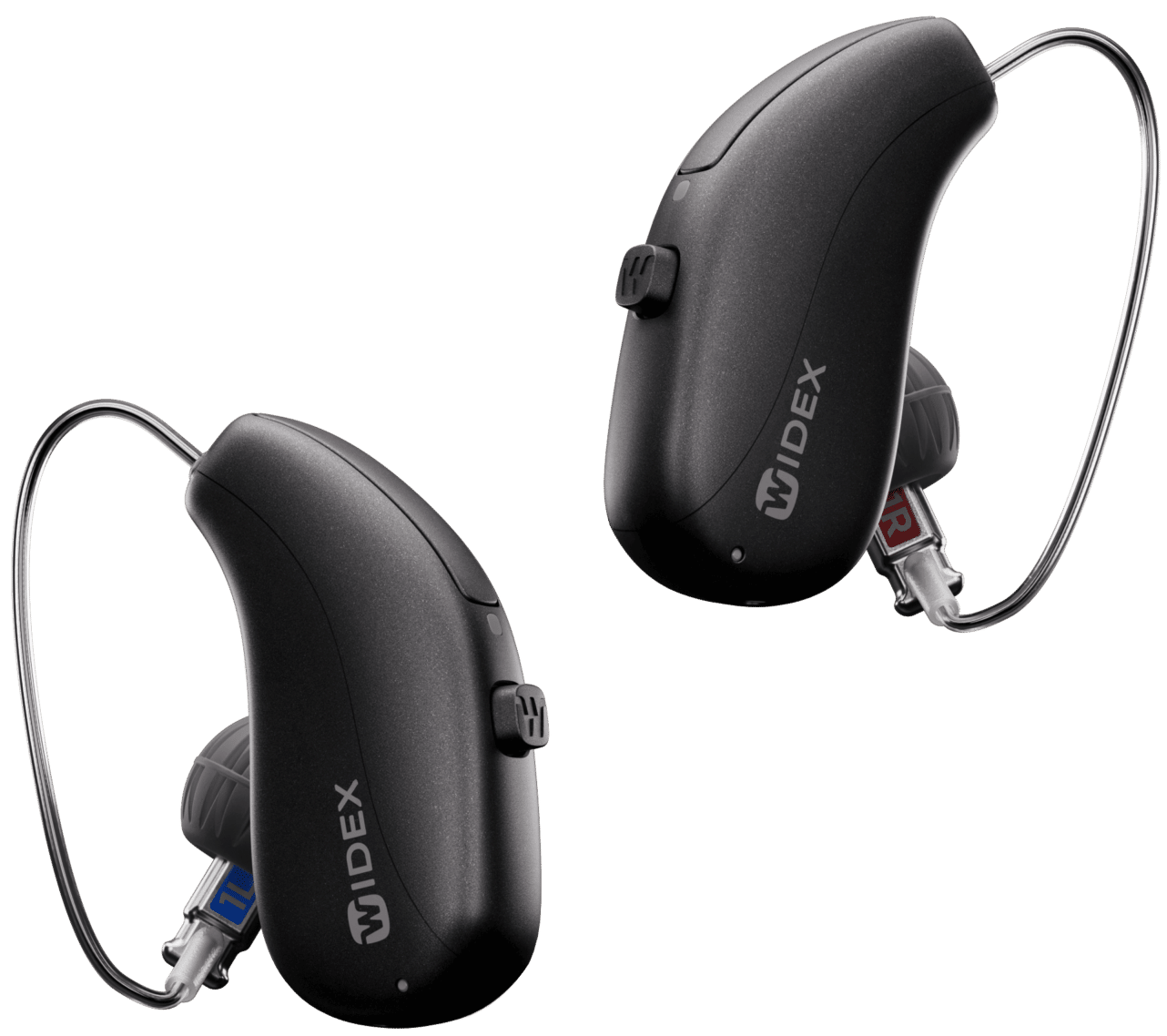
The post Earplugs for Noise Protection: Our Top Recommendations appeared first on Healthcare Marketing Service.