Categories
heathcare

Stress and Hearing Problems: Exploring Their Connection

Exploring the Impact of Stress on Hearing Health

What Are the Effects of Stress Hormones on the Auditory System?
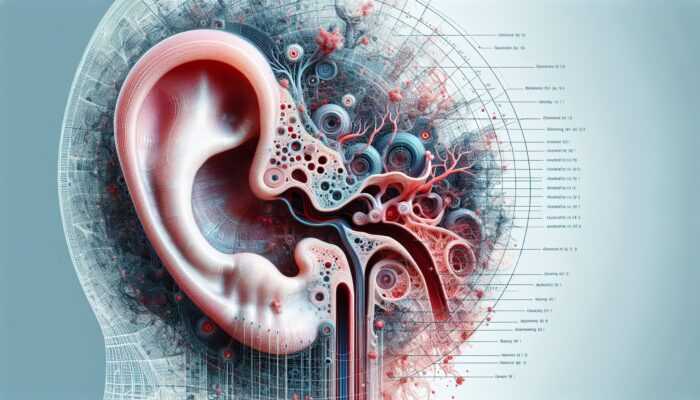
Anatomical illustration of inner ear with disrupted blood flow due to high cortisol levels, showing stress impact on hearing.

The intricate relationship between stress and hearing health is driven by the physiological responses our bodies undergo. At the heart of this connection are stress hormones, particularly cortisol. In times of significant stress, the body releases cortisol into the bloodstream, initiating a series of physiological responses, including alterations in blood flow. The inner ear, crucial for hearing, relies on a consistent blood supply for optimal functioning. Any disruption to this essential flow can exacerbate pre-existing hearing issues or even trigger new ones, underscoring the importance of understanding and managing stress to safeguard auditory health.

Research has established a direct link between prolonged exposure to elevated cortisol levels and conditions such as sensorineural hearing loss. This type of hearing loss is caused by problems within the inner ear or auditory nerve and can be worsened by inadequate blood flow and elevated stress levels. Individuals residing in high-stress environments—such as bustling urban centres or demanding workplaces—are particularly susceptible to hearing complications from these hormonal fluctuations, highlighting the necessity of addressing stress to protect hearing health.

The auditory system is highly sensitive to changes induced by stress. For example, the cochlea, an integral part of the inner ear, is particularly vulnerable to blood flow variations. Chronic stress can lead to both temporary and permanent damage. This situation has broader implications, affecting not just individuals but entire communities in high-stress environments like Tokyo, New York, or São Paulo. Gaining insight into these dynamics is vital for creating effective interventions to support hearing health in stressed populations.

How Does Muscle Tension Affect Hearing Health?

Physical manifestations of stress often present as muscle tension, which can significantly influence hearing health. Chronic stress can lead to prolonged tension in the muscles surrounding the ears and jaw, potentially aggravating hearing challenges. This muscle tension may result in a spectrum of symptoms, including discomfort, pain, and tinnitus—a persistent ringing or buzzing in the ears. Recognising these physical signs is essential for addressing the underlying causes of hearing issues.

The link between muscle strain and hearing impairment is well-established; studies indicate that individuals with elevated muscle tension often report reduced hearing sensitivity. In vibrant cities like Mumbai, where urban noise pollution compounds stress, the combination of external noise and internal tension can create conditions that facilitate hearing deterioration. It is crucial for individuals to understand how stress-related muscle strain affects their auditory health and to take proactive measures to alleviate these effects.

The consequences of muscle strain on hearing extend beyond mere discomfort. Tensed muscles can impede the functionality of the Eustachian tube, leading to pressure imbalances in the ear. Such imbalances can significantly impair hearing acuity, making it vital for individuals to identify and address signs of stress-induced muscle tension promptly. Awareness and intervention can enhance overall auditory well-being and prevent further complications.

In What Ways Does Stress Heighten Noise Sensitivity?

In a noise-saturated world, elevated stress levels can amplify sensitivity to auditory stimuli, worsening pre-existing hearing issues. Individuals under significant stress may feel overwhelmed by background noise, exacerbating conditions like hyperacusis, which is marked by an increased sensitivity to normal environmental sounds. This phenomenon highlights the necessity of understanding the psychological impacts of stress on auditory perception.

In densely populated areas, heightened sensitivity can pose significant challenges. Cities such as London or Hong Kong, renowned for their vibrant yet chaotic atmospheres, present unique difficulties for stressed individuals. Rather than adapting to their auditory environment, those experiencing stress may react more intensely, leading to anxiety and further complicating their hearing difficulties. Understanding this response is crucial for developing effective coping strategies.

The interaction between stress and noise sensitivity can impede effective communication, causing individuals to withdraw from social interactions due to discomfort with auditory overload. This withdrawal can foster feelings of isolation, adversely affecting mental health. It is essential to promote both personal strategies for managing stress and broader societal initiatives aimed at reducing environmental noise pollution to support those grappling with hearing challenges.

What Is the Relationship Between Sleep Disturbances and Hearing Function?

A person in bed, awake, with abstract sound waves and disrupted sleep pattern, illustrating stress effects on hearing.

Achieving quality sleep is essential for maintaining overall health, including optimal auditory function. stress frequently disrupts sleep patterns, leading to long-lasting repercussions on hearing recovery and health. Sleep is a critical period for bodily repair, including the restoration of the auditory system. When stress interferes with sleep, it hampers these restorative processes, potentially exacerbating hearing issues over time.

Studies show that individuals grappling with chronic stress often report significantly poorer sleep quality, which, in turn, affects cognitive function and auditory processing abilities. In a global context, the demands of modern life intensify these challenges, resulting in sleep-related auditory complications. For example, professionals in high-pressure environments in cities like Sydney or Los Angeles may find their challenges in obtaining restorative sleep due to stress negatively impacts their ability to comprehend sounds and speech throughout the day.

The connection between sleep and hearing is bidirectional; poor hearing can also contribute to sleep disturbances, creating a complex relationship that necessitates careful management. prioritising adequate rest through effective stress management techniques is vital for preserving hearing health. Understanding this dynamic encourages individuals to prioritise both sleep and stress reduction within their wellness strategies.

How Does the Immune System Affect Ear Health During Stress?

The immune system plays a crucial role in protecting ear health, and chronic stress can substantially compromise its effectiveness. When the body experiences continuous stress, it prioritises survival mechanisms, diverting resources away from essential functions, including immune defence. This shift can result in increased vulnerability to ear infections, which have well-documented adverse effects on hearing.

Globally, communities enduring prolonged stress—whether due to socio-economic conditions, conflict, or environmental stressors—tend to face heightened rates of auditory issues linked to weakened immune responses. For instance, populations in war-torn regions or those facing economic hardships frequently contend with elevated rates of infections that may result in hearing loss. This situation highlights the importance of holistic health approaches that integrate stress management and immune support.

Recognising the connection between immunity and hearing health underscores the necessity for individuals to incorporate stress management into their overall wellness strategies. By fostering a robust immune system through lifestyle changes and effective stress reduction techniques, individuals can better safeguard their auditory health from the adverse impacts of infections and inflammation.

Delving into the Psychological Aspects of Hearing Health

How Does Anxiety Influence Perceived Hearing Loss?

A person in a bustling city, covering ears, overwhelmed by anxiety and distorted sound waves representing heightened perception of hearing loss.

The psychological connection between anxiety and hearing health is significant, often leading to an exaggerated perception of hearing loss. Individuals experiencing anxiety may misinterpret their auditory experiences, believing their hearing capabilities are diminished more than they truly are. This misperception can create a self-fulfilling prophecy, where anxiety amplifies the genuine hearing difficulties faced by the individual.

Globally, this phenomenon is widespread across various cultures, where societal expectations and pressures can heighten anxiety levels. In fast-paced urban environments, the constant pursuit of performance can lead individuals to become overly critical of their hearing abilities, resulting in increased anxiety and stress. Addressing this perception of hearing loss is crucial for enhancing overall health and well-being.

Cognitive Behavioural Therapy (CBT) has proven effective in assisting individuals manage anxiety related to their hearing health. By reframing negative thought patterns and shifting their understanding of auditory health, individuals can alleviate anxiety and enhance their quality of life. Integrating psychological support into hearing care is vital for fostering resilience and improving outcomes.

Building supportive networks within communities can help alleviate anxiety associated with hearing loss. Educational initiatives focused on hearing health can cultivate an environment that encourages individuals to share their experiences and learn from one another, fostering a culture of understanding and support.

What Is Cognitive Overload and How Does It Result from Stress?

High levels of stress can lead to cognitive overload, significantly impairing the brain’s ability to process auditory information. When individuals are preoccupied with stressors, their capacity to focus on sounds diminishes, making it increasingly challenging to engage in conversations or comprehend speech. This phenomenon is particularly detrimental in social situations where auditory cues are essential for interaction.

In high-stress environments, such as South Africa or Brazil, individuals may find their auditory processing capabilities compromised. The cacophony of daily life, combined with cognitive overload, can create barriers to effective communication, leading to frustration and feelings of isolation. Addressing these issues is crucial for enhancing auditory health in stressed populations.

Research indicates that stress adversely affects working memory, a vital component for following conversations and understanding complex auditory inputs. For many individuals, this decline in cognitive function leads to withdrawal from social interactions, as they feel overwhelmed or incapable of participating in verbal exchanges. Effective stress management techniques, such as mindfulness and relaxation exercises, can help individuals regain cognitive clarity and improve auditory processing, ultimately enhancing their social experiences.

How Does Emotional Distress Affect Hearing Aid Use?

Emotional distress can create significant barriers to the effective use of hearing aids, complicating the challenges associated with hearing loss. Individuals experiencing stress or anxiety may hesitate to utilise hearing aids, fearing stigma or unwanted attention regarding their auditory difficulties. This reluctance can lead to a detrimental cycle, where the lack of auditory amplification exacerbates feelings of isolation and frustration.

Globally, perceptions surrounding hearing aids vary widely. In some cultures, wearing hearing aids carries a stigma that contributes to emotional distress for those who need them. This stigma can deter individuals from seeking the assistance they require, further deteriorating their auditory health and overall well-being. Addressing these emotional aspects is crucial for improving hearing aid acceptance and outcomes.

Audiologists and hearing care professionals play a vital role in providing compassionate support and counselling to encourage acceptance of hearing aids. Community education initiatives can also help normalise the use of hearing aids, fostering a more inclusive atmosphere for individuals experiencing hearing loss. Creating supportive environments where individuals feel comfortable discussing their hearing challenges can alleviate emotional distress and promote better utilisation of hearing aids.

What Are the Effects of Depression on Auditory Processing?

Depression can severely impair auditory processing, complicating the ability to comprehend speech and sounds. Individuals battling depression often experience cognitive deficits that hinder their capacity to interpret auditory information effectively. This creates a frustrating feedback loop, where difficulties in hearing lead to social withdrawal and further exacerbate depressive symptoms.

Research indicates that individuals in regions facing economic instability or social challenges, such as parts of Eastern Europe or South America, may experience higher rates of both depression and auditory processing issues. The intersection of these challenges highlights the urgent need for comprehensive approaches that address both mental health and hearing care.

Treatment strategies that tackle both auditory processing and emotional health are crucial for effective care. Multi-disciplinary approaches involving audiologists, psychologists, and mental health professionals can provide holistic support that addresses the complex needs of individuals struggling with both hearing loss and mental health challenges. community support systems can empower individuals to seek help by fostering a culture of understanding and empathy.

How Does Social Isolation Contribute to Hearing Decline?

Social isolation is a significant factor that accelerates hearing decline, particularly among individuals experiencing stress. When people withdraw from social interactions due to hearing challenges, they miss out on essential auditory stimulation, which is vital for maintaining hearing capabilities. This isolation can lead to decreased cognitive engagement, further compounding hearing difficulties.

Globally, social isolation is a pressing issue, especially among ageing populations or communities facing socio-economic challenges. In rural areas of India or remote regions of Canada, individuals often struggle with limited access to auditory health resources and social support, resulting in accelerated hearing decline. Strategies to combat this trend are essential for enhancing social connections and auditory health.

Fostering social connections is crucial in mitigating the effects of isolation. Community programmes that encourage interaction among individuals with hearing loss can significantly improve overall well-being. leveraging technology, such as video conferencing and social media, can create virtual platforms for connection, allowing individuals to engage despite physical barriers. Education plays a vital role in reducing isolation; awareness campaigns highlighting the importance of social interaction for hearing health can motivate individuals to seek help and engage with their peers.

Investigating Lifestyle Factors That Impact Hearing Health

What Are the Effects of Sleep Deprivation on Hearing?

The negative effects of sleep deprivation on hearing health are profound. Chronic lack of sleep, often heightened by stress, can lead to significant auditory problems by impairing both auditory function and overall health. Sleep is a restorative process essential for cellular repair and maintaining cognitive functions, including auditory processing, making its quality vital for hearing health.

Research shows that individuals experiencing chronic sleep deprivation often report increased hearing difficulties. Key physiological processes that support auditory health, including critical brain functions involved in sound interpretation, are adversely affected by inadequate rest. This connection underscores the necessity of prioritising sleep as a vital component of hearing health.

Globally, lifestyle factors contributing to sleep deprivation differ widely. In bustling urban environments like Tokyo or New York, the demands of work and social life frequently lead individuals to sacrifice sleep, inadvertently harming their auditory health. In contrast, cultural practices that promote rest in other regions may enhance sleep hygiene and, consequently, lead to better hearing outcomes.

To combat the adverse effects of sleep deprivation on hearing, individuals should adopt strategies that promote restorative sleep. Establishing a calming bedtime routine, minimising screen time before sleep, and managing stress levels can all contribute to improved sleep quality. By prioritising sleep as part of a holistic approach to hearing health, individuals can achieve significant benefits for their auditory function.

How Does Diet Affect Stress-Related Hearing Issues?

A well-balanced diet is crucial for overall health, including auditory function. Stress often drives individuals to make poor dietary choices, resulting in nutritional deficiencies that can negatively impact hearing health. Diets rich in processed foods and sugars can lead to inflammation, which is detrimental to the auditory system and can worsen hearing problems.

Certain nutrients are particularly important for maintaining auditory health. For example, omega-3 fatty acids are essential for reducing inflammation and supporting cellular function within the auditory system. antioxidants found in fruits and vegetables help combat oxidative stress, which can damage hearing structures. Recognising the importance of diet in auditory health is critical for addressing stress-related hearing issues.

Globally, dietary habits vary significantly, influencing hearing health in diverse ways. In Mediterranean regions, traditional diets rich in fish, nuts, and vegetables may contribute to better hearing outcomes compared to the processed food-heavy diets common in industrialised nations. Individuals looking to improve their auditory health should prioritise a balanced diet that incorporates essential nutrients to mitigate the negative effects of stress on dietary choices. Community initiatives that promote healthy eating can foster collective efforts to enhance overall health, including auditory function.

What Are the Benefits of Exercise for Stress Management and Hearing Health?

Regular exercise is a powerful tool for managing stress and, in turn, supporting hearing health. Engaging in physical activity has been shown to significantly reduce stress levels, enhance mood, and promote overall well-being. By alleviating stress, individuals can also diminish its negative impacts on hearing, making exercise an essential element of a healthy lifestyle.

The advantages of exercise extend beyond stress reduction. Physical activity enhances blood circulation, which is vital for delivering oxygen and nutrients to the inner ear. This improved circulation can promote auditory health and help combat the physical manifestations of stress on hearing. Emphasising the importance of regular exercise is crucial for maintaining optimal hearing function.

Globally, exercise practices vary widely, from yoga in India to jogging in urban parks across Europe. Regardless of the form, incorporating regular physical activity into one’s routine can yield significant benefits for both mental and auditory health. Communities that promote active lifestyles and provide accessible exercise facilities can foster healthier populations and contribute to improved hearing health outcomes.

Individuals should aim to engage in at least 150 minutes of moderate exercise each week. Whether through group classes, outdoor activities, or solo workouts, finding enjoyable methods to stay active can significantly influence stress management and hearing health. By prioritising physical activity, individuals can create a positive feedback loop that supports their overall well-being, including auditory function.

Tackling Social and Environmental Factors

What Are the Effects of Social Isolation Due to Stress?

Social isolation, often exacerbated by stress, poses significant risks to hearing health. Individuals experiencing elevated stress levels may withdraw from social engagements, leading to a lack of auditory stimulation that is crucial for maintaining hearing capabilities. This isolation can compound feelings of loneliness, creating a detrimental cycle that impacts both mental health and auditory function.

Globally, the impacts of social isolation can be particularly pronounced in specific communities. In many developing countries, individuals may lack access to hearing health resources, further isolating them when they face hearing difficulties. The absence of social connections can accelerate auditory decline, as reduced interactions limit opportunities for cognitive engagement and auditory processing. Addressing this issue necessitates community-focused strategies that promote social interaction and connectivity.

Initiatives connecting individuals experiencing hearing loss with social networks can significantly improve their overall well-being. Leveraging technology to facilitate communication can also bridge gaps for those unable to engage in person. Awareness campaigns highlighting the importance of social interaction for hearing health can foster more supportive environments, encouraging inclusive practices that reduce the stigma surrounding hearing loss.

How Does Environmental Noise Pollution Affect Stress?

Environmental noise pollution can significantly intensify stress and adversely affect hearing health. Individuals residing in high-noise areas may experience increased sensitivity to sounds, leading to heightened stress levels and auditory discomfort. Understanding this relationship is vital for effectively addressing hearing health and mitigating the effects of environmental factors.

Globally, urban centres are often characterised by elevated noise levels from traffic, construction, and social activities. In cities like Mumbai or New York, the constant onslaught of sound can create an overwhelming atmosphere, contributing to increased anxiety and stress. These conditions can adversely affect not only mental health but also lead to auditory decline over time, making it imperative to consider noise reduction strategies.

Individuals can implement sound management strategies to counteract the adverse effects of environmental noise. Utilising noise-cancelling headphones, creating quiet personal spaces, and advocating for policies aimed at noise reduction can help alleviate stress. Community initiatives focused on minimising environmental noise can also foster healthier auditory environments, promoting well-being for residents.

Raising awareness about the impact of noise pollution on both mental and auditory health is crucial. By educating communities about the significance of quieter environments, individuals can become advocates for supportive spaces that enhance overall health and well-being.

What Are the Risks of Workplace Stress on Hearing Safety?

High levels of workplace stress can lead to negligence regarding hearing protection, increasing the risk of auditory damage. In industries such as construction, manufacturing, and entertainment, exposure to high decibel levels can severely impact hearing health. When stress levels rise, individuals may overlook essential safety protocols, resulting in long-term consequences for their auditory function.

Globally, workplace cultures vary, influencing the emphasis placed on hearing safety. In some regions, stringent regulations and practices exist to protect workers from noise-induced hearing loss. Conversely, areas with limited resources or enforcement, such as parts of Southeast Asia, may expose workers to significant risks without adequate protection. Employers must prioritise stress management alongside occupational health to foster a culture of hearing safety.

Implementing regular training on hearing conservation, providing access to hearing protection, and promoting a supportive workplace environment can significantly reduce risks. Employees should also be encouraged to communicate their needs regarding hearing protection and stress management. By creating open channels for dialogue, companies can cultivate a culture of safety and well-being that ultimately contributes to better auditory health outcomes.

Investigating Medical and Therapeutic Solutions

What Are Effective Stress Management Techniques for Hearing Health?

Implementing effective stress management techniques can significantly bolster hearing health. Strategies such as mindfulness, meditation, and deep breathing exercises help individuals manage stress, potentially benefiting their auditory well-being. These practices can lower cortisol levels and promote relaxation, enhancing overall health while supporting hearing function.

Globally, various cultures have developed unique approaches to stress management. For instance, in Japan, the practice of Shinrin-yoku, or forest bathing, emphasises the therapeutic benefits of nature, illustrating a powerful method for reducing stress levels and improving both mental health and auditory function. Incorporating these practices into daily routines can yield profound benefits for hearing health.

Individuals should explore diverse stress management techniques to discover what resonates with them, whether it be yoga, tai chi, or mindfulness meditation. Community programmes offering workshops on stress reduction can provide resources and support for individuals seeking to enhance their well-being. By prioritising stress management in daily life, individuals can significantly improve their auditory health outcomes.

What Are the Medical Interventions for Stress Management?

While medical interventions for stress, including medications, can offer relief, they may also carry side effects that impact hearing health. Certain prescription medications, particularly those affecting neurotransmitters, can have auditory consequences. It is essential for individuals to engage in discussions with their healthcare providers regarding potential side effects and hearing implications.

Globally, access to mental health resources varies significantly, impacting individuals’ options for managing stress effectively. In countries with robust healthcare systems, individuals may have access to various therapies and medications. in regions with limited resources, such as parts of Africa or Central America, individuals may encounter challenges in obtaining effective treatment for stress-related issues.

When considering medical interventions, individuals should carefully weigh the benefits and potential risks. Seeking guidance from healthcare professionals and audiologists can empower individuals to make informed decisions regarding stress management options that prioritise both mental health and auditory function. educating individuals about the potential impact of medications on hearing can help them advocate for their health effectively.

What Is the Essential Role of Audiologists in Hearing Health?

Audiologists play a critical role in addressing hearing issues exacerbated by stress. These professionals offer expert guidance on auditory health, helping individuals navigate the complexities of hearing loss and its psychological aspects. By addressing both auditory and emotional dimensions, audiologists can provide comprehensive care that enhances overall well-being.

Globally, access to audiological services varies, yet the need for support remains universal. In developed countries, audiologists often collaborate with mental health professionals to provide holistic care, while individuals in underserved regions may lack access to such valuable resources, highlighting the need for increased awareness and support for hearing health initiatives.

Audiologists also offer tailored solutions for managing hearing loss related to stress. This may include counselling on hearing aid usage, strategies for coping with auditory overload, and recommendations for stress management techniques tailored to individual needs. Community outreach initiatives can enhance access to audiological services, empowering individuals to take charge of their auditory health and well-being.

How Can Cognitive Behavioural Therapy Benefit Hearing Health?

Cognitive Behavioural Therapy (CBT) has gained recognition as an effective strategy for managing stress and anxiety, which may indirectly support hearing health. CBT focuses on changing negative thought patterns and promoting healthier coping mechanisms, helping individuals combat the emotional toll associated with hearing loss. This therapeutic approach can provide valuable tools for individuals seeking to improve their mental well-being and auditory function.

Globally, the implementation of CBT varies, with accessibility impacted by cultural attitudes towards mental health. In some regions, such as Northern Europe, CBT is widely available and integrated into healthcare systems. Conversely, in areas where mental health remains stigmatized, individuals may struggle to access these essential resources. Fostering a culture of acceptance and understanding is crucial for enhancing access to therapeutic interventions.

For individuals experiencing stress and anxiety related to hearing loss, CBT can offer valuable tools for reframing their perceptions and building resilience. community programmes that provide CBT workshops can empower individuals to engage proactively with their mental health, promoting positive outcomes for both hearing and emotional well-being.

What Nutritional Approaches Support Stress Relief?

A balanced diet rich in specific nutrients can significantly aid in stress reduction and overall well-being, including auditory function. Nutritional choices play a critical role in managing stress, as certain foods can influence cortisol levels and promote relaxation. Understanding the dietary factors that contribute to stress management is essential for maintaining auditory health.

Globally, dietary patterns differ widely, affecting individuals’ abilities to manage stress effectively. In cultures that prioritise fresh produce, whole grains, and healthy fats, individuals may experience lower stress levels and improved auditory health. In contrast, regions dominated by processed foods may see higher stress levels and associated health challenges. Promoting holistic approaches to nutrition can foster overall health and well-being.

Individuals looking to enhance their stress management through nutrition should focus on incorporating foods rich in omega-3 fatty acids, antioxidants, and other essential nutrients. Building a diverse, nutrient-rich diet can not only support mental health but also contribute to better auditory function. Community initiatives that promote healthy eating and nutritional education can play a vital role in fostering overall health and enhancing auditory outcomes.

Understanding the Cycle of Stress and Hearing Loss

How Does Stress Exacerbate Hearing Loss?

The interplay between stress and hearing loss creates a cycle where each factor exacerbates the other. Stress can directly worsen hearing loss by influencing physiological processes that support auditory health, while hearing loss can elevate stress levels, further deteriorating overall well-being. This cycle is particularly pronounced in high-stress environments, where individuals may become increasingly susceptible to auditory issues.

Research suggests that individuals experiencing chronic stress often report heightened sensitivity to noise, which can lead to increased discomfort and frustration in social situations. As stress levels rise, the brain’s ability to process auditory information declines, creating a scenario where hearing difficulties worsen. Understanding this dynamic is essential for developing effective interventions that simultaneously address both stress and auditory health.

Globally, the implications of this cycle are significant. In densely populated urban areas, where stress levels are typically elevated, individuals may find themselves trapped in a loop of stress and hearing decline. To break this cycle, it is crucial for individuals to prioritise stress management techniques alongside comprehensive hearing care. By fostering resilience and accessing resources such as counselling and audiological support, individuals can disrupt the negative feedback loop and improve their overall health.

What Is the Impact of Hearing Loss on Stress Levels?

Conversely, hearing loss can significantly raise stress levels, creating a challenging dynamic that compounds the difficulties individuals face. The inability to communicate effectively can lead to feelings of frustration, isolation, and anxiety, further exacerbating the impact of stress on overall health. This relationship underscores the importance of addressing both hearing health and stress management simultaneously.

Globally, the stigma surrounding hearing loss can also contribute to increased stress. Individuals may feel embarrassed or self-conscious about their hearing difficulties, leading to social withdrawal and heightened anxiety levels. In cultures where communication is highly valued, the effects of hearing loss can be particularly pronounced, emphasising the need for supportive environments and open discussions surrounding auditory health.

Addressing this aspect of the cycle requires a multifaceted approach. Encouraging open dialogues about hearing loss and fostering supportive environments can help individuals feel less isolated. Community initiatives aimed at raising awareness about auditory health and reducing stigma can foster greater acceptance and understanding. Providing access to resources such as hearing aids and audiological support can empower individuals to manage their hearing loss effectively, breaking free from the cycle of stress and auditory decline.

What Strategies Can Help Break the Cycle?

Breaking the cycle of stress and hearing loss necessitates a comprehensive approach that addresses both factors simultaneously. Individuals must recognise the interplay between stress management and auditory health, seeking resources and support that facilitate positive outcomes. Strategies to disrupt this cycle include implementing stress management techniques, engaging in regular physical activity, and fostering social connections.

Globally, communities can play a vital role in providing education and resources to support individuals facing stress and hearing challenges. Initiatives promoting awareness and understanding can empower individuals to seek help and embrace solutions that improve both their mental health and auditory function. Healthcare professionals must adopt a holistic approach to care, recognising the interconnectedness of these factors to offer comprehensive support that enhances overall well-being.

How Important Is Professional Support?

Seeking professional assistance from audiologists and therapists can provide tailored solutions for effectively managing both stress and hearing loss. These professionals are equipped to address the complexities of auditory health and the psychological aspects associated with stress. Their expertise can facilitate comprehensive care that promotes better outcomes for individuals.

Globally, access to audiological and mental health services varies significantly. In some regions, individuals may have robust access to multidisciplinary care, while in others, limitations may hinder their ability to receive essential support. Advocating for comprehensive services is crucial to ensure individuals can access the resources they need to improve their auditory health and overall well-being.

Audiologists can offer strategies for coping with hearing loss, while therapists provide tools for managing stress and anxiety. This collaborative approach allows individuals to tackle both aspects of their health effectively, fostering a comprehensive understanding of their unique challenges. Community initiatives that connect individuals with hearing health resources can enhance access to support and empower individuals to seek help for their auditory health needs.

Implementing Preventive Measures and Early Interventions

What Are Effective Stress Reduction Strategies for Hearing Health?

Implementing effective stress reduction strategies is pivotal in preventing the worsening of hearing problems. Individuals must prioritise self-care practices that promote relaxation and resilience against stress. Techniques such as mindfulness, yoga, and deep breathing exercises can all contribute to lowering stress levels while supporting auditory health.

Globally, the adoption of stress reduction practices varies. Cultures that emphasise wellness and holistic health approaches often have more resources available, while others may need to integrate these practices into daily life. Emphasising the importance of stress management across diverse communities can foster a more widespread understanding of its impact on hearing health.

Individuals should explore various stress reduction techniques to find what resonates with them personally. By incorporating these practices into daily routines and prioritising self-care, individuals can enhance their overall well-being, reducing the risk of compromising their auditory health. Community initiatives promoting wellness and stress management can create supportive environments that empower individuals to take charge of their health proactively.

Why Are Regular Hearing Check-Ups Important?

Regular hearing check-ups are essential for early intervention and preventing hearing problems exacerbated by stress. Individuals should prioritise routine audiological evaluations to monitor their hearing health and address any issues before they escalate into more significant concerns. Proactive measures are crucial for maintaining auditory health and overall well-being.

Globally, access to audiological services varies, impacting individuals’ ability to seek routine check-ups. In regions with limited healthcare resources, individuals may overlook the importance of hearing assessments. Advocating for increased access to audiological care is vital for promoting auditory health across diverse communities, ensuring that everyone has the opportunity to maintain their hearing health effectively.

By prioritising regular check-ups, individuals can stay informed about their auditory health and receive personalised recommendations for managing stress-related issues. Audiologists can provide valuable insights on coping strategies and support, helping individuals navigate the complexities of hearing health in the context of stress. Community outreach programmes that promote awareness of the importance of hearing health can foster a culture of proactive care, encouraging individuals to prioritise their auditory well-being.

Frequently Asked Questions Regarding Stress and Hearing Health

What effects does stress have on hearing health?

Stress can negatively impact hearing health by triggering hormonal changes, causing muscle tension, and increasing noise sensitivity, all of which can lead to a decline in auditory function.

Can anxiety worsen the perception of hearing loss?

Yes, anxiety can amplify the perception of hearing loss, leading individuals to feel their condition is worse than it is, often resulting in increased stress and social isolation.

What role does sleep play in maintaining auditory health?

Quality sleep is essential for auditory health, as sleep disturbances caused by stress can impair the body’s ability to recover and maintain hearing function over time.

How can diet influence auditory health?

A balanced diet rich in nutrients supports auditory function and can help mitigate the effects of stress on hearing health by preventing nutritional deficiencies that may affect hearing.

Which stress management techniques are most effective for supporting hearing health?

Techniques such as mindfulness, meditation, and regular physical activity can effectively manage stress levels and support overall auditory well-being, enhancing hearing health.

How does social isolation impact hearing loss?

Social isolation can accelerate hearing decline by reducing auditory stimulation and opportunities for communication, which can negatively impact both mental health and auditory function.

Why are regular hearing check-ups crucial?

Regular hearing check-ups are essential for monitoring auditory health, addressing issues early on, and receiving tailored recommendations for effectively managing stress and its effects on hearing.

What is the connection between stress and cognitive overload?

High stress levels can lead to cognitive overload, impairing the brain’s ability to process auditory information and increasing difficulties in communication and understanding.

How can audiologists assist with stress-related hearing issues?

Audiologists provide expert guidance on managing hearing loss exacerbated by stress, offering resources, strategies, and support for improved auditory health outcomes.

Can community initiatives play a role in supporting hearing health?

Yes, community initiatives that promote awareness, resources, and support can foster environments that enhance auditory health and reduce stigma associated with hearing loss.

Explore our world on X!

The post Stress and Hearing Problems: A Universal Insight into Their Link appeared first on The Microsuction Ear Wax Removal Network.


Categories
heathcare

Hearing Damage Prevention: Key Fireworks Safety Tips

Understanding the Link Between Fireworks and Hearing Loss Risks

Fireworks are a thrilling aspect of cultural celebrations worldwide, yet the potential risks to our hearing often go unnoticed. The loud explosive noises created during these displays can reach hazardous decibel levels, posing severe threats to our auditory health. It is crucial to comprehend how these vibrant festivities can adversely affect our hearing, especially for those who frequently attend firework shows. By increasing awareness about the associated dangers, we can implement measures to safeguard our hearing while still enjoying the excitement that fireworks contribute to our celebrations.

How Do Fireworks Cause Hearing Damage?

The deafening blasts from fireworks produce a chaotic array of sounds that can reach perilously high decibel levels. The explosive reactions within fireworks generate intense noise due to the swift expansion of gases, which creates sound waves. The delicate structures of the inner ear, tasked with converting sound vibrations into signals for the brain, are particularly susceptible to damage from these intense auditory phenomena. Even a single exposure to the explosive sounds of fireworks can lead to a temporary threshold shift, where an individual temporarily experiences a decline in hearing ability. With frequent or prolonged exposure, the risk escalates to permanent hearing loss, as the intricate hair cells in the inner ear may suffer irreversible harm. This risk is significantly higher for those situated close to the explosions, where decibel levels can reach unsafe limits.

Decibel Levels and Sound Science: Assessing the Risks

Understanding the principles of sound is vital for grasping the dangers associated with fireworks. Sound intensity is measured in decibels (dB), and it is widely recognised that sounds exceeding 85 dB can threaten hearing health. Fireworks often exceed 140 dB, a level capable of causing immediate damage to hearing receptors. The logarithmic nature of sound intensity means that an increase of 10 dB indicates a tenfold rise in sound intensity. This stark contrast underscores the difference in sound intensity between everyday sounds, like normal conversation at around 60 dB, and the explosive sounds of fireworks. Raising awareness about these sound levels empowers individuals to make informed decisions regarding their exposure to fireworks, particularly during public celebrations and events with large crowds.

What Are the Long-Term Effects of Fireworks Exposure?

Continuous exposure to the loud sounds produced by fireworks can lead to immediate discomfort and may also result in cumulative long-term effects. Over time, individuals may experience progressive hearing loss, often without realising it until significant auditory damage has occurred. Audiologists have observed that chronic exposure to high-decibel environments, including those created by fireworks, can gradually diminish hearing ability. this risk can be exacerbated by various factors such as age, pre-existing health conditions, and genetic predispositions. The dangers are particularly pronounced for individuals residing in busy urban areas where fireworks displays occur frequently.

Practical Measures to Prevent Hearing Loss from Fireworks

Family at a safe distance from fireworks, wearing colourful ear protection, children adjusting earplugs, vibrant night sky.

Taking proactive measures to prevent hearing damage from fireworks starts with awareness. Using ear protection, such as specialised earplugs or earmuffs designed for high-decibel environments, can dramatically reduce the risks associated with loud sounds. Maintaining a safe distance from the fireworks launch site is equally critical; the further you are from the source of the explosions, the less intense the sounds will be. limiting exposure duration is essential for protecting hearing health. For families with children, instilling ear protection habits from a young age can encourage lifelong practices that safeguard their auditory well-being.

Steps to Prepare for Safe Fireworks Viewing

Preparation plays a crucial role in ensuring a responsible and enjoyable fireworks experience. By implementing preventive measures in advance, individuals can significantly reduce the chances of experiencing hearing damage.

How to Choose the Right Ear Protection for Fireworks Events

Selecting appropriate ear protection is vital in preventing hearing damage from fireworks. Choosing earplugs specifically designed for high-decibel situations can significantly reduce sound intensity while allowing you to enjoy the visual spectacle. Earmuffs, particularly those rated for use at concerts or loud events, provide an additional layer of protection. Ensuring a proper fit is essential; poorly fitting ear protection may compromise its effectiveness. A range of options is available, from disposable foam earplugs to reusable silicone alternatives, catering to different comfort preferences and needs. The selection should be based on anticipated noise levels and personal comfort to guarantee maximum protection.

Key Considerations for Preparing for Fireworks Events

Family at fireworks display, using blankets, chairs, earplugs, and earmuffs for safety.

When planning to attend fireworks displays, thorough preparation is essential for ensuring safety. Evaluating your distance from the fireworks is critical; the closer you are, the louder the noise will be. Arriving early allows you to secure a prime viewing spot that is also at a safe distance from the launch site. having ear protection readily accessible is crucial; packing extra earplugs or earmuffs ensures that you or others can easily access protection if needed. Anticipating the event’s noise level based on the types of fireworks being used can further assist in making informed decisions regarding protective measures.

How to Educate Family and Friends About Fireworks Safety

Raising awareness about the necessity of ear protection during fireworks events is vital. Many individuals underestimate the potential harm that loud noises can inflict on hearing health. Encourage family members and friends to prioritise ear protection and engage them in discussions regarding the risks associated with fireworks displays. It is particularly important to teach children about the need for protective gear in an enjoyable and engaging manner. By fostering a culture of safety and awareness around fireworks, we can ensure a more enjoyable experience for everyone involved while safeguarding their hearing.

Prioritising Safety During Fireworks Displays

As the fireworks illuminate the sky, maintaining safety and awareness is of utmost importance. Following specific guidelines can significantly reduce the risk of hearing damage during these exhilarating displays.

Why Maintaining a Safe Distance from Fireworks is Crucial

One of the most effective strategies for protecting your hearing while enjoying fireworks is to maintain a safe distance from the display. Sound intensity decreases with distance, making it vital to position yourself away from the launch site to significantly lower noise levels. While many individuals may prefer to sit closer for a better view, prioritising safety over spectacle is essential. Large public fireworks displays typically have designated viewing areas that are both enjoyable and safe. Familiarising yourself with the venue layout can enhance your experience while shielding you from the harmful effects of loud sounds.

How to Properly Use Ear Protection During Fireworks

Even the best ear protection can fail if not used correctly. If you choose earplugs, ensure they are inserted deeply enough to adequately block sound without causing discomfort. Earmuffs should fit snugly over the ears to create an effective seal. For families, educating children on how to wear ear protection correctly is crucial to ensure they benefit fully from these safety measures. Always verify the noise reduction rating (NRR) of your protective gear to confirm it meets the necessary standards for high-decibel environments like fireworks displays.

Monitoring Children’s Exposure to Fireworks Noise

Children are particularly vulnerable to hearing damage from fireworks. It is vital to ensure that young ones are equipped with ear protection and that their usage is actively supervised. Kids may not fully comprehend the importance of keeping their ear protection in place, so involving them in discussions about the significance of noise safety can foster understanding. Parents should set a positive example by wearing their protective gear and demonstrating its importance. Designating an area where children can safely enjoy the show while being distanced from the noise can also be beneficial.

Informing Event Attendees About Safety Protocols

To individual preparations, educating all attendees about safety protocols is critical to enhancing the collective experience. Discussing appropriate standing areas, behaviour during emergencies, and the importance of following instructions from event organisers can foster a safer environment. Cultivating an understanding of the risks associated with fireworks among all participants empowers individuals to make informed choices about their health and enjoyment, ultimately leading to a more responsible attitude towards fireworks displays.

After-Event Care: Assessing Your Hearing Health

Once the fireworks have concluded, it is crucial to evaluate any potential impacts on your hearing health. Being proactive about after-event care can significantly influence your auditory well-being.

How to Identify Symptoms of Hearing Damage After Fireworks

After attending a fireworks display, it is essential to remain vigilant for any signs of hearing damage. Symptoms such as ringing in the ears, known as tinnitus, or experiencing muffled hearing can indicate that your auditory system has been compromised. In some cases, individuals may experience temporary discomfort that may subside within a few hours. being mindful of these symptoms and taking them seriously is vital for protecting long-term hearing health. If any symptoms persist, it is essential to seek medical attention to address potential issues.

Why Seeking Medical Attention for Hearing Issues is Important

If you experience ongoing hearing problems following a fireworks event, consulting a healthcare professional is vital. Audiologists can perform comprehensive hearing assessments to evaluate the extent of any damage and recommend suitable treatment options. Early intervention is crucial in preventing long-term consequences, as certain hearing issues may be reversible if addressed promptly. Prioritising your hearing health is essential, and seeking assistance can reduce the risk of further complications.

How to Allow Your Ears to Rest After Loud Noises

Following exposure to loud noises, allowing your ears sufficient time to recover is essential. This involves avoiding further exposure to loud sounds during your recovery period. Whether by steering clear of loud music, avoiding crowded events, or simply enjoying quiet time at home, giving your ears a break can significantly aid in the recovery process. Simple practices, like spending time in quieter environments, can help restore your hearing health over time and prevent further complications.

Commitment to Using Protective Measures for Future Events

To ensure the safety of your hearing during future fireworks displays and other loud events, it is crucial to commit to consistently using ear protection. Whether you opt for earplugs or earmuffs, being diligent about wearing them can cultivate sustainable habits that protect your auditory health. advocating for safe practices within your community can help raise awareness and encourage others to prioritise hearing safety, ultimately fostering a culture that values auditory health during celebratory events.

Exploring Safer Alternatives to Traditional Fireworks Displays

As awareness of the risks associated with fireworks grows, exploring alternatives to traditional fireworks becomes increasingly vital. Innovations in entertainment can provide thrilling experiences while prioritising hearing safety.

What Are the Quieter Fireworks Options for Safer Celebrations?

Not all fireworks need to be loud to be enjoyable. Quieter fireworks options are becoming more popular, providing a balanced approach between visual excitement and auditory safety. These displays produce significantly less noise while still offering a stunning visual experience. For those who appreciate the beauty of fireworks but are concerned about potential hearing damage, quieter alternatives like low-noise fireworks represent an excellent solution. Communities can consider incorporating these safer options into their fireworks shows, leading to enhanced enjoyment for everyone.

How Do Laser Light Shows Engage Audiences Without Noise?

Laser light shows present an exciting and visually captivating alternative to traditional fireworks. These stunning displays create remarkable visual effects without the accompanying loud sounds typical of pyrotechnics. Increasingly popular at festivals and events worldwide, laser light shows feature vibrant colours and mesmerizing designs that captivate audiences of all ages. As communities strive to provide engaging visual experiences, laser light shows can serve as a sustainable option that minimises the risk of hearing damage from fireworks.

What Are Innovative Drone Displays and Their Benefits?

Cutting-edge drone displays are emerging as a unique and quiet alternative to fireworks. By utilising coordinated drones equipped with LED technology, these shows can create intricate patterns and dazzling visuals in the night sky without the loud explosions characteristic of traditional fireworks. Drone displays offer an environmentally friendly and safe alternative that is gaining traction globally. As technology advances, embracing such innovative options can provide spectacular experiences while prioritising the protection of hearing health.

Fostering Community Awareness About Fireworks and Hearing Safety

Raising awareness about the risks associated with fireworks is essential for developing a culture of safety. Communities play a crucial role in advocating for responsible fireworks practices.

How Can Communities Promote Safe Fireworks Practices?

Local organisations and community leaders can initiate initiatives to promote safe fireworks practices. These efforts can include public campaigns emphasising the importance of using ear protection and maintaining safe distances from fireworks displays. Community events can serve as platforms for educating residents about the risks of hearing damage from fireworks, ensuring that everyone is informed and prepared. By fostering awareness at the community level, we can create a safer environment for all.

How Can Hearing Health Education Empower the Public?

Educational programmes focused on hearing health can empower individuals to take proactive steps to protect their hearing. Workshops, informational brochures, and community seminars can provide valuable insights into the importance of hearing protection during fireworks events and other loud environments. Collaborating with health professionals and audiologists can enhance the credibility of these programmes and help dispel misconceptions about noise exposure. Raising awareness about hearing health on a broader scale can lead to significant improvements in public understanding and behaviour.

What Is the Role of Community Leaders in Advocating Responsible Fireworks Use?

Community leaders can advocate for responsible fireworks use by promoting local regulations that limit fireworks usage or mandate safety measures during public displays. By initiating discussions about the implications of fireworks on hearing health, communities can champion safer alternatives and best practices. Encouraging participation in community-led initiatives can foster a sense of responsibility among residents, emphasising the importance of protecting not only their own hearing but also that of their neighbours and loved ones.

How to Create a Culture of Safety Around Fireworks Displays?

Establishing a culture of safety surrounding fireworks requires collaboration among various stakeholders, including event organisers, community leaders, and the public. Encouraging open discussions about the risks associated with loud noises can lead to more informed and cautious approaches to fireworks displays. As communities unite to prioritise hearing safety and awareness, their collective efforts can ultimately create a safer environment for everyone involved.

Frequently Asked Questions About Fireworks and Hearing Safety

What are the typical decibel levels of fireworks?

Fireworks generally exceed 140 decibels, which can result in immediate hearing damage upon exposure.

What measures can I take to prevent hearing damage when attending fireworks?

Utilising earplugs or earmuffs, maintaining a safe distance from the display, and limiting your exposure time can significantly lower the chances of hearing damage.

Are there quieter fireworks options available?

Indeed, there are quieter fireworks alternatives designed to minimise noise while still offering an impressive visual display.

What should I do if I experience ringing in my ears after a fireworks event?

If you notice persistent ringing or discomfort in your ears following fireworks, it is advisable to consult a healthcare professional for a thorough evaluation.

Are laser light shows considered safe alternatives to traditional fireworks?

Absolutely! Laser light shows provide an impressive visual experience without the loud noise commonly associated with traditional fireworks.

How can I select the appropriate ear protection for fireworks events?

Look for earplugs or earmuffs specifically designed for high-decibel environments, ensuring they fit snugly for optimal protection.

Is it safe for children to use ear protection during fireworks displays?

Yes, children should wear ear protection during fireworks displays, and parents should supervise to ensure they are wearing it correctly.

What are the long-term effects of repeated exposure to fireworks noise?

Repeated exposure to fireworks can lead to gradual, long-term hearing loss, increasing the likelihood of permanent auditory damage.

How can communities effectively promote safe fireworks practices?

Communities can organise educational campaigns, promote the use of ear protection, and advocate for quieter fireworks options to enhance safety.

What proactive measures can I take to protect my hearing at loud events?

Implementing ear protection, closely monitoring exposure time, and maintaining a safe distance from sources of noise are essential strategies for protecting your hearing.

Explore our world on X!

The post Hearing Damage Prevention: Essential Tips for Fireworks Safety appeared first on The Microsuction Ear Wax Removal Network.

Categories
heathcare

Medical Coding Audits for Accurate Billing Practices

Medical coding audits are essential for maintaining accuracy and efficiency in the realm of medical billing and coding. As healthcare providers and insurance companies depend heavily on medical codes for precise documentation and reimbursement of medical services, establishing a robust auditing process is vital. This article delves into the importance of medical coding audits and their contribution to the overall effectiveness of medical billing and coding practices.

Grasping the Essentials of Medical Coding

To appreciate the pivotal role of coding audits, it is crucial to understand what medical coding entails. Medical coding is the detailed process of converting medical diagnoses, procedures, and services into universally acknowledged alphanumeric codes. These codes serve as a common language that enhances communication among healthcare providers, insurance companies, and other relevant parties, allowing for the swift processing of medical claims.

Ensuring accurate medical coding is of utmost importance as it affects various aspects of healthcare, including proper reimbursement, statistical analysis, and research. Mistakes in coding can lead to claim denials, payment delays, and potential legal issues. This is where medical coding audits become critical, ensuring that the coding process is accurate and compliant.

Medical coding audits involve systematic evaluations of medical coding practices and procedures. Their primary aim is to assess the accuracy, compliance, and completeness of coded medical records. A key objective of a coding audit is to uncover discrepancies, errors, or potential areas for enhancement within the coding process, thereby improving the quality of medical billing.

By conducting regular coding audits, healthcare organisations can verify that their coding practices align with established guidelines, regulations, and industry best practices. These audits also offer a valuable opportunity to correct coding mistakes, mitigate compliance risks, and enhance overall coding accuracy, ultimately benefiting the entire healthcare system.

Enhancing Efficiency through Internal Audits

Professionals reviewing medical records on computers in a modern healthcare facility, identifying coding errors and inconsistencies across departments.

A common form of medical coding audit is the internal audit, carried out by healthcare organisations to scrutinise their own coding practices. Internal audits may focus on a random selection of coded records or concentrate on specific areas of concern, functioning as a tool to identify gaps, inconsistencies, or opportunities for improvement in the organisation’s coding processes.

During internal audits, healthcare organisations assess the accuracy and completeness of their coded medical records. They have the chance to identify coding errors, such as incorrect code assignments or overlooked codes. internal audits enable organisations to evaluate the consistency of coding practices across various departments or facilities, ensuring comprehensive adherence to standards.

Achieving Compliance through External Audits

Another vital form of medical coding audit is the external audit, conducted by independent entities such as government agencies or insurance companies. The primary purpose of external audits is to assess the coding practices of healthcare providers and ensure compliance with relevant regulations, coding guidelines, and reimbursement policies.

Generally, external audits involve a comprehensive review of medical records and coding documentation. Auditors meticulously examine the accuracy and completeness of coded medical records, looking for discrepancies and potential compliance issues. Such audits not only assist healthcare providers in identifying areas needing improvement but also ensure that their coding practices conform to established industry standards.

Improving Specific Areas through Focused Audits

Focused audits are designed to concentrate on specific coding areas, such as a particular medical specialty or a defined coding guideline. These audits assess coding accuracy and compliance within a designated domain, allowing organisations to address any issues or knowledge gaps relevant to that area.

For example, a healthcare organisation might conduct a focused audit on cardiology coding to verify accurate code assignments for cardiac procedures. This specific type of audit empowers the organisation to identify coding errors or inconsistencies specific to cardiology coding, enabling timely corrective actions.

Gaining Insights through Retrospective Audits

A healthcare team in a modern office analyzing past medical records for coding errors and documentation improvements.

Retrospective audits involve reviewing past medical records and coding documentation to assess the accuracy and completeness of coding. These audits are crucial for identifying coding errors, missed codes, or documentation shortcomings that may have occurred after claims submission. They offer invaluable insights for process enhancement and staff education.

Through retrospective audits, healthcare organisations can detect patterns of coding errors or documentation deficiencies. This understanding allows them to implement strategies to prevent similar issues from recurring. retrospective audits create opportunities for staff training and development, ultimately improving coding accuracy and documentation practices.

Unpacking the Comprehensive Advantages of Medical Coding Audits

Medical coding audits provide numerous benefits that significantly enhance the overall effectiveness of the medical billing and coding process. Let us explore some of these critical advantages:

  1. Ensuring Adherence to Established Standards: Coding audits are vital for confirming compliance with various coding guidelines, regulations, and reimbursement policies. By identifying any coding errors or non-compliance issues, audits reduce compliance risks and prevent potential penalties or legal ramifications.

  2. Boosting Accuracy for Optimal Reimbursement: The significance of accurate coding cannot be understated, as it directly impacts reimbursement and data integrity. Regular coding audits empower organisations to detect and correct coding errors, ensuring a precise representation of medical services rendered. This, in turn, facilitates accurate billing and diminishes the likelihood of claim denials.

  3. Identifying Training Needs for Continuous Improvement: Coding audits often reveal knowledge gaps or areas that require further training. By recognising these needs, organisations can implement targeted educational programmes for their coding staff, fostering ongoing improvement and enhancing coding accuracy.

  4. Optimising Revenue Cycle Management: Effective medical coding significantly influences the revenue cycle. By conducting coding audits, organisations can streamline their coding processes, reduce coding-related denials, and expedite reimbursement. This leads to enhanced revenue cycle management and improved financial stability.

  5. Facilitating Thorough Data Analysis and Research: Accurate coding is essential for generating dependable data for analysis and research. Coding audits ensure that coded data is consistent, reliable, and suitable for statistical analysis and research studies. This contributes to advancements in medical knowledge and supports evidence-based decision-making.

Acknowledging the Essential Role of Medical Coding Audits

Medical coding audits are crucial for upholding accuracy, compliance, and efficiency in the medical billing and coding process. By conducting regular audits, healthcare organisations can identify coding errors, lower compliance risks, and enhance overall coding accuracy. coding audits contribute to improved revenue cycle management, facilitate data analysis, and promote ongoing enhancements in coding practices. Emphasising the importance of medical coding audits leads to better patient care, appropriate reimbursement, and a seamless healthcare system.

Note: This article has been revised and expanded to provide a comprehensive understanding of the role of medical coding audits in medical billing and coding.

1. How do medical coding audits impact medical billing and coding?

Medical coding audits are crucial for ensuring accuracy and efficiency in medical billing and coding. They evaluate the accuracy, compliance, and completeness of coded records, identify discrepancies, and provide avenues for enhancement.

2. What types of medical coding audits exist?

There are four primary categories of medical coding audits:

  • Internal audits: conducted by healthcare organisations to evaluate their own coding practices
  • External audits: performed by independent entities to assess the coding practices of healthcare providers
  • Focused audits: target specific coding areas, such as a particular medical specialty or coding guideline
  • Retrospective audits: involve reviewing past medical records and coding documentation to evaluate accuracy and identify areas for enhancement

3. What advantages do medical coding audits provide?

Medical coding audits offer various advantages, including:

  • Ensuring compliance with coding guidelines, regulations, and reimbursement policies
  • Enhancing accuracy in coding, resulting in proper reimbursement and fewer claim denials
  • Identifying training needs and improving the knowledge and skills of coding staff
  • Improving revenue cycle management by minimising denials and accelerating reimbursement
  • Facilitating data analysis and research by ensuring consistent and reliable coded data

4. In what ways do medical coding audits contribute to the effectiveness of the medical billing and coding process?

Medical coding audits play a significant role in the success of the medical billing and coding process by promoting accuracy, compliance, and efficiency. They help identify and rectify coding errors, mitigate compliance risks, enhance revenue cycle management, facilitate data analysis and research, and encourage continuous improvement in coding practices.

Originally posted 2023-07-27 07:55:40.

The post Medical Coding Audits: Ensuring Accuracy in Billing appeared first on Healthcare Marketing Service.

Categories
heathcare

Stress and Hearing Problems: Exploring Their Connection

The Physiological Connection Between Stress and Hearing Health

What Impact Do Stress Hormones Have on the Auditory System?

Anatomical illustration of inner ear with disrupted blood flow due to high cortisol levels, showing stress impact on hearing.

The complex link between stress and hearing health arises from the physiological changes our bodies undergo during stressful situations. Central to this link are stress hormones, particularly cortisol. When we experience significant stress, cortisol is released into the bloodstream, initiating a series of effects, including alterations in blood flow. The inner ear, crucial for hearing, relies on a consistent blood supply for optimal function. Any disruption in this vital flow can exacerbate pre-existing hearing issues or even trigger new ones, underscoring the importance of stress management for auditory health.

Studies have shown a direct connection between prolonged exposure to high cortisol levels and conditions such as sensorineural hearing loss. This form of hearing loss originates from problems within the inner ear or auditory nerve and can be intensified by inadequate blood supply and elevated stress levels. Populations residing in high-stress environments—like bustling urban areas or demanding workplaces—are particularly at risk for hearing complications due to these hormonal fluctuations, highlighting the necessity of addressing stress to safeguard auditory health.

The auditory system is especially sensitive to stress-related changes. For example, the cochlea, an essential element of the inner ear, is vulnerable to blood flow variations, which may result in both temporary and lasting damage if stress becomes chronic. The broader implications of this issue are significant, affecting not only individuals but also whole communities in high-stress locales such as Tokyo, New York, or São Paulo. Understanding these dynamics is vital for creating effective interventions that support hearing health in stressed populations.

How Does Muscle Tension Affect Hearing Health?

Physical manifestations of stress often present as muscle tension, which can significantly impact hearing health. Chronic stress results in sustained tension in the muscles surrounding the ears and jaw, potentially aggravating hearing difficulties. This tension can lead to various symptoms, ranging from discomfort and pain to tinnitus, a persistent ringing or buzzing sensation in the ears. Recognising these physical symptoms is crucial for addressing the underlying causes of hearing problems.

The relationship between muscle tension and hearing impairment is well-established; research indicates that individuals with elevated muscle tension frequently experience reduced hearing sensitivity. In vibrant cities like Mumbai, where urban noise pollution heightens stress levels, the combination of external noise and internal tension can create an environment that accelerates hearing deterioration. It is essential for individuals to recognise how stress-related muscle tension affects their auditory health and to take proactive steps to alleviate these effects.

The impact of muscle tension on auditory issues extends beyond discomfort. Tense muscles can impede the proper function of the Eustachian tube, causing pressure imbalances within the ear. Such imbalances can significantly affect hearing acuity, making it vital for individuals to identify and address signs of stress-induced muscle tension promptly. Awareness and intervention can enhance overall auditory well-being and prevent further complications.

In What Ways Does Stress Heighten Noise Sensitivity?

In a world filled with noise, increased stress levels can heighten sensitivity to auditory stimuli, exacerbating pre-existing hearing issues. Those under substantial stress may find themselves easily overwhelmed by background sounds, intensifying conditions like hyperacusis, which is marked by heightened sensitivity to everyday environmental noises. This phenomenon highlights the necessity of understanding the psychological effects of stress on auditory perception.

This elevated sensitivity can pose significant challenges in densely populated regions where ambient noise levels remain consistently high. Cities such as London or Hong Kong, known for their lively yet chaotic atmospheres, create unique hurdles for stressed individuals. Rather than acclimatising to their auditory environment, people experiencing stress may respond more intensely, leading to anxiety and further complicating their hearing difficulties. Recognising this response is crucial for developing effective coping strategies.

The interplay between stress and noise sensitivity can hinder effective communication, prompting individuals to withdraw from social interactions due to discomfort with auditory overload. This withdrawal can foster feelings of isolation, adversely affecting mental health. Advocating for personal strategies to manage stress, as well as broader societal initiatives to reduce environmental noise pollution, is vital to support those grappling with hearing challenges.

What Is the Connection Between Sleep Disturbances and Hearing Function?

A person in bed, awake, with abstract sound waves and disrupted sleep pattern, illustrating stress effects on hearing.

Quality sleep is essential for maintaining overall health, including optimal auditory function. Unfortunately, stress often disrupts sleep patterns, which can have lasting effects on hearing recovery and health. Sleep provides a critical period for bodily repair, including the restoration of the auditory system. When stress interferes with sleep, it undermines these restorative processes, potentially worsening hearing problems over time.

Research indicates that individuals dealing with chronic stress frequently report significantly poorer sleep quality, which adversely impacts cognitive functions and auditory processing abilities. In a global context, the demands of modern life further exacerbate these issues, leading to sleep-related auditory complications. For instance, professionals in high-pressure careers in cities like Sydney or Los Angeles may find their inability to achieve restorative sleep due to stress negatively affects their capacity to comprehend sounds and speech during the day.

The relationship between sleep and hearing is bidirectional; poor hearing can also lead to sleep disturbances, creating a complex interplay that necessitates careful management. ensuring adequate rest through effective stress management techniques is crucial for preserving hearing health. Understanding this dynamic can encourage individuals to prioritise both sleep and stress reduction in their overall wellness strategies.

How Does the Immune System Influence Ear Health During Stress?

The immune system plays a vital role in protecting ear health, and chronic stress can significantly undermine its effectiveness. When the body is under persistent stress, it prioritises survival mechanisms and reallocates resources away from essential functions like immune defence. As a result, this can lead to a greater vulnerability to ear infections, which are well-documented to negatively impact hearing.

Globally, communities facing prolonged stress—whether due to socio-economic challenges, conflict, or environmental stressors—often experience increased rates of auditory issues linked to weakened immune responses. For example, populations in war-torn areas or those dealing with economic hardship frequently confront higher rates of infections that could ultimately result in hearing loss. This underscores the necessity of holistic health strategies that incorporate stress management and immune support.

Understanding the connection between immunity and hearing health emphasises the need for individuals to factor stress management into their overall wellness strategies. By fostering a strong immune system through lifestyle adjustments and effective stress reduction techniques, individuals can better shield their auditory health from the harmful effects of infections and inflammation.

Examining the Psychological Aspects of Hearing Health

How Does Anxiety Influence Perceptions of Hearing Loss?

A person in a bustling city, covering ears, overwhelmed by anxiety and distorted sound waves representing heightened perception of hearing loss.

The psychological connection between anxiety and hearing health is significant, often resulting in an amplified perception of hearing loss. Individuals experiencing anxiety may misinterpret their auditory experiences, believing their hearing abilities to be diminished more than they truly are. This misperception can create a self-fulfilling prophecy, where anxiety intensifies the actual hearing difficulties faced by the person.

This phenomenon is widespread across various cultures, where societal expectations and pressures can exacerbate anxiety levels. In fast-paced cities, the relentless pursuit of achievement can lead individuals to scrutinise their hearing capabilities excessively, resulting in heightened anxiety and stress. Addressing this perception of hearing loss is essential for improving overall health and well-being.

Cognitive Behavioural Therapy (CBT) has shown effectiveness in assisting individuals in managing anxiety related to their hearing health. By reframing negative thought patterns and altering their understanding of auditory health, individuals can reduce anxiety and enhance their quality of life. Integrating psychological support into hearing care is crucial for fostering resilience and improving outcomes.

Nurturing supportive networks within communities can help alleviate anxiety associated with hearing loss. Educational initiatives that focus on hearing health can create an environment that encourages individuals to share their experiences and learn from one another, fostering a culture of understanding and support.

How Does Cognitive Overload Result from Stress?

Heightened stress levels can lead to cognitive overload, significantly impairing the brain’s ability to process auditory information. When individuals are preoccupied with stressors, their capacity to focus on sounds diminishes, making it increasingly challenging to engage in conversations or comprehend speech. This phenomenon is particularly detrimental in social contexts where auditory cues are essential for interaction.

In regions experiencing high-stress environments, such as South Africa or Brazil, individuals may find their auditory processing abilities compromised. The cacophony of daily life, combined with cognitive overload, can create barriers to effective communication, leading to frustration and feelings of isolation. Addressing these challenges is crucial for enhancing auditory health in stressed populations.

Research indicates that stress can adversely affect working memory, a critical component for following conversations and understanding complex auditory inputs. For many individuals, this decline in cognitive function leads to a retreat from social interactions, as they feel overwhelmed or incapable of participating in verbal exchanges. Effective stress management techniques, such as mindfulness and relaxation exercises, can help individuals regain cognitive clarity and improve auditory processing, ultimately enhancing their social experiences.

What Impact Does Emotional Distress Have on Hearing Aid Usage?

Emotional distress can create significant barriers to the effective use of hearing aids, complicating the challenges associated with hearing loss. Individuals experiencing stress or anxiety may hesitate to wear hearing aids, fearing stigma or unwanted attention regarding their hearing difficulties. This reluctance can lead to a detrimental cycle, where the lack of auditory amplification exacerbates feelings of isolation and frustration.

Globally, perceptions surrounding hearing aids vary greatly. In some cultures, wearing hearing aids is associated with stigma that contributes to emotional distress for those who need them. This stigma can prevent individuals from seeking the assistance they require, further deteriorating their auditory health and overall well-being. Addressing these emotional aspects is essential for improving hearing aid acceptance and outcomes.

Audiologists and hearing care professionals play a crucial role in providing compassionate support and counselling to encourage the acceptance of hearing aids. Community education initiatives can also help normalise the use of hearing aids, fostering a more inclusive atmosphere for individuals experiencing hearing loss. Creating supportive environments where individuals feel comfortable discussing their hearing challenges can alleviate emotional distress and promote better utilisation of hearing aids.

How Does Depression Affect Auditory Processing?

Depression can severely impair auditory processing, complicating the ability to comprehend speech and sounds. Individuals battling depression frequently experience cognitive deficits that hinder their capacity to interpret auditory information effectively. This creates a frustrating feedback loop, where difficulties in hearing lead to social withdrawal and further exacerbate depressive symptoms.

Research indicates that individuals in regions facing economic instability or social challenges, such as parts of Eastern Europe or South America, may experience higher rates of both depression and auditory processing issues. The intersection of these challenges highlights the urgent need for comprehensive approaches that address both mental health and hearing care.

Treatment strategies that tackle both auditory processing and emotional health are crucial for effective care. Multi-disciplinary approaches involving audiologists, psychologists, and mental health professionals can provide holistic support that addresses the complex needs of individuals struggling with both hearing loss and mental health challenges. community support systems can empower individuals to seek help by fostering a culture of understanding and empathy.

How Does Social Isolation Contribute to Hearing Decline?

Social isolation is a significant factor that accelerates hearing decline, particularly among individuals experiencing stress. When people withdraw from social interactions due to hearing challenges, they miss out on crucial auditory stimulation, which is vital for maintaining hearing capabilities. This isolation can lead to decreased cognitive engagement, further compounding hearing difficulties.

Globally, social isolation is a pressing issue, especially among aging populations or communities facing socio-economic challenges. In rural areas of India or remote regions of Canada, individuals often struggle with limited access to auditory health resources and social support, resulting in accelerated hearing decline. Strategies to combat this trend are essential for enhancing social connections and auditory health.

Fostering social connections is crucial for mitigating the effects of isolation. Community programs that encourage interaction among individuals with hearing loss can significantly improve overall well-being. leveraging technology, such as video conferencing and social media, can create virtual platforms for connection, allowing individuals to engage despite physical barriers. Education plays a vital role in reducing isolation; awareness campaigns highlighting the importance of social interaction for hearing health can motivate individuals to seek help and engage with their peers.

Investigating Lifestyle Factors That Affect Hearing Health

How Does Sleep Deprivation Influence Hearing Health?

The detrimental effects of sleep deprivation on hearing health are significant. Chronic lack of sleep, often worsened by stress, can lead to substantial auditory problems by impairing both auditory function and overall health. Sleep acts as a restorative process essential for cellular repair and maintaining cognitive functions, including auditory processing, making its quality crucial to hearing health.

Research has indicated that individuals experiencing chronic sleep deprivation often report heightened hearing difficulties. Key physiological processes that support auditory health, including essential brain functions involved in sound interpretation, are adversely influenced by inadequate rest. This connection underscores the necessity of prioritising sleep as a vital component of hearing health.

Globally, lifestyle factors contributing to sleep deprivation vary widely. In bustling urban settings like Tokyo or New York, the demands of work and social life often lead individuals to sacrifice sleep, inadvertently harming their auditory health. In contrast, cultural practices that promote rest in other regions may enhance sleep hygiene and, consequently, lead to improved hearing outcomes.

To mitigate the adverse effects of sleep deprivation on hearing, individuals should adopt strategies that promote restorative sleep. Establishing a calming bedtime routine, minimising screen time before sleep, and managing stress levels can all contribute to improved sleep quality. By prioritising sleep as part of a holistic approach to hearing health, individuals can realise significant benefits for their auditory function.

What Role Does Diet Play in Stress-Related Hearing Issues?

A well-balanced diet is essential for overall health, including auditory function. Stress often leads individuals to make poor dietary choices, resulting in nutritional deficiencies that can negatively affect hearing health. Diets rich in processed foods and sugars can contribute to inflammation, which is harmful to the auditory system and can exacerbate hearing problems.

Certain nutrients are particularly important for preserving auditory health. For example, omega-3 fatty acids are vital for reducing inflammation and supporting cellular function within the auditory system. antioxidants found in fruits and vegetables help combat oxidative stress, which can damage hearing structures. Recognising the significance of diet in auditory health is critical for addressing stress-related hearing issues.

Globally, dietary habits vary significantly, impacting hearing health in diverse ways. In Mediterranean regions, traditional diets rich in fish, nuts, and vegetables may lead to better hearing outcomes compared to the processed food-heavy diets prevalent in industrialised nations. Individuals seeking to enhance their auditory health should prioritise a balanced diet that incorporates essential nutrients to mitigate the negative effects of stress on dietary choices. Community initiatives promoting healthy eating can foster collective efforts to enhance overall health, including auditory function.

How Does Exercise Benefit Stress Management and Hearing Health?

Regular exercise serves as a powerful tool for managing stress and, consequently, supporting hearing health. Engaging in physical activity has been shown to significantly reduce stress levels, enhance mood, and promote overall well-being. By alleviating stress, individuals can also mitigate its adverse effects on hearing, making exercise an essential component of a healthy lifestyle.

The benefits of exercise extend beyond stress reduction. Physical activity improves blood circulation, which is crucial for delivering oxygen and nutrients to the inner ear. This enhanced circulation can promote auditory health and help combat the physical manifestations of stress on hearing. Emphasising the importance of regular exercise is vital for maintaining optimal hearing function.

Globally, exercise practices vary widely, from yoga in India to jogging in urban parks across Europe. Regardless of the form, incorporating regular physical activity into one’s routine can yield significant benefits for both mental and auditory health. Communities that advocate for active lifestyles and provide accessible exercise facilities can foster healthier populations and contribute to improved hearing health outcomes.

Individuals should aim to engage in at least 150 minutes of moderate exercise each week. Whether through group classes, outdoor activities, or solo workouts, finding enjoyable ways to stay active can greatly impact stress management and hearing health. By prioritising physical activity, individuals can create a positive feedback loop that supports their overall well-being, including auditory function.

Addressing Social and Environmental Factors

What Are the Effects of Social Isolation Due to Stress?

Social isolation, often intensified by stress, presents significant risks to hearing health. Individuals experiencing elevated stress levels may withdraw from social engagements, leading to a lack of auditory stimulation that is crucial for maintaining hearing capabilities. This isolation can compound feelings of loneliness, creating a detrimental cycle that impacts both mental health and auditory function.

Globally, the effects of social isolation can be particularly pronounced in specific communities. In many developing countries, individuals may lack access to hearing health resources, further isolating them when they experience hearing difficulties. The absence of social connections can accelerate auditory decline, as reduced interactions limit opportunities for cognitive engagement and auditory processing. Addressing this issue requires community-focused strategies that promote social interaction and connectivity.

Initiatives that connect individuals experiencing hearing loss with social networks can significantly improve their overall well-being. Leveraging technology to facilitate communication can bridge gaps for those unable to engage in person. Awareness campaigns emphasising the importance of social interaction for hearing health can foster more supportive environments, encouraging inclusive practices that mitigate the stigma surrounding hearing loss.

How Does Environmental Noise Pollution Affect Stress?

Environmental noise pollution can significantly heighten stress levels and negatively impact hearing health. Individuals living in high-noise areas may experience increased sensitivity to sounds, leading to heightened stress and auditory discomfort. Understanding this relationship is essential for effectively addressing hearing health and mitigating the effects of environmental factors.

Globally, urban centres are often characterised by elevated noise levels from traffic, construction, and social activities. In cities like Mumbai or New York, the constant barrage of sound can create an overwhelming environment, contributing to heightened anxiety and stress. These conditions can adversely affect not only mental health but also lead to auditory decline over time, making it imperative to consider noise reduction strategies.

Individuals can implement sound management strategies to counteract the adverse effects of environmental noise. Utilising noise-cancelling headphones, creating quiet personal spaces, and advocating for policies aimed at noise reduction can help alleviate stress. Community initiatives focused on reducing environmental noise can also foster healthier auditory environments, promoting well-being for residents.

Raising awareness about the impact of noise pollution on both mental and auditory health is crucial. By educating communities about the importance of quieter environments, individuals can become advocates for supportive spaces that encourage overall health and well-being.

How Does Workplace Stress Affect Hearing Safety?

High levels of workplace stress can lead to negligence regarding hearing protection, increasing the risk of auditory damage. In industries such as construction, manufacturing, and entertainment, exposure to high decibel levels can severely impact hearing health. When stress levels rise, individuals may overlook essential safety protocols, resulting in long-term consequences for their auditory function.

Globally, workplace cultures vary, affecting the emphasis placed on hearing safety. In some regions, robust regulations and practices exist to protect workers from noise-induced hearing loss. areas with limited resources or enforcement, such as parts of Southeast Asia, may expose workers to significant risks without adequate protection. Employers must prioritise stress management alongside occupational health to cultivate a culture of hearing safety.

Implementing regular training on hearing conservation, providing access to hearing protection, and fostering a supportive workplace environment can significantly reduce risks. Employees should also feel encouraged to communicate their needs regarding hearing protection and stress management. By creating open channels for dialogue, companies can foster a culture of safety and well-being that ultimately contributes to better auditory health outcomes.

Examining Medical and Therapeutic Approaches

What Are Effective Stress Management Techniques for Hearing Health?

Implementing effective stress management techniques can greatly benefit hearing health. Strategies such as mindfulness, meditation, and deep breathing exercises assist individuals in managing stress, potentially improving their auditory well-being. These practices can lower cortisol levels and promote relaxation, enhancing overall health and supporting hearing function.

Globally, various cultures have developed unique approaches to stress management. For instance, in Japan, the practice of Shinrin-yoku, or forest bathing, highlights the therapeutic benefits of nature, proving to be a powerful method for reducing stress levels and improving both mental health and auditory function. Incorporating these practices into daily routines can yield profound benefits for hearing health.

Individuals should explore diverse stress management techniques to discover what resonates most with them, whether it be yoga, tai chi, or mindfulness meditation. Community programmes offering workshops on stress reduction can provide resources and support for individuals seeking to enhance their well-being. By prioritising stress management in daily life, individuals can significantly improve their auditory health outcomes.

What Medical Interventions Are Available for Stress Management?

While medical interventions for stress, including medications, can provide relief, they may also present side effects that impact hearing health. Certain prescription medications, particularly those that affect neurotransmitters, can have auditory consequences. It is critical for individuals to discuss potential side effects and hearing implications with their healthcare providers.

Globally, access to mental health resources varies significantly, influencing individuals’ options for effective stress management. In countries with strong healthcare systems, individuals may have access to various therapies and medications. in regions with limited resources, such as parts of Africa or Central America, individuals may encounter challenges in obtaining effective treatment for stress-related issues.

When considering medical interventions, individuals should carefully weigh the benefits and potential risks. Consulting with healthcare professionals and audiologists can empower individuals to make informed decisions regarding stress management options that prioritise both mental health and auditory function. educating individuals about the potential impact of medications on hearing can help them advocate for their health effectively.

What Is the Essential Role of Audiologists in Hearing Health?

Audiologists play a vital role in addressing hearing issues exacerbated by stress. These professionals provide expert guidance on auditory health, assisting individuals in navigating the complexities of hearing loss and its psychological components. By addressing both auditory and emotional aspects, audiologists can deliver comprehensive care that enhances overall well-being.

Globally, access to audiological services varies, yet the need for support remains universal. In developed nations, audiologists often collaborate with mental health professionals to provide holistic care, while individuals in underserved regions may lack access to such critical resources, emphasising the necessity for increased awareness and support for hearing health initiatives.

Audiologists also offer customised solutions for managing hearing loss related to stress. This may include counselling on hearing aid usage, strategies for coping with auditory overload, and recommendations for stress management techniques tailored to individual needs. Community outreach initiatives can enhance access to audiological services, empowering individuals to take charge of their auditory health and well-being.

How Can Cognitive Behavioural Therapy Benefit Hearing Health?

Cognitive Behavioural Therapy (CBT) has gained recognition as an effective method for managing stress and anxiety, which may indirectly support hearing health. CBT focuses on altering negative thought patterns and promoting healthier coping mechanisms, enabling individuals to combat the emotional toll associated with hearing loss. This therapeutic approach offers valuable tools for individuals seeking to improve their mental well-being and auditory function.

Globally, the availability of CBT varies, with accessibility influenced by cultural attitudes toward mental health. In regions such as Northern Europe, CBT is widely available and integrated into healthcare systems. Conversely, in areas where mental health remains stigmatized, individuals may struggle to access these essential resources. Cultivating a culture of acceptance and understanding is crucial for enhancing access to therapeutic interventions.

For individuals experiencing stress and anxiety related to hearing loss, CBT can provide effective tools for reshaping their perceptions and building resilience. community programmes offering CBT workshops can empower individuals to engage proactively with their mental health, promoting positive outcomes for both hearing and emotional well-being.

What Nutritional Approaches Support Stress Relief?

A balanced diet rich in specific nutrients can significantly assist in stress reduction and overall well-being, including auditory function. Nutritional choices are critical in managing stress, as certain foods can influence cortisol levels and promote relaxation. Understanding the dietary factors that contribute to stress management is essential for maintaining auditory health.

Globally, dietary patterns differ widely, affecting individuals’ abilities to manage stress effectively. In cultures that prioritise fresh produce, whole grains, and healthy fats, individuals may experience lower stress levels and improved auditory health. In contrast, regions dominated by processed foods may see higher stress levels and related health challenges. Promoting holistic approaches to nutrition can foster overall health and well-being.

Individuals looking to enhance their stress management through nutrition should focus on incorporating foods rich in omega-3 fatty acids, antioxidants, and other essential nutrients. Building a diverse, nutrient-rich diet can not only support mental health but also contribute to better auditory function. Community initiatives that promote healthy eating and nutritional education can play a vital role in fostering overall health and improving auditory outcomes.

Understanding the Vicious Cycle of Stress and Hearing Loss

How Does Stress Worsen Hearing Loss?

The relationship between stress and hearing loss creates a vicious cycle in which each factor exacerbates the other. Stress can directly worsen hearing loss by influencing physiological processes that support auditory health, while hearing loss can lead to increased stress levels, further deteriorating overall well-being. This cycle becomes particularly evident in high-stress environments, where individuals may become increasingly susceptible to auditory issues.

Research suggests that individuals experiencing chronic stress often report heightened sensitivity to noise, which can result in increased discomfort and frustration in social situations. As stress levels rise, the brain’s ability to process auditory information diminishes, leading to a scenario where hearing difficulties worsen. Understanding this dynamic is crucial for developing effective interventions that simultaneously address both stress and auditory health.

Globally, the implications of this cycle are significant. In densely populated urban areas, where stress levels tend to be elevated, individuals may find themselves trapped in a loop of stress and hearing decline. To break this cycle, individuals must prioritise stress management techniques alongside comprehensive hearing care. By fostering resilience and accessing resources such as counselling and audiological support, individuals can disrupt the negative feedback loop and improve their overall health.

What Is the Impact of Hearing Loss on Stress Levels?

Conversely, hearing loss can significantly heighten stress levels, creating a challenging dynamic that compounds the difficulties individuals face. The inability to communicate effectively can lead to feelings of frustration, isolation, and anxiety, further exacerbating the impact of stress on overall health. This relationship underscores the importance of addressing both hearing health and stress management simultaneously.

Globally, the stigma surrounding hearing loss can also contribute to increased stress. Individuals may feel embarrassed or self-conscious about their hearing difficulties, leading to social withdrawal and heightened anxiety levels. In cultures where communication is highly valued, the effects of hearing loss can be particularly pronounced, emphasising the need for supportive environments and open discussions around auditory health.

Addressing this aspect of the cycle requires a multifaceted approach. Encouraging open dialogues about hearing loss and fostering supportive environments can help individuals feel less isolated. Community initiatives aimed at raising awareness about auditory health and reducing stigma can foster greater acceptance and understanding. Providing access to resources such as hearing aids and audiological support can empower individuals to manage their hearing loss effectively, breaking free from the cycle of stress and auditory decline.

What Strategies Can Help Break the Cycle?

Breaking the cycle of stress and hearing loss necessitates a comprehensive approach that addresses both factors concurrently. Individuals must recognise the interplay between stress management and auditory health, seeking resources and support that facilitate positive outcomes. Strategies for breaking this cycle include implementing stress management techniques, engaging in regular physical activity, and fostering social connections.

Globally, communities can play a vital role in providing education and resources to support individuals facing stress and hearing challenges. Initiatives promoting awareness and understanding can empower individuals to seek help and embrace solutions that improve both their mental health and auditory function. Healthcare professionals must adopt a holistic approach to care, recognising the interconnectedness of these factors to offer comprehensive support that enhances overall well-being.

Why Is Professional Support Important?

Seeking professional help from audiologists and therapists can provide tailored solutions for effectively managing both stress and hearing loss. These professionals possess the expertise to address the complexities of auditory health and the psychological aspects associated with stress. Their knowledge can facilitate comprehensive care that promotes better outcomes for individuals.

Globally, access to audiological and mental health services varies significantly. In some regions, individuals may have robust access to multidisciplinary care, while in others, limitations may hinder their ability to receive essential support. Advocating for comprehensive services is crucial to ensuring individuals can access the resources they need to improve their auditory health and overall well-being.

Audiologists can offer strategies for coping with hearing loss, while therapists provide tools for managing stress and anxiety. This collaborative approach allows individuals to tackle both aspects of their health effectively, fostering a comprehensive understanding of their unique challenges. Community initiatives that connect individuals with hearing health resources can enhance access to support and empower individuals to seek help for their auditory health needs.

Implementing Preventive Measures and Early Interventions

What Are Effective Stress Reduction Strategies for Hearing Health?

Implementing effective stress reduction strategies is crucial in preventing the exacerbation of hearing problems. Individuals must prioritise self-care practices that promote relaxation and resilience against stress. Techniques such as mindfulness, yoga, and deep breathing exercises can all contribute to lowering stress levels while supporting auditory health.

Globally, the adoption of stress reduction practices varies. Cultures that emphasise wellness and holistic health approaches often have more resources available, while others may need to integrate these practices into daily life. Highlighting the importance of stress management across diverse communities can foster a more widespread understanding of its impact on hearing health.

Individuals should explore various stress reduction techniques to find what resonates with them personally. By incorporating these practices into daily routines and prioritising self-care, individuals can enhance their overall well-being, reducing the risk of compromising their auditory health. Community initiatives promoting wellness and stress management can create supportive environments that empower individuals to take charge of their health proactively.

How Crucial Are Regular Hearing Check-Ups?

Regular hearing check-ups are vital for early intervention and preventing hearing problems exacerbated by stress. Individuals should prioritise routine audiological evaluations to monitor their hearing health and address any issues before they escalate into more significant concerns. Proactive measures are crucial for maintaining auditory health and overall well-being.

Globally, access to audiological services varies, impacting individuals’ ability to seek routine check-ups. In regions with limited healthcare resources, individuals may overlook the importance of hearing assessments. Advocating for increased access to audiological care is essential for promoting auditory health across diverse communities, ensuring that everyone has the opportunity to maintain their hearing health effectively.

By prioritising regular check-ups, individuals can stay informed about their auditory health and receive personalised recommendations for managing stress-related issues. Audiologists can provide valuable insights on coping strategies and support, helping individuals navigate the complexities of hearing health in the context of stress. Community outreach programmes that promote awareness of the importance of hearing health can foster a culture of proactive care, encouraging individuals to prioritise their auditory well-being.

Common Inquiries Regarding Stress and Hearing Health

What Effects Does Stress Have on Hearing Health?

Stress can adversely affect hearing health by triggering hormonal changes, causing muscle tension, and increasing noise sensitivity, all of which can lead to a decline in auditory function.

Can Anxiety Exacerbate the Perception of Hearing Loss?

Yes, anxiety can amplify the perception of hearing loss, prompting individuals to feel their condition is worse than it is, often resulting in increased stress and social isolation.

What Role Does Sleep Play in Maintaining Auditory Health?

Quality sleep is essential for auditory health, as sleep disturbances caused by stress can impair the body’s ability to recover and maintain hearing function over time.

How Can Diet Influence Auditory Health?

A balanced diet rich in nutrients supports auditory function and can help mitigate the effects of stress on hearing health by preventing nutritional deficiencies that may affect hearing.

Which Stress Management Techniques Are Most Effective for Supporting Hearing Health?

Techniques such as mindfulness, meditation, and regular physical activity can effectively manage stress levels and support overall auditory well-being, enhancing hearing health.

How Does Social Isolation Impact Hearing Loss?

Social isolation can accelerate hearing decline by reducing auditory stimulation and opportunities for communication, which can negatively impact both mental health and auditory function.

Why Are Regular Hearing Check-Ups Essential?

Regular hearing check-ups are crucial for monitoring auditory health, addressing issues early on, and receiving tailored recommendations for effectively managing stress and its effects on hearing.

What Is the Connection Between Stress and Cognitive Overload?

High stress levels can lead to cognitive overload, impairing the brain’s ability to process auditory information and increasing difficulties in communication and understanding.

How Can Audiologists Assist with Stress-Related Hearing Issues?

Audiologists provide expert guidance on managing hearing loss exacerbated by stress, offering resources, strategies, and support for improved auditory health outcomes.

Can Community Initiatives Play a Role in Supporting Hearing Health?

Yes, community initiatives that promote awareness, resources, and support can foster environments that enhance auditory health and reduce stigma associated with hearing loss.

Explore our world on X!

The post Stress and Hearing Problems: A Universal Insight into Their Link appeared first on The Microsuction Ear Wax Removal Network.

The post Stress and Hearing Problems: A Universal Insight into Their Link appeared first on Healthcare Marketing Service.

Categories
heathcare

Hearing Damage Prevention Tips for Safe Fireworks Use

Understanding the Risks of Hearing Loss from Fireworks Displays

Fireworks provide a thrilling experience during cultural celebrations worldwide, yet the potential risks to our hearing are often overlooked. The explosive sounds produced during these events can reach dangerously high decibel levels, posing serious threats to our hearing health. It is crucial to understand how these vibrant festivities can adversely affect our auditory systems, especially for those who frequently enjoy fireworks displays. By increasing awareness of these risks, we can take necessary precautions to protect our hearing while still relishing the excitement that fireworks contribute to our celebrations.

How Do Fireworks Cause Hearing Damage?

The explosive sounds generated by fireworks create a cacophony that can reach perilously high decibel levels. The distinctive explosive reaction in fireworks produces powerful noise due to the rapid expansion of gases, resulting in sound waves. The delicate structures of the inner ear, which convert sound vibrations into signals for the brain, are particularly susceptible to injury from these intense auditory experiences. Even a single exposure to the loud bangs of fireworks can lead to a temporary threshold shift, causing a temporary decrease in hearing ability. With frequent or prolonged exposure, the risk escalates to permanent hearing loss, as the fragile hair cells in the inner ear may suffer irreversible damage. This risk is especially pronounced for those situated close to the explosions, where decibel levels can soar to unsafe limits.

Decibels Explained: The Science Behind Sound and Its Risks

Understanding sound principles is essential for grasping the dangers associated with fireworks. Sound intensity is measured in decibels (dB), and it is widely recognised that sounds exceeding 85 dB can threaten hearing health. Fireworks frequently exceed 140 dB, a level that can cause immediate harm to hearing receptors. The nature of sound intensity is logarithmic; thus, a rise of 10 dB signifies a tenfold increase in intensity. This stark contrast highlights the difference between everyday sounds, such as a normal conversation at around 60 dB, and the overwhelming explosions of fireworks. By raising awareness of these sound levels, individuals can make informed decisions regarding their exposure to fireworks, particularly during public celebrations and holidays when large crowds gather.

The Long-Term Impact of Fireworks on Hearing Health

Repeated exposure to the loud sounds produced by fireworks can lead to immediate discomfort and long-term consequences. Over time, individuals may experience progressive hearing loss, often without realising it until significant auditory damage has occurred. Audiologists have observed that chronic exposure to high-decibel environments, including those created by fireworks, can result in gradual declines in hearing ability. This risk can be compounded by factors such as ageing, pre-existing health conditions, and genetic predispositions. The dangers are particularly severe for those living in bustling urban areas where fireworks displays are frequent.

Proven Methods to Prevent Hearing Loss from Fireworks

Family at a safe distance from fireworks, wearing colourful ear protection, children adjusting earplugs, vibrant night sky.

Taking proactive measures to prevent hearing damage from fireworks starts with awareness. Using ear protection, such as specialised earplugs or earmuffs designed for high-decibel environments, can significantly mitigate the risks associated with loud sounds. Maintaining a safe distance from the fireworks launch site is equally vital; the farther you are from the source of the explosions, the less intense the sound will be. limiting exposure duration to fireworks is critical for safeguarding hearing health. For families with children, instilling the practice of using ear protection from a young age can foster lifelong habits that protect their auditory well-being.

Essential Preparations for Safe Fireworks Viewing

Thorough preparation is key to ensuring a responsible and enjoyable fireworks experience. By implementing preventive measures beforehand, individuals can greatly reduce the likelihood of incurring hearing damage.

Choosing the Right Ear Protection for Fireworks Events

Selecting appropriate ear protection is vital in preventing hearing damage from fireworks. Opting for earplugs specifically crafted for high-decibel environments can significantly lower sound intensity while allowing you to enjoy the visual spectacle. Earmuffs, particularly those rated for use at concerts or loud events, offer an additional layer of protection. Ensuring a proper fit is crucial; poorly fitting ear protection may diminish its effectiveness. Various options are available, ranging from disposable foam earplugs to reusable silicone alternatives, accommodating different preferences and needs. The selection should be guided by anticipated noise levels and personal comfort to ensure optimal protection.

Key Considerations for Fireworks Event Preparation

Family at fireworks display, using blankets, chairs, earplugs, and earmuffs for safety.

When planning to attend fireworks displays, careful preparation is essential for ensuring safety. Assessing your proximity to the fireworks is critical; the closer you are, the louder the noise will be. Arriving early allows you to secure a prime viewing spot that is also at a safe distance from the launch site. having ear protection readily available is vital; packing extra earplugs or earmuffs ensures that you or others can easily access protection if necessary. Anticipating the event’s noise level based on the fireworks types being used can further assist in making informed decisions regarding protective measures.

Raising Awareness About Fireworks Safety Among Family and Friends

Fostering awareness about the importance of ear protection during fireworks events is crucial. Many individuals underestimate the potential harm that loud noises can inflict on hearing health. Encourage family members and friends to prioritise ear protection and engage them in discussions about the risks associated with fireworks displays. Children, in particular, should be educated about the necessity of protective gear in an enjoyable and engaging manner. By cultivating a culture of safety and awareness around fireworks, we can ensure a more enjoyable experience for everyone involved while safeguarding their hearing.

Maintaining Safety During Fireworks Displays

As the fireworks illuminate the night sky, prioritising safety and awareness is paramount. Following specific guidelines can significantly reduce the risk of hearing damage during these exciting displays.

The Significance of Keeping a Safe Distance from Fireworks

One of the most effective strategies for protecting your hearing while enjoying fireworks is to maintain a safe distance from the display. The intensity of sound diminishes as distance increases, making it crucial to position yourself away from the launch site to significantly lower noise levels. While many individuals may prefer to sit closer for an enhanced view, prioritising safety over spectacle is essential. Large public fireworks displays often have designated viewing areas that are both enjoyable and safe. Familiarising yourself with the venue layout can enhance your experience while mitigating the detrimental effects of loud sounds.

Proper Use of Ear Protection During Fireworks

Even the best ear protection can be ineffective if not used correctly. If you opt for earplugs, ensure they are inserted deeply enough to adequately block sound without causing discomfort. Earmuffs should fit snugly over the ears to create a proper seal. For families, educating children on how to wear ear protection correctly is vital to ensure they benefit fully from these safety measures. Always check the noise reduction rating (NRR) of your protective gear to ensure it meets the necessary standards for high-decibel environments like fireworks displays.

Monitoring Children’s Exposure to Fireworks Noise

Children are particularly vulnerable to hearing damage from fireworks. It is essential to ensure that young ones are equipped with ear protection and that their usage is actively supervised. Children may not fully comprehend the importance of keeping their ear protection in place, so engaging them in conversations about the significance of noise safety can cultivate understanding. Parents should model good behaviour by wearing their protective gear and emphasising its importance. Designating an area where children can safely enjoy the show while being distanced from the noise can also be beneficial.

Educating Attendees on Fireworks Safety Protocols

To individual preparations, educating all attendees about safety protocols enhances the collective experience. Discussing where to stand, appropriate behaviour during emergencies, and the importance of adhering to instructions from event organisers can foster a safer environment. Cultivating an understanding of the risks associated with fireworks among all participants empowers individuals to make informed choices about their health and enjoyment, ultimately leading to a more responsible approach to fireworks displays.

Post-Event Care: Assessing Your Hearing Health

After the fireworks have concluded, it is crucial to evaluate any potential impacts on your hearing health. Being proactive about post-event care can significantly influence your auditory well-being.

Recognising Symptoms of Hearing Damage Following Fireworks

After attending a fireworks display, it is vital to stay alert for any signs of hearing damage. Symptoms like ringing in the ears, known as tinnitus, or experiencing muffled hearing can indicate that your auditory system has been affected. In some cases, individuals may experience temporary discomfort that may subside within a few hours. being mindful of these symptoms and taking them seriously is essential for protecting long-term hearing health. If any symptoms persist, seeking medical attention is crucial to address potential concerns.

The Importance of Seeking Medical Attention for Hearing Issues

If you experience ongoing hearing problems following a fireworks event, consulting a healthcare professional is imperative. Audiologists can conduct thorough hearing assessments to evaluate the extent of any damage and recommend suitable treatment options. Early intervention is essential in preventing long-term consequences, as some hearing issues may be reversible if addressed promptly. Prioritising your hearing health is vital, and seeking help can reduce the risk of further complications.

Allowing Your Ears to Recover After Loud Noises

After exposure to loud noises, it is essential to allow your ears adequate time to recuperate. This involves avoiding further exposure to loud sounds during your recovery period. Whether by steering clear of loud music, avoiding crowded events, or simply enjoying quiet time at home, giving your ears a break can significantly aid in the recovery process. Simple practices, like spending time in quieter environments, can help restore your hearing health over time and prevent additional complications.

Commitment to Using Protective Measures for Future Events

To ensure the safety of your hearing during future fireworks displays and other loud events, it is essential to commit to consistently using ear protection. Whether you prefer earplugs or earmuffs, being diligent about wearing them fosters sustainable habits that protect your auditory health. advocating for safe practices within your community can raise awareness and encourage others to prioritise hearing safety, ultimately cultivating a culture that values auditory health during celebratory events.

Exploring Safer Alternatives to Traditional Fireworks Displays

As awareness of the risks linked to fireworks increases, exploring alternatives to conventional fireworks becomes increasingly important. Innovative entertainment options can provide thrilling experiences while prioritising hearing safety.

Discovering Low-Noise Fireworks for Safer Celebrations

Not all fireworks need to be loud to be enjoyable. Quieter fireworks options are gaining traction, providing a harmonious balance between visual appeal and auditory safety. These displays generate significantly less noise while still delivering a stunning visual experience. For those who appreciate the beauty of fireworks but are concerned about potential hearing damage, quieter alternatives like low-noise fireworks represent an excellent option. Communities can consider incorporating these safer choices into their firework shows, enhancing enjoyment for everyone.

Captivating Audiences with Laser Light Shows

Laser light shows present an exciting and visually stunning alternative to traditional fireworks. These captivating displays create remarkable visual effects without the accompanying loud noises typical of pyrotechnics. Increasingly popular at festivals and events worldwide, laser light shows showcase vibrant colours and mesmerizing designs that enchant audiences of all ages. As communities seek to provide engaging visual experiences, laser light shows can serve as a sustainable option that minimises the risk of hearing damage from fireworks.

Innovative Drone Displays: The Future of Entertainment

Cutting-edge drone displays are emerging as a unique and quiet alternative to fireworks. By utilising coordinated drones equipped with LED technology, these shows can create intricate patterns and stunning visuals in the night sky without the loud explosions characteristic of traditional fireworks. Drone displays offer an environmentally friendly and safe alternative that is gaining popularity worldwide. As technology progresses, embracing such innovative options can provide spectacular experiences while prioritising the protection of hearing health.

Fostering Community Awareness About Fireworks and Hearing Safety

Raising awareness about the risks associated with fireworks is essential for nurturing a culture of safety. Communities play a pivotal role in advocating for responsible fireworks practices.

Encouraging Safe Fireworks Practices in Communities

Local organisations and community leaders can spearhead initiatives to promote safe fireworks practices. These efforts can include public campaigns highlighting the importance of using ear protection and maintaining safe distances from fireworks displays. Community events can serve as platforms for educating residents about the risks of hearing damage from fireworks, ensuring that everyone is informed and prepared. By fostering awareness at the community level, we can cultivate a safer environment for all.

Empowering the Public Through Hearing Health Education

Educational programmes focused on hearing health can empower individuals to take proactive measures to safeguard their hearing. Workshops, informational brochures, and community seminars can provide valuable insights into the importance of hearing protection during fireworks events and other loud environments. Collaborating with health professionals and audiologists can enhance the credibility of these programmes and help dispel misconceptions about noise exposure. Raising awareness about hearing health on a broader scale can lead to significant improvements in public understanding and behaviour.

Advocating for Responsible Fireworks Use in the Community

Community leaders can advocate for responsible fireworks use by promoting local regulations that limit fireworks usage or mandate safety measures during public displays. By initiating conversations about the implications of fireworks on hearing health, communities can champion safer alternatives and best practices. Encouraging participation in community-led initiatives can foster a sense of responsibility among residents, emphasising the importance of protecting not only their own hearing but also that of their neighbours and loved ones.

Cultivating a Culture of Safety Surrounding Fireworks Displays

Establishing a culture of safety around fireworks requires collaboration among various stakeholders, including event organisers, community leaders, and the public. Encouraging open discussions about the risks associated with loud noises can lead to more informed and cautious approaches to fireworks displays. As communities unite to prioritise hearing safety and awareness, their collective efforts can ultimately create a safer environment for everyone involved.

Common Questions About Fireworks and Hearing Safety

What are the typical decibel levels associated with fireworks?

Fireworks typically exceed 140 decibels, which can result in immediate hearing damage with exposure.

What steps can I take to prevent hearing damage when attending fireworks?

Utilising earplugs or earmuffs, maintaining a safe distance from the display, and limiting your exposure time can significantly reduce the chances of hearing damage.

Are there quieter fireworks options available?

Yes, there are quieter fireworks alternatives designed to minimise noise while still providing an impressive visual display.

What actions should I take if I experience ringing in my ears after a fireworks event?

If you notice persistent ringing or discomfort in your ears following fireworks, it is advisable to consult a healthcare professional for a thorough evaluation.

Are laser light shows considered safe alternatives to traditional fireworks?

Absolutely! Laser light shows offer an impressive visual experience without the loud noise commonly associated with traditional fireworks.

How can I select the appropriate ear protection for fireworks events?

Look for earplugs or earmuffs specifically designed for high-decibel environments, ensuring they fit snugly for optimal protection.

Is it safe for children to use ear protection during fireworks displays?

Yes, children should wear ear protection during fireworks displays, and parents should supervise to ensure they are wearing it correctly.

What are the long-term effects of repeated exposure to fireworks noise?

Repeated exposure to fireworks can lead to gradual, long-term hearing loss, increasing the likelihood of permanent auditory damage.

How can communities effectively promote safe fireworks practices?

Communities can organise educational campaigns, promote the use of ear protection, and advocate for quieter fireworks options to enhance safety.

What proactive measures can I take to protect my hearing at loud events?

Implementing ear protection, closely monitoring exposure time, and maintaining a safe distance from sources of noise are essential strategies for protecting your hearing.

Explore our world on X!

The post Hearing Damage Prevention: Essential Tips for Fireworks Safety appeared first on The Microsuction Ear Wax Removal Network.

The post Hearing Damage Prevention: Essential Tips for Fireworks Safety appeared first on Healthcare Marketing Service.

Categories
heathcare

Hardware Compatibility for Successful System Integration

System integration is a cornerstone of modern technological infrastructure. It involves the complex task of uniting diverse hardware components, software applications, and networks to ensure seamless functionality and efficient data exchange. One critical yet frequently overlooked element of system integration is hardware compatibility. This article will explore the significance of hardware compatibility in system integration and its substantial influence on the overall system performance.

What is Hardware Compatibility and Why Does it Matter?

Hardware compatibility refers to the ability of various hardware components to function together effectively and harmoniously. During the integration of different systems, it is essential to confirm that the hardware components can interact seamlessly. This compatibility is crucial as it facilitates communication, data sharing, and the execution of intended functions without interruptions or performance issues. Incompatibility among hardware components can lead to severe disruptions and inefficiencies within the system.

To achieve strong hardware compatibility, several vital factors must be considered, including operating system compatibility, connectivity interfaces, power and voltage specifications, form factor, and physical compatibility, alongside driver and firmware compatibility. Each of these aspects plays a crucial role in ensuring that the components can operate together without issues.

Why is Hardware Compatibility Crucial for Successful System Integration?

A network of high-tech hardware components connected efficiently, symbolising perfect system integration and compatibility.
  1. Achieving Maximum System Performance: Hardware compatibility is vital for achieving peak performance across systems. When all hardware components are compatible, they can communicate and collaborate efficiently. This leads to effective data transfer, decreased latency, and enhanced overall system efficiency. In contrast, incompatible hardware can result in system failures, data corruption, and performance bottlenecks that can severely impact productivity.

To ensure maximum performance, organisations must carefully select hardware components designed to work cohesively. By using compatible hardware, businesses can avoid complications such as system crashes, slow data transfer rates, and ineffective resource utilisation, thus enhancing their operational capabilities.

  1. Ensuring Financial Efficiency: Integrating incompatible hardware can have significant financial repercussions. Organisations may find themselves needing to invest in additional hardware or resort to software modifications to resolve compatibility issues. By prioritising hardware compatibility from the start, organisations can eliminate the need for costly workarounds and significantly reduce unnecessary expenses.

Thorough compatibility testing and diligent research prior to purchasing hardware components can help organisations avoid costly mistakes. By investing in hardware that is inherently compatible, businesses can steer clear of expensive upgrades or replacements down the line, ultimately preserving their financial resources.

  1. Reducing Downtime: Incompatible hardware often leads to frequent system crashes and downtime. Such interruptions can negatively impact business operations, hinder productivity, and result in customer dissatisfaction. By emphasising hardware compatibility during the system integration process, organisations can greatly minimise the risk of downtime, ensuring continuous service delivery and uninterrupted business operations.

When hardware compatibility is guaranteed, it contributes to stable and reliable system performance, significantly lowering the likelihood of unexpected downtime. This reliability enhances customer satisfaction, boosts productivity, and ultimately leads to better business outcomes.

  1. Simplifying Maintenance and Upgrades: Hardware compatibility streamlines the maintenance and upgrade processes for systems. By selecting compatible hardware components, organisations can fully leverage regular updates, patches, and enhancements. This practice ensures that the system remains up-to-date, secure, and adaptable to the latest technological developments.

With compatible hardware, organisations can effectively implement firmware updates, driver patches, and other improvements provided by hardware manufacturers. This accessibility simplifies the maintenance of smooth operations and security while keeping pace with the ever-evolving technology landscape.

  1. Boosting Flexibility and Scalability: Hardware compatibility grants organisations greater flexibility and scalability. When hardware components are compatible, organisations can easily add or remove components according to their specific needs. This flexibility allows businesses to adapt to changing demands and harness new technological advancements without disrupting their existing systems.

Investing in compatible hardware also helps future-proof systems, facilitating easier scalability as required. Whether adding new hardware components or upgrading existing ones, ensuring compatibility guarantees a smooth integration process that supports growth.

Essential Factors to Assess for Hardware Compatibility

When integrating hardware components, several key factors must be evaluated to ensure compatibility:

  1. Operating System Compatibility: The operating system running on the hardware must be compatible with other components in the system. Different operating systems have specific requirements and may not function seamlessly with incompatible hardware.

It is crucial to choose hardware components explicitly supported by the selected operating system. Whether the system runs on Windows, macOS, Linux, or another OS, ensuring compatibility is vital for smooth communication and optimal functionality.

  1. Matching Connectivity Interfaces: The connectivity interfaces of the hardware components must be aligned and compatible with one another. This alignment ensures smooth data transfer and communication between devices.

Consider the necessary types of connectivity interfaces for your system, such as USB, Ethernet, HDMI, or wireless protocols like Bluetooth or Wi-Fi. Ensuring compatibility in connectivity interfaces is crucial for facilitating efficient communication across various devices.

  1. Alignment of Power and Voltage Specifications: The power and voltage requirements of the hardware components must be compatible to prevent electrical issues. Incompatibility in power specifications can lead to component damage or system failures.

It is essential to verify that the power supply and voltage requirements of the hardware components are in alignment with one another and with your organisation’s power infrastructure. This alignment helps avert potential damage to components and ensures stable, reliable system operation.

  1. Form Factor and Physical Compatibility: The physical dimensions and form factors of the hardware components need to be compatible. This ensures that the components can be properly installed and fit together without constraints.

Consider the available physical space for integrating hardware components. Ensure that the form factor and dimensions of the components match the available space and mounting options to prevent physical compatibility issues during integration.

  1. Driver and Firmware Compatibility: The drivers and firmware of the hardware components must be compatible with the operating system and other integrated systems. Incompatible drivers or firmware can lead to system instability and poor performance.

Verify that the drivers and firmware supplied by hardware manufacturers are compatible with the operating system and other applications within your system. Regular updates of drivers and firmware are crucial to maintain compatibility with the latest enhancements and updates.

Effective Strategies for Ensuring Hardware Compatibility

To uphold hardware compatibility throughout the system integration process, organisations can follow these effective strategies:

  1. Conduct Thorough Research and Planning: Before acquiring hardware components, perform extensive research to confirm compatibility with existing systems. Evaluate factors such as operating system requirements, connectivity interfaces, power specifications, and physical dimensions.

Carrying out comprehensive research on the hardware components you plan to integrate is essential. Understanding compatibility requirements and specifications will empower you to make informed purchasing decisions. Planning ahead and recognising your system’s compatibility needs can save valuable time, effort, and resources in the long run.

  1. Engage with Industry Experts: Seek advice from hardware specialists or professionals in system integration. Their expertise can provide invaluable insights and recommendations based on extensive experience.

Consulting experts with a wealth of experience in system integration and hardware compatibility can facilitate informed decision-making. Their knowledge can guide you through potential pitfalls and ensure a seamless integration process that meets your organisation’s needs.

  1. Implement Rigorous Compatibility Testing: Conduct thorough compatibility testing before integrating hardware components into the system. This process involves verifying that the components function together as intended and fulfil system requirements.

Before launching the integrated system, it is essential to carry out comprehensive compatibility testing. This ensures that the hardware components operate together seamlessly and meet the expected performance standards of the system. Testing helps identify and rectify any compatibility issues before they can adversely impact system functionality.

  1. Prioritise Regular Maintenance and Updates: Keep all hardware components updated with the latest drivers, firmware, and patches. Consistent maintenance and updates ensure compatibility with emerging technologies and enhance overall system performance.

Regularly updating the drivers, firmware, and patches provided by hardware manufacturers is vital. This practice guarantees compatibility with the latest software updates and improvements, enhances system stability, and optimises overall performance.

  1. Plan for Future Scalability: When selecting hardware components, consider future scalability and potential expansion. Opt for components that facilitate the easy integration of additional hardware or upgrades to meet future business needs.

Anticipating future growth and expansion is crucial when selecting hardware components. Choose components that offer scalability and compatibility with potential upgrades, ensuring that your system can adapt to changing requirements without significant disruptions.

In summary, hardware compatibility is a critical aspect of successful system integration. It fosters optimal performance, enhances cost-effectiveness, minimises downtime, simplifies maintenance, and boosts scalability. By prioritising hardware compatibility from the beginning and adhering to best practices, organisations can build a robust and efficient system that addresses both their current and future needs.

Frequently Asked Questions about Hardware Compatibility

A complex system integration framework with interconnected hardware components, showcasing optimal performance and scalability.

Q1: What is meant by hardware compatibility?

A1: Hardware compatibility describes the capability of various hardware components to function together effectively and efficiently within a system integration framework.

Q2: What makes hardware compatibility essential in system integration?

A2: Hardware compatibility is critical because it ensures optimal system performance, cost-effectiveness, reduced downtime, simplified maintenance and upgrades, as well as increased flexibility and scalability.

Q3: What are the primary factors to consider for hardware compatibility?

A3: Key factors include operating system compatibility, matching connectivity interfaces, alignment of power and voltage specifications, form factor and physical compatibility, and driver and firmware compatibility.

Q4: How can organisations ensure hardware compatibility during system integration?

A4: Organisations can guarantee hardware compatibility by conducting thorough research and planning, consulting with experts, implementing compatibility testing, regularly updating and maintaining hardware components, and considering future scalability needs.

Originally posted 2023-08-07 04:28:34.

The post Hardware Compatibility: The Key to Effective System Integration appeared first on Healthcare Marketing Service.

Categories
heathcare

Data Security Strategies to Prevent Healthcare Data Breaches

In today’s digital environment, data security and preventing data breaches have become critical priorities, especially within the healthcare sector. As technology advances rapidly, the personal information of patients is increasingly vulnerable to cyberattacks. it is essential for healthcare organisations to implement a comprehensive and robust strategy for data protection. This article delves into the profound importance of data security in the healthcare industry and explores a variety of effective strategies and best practices aimed at minimising the risks associated with data breaches.

Why is Data Security Vital in the Healthcare Sector?

The healthcare sector handles vast amounts of sensitive information, including medical records and personal data of patients. Protecting this information goes beyond legal requirements; it is crucial for maintaining patient privacy and safeguarding the integrity and reputation of healthcare organisations. The consequences of a data breach can be catastrophic, leading to severe legal ramifications, significant financial losses, and a damaging effect on patient trust and loyalty.

To effectively tackle the growing significance of data security in healthcare, organisations must fully understand the potential risks and repercussions associated with data breaches. By recognising the intrinsic value and sensitivity of patient data, healthcare providers can prioritise the implementation of comprehensive and robust data security measures. This requires investment in essential resources, cutting-edge technologies, and specialised expertise to secure patient information against potential threats.

Understanding Data Breaches in the Healthcare Sector

Hacker in a dark room with screens showing medical records, red alerts flashing on the wall, symbolising a healthcare data breach.

Data breaches in healthcare happen when unauthorised individuals gain access to patient data, whether by hacking systems or physically stealing information. These breaches can result from various factors, such as inadequate security measures, human error, or targeted cyberattacks. It is crucial for healthcare organisations to proactively implement strong measures to prevent such incidents and protect patient information.

A significant factor contributing to data breaches in healthcare is the widespread lack of awareness about potential vulnerabilities. Organisations must remain informed about the latest cybersecurity threats and trends specifically affecting the healthcare sector. This knowledge enables them to identify weak points within their systems and deploy appropriate safeguards to mitigate risks.

Healthcare organisations must recognise the vital role of employee education and awareness in preventing data breaches. Human error, such as falling victim to phishing attempts or using weak passwords, can create substantial vulnerabilities. By offering regular training sessions focused on data security best practices, organisations can empower employees to act as the first line of defence against potential breaches.

Proven Strategies for Strengthening Data Security and Preventing Data Breaches

1. Regularly Conduct Comprehensive Risk Assessments

Healthcare organisations should routinely carry out thorough risk assessments to identify vulnerabilities within their data security systems. This process involves evaluating potential threats, assessing the impact of a breach, and establishing controls to effectively mitigate these risks. By understanding their security gaps, organisations can create targeted strategies to improve the protection of patient data.

To conduct an effective risk assessment, healthcare organisations must consider both internal and external factors that may threaten data security. This includes evaluating the effectiveness of existing security measures, identifying potential weaknesses in network infrastructure, and assessing employee awareness and compliance with established data security protocols.

risk assessments should reflect the continuously evolving landscape of cybersecurity threats. By staying updated on the latest trends and techniques used by hackers, organisations can proactively address emerging vulnerabilities and implement appropriate countermeasures to protect patient data.

2. Establish Robust Access Controls to Prevent Unauthorised Access

A secure server room featuring multi-factor authentication, role-based access controls, and password policy enforcement screens.

Access controls play a vital role in preventing unauthorised access to patient data. Healthcare organisations must enforce strict user authentication protocols, such as multi-factor authentication, to ensure that only authorised personnel can access sensitive information. implementing role-based access controls restricts data access to specific individuals based on their job roles, thereby enhancing overall data security.

Beyond user authentication and role-based access controls, organisations should establish rigorous password policies. This entails enforcing complex password requirements, mandating regular password changes, and prohibiting the reuse of previous passwords. By adopting these measures, organisations can significantly reduce the risk of unauthorised access to sensitive patient data.

Organisations can utilise advanced technologies, such as biometric authentication, to further enhance access controls. Biometric data, such as fingerprints or facial recognition, adds an extra layer of security, ensuring that only authorised individuals can access sensitive information.

3. Employ Effective Data Encryption Techniques

Encryption serves as a crucial strategy for protecting patient data from unauthorised access. Healthcare organisations should implement robust encryption algorithms to secure sensitive information both at rest and during transmission. This ensures that even if data is intercepted, it remains unreadable and unusable to unauthorised individuals.

To effectively implement data encryption, organisations should use industry-standard encryption protocols. These protocols employ complex algorithms to convert sensitive data into an unreadable format, making it nearly impossible for unauthorised individuals to decipher the information.

Encryption should be applied not only to data stored within organisational systems but also to data transmitted between various systems or devices. This includes encrypting data sent via email, stored on portable devices, or transferred between different healthcare facilities.

4. Provide Employee Education on Data Security Best Practices

Human error continues to be one of the leading causes of data breaches in healthcare. To mitigate this risk, organisations should prioritise comprehensive employee training on data security best practices. This training should encompass topics such as identifying phishing attempts, using strong passwords, maintaining updated software, and exercising caution when sharing sensitive information. Regular training sessions and awareness initiatives should be implemented to reinforce these vital practices.

Employee training should cover a wide range of topics related to data security, including the recognition of social engineering techniques, identifying suspicious emails or attachments, and understanding the importance of reporting any potential security incidents. By cultivating a culture of data security awareness, organisations can significantly decrease the chances of human error leading to a data breach.

In conjunction with training programmes, organisations should establish clear policies and procedures for handling sensitive data. Employees must be informed about the consequences of non-compliance with data security protocols and the significance of adhering to established guidelines to safeguard patient information.

5. Consistently Update and Patch Systems to Address Vulnerabilities

A healthcare IT team updating and securing a computer network in a modern server room.

Outdated software and systems often serve as prime targets for cyberattacks. Healthcare organisations must take a proactive approach to consistently update and patch their systems, including operating systems, applications, and network infrastructure. This helps close security loopholes and reduces the risk of potential breaches.

Software vendors frequently release updates and patches to address security vulnerabilities identified in their products. By promptly applying these updates, organisations can ensure that their systems remain safeguarded against known vulnerabilities that hackers may exploit.

To regular updates, organisations should establish a comprehensive patch management strategy. This entails maintaining an inventory of all software and hardware components within the network, monitoring for available patches, and applying them in a timely manner to secure patient data.

6. Formulate Comprehensive Incident Response Plans

Despite implementing robust preventive measures, data breaches can still occur. Healthcare organisations should develop and regularly update their incident response plans to effectively manage and mitigate the impact of such incidents. These plans should outline the steps required to identify, contain, and recover from a breach, ensuring minimal disruption to operations and a swift resolution of the situation.

Incident response plans should clearly delineate the roles and responsibilities of key personnel involved in responding to a breach. This includes designating a response team, establishing communication channels, and defining escalation procedures to ensure a coordinated response.

Organisations should conduct regular drills and simulations to test the effectiveness of their incident response plans. This practice helps identify any gaps or areas for improvement, ensuring that response capabilities are continuously refined.

7. Continuously Monitor and Audit Systems for Security Compliance

Ongoing monitoring and auditing of systems are essential for detecting suspicious activities or potential security breaches. Healthcare organisations should implement security monitoring tools and conduct regular internal and external audits to identify vulnerabilities or signs of unauthorised access. Timely detection allows for swift action, preventing or mitigating the damage caused by a breach.

Monitoring and auditing systems involve employing advanced technologies and techniques to identify potential security incidents. This includes the use of intrusion detection and prevention systems, log analysis tools, and security information and event management (SIEM) solutions to maintain robust data security.

To technological measures, organisations should establish procedures for conducting regular internal and external audits. These audits assess the effectiveness of existing security controls, identify gaps or vulnerabilities, and offer actionable recommendations for improvement to further strengthen data protection.

Protecting Patient Data: An Urgent Call to Action for Healthcare Organisations

Safeguarding patient data is of paramount importance in the healthcare sector. By adopting a comprehensive approach to data security and preventing data breaches, healthcare organisations can effectively protect sensitive information, maintain patient trust, and comply with pertinent data protection regulations. Regular risk assessments, robust access controls, encryption, employee training, system updates, incident response plans, and continuous monitoring are all crucial components of a strong data protection strategy. By implementing these measures, healthcare organisations can significantly reduce the risk of data breaches and ensure the confidentiality, integrity, and availability of patient data.

Q1: Why is Data Security Essential in the Healthcare Sector?

A1: Data security is critical in the healthcare sector to protect sensitive patient information, uphold the reputation of healthcare organisations, and avoid legal complications and financial losses.

Q2: What Are the Common Causes of Data Breaches in Healthcare?

A2: Data breaches in healthcare can stem from inadequate security measures, human error, targeted cyberattacks, and a lack of awareness regarding potential vulnerabilities.

Q3: How Can Healthcare Organisations Enhance Data Security?

A3: Healthcare organisations can improve data security by conducting regular risk assessments, implementing strong access controls, employing encryption, training employees on data security best practices, consistently updating and patching systems, establishing incident response plans, and continuously monitoring and auditing systems.

Q4: What Role Does Employee Education Play in Preventing Data Breaches?

A4: Employee education is vital in preventing data breaches, as human error is a significant factor. By training employees on data security best practices, organisations can reduce the likelihood of falling victim to phishing attempts, using weak passwords, and carelessly sharing sensitive information.

Originally posted 2023-08-06 01:48:06.

The post Data Security: Essential Strategies for Preventing Data Breaches in Healthcare appeared first on Healthcare Marketing Service.

Categories
heathcare

Gene Tech for Hearing: A New Era of Innovation Unveiled

Last Updated on 15/06/2025 by Admin

Uncover the Latest Innovations in Gene Technology for Restoring Hearing

Revolutionary Gene Editing Techniques Enhancing Hearing Restoration

Scientists using CRISPR to edit genes for hearing restoration, with glowing DNA strand in futuristic lab.

The domain of hearing restoration is experiencing a significant transformation due to pioneering gene editing technologies like CRISPR. These sophisticated tools enable precise and targeted modifications to DNA, empowering researchers to directly address genetic mutations that lead to hearing loss. For instance, CRISPR can be applied to rectify specific gene defects linked to auditory impairments, potentially revitalising the functionality of hair cells in the inner ear. This approach marks a groundbreaking shift from traditional remedies such as hearing aids and cochlear implants, as gene therapy seeks to target the root causes of hearing loss rather than just alleviating its symptoms.

Research efforts are intensifying globally, with pioneering laboratories from Stanford to Singapore spearheading the refinement of these gene therapy techniques. A prevalent strategy involves the deployment of viral vectors to effectively deliver therapeutic genes straight into the inner ear. These advancements not only hold the promise of restoring hearing capacities but also enhancing sound clarity and perception, which could significantly improve the quality of life for millions affected by hearing loss.

As scientists explore the complex field of auditory genetics, new targets for gene therapy are emerging. For example, research into mutations within the SLC26A4 gene has revealed significant potential for individuals diagnosed with Pendred syndrome, a condition that leads to progressive hearing impairment. The potential integration of gene editing techniques in personalised medicine within audiology is becoming increasingly feasible, paving the way for tailored treatment strategies that reflect each patient’s unique genetic makeup.

Promising Clinical Trials Advancing Gene Therapy for Hearing Loss

The promise of gene technology for restoring hearing is not just theoretical; active clinical trials are diligently assessing the safety and efficacy of these innovative therapies. Research studies worldwide focus on evaluating various gene editing approaches designed to treat different types of hearing loss. For instance, trials in the United States and Europe are concentrating on gene therapy solutions for ototoxicity-induced hearing loss, a common issue for individuals undergoing chemotherapy. These trials are crucial in determining whether gene therapy can offer practical solutions to previously insurmountable hearing-related challenges.

Recent updates from these clinical trials suggest that several promising candidates are advancing through various stages of development. Initial trials have shown favourable outcomes in animal models, with restored hearing abilities observed following treatment. As human participant cohorts are monitored, the importance of thorough data collection and ongoing analysis is highlighted, ensuring that patient safety and treatment effectiveness remain paramount.

The success rates of these clinical trials could pave the way for regulatory approval, fundamentally transforming the auditory healthcare landscape. Regulatory authorities, including the FDA, are closely tracking these developments, recognising the transformative potential of gene therapies in hearing restoration. With each positive advancement, the vision of a future where hearing loss can be proactively managed through gene technology draws nearer to reality.

Imagining the Future of Hearing Restoration Through Gene Therapy

Imagining the future of hearing restoration via gene therapy invokes a wave of optimism and anticipation. The potential breakthroughs on the horizon could fundamentally change our understanding and management of hearing loss. Researchers foresee a time when gene therapies can be administered during infancy or early childhood, ideally before significant hearing impairments develop. This proactive approach could significantly alter the trajectory of auditory health for countless individuals.

Beyond preventive measures, the integration of gene therapy with state-of-the-art technologies, such as AI-driven diagnostics, is emerging as an exciting frontier. These advanced tools can analyse genetic profiles to identify individuals at risk for developing hearing loss, facilitating targeted interventions. As gene editing techniques continue to progress, the feasibility of comprehensive, multi-faceted treatments becomes increasingly attainable. Imagine therapies that not only correct genetic defects but also boost the auditory system’s resilience against environmental stressors like noise pollution or the effects of aging.

The road to these advancements is fraught with challenges, including technical difficulties in gene delivery methods and the imperative of ensuring long-term safety. As we gaze into the future, the prospect of synergising gene therapy with other pioneering technologies holds the key to unlocking the full potential of auditory restoration, heralding a new era for those affected by hearing loss.

Overcoming Regulatory Hurdles in Gene Technologies for Hearing

A scientist navigating a maze with DNA and hearing symbols, overseen by FDA and EMA logos.

As advancements in gene technology for hearing continue to unfold, the regulatory landscape presents a unique mix of opportunities and challenges. Navigating the approval processes for gene therapies requires a careful balance between scientific innovation and regulatory scrutiny. Agencies like the FDA and EMA bear the critical responsibility of ensuring that these groundbreaking treatments are both safe and effective before they become accessible to the public.

The challenges primarily arise from the novel and intricate nature of gene therapies. Unlike traditional pharmaceuticals, gene therapies involve modifications at the genetic level, which can lead to unpredictable outcomes. Regulators require extensive data on long-term effects, necessitating rigorous clinical trials that can take years to complete. This complexity can slow the pace of innovation and hinder access for those urgently needing treatment.

There is also an urgent need for clarity surrounding the regulatory frameworks governing gene editing technologies globally. Different countries adopt varying approaches to gene therapy regulations, potentially creating disparities in access and ethical standards. It is vital for stakeholders to collaborate on an international scale to establish harmonised guidelines that prioritise safety while concurrently encouraging innovation.

The future of gene technology for hearing is dependent not only on scientific breakthroughs but also on effective regulatory strategies that can adapt to the rapid advancements in this field. By addressing these regulatory challenges, we can hasten the translation of groundbreaking research into viable solutions for those affected by hearing loss.

Evaluating Ethical Considerations in Gene Therapy for Hearing

The emergence of gene technology for hearing necessitates a critical evaluation of the ethical implications accompanying such powerful interventions. Foremost among these is the issue of consent and autonomy. As we explore gene therapies, particularly for children predisposed to hearing loss, a pivotal question arises: who should make the decision to undergo these therapies, and how do we respect the autonomy of individuals who may not yet possess the capacity to advocate for themselves?

Informed consent becomes a cornerstone in these discussions. Families must have access to comprehensive information regarding the potential risks and benefits of gene therapy, as well as the long-term implications of altering their genetic makeup. Ethical frameworks must emphasise patient education, ensuring that individuals can make choices that align with their values and beliefs.

Equity and accessibility in gene technology for hearing are also pressing ethical dilemmas. As these therapies become available, it is imperative to ensure that all populations, regardless of socioeconomic status or geographical location, have fair access. Without careful consideration, the promise of advanced gene technology could unintentionally exacerbate existing disparities in healthcare, resulting in inequitable treatment availability.

The long-term effects of genetic modifications warrant thorough scrutiny. As we alter the fundamental structure of human genetics, vigilance regarding potential unforeseen consequences is essential. The discourse surrounding gene therapy should extend beyond immediate benefits and encompass how these advancements will influence future generations. By fostering transparent discussions about the ethical dimensions of gene technology for hearing, we can navigate this complex landscape with integrity and foresight.

The Impact of Gene Technology on Preventing Hearing Loss

Implementing Early Detection Strategies for Hearing Loss

A futuristic lab with medical professionals using advanced equipment to screen a newborn for hereditary hearing loss.

The early detection of genetic predispositions to hearing loss is critical in preventing irreversible auditory damage. The potential of gene technology for hearing extends beyond treatment; it includes innovative detection strategies that can identify at-risk individuals before significant hearing loss occurs. Advances in genetic testing are paving the way for screening newborns for hereditary conditions associated with hearing loss, enabling timely interventions.

For instance, the application of next-generation sequencing (NGS) technology is revolutionising the identification of genetic mutations related to hearing impairment. These advanced tests can analyse thousands of genes simultaneously, providing a comprehensive overview of an individual’s genetic profile. This precision allows healthcare providers to craft tailored monitoring and treatment plans, effectively reducing the risk of progressive hearing loss.

Integrating these early detection methods into standard paediatric care can lead to substantial improvements in outcomes. By incorporating genetic screening into routine hearing assessments, healthcare providers can streamline the process for families. This proactive approach not only raises awareness but also empowers parents with the knowledge necessary to make informed decisions regarding their child’s auditory health.

The implementation of early detection methods raises critical questions about privacy and consent. As genetic information becomes more accessible, safeguarding patient data is essential. Establishing clear guidelines for data handling and sharing will be crucial in fostering trust between healthcare providers and patients as we navigate the complexities of genetic screening in audiology.

Investigating Preventive Gene Therapies for Hearing Preservation

The advent of preventive gene therapies signifies a transformative chapter in the fight against hearing loss. As researchers unravel the intricacies of our genetic code, strategies are being developed to proactively modify genes associated with hearing impairment. Envision a future where, through a simple injection or oral treatment, individuals could eliminate their risk of developing age-related hearing loss or hereditary auditory conditions.

One promising avenue involves the use of antisense oligonucleotides, which are short strands of DNA capable of binding to specific RNA sequences. By targeting and modifying the expression of genes responsible for hearing loss, researchers are exploring ways to enhance the functionality of hair cells in the cochlea. This could lead to therapies that not only prevent hearing loss but also improve auditory function, ensuring individuals maintain optimal hearing throughout their lives.

Public health initiatives are beginning to recognise the significance of preventive gene therapies in their strategies to combat hearing loss. By investing in research and development, governments and health organisations can facilitate access to cutting-edge technologies. Collaborations with genetic researchers and audiologists will be essential in creating comprehensive prevention programmes that empower individuals to take charge of their auditory health.

Looking ahead, the incorporation of preventive gene therapies into standard healthcare practices holds tremendous promise. By shifting our focus from reactive treatment to proactive prevention, we can fundamentally alter the trajectory of hearing health for generations to come.

Public Health Initiatives Supporting Hearing Loss Prevention

The integration of gene technology into hearing loss prevention programmes is gaining traction, with public health initiatives leading these efforts. Globally, various organisations are recognising the importance of addressing hearing loss as a critical public health issue. Campaigns designed to raise awareness about genetic predispositions and the advantages of early intervention are emerging as effective tools in this battle.

Public health authorities are collaborating with researchers, audiologists, and geneticists to develop comprehensive strategies that leverage the promise of gene technology for hearing. These initiatives encompass community-based awareness programmes aimed at educating the public about the importance of genetic testing and the potential for preventive therapies. By engaging communities through workshops, seminars, and outreach events, these programmes strive to demystify genetic science and encourage proactive measures.

Policy-makers are increasingly advocating for the incorporation of genetic screening into routine health assessments. This is particularly vital in underserved populations where healthcare access is limited. By ensuring that gene technology is embedded within public health frameworks, we can establish pathways for early detection and intervention, ultimately alleviating the burden of hearing loss on individuals and society as a whole.

Partnerships with schools and educational institutions are being utilised to instil awareness from an early age. By educating children and their families about the genetic aspects of hearing loss, we can foster a culture of prevention that prioritises auditory health. These initiatives are crucial in shaping a future where hearing loss is not merely accepted as a natural part of aging but recognised as a preventable condition.

Ethical Considerations Surrounding Gene Technology for Hearing

Understanding Consent and Autonomy in Gene Therapy Decisions

The ethical landscape surrounding gene technology for hearing is complex, particularly concerning issues of consent and autonomy. As gene therapies advance, the question of who holds the authority to make decisions regarding genetic interventions becomes increasingly intricate. For children born with genetic predispositions to hearing loss, parents often confront the challenging task of determining the most appropriate course of action. It is essential to provide families with clear and accurate information about the potential risks and benefits to facilitate informed consent.

Informed consent should encompass more than just signing a form; it necessitates an ongoing dialogue between healthcare providers and patients. As research progresses, clinicians must engage in transparent conversations regarding the implications of gene therapy, allowing individuals to articulate their values and preferences. This collaborative approach not only upholds patient autonomy but also fosters empowerment in healthcare decision-making.

With the increasing prevalence of gene therapies, societal pressures can arise. Families may feel compelled to pursue genetic interventions due to societal expectations or perceived norms. It is crucial to cultivate an environment that respects individual choices, acknowledging that the decision to undergo gene therapy is deeply personal. Providing emotional support and counselling options can help alleviate the burden of these decisions, ensuring that families feel confident in their choices.

As we navigate the ethical complexities of gene technology for hearing, prioritising the principles of informed consent, autonomy, and respect for diverse perspectives is imperative. By fostering open dialogue and understanding, we can establish an ethical framework that supports individuals and families in making choices that resonate with their values.

Ensuring Accessibility and Equity in Gene Technology for Hearing

Guaranteeing equitable access to gene technology for hearing represents an urgent ethical challenge that necessitates concerted attention from all stakeholders. As gene therapies emerge as potential game-changing solutions for hearing loss, disparities in access could exacerbate existing inequalities in healthcare. Individuals from marginalised communities may face significant barriers to accessing these innovative treatments, raising serious ethical concerns regarding fairness and justice.

Addressing accessibility begins with a commitment to transparency in the development and distribution of gene therapies. Collaborative efforts among healthcare providers, researchers, and policy-makers are essential to ensure that these solutions reach diverse populations. This may involve forming partnerships with community organisations to educate underserved groups about the benefits and availability of gene therapies.

Financial barriers must be critically assessed. The high costs associated with advanced gene therapies can deter families from pursuing treatment options, particularly in low-income regions. Advocating for insurance coverage and governmental support can significantly alleviate these financial burdens, enabling broader access to cutting-edge treatments.

Cultural considerations also play a pivotal role in ensuring that gene technology is embraced by a variety of populations. Engaging community leaders and representatives in the development of educational resources will guarantee that information is culturally sensitive and resonates with diverse groups. By prioritising equity in gene technology for hearing, we can strive towards a future where everyone has the opportunity to benefit from these extraordinary advancements.

Examining the Long-term Effects of Genetic Modifications

As we embark on the journey of genetic modifications aimed at addressing hearing loss, it is crucial to evaluate the long-term ethical implications of these interventions. The promise of gene technology for hearing extends beyond immediate benefits, necessitating careful consideration of how these therapies will influence future generations. The prospect of altering human genetics raises profound questions about identity, responsibility, and the unforeseen consequences of our actions.

One key aspect to consider is the potential for unforeseen genetic repercussions. As we celebrate the successes of gene therapies, it is essential to remain vigilant regarding the long-term effects of genetic modifications on individuals and their descendants. Ongoing research must monitor the outcomes of gene therapies to ensure that any adverse effects can be swiftly addressed.

A moral responsibility exists to contemplate the implications of “designer genes.” As gene technology progresses, the distinction between treatment and enhancement may become blurred, leading to ethical dilemmas regarding what constitutes appropriate use. This discourse must involve diverse voices to ensure that we navigate the complexities of genetic interventions responsibly and with a commitment to ethical standards.

The long-term ethical implications of genetic modifications for hearing are intricately connected to societal values and norms. As we advance into this new frontier, fostering inclusive discussions about the implications of gene technology will be crucial. By engaging diverse perspectives and prioritising ethical considerations, we can shape a future where the promise of gene technology is realised responsibly and equitably.

Integrating Technology with Gene Therapy for Enhanced Hearing Solutions

Combining Gene and Device Therapies for Comprehensive Hearing Solutions

The convergence of gene therapy with device therapies marks a new chapter in hearing restoration, where the potential of gene technology for hearing is augmented through technological collaboration. This multifaceted approach combines the precision of genetic interventions with the functional advantages of hearing devices, creating a holistic solution for individuals experiencing hearing loss.

Innovations in cochlear implants and hearing aids are laying the groundwork for this integration. For instance, researchers are examining how gene therapy can enhance the effectiveness of cochlear implants by addressing the underlying genetic causes of hearing loss. Imagine a future where a cochlear implant not only assists hearing but also stimulates the regeneration of hair cells through targeted gene therapies, resulting in a comprehensive solution that tackles both symptoms and root causes.

The evolution of artificial intelligence (AI) is expanding the potential for personalised hearing solutions. AI algorithms can analyse an individual’s auditory profile and adapt devices in real-time, optimising sound quality based on the user’s unique hearing characteristics. When combined with gene therapies that enhance auditory function, this synergy promises to revolutionise the hearing experience, enabling individuals to fully engage with their environments.

The combination of gene and device therapies also raises important questions about regulatory compliance and ethical considerations. As these technologies converge, regulatory bodies must adapt their frameworks to address the complexities of dual interventions. Collaboration among regulatory agencies, researchers, and healthcare providers will be essential to ensure that safety and efficacy standards are upheld.

As we explore the potential of integrating gene and device therapies, we stand on the brink of a new frontier in auditory healthcare. This innovative approach has the power to redefine our understanding and treatment of hearing loss, offering hope for millions worldwide.

Prioritising Data Management and Privacy in Gene Therapy

In the rapidly evolving landscape of gene technology for hearing, managing genetic data responsibly is of utmost importance. As we tap into the potential of genetic testing and therapies, issues surrounding privacy and data security must be central to our discussions. The collection and analysis of sensitive genetic information come with profound ethical responsibilities, necessitating robust frameworks for data management.

Individuals must feel assured that their genetic information will be treated with the highest level of confidentiality and care. Implementing strict protocols for data storage, access, and sharing is crucial in fostering trust between patients and healthcare providers. transparency regarding how genetic data is utilised for research purposes is essential to ensure that individuals feel empowered in their choices.

Emerging technologies, such as blockchain, provide innovative solutions for securing genetic data. By establishing decentralised systems that allow individuals to control access to their information, we can enhance privacy while facilitating research and collaboration. These advancements will be vital as we navigate the intricacies of gene technology for hearing in an interconnected world.

Ongoing education and awareness campaigns are necessary to inform individuals about their rights concerning genetic data. By empowering patients to comprehend the implications of sharing their genetic information, we can cultivate a culture of informed consent and accountability in the sphere of gene therapy.

In summary, responsible data management and privacy protection are essential elements in advancing gene technology for hearing. By prioritising these ethical considerations, we can create a framework that respects individual rights while promoting innovation in the field.

Enhancing User Experience with Integrated Gene and Device Therapies

Enhancing user experience is a crucial aspect of integrating gene therapy with hearing technologies. The promise of gene technology for hearing extends beyond medical advancements; it encompasses the overall quality of life for individuals with hearing loss. As technologies continue to evolve, so too must our focus on how these interventions impact daily living.

User-centred design principles should guide the development of gene and device therapies, ensuring they are not only effective but also user-friendly. From intuitive interfaces to personalised settings, the objective is to create solutions that seamlessly integrate into individuals’ lives. For example, advancements in smart hearing aids that automatically adjust to environmental changes can significantly improve user experience, allowing individuals to enjoy sound clarity without the need for constant modifications.

Incorporating user feedback into the design process is essential. Listening to the experiences and preferences of individuals with hearing loss can inform the development of more effective and engaging solutions. This collaborative approach fosters a sense of ownership and empowerment, positioning users as active participants in their auditory health journey.

Ongoing support and education are vital in enhancing the user experience. Providing comprehensive training programmes for users and their families can ensure confidence in utilising these technologies. Whether through online resources, community workshops, or one-on-one sessions with audiologists, accessible education is key to maximising the benefits of integrated gene and device therapies.

As we strive to improve user experiences in the realm of hearing technology, fostering collaboration between researchers, designers, and users will be essential. By prioritising user-centric approaches, we can create solutions that genuinely enhance the lives of individuals with hearing loss, ensuring that the promise of gene technology for hearing translates into meaningful, real-world benefits.

Integrating Advanced AI into Gene Technology for Hearing

The incorporation of advanced artificial intelligence (AI) into gene technology for hearing represents a frontier filled with promise and potential. AI’s capabilities can optimise both gene therapy outcomes and the functionality of hearing devices, creating an unprecedented synergy that enhances auditory health. Envision a world where AI analyses genetic data to tailor individualised gene treatments while simultaneously optimising hearing devices to adapt to specific auditory environments.

One of the most exciting applications of AI is in the realm of predictive analytics. By analysing extensive amounts of genetic and environmental data, AI can identify patterns that may predict an individual’s risk of developing hearing loss. This ability empowers healthcare providers to implement proactive interventions, potentially preventing irreversible damage before it occurs. As research continues to illuminate the complexities of auditory genetics, AI will play a pivotal role in translating intricate data into actionable insights.

AI can enhance the user experience of hearing devices by continuously learning and adapting to user preferences. For instance, AI algorithms can analyse users’ listening habits and automatically adjust settings to optimise sound quality based on their individual preferences. This level of personalisation ensures that individuals receive the best possible auditory experience, tailored to their unique needs.

As we embrace the integration of AI into gene technology for hearing, ethical considerations must remain at the forefront. Ensuring the transparency of AI algorithms and safeguarding user data will be critical in maintaining trust and accountability. Collaborations between technologists, ethicists, and healthcare professionals will be essential in navigating the ethical complexities of AI in the healthcare field.

The integration of advanced AI into gene technology for hearing promises to unlock new possibilities for individuals experiencing hearing loss. By harnessing the power of data-driven insights and personalised solutions, we can create a future where auditory health is optimised through innovative technologies.

Balancing Regulatory Compliance with Ethical Considerations

As gene therapy and advanced technologies converge in the domain of hearing healthcare, navigating regulatory compliance becomes a paramount concern. The promise of gene technology for hearing must be harmonised with the responsibilities of ensuring safety and efficacy in treatment. Regulatory agencies play a crucial role in establishing guidelines that uphold ethical standards while fostering innovation.

The regulatory landscape for gene therapy is evolving rapidly, requiring collaboration between scientists, regulators, and healthcare providers. As new technologies emerge, regulations must adapt to address the complexities of gene editing and its integration with hearing devices. This necessitates continuous dialogue and feedback between stakeholders to create frameworks that support both innovation and patient safety.

Ethical considerations surrounding gene technology for hearing must be integral to regulatory discussions. The implications of altering human genetics raise significant questions about accountability and responsibility. Ensuring that ethical standards are upheld throughout the research and implementation processes is essential to maintaining public trust in these advanced therapies.

As gene technology becomes increasingly accessible, it is vital to prioritise equitable access across diverse populations. Regulatory frameworks must consider the potential disparities in healthcare access, ensuring that marginalised groups can benefit from these innovations. By advocating for inclusivity in regulatory processes, we can work towards a future where the promise of gene technology for hearing is realised for everyone, regardless of their background.

The intersection of regulatory compliance and ethical considerations in gene technology for hearing represents a dynamic landscape. By fostering collaboration and prioritising ethical standards, we can navigate these complexities, ensuring that advancements in hearing healthcare serve the best interests of individuals and society as a whole.

Research and Development: Funding, Collaboration, and Innovation

Securing Funding and Investment for Gene Technology Research

The trajectory of gene technology for hearing is inextricably linked to the levels of funding and investment directed toward research and development. As the promise of gene technology gains momentum, securing financial resources becomes vital to transition innovative therapies from the laboratory to clinical practice. Public and private partnerships hold a crucial role in this endeavour, providing the necessary capital to explore groundbreaking ideas and drive advancements.

Government funding agencies worldwide are beginning to recognise the importance of addressing hearing loss as a public health priority. By allocating resources specifically for gene research in auditory health, they create pathways for scientists and researchers to pursue novel therapies. collaborations with universities and research institutions can magnify the impact of these investments, fostering innovation through shared expertise and resources.

The private sector also plays a pivotal role in funding gene technology research for hearing. Biotech companies and venture capitalists are increasingly drawn to the potential of gene therapies, recognising the substantial market demand for effective solutions. This influx of private investment not only accelerates research efforts but also stimulates competition, driving further innovation in the field.

As funding becomes more available, it is essential to prioritise ethical considerations in resource allocation. Ensuring that research efforts are directed toward equitable solutions that benefit diverse populations will be crucial in maximising the impact of gene technology for hearing. By cultivating a culture of accountability and social responsibility within funding frameworks, we can ensure that advancements are accessible to all individuals who need them.

In summary, the future of gene technology for hearing hinges on robust funding and investment strategies. By fostering collaborations between public and private sectors, we can create a sustainable ecosystem that drives innovation and ultimately transforms the landscape of auditory healthcare.

Collaborative Efforts to Advance Gene Technology for Hearing

The progress of gene technology for hearing relies heavily on collaborative efforts among academia, industry, and healthcare stakeholders. The complexity of auditory genetics necessitates interdisciplinary approaches that leverage diverse expertise. By fostering collaboration, we can accelerate research, expedite the development of therapies, and enhance overall outcomes for individuals with hearing loss.

Partnerships between universities and biotech companies are instrumental in translating research into clinical applications. Collaborative research projects can harness the strengths of both sectors, merging academic rigor with industry resources. This synergy often yields innovative solutions that push the boundaries of what is achievable in gene therapy for hearing.

Healthcare professionals play a critical role in bridging the gap between research and patient care. Engaging audiologists, geneticists, and otolaryngologists in research initiatives ensures that the voices of practitioners are integrated into the development process. Their insights into patient needs and treatment experiences can help shape research priorities, ultimately enhancing the relevance and applicability of interventions.

Global collaborations are equally essential in advancing gene technology for hearing. By sharing knowledge, resources, and best practices internationally, researchers can facilitate progress that transcends geographical limitations. International conferences and collaborative initiatives can foster dialogue and partnerships that drive innovation on a global scale.

As we move forward, nurturing a culture of collaboration will be vital in unlocking the potential of gene technology for hearing. By uniting diverse stakeholders, we can create collective momentum that propels the development of effective treatments and enhances the quality of life for individuals with hearing loss.

Establishing Effective Regulatory Frameworks for Gene Technology

Navigating the regulatory landscape for gene technology in hearing applications is a multifaceted challenge that requires careful consideration and adaptation. As the promise of gene technology expands, regulatory frameworks must evolve to ensure that novel therapies are safe, effective, and ethically sound. This dynamic environment necessitates ongoing collaboration between researchers, regulatory agencies, and healthcare providers.

Regulatory bodies, such as the FDA and EMA, are responsible for evaluating the safety and efficacy of gene therapies before they can be approved for clinical use. The unique nature of gene editing technologies presents distinct challenges for regulators, as traditional evaluation methods may not adequately address the complexities of genetic interventions. it is crucial to develop guidelines that specifically pertain to gene therapies, ensuring they undergo rigorous scrutiny before reaching patients.

As gene technology for hearing continues to evolve, the need for flexibility within regulatory frameworks becomes increasingly apparent. Rapid advancements in technology necessitate adaptive regulations that can respond to new innovations while maintaining patient safety. Collaborations between regulatory agencies and industry stakeholders will be essential in creating guidelines that foster innovation without compromising ethical standards.

Public engagement is also a vital component of shaping regulatory frameworks for gene technology. By fostering open dialogue with diverse populations, regulators can gain a better understanding of societal concerns and expectations regarding gene therapies. This collaborative approach ensures that ethical considerations are woven into the fabric of regulatory processes, promoting transparency and accountability.

In summary, navigating the regulatory landscape for gene technology in hearing applications presents both challenges and opportunities. By fostering collaboration between stakeholders and prioritising adaptability, we can create a regulatory environment that supports innovation while safeguarding the well-being of individuals with hearing loss.

Technological Advancements Driving Gene Technology for Hearing

The rapid pace of technological advancements in gene technology for hearing is unlocking new possibilities for treatment and restoration. As researchers explore innovative gene editing methods and delivery systems, the potential for transformative therapies becomes increasingly tangible. These advancements not only enhance our understanding of auditory genetics but also provide hope to individuals affected by hearing loss.

One of the most notable advancements is the refinement of gene delivery systems. Traditional methods often faced challenges in effectively targeting the inner ear. innovations in viral vectors and nanoparticle technologies are improving the precision and efficacy of gene delivery. These advancements enable researchers to deliver therapeutic genes directly to targeted cells, maximising the potential for successful interventions.

Advancements in gene editing techniques, such as CRISPR/Cas9 and base editing, are expanding the toolkit available to researchers. These technologies allow for more precise modifications of the genome, reducing the risk of off-target effects. As the science of gene editing continues to evolve, researchers can design therapies that address specific genetic mutations linked to hearing loss, paving the way for personalised treatment options.

The integration of AI and machine learning is revolutionising the research landscape. By analysing vast datasets, AI algorithms can identify genetic patterns associated with hearing loss, guiding the development of targeted therapies. This data-driven approach enhances the efficiency of research efforts and accelerates the pace of discovery in the field.

As we look towards the future, the convergence of technological advancements in gene technology for hearing opens up a world of possibilities. By leveraging innovative gene delivery methods, precise editing techniques, and data-driven insights, we can unlock new therapeutic avenues that fundamentally change how we approach hearing loss.

Evaluating Clinical Trials and Their Outcomes for Hearing Restoration

The progress made in clinical trials testing gene therapies for hearing loss is a testament to the promise of gene technology for hearing. These trials are essential in evaluating the safety and efficacy of innovative treatments, providing critical insights into their potential benefits and limitations. As researchers embark on this journey, the outcomes of these studies will shape the future of auditory healthcare.

Current clinical trials are investigating a variety of gene therapies targeting different forms of hearing loss. For example, trials focused on correcting mutations in the GJB2 gene have shown promising outcomes in restoring hearing for individuals with genetic predispositions to auditory impairments. Early results indicate that these therapies not only improve auditory function but also enhance the overall quality of life for participants.

The importance of long-term follow-up cannot be overstated. Monitoring participants over extended periods is crucial for understanding the durability of treatment effects and identifying any potential side effects. By gathering comprehensive data on long-term outcomes, researchers can refine therapies and develop best practices for implementing gene technology in auditory healthcare.

As clinical trials progress, collaboration between researchers, regulatory agencies, and patient advocacy groups is vital. Engaging with stakeholders throughout the process ensures that the voices of individuals impacted by hearing loss are heard, guiding the development of therapies that cater to their needs. public engagement can foster awareness and support for ongoing research efforts, ultimately driving advancements in gene technology for hearing.

The outcomes of clinical trials in gene technology for hearing hold immense potential for reshaping the landscape of auditory healthcare. By prioritising patient-centred approaches and fostering collaboration, we can pave the way for transformative therapies that enhance the lives of individuals with hearing loss.

Promoting Education and Awareness about Gene Technology for Hearing

Launching Public Education Campaigns on Gene Technology for Hearing

Public education campaigns play a crucial role in raising awareness about the promise of gene technology for hearing. As gene therapies gain traction, it is essential to inform communities about the potential benefits and implications of these advancements. Effective campaigns can demystify genetic science, fostering understanding and engagement among diverse populations.

One approach to public education is the use of multimedia platforms to disseminate information. Social media campaigns, informative videos, and community workshops can reach a wide audience, ensuring that individuals have access to accurate and relevant information regarding gene technology for hearing. By utilising engaging content, these campaigns can capture attention and encourage discussions about auditory health.

Collaborating with community organisations and healthcare providers can enhance the reach and impact of education efforts. Partnering with local organisations that serve marginalised populations ensures that information is culturally sensitive and accessible. Tailoring messaging to resonate with specific communities fosters trust and encourages proactive engagement with genetic testing and therapies.

Involving individuals with lived experiences can amplify the effectiveness of public education campaigns. Sharing personal stories and testimonials from individuals who have benefited from gene technology can inspire hope and motivate others to seek information and support. These narratives humanise the science behind gene therapies, making the potential benefits more relatable and tangible.

As we strive to raise awareness about gene technology for hearing, cultivating a culture of education and dialogue will be essential. By empowering individuals with knowledge and fostering community engagement, we can create a more informed public and promote proactive approaches to auditory health.

Providing Training for Healthcare Professionals on Gene Technologies

Training healthcare professionals on the applications of gene technology in hearing is paramount to ensuring that advancements translate into effective patient care. As gene therapies emerge, it is essential for audiologists, geneticists, and healthcare providers to stay informed about the latest developments and best practices. Comprehensive training programmes can equip professionals with the knowledge and skills needed to navigate the complexities of gene technology for hearing.

Continuing education initiatives, workshops, and specialised training sessions can foster a culture of learning within the healthcare community. These programmes should cover a range of topics, including the science of gene therapy, ethical considerations, and practical applications in clinical practice. By providing healthcare professionals with up-to-date information, we can empower them to make informed decisions and engage in meaningful discussions with patients.

Interdisciplinary collaborations between audiologists, geneticists, and researchers can enhance training efforts. Creating opportunities for professionals to learn from one another can foster a holistic understanding of gene technology and its implications for patient care. This collaborative approach will ensure that individuals with hearing loss receive comprehensive support that addresses their unique needs.

Ongoing mentorship and support networks can be invaluable for healthcare professionals navigating this evolving landscape. By fostering connections between experienced practitioners and those new to the field, we can cultivate a culture of collaboration and knowledge-sharing that benefits the entire healthcare community.

Ultimately, investing in training for healthcare professionals is essential for maximising the impact of gene technology for hearing. By equipping providers with the knowledge and skills needed to integrate these advancements into practice, we can enhance patient outcomes and contribute to a future where hearing loss is effectively addressed.

Encouraging Community Engagement in Gene Technology Discussions

Engaging communities in conversations about gene technology for hearing is essential to fostering understanding, trust, and support. As advancements in gene therapies become more prevalent, it is crucial to create spaces for dialogue that prioritise community voices and perspectives. By actively involving individuals in discussions about gene technology, we can promote awareness and empower communities to take charge of their auditory health.

One effective strategy for community engagement is organising local events, such as town hall meetings or workshops, where individuals can learn about the science behind gene therapies and their potential benefits. These gatherings provide opportunities for face-to-face interactions, allowing community members to ask questions, express concerns, and learn from experts in the field. Creating a welcoming and inclusive environment encourages participation and fosters a sense of ownership in the conversation.

Partnering with community leaders and organisations can help amplify outreach efforts. Collaborating with trusted voices within communities can bridge cultural gaps and facilitate more meaningful discussions. By tailoring messaging to resonate with specific populations, we can ensure that information about gene technology is accessible and relevant.

Utilising digital platforms to engage communities can enhance outreach efforts. Social media campaigns, online forums, and informative webinars can reach broader audiences, providing ongoing education and support. Encouraging individuals to share their experiences and questions online can create a sense of community and foster connections among those affected by hearing loss.

Ultimately, community engagement is vital in promoting awareness and acceptance of gene technology for hearing. By prioritising inclusive discussions and fostering relationships with community members, we can cultivate a culture of informed decision-making and proactive engagement in auditory health.

Frequently Asked Questions About Gene Technology for Hearing

What is gene technology for hearing?

Gene technology for hearing refers to the use of gene therapies and editing techniques to prevent, treat, or restore hearing loss by targeting the underlying genetic causes.

How does CRISPR work in hearing restoration?

CRISPR is a gene editing tool that allows for precise alterations in DNA. In hearing restoration, it can correct mutations associated with hearing loss, potentially restoring function to auditory cells.

Are there clinical trials for gene therapy in hearing loss?

Yes, numerous clinical trials are currently exploring the safety and efficacy of gene therapies for various forms of hearing loss, with promising early results.

What are the ethical concerns associated with gene technology for hearing?

Ethical concerns include issues of consent, equity in access, long-term effects on genetics, and the implications of altering human DNA.

How can gene technology prevent hearing loss?

Gene technology can prevent hearing loss through early detection of genetic predispositions and proactive interventions, such as gene modification therapies.

What role does AI play in gene technology for hearing?

AI enhances gene technology by analysing genetic data to tailor treatments and optimising hearing devices for improved user experiences.

How can communities get involved in discussions about gene technology?

Communities can engage through local events, workshops, and online platforms that promote discussions about gene technology, its implications, and benefits for hearing health.

What are the long-term effects of gene therapy on hearing?

Long-term effects of gene therapy on hearing are still being studied, but ongoing monitoring is essential to understand potential benefits and risks.

What funding sources support gene technology research for hearing?

Funding for gene technology research comes from government agencies, private investors, and partnerships between academic institutions and biotech companies.

How can healthcare professionals stay informed about gene technology advancements?

Healthcare professionals can stay informed through continuing education programmes, workshops, interdisciplinary collaborations, and by participating in research initiatives.

Explore more with us on X!

The post Gene Tech for Hearing: Embracing a New Era of Innovation appeared first on The Microsuction Ear Wax Removal Network.

The post Gene Tech for Hearing: Embracing a New Era of Innovation appeared first on Healthcare Marketing Service.

Categories
heathcare

Healthcare Staff Overtime Management: Key Strategies for Success

In-Depth Exploration of Overtime Regulations in the Healthcare Sector

Understanding the Legal Framework for Overtime in Healthcare

A healthcare worker studying the Working Time Regulations 1998 in a busy hospital setting.

The Working Time Regulations 1998 play a pivotal role in shaping overtime regulations across the United Kingdom, especially within the demanding healthcare sector. This essential legislation not only outlines the allowable working hours for employees but also clarifies their rights concerning critical rest breaks and fair overtime compensation. Healthcare professionals often face distinctive challenges due to the nature of their roles, leading to a heightened demand for overtime. A comprehensive understanding of these regulations is crucial for both employers and employees to ensure compliance and fair treatment in the workplace. The regulations stipulate a maximum average working week of 48 hours, applicable to all workers, including those in healthcare. many healthcare professionals may be exempt from this rule, particularly those in roles that require constant availability, such as doctors and nurses in critical care settings.

To align with these regulations, healthcare organisations must engage in proactive practices. This includes maintaining meticulous records of working hours and ensuring that all staff are fully aware of their rights and responsibilities regarding overtime. The importance of these regulations cannot be overstated, as they are designed to safeguard the health and wellbeing of employees—a vital consideration in the demanding field of healthcare.

Clarifying Maximum Working Hours for Healthcare Staff

The establishment of a 48-hour workweek limit, as mandated by the Working Time Regulations, is essential for effectively managing overtime among healthcare professionals. It is crucial for employers to grasp how this limit applies to the specific demands of healthcare environments. The regulations allow for the averaging of hours over a reference period, enabling staff to exceed 48 hours in a single week, provided the average over the specified timeframe does not surpass this limit. This flexibility is vital in healthcare, where the requirements for patient care can fluctuate significantly.

It is essential to ensure that employees do not consistently exceed this limit, as doing so can lead to burnout and negatively impact the quality of patient care. Regular reviews of staff schedules can help identify patterns that may require adjustments. For example, if a particular department consistently experiences high levels of overtime, it may be necessary to reassess staffing levels or implement improved forecasting techniques to better anticipate patient demand.

Identifying Exemptions and Opt-Out Options

Healthcare workers enjoy specific exemptions under the Working Time Regulations, particularly designed for roles that require immediate availability. For instance, doctors and nurses may choose to opt out of the 48-hour workweek limit. Both employers and employees must understand the implications of such opt-outs. This choice should be made with caution as it could lead to extended working hours, potentially affecting personal health and job satisfaction.

The opt-out process must be transparent and thoroughly documented, ensuring that employees are fully aware of their rights and that there is no undue pressure to make this decision. Employers are legally obliged to monitor the health and wellbeing of employees who opt out, to mitigate risks associated with prolonged working hours. Implementing regular feedback mechanisms can help ensure that those who have opted out remain in a safe working environment, ultimately facilitating more sustainable staffing solutions.

Guaranteeing Fair Overtime Compensation in Healthcare

A diverse group of healthcare workers celebrating fair overtime compensation in a modern, colorful hospital setting.

Overtime compensation within the healthcare sector often presents complexities not typically encountered in other industries. Standard practice dictates that overtime should be compensated at a higher rate than regular hours, a factor that can significantly assist in attracting and retaining skilled personnel. Generally, healthcare organisations adhere to specific policies that define the calculation of overtime pay, usually offering staff time and a half or double time for hours worked beyond their standard schedules.

It is essential for these organisations to establish clear policies regarding overtime compensation to avert disputes and ensure fairness among staff members. Transparency in how overtime is calculated fosters trust between employees and management. some organisations may implement bonus schemes to reward staff who voluntarily take on additional hours, helping to alleviate the overall impact of overtime on staffing levels.

Establishing Effective Monitoring and Compliance Systems

To ensure adherence to overtime regulations, healthcare organisations must implement robust monitoring systems. Regular audits of working hours can help identify patterns of excessive overtime, enabling management to take corrective measures before issues become critical. These organisations should utilise reliable timekeeping systems that accurately log staff hours, including overtime. Such systems must be accessible to both employees and management, promoting accountability.

To tracking hours, healthcare organisations should create reporting mechanisms to provide insights into overtime trends. These reports can illuminate departments that frequently exceed overtime limits and may require additional staffing resources. Compliance checks should be an integral part of operational processes, ensuring that all staff members operate within the legal frameworks established by the Working Time Regulations. Regular training sessions on overtime policies and compliance can further underscore the importance of following these regulations, fostering a culture of accountability and responsibility.

Strategic Scheduling and Planning for Effective Overtime Management

Creating Effective Rotational Schedules

A serene hospital staff room with a detailed rotational schedule on the wall, showing balanced shifts, happy healthcare workers reviewing it.

Developing effective rotational schedules is crucial for managing overtime within healthcare environments. An optimal schedule not only mitigates excessive overtime but also enhances staff wellbeing and job satisfaction. Rotational schedules allow healthcare professionals to distribute workloads efficiently, ensuring that no single employee is consistently burdened with overtime duties. By implementing a rotation system, healthcare facilities can fairly share night shifts, weekends, and holiday work among staff, reducing fatigue and burnout.

When crafting these schedules, it is vital to consider the distinct needs of various departments. For instance, critical care units may have different requirements compared to outpatient services, necessitating tailored approaches to scheduling. Employing scheduling software can significantly boost efficiency and accuracy, enabling managers to forecast staffing needs based on patient demand trends. involving staff in the scheduling process can foster greater acceptance of assigned shifts and enhance overall team morale.

Assessing and Maintaining Optimal Staffing Levels

Evaluating and maintaining appropriate staffing levels is essential for minimising the need for overtime in healthcare. Regular assessments of patient load and staff availability should inform staffing decisions, ensuring that a sufficient number of healthcare professionals are on hand to meet patient needs without overextending existing employees. Healthcare organisations can adopt various strategies to determine optimal staffing levels, such as analysing historical data on patient admissions, seasonal trends, and peak healthcare demands.

Incorporating flexible staffing models, such as on-call staff or part-time workers, can also alleviate pressure on full-time employees. This adaptability aids in managing unexpected increases in patient volume without resorting to overtime. organisations should consider employee feedback regarding staffing levels, as frontline staff often have the clearest insights into operational needs. By proactively addressing staffing levels, healthcare organisations can cultivate a more sustainable work environment, ultimately leading to improved patient care outcomes.

Effective Demand Forecasting in Healthcare

Accurate forecasting of patient demand is essential for planning staff schedules and minimising overtime in healthcare settings. By analysing historical trends and leveraging data analytics, healthcare managers can more accurately predict patient inflow. This proactive approach allows for better resource allocation and staffing decisions, ensuring that healthcare professionals are present when and where they are most needed.

Utilising a blend of quantitative data, such as patient admission rates, alongside qualitative insights, such as seasonal factors affecting healthcare usage, can yield more precise forecasts. For example, recognising the typical seasonal spike in flu cases can help healthcare institutions adequately prepare staffing during peak periods. collaborating with local health authorities can provide valuable insights into broader public health trends influencing demand. By anticipating needs, healthcare organisations can reduce reliance on overtime, promoting a healthier work-life balance for staff.

Effective Monitoring and Tracking of Overtime

Implementing Reliable Timekeeping Systems

Establishing dependable timekeeping systems is vital for accurately tracking healthcare staff overtime hours. Such systems not only ensure compliance with legal regulations but also provide valuable data for management regarding resource allocation and scheduling. Effective timekeeping solutions should be user-friendly, mobile, and capable of integrating with existing human resources software. This integration guarantees that all employee hours, including overtime, are accurately recorded and easily accessible for reporting.

Conducting regular audits of timekeeping records can help identify discrepancies or patterns of excessive overtime, allowing for timely corrective actions. encouraging staff to routinely review their own hours fosters accountability and transparency throughout the process. By adopting a robust timekeeping system, healthcare organisations can significantly enhance their ability to manage overtime effectively, leading to improved operational efficiency and employee satisfaction.

Generating Detailed Overtime Reports

Producing regular reports to monitor and analyse overtime trends is essential for effective management within healthcare facilities. These reports provide insights into which departments frequently exceed overtime limits and help identify underlying causes, such as staffing shortages or unexpected surges in patient volume. By analysing this data, healthcare administrators can make informed decisions regarding necessary staffing adjustments or policy changes to reduce reliance on overtime.

These reports can facilitate discussions about overtime policies during team meetings, granting staff a platform to share input and suggestions. A culture of transparency surrounding overtime tracking builds trust and encourages employees to voice concerns or propose solutions. regular reporting on overtime trends empowers healthcare organisations to implement strategies that enhance efficiency while improving employee wellbeing.

Conducting Regular Compliance Checks

Frequent compliance checks are critical to ensure that healthcare organisations adhere to both overtime regulations and internal policies. These checks involve reviewing timekeeping records alongside individual staff schedules to identify any instances of non-compliance or excessive overtime. It is essential for healthcare managers to remain vigilant in this area, as non-compliance can lead to legal consequences and adversely impact staff morale.

Establishing a dedicated compliance team or appointing compliance champions within departments can assist in overseeing overtime practices. Regular training sessions focused on compliance can reinforce the importance of adhering to regulations among staff. Engaging employees in discussions about compliance fosters a shared responsibility for maintaining a fair and equitable work environment.

Simplifying Overtime Approval Processes

Implementing clear protocols for approving overtime is necessary to ensure that such hours are justified and properly documented within healthcare settings. A robust approval process prevents the casual accumulation of overtime hours while encouraging staff to seek permission before working additional hours. Non-essential overtime should be discouraged, yet staff must feel supported when there is a legitimate need to exceed their scheduled hours.

A tiered approval system can facilitate timely decisions regarding overtime requests, allowing managers to promptly assess the necessity for additional hours. documenting the rationale behind overtime approvals can provide valuable insights for future scheduling and staffing decisions. By maintaining a transparent approval process, healthcare organisations can foster a culture that values responsible management of overtime.

Educating Staff on Overtime Policies

Conducting regular training sessions to inform healthcare staff about overtime policies is essential for cultivating a culture of awareness and accountability. Employees must comprehend their rights concerning overtime, including how it is calculated and compensated. This understanding empowers staff to manage their time effectively and avoid excessive hours that could lead to burnout.

Training should also cover the significance of accurate time reporting and compliance with organisational policies. By equipping staff with knowledge about overtime management, healthcare organisations can create an environment where employees feel comfortable discussing their workload and seeking assistance when necessary. Ongoing education about overtime policies not only enhances compliance but also contributes to overall staff wellbeing.

Strategies for Controlling Overtime Costs in Healthcare

Integrating Overtime Expenses into Budgets

Incorporating overtime costs into healthcare facility budgets is crucial for effective financial planning. Overtime expenditures can significantly affect an organisation’s financial performance, making it essential for managers to account for these costs when developing annual budgets. By analysing historical data on overtime expenses, healthcare organisations can create informed projections for future budgeting cycles.

Establishing a clear financial framework for managing overtime can help organisations avoid unexpected expenditures and allocate resources more effectively. This approach may involve identifying departments that frequently incur high overtime costs and developing targeted strategies to address the underlying issues. fostering a culture of cost-awareness among staff may encourage more responsible management of hours, ultimately benefiting the financial health of the organisation.

Conducting Cost-Benefit Analyses

Performing comprehensive cost-benefit analyses can yield valuable insights into the financial implications of overtime on healthcare operations. By evaluating the costs associated with overtime—such as increased payroll expenses, potential burnout, and decreased staff morale—organisations can juxtapose these against the benefits of maintaining adequate staffing levels and ensuring high-quality patient care.

These analyses serve as powerful tools for justifying investments in additional staffing resources or technology aimed at enhancing scheduling efficiency. illustrating the long-term financial consequences of excessive overtime can help garner support from stakeholders when proposing changes to staffing models or policies. informed decision-making grounded in thorough analyses can lead to more sustainable and cost-effective practices in managing healthcare staff overtime.

Designing Incentive Programmes for Overtime Management

Establishing incentive programmes can effectively encourage voluntary overtime while managing costs within healthcare settings. Such programmes can be structured to reward staff who take on additional hours, whether through financial bonuses or other benefits. These incentives can assist healthcare organisations in meeting patient demand without overburdening existing staff, ultimately enhancing workforce satisfaction and retention.

Incentive programmes should be tailored to the specific needs of the organisation and its personnel. For example, some healthcare facilities might find that offering flexible scheduling options or additional paid time off is more appealing than financial bonuses. Engaging staff in discussions about potential incentives can ensure that programmes are relevant and effective. By fostering a sense of shared responsibility for patient care, organisations can cultivate a supportive environment that balances the need for overtime with employee wellbeing.

Prioritising Staff Wellbeing in Relation to Overtime

Encouraging Work-Life Balance for Healthcare Staff

Promoting a healthy work-life balance among healthcare staff working overtime is crucial for ensuring overall wellbeing and job satisfaction. The demanding nature of healthcare roles often leads to high rates of burnout, which can significantly influence staff performance and, ultimately, the quality of patient care. Organisations should focus on fostering a culture that values work-life balance by providing flexible scheduling options and encouraging staff to utilise their allocated time off.

Implementing policies that discourage excessive overtime can also contribute to a healthier working environment. For example, setting limits on the number of consecutive hours worked can help prevent burnout and fatigue. providing resources such as access to mental health support and wellness programmes can empower staff to prioritise their wellbeing while effectively managing their professional responsibilities.

Implementing Effective Fatigue Management Strategies

Establishing fatigue management programmes is vital for reducing the risks associated with overtime work in healthcare. These programmes can provide staff with the tools and resources needed to recognise and address fatigue, fostering a culture of awareness and responsibility. Effective fatigue management includes offering education on the signs and symptoms of fatigue, along with strategies for maintaining energy levels during lengthy shifts.

Healthcare organisations should consider policies that promote regular breaks and encourage staff to engage in self-care. cultivating an environment where staff feel comfortable discussing their fatigue levels can lead to more open communication about workload management. By prioritising fatigue management, healthcare organisations can ensure that their staff remains alert, engaged, and capable of delivering high-quality patient care.

Providing Comprehensive Mental Health Support

Delivering mental health resources and support for healthcare staff affected by overtime is essential for maintaining overall wellbeing and job satisfaction. The pressure associated with excessive hours can adversely impact mental health, leading to increased stress and anxiety. Organisations should prioritise providing resources such as Employee Assistance Programs (EAPs), counselling services, and workshops focused on stress management.

Creating an open dialogue about mental health within the workplace can help destigmatise discussions surrounding the pursuit of support. Encouraging staff to utilise available resources and cultivating a supportive environment can enhance morale and productivity. By acknowledging the impact of overtime on mental health, healthcare organisations can take proactive measures to ensure their staff remains resilient and well-equipped to manage the demands of their roles.

Enhancing Training and Development in Overtime Management

Equipping Managers with Effective Overtime Management Skills

Training programmes aimed at managers on effectively managing and minimising healthcare staff overtime are crucial for fostering responsible practices within organisations. These sessions should focus on equipping managers with the skills and knowledge necessary to identify the causes of excessive overtime and develop strategies to address them. Training may cover topics such as effective scheduling, resource allocation, and communication skills.

By providing managers with the tools necessary to oversee workloads and staff wellbeing, healthcare organisations can adopt a proactive approach toward overtime management. Regular updates on training can help ensure that managers remain informed about best practices and regulatory changes. cultivating a culture of continuous improvement among management can lead to more effective overtime management strategies.

Increasing Staff Awareness of Overtime Management

Educating healthcare staff about the importance of responsibly managing their overtime hours is vital for promoting a culture of accountability and wellbeing. Training sessions should emphasise the implications of excessive overtime, including its potential effects on patient care and staff health. By highlighting the significance of responsible time management, organisations can motivate staff to take charge of their work-life balance.

Maintaining continuous communication regarding overtime policies and the associated benefits of adherence can reinforce their importance among staff. Regular feedback mechanisms can offer opportunities for staff to express their concerns and suggestions regarding overtime management. By fostering awareness and open dialogue, healthcare organisations can create a supportive environment that prioritises both patient care and employee wellbeing.

Promoting Continuous Improvement in Overtime Management Practices

Encouraging a culture of continuous improvement in overtime management practices is essential for healthcare organisations. This approach involves regularly assessing current policies and procedures to identify areas for enhancement. Engaging staff in discussions about overtime management can yield valuable insights and foster a sense of ownership over workplace practices.

Organisations should implement feedback mechanisms, such as surveys or focus groups, to gather input on overtime policies and their effectiveness. By analysing this feedback, healthcare organisations can adapt their strategies to better meet the needs of both staff and patients. celebrating successes and recognising improvements can motivate staff to actively participate in ongoing efforts to enhance overtime management practices.

Examining Case Studies and Best Practices in Overtime Management

Identifying Successful Strategies for Overtime Management

Investigating examples of healthcare facilities in the UK that have effectively managed overtime can provide valuable insights and inspiration for other organisations. One notable case involves a large NHS trust that implemented a comprehensive staffing strategy, which included flexible scheduling and advanced forecasting techniques. As a result, the trust significantly reduced its reliance on overtime, leading to improved staff satisfaction and better patient outcomes.

Another example is a private healthcare provider that introduced an incentive programme for voluntary overtime, offering staff additional benefits for taking on extra hours. This strategy not only facilitated meeting patient demand but also fostered a sense of teamwork and commitment among staff. Sharing these success stories can motivate other healthcare organisations to adopt similar strategies, ultimately contributing to a more balanced approach to overtime management.

Key Takeaways from Overtime Management Experiences

The key takeaways from past experiences managing healthcare staff overtime in the UK underscore the importance of proactive planning and effective communication. A common issue identified in various case studies is the tendency for organisations to react to staffing shortages rather than anticipating them. By adopting a more forward-thinking approach, healthcare facilities can reduce the demand for overtime and focus on staff wellbeing.

Fostering a culture of open communication between staff and management can enhance understanding and collaboration. Encouraging employees to voice concerns about workloads and overtime can help identify potential issues before they escalate. the lessons learned from these experiences highlight the significance of adaptability, foresight, and collaboration in effectively managing healthcare staff overtime.

Applying Proven Best Practices in Overtime Management

The implementation of best practices in overtime management within UK healthcare settings requires a commitment to ongoing evaluation and adaptation. Healthcare organisations should establish clear policies and procedures that promote responsible overtime practices while prioritising staff wellbeing. Engaging employees in discussions about overtime management can foster a sense of ownership and accountability.

Regular training sessions for both management and staff can ensure that everyone is informed about policies, responsibilities, and best practices. adopting data-driven approaches to assess staffing needs and overtime trends can enhance decision-making processes. By continually refining their strategies, healthcare organisations can create a sustainable environment that supports both patient care and employee wellbeing.

Frequently Asked Questions about Overtime Regulations

What are the legal limits on working hours for healthcare staff?

The Working Time Regulations 1998 stipulate a maximum average workweek of 48 hours for healthcare staff, with specific exemptions for certain roles.

How is overtime compensation calculated in healthcare settings?

Overtime is typically compensated at a higher rate than regular hours, often at time and a half or double time, depending on the organisation’s policy.

What strategies can help reduce the need for overtime in healthcare?

Implementing effective scheduling, maintaining appropriate staffing levels, and accurately forecasting patient demand are key strategies for minimising the need for overtime in healthcare.

How can healthcare organisations monitor compliance with overtime regulations?

Regular audits of timekeeping records and staff schedules, combined with clear reporting mechanisms, can help ensure adherence to overtime regulations.

What are some common challenges faced in managing overtime?

Common challenges include unexpected surges in patient demand, staffing shortages, and insufficient communication regarding overtime policies, which can lead to excessive hours worked.

How can healthcare staff support their own wellbeing while managing overtime?

Staff can prioritise their wellbeing by taking regular breaks, engaging in self-care practices, and utilising available mental health resources.

What role does training play in managing overtime?

Training is essential for educating both management and staff about overtime policies, compliance requirements, and effective time management strategies.

Can flexible scheduling assist in managing overtime?

Yes, flexible scheduling can help distribute workloads more evenly among staff, reducing reliance on overtime and promoting work-life balance.

How can staff feedback improve overtime management practices?

Staff feedback can provide valuable insights into workload challenges and help identify potential solutions, fostering a collaborative approach to overtime management.

What are the potential consequences of excessive overtime for healthcare staff?

Excessive overtime can lead to burnout, decreased job satisfaction, and negatively impact the quality of patient care, ultimately affecting the healthcare organisation’s performance.

The post Managing Healthcare Staff Overtime: Essential Strategies appeared first on Healthcare Marketing Service.

Categories
heathcare

Healthcare Staff Development: Key Strategies for Success

Understanding the Complexities of the UK Healthcare System

The National Health Service (NHS) is a cornerstone of the United Kingdom, profoundly shaping the delivery of healthcare services and the development of its workforce. To effectively explore strategies for enhancing healthcare staff development, it is essential to comprehend the intricate structure of the NHS and the various elements that influence the training and advancement of healthcare professionals. By examining these components, one can gain insight into the complexities and dynamics that govern healthcare staff development within this crucial system.

Analyzing the Structure of the NHS

A diagram illustrating the NHS structure with NHS England at the centre, surrounded by regional adaptations and staff development opportunities.

The NHS is composed of numerous organisations and services, each serving a specific role within the healthcare ecosystem. At the heart of this system is NHS England, which oversees the commissioning of healthcare services and ensures their effective delivery across the country. The decentralised nature of the NHS encourages regional adaptations, creating a wealth of opportunities for tailored staff development that addresses local needs. Such regional differences imply that strategies for healthcare staff development can vary widely based on the geographical context of the services offered.

In considering how to effectively manage healthcare staff development, one must recognise the influence of local NHS boards. Each board bears the essential responsibility of ensuring that healthcare professionals receive the necessary training and support for their roles. This responsibility establishes a foundation for a more flexible workforce, capable of meeting the unique challenges prevalent in various regions. NHS organisations often partner with educational institutions to offer apprenticeships and training programmes, facilitating a smoother transition from education to practical application within the healthcare environment.

This organisational commitment to staff development not only bolsters the skills of individual healthcare professionals but also markedly enhances patient outcomes, contributing to a more robust and efficient healthcare system overall. The ever-evolving nature of the NHS necessitates that training programmes are routinely assessed and modified to address the changing needs of both staff and patients, thereby ensuring consistently high standards of care.

Recognising the Importance of Regulatory Bodies

In the UK, regulatory bodies such as the Care Quality Commission (CQC) play a crucial role in establishing standards for staff training and professional development. The CQC is responsible for monitoring, inspecting, and regulating healthcare services to guarantee they meet essential quality and safety standards. This regulatory framework shapes how healthcare staff development is approached by imposing mandatory training requirements that healthcare professionals must fulfil, ensuring a baseline level of competency across the sector.

Engagement with these regulatory bodies is vital for healthcare organisations aiming to implement effective and compliant training programmes. Regular inspections and feedback from the CQC can highlight areas where staff development may fall short, prompting organisations to enhance their training offerings. the Nursing and Midwifery Council (NMC) and the General Medical Council (GMC) each set their own professional development standards, which healthcare organisations must align their training with to maintain compliance and improve service delivery.

These regulatory frameworks not only ensure adherence to essential standards but also promote a culture of continuous learning within the healthcare sector. By underscoring the significance of compliance with regulatory requirements, organisations can better formulate training initiatives that not only enhance individual competencies but also improve overall patient care and safety, reinforcing the integrity of the healthcare system.

Navigating Career Pathways in Healthcare

Pursuing a career within the healthcare sector can often seem daunting; however, understanding the prevalent career pathways available in the UK healthcare system can clarify the route to professional advancement. Common roles include healthcare assistants, nurses, specialists, and management positions, each necessitating a specific set of skills and qualifications tailored to the demands of the role.

Healthcare professionals are encouraged to engage in lifelong learning and actively seek relevant training opportunities to facilitate their career progression. For instance, aspiring nurses typically start their journey as healthcare support workers before pursuing nursing degrees. This pathway not only provides essential on-the-job experience but also fosters a deeper understanding of the intricacies of patient care, ultimately producing more skilled healthcare providers.

By understanding these career pathways and aligning training programmes to facilitate movement along these routes, organisations can foster a supportive environment that prioritises staff development. This proactive approach ensures that healthcare professionals are well-prepared for the challenges they may face, thereby enhancing job satisfaction and improving retention rates within the workforce.

Optimising Funding and Resources for Training Initiatives

Diverse NHS healthcare workers in a modern training facility engaged in professional development sessions.

The allocation of funding and resources is a fundamental aspect that directly impacts how healthcare staff development is managed in the UK. The financial limitations often faced by the NHS can pose significant challenges in delivering comprehensive training programmes. organisations can effectively harness available resources to maximise the impact of their training initiatives, ensuring they meet the needs of both staff and patients alike.

Exploring various funding avenues is imperative to support staff development initiatives. This could include applying for grants, collaborating with educational institutions, or forming partnerships with private sector organisations. By diversifying funding sources, healthcare providers can establish robust training programmes that are not solely reliant on NHS budgets, thereby enhancing the quality of the training offered.

Efficient resource management plays a crucial role in the successful implementation of any training initiatives. By prioritising high-impact training areas and embracing technology for e-learning solutions, organisations can stretch their budgets further. This adaptability is vital in ensuring that healthcare staff receive the necessary training and support to thrive in their roles, ultimately benefiting patient care and enhancing the overall effectiveness of the healthcare system.

Identifying Targeted Training Needs Among Healthcare Staff

Recognising the specific training needs of healthcare staff is paramount for effective staff development and ensuring that the workforce is equipped to provide high-quality care. Given the diverse nature of the workforce and the varying demands of patient care, a tailored approach is essential to accurately identify skill gaps and areas for improvement. This process requires a multifaceted assessment that draws from various sources to create a comprehensive view of training requirements.

Conducting Thorough Skills Assessments

Implementing comprehensive skills assessments is one of the most effective methods for identifying training needs among healthcare staff. This process begins with evaluating individuals’ current competencies against the skills required for their specific roles. Tools such as self-assessment questionnaires, peer evaluations, and competency frameworks can provide valuable insights into existing abilities and highlight areas that require further development.

Organisations can conduct workshops or training needs analysis sessions to deepen their understanding of the essential skills for specific areas of practice. These sessions encourage open dialogue among staff, allowing them to express their views on skills they perceive as essential yet currently lacking. By integrating these insights, organisations can create a more targeted training programme that effectively addresses the actual needs of their employees.

Leveraging data analytics can help in identifying trends and patterns in skills gaps throughout the organisation. By analysing staff performance metrics and patient outcomes, organisations can accurately pinpoint areas where additional training is necessary, thereby adopting a more proactive approach to staff development that ultimately enhances the quality of care provided.

Utilising Patient Feedback in Training Development

Diverse healthcare professionals listening to patients in a focus group, enhancing staff training.

Patient feedback serves as a vital source of information when tailoring staff development programmes to better meet care needs. Actively listening to patients can illuminate the quality of care being offered and pinpoint specific areas where staff may require additional training or support to enhance their practice.

Implementing structured feedback mechanisms, such as surveys or focus groups, can provide healthcare providers with clearer insights into patient experiences. For example, if patients express feeling rushed during consultations, this may indicate a need for staff to receive further training in communication skills or time management. Such feedback can guide the development of training initiatives aimed at improving the patient experience.

By incorporating patient feedback into the training development process, organisations not only enhance the quality of their training programmes but also foster a culture centred around patient care. This approach ensures that staff are equipped with the necessary skills to meet patient expectations, ultimately improving overall satisfaction and cultivating a stronger relationship between healthcare providers and the patients they serve.

Meeting Regulatory Requirements for Training

In the UK, regulatory bodies delineate specific training requirements that healthcare professionals must meet to maintain their licenses and practice effectively. Understanding these mandatory training requirements is critical for organisations striving to develop their workforce efficiently and responsibly.

Mandatory training may encompass areas such as safeguarding, infection prevention and control, and health and safety. Ensuring that staff remain current with these essential training modules not only fosters a compliant workforce but also significantly improves the quality of patient care delivered within the healthcare system.

Organisations must stay vigilant regarding any changes to regulatory requirements to ensure their training programmes remain relevant and effective. Engaging with regulatory bodies and participating in forums can provide valuable insights into the evolving landscape of healthcare training needs, allowing organisations to better prepare their staff and mitigate risks associated with non-compliance.

Using Performance Reviews to Identify Training Needs

Regular performance reviews present an excellent opportunity for assessing training needs and enhancing staff competencies within the healthcare sector. These reviews should facilitate clear dialogue between managers and employees, focusing on individual performance, achievements, and areas needing further development.

By leveraging performance reviews as a mechanism for identifying skills gaps, organisations can create tailored development plans for each staff member. This personalised approach not only nurtures a culture of ongoing improvement but also empowers employees to take ownership of their professional growth and development.

Incorporating feedback from colleagues and patients into the performance review process can provide a well-rounded view of an individual’s capabilities. This comprehensive assessment ensures that staff receive the necessary support to excel in their roles, thereby positively influencing overall patient care and outcomes.

Creating Effective Training Programmes

Designing effective training programmes that resonate with the needs of UK healthcare professionals is essential for successful staff development. The design, delivery, and evaluation of these programmes encompass crucial components that contribute to their overall efficacy and relevance within the healthcare sector.

Strategising Curriculum Design for Healthcare Training

Developing training curricula that specifically address the needs of UK healthcare professionals requires a thoughtful and strategic approach. It is vital to first identify the essential skills and knowledge required for various roles, ensuring that content remains relevant and up-to-date with the latest practices and guidelines.

One effective strategy involves engaging healthcare professionals in the curriculum design process. By involving staff in shaping the content, organisations can develop training that accurately reflects real-world challenges and learning needs. This collaborative approach not only enhances the relevance of the training but also cultivates a sense of ownership among staff, fostering greater engagement and commitment to their learning journeys.

Integrating blended learning methodologies can significantly enhance the training experience. By combining traditional face-to-face training with online modules, organisations can provide greater flexibility and accessibility for staff. This flexibility is particularly crucial in a fast-paced healthcare environment, where professionals may struggle to find time for training amid their demanding schedules.

Incorporating scenario-based learning into the curriculum can provide valuable practical experience. Simulating real-life situations enables healthcare staff to develop critical thinking and problem-solving skills within a safe environment, ultimately leading to improved patient care and outcomes.

Diverse Delivery Methods for Training

When delivering training programmes within UK healthcare settings, a variety of methods can be employed to enhance engagement and learning outcomes. While traditional classroom-based training remains a popular option, it may not always be the most effective approach for every staff member, especially in today’s dynamic healthcare landscape.

E-learning is increasingly prevalent in healthcare training, offering flexibility and convenience for busy professionals. Online modules can be accessed anytime and from any location, allowing staff to fit training around their hectic schedules. This self-paced learning approach accommodates diverse learning styles, making it an inclusive option for a varied workforce.

Workshops and hands-on training sessions also serve as effective delivery methods, particularly for practical skills such as clinical procedures. These interactive sessions encourage collaboration and discussion, promoting a deeper understanding of the material and fostering a sense of community among staff.

Mentorship and coaching play a vital role in staff development. Pairing less experienced staff with seasoned professionals nurtures a culture of learning and growth, providing invaluable support and insights that enhance clinical practice and overall staff confidence.

Effective Budgeting and Resource Management for Training Initiatives

Strategic budgeting and resource management are essential for successful staff development within the UK healthcare system. Given the financial constraints that often arise, organisations must devise strategies to maximise their available resources and ensure the effectiveness of their training initiatives.

Developing a clear budget that outlines training needs and associated costs can assist healthcare organisations in prioritising their training initiatives. This involves identifying high-impact areas that require immediate attention and allocating funds accordingly to ensure that the most pressing training needs are addressed.

Collaborating with external partners can also provide additional resources for training initiatives. Educational institutions, for instance, may offer access to expertise, materials, and even funding opportunities that can enhance the quality of training provided. By forming partnerships, healthcare organisations can expand their training offerings without placing undue financial strain on their budgets.

Investing in technology, such as learning management systems, can streamline training delivery and tracking processes, offering a more efficient means of managing resources. By leveraging technology, organisations can improve access to training materials, monitor completion rates, and gather feedback more effectively, ensuring continuous improvement in training effectiveness.

Implementing Evaluation and Feedback Mechanisms

Establishing robust evaluation methods is crucial for assessing the effectiveness of training programmes in the UK healthcare sector. This process begins with defining clear objectives and metrics to measure the success of each training initiative, ensuring alignment with organisational goals.

Collecting feedback from participants serves as an invaluable component of evaluating training programmes. Surveys and focus groups can elicit insights into what worked well and what areas require improvement. This information is essential for refining training approaches and ensuring they remain relevant to the needs of staff and the healthcare environment.

Evaluating the impact of training programmes on patient outcomes serves as an effective way to gauge their overall effectiveness. By correlating improvements in care quality with staff training initiatives, organisations can demonstrate the value of investing in staff development, reinforcing the importance of ongoing training efforts.

Establishing continuous feedback loops is also vital for ongoing improvement. Regularly revisiting training programmes and adapting them based on participant feedback ensures that organisations meet the evolving needs of both staff and patients, ultimately enhancing overall service delivery.

Encouraging Continuous Professional Development

Ensuring that training programmes support ongoing professional development is crucial for the long-term success of healthcare staff in the UK. The healthcare landscape is in constant flux, and professionals must be prepared to adapt to new challenges and advancements in medical practices and technologies.

Cultivating a culture of lifelong learning is key to fostering continuous professional development among healthcare staff. Organisations can achieve this by promoting access to a variety of training opportunities, such as workshops, conferences, and online courses, thereby facilitating ongoing skills enhancement.

Providing clear pathways for career advancement can also motivate staff to engage in continuous learning. By illustrating the tangible connection between ongoing training and career progression, organisations can inspire healthcare professionals to invest in their own development, enhancing both individual and organisational performance.

Incorporating reflective practice into staff training can further benefit professional growth. Encouraging individuals to assess their learning experiences and identify areas for improvement fosters a proactive approach to their professional development, ultimately enhancing overall job satisfaction and retention rates within the workforce.

Executing Staff Development Initiatives

Successfully executing staff development initiatives requires meticulous planning and consideration of the logistical challenges faced within UK healthcare facilities. Ensuring that training aligns with operational demands is essential for maximising the impact of development programmes and enhancing overall workforce effectiveness.

Strategising Scheduling and Logistics for Training

Planning and scheduling training sessions that align with the operational demands of healthcare facilities is a critical aspect of successful staff development. Given the nature of healthcare, where staffing levels and patient needs can shift rapidly, flexibility is essential.

Organisations can benefit from adopting a strategic approach to training scheduling. This may involve conducting a needs assessment to identify peak service times and adjusting training schedules accordingly. For instance, offering training sessions during quieter periods can ensure minimal disruption to patient care and services, allowing staff to engage in professional development without compromising their responsibilities.

Utilising technology for remote training sessions can significantly enhance accessibility for staff. Online training opportunities can be scheduled at convenient times, enabling healthcare professionals to partake in development activities without conflicting with their daily duties.

Involving staff in the scheduling process can foster a sense of ownership and commitment to their development. By soliciting input on preferred training times and formats, organisations can create a more personalised training experience that effectively meets the needs and preferences of their workforce.

Implementing Engagement Strategies for Staff Development

Engaging and motivating UK healthcare staff in their professional development is essential for nurturing a culture of continuous learning and improvement. Effective engagement strategies can significantly enhance participation rates and the overall impact of training programmes.

Creating an inclusive environment for training is one effective method for engagement. Encouraging collaborative learning through team-based training sessions promotes a sense of camaraderie and shared responsibility for professional growth, ultimately enhancing the overall effectiveness of training initiatives.

Offering incentives such as recognition programmes or professional advancement opportunities can motivate staff to actively participate in training initiatives. Acknowledging individual efforts and achievements can boost morale and encourage ongoing commitment to personal and professional development.

Employing diverse training methods can elevate engagement levels among staff. Incorporating interactive activities, simulations, and case studies can make training more relevant and stimulating, appealing to a broader range of learning preferences and enhancing overall learning outcomes.

Establishing Systems for Monitoring Progress

Implementing robust systems for tracking and monitoring the progress of staff development initiatives is vital for ensuring their effectiveness and relevance. Regularly assessing both participation and performance can provide valuable insights into the impact of training programmes on workforce competencies.

Utilising learning management systems can streamline the monitoring process, allowing organisations to track completion rates and gather data on staff performance and engagement. This information can help identify strengths and weaknesses within training initiatives, enabling organisations to adapt programmes accordingly for improved outcomes.

Conducting follow-up assessments post-training can yield insights into the long-term impact of development initiatives. Evaluating how newly acquired skills are being applied in practice can highlight areas necessitating further support or reinforcement, ensuring continuous improvement in staff capabilities.

Fostering a culture of open communication can further enhance monitoring efforts. Encouraging staff to share their experiences and provide feedback on training programmes can yield valuable insights for continual improvement and refinement of training initiatives.

Assessing the Effectiveness of Staff Development

Evaluating the effectiveness of staff development initiatives is crucial for ensuring that training programmes achieve their intended goals and contribute positively to the healthcare system. Defining clear performance metrics and feedback mechanisms is essential for understanding the impact of these initiatives on both staff and patient outcomes.

Establishing Key Performance Metrics

Setting key performance indicators (KPIs) is vital for assessing the impact of staff development within the UK healthcare sector. These metrics should align with the overarching objectives of the training programmes and focus on tangible outcomes that contribute to improved patient care and staff performance.

Common KPIs may include improvements in patient care quality, reductions in error rates, and enhancements in staff retention rates. By establishing these indicators, organisations can objectively evaluate the effectiveness of their training initiatives and make informed decisions regarding future development strategies.

Aligning performance metrics with regulatory requirements ensures that training programmes meet industry standards. This not only enhances compliance but also establishes a framework for ongoing evaluation and improvement, fostering a culture of excellence within the healthcare sector.

Regularly reviewing and updating performance metrics based on emerging trends in healthcare can ensure that training programmes remain relevant and impactful. Adapting KPIs to reflect changing organisational goals will help maintain a focus on continuous improvement and high-quality care.

Creating Effective Feedback Mechanisms

Implementing effective feedback loops is essential for the continuous improvement of staff development programmes in the UK healthcare sector. Collecting feedback from participants allows organisations to understand the strengths and weaknesses of their training initiatives and make necessary adjustments.

Creating structured feedback channels, such as surveys or post-training discussions, can provide invaluable insights into participants’ experiences and perceptions of the training. This information can be utilised to refine training content and delivery methods, ensuring that they remain relevant and engaging for staff.

Involving various stakeholders in the feedback process can enhance the quality of insights collected. Engaging managers, peers, and patients can provide a comprehensive view of the effectiveness of training programmes, highlighting areas that require improvement and opportunities for growth.

Establishing a culture of feedback within the organisation encourages staff to voice their opinions and share their experiences openly. This not only fosters continuous improvement but also empowers healthcare professionals to take ownership of their development, ultimately contributing to higher levels of job satisfaction and performance.

Assessing the Long-term Impact of Staff Development

Evaluating the long-term benefits of staff development on patient care and staff retention is essential for demonstrating the value of training initiatives. Understanding the correlation between staff training and enhanced patient outcomes can reinforce the importance of investing in workforce development and continuous education.

Organisations can track metrics such as patient satisfaction scores, clinical outcomes, and staff turnover rates to gauge the long-term impact of training programmes. By analysing trends over time, healthcare providers can better understand how training initiatives contribute to overall improvements in care quality and employee engagement.

Creating case studies or success stories can serve as powerful tools for showcasing the benefits of staff development. Highlighting specific instances where training has led to improved patient care can inspire further investment in workforce development initiatives and reinforce the commitment to continuous learning and growth.

Ultimately, demonstrating the long-term impact of staff development can solidify healthcare organisations’ commitment to ongoing training and professional growth, ensuring a skilled and dedicated workforce equipped to meet the evolving needs of patients and the healthcare system as a whole.

Fostering a Culture of Continuous Improvement

The healthcare landscape is continually evolving, necessitating that organisations remain agile in adapting staff development programmes to keep pace with these changes. Embracing continuous improvement is essential for ensuring that training initiatives remain relevant, effective, and capable of addressing the evolving challenges in healthcare delivery.

Adapting to Changes in Healthcare Policies and Practices

Strategies for adapting staff development programmes to changes in UK healthcare policies and practices are vital for maintaining an effective workforce. Shifts in regulations, advancements in technology, and evolving patient needs all require a proactive approach to training and professional development.

Regularly reviewing training content and delivery methods is essential for staying current with industry standards and best practices. Engaging in ongoing dialogues with regulatory bodies, industry experts, and stakeholders can provide valuable insights into emerging trends that may impact training requirements and methodologies.

Incorporating flexibility into training programmes allows organisations to swiftly adapt to new information and evolving needs. This could involve offering refresher courses, integrating new technologies, or revising existing training frameworks to align with contemporary practice.

Fostering a culture of innovation encourages staff to contribute ideas for improving training initiatives. Empowering employees to suggest changes or enhancements can lead to more responsive and effective staff development programmes that better serve the needs of both staff and patients.

Encouraging Professional Development Opportunities

Promoting ongoing professional development and continuous learning among UK healthcare staff is essential for cultivating a resilient and proficient workforce. Establishing a culture that values lifelong learning can inspire staff to pursue additional training, qualifications, and skills enhancement opportunities.

Organisations should promote access to a diverse range of professional development opportunities, including workshops, conferences, and online courses. By highlighting the benefits of ongoing learning, such as improved career prospects and enhanced patient care, organisations can motivate staff to actively engage in further training and development.

Establishing mentorship programmes can facilitate professional growth and development. Pairing less experienced staff with seasoned professionals fosters knowledge sharing and supports skill enhancement, ultimately benefiting the wider organisation and improving patient care.

Creating clear pathways for career advancement can further motivate staff to pursue ongoing professional development. By demonstrating the connection between training and career progression, organisations can inspire healthcare professionals to invest in their growth and development, thereby enhancing overall workforce effectiveness and satisfaction.

Facilitating Best Practices Sharing

Facilitating the exchange of best practices and successful staff development strategies across UK healthcare organisations can significantly enhance the overall effectiveness of training programmes. Collaborative knowledge-sharing initiatives can foster a culture of continuous improvement and drive innovation in staff development across the sector.

Creating forums or networks for healthcare professionals to share ideas and experiences can lead to the discovery of new training methodologies and approaches. By learning from one another, organisations can implement successful strategies that have been tested and proven effective in enhancing staff competencies and patient care.

Hosting joint training sessions or workshops can provide opportunities for organisations to collaborate on staff development initiatives. Sharing resources and expertise can improve the quality of training while reducing costs for all parties involved, ultimately benefiting the healthcare system as a whole.

Encouraging staff to attend conferences and engage in cross-organisational collaborations further supports the exchange of best practices. By fostering a culture of collaboration and open communication, healthcare organisations can continuously refine and enhance their staff development programmes, leading to improved patient care and workforce satisfaction.

Implementing Performance Evaluation and Feedback Mechanisms

Establishing regular performance evaluations and feedback mechanisms is crucial for enhancing staff development and ensuring continuous improvement within UK healthcare settings. Creating clear evaluation criteria and facilitating open discussions can drive accountability and foster a culture of growth and development.

Regular performance evaluations should focus on both individual and team performance metrics, providing a holistic view of staff capabilities and areas needing attention. Incorporating feedback from various sources, including peers, supervisors, and patients, can offer comprehensive insights into training needs and areas requiring further support.

Creating a structured feedback loop allows for ongoing dialogue regarding performance and development. Encouraging staff to share their thoughts and suggestions can lead to actionable insights that enhance training programmes and inform future development initiatives.

Recognising and celebrating achievements during performance evaluations can bolster morale and motivation among staff. By fostering a positive feedback culture, organisations can inspire healthcare professionals to take ownership of their development and continuously strive for excellence in their practice.

Frequently Asked Questions about Staff Development in Healthcare

What are the essential components of effective staff development in healthcare?

Effective staff development in healthcare encompasses understanding regulatory requirements, identifying training needs, designing relevant training programmes, and implementing ongoing evaluation and feedback mechanisms to ensure continuous improvement and high-quality care.

How can patient feedback shape staff training programmes?

Patient feedback provides valuable insights into care quality and highlights specific areas where staff may require further training, allowing organisations to tailor their development programmes to better meet patient needs and expectations.

What role do regulatory bodies play in staff development processes?

Regulatory bodies set mandatory training requirements, monitor compliance with standards, and provide guidance on best practices, ensuring that healthcare staff are adequately trained to deliver high-quality and safe care to patients.

What strategies can organisations employ to assess the training needs of their staff?

Organisations can assess training needs through comprehensive skills assessments, performance reviews, patient feedback, and by considering regulatory requirements to identify gaps and areas requiring improvement in staff competencies.

What are some effective methods for delivering training in healthcare settings?

Effective training methods include e-learning, interactive workshops, hands-on training, mentorship, and scenario-based learning, allowing for a variety of learning styles and flexibility to accommodate busy healthcare professionals.

Why is continuous professional development crucial for healthcare staff?

Continuous professional development ensures that healthcare staff stay up-to-date with the latest practices and policies, enhancing their skills, job satisfaction, and ultimately improving patient care and outcomes within the healthcare system.

How can organisations evaluate the effectiveness of their training programmes?

Organisations can evaluate training effectiveness by defining performance metrics, gathering participant feedback, and assessing impacts on patient outcomes and staff retention rates to ensure training initiatives meet their objectives.

What strategies can be implemented to engage staff in their professional development?

Engagement strategies include creating collaborative learning environments, providing incentives for participation, and utilising diverse training methods that appeal to various learning preferences, fostering a culture of continuous learning.

How can organisations adapt their training programmes in response to changes in healthcare policy?

Organisations can remain responsive to healthcare policy changes by regularly reviewing training content, engaging with regulatory bodies, and fostering a culture of innovation that encourages adaptability and ongoing improvements in training initiatives.

What is the significance of sharing best practices in staff development across healthcare organisations?

Sharing best practices promotes collaboration, drives innovation, and enhances the overall quality of training programmes, allowing healthcare organisations to learn from each other’s successes and challenges, ultimately benefiting the sector as a whole.

The post Managing Healthcare Staff Development: Essential Strategies appeared first on Healthcare Marketing Service.