Categories
heathcare

Ear Adaptation in Noisy Environments: Essential Insights

Last Updated on 11/12/2025 by Admin

Investigating the Intricate Mechanisms of Ear Adaptation in Noisy Environments

Comprehending the Functions of the Auditory System

The auditory system represents a complex network crucial for how the ear adjusts to noisy environments. This adjustment process involves various components, including the brain, cochlea, and numerous structures within the inner ear. These elements work together to manage sound sensitivity and protect against potential damage caused by high sound levels. This intricate mechanism not only aids in sound detection but also ensures that the delicate components of the ear are shielded during prolonged exposure to elevated noise levels. Key mechanisms involved in ear adaptation include:

  • Ossicular Reflex: The ossicles, small bones in the middle ear, reduce sound vibrations during loud noises.
  • Acoustic Reflex: Muscles in the middle ear contract to lessen sound transmission to the inner ear.
  • Neural Adaptation: The auditory nerve’s reaction to sound diminishes with prolonged exposure, decreasing sensitivity to loud noises.
  • Hair Cell Modulation: Cochlear hair cells adjust their responsiveness to protect themselves from damage.
  • Central Auditory Processing: The brain prioritises specific sounds, effectively filtering out background noise to focus on significant auditory cues.
  • Cochlear Amplification: Outer hair cells in the cochlea alter their length to amplify quieter sounds while suppressing louder ones.

The interplay of these mechanisms is essential for maintaining hearing health, achieving a balance between detecting necessary sounds and safeguarding against excessive noise levels. Each adaptation mechanism contributes to individuals’ ability to function effectively across diverse auditory environments, from bustling urban centres to tranquil rural settings.

How Does the Ear Successfully Detect Loud Sounds?

The ear employs a sophisticated mechanism to detect loud sounds, which includes the movement of the eardrum and the transmission of vibrations to the cochlea. When <a href=”https://www.earwaxremoval.net/ear-processes-sound-waves-your-essential-guide/”>sound waves</a> enter the ear canal, they cause the eardrum to vibrate. These vibrations are then transmitted through the ossicles to the cochlea, where they are converted into electrical signals sent to the brain. This intricate process is vital for adjusting to fluctuating noise levels, allowing individuals to distinguish sounds as their intensity varies.

As sound volume increases, the eardrum and its associated structures must respond rapidly to prevent damage. The hair cells within the cochlea play a crucial role in this detection process. They bend in reaction to sound vibrations, generating nerve impulses that convey information about sound intensity and frequency to the brain. This capability to detect and respond to loud sounds is critical for survival, as it helps individuals avoid dangers in environments that may present auditory threats.

The brain processes these signals, facilitating a nuanced understanding of sound context. For instance, in a busy marketplace, the brain differentiates between vendors shouting and customers conversing, thereby enhancing overall situational awareness. This adaptability to loud settings highlights the dynamic nature of auditory processing, showcasing the ear’s remarkable ability to fine-tune its sensitivity based on real-time auditory stimuli.

What Are the Implications of Continuous Exposure to Loud Noises?

Consistent exposure to loud environments can have a profound impact on hearing health, potentially leading to temporary or permanent hearing loss. The ear adjusts to these conditions by modifying its sensitivity, yet this adaptation has its limitations. When confronted with prolonged exposure to loud noises, the ear’s protective mechanisms may become overwhelmed, resulting in damage to the sensitive structures within the auditory system.

Individuals frequently exposed to high decibel levels, such as those at concerts, construction sites, or busy urban areas, face an increased risk of developing noise-induced hearing loss. While the ear’s adaptation mechanisms may initially help in mitigating damage, the cumulative effects of ongoing loud exposure can result in a decline in overall hearing capacity.

Research has shown that after extended exposure to loud sounds, some individuals may experience a temporary threshold shift, where normal sounds seem quieter than they did before. This phenomenon illustrates the ear’s adaptation process as it struggles to cope with overwhelming auditory input. without taking appropriate precautions to protect hearing, the risk of permanent damage escalates, potentially leading to irreversible hearing impairments.

Understanding these implications is crucial for individuals regularly in loud environments, highlighting the importance of taking proactive measures to safeguard their hearing health. This may include using protective gear, limiting time spent in high-noise areas, and seeking regular auditory evaluations to ensure the ears can adapt effectively without suffering long-term consequences.

Expert Insights on Ear Adaptation to Noisy Environments

What Are the Signs of Ear Adaptation?

The signs of ear adaptation can manifest in various ways, often becoming noticeable after exposure to loud noise. A common indicator is a temporary threshold shift, where sounds that were previously easily audible seem quieter upon leaving a noisy environment. For instance, after attending a rock concert, an individual might find that everyday sounds, such as conversations or the rustling of leaves, appear less intense. This effect can persist for several hours or even days, depending on the level of exposure.

Another indication of ear adaptation is auditory fatigue, where prolonged exposure to loud sounds creates a sensation of fullness or pressure in the ears. Individuals may also experience tinnitus, characterised by a ringing in the ears, which can occur following exposure to loud music or machinery. These symptoms serve as the ear’s signal that it has been subjected to excessive auditory stress and is adjusting its sensitivity as a protective measure.

Real-world examples of these signs can be observed in various contexts. A musician after an extended rehearsal may notice diminished hearing acuity the following day, while factory workers might report a sensation of muffled hearing after their shifts. Such experiences underscore the importance of being attentive to the body’s signals regarding sound exposure, illustrating how the ear adapts to protect itself while highlighting the necessity for preventive approaches in noisy environments.

How Can We Effectively Measure Ear Adaptation?

Ear adaptation can be accurately measured through audiometric tests designed to assess hearing thresholds before and after exposure to noisy environments. These evaluations typically involve presenting a variety of sounds at different intensity levels to determine how well an individual can hear them. By comparing results from tests conducted post-exposure to loud sounds with baseline measurements, audiologists can quantify the degree of ear adaptation and identify any hearing loss that may have occurred.

One effective method for measuring ear adaptation is pure tone audiometry, where individuals are exposed to sounds at various frequencies and volumes. The results are crucial for identifying any shifts in hearing ability that may indicate adaptation or damage. Another useful method is tympanometry, which assesses the movement of the eardrum in response to sound, providing insights into middle ear function under varying sound conditions.

These tests can also reveal recovery patterns after exposure. For example, if an individual shows a temporary reduction in hearing sensitivity immediately following a loud event, repeat testing can indicate whether normal function is restored over time. Understanding these measurements offers valuable insights into the adaptability and resilience of the auditory system.

It is essential for individuals regularly exposed to loud environments, such as musicians and factory workers, to undergo routine hearing assessments. These evaluations help detect early signs of hearing loss and inform strategies for protecting and preserving hearing health amidst continuous exposure to high noise levels.

The Crucial Role of Audiologists in Understanding Ear Adaptation

Audiologists are pivotal in studying how the ear adapts to loud environments, leveraging their expertise to conduct research, provide preventative strategies, and assist individuals in managing their auditory health. Through their efforts, audiologists gather valuable data regarding the impacts of noise exposure, illuminating the mechanisms of ear adaptation and the associated risks of loud environments.

Their findings frequently underscore the importance of early intervention and education. By understanding the mechanisms behind ear adaptation, audiologists can create comprehensive programs aimed at raising awareness about the dangers of noise exposure and the protective measures available. For example, audiologists often advocate for the use of hearing protection devices in occupational settings, ensuring individuals are equipped to mitigate potential damage from loud sounds.

Audiologists conduct research on the long-term ramifications of noise exposure, contributing to a growing body of evidence that emphasises the need for protective regulations in workplaces and public spaces. Their expertise enables them to evaluate the effectiveness of various protective strategies, such as custom-fitted earplugs or noise-cancelling technology, offering tailored solutions for specific environments.

Through their initiatives, audiologists not only enhance awareness of the challenges associated with loud environments but also empower individuals with the knowledge necessary to make informed decisions about their auditory health. Their contributions are indispensable in fostering a culture of prevention and protection, ensuring people can enjoy music, social events, and other activities without jeopardising their hearing.

Effective Approaches for Preventing Ear Adaptation

Preventing ear adaptation requires proactive strategies aimed at minimising exposure to loud environments and protecting hearing health. Consistent use of ear protection, such as earplugs or earmuffs, can substantially reduce the intensity of sound reaching the eardrum. These protective devices are particularly beneficial in high-noise settings, including concerts, construction sites, or factories.

Another critical strategy is to limit exposure time. Individuals should aim to reduce the duration spent in loud environments, taking regular breaks in quieter areas to allow their ears to recover. For instance, during a music festival, stepping away from the main stage periodically can help prevent auditory fatigue and protect hearing.

Incorporating regular hearing checks into one’s routine is also essential. Monitoring hearing health enables individuals to detect early signs of adaptation or hearing loss, facilitating timely intervention. Audiologists can provide valuable insights into personal hearing thresholds and recommend tailored strategies to maintain hearing health.

Fostering awareness of sound levels is vital. Individuals can utilise smartphone applications that measure decibel levels in their environment, ensuring they remain informed about the potential risks posed by loud sounds. By integrating these practical tips into daily life, individuals can effectively prevent ear adaptation and safeguard their auditory well-being.

Long-Term Effects of Ear Adaptation

Prolonged exposure to loud environments can lead to severe long-term consequences, primarily permanent hearing loss. As the ear’s capacity to adapt diminishes over time, individuals may experience irreversible damage to the auditory system. This damage can manifest as a reduced ability to hear certain frequencies or a general decline in hearing acuity, significantly impacting quality of life.

One significant risk factor contributing to long-term damage is the cumulative effect of noise exposure. Over the years, individuals frequently encountering high sound levels, whether through occupation or leisure, may find their adaptability severely compromised. they might develop permanent hearing loss, characterised by a constant struggle to hear conversations or enjoy music, leading to social isolation or emotional distress.

Age also plays a crucial role in how the ear adapts to loud environments. Older individuals often experience diminishing adaptability due to the natural aging process of the auditory system, rendering them more susceptible to hearing loss. This increased vulnerability highlights the importance of implementing protective measures throughout life, ensuring that the ears remain resilient against inevitable exposure to loud sounds.

Understanding these long-term effects is essential for individuals of all ages. It emphasises the need for proactive strategies, such as using hearing protection and limiting exposure time, to maintain auditory health and prevent permanent damage. Awareness and vigilance can significantly enhance the ear’s ability to adapt, preserving hearing function and overall well-being.

Biological Mechanisms That Support Ear Adaptation

Understanding the Role of Hair Cells

Hair cells in the cochlea are crucial to the ear’s ability to adapt to loud environments, serving as the primary sensory cells responsible for converting sound vibrations into electrical signals. These highly specialised structures feature tiny hair-like projections known as stereocilia, which move in response to sound waves. When sound vibrations enter the cochlea, these hair cells bend, triggering a series of biochemical reactions that generate nerve impulses sent to the brain.

The adaptability of hair cells is vital for protecting the inner ear from potential damage caused by loud sounds. Under normal circumstances, hair cells maintain a delicate balance, responding to sound levels while safeguarding themselves against excessive stimulation. When exposed to loud noises, they can modulate their sensitivity, effectively reducing their responsiveness to protect against overstimulation. This biological process is essential for preserving hearing health, as it prevents the mechanical and oxidative stress that can lead to cell death.

Hair cells have limitations. Prolonged exposure to excessive noise can overwhelm their adaptive mechanisms, leading to permanent damage and loss of function. In humans, once hair cells are damaged, they do not regenerate, resulting in irreversible hearing loss. This underscores the importance of understanding the role of hair cells in adaptation and implementing protective strategies to preserve their function amidst challenging auditory environments.

The resilience of hair cells highlights their essential role not only in sound perception but also in the broader context of auditory health. Maintaining the health of hair cells through protective measures and early interventions is vital for individuals working or living in high-noise settings, ensuring their continued ability to adapt and respond effectively to sound stimuli.

How Do Hair Cells Adapt to Noise?

Hair cells adapt to noise through a series of mechanical and biochemical changes that modify their sensitivity to sound. When exposed to high sound levels, these cells can temporarily reduce their responsiveness, a protective mechanism designed to prevent damage. This adaptation involves alterations to the ion channels located in the hair cell membranes, which regulate the flow of ions involved in generating electrical signals.

In the presence of loud sounds, hair cells may experience a phenomenon known as “downregulation,” wherein they decrease their activity to avoid overstimulation. This process allows them to maintain functionality while protecting themselves from potentially harmful sound levels. hair cells can undergo metabolic changes that enhance their resistance to noise-induced damage, ensuring their survival during periods of intense auditory stress.

This adaptation process is not permanent. Once exposure to loud noise diminishes, hair cells gradually regain their normal sensitivity, allowing for the restoration of hearing function. The recovery process is essential for individuals frequently in loud environments, as it enables them to continue hearing effectively after exposure.

The ability of hair cells to adapt to noise has its limits. If exposure to loud sounds persists, the continuous demand on these cells can lead to cellular fatigue and eventual degeneration. Understanding how hair cells adapt to noise is crucial for developing strategies to protect hearing health and prevent long-term damage, particularly in settings where loud sounds are a regular occurrence.

The Recovery Mechanism of Hair Cells

Following exposure to loud environments, hair cells engage in a recovery process that is critical for restoring their sensitivity and functionality. This recovery mechanism is vital for individuals who frequently encounter high sound levels, enabling the auditory system to rebound from the stress inflicted by loud noise. Initially, hair cells may exhibit reduced responsiveness, characterised by a temporary threshold shift in hearing sensitivity.

During recovery, the biochemical processes within hair cells work to restore normal ion channel activity and membrane potential, allowing for the resumption of their typical function. This intricate recovery mechanism involves re-synthesising proteins and repairing cellular components that may have been compromised during exposure to loud sounds. The duration of this recovery can vary based on the intensity and duration of the noise exposure, as well as the overall health of the auditory system.

Research indicates that while hair cells can recover from temporary adaptations, prolonged exposure can lead to more severe damage, limiting their ability to bounce back effectively. This highlights the importance of taking measures to minimise excessive noise exposure in daily life, as failure to do so can result in irreversible hearing loss.

Understanding the recovery dynamics of hair cells is essential for individuals routinely exposed to loud environments. By recognising the signs of auditory fatigue and the necessity for recovery, individuals can take proactive steps to protect their hearing health, ensuring that their auditory system remains resilient and capable of adapting to varying sound levels.

The Significance of Synaptic Plasticity in Ear Adaptation

Synaptic plasticity plays a fundamental role in ear adaptation, allowing the auditory system to adjust to changes in sound levels and protect against noise-induced hearing loss. This process involves the ability of synapses, the connections between neurons, to strengthen or weaken over time in response to auditory stimuli. Synaptic plasticity enables the brain to modify its response to sound, enhancing the adaptability of the auditory system.

When exposed to loud environments, synaptic plasticity allows the brain to prioritise critical sounds while filtering out less relevant noise. This adaptive response is crucial for survival in dynamic auditory landscapes, such as bustling urban areas or vibrant social gatherings. The brain’s ability to adjust synaptic connections enables individuals to focus on important auditory information, such as conversations, even amidst overwhelming background noise.

The process of synaptic plasticity is essential not only for short-term adaptation but also for long-term learning and auditory memory. Through repeated exposure to specific sound patterns, the auditory system can strengthen synaptic connections, enhancing the capacity to recognise familiar sounds and improve overall auditory processing. This learning aspect of synaptic plasticity underscores the importance of auditory experiences in shaping hearing capabilities.

Just as synaptic plasticity facilitates adaptation, it also poses risks when individuals are exposed to harmful noise levels. Over time, excessive exposure can lead to maladaptive changes in synaptic connections, contributing to the development of auditory processing disorders and increased vulnerability to hearing loss. Understanding the role of synaptic plasticity in ear adaptation is crucial for developing strategies to protect auditory health, emphasising the need for safe auditory environments.

What Are the Long-Term Risks Associated with Exposure to Loud Environments?

The Threat of Permanent Hearing Loss Due to Loud Noise Exposure

The threat of permanent hearing loss resulting from exposure to loud environments is a significant concern for many, particularly for those regularly subjected to high sound levels. Prolonged exposure to loud noises can cause irreversible damage to the delicate structures within the auditory system, including hair cells and synaptic connections. As the ear’s ability to adapt declines over time, individuals may find themselves increasingly vulnerable to hearing loss, characterised by difficulties in hearing conversations, understanding speech, or enjoying music.

The cumulative effects of noise exposure contribute to this risk, as repeated encounters with loud sounds can exacerbate the wear and tear on auditory structures. For example, individuals who frequently attend concerts, work in loud industrial settings, or engage in noisy recreational activities may experience gradual declines in hearing sensitivity. The eventual onset of permanent hearing loss can severely impact an individual’s quality of life, leading to communication challenges and social withdrawal.

Age is a crucial factor that cannot be overlooked. As individuals age, their auditory systems naturally become less resilient, making them more susceptible to the damaging effects of noise exposure. This heightened risk underscores the importance of implementing protective measures throughout one’s life to maintain hearing health.

Addressing the potential for permanent hearing loss necessitates proactive strategies, such as using hearing protection, limiting time spent in loud environments, and seeking regular hearing assessments. Awareness of the risks associated with loud environments is critical for fostering a culture of prevention, ensuring that individuals prioritise their auditory health and take necessary precautions to mitigate the risk of irreversible damage.

How Does Age Affect Ear Adaptation?

Age significantly influences ear adaptation, impacting how the auditory system responds to loud environments. As individuals grow older, the natural aging process leads to a decline in the functionality of various auditory structures, including hair cells and synaptic connections. This deterioration reduces the ear’s ability to adapt effectively to changes in sound levels, making older individuals more susceptible to hearing loss.

Research indicates that older adults often experience a reduced auditory dynamic range, meaning they may struggle to hear softer sounds while being unable to tolerate louder ones effectively. This diminished adaptability can result in a higher prevalence of permanent hearing loss among older populations, particularly those who have spent their lives exposed to high noise levels.

Age-related changes in the auditory nerve and brain can hinder the processing of auditory information, further complicating the ability to adapt to loud environments. Older individuals may find it challenging to distinguish between sounds in noisy settings, leading to frustration and social isolation.

Addressing these age-related challenges requires a multifaceted approach. Regular hearing checks are crucial for monitoring auditory health and identifying early signs of hearing loss. Audiologists can provide tailored recommendations for hearing protection and assistive devices to enhance auditory function.

Maintaining an awareness of safe listening practices is also essential for older individuals, ensuring they take proactive steps to protect their hearing. By prioritising auditory health and seeking appropriate interventions, older adults can continue to enjoy rich auditory experiences while minimising the risk of permanent hearing loss.

Strategies for Preventing Long-Term Damage from Loud Environments

Preventing long-term damage from loud environments involves implementing effective strategies designed to protect hearing health. One of the most fundamental measures is the consistent use of protective gear, such as earplugs or earmuffs, which can substantially reduce the intensity of sound reaching the eardrum. Selecting appropriate hearing protection tailored to specific environments can enhance effectiveness, ensuring individuals are safeguarded from harmful noise levels.

Limiting exposure time is another critical strategy. Individuals should aim to minimise their time spent in loud environments and take regular breaks in quieter areas to allow their auditory systems to recuperate. For example, during concerts or sports events, stepping away from the main noise source can provide necessary relief and reduce auditory fatigue.

Fostering an awareness of sound levels is essential for preventing long-term damage. Utilising decibel meter apps can help individuals monitor their exposure to loud sounds, enabling them to make informed decisions about their auditory environment. This knowledge empowers individuals to prioritise hearing health and take necessary precautions.

Regular hearing checks are also vital for monitoring auditory health and detecting early signs of hearing loss. Audiologists can provide valuable insights into personal hearing thresholds and recommend tailored strategies for maintaining hearing function. Early intervention can significantly reduce the risk of long-term damage, facilitating a proactive approach to auditory health.

Ultimately, understanding the importance of preventive measures and adopting protective strategies is crucial for preserving hearing health in the face of loud environments. By prioritising auditory well-being, individuals can continue to engage with the world around them while safeguarding their ability to hear.

The Impact of Occupational Noise on Hearing Health

Occupational noise exposure poses a significant threat to hearing health, particularly for individuals working in environments characterised by high sound levels. Industries such as construction, manufacturing, and music are notorious for exposing workers to potentially damaging noise, leading to an increased risk of noise-induced hearing loss. The impact of this exposure can be profound, affecting not only auditory function but also overall well-being.

Workers in high-noise environments frequently experience cumulative auditory stress, where repeated exposure to loud sounds leads to permanent changes in hearing sensitivity. In many cases, regulatory measures are necessary to ensure that workers are protected from harmful noise levels. Implementing workplace noise regulations, such as establishing permissible noise exposure limits and requiring the use of personal protective equipment, is crucial for safeguarding hearing health.

Employers play a vital role in promoting auditory well-being through education and awareness campaigns. Providing training on the risks of noise exposure and the importance of using hearing protection can empower workers to take proactive steps to protect their hearing. Regular hearing assessments should also be integrated into occupational health programmes, enabling early detection of any auditory changes and facilitating timely intervention.

To workplace initiatives, fostering a culture of prevention extends beyond the workplace. Individuals should prioritise their auditory health by being mindful of their exposure to noise, both on and off the job. Understanding the risks associated with occupational noise can lead to informed decisions about hearing protection, ultimately contributing to long-term auditory health.

Overall, addressing the impact of occupational noise on hearing health requires a comprehensive approach that combines regulatory measures, education, and individual responsibility. By prioritising hearing preservation, individuals and organisations can collaborate to mitigate the risks associated with noise exposure, ensuring a healthier auditory future.

Proven Strategies for How the Ear Adapts to Loud Environments

Employing Protective Earwear for Enhanced Hearing Conservation

Employing protective earwear is a fundamental strategy for assisting the ear in adapting to loud environments. Protective devices, such as earplugs and earmuffs, are specifically designed to reduce the intensity of sound reaching the eardrum, thereby safeguarding hearing health amidst high noise levels. Choosing the right protective earwear involves considering various factors, including the type of environment, the level of noise exposure, and personal comfort.

When selecting earplugs, individuals should seek options that offer a good balance between sound attenuation and comfort. Disposable foam earplugs are often effective for general use, while custom-fitted earplugs deliver enhanced protection and comfort for frequent users, such as musicians or construction workers. Earmuffs present another reliable option, particularly in environments where louder noises are prevalent. They can be used in combination with earplugs for added protection in extremely loud settings.

It’s essential to ensure that protective earwear is worn correctly and consistently. Regular checks for proper fit and function are necessary to maximise the effectiveness of these devices. Individuals should be mindful of the specific noise exposure levels in their environment, adjusting their protective measures accordingly.

By incorporating the use of protective earwear into daily routines, individuals can significantly enhance their ability to adapt to loud environments without compromising their auditory health. These proactive measures can play a pivotal role in preventing noise-induced hearing loss and ensuring long-term preservation of hearing.

What Are the Best Practices for Managing Noise Exposure?

Best practices for managing noise exposure are vital for mitigating the risks associated with high sound levels and protecting hearing health. One foundational guideline is adhering to safe decibel levels. Understanding the recommended limits for various environments can help individuals make informed decisions about their auditory exposure. For instance, sounds exceeding 85 decibels can be harmful over prolonged periods, making it crucial to monitor noise levels in both occupational and recreational settings.

Taking regular breaks from noisy environments is another effective practice. Allowing the auditory system time to recover can prevent auditory fatigue and reduce the risk of long-term damage. During breaks, finding a quieter space or engaging in low-noise activities can facilitate recovery and enhance adaptability.

Utilising noise-cancelling technology can also be beneficial. Noise-cancelling headphones reduce ambient sound levels, allowing individuals to enjoy music or conversations without straining their hearing. This technology is particularly helpful in settings like airplanes or crowded public transport, where excessive background noise can lead to auditory stress.

Fostering awareness of sound levels through monitoring tools can empower individuals to take control of their auditory environments. Smartphone applications that measure decibel levels can provide real-time feedback, enabling users to adjust their exposure accordingly. By incorporating these best practices into daily life, individuals can significantly enhance their ability to adapt to varying noise levels while preserving their hearing health.

The Importance of Regular Hearing Assessments

Regular hearing assessments are crucial for monitoring the ear’s adaptation to loud environments and detecting early signs of hearing loss. These evaluations provide valuable insights into an individual’s auditory health, allowing for timely intervention and preventative measures. Audiologists employ various testing methods, such as pure tone audiometry, to assess hearing thresholds and identify any changes in sensitivity over time.

Early detection of hearing loss is essential as it enables individuals to implement protective strategies and potentially reverse some of the damage before it becomes irreversible. Routine screenings can help identify subtle shifts in hearing ability that may go unnoticed in daily life, particularly for those frequently exposed to loud environments. These assessments also serve as a reference point for future evaluations, providing a benchmark for tracking changes in hearing health.

Beyond identifying hearing loss, regular check-ups offer an opportunity for education and guidance. Audiologists can advise on best practices for noise exposure, recommend appropriate protective devices, and provide insights into maintaining auditory health. This proactive approach empowers individuals to take charge of their hearing, fostering a culture of awareness and prevention.

Incorporating regular hearing assessments into one’s routine is essential for safeguarding auditory health, particularly for individuals living or working in loud environments. By prioritising hearing evaluations, individuals can ensure that their auditory systems remain resilient and capable of adapting to the challenges posed by high noise levels.

Technological Advances Supporting Ear Adaptation

The Role of Hearing Aids in Hearing Preservation

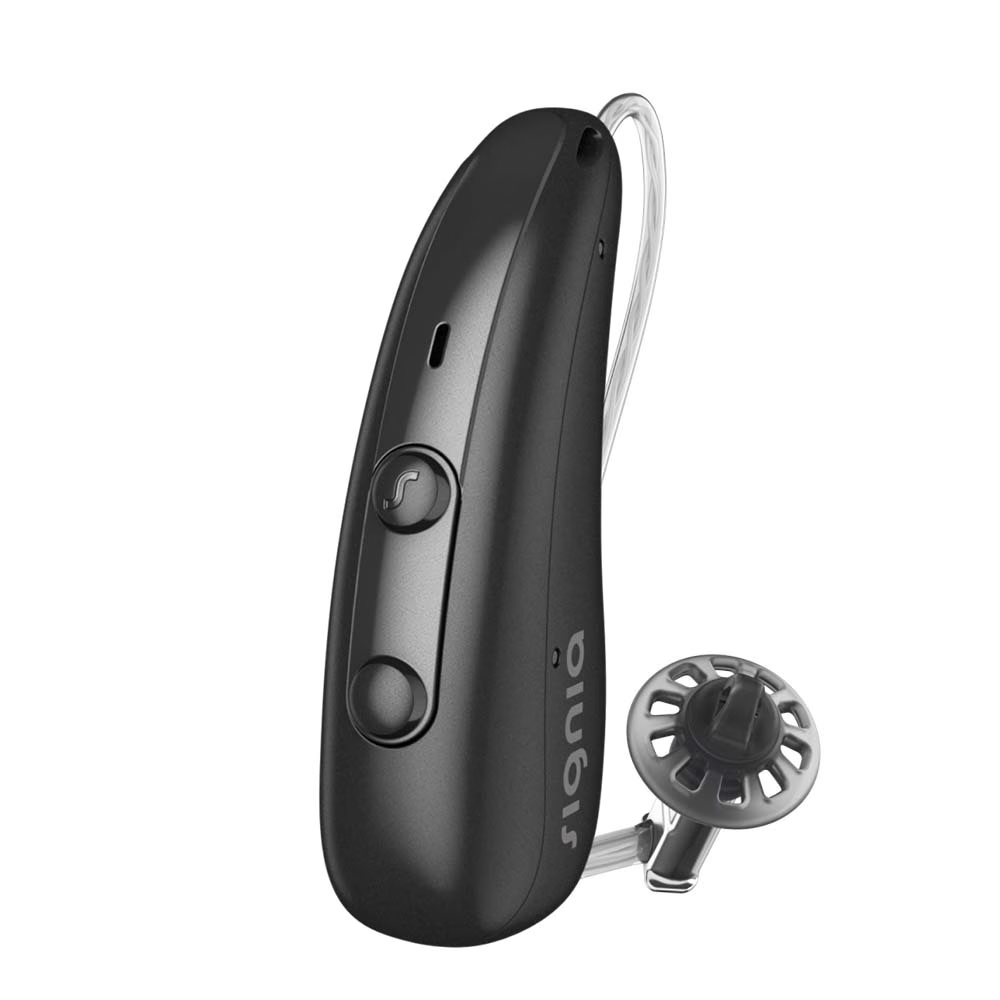
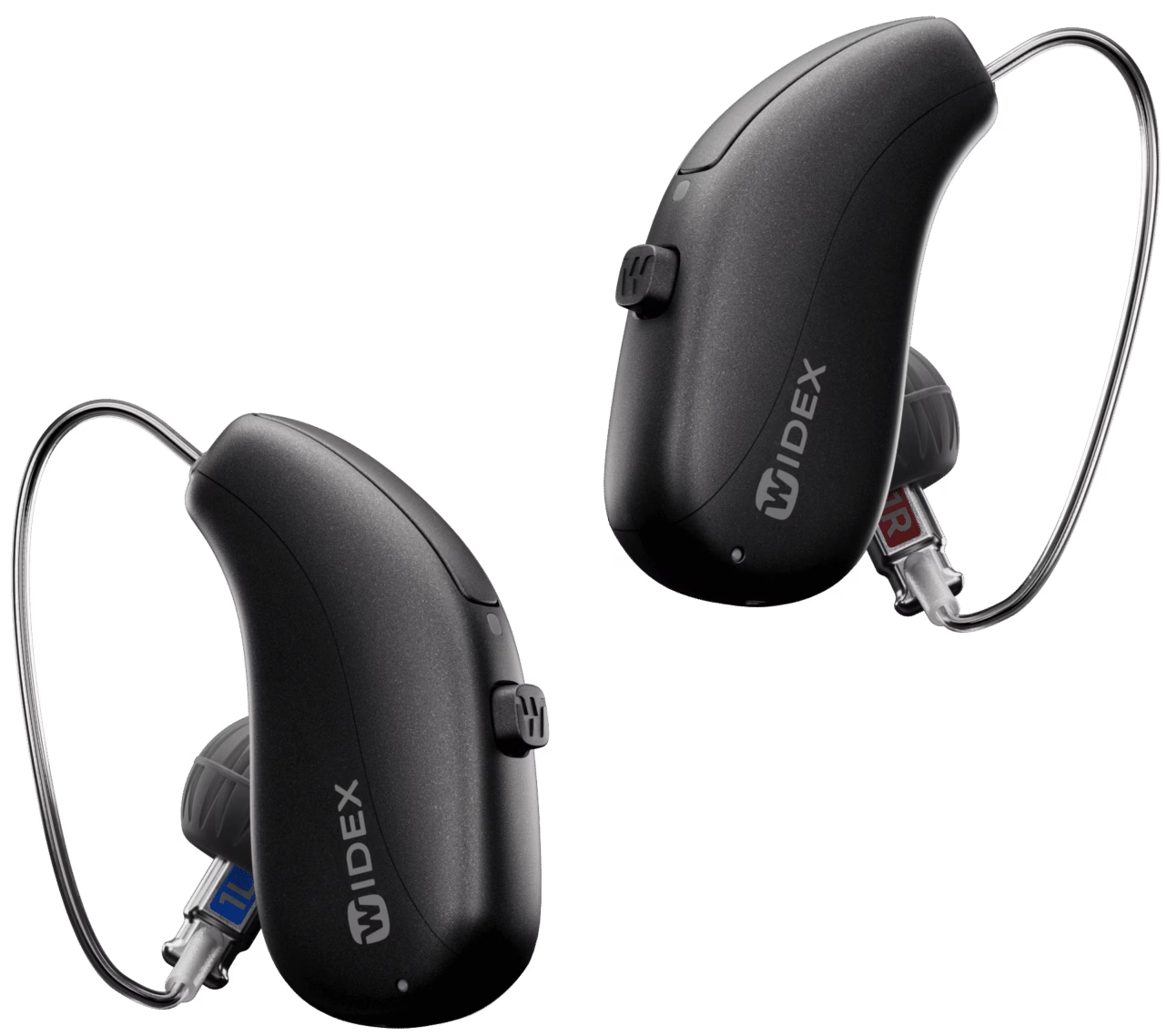
Hearing aids play a significant role in ear adaptation, especially for individuals experiencing hearing loss due to loud environments. These devices are designed to amplify sounds, enhancing the auditory experience for users and compensating for lost function. By improving access to sound, hearing aids help individuals maintain their ability to engage with their surroundings, even when their natural hearing has been compromised.

Modern hearing aids come equipped with advanced technology that allows for personalised adjustments based on the user’s specific hearing needs. Features such as noise reduction and directional microphones enhance the listening experience by focusing on important sounds while minimising background noise. This adaptability is particularly beneficial for individuals who frequently encounter loud environments, enabling them to navigate auditory challenges with greater ease.

Hearing aids can assist in the recovery process following exposure to loud sounds. By facilitating access to softer sounds, these devices can help retrain the auditory system, allowing users to regain auditory sensitivity and reduce the likelihood of further deterioration. This function underscores the importance of seeking professional guidance when selecting hearing aids, ensuring that the chosen device aligns with the individual’s lifestyle and auditory requirements.

Ultimately, hearing aids serve as invaluable tools for individuals adapting to the challenges posed by loud environments. By enhancing auditory perception and supporting recovery, these devices play a critical role in preserving hearing health and improving overall quality of life.

How Noise-Cancelling Headphones Aid Ear Adaptation

Noise-cancelling headphones provide substantial benefits that assist the ear in adapting to loud environments. By reducing ambient noise, these headphones create a more controlled auditory experience, allowing users to enjoy music, podcasts, or conversations without straining their hearing. The technology in noise-cancelling headphones typically involves active noise control, utilising microphones to capture external sounds and generate opposing sound waves to cancel them out.

This capability to minimise background noise is particularly valuable in situations where loud sounds are unavoidable, such as airplanes, busy offices, or urban streets. By diminishing the overall noise burden, these headphones help prevent auditory fatigue, allowing individuals to maintain their hearing health while still engaging with their auditory environment.

Using noise-cancelling headphones can enhance focus and concentration, making it easier to work or relax in bustling surroundings. This focused listening experience can reduce the risk of desensitisation to sound, as individuals are less likely to need excessively loud volumes to discern auditory content.

Incorporating noise-cancelling headphones into daily routines encourages responsible listening practices. By providing a high-quality listening experience with lower sound levels, these devices promote healthier auditory habits, ultimately contributing to better hearing health over the long term.

Overall, noise-cancelling headphones serve as effective tools for individuals navigating loud environments, enhancing their ability to adapt while preserving their hearing health.

Innovations in Sound Protection Technology

Innovations in sound protection technology have led to the development of advanced devices designed to help the ear adapt to loud environments. These advancements include customizable earplugs, digital sound protection devices, and smart hearing protection systems that actively monitor and adjust sound levels in real-time. These technologies are particularly beneficial for individuals frequently exposed to high noise levels, ensuring their hearing health is safeguarded.

Customizable earplugs are designed to fit the unique contours of an individual’s ears, providing an effective barrier against harmful noise while maintaining comfort. This tailored fit enhances sound attenuation, making them ideal for use in various environments, from concerts to industrial settings. these earplugs can be equipped with filters that allow for the safe passage of specific sound frequencies, enabling users to maintain awareness while protecting their hearing.

Digital sound protection devices utilise advanced algorithms to monitor sound levels and filter out harmful frequencies, offering users a personalised auditory experience. These devices can automatically adjust sound levels based on the surrounding environment, allowing individuals to enjoy conversations or music without risking exposure to damaging noise.

Smart hearing protection systems incorporate technology that tracks sound exposure over time, providing users with insights into their auditory environments. These systems can alert individuals when they are approaching harmful noise levels, promoting proactive measures to safeguard their hearing.

As technology continues to evolve, the options for sound protection have become increasingly sophisticated, empowering individuals to protect their hearing while enjoying their auditory experiences. By embracing these advancements, individuals can effectively adapt to loud environments and prioritise their auditory health.

The Benefits of Custom-Fitted Earplugs

Custom-fitted earplugs offer substantial advantages in helping the ear adapt to loud environments by providing tailored protection against harmful noise levels. Unlike standard earplugs, which may not fit securely or comfortably, custom-fitted earplugs are designed to conform to the unique shape of an individual’s ear canal, ensuring optimal sound attenuation and comfort.

One primary advantage of custom-fitted earplugs is their effectiveness in blocking out excessive noise without compromising sound quality. This is particularly advantageous for musicians, concert-goers, and anyone working in loud environments who still wish to enjoy music or conversations. Custom earplugs can feature specific filters that reduce harmful volume levels while allowing for sound clarity.

These earplugs can be worn for extended periods without causing discomfort, which is essential for individuals frequently exposed to loud sounds. Their snug fit also prevents them from falling out during activities, ensuring consistent protection.

The convenience of custom-fitted earplugs extends beyond their auditory benefits. They provide peace of mind, allowing users to relax in noisy environments without the constant worry of damaging their hearing. This confidence enhances overall quality of life, enabling individuals to engage fully in social activities and occupational tasks without the fear of auditory fatigue or loss.

Ultimately, custom-fitted earplugs are an invaluable investment for those navigating loud environments, ensuring that they can protect their hearing while still enjoying the sounds around them.

Frequently Asked Questions About Ear Adaptation

What are the primary causes of hearing loss?

Hearing loss can arise from various factors, including age-related changes, exposure to loud noises, infections, genetic predispositions, and certain medications. Understanding these causes is crucial for preventing further auditory damage.

How can I determine if my hearing is affected?

Signs of hearing loss may include difficulty understanding conversations, frequently asking people to repeat themselves, and needing to increase the volume on devices. Regular hearing checks can help identify any changes.

Are there methods to reverse hearing loss?

While some types of hearing loss can be managed with hearing aids or cochlear implants, permanent hearing loss typically cannot be reversed. Early intervention is vital for preserving the remaining hearing function.

What sound levels are deemed safe for exposure?

Sounds below 85 decibels are generally considered safe for prolonged exposure. Sounds exceeding this level can pose risks, particularly with extended listening. Monitoring noise levels is essential for maintaining hearing health.

How frequently should I have my hearing assessed?

For adults, it is advisable to undergo hearing checks every 1-2 years, especially for those frequently exposed to loud environments or with a family history of hearing loss.

What types of ear protection are the most effective?

Effective ear protection includes custom-fitted earplugs, noise-cancelling headphones, and earmuffs designed to minimise sound exposure. Choosing the right type depends on the environment and personal comfort.

Can stress impact hearing?

Yes, stress can exacerbate hearing issues and contribute to conditions like tinnitus. Managing stress through relaxation techniques can help support overall auditory health.

What should I do if I experience tinnitus?

If you experience tinnitus, consult a healthcare professional for an evaluation. Treatment options may include sound therapy or hearing aids, depending on the underlying cause.

Is it safe to use headphones for extended periods?

Using headphones for long durations can pose risks if the volume is too high. It is advisable to take breaks and keep the volume at safe levels to prevent hearing damage.

How can I protect my hearing while attending concerts?

To protect your hearing at concerts, consider using earplugs specifically designed for musicians, taking breaks away from loud speakers, and monitoring your exposure time to loud sounds.

Explore our journey on X!

The post Ear Adaptation in Loud Environments: A Comprehensive Guide appeared first on The Microsuction Ear Wax Removal Network.

The post Ear Adaptation in Loud Environments: A Comprehensive Guide appeared first on Healthcare Marketing Service.
Categories
heathcare

Ear Adaptation: Navigating Loud Environments Effectively

Last Updated on 11/12/2025 by Admin

Unraveling the Intricate Processes of Ear Adaptation in Noisy Environments

Exploring the Roles of the Auditory System

The auditory system comprises a complex network essential for the ear’s adaptation to noisy environments. This adaptation involves various components, including the brain, cochlea, and different structures within the inner ear. Together, these elements regulate sound sensitivity and protect against potential damage from elevated sound levels. This intricate mechanism not only aids in sound detection but also ensures that the delicate structures of the ear remain protected during prolonged exposure to high noise levels. Key mechanisms contributing to ear adaptation include:

  • Ossicular Reflex: The ossicles, small bones in the middle ear, dampen sound vibrations during loud noises.
  • Acoustic Reflex: Muscles in the middle ear contract, reducing sound transmission to the inner ear.
  • Neural Adaptation: The auditory nerve’s response to sound decreases with prolonged exposure, lowering sensitivity to loud noises.
  • Hair Cell Modulation: Cochlear hair cells adjust their responsiveness to shield themselves from damage.
  • Central Auditory Processing: The brain prioritises certain sounds, effectively filtering out background noise to focus on significant auditory cues.
  • Cochlear Amplification: Outer hair cells in the cochlea modulate their length to amplify softer sounds while dampening louder ones.

The collaboration of these mechanisms is essential for preserving hearing health, balancing the need to detect important sounds with the need to protect against excessive noise levels. Each adaptation mechanism enhances individuals’ ability to function effectively in various auditory environments, from bustling urban areas to tranquil rural settings.

How Does the Ear Efficiently Detect Loud Sounds?

The ear employs a sophisticated mechanism to detect loud sounds, involving the movement of the eardrum and the transmission of vibrations to the cochlea. When sound waves enter the ear canal, they cause the eardrum to vibrate. These vibrations are then transmitted through the ossicles to the cochlea, where they are transformed into electrical signals relayed to the brain. This complex process is vital for adapting to shifting noise levels, allowing individuals to differentiate sounds as their intensity varies.

As sound volume increases, the eardrum and its associated structures must respond quickly to avert damage. The hair cells within the cochlea play a critical role in this detection process. They bend in reaction to sound vibrations, generating nerve impulses that convey information about sound intensity and frequency to the brain. This ability to detect and respond to loud sounds is crucial for survival, helping individuals avoid dangers in potentially hazardous auditory environments.

The brain processes these signals, allowing for a nuanced understanding of sound context. For instance, in a crowded marketplace, the brain distinguishes between vendors shouting and customers chatting, enhancing overall situational awareness. This adaptability to loud settings highlights the dynamic nature of auditory processing, showcasing the ear’s remarkable capacity to fine-tune its sensitivity based on real-time auditory stimuli.

What Are the Risks Associated with Continuous Exposure to Loud Noises?

Frequent exposure to loud environments can considerably affect hearing health, potentially resulting in temporary or permanent hearing loss. While the ear adapts to these conditions by modifying its sensitivity, this adaptation has its limits. Prolonged exposure to loud noises can overwhelm the ear’s protective mechanisms, leading to damage of the sensitive structures within the auditory system.

Individuals frequently exposed to high decibel levels, such as those at concerts, construction sites, or vibrant urban areas, face an increased risk of developing noise-induced hearing loss. Although the ear’s adaptation mechanisms may initially help mitigate damage, the cumulative effects of persistent loud exposure can lead to a decline in overall hearing capacity.

Research indicates that after extended exposure to loud sounds, some individuals might experience a temporary threshold shift, where normal sounds seem quieter than they did before exposure. This phenomenon illustrates the ear’s adaptation process as it struggles to cope with overwhelming auditory input. without appropriate precautions to safeguard hearing, the risk of permanent damage rises, potentially leading to irreversible hearing impairments.

Understanding these implications is vital for individuals regularly in loud environments, underscoring the importance of taking proactive measures to protect their hearing health. This may involve utilising protective gear, limiting time spent in high-noise zones, and seeking regular auditory evaluations to ensure their ears can adapt effectively without suffering long-term consequences.

Expert Insights on Ear Adaptation in Noisy Environments

What Signs Indicate Ear Adaptation?

The signs of ear adaptation manifest in various ways, often becoming noticeable after exposure to loud noise. A common indication is a temporary threshold shift, where sounds that were previously easily audible seem quieter after leaving a noisy environment. For example, after attending a rock concert, an individual might find that everyday sounds, such as conversations or the rustle of leaves, appear less pronounced. This effect can persist for several hours or even days, depending on the level of exposure.

Another sign of ear adaptation is auditory fatigue, characterised by a sensation of fullness or pressure in the ears following prolonged exposure to loud sounds. Individuals may also experience tinnitus, which manifests as ringing in the ears after exposure to loud music or machinery. These symptoms indicate that the ear has been subjected to excessive auditory stress and is adjusting its sensitivity as a protective measure.

Real-world examples of these signs can be observed in various contexts. A musician after an extended rehearsal may notice reduced hearing acuity the following day, while factory workers might report a sensation of muffled hearing after their shifts. Such experiences highlight the importance of being attentive to the body’s signals regarding sound exposure, demonstrating how the ear adapts to protect itself while emphasising the necessity for preventive measures in noisy environments.

How Can We Measure Ear Adaptation Accurately?

Ear adaptation can be reliably assessed through audiometric tests designed to evaluate hearing thresholds before and after exposure to loud environments. These assessments typically involve presenting a range of sounds at varying intensity levels to determine how well an individual can hear them. By comparing results from tests conducted after exposure to loud sounds with baseline measurements, audiologists can quantify the degree of ear adaptation and identify any hearing loss that may have occurred.

One effective method for measuring ear adaptation is pure tone audiometry, where individuals are exposed to sounds at different frequencies and volumes. The results are instrumental in identifying any shifts in hearing ability that may indicate adaptation or damage. Another useful method is tympanometry, which assesses the movement of the eardrum in response to sound, providing insights into middle ear function under varying sound conditions.

These tests can also indicate recovery patterns following exposure. For example, if an individual shows a temporary reduction in hearing sensitivity immediately after a loud event, repeat testing can reveal whether normal function is restored over time. Understanding these measurements offers valuable insights into the adaptability and resilience of the auditory system.

It is essential for individuals who are regularly exposed to loud environments, such as musicians and factory workers, to undergo routine hearing assessments. These evaluations not only help detect early signs of hearing loss but also inform strategies for protecting and preserving hearing health amidst ongoing exposure to high noise levels.

The Critical Role of Audiologists in Investigating Ear Adaptation

Audiologists are pivotal in studying how the ear adapts to loud environments, leveraging their expertise to conduct research, offer preventative strategies, and assist individuals in managing their auditory health. Through their efforts, audiologists gather valuable data regarding the impacts of noise exposure, illuminating the mechanisms of ear adaptation and the associated risks of loud environments.

Their findings often emphasise the significance of early intervention and education. By understanding the mechanisms behind ear adaptation, audiologists can develop comprehensive programs aimed at raising awareness about the hazards of noise exposure and the protective measures available. For instance, audiologists frequently advocate for the use of hearing protection devices in occupational settings, ensuring individuals are equipped to mitigate potential damage from loud sounds.

Audiologists conduct research on the long-term ramifications of noise exposure, contributing to an expanding body of evidence that underscores the need for protective regulations in workplaces and public spaces. Their expertise enables them to evaluate the effectiveness of various protective strategies, such as custom-fitted earplugs or noise-cancelling technology, offering tailored solutions for specific environments.

Through their initiatives, audiologists not only enhance awareness of the challenges associated with loud environments but also empower individuals with the information necessary to make informed decisions about their auditory health. Their contributions are crucial in fostering a culture of prevention and protection, ensuring people can enjoy music, social events, and other activities without compromising their hearing.

Proven Strategies to Prevent Ear Adaptation

Preventing ear adaptation requires proactive strategies aimed at minimising exposure to loud environments and protecting hearing health. Consistent use of ear protection, such as earplugs or earmuffs, can significantly reduce the intensity of sound reaching the eardrum. These protective devices are particularly beneficial in high-noise settings, including concerts, construction sites, or factories.

Another crucial strategy is to limit exposure time. Individuals should aim to reduce the duration spent in loud environments, taking regular breaks in quieter areas to allow their ears to recover. For example, during a music festival, stepping away from the main stage periodically can help prevent auditory fatigue and protect hearing.

Incorporating regular hearing checks into one’s routine is also paramount. Monitoring hearing health enables individuals to identify any early signs of adaptation or hearing loss, facilitating timely intervention. Audiologists can provide valuable insights into personal hearing thresholds and recommend tailored strategies to maintain hearing health.

Fostering awareness of sound levels is vital. Individuals can utilise smartphone applications that measure decibel levels in their surroundings, ensuring they remain informed about the potential risks posed by loud sounds. By integrating these practical tips into daily life, individuals can effectively prevent ear adaptation and safeguard their auditory well-being.

Long-Term Implications of Ear Adaptation

Prolonged exposure to loud environments can lead to severe long-term consequences, primarily permanent hearing loss. As the ear’s ability to adapt diminishes over time, individuals may suffer irreversible damage to the auditory system. This damage can manifest as a reduced capacity to hear certain frequencies or a general decline in hearing acuity, significantly affecting quality of life.

One significant risk factor contributing to long-term damage is the cumulative effect of noise exposure. Over the years, individuals who frequently encounter high sound levels, whether through occupation or leisure activities, may find their adaptability severely compromised. they might develop permanent hearing loss, characterised by persistent difficulty hearing conversations or enjoying music, leading to social isolation or emotional distress.

Age also plays a critical role in how the ear adapts to loud environments. Older individuals often experience reduced adaptability due to the natural aging process of the auditory system, making them more susceptible to hearing loss. This increased vulnerability highlights the importance of implementing protective measures throughout life, ensuring that the ears remain resilient against inevitable exposure to loud sounds.

Understanding these long-term effects is essential for individuals of all ages. It emphasises the need for proactive strategies, such as using hearing protection and limiting exposure time, to maintain auditory health and prevent permanent damage. Awareness and vigilance can significantly enhance the ear’s ability to adapt, preserving hearing function and overall well-being.

Biological Mechanisms Driving Ear Adaptation

Examining the Role of Hair Cells

Hair cells in the cochlea are crucial to the ear’s ability to adapt to noisy environments, serving as the primary sensory cells responsible for converting sound vibrations into electrical signals. These highly specialised structures are equipped with tiny hair-like projections known as stereocilia, which bend in response to sound waves. When sound vibrations enter the cochlea, these hair cells bend, triggering a series of biochemical reactions that generate nerve impulses sent to the brain.

The adaptability of hair cells is vital for protecting the inner ear from potential damage caused by loud sounds. Under normal circumstances, hair cells maintain a delicate balance, responding to sound levels while safeguarding themselves against excessive stimulation. When exposed to loud noises, they can modulate their sensitivity, effectively reducing their responsiveness to protect against overstimulation. This biological process is crucial for maintaining hearing health, as it prevents the mechanical and oxidative stress that can lead to cell death.

Hair cells have limitations. Prolonged exposure to excessive noise can overwhelm their adaptive mechanisms, leading to permanent damage and loss of function. In humans, once hair cells are damaged, they do not regenerate, resulting in irreversible hearing loss. This underscores the importance of understanding the role of hair cells in adaptation and implementing protective strategies to preserve their function amidst challenging auditory environments.

The resilience of hair cells emphasises their essential role not only in sound perception but also in the broader context of auditory health. Keeping hair cells healthy through protective measures and early interventions is vital for individuals working or living in high-noise settings, ensuring their continued ability to adapt and respond effectively to sound stimuli.

How Do Hair Cells Adjust to Noise?

Hair cells adapt to noise through a series of mechanical and biochemical changes that modify their sensitivity to sound. When exposed to high sound levels, these cells can temporarily reduce their responsiveness, a protective mechanism designed to prevent damage. This adaptation involves alterations to the ion channels located in the hair cell membranes, which regulate the flow of ions involved in generating electrical signals.

In the presence of loud sounds, hair cells may experience a phenomenon known as “downregulation,” wherein they decrease their activity to avoid overstimulation. This process allows them to maintain functionality while protecting themselves from potentially harmful sound levels. hair cells can undergo metabolic changes that enhance their resistance to noise-induced damage, ensuring their survival during periods of intense auditory stress.

This adaptation process is not permanent. Once exposure to loud noise decreases, hair cells gradually regain their normal sensitivity, allowing for the restoration of hearing function. The recovery process is essential for individuals frequently in loud environments, as it enables them to continue hearing effectively after exposure.

The ability of hair cells to adapt to noise has its limits. If exposure to loud sounds persists, the continuous demand on these cells can lead to cellular fatigue and eventual degeneration. Understanding how hair cells adapt to noise is crucial for developing strategies to protect hearing health and prevent long-term damage, particularly in settings where loud sounds are a regular occurrence.

The Recovery Process of Hair Cells

Following exposure to loud environments, hair cells engage in a recovery process that is critical for restoring their sensitivity and functionality. This recovery mechanism is vital for individuals who frequently encounter high sound levels, as it enables the auditory system to rebound from the stress inflicted by loud noise. Initially, hair cells may exhibit reduced responsiveness, characterised by a temporary threshold shift in hearing sensitivity.

During recovery, the biochemical processes within hair cells work to restore normal ion channel activity and membrane potential, allowing for the resumption of their typical function. This intricate recovery mechanism involves re-synthesising proteins and repairing cellular components that may have been compromised during exposure to loud sounds. The duration of this recovery can vary based on the intensity and duration of the noise exposure, as well as the overall health of the auditory system.

Research indicates that while hair cells can recover from temporary adaptations, prolonged exposure can lead to more severe damage, limiting their ability to bounce back effectively. This highlights the importance of taking measures to minimise excessive noise exposure in daily life, as failure to do so can result in irreversible hearing loss.

Understanding the recovery dynamics of hair cells is essential for individuals routinely exposed to loud environments. By recognising the signs of auditory fatigue and the necessity for recovery, individuals can take proactive steps to protect their hearing health, ensuring that their auditory system remains resilient and capable of adapting to varying sound levels.

The Significance of Synaptic Plasticity in Ear Adaptation

Synaptic plasticity plays a fundamental role in ear adaptation, allowing the auditory system to adjust to changes in sound levels and protect against noise-induced hearing loss. This process involves the ability of synapses, the connections between neurons, to strengthen or weaken over time in response to auditory stimuli. Synaptic plasticity enables the brain to modify its response to sound, enhancing the adaptability of the auditory system.

When exposed to loud environments, synaptic plasticity allows the brain to prioritise critical sounds while filtering out less relevant noise. This adaptive response is crucial for survival in dynamic auditory landscapes, such as bustling urban areas or vibrant social gatherings. The brain’s ability to adjust synaptic connections enables individuals to focus on important auditory information, such as conversations, even amidst overwhelming background noise.

The process of synaptic plasticity is essential not only for short-term adaptation but also for long-term learning and auditory memory. Through repeated exposure to specific sound patterns, the auditory system can strengthen synaptic connections, enhancing the capacity to recognise familiar sounds and improving overall auditory processing. This learning aspect of synaptic plasticity underscores the importance of auditory experiences in shaping hearing capabilities.

Just as synaptic plasticity facilitates adaptation, it also poses risks when individuals are exposed to harmful noise levels. Over time, excessive exposure can lead to maladaptive changes in synaptic connections, contributing to the development of auditory processing disorders and increased vulnerability to hearing loss. Understanding the role of synaptic plasticity in ear adaptation is crucial for developing strategies to protect auditory health, emphasising the need for safe auditory environments.

What Are the Long-Term Effects of Exposure to Loud Environments?

The Risk of Permanent Hearing Loss from Loud Noise Exposure

The threat of permanent hearing loss resulting from exposure to loud environments is a significant concern for many, particularly those regularly subjected to high sound levels. Prolonged exposure to loud noises can lead to irreversible damage to the delicate structures within the auditory system, including hair cells and synaptic connections. As the ear’s ability to adapt wanes over time, individuals may find themselves increasingly susceptible to hearing loss characterised by difficulties in hearing conversations, understanding speech, or enjoying music.

Cumulative effects of noise exposure contribute to this risk, as repeated encounters with loud sounds can exacerbate the wear and tear on auditory structures. For example, individuals who frequently attend concerts, work in loud industrial settings, or engage in noisy recreational activities may experience gradual declines in hearing sensitivity. The eventual onset of permanent hearing loss can severely impact an individual’s quality of life, leading to communication challenges and social withdrawal.

Age is a crucial factor that cannot be overlooked. As individuals age, their auditory systems naturally become less resilient, making them more vulnerable to the damaging effects of noise exposure. This heightened risk underscores the importance of implementing protective measures throughout one’s life to maintain hearing health.

Addressing the potential for permanent hearing loss necessitates proactive strategies, such as using hearing protection, limiting time spent in loud environments, and seeking regular hearing assessments. Awareness of the risks associated with loud environments is critical for fostering a culture of prevention, ensuring that individuals prioritise their auditory health and take necessary precautions to mitigate the risk of irreversible damage.

How Does Age Affect Ear Adaptation?

Age significantly influences ear adaptation, impacting how the auditory system responds to noisy environments. As individuals grow older, the natural aging process leads to a decline in the functionality of various auditory structures, including hair cells and synaptic connections. This deterioration reduces the ear’s ability to adapt effectively to changes in sound levels, making older individuals more susceptible to hearing loss.

Research indicates that older adults often experience a diminished auditory dynamic range, meaning they may struggle to hear softer sounds while being unable to tolerate louder ones effectively. This reduced adaptability can result in a higher prevalence of permanent hearing loss among older populations, particularly those who have spent their lives exposed to high noise levels.

Age-related changes in the auditory nerve and brain can hinder the processing of auditory information, further complicating the ability to adapt to loud environments. Older individuals may find it challenging to distinguish between sounds in noisy settings, leading to frustration and social isolation.

Addressing these age-related challenges requires a multifaceted approach. Regular hearing checks are crucial for monitoring auditory health and identifying early signs of hearing loss. Audiologists can provide tailored recommendations for hearing protection and assistive devices to enhance auditory function.

Maintaining an awareness of safe listening practices is also essential for older individuals, ensuring they take proactive steps to protect their hearing. By prioritising auditory health and seeking appropriate interventions, older adults can continue to enjoy rich auditory experiences while minimising the risk of permanent hearing loss.

Effective Approaches to Prevent Long-Term Damage from Loud Environments

Preventing long-term damage from loud environments involves implementing effective strategies designed to protect hearing health. One of the most fundamental measures is the consistent use of protective gear, such as earplugs or earmuffs, which can substantially reduce the intensity of sound reaching the eardrum. Selecting appropriate hearing protection tailored to specific environments can enhance effectiveness, ensuring individuals are safeguarded from harmful noise levels.

Limiting exposure time is another critical strategy. Individuals should aim to minimise their time spent in loud environments and take regular breaks in quieter areas to allow their auditory systems to recuperate. For instance, during concerts or sports events, stepping away from the main noise source can provide necessary relief and reduce auditory fatigue.

Fostering awareness of sound levels is essential for preventing long-term damage. Utilising decibel meter apps can help individuals monitor their exposure to loud sounds, enabling them to make informed decisions about their auditory environment. This knowledge empowers individuals to prioritise hearing health and take necessary precautions.

Regular hearing checks are also vital for monitoring auditory health and detecting early signs of hearing loss. Audiologists can provide valuable insights into personal hearing thresholds and recommend tailored strategies for maintaining hearing function. Early intervention can significantly reduce the risk of long-term damage, facilitating a proactive approach to auditory health.

Ultimately, understanding the importance of preventive measures and adopting protective strategies is crucial for preserving hearing health in the face of loud environments. By prioritising auditory well-being, individuals can continue to engage with the world around them while safeguarding their ability to hear.

The Impact of Occupational Noise on Hearing Health

Occupational noise exposure presents a significant threat to hearing health, particularly for individuals working in high-sound environments. Industries such as construction, manufacturing, and music are notorious for exposing workers to potentially damaging noise, leading to an increased risk of noise-induced hearing loss. The impact of this exposure can be profound, affecting not only auditory function but also overall well-being.

Workers in high-noise environments frequently experience cumulative auditory stress, where repeated exposure to loud sounds leads to permanent changes in hearing sensitivity. In many cases, regulatory measures are necessary to ensure that workers are protected from harmful noise levels. Implementing workplace noise regulations, such as establishing permissible noise exposure limits and requiring the use of personal protective equipment, is crucial for safeguarding hearing health.

Employers play a vital role in promoting auditory well-being through education and awareness campaigns. Providing training on the risks of noise exposure and the importance of using hearing protection can empower workers to take proactive steps to protect their hearing. Regular hearing assessments should also be integrated into occupational health programs, enabling early detection of any auditory changes and facilitating timely intervention.

To workplace initiatives, fostering a culture of prevention extends beyond the workplace. Individuals should prioritise their auditory health by being mindful of their exposure to noise, both on and off the job. Understanding the risks associated with occupational noise can lead to informed decisions about hearing protection, ultimately contributing to long-term auditory health.

Overall, addressing the impact of occupational noise on hearing health requires a comprehensive approach that combines regulatory measures, education, and individual responsibility. By prioritising hearing preservation, individuals and organisations can collaborate to mitigate the risks associated with noise exposure, ensuring a healthier auditory future.

Proven Strategies for How the Ear Adapts to Loud Environments

Using Protective Earwear for Enhanced Hearing Safety

Employing protective earwear is a fundamental strategy for assisting the ear in adapting to loud environments. Protective devices, such as earplugs and earmuffs, are specifically designed to diminish the intensity of sound reaching the eardrum, thereby safeguarding hearing health amidst high noise levels. Selecting suitable protective earwear involves considering various factors, including the type of environment, the level of noise exposure, and personal comfort.

When choosing earplugs, individuals should seek options that provide a good balance between sound attenuation and comfort. Disposable foam earplugs are often effective for general use, while custom-fitted earplugs offer enhanced protection and comfort for frequent users, such as musicians or construction workers. Earmuffs present another reliable option, particularly in environments with prevalent loud noises. They can be used in combination with earplugs for added protection in extremely loud settings.

It is crucial to ensure that protective earwear is worn correctly and consistently. Regular checks for proper fit and function are necessary to maximise the effectiveness of these devices. Individuals should be mindful of the specific noise exposure levels in their environment, adjusting their protective measures accordingly.

By incorporating the use of protective earwear into daily routines, individuals can significantly enhance their ability to adapt to loud environments without jeopardising their auditory health. These proactive measures can play a pivotal role in preventing noise-induced hearing loss and ensuring the long-term preservation of hearing.

What Are the Best Practices for Managing Noise Exposure?

Best practices for managing noise exposure are vital for mitigating the risks associated with high sound levels and protecting hearing health. One foundational guideline is adhering to safe decibel levels. Understanding the recommended limits for various environments can help individuals make informed decisions about their auditory exposure. For instance, sounds exceeding 85 decibels can be harmful over prolonged periods, making it crucial to monitor noise levels in both occupational and recreational settings.

Taking regular breaks from noisy environments is another effective practice. Allowing the auditory system time to recover can prevent auditory fatigue and reduce the risk of long-term damage. During breaks, finding a quieter space or engaging in low-noise activities can facilitate recovery and enhance adaptability.

Utilising noise-cancelling technology can also be beneficial. Noise-cancelling headphones help reduce ambient sound levels, allowing individuals to enjoy music or conversations without straining their hearing. This technology is particularly helpful in settings like airplanes or crowded public transport, where excessive background noise can lead to auditory stress.

Fostering awareness of sound levels through monitoring tools can empower individuals to take control of their auditory environments. Smartphone applications that measure decibel levels can provide real-time feedback, enabling users to adjust their exposure accordingly. By incorporating these best practices into daily life, individuals can significantly enhance their ability to adapt to varying noise levels while preserving their hearing health.

The Importance of Regular Hearing Assessments

Regular hearing assessments are crucial for monitoring the ear’s adaptation to loud environments and detecting early signs of hearing loss. These evaluations provide valuable insights into an individual’s auditory health, allowing for timely intervention and preventative measures. Audiologists employ various testing methods, such as pure tone audiometry, to assess hearing thresholds and identify any changes in sensitivity over time.

Early detection of hearing loss is essential as it enables individuals to implement protective strategies and potentially reverse some of the damage before it becomes irreversible. Routine screenings can help identify subtle shifts in hearing ability that may go unnoticed in daily life, particularly for those frequently exposed to loud environments. These assessments also serve as a reference point for future evaluations, providing a benchmark for tracking changes in hearing health.

Beyond identifying hearing loss, regular check-ups offer an opportunity for education and guidance. Audiologists can advise on best practices for noise exposure, recommend appropriate protective devices, and provide insights into maintaining auditory health. This proactive approach empowers individuals to take charge of their hearing, fostering a culture of awareness and prevention.

Incorporating regular hearing assessments into one’s routine is essential for safeguarding auditory health, particularly for individuals living or working in loud environments. By prioritising hearing evaluations, individuals can ensure that their auditory systems remain resilient and capable of adapting to the challenges posed by high noise levels.

Technological Advancements Supporting Ear Adaptation

The Role of Hearing Aids in Preserving Hearing

Hearing aids significantly facilitate ear adaptation, especially for individuals experiencing hearing loss due to loud environments. These devices are designed to amplify sounds, enhancing the auditory experience for users and compensating for lost function. By improving access to sound, hearing aids help individuals maintain their ability to engage with their surroundings, even when their natural hearing has been compromised.

Modern hearing aids boast advanced technology that allows for personalised adjustments based on the user’s specific hearing needs. Features such as noise reduction and directional microphones enhance the listening experience by focusing on important sounds while minimising background noise. This adaptability is particularly beneficial for individuals who frequently encounter loud environments, enabling them to navigate auditory challenges with greater ease.

Hearing aids can assist in the recovery process following exposure to loud sounds. By facilitating access to softer sounds, these devices can help retrain the auditory system, allowing users to regain auditory sensitivity and reduce the likelihood of further deterioration. This function underscores the importance of seeking professional guidance when selecting hearing aids, ensuring that the chosen device aligns with the individual’s lifestyle and auditory requirements.

Ultimately, hearing aids serve as invaluable tools for individuals adapting to the challenges posed by loud environments. By enhancing auditory perception and supporting recovery, these devices play a critical role in preserving hearing health and improving overall quality of life.

How Do Noise-Cancelling Headphones Aid Ear Adaptation?

Noise-cancelling headphones offer significant advantages for assisting the ear in adapting to loud environments. By reducing ambient noise, these headphones create a more controlled auditory experience, allowing users to enjoy music, podcasts, or conversations without straining their hearing. The technology in noise-cancelling headphones typically involves active noise control, utilising microphones to capture external sounds and generate opposing sound waves to eliminate them.

This ability to minimise background noise is especially valuable in situations where loud sounds are unavoidable, such as on airplanes, in busy offices, or on urban streets. By diminishing the overall noise burden, these headphones help prevent auditory fatigue, enabling individuals to maintain their hearing health while still engaging with their auditory environment.

Using noise-cancelling headphones can enhance focus and concentration, making it easier to work or relax in bustling surroundings. This focused listening experience can reduce the risk of desensitisation to sound, as individuals are less likely to need excessively loud volumes to discern auditory content.

Incorporating noise-cancelling headphones into daily routines encourages responsible listening practices. By providing a high-quality listening experience at lower sound levels, these devices promote healthier auditory habits, ultimately contributing to better hearing health over the long term.

Overall, noise-cancelling headphones serve as effective tools for individuals navigating loud environments, enhancing their ability to adapt while preserving their hearing health.

Innovations in Sound Protection Technology

Innovations in sound protection technology have led to the development of advanced devices designed to support the ear’s adaptation to loud environments. These advancements include customizable earplugs, digital sound protection devices, and smart hearing protection systems that actively monitor and adjust sound levels in real-time. These technologies are particularly beneficial for individuals frequently exposed to high noise levels, ensuring their hearing health is safeguarded.

Customisable earplugs are designed to fit the unique contours of an individual’s ears, providing an effective barrier against harmful noise while maintaining comfort. This tailored fit enhances sound attenuation, making them ideal for use in various environments, from concerts to industrial settings. these earplugs can be equipped with filters that permit the safe passage of specific sound frequencies, enabling users to maintain awareness while protecting their hearing.

Digital sound protection devices utilise advanced algorithms to monitor sound levels and filter out harmful frequencies, offering users a personalised auditory experience. These devices can automatically adjust sound levels based on the surrounding environment, allowing individuals to enjoy conversations or music without the risk of exposure to damaging noise.

Smart hearing protection systems incorporate technology that tracks sound exposure over time, providing users with insights into their auditory environments. These systems can alert individuals when they are approaching harmful noise levels, promoting proactive measures to safeguard their hearing.

As technology continues to evolve, the options for sound protection have become increasingly sophisticated, empowering individuals to protect their hearing while enjoying their auditory experiences. By embracing these advancements, individuals can effectively adapt to loud environments and prioritise their auditory health.

The Benefits of Custom-Fitted Earplugs

Custom-fitted earplugs offer substantial advantages in aiding the ear’s adaptation to loud environments by providing tailored protection against harmful noise levels. Unlike standard earplugs, which may not fit securely or comfortably, custom-fitted earplugs are designed to conform to the unique shape of an individual’s ear canal, ensuring optimal sound attenuation and comfort.

One primary advantage of custom-fitted earplugs is their effectiveness in blocking out excessive noise without compromising sound quality. This is particularly beneficial for musicians, concert-goers, and anyone working in loud environments who still wish to enjoy music or conversations. Custom earplugs can feature specific filters that reduce harmful volume levels while allowing for sound clarity.

These earplugs can be worn for extended periods without causing discomfort, which is essential for individuals frequently exposed to loud sounds. Their snug fit also prevents them from falling out during activities, ensuring consistent protection.

The convenience of custom-fitted earplugs extends beyond their auditory benefits. They provide peace of mind, allowing users to relax in noisy environments without the constant worry of damaging their hearing. This confidence enhances overall quality of life, enabling individuals to engage fully in social activities and occupational tasks without the fear of auditory fatigue or loss.

Ultimately, custom-fitted earplugs are an invaluable investment for those navigating loud environments, ensuring that they can protect their hearing while still enjoying the sounds around them.

Commonly Asked Questions About Ear Adaptation

What Are the Main Causes of Hearing Loss?

Hearing loss can result from various factors, including age-related changes, exposure to loud noises, infections, genetic predispositions, and certain medications. Understanding these causes is crucial for preventing further auditory damage.

How Can I Tell if My Hearing Is Affected?

Signs of hearing loss may include difficulty understanding conversations, frequently asking people to repeat themselves, and needing to increase the volume on devices. Regular hearing checks can help identify any changes.

Are There Ways to Reverse Hearing Loss?

While some types of hearing loss can be managed with hearing aids or cochlear implants, permanent hearing loss typically cannot be reversed. Early intervention is vital for preserving the remaining hearing function.

What Sound Levels Are Considered Safe for Exposure?

Sounds below 85 decibels are generally deemed safe for prolonged exposure. Sounds exceeding this level can pose risks, particularly with extended listening. Monitoring noise levels is essential for maintaining hearing health.

How Often Should I Have My Hearing Assessed?

For adults, it is advisable to undergo hearing checks every 1-2 years, especially for those frequently exposed to loud environments or with a family history of hearing loss.

Which Types of Ear Protection Are Most Effective?

Effective ear protection includes custom-fitted earplugs, noise-cancelling headphones, and earmuffs designed to minimise sound exposure. Choosing the right type depends on the environment and personal comfort.

Can Stress Affect Hearing?

Yes, stress can exacerbate hearing issues and contribute to conditions like tinnitus. Managing stress through relaxation techniques can help support overall auditory health.

What Should I Do If I Experience Tinnitus?

If you experience tinnitus, consult a healthcare professional for an evaluation. Treatment options may include sound therapy or hearing aids, depending on the underlying cause.

Is It Safe to Use Headphones for Extended Periods?

Using headphones for long durations can pose risks if the volume is too high. It is advisable to take breaks and keep the volume at safe levels to prevent hearing damage.

How Can I Protect My Hearing While Attending Concerts?

To protect your hearing at concerts, consider using earplugs specifically designed for musicians, taking breaks away from loud speakers, and monitoring your exposure time to loud sounds.

Explore our journey on X!

The post Ear Adaptation in Loud Environments: A Comprehensive Guide appeared first on The Microsuction Ear Wax Removal Network.

Categories
heathcare

Hearing Aids: Differences Between Analog and Digital Types

Exploring Sound Processing Techniques in Hearing Aids

Key Concepts of Analog Sound Processing

Close-up of analog hearing aid with visible circuitry, set against a quiet room background.

Analog hearing aids amplify sound directly, making them essential for those seeking to enhance their auditory experience. These devices primarily concentrate on volume control, yet they do not significantly improve the clarity of sounds. This basic functionality can be particularly beneficial for individuals with mild hearing loss who may not require the advanced features found in modern devices. Having been in use for decades, analog aids serve as a reliable option for users wishing to amplify environmental sounds effectively. They provide uniform amplification across all sounds in an environment, which can be particularly helpful in quieter settings. Despite their limitations in terms of sound clarity and noise management, their affordability and user-friendly nature make them a popular choice for many.

Users of analog aids often appreciate the straightforward and familiar design of these devices. Many report high satisfaction levels due to their affordability and ease of use. users may encounter difficulties in more complex auditory environments, such as bustling restaurants or vibrant social events, where background noise can easily drown out amplified sounds. The absence of advanced sound processing features may lead to frustration and a less-than-optimal auditory experience, highlighting the need for awareness regarding the limitations of analog technology in diverse listening situations.

Enhancing Hearing Capabilities with Digital Sound Processing

Digital hearing aids have transformed the hearing aid industry by converting sound waves into digital signals. This advanced processing allows for precise adjustments in both clarity and volume, effectively catering to the unique hearing requirements of each individual. By utilising sophisticated algorithms, digital aids can distinguish between speech sounds and background noise, significantly enhancing the listening experience. This feature proves invaluable in challenging auditory environments, enabling users to participate in conversations without the difficulty of separating sounds.

A standout characteristic of digital hearing aids is their capacity to process sound in real-time. Users can fully immerse themselves in a rich auditory environment that is both clear and comfortable. Advanced digital models can even assess their surroundings to automatically adjust settings based on the acoustic properties of the environment. This level of sophistication is vital for individuals with moderate to severe hearing loss, allowing them to experience a more natural sound quality that enhances social interactions and alleviates auditory strain.

Sound Quality Comparison: Analog vs. Digital Hearing Aids

The disparity in sound quality between analog and digital hearing aids is remarkable. Digital aids generally deliver superior sound quality alongside enhanced noise reduction capabilities. Users of digital devices frequently report a more natural auditory experience, with the ability to filter out unwanted noise while concentrating on desired sounds, such as conversations. This selective amplification can lead to higher satisfaction levels and improved communication in various social contexts.

In contrast, analog aids amplify all sounds uniformly, which can hinder users’ ability to discern speech amidst background noise. For example, an individual using an analog hearing aid in a crowded café may struggle to engage in conversation due to the overwhelming noise from chatter and clattering dishes. The capacity of digital aids to selectively amplify specific frequencies allows for clearer sound distinctions, which is invaluable in daily communication. As digital technology continues to evolve, sound processing capabilities are advancing, ensuring users receive the highest quality auditory experiences.

Exploring Customisation Options in Hearing Aids

A close-up of an ear with a modern hearing aid, surrounded by colorful design options in a futuristic setting.

Analog Hearing Aids: Limited Customisation Options

The customisation options for analog hearing aids are relatively limited. Users typically can only manually adjust the volume, which may meet basic hearing needs but lacks fine-tuning capabilities. This simplicity appeals to users who prefer a straightforward experience without technical complexities. the absence of customisation options can result in discomfort in varying environments, as users may struggle to adapt their devices to the different sound levels and qualities they encounter throughout the day.

For individuals with specific patterns of hearing loss, such as high-frequency loss, the inability to adjust sound frequencies can be a significant drawback. Analog aids often do not provide the advanced programming options that digital aids offer. Users may find themselves modifying their listening environment instead of their devices, which can detract from their overall experience. individuals facing more complex hearing challenges may find that exploring digital options with tailored settings greatly enhances their auditory experience.

Enhancing Personalisation with Digital Customisation

Digital hearing aids come equipped with extensive customisation features, allowing users to create personalised listening preferences that align with their unique hearing profiles. These devices can be programmed with specific settings tailored for various environments, including quiet rooms, busy streets, or crowded gatherings. Users can access these custom settings through specialised software, enabling them to adjust their hearing aids to suit their daily activities and specific auditory challenges.

The customisation tools available for digital aids significantly enhance user comfort and overall satisfaction. By tailoring the audio experience to meet individual needs, users can enjoy a more natural sound environment that facilitates effortless navigation through different auditory challenges. This personalised approach not only fosters more engaging and fulfilling social interactions but also improves overall quality of life. Many digital aids now feature smartphone connectivity, allowing users to make real-time adjustments, further enhancing their auditory experience.

Improving User Experience Through Customisation

Person adjusting modern digital hearing aid, surrounded by city street and quiet library, symbolising customisation and control.

The ability to customise digital hearing aids is crucial for enhancing the user experience. Many users report that adjusting settings according to their surroundings leads to increased comfort and satisfaction. This level of personalisation empowers users, allowing them to feel more in control of their hearing, which alleviates the stress often associated with navigating various listening environments. The freedom to adapt their hearing aids to suit different situations enables users to engage more fully in conversations and activities.

The precision offered by digital aids fosters greater confidence in social settings, where hearing challenges are prevalent. Users can participate in discussions without the constant worry of missing vital details. This enhanced comfort not only improves their auditory experience but also positively influences their overall well-being. The emphasis on personalisation serves as a significant advantage of digital hearing aids, contributing to a more enjoyable and fulfilling life for individuals with hearing loss.

Advanced Customisation Tools and Software for Hearing Aids

A variety of software tools are available for digital hearing aids, enabling users to make precise adjustments that align with their specific hearing requirements. These tools allow both audiologists and users to programme hearing aids based on individual preferences and types of hearing loss. Software enhancements can include frequency adjustments, noise reduction settings, and specific amplification levels tailored to the user’s environment, ensuring optimal auditory performance.

Modern digital hearing aids often feature companion apps for smartphones, allowing users to control their devices remotely. They can easily adjust volume levels or switch between settings through these apps. This convenience simplifies the process of adapting to different environments while fostering greater engagement with their hearing aids. With the integration of advanced technology, the customisation process has become increasingly user-friendly, ensuring individuals can optimise their hearing experience to effectively fit their lifestyles.

Examining Technology and Features in Hearing Aids

Understanding Analog Technology in Hearing Aids

Analog hearing aids operate using simpler technological frameworks, which, while effective for a broad range of users, often lack the advanced features that characterise modern hearing aids. Their primary function is to amplify sound, making them a cost-effective option for individuals with mild to moderate hearing loss. This simplicity comes at the expense of additional features that significantly enhance the listening experience, including Bluetooth connectivity and sophisticated sound processing algorithms.

The straightforward nature of analog technology may appeal to users who prefer minimal fuss and ease of use. These devices do not necessitate complex programming or intricate adjustments, which can be advantageous for older individuals or those who favour a traditional approach to hearing assistance. The trade-off is that users may miss out on the benefits provided by more advanced hearing technologies, particularly in complex auditory environments. As the demand for feature-rich options increases, many individuals are opting for digital aids to take advantage of the latest advancements in hearing technology.

Leveraging Digital Technology in Hearing Aids

Digital hearing aids represent a significant advancement in auditory technology, featuring functionalities that greatly enhance the user experience. These devices utilise digital signal processing to deliver clearer sound quality, effective noise reduction, and feedback management. Many digital aids now offer Bluetooth connectivity, allowing users to stream audio directly from their smartphones or other devices. This functionality is particularly beneficial for those who enjoy listening to music or participating in phone calls.

The inclusion of directional microphones within digital aids enables users to concentrate on sounds from specific directions while minimising background noise. This feature is especially advantageous in crowded environments, such as busy restaurants or public transport, where distinguishing speech from surrounding noise can be difficult. The continuous evolution of digital hearing aids ensures that users can expect ongoing improvements in features and functionalities, keeping them at the forefront of hearing technology.

Anticipating Future Trends in Hearing Aid Technology

The future of hearing aid technology appears promising, with digital devices expected to evolve further through ongoing research and development efforts. Emerging technologies, including artificial intelligence and machine learning, are set to revolutionise the hearing aid experience, potentially leading to even more personalised listening experiences where devices learn users’ preferences and automatically adjust settings based on their environments.

The integration of telehealth services within hearing care represents another exciting trend on the horizon. Remote programming and adjustments can enable audiologists to fine-tune settings from a distance, providing users with enhanced convenience and accessibility. As digital hearing aids continue to adapt to the evolving needs of users, they are likely to become increasingly sophisticated, ensuring that individuals with hearing loss enjoy the best auditory experience possible.

Understanding Maintenance and Durability in Hearing Aids

Maintenance Requirements for Analog Hearing Aids

In terms of maintenance, analog hearing aids generally require less technical upkeep compared to their digital counterparts. Users often find that they need to make occasional volume adjustments, but the simplicity of their technology means fewer components to manage. This straightforwardness can appeal to users seeking a device that is easy to maintain without the need for regular software updates.

While analog aids may demand less technical maintenance, they often require more frequent adjustments to ensure optimal performance. Users might need to consult audiologists for fine-tuning or repairs, as wear and tear can affect amplification quality over time. The durability of analog aids tends to be lower than that of digital aids, as the technology does not benefit from the more robust materials and design advancements found in newer models.

Maintenance Considerations for Digital Hearing Aids

Digital hearing aids, while generally more durable, require regular software updates and maintenance for optimal functionality. This includes periodic checks and adjustments performed by audiologists to refine settings and ensure the technology operates efficiently. The advanced features of digital devices, such as noise reduction and feedback cancellation, may also necessitate updates to maintain their peak performance.

Despite the need for more frequent technical maintenance, many users find that the advantages of digital aids far outweigh the upkeep demands. Their increased reliability and longevity often make them a worthwhile investment. With proper care and routine check-ups, digital hearing aids can provide users with years of enhanced hearing experiences, proving to be a durable choice for those experiencing hearing loss.

Evaluating the Cost of Hearing Aid Maintenance

The cost of maintenance for hearing aids can vary significantly between analog and digital devices. Analog aids typically have lower initial costs and minimal ongoing expenses, making them an attractive option for budget-conscious individuals. the frequent adjustments required may ultimately lead to increased long-term costs, as users will need to make regular visits to audiologists for maintenance and fine-tuning.

On the other hand, digital hearing aids generally feature higher initial prices and may involve more considerable ongoing costs due to software updates and potential repairs. Nonetheless, the advanced features and benefits they offer often justify the investment for users facing more complex hearing challenges. When considering the cost of maintenance, individuals must weigh both the financial implications and the overall improvements in quality of life that hearing aids can provide.

Assessing Power and Battery Life in Hearing Aids

Power Consumption in Analog Hearing Aids

Analog hearing aids typically consume less power than digital models, resulting in extended battery life. This energy efficiency can be particularly advantageous for users who prefer to avoid the hassle associated with frequent battery replacements. The straightforward operation of analog devices allows users to rely on them for longer durations before needing to change batteries, enhancing the overall user experience.

While the extended battery life is a significant advantage, it is essential to recognise that the sound processing capabilities of analog aids are limited. Users may find themselves sacrificing sound quality and advanced features in favour of longevity. This trade-off highlights the importance of understanding personal hearing needs and how they align with available technology choices.

Power Usage in Digital Hearing Aids

Digital hearing aids typically consume more power due to their advanced processing capabilities and features. As a result, users may have to change batteries more frequently compared to analog aids. Although this increased power consumption may be seen as a drawback, many digital hearing aids now incorporate rechargeable batteries, providing a convenient solution that eliminates the need for regular battery changes.

The shift towards rechargeable technology not only addresses the power consumption issue but also enhances user convenience. Many users appreciate the ability to charge their hearing aids overnight, ensuring they are ready for the day ahead. Overall, advancements in battery technology are consistently improving the power efficiency of digital devices, helping to alleviate concerns related to battery life.

Innovations in Battery Technology for Hearing Aids

Battery technology is undergoing significant evolution, with improvements expected to benefit both analog and digital hearing aids. New developments in battery efficiency and longevity are set to enhance the overall performance of hearing aids, allowing users to enjoy longer durations of use without the need for frequent replacements. These advancements will cater to the growing demand for more reliable and user-friendly hearing solutions.

Innovations such as lithium-ion batteries are becoming increasingly common in digital aids, offering users greater convenience and efficiency. The trend towards rechargeable options is likely to shape the future of hearing aids, allowing for fewer concerns regarding battery changes and enhancing the overall user experience. As technology continues to advance, the benefits of improved battery technology will play a critical role in defining the next generation of hearing aids.

Accessibility and Affordability of Hearing Aids

The Cost-Effectiveness of Analog Hearing Aids

Analog hearing aids are often more affordable and widely available, making them suitable for individuals with basic hearing needs. Their lower price point makes them an attractive option for those who may lack the financial resources to invest in more technologically advanced devices. This accessibility enables individuals from various economic backgrounds to obtain the hearing assistance they require without incurring significant expenses.

While analog aids serve as a budget-friendly solution, their limited features may not adequately meet the needs of users with more complex hearing loss. Individuals requiring advanced functionality may ultimately find greater benefit in investing in digital aids, despite the higher initial costs. The affordability of analog devices underscores the importance of evaluating personal hearing needs against long-term benefits versus upfront expenses.

Digital Hearing Aids: Accessibility and Investment

Although digital hearing aids typically come with a higher price tag, they offer advanced features that are crucial for managing complex hearing loss. Their ability to deliver superior sound quality, effective noise reduction, and extensive customisation options can significantly enhance the lives of users with moderate to severe hearing challenges. Investing in digital aids can lead to improved social interactions and overall quality of life for many individuals.

Despite their higher costs, numerous manufacturers and organisations provide financing options and assistance programmes to facilitate access to the technology individuals need. As technology continues to evolve, the prices of digital aids may decrease, making them more accessible to a broader population. This shift towards affordability in digital hearing aids is essential for ensuring that everyone has the opportunity to experience enhanced hearing capabilities.

Financial Considerations When Choosing Hearing Aids

Deciding between analog and digital hearing aids often hinges on budget considerations and the severity of hearing loss. Individuals with mild hearing loss may find analog aids sufficient for their needs, while those facing more complex challenges might benefit significantly from the advanced features offered by digital aids, justifying the higher investment. Users must carefully assess their financial situations in relation to their hearing requirements to make an informed choice.

It is crucial to consider the ongoing costs associated with hearing aids, such as maintenance, battery replacements, and necessary adjustments. While analog aids may have lower upfront costs, the cumulative ongoing expenses can accumulate over time. The decision between analog and digital aids should account for both immediate financial implications and long-term quality of life improvements to ensure the best auditory experience possible.

User Feedback and Satisfaction with Hearing Aids

Insights from Users of Analog Hearing Aids

Users of analog hearing aids frequently express satisfaction stemming from the simplicity and cost-effectiveness of these devices. Many appreciate the straightforward operation that does not require technical knowledge or complicated settings. For individuals who prefer a no-frills approach to hearing assistance, analog aids provide a familiar and effective solution that meets their basic needs.

Feedback from users also highlights several limitations. Many individuals experience frustration in noisy environments where background noise can interfere with their ability to hear conversations clearly. While analog aids serve well for basic amplification, those who require more sophisticated sound management may find themselves leaning towards digital options as their hearing needs evolve. This dichotomy emphasises the significance of individual assessment in selecting the most suitable hearing aids.

Experiences of Users with Digital Hearing Aids

Users of digital hearing aids often express appreciation for the advanced features and extensive customisation options available to them. The ability to adjust settings according to specific listening environments greatly enhances user satisfaction. Many individuals report feeling more confident in social situations, where clear communication is crucial, thanks to the superior sound quality and effective noise reduction capabilities of digital aids.

Feedback from users also highlights the learning curve associated with digital devices. Some may initially feel overwhelmed by the technology; however, they often discover that the benefits far outweigh the initial challenges. The overall trend indicates an increase in satisfaction with digital aids as users become more accustomed to their features and functionalities. This growing trend reflects a broader recognition of the importance of tailored hearing solutions in enhancing quality of life.

Trends in Overall Satisfaction with Hearing Aids

There is a noticeable shift towards digital hearing aids, driven by their enhanced capabilities and user satisfaction. As more individuals become aware of the advantages of advanced technology, they increasingly opt for digital solutions. This trend is not solely due to superior sound quality and customisation options but also reflects the improved functionality that digital aids offer in various listening environments.

The ongoing evolution of digital technology, including the integration of artificial intelligence and telehealth services, continues to positively shape user experiences. As individuals explore the benefits of digital aids, many report significant improvements in their overall hearing satisfaction, emphasising the importance of staying updated with technological advancements.

Comparative Feedback on Analog and Digital Hearing Aids

Users frequently compare the reliability and ease of use of analog aids with the technological advantages and learning curve associated with digital aids. Many appreciate the straightforward nature of analog technology, particularly for addressing basic hearing needs. As users’ hearing challenges become more pronounced, they may find themselves drawn to digital aids for their comprehensive features and adaptability.

The feedback illustrates an ongoing dialogue between simplicity and advanced functionality. While analog aids remain a viable option for some, digital aids are increasingly favoured for their ability to offer tailored solutions that cater to complex hearing requirements. This ongoing evolution in user preferences underscores the importance of understanding the diverse needs of individuals with hearing loss.

Frequently Asked Questions About Hearing Aids

What distinguishes analog hearing aids from digital ones?

The primary difference lies in sound processing: analog aids amplify sound directly, whereas digital aids convert sound into digital signals for precise adjustments in clarity and volume.

Which type of hearing aid excels in managing background noise?

Digital hearing aids are generally superior for handling background noise due to their advanced sound processing capabilities, enabling users to focus on specific sounds.

Are analog hearing aids more economical than digital models?

Yes, analog hearing aids typically have a lower initial cost, but they may lack advanced features and require more frequent adjustments, impacting long-term expenses.

How often should I replace the batteries in my hearing aids?

The frequency of battery changes varies; analog aids usually have longer battery life, while digital aids may require more frequent changes due to their power consumption.

Can I tailor my digital hearing aids to meet my needs?

Absolutely, digital hearing aids offer extensive customisation options, allowing users to programme settings based on their specific listening environments and preferences.

What features can I expect from digital hearing aids?

Digital hearing aids often include features such as Bluetooth connectivity, directional microphones, and advanced noise reduction capabilities that enhance user experience.

Is a prescription necessary for obtaining hearing aids?

Yes, a prescription or consultation with an audiologist is typically recommended to determine the most suitable hearing aid for your specific needs.

How long do hearing aids generally last?

On average, hearing aids can last approximately 3 to 5 years, but this lifespan can vary depending on the type of device and how well it is maintained.

Are rechargeable hearing aids a worthwhile investment?

Yes, rechargeable hearing aids can provide convenience by eliminating the need for frequent battery replacements, making them a popular choice among users.

What steps can I take to enhance my hearing aid experience?

Regular maintenance, proper fitting, and utilising customisation options can significantly improve your overall hearing aid experience.

Discover our journey on X!

The post Analog vs. Digital Hearing Aids: Key Differences Explained appeared first on The Microsuction Ear Wax Removal Network.

Originally posted 2025-04-28 03:12:31.

The post Hearing Aids: Key Differences Between Analog and Digital appeared first on Healthcare Marketing Service.
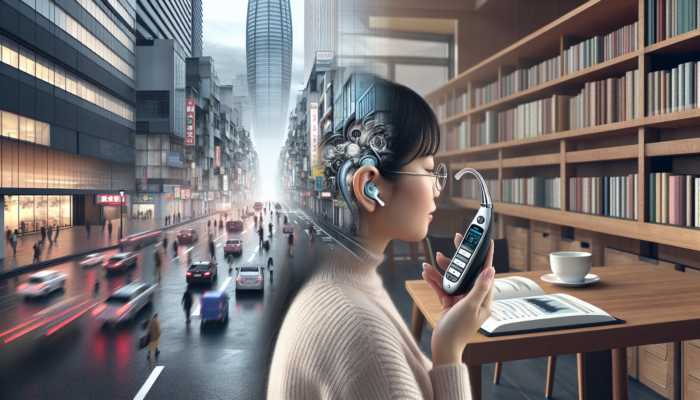
Categories
heathcare

Enhanced Automation in Healthcare through Process Redesign

In the current fast-paced landscape, both efficiency and automation are essential elements that underpin the successful operation of various sectors, notably healthcare. As the demand for exceptional healthcare services continues to grow, medical institutions are actively exploring methods to optimise their processes and enhance patient care outcomes. This is where process redesign and automation become indispensable, significantly transforming healthcare delivery.

Understanding the Importance of Efficiency in Healthcare

The landscape of healthcare organisations encounters a myriad of challenges, such as escalating costs, a surge in patient numbers, and constrained resources. In this intricate environment, optimising processes is crucial to ensure that patients receive timely and high-quality care. Streamlining workflows not only enhances efficiency but also plays a vital role in improving health outcomes.

Process redesign entails a comprehensive evaluation and restructuring of existing workflows to remove unnecessary steps, minimise errors, and boost overall efficiency. By embracing process redesign within the healthcare sector, organisations can effectively reduce waste, alleviate bottlenecks, and significantly enhance patient satisfaction, ultimately resulting in a more agile and responsive healthcare system.

Exploring the Key Benefits of Process Redesign in Healthcare

Doctors analysing holographic patient data in a futuristic healthcare setting, enhancing efficiency and care.
  1. Enhanced Patient Safety: A primary goal of process redesign is to improve patient safety. By meticulously eliminating redundant steps, standardising procedures, and implementing error-prevention measures, healthcare organisations can significantly lower the incidence of medical errors and adverse events. This careful approach ensures that patients receive appropriate care at precisely the right moment, minimising potential harm and fostering a safer healthcare environment.

  2. Boosting Patient Satisfaction: Streamlining processes within healthcare organisations can lead to reduced waiting times, enhanced communication, and an overall improved patient experience. This can be achieved through the implementation of advanced technologies such as self-check-in kiosks, electronic medical record systems, and automated appointment reminders. Improved coordination among healthcare providers and departments ensures smoother transitions of care, ultimately resulting in heightened patient satisfaction.

  3. Cost Reduction: Process redesign empowers healthcare organisations to identify and eliminate non-value-added activities, leading to substantial cost savings. By optimising resource utilisation and minimising waste, organisations can allocate their resources more effectively. For example, automation can streamline administrative tasks like billing and claims processing, significantly lowering the need for manual intervention and reducing costs associated with human error.

  4. Boosted Staff Productivity: By streamlining processes and alleviating administrative burdens, healthcare professionals can dedicate more time to direct patient care. The automation of routine tasks and the removal of manual paperwork enable staff to enhance patient interactions, leading to improved health outcomes. Automation can assist with critical tasks, including medication dispensing and inventory management, allowing staff to focus on complex clinical decision-making.

  5. Optimised Data Management: Implementing process redesign often involves adopting automation and digitalisation strategies. This transition results in improved data management, enhanced accuracy, and greater access to vital patient information. The availability of real-time data enables healthcare professionals to make informed decisions and provide personalised care. The integration of electronic health records, clinical decision support systems, and data analytics tools further boosts the quality and efficiency of healthcare delivery.

Harnessing Automation to Improve Efficiency in Healthcare

Automation is pivotal in enhancing efficiency within the healthcare sector. By leveraging advanced technology and sophisticated software solutions, healthcare organisations can automate repetitive and time-consuming tasks, ensuring precise and efficient operations. The advantages of automation in healthcare are extensive:

  1. Minimising Human Errors: Automation significantly reduces the likelihood of human errors, such as transcription mistakes or data entry inaccuracies. By automating processes like appointment scheduling or prescription filling, healthcare organisations can dramatically lessen the potential for errors. This advancement not only improves patient safety but also decreases the need for costly error corrections.

  2. Enhancing Workflow: Automation optimises workflows by removing manual handoffs, reducing paperwork, and automating data exchange across various systems. This leads to quicker processing times, reduced bottlenecks, and improved overall efficiency. For instance, automated patient triage systems can prioritise and assign cases based on severity, significantly enhancing workflow in emergency departments.

  3. Improving Communication: Automation enables seamless communication among healthcare professionals, departments, and patients. By automating notifications, reminders, and alerts, healthcare organisations can ensure timely communication, fostering improved collaboration and coordination. This is particularly beneficial during care transitions, where automated alerts can help prevent medication errors or missed follow-up appointments.

  4. Utilising Real-time Analytics: Automation allows healthcare organisations to collect and analyse real-time data, providing invaluable insights for informed decision-making. This capability aids in identifying areas for improvement, optimising resource allocation, and enhancing patient care outcomes. For example, automated data analytics tools can monitor patient outcomes and alert healthcare providers to potential complications, facilitating early interventions and better patient results.

  5. Ensuring Regulatory Compliance: Automation assists healthcare organisations in maintaining compliance with various regulatory requirements. By automating documentation processes and ensuring timely follow-ups, organisations can mitigate compliance risks and avoid penalties. For instance, automated coding and billing systems ensure accurate documentation and coding, thereby minimising the risk of non-compliance with coding guidelines and regulations.

Critical Steps for Effectively Implementing Process Redesign and Automation in Healthcare

Implementing process redesign and automation in the healthcare sector necessitates meticulous planning and collaboration among various stakeholders. Below are essential steps to consider:

  1. Identify Areas for Improvement: Conduct a comprehensive analysis of existing processes to uncover bottlenecks, inefficiencies, and opportunities for automation. Engage healthcare professionals, administrators, and IT experts to gather insights and requirements. This may involve conducting time-motion studies, workflow analyses, and soliciting feedback from frontline staff.

  2. Develop a Clear Roadmap: Create a detailed plan outlining the necessary steps for implementing process redesign and automation. Define clear objectives, timelines, and resource requirements. Prioritise areas that demonstrate the highest potential for improvement, considering factors such as cost, feasibility, and their impact on patient care outcomes.

  3. Select Suitable Technology: Evaluate various automation technologies and software solutions available in the market. Consider factors such as scalability, flexibility, security, and integration capabilities. Choose a solution that aligns with your organisation’s goals and requirements, ensuring that the selected technology is user-friendly and easily adoptable by staff members.

  4. Engage and Train Staff: Effective training is crucial for the successful implementation and acceptance of new processes and technologies. Educate staff on the benefits of process redesign and automation, provide hands-on training on new systems, and encourage their active participation in the change management process. This engagement may include conducting workshops, providing user manuals, and offering ongoing support and guidance.

  5. Monitor and Evaluate Progress: Continuously track the performance of redesigned processes and automated systems. Collect feedback from staff and patients to identify additional areas for improvement. Regularly review key performance indicators to assess the impact of process redesign and automation on efficiency and patient outcomes. Make necessary adjustments and refinements based on the feedback received to ensure sustained improvement and effectiveness.

In conclusion, enhancing efficiency through process redesign and automation is critical in the healthcare sector. By embracing these innovative strategies, healthcare organisations can optimise processes, enhance patient safety and satisfaction, reduce costs, and improve overall healthcare delivery. The journey towards automation in healthcare involves meticulous planning, collaboration, and the selection of appropriate technology to ensure successful implementation and lasting benefits.

Note: The complete article is provided in markdown format below:

# Driving Efficiency: Process Redesign and the Path to Automation in Healthcare In today's fast-paced world, efficiency and automation are key factors in ensuring the smooth functioning of any industry, and healthcare is no exception. As the demand for quality healthcare services continues to rise, healthcare organizations are constantly seeking ways to streamline their processes and improve patient care outcomes. This is where process redesign and automation play a crucial role. 

The Need for Efficiency in Healthcare

A modern hospital using technology to streamline processes, reducing wait times and errors for better patient care.
Healthcare organizations face numerous challenges on a daily basis, including rising costs, increasing patient volumes, and limited resources. In such a complex environment, it becomes imperative to optimize processes to ensure that patients receive timely and high-quality care. Process redesign involves reevaluating and reengineering existing processes to eliminate unnecessary steps, reduce errors, and enhance overall efficiency. By implementing process redesign in healthcare, organizations can cut down on waste, minimize bottlenecks, and improve patient satisfaction.

Key Benefits of Process Redesign in Healthcare

  1. Improved Patient Safety: One of the primary goals of process redesign is to enhance patient safety. By eliminating redundant steps, standardizing processes, and implementing error-prevention mechanisms, healthcare organizations can significantly reduce the risk of medical errors and adverse events. This ensures that patients receive the right care at the right time, minimizing potential harm.
  1. Enhanced Patient Satisfaction: By streamlining processes, healthcare organizations can reduce waiting times, improve communication, and enhance the overall patient experience. This can be achieved by implementing technologies such as self-check-in kiosks, electronic medical record systems, and automated appointment reminders. improved coordination between healthcare providers and departments leads to smoother transitions of care and better patient satisfaction.
  1. Reduced Costs: Process redesign allows healthcare organizations to identify and eliminate non-value-added activities, leading to cost savings. By optimizing resource utilization and reducing waste, organizations can allocate their resources more efficiently and effectively. For example, automation can streamline administrative tasks like billing and claims processing, reducing the need for manual intervention and lowering costs associated with human error.
  1. Increased Staff Productivity: Streamlined processes and reduced administrative burdens enable healthcare professionals to focus more on direct patient care. By automating routine tasks and eliminating manual paperwork, staff can spend more time interacting with patients, leading to improved outcomes. automation can assist in tasks like medication dispensing and inventory management, freeing up staff to concentrate on complex clinical decision-making.
  1. Enhanced Data Management: Process redesign often involves the implementation of automation and digitalization strategies. This allows for better data management, improved accuracy, and increased accessibility to vital patient information. The availability of real-time data enables healthcare professionals to make informed decisions and provide personalized care. Integration of electronic health records, clinical decision support systems, and data analytics tools can further enhance the quality and efficiency of healthcare delivery.

The Role of Automation in Healthcare

Automation plays a significant role in driving efficiency in healthcare. By leveraging technology and advanced software solutions, healthcare organizations can automate repetitive and time-consuming tasks, ensuring accurate and efficient operations. Automation offers several benefits in the healthcare industry:
  1. Reduced Human Errors: Automation minimizes the risk of human errors, such as transcription errors or data entry mistakes. By automating processes like appointment scheduling or prescription filling, healthcare organizations can significantly reduce the likelihood of mistakes. This improves patient safety and reduces the need for costly error correction.
  1. Improved Workflow: Automation streamlines workflows by eliminating manual handoffs, reducing paperwork, and automating data exchange between different systems. This leads to faster processing times, reduced bottlenecks, and improved overall efficiency. For example, automated patient triage systems can prioritize and assign cases based on severity, optimizing the workflow in emergency departments.
  1. Enhanced Communication: Automation facilitates seamless communication among healthcare professionals, departments, and patients. By automating notifications, reminders, and alerts, healthcare organizations can ensure timely communication, leading to improved collaboration and coordination. This can be particularly beneficial in care transitions, where automated alerts can help prevent medication errors or missed follow-up appointments.
  1. Real-time Analytics: Automation enables healthcare organizations to collect and analyze real-time data, providing valuable insights for decision-making. This helps in identifying areas for improvement, optimizing resource allocation, and enhancing patient care outcomes. For instance, automated data analytics tools can monitor patient outcomes and alert healthcare providers of potential complications, allowing for early interventions and improved patient outcomes.
  1. Improved Compliance: Automation helps healthcare organizations stay compliant with various regulatory requirements. By automating documentation processes and ensuring timely follow-ups, organizations can reduce compliance risks and avoid penalties. For example, automated coding and billing systems can ensure accurate documentation and coding, minimizing the risk of non-compliance with coding guidelines and regulations.

Implementing Process Redesign and Automation

Healthcare professionals collaborating on digital interface for process redesign and automation, improving efficiency and patient care.
Implementing process redesign and automation in healthcare requires careful planning and collaboration among various stakeholders. Here are some steps to consider:
  1. Identify Areas for Improvement: Conduct a thorough analysis of existing processes to identify bottlenecks, inefficiencies, and areas that can benefit from automation. Engage healthcare professionals, administrators, and IT experts to gain insights and gather requirements. This can involve conducting time-motion studies, workflow analysis, and obtaining feedback from frontline staff.
  1. Develop a Roadmap: Create a detailed plan outlining the steps required to implement process redesign and automation. Define clear objectives, timelines, and resource requirements. Prioritize areas that offer the highest potential for improvement. Consider factors such as cost, feasibility, and impact on patient care outcomes.
  1. Select the Right Technology: Evaluate different automation technologies and software solutions available in the market. Consider factors such as scalability, flexibility, security, and integration capabilities. Choose a solution that aligns with your organization's goals and requirements. Ensure that the chosen technology is user-friendly and can be easily adopted by staff.
  1. Train and Engage Staff: Proper training is crucial to ensure the successful implementation and adoption of new processes and technologies. Train staff on the benefits of process redesign and automation, provide hands-on training on new systems, and encourage their active participation in the change management process. This can include conducting workshops, providing user manuals, and offering ongoing support and guidance.
  1. Monitor and Evaluate: Continuously monitor the performance of redesigned processes and automated systems. Collect feedback from staff and patients to identify areas for further improvement. Regularly review key performance indicators to measure the impact of process redesign and automation on efficiency and patient outcomes. Make necessary adjustments and refinements based on the feedback received to ensure sustained improvement.
In conclusion, driving efficiency through process redesign and automation is paramount in the healthcare industry. By embracing these strategies, healthcare organizations can optimize processes, enhance patient safety and satisfaction, reduce costs, and improve overall healthcare delivery. The path to automation in healthcare requires careful planning, collaboration, and the right technology to ensure successful implementation and long-term benefits.

Frequently Asked Questions About Process Redesign and Automation in Healthcare

1. What are the key benefits of process redesign in healthcare?

  • Enhanced Patient Safety: By removing redundant steps and implementing error-prevention measures, process redesign reduces the risk of medical errors and adverse events, ensuring patients receive appropriate care at the right time.
  • Boosted Patient Satisfaction: Streamlining processes reduces waiting times, enhances communication, and improves the overall patient experience, leading to greater satisfaction.
  • Cost Savings: Process redesign identifies and eliminates non-value-added activities, optimising resource utilisation and minimising waste, resulting in significant cost savings.
  • Increased Staff Productivity: By automating routine tasks and reducing administrative burdens, staff can devote more time to patient interactions and focus on direct patient care.

2. What role does automation play in healthcare?

  • Reducing Human Errors: Automation minimises the risk of human errors by automating processes like appointment scheduling or prescription filling, thereby enhancing patient safety.
  • Improving Workflow: Automation eliminates manual handoffs, reduces paperwork, and automates data exchange, leading to quicker processing times and improved overall efficiency.
  • Enhancing Communication: Automation facilitates seamless communication among healthcare professionals, departments, and patients through automated notifications, reminders, and alerts.
  • Real-time Analytics: Automation empowers healthcare organisations to collect and analyse real-time data, providing valuable insights for decision-making, optimising resource allocation, and improving patient care outcomes.

3. How can process redesign and automation be implemented in healthcare?

  • Identify Areas for Improvement: Conduct a comprehensive analysis of existing processes to pinpoint bottlenecks and inefficiencies that can benefit from automation.
  • Develop a Roadmap: Create a detailed plan with clear objectives, timelines, and resource requirements, prioritising areas with the greatest potential for improvement.
  • Select the Right Technology: Assess automation technologies based on scalability, flexibility, security, and integration capabilities, ensuring they align with organisational goals.
  • Train and Engage Staff: Provide thorough training on the benefits of process redesign and automation, offer hands-on training on new systems, and encourage staff involvement.
  • Monitor and Evaluate: Continuously assess the performance of redesigned processes and automated systems, gather feedback, and implement necessary adjustments for ongoing improvement.

4. How does process redesign and automation improve healthcare delivery?

  • Optimised Processes: Process redesign and automation streamline workflows, reduce errors, and eliminate waste, leading to efficient healthcare delivery.
  • Enhanced Patient Safety and Satisfaction: By improving patient safety and reducing waiting times, process redesign and automation enhance patient satisfaction.
  • Cost Savings: Process redesign and automation identify non-value-added activities and decrease costs associated with human error.
  • Increased Staff Productivity: By automating routine tasks and alleviating administrative burdens, staff can concentrate more on direct patient care, improving outcomes.

Originally posted 2023-04-26 15:26:19.

The post Process Redesign for Enhanced Automation in Healthcare appeared first on Healthcare Marketing Service.

Categories
heathcare

Top Hearing Aids: Bluetooth, AuraCast, and More Features

Last Updated on 15/05/2026 by Dane Lozano

The leading hearing aids in the UK for 2026 go beyond mere sound amplification. Key differences now centre on battery longevity, Bluetooth streaming capabilities, design invisibility, and whether the devices are Auracast-ready for next-level public audio streaming. Industry frontrunners such as Signia, Rexton, Widex, Oticon, and Starkey are at the forefront, offering premium rechargeable and AI-enhanced models. Recent evaluations by UK audiologists particularly emphasise the growing popularity of Auracast-compatible devices and the emergence of discreet, rechargeable in-ear designs.

1. Top Choice for Overall Performance

– Signia Pure Charge&Go IX

The Signia IX platform stands out as the most well-rounded premium choice currently available in the UK. It excels in speech clarity amidst background noise, offers robust Bluetooth streaming, features impressive battery life, and boasts some of the finest app controls on the market. The Integrated Xperience platform is particularly beneficial for individuals who frequently switch between conversations.

2. Best for Discreet Design

– Signia Silk IX Charge&Go

This device ranks among the smallest rechargeable in-ear hearing aids equipped with Bluetooth technology, boasting a nearly invisible fit.

It is one of the rare truly discreet rechargeable CIC-style hearing aids available in the UK. Designed for users seeking nearly invisible auditory assistance without compromising on modern streaming capabilities and rechargeability.

3. Top Choice for Natural Sound Quality

– Widex Allure 440

This premium rechargeable hearing aid is renowned for delivering an exceptionally natural sound experience with minimal processing delay.

Widex remains a top choice for audiophiles and those sensitive to artificial sound manipulation. The SmartRIC redesign enhances microphone positioning and boosts battery efficiency.

4. Best for Auracast Compatibility

– Starkey Omega AI 24

The Omega AI 24 represents the pinnacle of Starkey’s hearing aid technology. This model features exclusive DNN 360 directionality, which significantly enhances speech comprehension in noisy settings. It also offers advanced spatial awareness and top-tier automatic sound adjustment. This hearing aid is ideal for active users who frequently find themselves in restaurants, social events, meetings, or bustling public spaces.

5. Leading Choice for Brain-Driven AI Processing

– Oticon Intent 1

The Oticon Intent is one of the most advanced hearing aids available, employing 4D sensors that respond to movement, listening intentions, and conversational dynamics in real-time. UK reviewers consistently rank it among the top premium hearing aids of 2026.

Signia Pure Charge and Go IX Signia Silk Charge & Go IX Widex Allure RIC 440 Starkey Omega AI 24 Oticon Intent 1
Style RIC (Receiver-in-Canal) CIC / Invisible-in-ear RIC Custom rechargeable miniRITE
Rechargeable Yes Yes Yes Yes Yes
Bluetooth Streaming Excellent Limited compared to RIC models Excellent Excellent Excellent
Auracast / LE Audio LE Audio-ready Limited future support Expected future support Strong early support LE Audio capable
Best Strength Group conversations Discreet design Natural sound quality AI + smart features Adaptive listening
Speech in Noise Excellent Very good Good–Very Good Excellent Excellent
Music Quality Very Good Good Excellent Very Good Very Good
Visibility Low-profile Nearly invisible Moderate Invisible/custom Moderate
Battery Life Up to full day+ Full day Full day Excellent Excellent
App Experience Excellent Signia app Signia app Widex app Starkey app with wellness tools Oticon Companion
Best For Busy social environments Users seeking invisible aids Music enthusiasts & natural sound Tech-savvy users Dynamic listening scenarios
Hearing Loss Range Mild–Profound Mild–Moderate Mild–Profound Mild–Severe Mild–Profound
Key Differentiator RealTime Conversation Enhancement Smallest rechargeable Signia model Widex PureSound processing AI health + environmental features 4D user-intent sensors

For most users in the UK, the Signia Pure Charge&Go IX likely offers the best overall balance, particularly if speech clarity in restaurants, meetings, and group settings is paramount. The Widex Allure 440 excels in delivering music and natural sound reproduction, while the Signia Silk IX is perfect for those prioritising cosmetic invisibility. The Starkey Omega AI 24 is best for individuals seeking AI-driven wellness features and future-ready connectivity, and Oticon Intent 1 is outstanding in adaptive environmental processing, leveraging motion and conversation sensors.

The post Top 5 Hearing Aids by Feature – Bluetooth, AuraCast, and More appeared first on The Microsuction Ear Wax Removal Network.

Categories
heathcare

Starkey Muse Debuts in the UK Market

Starkey Muse from Hearing First offers a new generation of power and precision for hearing aid users, enhancing clarity in noisy environments and delivering a more natural sound for music.

Starkey Muse from Hearing First

Discover the Starkey Muse Hearing Aids Now Available in the UK

Starkey has officially introduced its innovative Muse range of hearing aids. This collection offers a variety of styles, including the discreet yet powerful CIC (completely in the canal), ITC, and ITE custom models. it features the microRIC 312, miniBTE, and the microRIC 312 AP, boasting up to 70 dB of feedback-free amplification. For those prioritising discretion, Starkey presents the Soundlens Synergy, recognised as the world’s first wireless true iic (invisible in the canal) hearing aid.

The Muse range is available in three technology levels: i2400, i2000, and i1600. Each model is powered by Starkey’s cutting-edge Synergy technology platform, which utilises a quad-core architecture featuring up to 24 channels and twin compressors.

Every model comes equipped with Starkey’s patent-pending Multiflex Tinnitus technology. This innovative feature combines personalisation with flexibility, offering relief to users experiencing tinnitus.

The Muse collection, powered by Starkey’s revolutionary Synergy platform, stands out as the only solution to integrate quad-core twin compressor technology. It delivers exceptional precision for enhancing audibility and optimises the listening experience. The Synergy platform, in conjunction with Acuity OS, Starkey’s new high-definition operating system, allows for the unique processing of speech and sounds such as music for the first time, significantly enhancing speech clarity and enjoyment of music across various environments.

Synergy features 900sync Technology, a highly regarded wireless solution that ensures a superior audio experience. This is especially beneficial for those with unilateral hearing loss, thanks to the new Muse CROS System. It also enhances phone conversations through the innovative ear-to-ear phone streaming feature.

To explore the Starkey Muse range further, please visit:

Starkey Muse i2400

Starkey Muse i2000

Categories
heathcare

Starkey Muse i2400: Affordable Hearing Aids from £1595

Starkey Muse i2400 £1595 from Hearing First delivers a new generation of power and precision for hearing aid users, enhancing conversations in noisy settings and providing a more natural music experience.

Starkey Muse i2400 £1595 from Hearing First

Experience the Starkey Muse i2400 for £1595

Starkey has introduced the innovative Muse range of hearing aids, with the most competitive price in the UK available at Hearing First for just £1595. This range includes a variety of styles such as the discreet yet powerful CIC (completely in the canal), ITC, and ITE custom designs, alongside the microRIC 312, miniBTE, and the microRIC 312 AP, which offers up to 70dB of feedback-free amplification. For those prioritising discretion, Starkey presents the Soundlens Synergy, the world’s first wireless true iic (invisible in the canal) hearing aid.

The Muse series is available in three technology levels: i2400, i2000, and i1600. All models utilise Starkey’s cutting-edge Synergy technology platform, which is powered by a quad-core architecture featuring up to 24 channels and dual compressors.

Every model is equipped with Starkey’s innovative patent-pending Multiflex Tinnitus technology, designed to provide personalised relief for users experiencing tinnitus through a combination of flexibility and customisation.

Advanced Technology Features of the Starkey Muse i2400

The i2400 model is distinguished by the following advanced features:

  • 24 channels and 24 bands for enhanced sound quality
  • Extended bandwidth reaching up to 10kHz
  • Acuity OS for improved processing capabilities
  • 900sync Wireless Technology for seamless connectivity
  • Wireless Spatial Streaming for an immersive audio experience
  • Acuity Speech Optimisation to enhance speech clarity
  • Music Enhancement, which includes:
    • Music Adaptation – Level 4
    • Music Memory for personalised listening
    • E2E Music Adaptation – Maximum for superior sound quality
  • Ear 2 Ear Acuity Binaural Imaging, featuring:
    • E2E Machine Noise Adaptation – Level 4
    • E2E Wind Noise Management – Level 4
    • E2E Directionality for focused listening
    • E2E Phone Streaming for improved phone call clarity
  • Environment Manager – Acuity Lifescape Analyser, which incorporates:
    • Music – Level 4
    • Speech – Level 4
    • Speech and Noise – Level 4
    • Machine Noise – Level 4
    • Wind – Level 4
    • Noise – Level 4
    • Quiet – Level 4
  • Directional Processing – Acuity Directionality, with:
    • 24 channels for comprehensive sound coverage
    • Dynamic – Maximum for responsiveness
    • Directional – Maximum for targeted listening
    • Adaptive – Maximum for varied environments
  • Noise Control – Acuity Voice, featuring:
    • Noise Reduction Strength – Level 4 for a quieter experience
  • Whistlefree Feedback Cancellation to minimise unwanted noise
  • Speech Shift Frequency Lowering for clearer conversations
  • Multiflex Tinnitus Technology for enhanced comfort
  • SurfLink Wireless Accessories for added convenience

The Muse range, powered by Starkey’s revolutionary Synergy platform, uniquely incorporates quad-core twin compressor technology. This advancement offers unparalleled precision for sound clarity and optimises listening enjoyment. The Synergy platform, in combination with Acuity OS, allows for unprecedented processing of speech and music, enhancing both audibility and enjoyment across various environments.

Synergy also features 900sync Technology, a wireless solution preferred by patients, designed to deliver exceptional audio quality while assisting those with unilateral hearing loss through the Muse CROS System. This system significantly enhances phone call clarity with the new ear-to-ear phone streaming functionality.

Categories
heathcare

Starkey Muse i2000: CIC, ITC, ITE, RIC, BTE for £1295

Starkey Muse i2000 £1295 from Hearing First brings a new generation of power and precision to hearing aid wearers, making conversation clearer in noisy environments, and music more natural.

Starkey Muse i2000 £1295 from Hearing First

Discover the Starkey Muse i2000 for £1295

When searching for the Starkey Muse i2000 in the UK, you will find that Hearing First offers the most competitive price.

Our advanced Acuity Binaural Imaging technology sets a new benchmark in ear-to-ear communication. This system delivers ultra high-definition audio, enhancing the natural experience of sound for users. Through collaborative decision-making processes, we ensure that speech clarity is maintained while ensuring comfort is prioritised.

Modern users desire to enjoy listening experiences in diverse environments. Our innovative Acuity Lifescape Analyzer serves as our most thoroughly tested environmental detection system. It features seven distinct sound classes that can manage multiple environments at once, providing the most sophisticated and precise classification and adaptation capabilities to date.

To enhance speech detection in challenging listening situations, Acuity Directionality is designed to be intelligent and personalised. It continually adjusts across all channels, focusing on conversations and offering up to 6dB of speech enhancement, enabling users to hear and engage in discussions from various angles.

Acuity Voice works in conjunction with the Acuity Lifescape Analyzer to optimise speech intelligibility. Its dual-algorithm approach employs dynamic voice recognition, combined with spectral noise control that adjusts gain on a per-channel basis, resulting in unparalleled sound quality, listening ease, and clarity of speech amidst background noise.

Our highly regarded wireless system, 900sync, facilitates seamless streaming of a caller’s voice to both ears through our innovative Ear-to-Ear Phone Streaming feature, making phone conversations clearer and more enjoyable.

Advanced Features of the Starkey Muse i2000

The i2000 model is equipped with the following features:

  • 20 channels and 20 bands for optimised sound processing
  • Extended frequency response reaching up to 10kHz
  • Acuity OS for enhanced performance
  • 900sync Wireless Technology for effective connectivity
  • Wireless Spatial Streaming for an immersive audio experience
  • Acuity Speech Optimisation – Medium for improved speech clarity
  • Music Enhancement, which includes
    • Music Adaptation – Level 2 for tailored listening
    • Music Memory for personalised music experiences
    • E2E Music Adaptation – Medium for seamless music enjoyment
  • Ear-to-Ear Acuity Binaural Imaging, featuring
    • E2E Machine Noise Adaptation – Level 2 for reduced distractions
    • E2E Wind Noise Management – Level 2 for outdoor clarity
    • E2E Directionality for focused hearing
    • E2E Phone Streaming for clear calls
  • Environment Manager – Acuity Lifescape Analyzer, which includes
    • Music – Level 2 for enhanced listening
    • Speech – Level 2 for clear communication
    • Speech and Noise – Level 2 for balanced sound
    • Machine Noise – Level 2 for minimal interference
    • Wind – Level 2 for clarity in breezy conditions
    • Noise – Level 2 for reduced background sound
    • Quiet – Level 2 for peace and tranquillity
  • Directional Processing – Acuity Directionality, featuring
    • 20 channels for superior sound management
    • Dynamic – Medium for adaptable hearing
    • Directional – Medium for focused audio
    • Adaptive – Medium for personalised experiences
  • Noise Control – Acuity Voice, which includes
    • Noise Reduction Strength – Level 2 for improved clarity
  • Whistle-free Feedback Cancellation for a comfortable experience
  • Speech Shift Frequency Lowering for enhanced understanding
  • Multiflex Tinnitus Technology for tinnitus management
  • SurfLink Wireless Accessories for expanded functionality

The Muse, powered by Starkey’s revolutionary Synergy platform, is the only system to utilise quad-core twin compressor technology. This innovation provides remarkable precision for audibility and optimises listening enjoyment. Together with Acuity OS, our state-of-the-art high-definition operating system, it allows for unprecedented processing of speech and music, enhancing clarity and enjoyment in all listening environments.

Synergy also integrates 900sync Technology, our preferred wireless system, which ensures a high-quality audio experience. This technology supports unilateral loss through the new Muse CROS System and enhances phone call comprehension with our innovative ear-to-ear phone streaming feature.

Categories
heathcare

Starkey Soundlens i2400 Synergy for £2195

Discover the Starkey SoundLens Synergy i2400: The Pinnacle of Invisible Hearing Aid Technology

Starkey Soundlens Synergy From Hearing First - the world's smallest truly invisible in the canal hearing aid - now available with wireless technology.

Starkey SoundLens Synergy From Hearing First

The Starkey SoundLens Synergy i2400, available through Hearing First, represents the forefront of invisible hearing aid technology. These hearing aids are custom-fitted to precisely match your individual ear canal shape, ensuring a snug and comfortable fit that remains unnoticed by others. Despite their miniature size, these devices are packed with cutting-edge features. They hold the distinction of being the first and most sought-after custom-fit Invisible-in-the-Canal (IIC) hearing aids ever produced.

  • Experience Unseen Comfort with a Tailored Fit

    These hearing aids are designed to fit deep within your ear canal and are tailored specifically for your comfort throughout the day.

    Starkey is renowned for creating the smallest truly invisible in-the-canal hearing aids, and with the integration of wireless capabilities and an enhanced technology platform, the SoundLens Synergy i2400 stands as the most sophisticated option available.

  • How Do You Adapt to New Sounds Seamlessly?

    The innovative feature facilitates your transition to hearing aids, gradually adjusting settings to help your brain acclimatise to new auditory experiences.

  • What Enhancements in Wireless Streaming Can You Expect?

    Enjoy reliable wireless performance while streaming your favourite shows, music, and other media thanks to SurfLink® Mobile 2 and a range of SurfLink accessories.

  • How Does Personalised Comfort Transform Your Listening?

    Sound comfort technology is carefully engineered to deliver distortion-free listening for loud sounds while ensuring clarity for softer sounds.

  • Can You Enjoy a Buzz-Free Listening Experience?

    Our advanced feedback cancellation system eliminates unwanted buzzing and whistling, allowing for a comfortable listening experience all day long.

  • How Can You Experience Music as It Was Intended?

    Designed to provide a rich musical experience, these hearing aids enable you to appreciate every note exactly as the artist intended, delivering pure and refined sound quality.

  • What Custom Solutions Are Available for Tinnitus Relief?

    The advanced Multiflex Tinnitus Technology incorporated into these hearing aids offers tailored relief for individuals experiencing ringing in the ears.

Key Technological Features of the Starkey SoundLens Synergy i2400

The i2400 model is equipped with an impressive array of features, including:

  • 24 channels and 24 bands for precise sound management
  • Extended bandwidth reaching up to 10kHz for superior sound quality
  • Acuity OS for advanced processing
  • 900sync Wireless Technology for seamless connectivity
  • Wireless Spatial Streaming for immersive audio experiences
  • Acuity Speech Optimisation for clearer communication
  • Music Enhancement features, including:
    • Music Adaptation – Level 4 for tailored sound
    • Music Memory for personalised listening
    • E2E Music Adaptation – Maximum for superior sound quality
  • Ear 2 Ear Acuity Binaural Imaging, featuring:
    • E2E Machine Noise Adaptation – Level 4 for quieter environments
    • E2E Wind Noise Management – Level 4 for outdoor clarity
    • E2E Directionality for focused hearing
    • E2E Phone Streaming for hands-free calls
  • Environment Manager – Acuity Lifescape Analyser, including:
    • Music – Level 4 for enhanced listening
    • Speech – Level 4 for improved dialogue clarity
    • Speech and Noise – Level 4 for balanced sound
    • Machine Noise – Level 4 for reduced distractions
    • Wind – Level 4 for outdoor comfort
    • Noise – Level 4 for a peaceful listening experience
    • Quiet – Level 4 for maximum tranquillity
  • Noise Control – Acuity Voice, which includes:
    • Noise Reduction Strength – Level 4 for a quieter environment
  • Whistlefree Feedback Cancellation for uninterrupted listening
  • Speech Shift Frequency Lowering for better understanding
  • Multiflex Tinnitus Technology for comprehensive support
  • SurfLink Wireless Accessories for versatile connectivity options

Categories
heathcare

Healthcare Tech Upgrades for Effective NHS Implementation

Thorough Assessment of NHS Technology Infrastructure

Implementing Detailed Technology Audits

Carrying out detailed evaluations of the existing NHS technology systems is essential for pinpointing outdated equipment and the inefficiencies affecting hospitals and clinics across the United Kingdom. These thorough audits should assess the effectiveness of the technology in operation, confirming that it complies with national standards and aligns with the priorities of patient care. By examining the technology that supports healthcare delivery, stakeholders can better understand what requires upgrading. Attention should particularly focus on the age of the equipment, the current software versions, and the capacity of existing systems to fulfil modern interoperability requirements.

Audits must include an evaluation of the existing performance metrics, which will expose significant gaps in service delivery and patient outcomes. Recognising these shortcomings lays the foundation for prioritising upgrades that promise the most substantial improvements in patient care. For example, if a hospital’s electronic health record (EHR) system does not integrate with diagnostic tools, it can result in treatment delays. Addressing such issues is crucial for streamlining processes and enhancing clinical efficiency.

Assessing Staff Preparedness for New Technology Implementation

Evaluating the readiness of NHS teams to adopt new tools is critical for ensuring a successful technology upgrade. Insights gathered from various trusts throughout the United Kingdom indicate that levels of preparedness can vary considerably, influenced by factors such as previous experiences with technology, current skill sets, and the nature of prior training received. Identifying training gaps is essential; if staff members lack the necessary skills to effectively operate new systems, the upgrade initiative risks failing to achieve its objectives.

Regular assessments can help evaluate staff comfort levels and proficiency with existing technologies. For instance, using surveys or focus groups can provide valuable insights directly from the frontline users of these systems. This engagement nurtures a culture of continuous learning and development, empowering staff to actively contribute to the upgrade process. Focusing on targeted training initiatives that address identified gaps will enhance staff confidence and facilitate smoother transitions to new technologies.

Anticipating Integration Challenges Before Upgrades

Integrating new technologies into the existing NHS framework can pose numerous challenges, especially when dealing with legacy databases and electronic patient records (EPRs). Early identification of key integration points is vital during the upgrade process to reduce potential complications. The challenges can be summarised as follows:

  • Compatibility with legacy systems
  • Complexities of data migration
  • Interoperability with third-party applications
  • Discrepancies in user interfaces
  • Access control and data security protocols
  • Training requirements for staff on new systems
  • Regulatory compliance across different regions
  • Continual support during the transition phase

By focusing on these integration challenges, NHS trusts can develop strategic solutions that ensure new systems complement and enhance existing workflows. A carefully planned integration strategy is crucial to avoid disruptions in patient care and maintain workflow efficiency.

How Does Stakeholder Engagement Enhance Technology Upgrades?

Identifying and Involving Key NHS Stakeholders

Mapping out the diverse stakeholders within NHS organisations is pivotal for aligning technology upgrade goals with the actual needs and operational realities encountered by clinicians, administrators, and IT leaders. Frontline staff provide invaluable insights into daily challenges that technology can effectively address. Involving these individuals from the beginning ensures that the solutions developed are both suitable and embraced by those who will ultimately use them.

Stakeholders may include a broad spectrum of individuals, such as department heads, IT specialists, and clinical staff. Each group brings a unique perspective that can significantly inform the upgrade process. Regular meetings and discussions with these stakeholders foster a collaborative environment where every contribution is valued. Understanding their priorities enables a more tailored approach to technology integration, ultimately leading to improved outcomes for both patients and staff.

Creating Collaborative Frameworks for Input

Establishing regular forums to gather input from both patients and staff is crucial for refining implementation plans within NHS organisations. Collaboration can take various forms, from focus groups to surveys, ensuring that all voices are heard throughout the upgrade process. These forums provide stakeholders with a platform to express concerns and share innovative ideas, fostering a sense of ownership over the new technologies being introduced.

Collaborative frameworks can help identify potential barriers to adoption early on. Promoting open communication allows NHS trusts to proactively address issues that may arise. This approach not only increases the likelihood of successful technology implementation but also builds trust between management and staff, which is vital for long-term success. As technology evolves, so too must the methods employed to engage with those it impacts, ensuring that NHS organisations stay responsive to the needs of their stakeholders.

Evaluating Engagement Outcomes for Ongoing Improvement

To effectively assess the success of stakeholder engagement during healthcare technology projects, identifying appropriate metrics is essential. These metrics may include participation rates in consultations, feedback scores from surveys, and levels of staff involvement in training sessions. Such indicators provide a quantifiable understanding of how engaged stakeholders are with the upgrade process.

Measuring engagement can also extend to patient interactions. For instance, tracking patient satisfaction ratings before and after upgrades can reveal whether the technology changes have positively influenced care delivery. Establishing these metrics allows NHS trusts to evaluate the effectiveness of their engagement strategies and make necessary adjustments to boost buy-in from all parties involved.

Tackling Barriers to Successful Implementation

Identifying and addressing potential obstacles, such as budget constraints and staff scepticism, is vital for ensuring successful technology upgrades within the NHS. Building trust and clearly demonstrating the benefits to all stakeholders can help reduce resistance to change. Open discussions surrounding the anticipated improvements in patient care and operational efficiencies can alleviate fears associated with new technologies.

Sharing case studies or examples of successful technology implementations within similar NHS settings can serve as motivating factors for hesitant staff. Presenting evidence-based outcomes reinforces the message that upgrades are beneficial and necessary for enhancing healthcare delivery. Strategies to mitigate the impact of budget constraints might include phased implementations or exploring alternative funding sources, such as public-private partnerships, to support the transition.

Expert Perspectives on Effective Healthcare Technology Upgrades

Learning from NHS Pilot Programmes

Analysing successful technology rollouts within NHS trusts provides invaluable lessons that can facilitate scalable adoption across the healthcare sector. Recent pilot programmes, such as the introduction of digital triage systems in emergency departments, highlight the potential for technology to significantly improve patient experience and operational efficiency. In these cases, meticulous planning and strong stakeholder engagement were crucial in overcoming integration challenges while ensuring staff received adequate training.

These pilot studies often emphasise the importance of a phased approach to implementation, allowing for adjustments based on real-time feedback from users. When expanding these technologies, maintaining open lines of communication with all stakeholders is essential, as their insights can inform further developments. Reviewing such case studies can provide a roadmap for NHS organisations seeking to implement similar upgrades, ensuring they learn from both the successes and challenges faced by their peers.

Addressing Common Challenges to Technology Adoption

Common obstacles to technology upgrades in NHS environments often include funding limitations and staff resistance to change. Practical steps to overcome these challenges begin with clear communication about the benefits that upgrades will provide. Involving staff early in the process can also help reduce resistance; when employees understand how technology can relieve their burdens, they are more likely to embrace changes.

Developing a robust financial plan that outlines implementation costs and ongoing maintenance can assist in securing necessary funding. Presenting a comprehensive view of the return on investment for technology upgrades is likely to resonate with decision-makers and stakeholders. This thorough approach ensures that both the financial and operational aspects of upgrades are carefully considered, leading to more successful outcomes.

Ensuring Technology Upgrades Align with National Policies

Technology upgrades must align with the objectives set out in the NHS Long Term Plan to ensure they contribute effectively to overarching goals within the health service. Understanding how technology fits into these national policies helps NHS organisations prioritise initiatives that not only benefit their own operations but also positively impact the broader healthcare landscape across the UK.

For example, many initiatives under the Long Term Plan focus on improving patient access to services through technology. This alignment ensures that upgrades are meaningful and conducive to achieving national targets, facilitating a more coordinated approach to health service delivery. aligning with national policies helps secure funding, as projects reflecting governmental priorities are more likely to receive support.

What Funding Options Are Available for Technology Upgrades?

Examining Government Grants for NHS Technology Enhancements

NHS-specific funding streams dedicated to technology improvements play a crucial role in facilitating upgrades across public health services in the United Kingdom. Understanding the eligibility criteria for these grants can unlock significant resources for NHS organisations seeking to implement new technologies. Various government initiatives, including the Digital First programme, aim to support NHS trusts in enhancing their technological capabilities.

Applying for these grants requires a comprehensive understanding of both the project goals and the anticipated outcomes. NHS organisations must present clear proposals outlining how the requested funds will be utilised to improve patient outcomes and operational efficiency. By proactively pursuing these funding opportunities, NHS trusts can alleviate some financial burdens associated with technology upgrades.

Utilising Public-Private Partnerships for Accelerated Technology Upgrades

Public-private partnerships (PPPs) can significantly expedite technology upgrades within NHS trusts by combining resources and expertise from both sectors. These collaborations allow NHS organisations to share the financial burden of technology implementation while benefiting from the innovative solutions offered by private companies. Such partnerships can foster a spirit of innovation and efficiency, enabling quicker access to the latest technologies.

Successful examples of PPPs in the NHS include collaborations for telehealth services and digital health solutions. These partnerships not only enhance service delivery but also create a competitive marketplace where best practices can flourish. By leveraging the strengths of both sectors, NHS trusts can navigate the complexities associated with technology implementation more effectively.

Budgeting for Sustainable Ongoing Expenses

Considering ongoing expenses is vital for the sustainability of NHS tech systems following implementation. A detailed budgeting process should incorporate various recurring costs, summarised as follows:

  • Software licensing fees
  • Maintenance and support services
  • Staff training and development
  • Data storage and management
  • System upgrades and updates
  • Cybersecurity measures
  • Integration with other systems
  • Patient support and engagement tools

Factoring in these costs during the planning phase ensures that NHS trusts maintain financial viability and can continue to support their improved technology infrastructure. This foresight is crucial for ensuring that technology upgrades yield lasting benefits for patient care and operational performance.

Research-Supported Advantages of Implementing Healthcare Technology Upgrades

Quantifying Efficiency Improvements from Technology Implementation

Providing expert analysis on time savings and error reductions observed in the United Kingdom NHS implementations significantly highlights the benefits of technology upgrades. For instance, the introduction of automated scheduling systems in outpatient clinics has led to noticeable reductions in administrative time, allowing staff to concentrate more on patient care. Such efficiency gains not only enhance productivity but also improve patient experiences.

Quantifying these improvements can be achieved through data analysis, comparing pre- and post-implementation metrics. By presenting concrete figures to stakeholders, NHS organisations can clearly demonstrate the tangible benefits of investing in technology. Efficiency is essential for delivering high-quality care, and showcasing these gains reinforces the necessity of ongoing investment in healthcare technology.

Enhancing Patient Outcomes Through Technology Adoption

Real-world examples of improved care quality from recent NHS technology adoptions illustrate the profound impact of tech upgrades on patient outcomes. For instance, implementing electronic prescribing systems has significantly reduced medication errors, ensuring patient safety and enhancing overall care delivery. These systems enable clinicians to access up-to-date patient information without delay, facilitating more informed decision-making.

Enhanced data sharing among departments leads to more coordinated care pathways. Patients benefit from streamlined processes, reduced wait times, and ultimately better health outcomes. Demonstrating these real-world applications not only validates the need for technology upgrades but also promotes a culture of continuous improvement within NHS trusts.

Maximising Data Utilisation for Better Decision-Making

Research indicates that upgraded systems in healthcare settings can lead to improved decision-making through enhanced data utilisation. When NHS organisations leverage advanced analytics tools, they gain deeper insights into patient populations, treatment efficacy, and resource allocation. This shift towards data-driven decision-making allows healthcare providers to tailor services to the specific needs of their communities.

Improved data utilisation can contribute to proactive health management, enabling the identification of trends and addressing issues before they escalate. By harnessing the power of data analytics, NHS organisations can enhance service delivery and drive continuous improvement in patient care. This strategic approach positions technology upgrades as essential components of contemporary healthcare delivery.

What Measures Can Ensure Data Security During Upgrades?

Implementing Strong Encryption to Safeguard Patient Data

Adhering to UK data protection regulations is crucial for safeguarding patient information throughout NHS technology transitions. Implementing strong encryption methods not only protects sensitive data but also builds trust with patients who are concerned about their privacy. Effective encryption protocols ensure that even in the event of data breaches, the information remains secure and unreadable.

NHS organisations must stay informed on evolving data protection laws and best practices, adapting their security measures accordingly. This proactive approach to data security is essential for maintaining compliance and ensuring patient confidentiality. By prioritising encryption and data protection, NHS trusts can create a secure environment for both staff and patients during technology upgrades.

Conducting Regular Risk Assessments for Vulnerability Management

NHS organisations should carry out regular risk assessments to thoroughly evaluate vulnerabilities during upgrade phases. These assessments should be comprehensive, encompassing both technological and human factors that could threaten data security. Establishing a consistent schedule for these evaluations ensures that potential risks are identified and mitigated proactively.

Risk assessments must also involve staff training to ensure that all personnel are aware of security protocols and their responsibilities in maintaining data integrity. By embedding a culture of security awareness, NHS organisations can significantly reduce the likelihood of breaches during technology transitions. This continuous vigilance is key to protecting patient information and fostering trust in the healthcare system.

Training Staff on Cybersecurity Protocols

Equipping staff with the necessary skills to uphold security standards in United Kingdom healthcare facilities is not merely a regulatory requirement; it is fundamental to fostering a secure environment during technology upgrades. Comprehensive training programmes should cover best practices for data protection, recognising phishing attempts, and effective incident response strategies.

Regular workshops and refresher courses can help reinforce these skills, ensuring that staff remain updated with evolving cybersecurity threats. A well-trained workforce serves as the first line of defence against potential breaches, enhancing the overall security posture of NHS organisations. By prioritising cybersecurity training, NHS trusts not only protect patient data but also cultivate a culture of responsibility and vigilance among all employees.

Monitoring and Evaluating Performance After Upgrades

Establishing Clear Performance Indicators for Success Assessment

Defining success measures tailored to NHS objectives, such as reduced wait times and improved diagnostics, is crucial for monitoring the effectiveness of technology upgrades. Establishing clear performance indicators allows NHS organisations to assess the impact of new technologies on both operational efficiency and patient care.

These indicators could encompass metrics such as patient throughput, error rates, and staff productivity levels. By regularly reviewing these performance indicators, NHS trusts can identify areas for improvement and make data-driven decisions to optimise their healthcare delivery. A structured approach to performance evaluation ensures that technology upgrades yield the anticipated outcomes and contribute to ongoing enhancements in service quality.

Implementing Effective Feedback Mechanisms for Continuous Improvement

Establishing effective feedback mechanisms for collecting input from patients and providers within the United Kingdom is essential for assessing the success of technology upgrades. Potential survey methods include:

  • Patient satisfaction surveys post-visit
  • Focus groups with clinical staff
  • Online feedback forms
  • Real-time feedback tools integrated into patient management systems
  • Regular check-ins with stakeholders during the upgrade process
  • Post-implementation reviews with key personnel
  • Anonymous suggestion boxes for staff
  • Patient experience interviews

These feedback mechanisms enable NHS organisations to gather insights that inform ongoing refinements to technology implementations. By fostering a culture of open communication, NHS trusts can create a continuous improvement loop that enhances both staff and patient experiences.

Adjusting Strategies Based on Performance Insights

Ongoing refinements are essential for the long-term success of technology upgrades within NHS contexts. When performance indicators and feedback mechanisms reveal areas needing improvement, NHS organisations must remain agile in their responses. Developing a framework for adjusting strategies based on results can facilitate prompt action, ensuring that technologies continue to meet the evolving needs of patients and healthcare providers.

For instance, if feedback indicates that a new EHR system is causing delays in patient processing, NHS trusts should investigate the root causes and implement necessary changes swiftly. This proactive approach to identifying and addressing issues enhances the overall effectiveness of technology upgrades and promotes a culture of continuous improvement.

Benchmarking Against Comparable Healthcare Systems for Best Practices

Conducting comprehensive benchmarking exercises by comparing the upgraded system’s key performance indicators with those of leading healthcare organisations across the United Kingdom and Europe can facilitate the identification of gaps and opportunities for further enhancements in service delivery. Benchmarking provides valuable insights into best practices and highlights areas where NHS organisations can improve or innovate.

By assessing performance against comparable systems, NHS trusts can identify successful strategies that may be adapted for their contexts. This process not only drives improvement but also fosters a sense of accountability as organisations strive to meet or exceed industry standards. Benchmarking should be a continuous process that informs future technology upgrades, ensuring that NHS organisations remain at the forefront of healthcare delivery.

Frequently Asked Questions About NHS Technology Upgrades

What Are Healthcare Technology Upgrades?

Healthcare technology upgrades refer to the implementation of new technologies or enhancements to existing systems aimed at improving patient care and operational efficiency within healthcare settings.

How Can NHS Organisations Begin Technology Audits?

NHS organisations can initiate technology audits by conducting thorough reviews of current systems, assessing equipment age, software effectiveness, and compliance with national standards.

What Role Do Stakeholders Have in Technology Upgrades?

Stakeholders, including clinicians and IT leads, provide crucial insights into practical needs and operational realities, helping to shape technology upgrades that align with frontline requirements.

What Are the Common Obstacles to Healthcare Technology Upgrades?

Common obstacles include budget constraints, resistance to change among staff, and integration challenges with existing systems, all of which can impede successful implementations.

How Can Funding for Technology Upgrades Be Obtained?

Funding can be obtained through government grants, public-private partnerships, and careful budgeting that outlines the expected return on investment for technology upgrades.

What Are the Advantages of Technology Adoption in Healthcare?

Advantages include increased efficiency, improved patient outcomes, enhanced data utilisation, and the facilitation of better decision-making within healthcare settings.

How Is Data Security Maintained During Upgrades?

Data security is maintained through robust encryption, regular risk assessments, and training staff on cybersecurity protocols to safeguard patient information.

What Performance Indicators Should NHS Organisations Monitor After Upgrades?

NHS organisations should monitor performance indicators such as patient throughput, error rates, staff productivity, and patient satisfaction to assess the effectiveness of technology upgrades.

How Can Feedback from Staff and Patients Be Effectively Collected?

Feedback can be collected through surveys, focus groups, real-time feedback tools, and anonymous suggestion boxes to ensure diverse perspectives are captured.

Why Is Benchmarking Important for NHS Technology Upgrades?

Benchmarking against comparable healthcare systems helps identify gaps, opportunities for improvement, and best practices that can enhance service delivery and patient care.

The post Healthcare Tech Upgrades: Strategies for NHS Implementation appeared first on Healthcare Marketing Service.